
Masa, the foundational dough derived from nixtamalized corn, stands as a culinary cornerstone, particularly in Mexican cuisine, forming the basis for staples ranging from tortillas to tamales. This ancient processing technique, known as nixtamalization, transforms ordinary corn into a nutrient-rich, versatile ingredient, unlocking both its flavor potential and its essential nutritional value. The increasing contemporary interest in traditional food preparation methods has cast a renewed spotlight on masa and the intricate science behind its creation, highlighting its historical significance, nutritional advantages, and cultural resonance in kitchens worldwide.
The Ancient Roots of a Culinary Cornerstone
The history of nixtamalization is deeply intertwined with the development of Mesoamerican civilizations. Archaeological evidence suggests that the process dates back thousands of years, with its origins potentially traced to the Olmec civilization around 1500-1200 BCE, and later refined and widely adopted by the Maya, Aztec, and other indigenous peoples across present-day Mexico and Central America. The term "nixtamalization" itself is derived from the Nahuatl word "nixtamalli," referring to hominy, the product of the process.
For these ancient societies, corn (maize) was not merely a crop; it was a sacred plant, central to their cosmologies, economies, and daily diets. However, corn consumed without proper processing can lead to nutritional deficiencies. Early Mesoamerican populations, through observation and ingenuity, discovered that cooking and steeping dried corn in an alkaline solution—typically made from slaked lime (calcium hydroxide), or sometimes wood ash—dramatically altered its properties. This process was not only vital for improving the dough’s workability, making it pliable for shaping tortillas, but, more crucially, it was a public health breakthrough of immense proportions, unbeknownst to them at the time.
The widespread adoption of nixtamalization across Mesoamerica ensured that corn-dependent populations avoided a severe nutritional deficiency disease known as pellagra. Pellagra, characterized by dermatitis, diarrhea, dementia, and eventually death, is caused by a lack of niacin (vitamin B3) or its precursor, tryptophan. While corn contains niacin, it is primarily in a bound form, largely unavailable for human absorption. Nixtamalization liberates this bound niacin, making it bioavailable and preventing the debilitating effects of pellagra. This profound discovery allowed these civilizations to thrive on a corn-centric diet for millennia, a testament to their sophisticated understanding of food processing long before the advent of modern nutritional science.
When corn was introduced to Europe in the post-Columbian era, often without the nixtamalization process, pellagra became rampant among populations that adopted it as a staple, such as in parts of Southern Europe and Africa. This stark contrast further underscored the critical role of nixtamalization in unlocking corn’s full nutritional potential and preventing widespread suffering.
Unpacking the Science: The Magic of Nixtamalization
The intricate process of nixtamalization involves a series of physical and chemical transformations that are fundamental to masa’s unique characteristics and nutritional value. As detailed by food science experts and specialized ingredient suppliers like Azure Standard, the procedure begins with dried corn kernels being cooked in an alkaline solution, most commonly calcium hydroxide (cal) dissolved in water.
During the cooking phase, which can last for various durations depending on the corn variety and desired outcome, the kernels undergo significant changes. They hydrate, absorbing water and expanding in size. The alkaline solution penetrates the kernel, causing the pericarp (the outer skin or hull) to loosen and soften, making it easier to remove during subsequent washing. This removal of the pericarp is crucial as it eliminates much of the indigestible fiber and allows for a smoother masa.
A key chemical change is the gelatinization of starches. The heat and alkalinity cause the starch granules within the corn to swell and rupture, releasing their contents and contributing to the characteristic texture of masa. Simultaneously, the calcium or potassium from the cooking liquid is absorbed by the kernels, enriching the corn with these minerals.
Perhaps the most significant biochemical alteration is the release of niacin. The alkaline environment breaks down hemicellulose, a component of corn’s cell walls, which binds niacin. This process effectively "frees" the niacin, making it digestible and absorbable by the human body. Furthermore, nixtamalization modifies the corn’s protein matrix, improving the digestibility of proteins and enhancing the bioavailability of other nutrients. The presence of calcium also plays a role in firming the masa and contributing to its structural integrity.
After cooking, the corn, now known as nixtamal, is steeped in the alkaline cooking liquid for an extended period, allowing the chemical reactions to continue and for the kernels to fully absorb the beneficial compounds. Following steeping, the nixtamal is thoroughly rinsed to remove excess lime and the loosened pericarp. The cleaned nixtamal is then traditionally ground while wet, typically using a stone mill (molino), to produce fresh masa. For commercial purposes or home convenience, the nixtamal can be dried and then ground into masa harina, a flour that can be reconstituted with water to form masa. This scientific marvel is what differentiates masa from simple cornmeal, which is merely ground, untreated corn.
From Kernel to Masa: The Craft and Tools
The journey from a dried corn kernel to a pliable masa dough is a craft that marries ancient tradition with precise technique. While commercial production of masa harina relies on industrial processes, the resurgence of interest in artisanal and home-based masa making emphasizes traditional methods and tools.
The first step, selecting the right corn, is crucial. While any dried corn can be nixtamalized, specific varieties of flint or dent corn are preferred for their starch composition, which yields superior masa in terms of flavor and texture. Heirloom varieties, often cultivated by indigenous communities, are particularly sought after by enthusiasts for their distinct profiles.
Once the nixtamal is prepared, the grinding process is paramount. Traditionally, this was done using a metate, a stone grinding slab with a mano (hand stone), a labor-intensive method still practiced in some rural communities. Modern home cooks and small-scale producers often employ specialized electric grinders designed for wet nixtamal or use high-quality meat grinders with appropriate plates. The goal is to achieve a fine, consistent paste that is neither too coarse nor overly pasty.
For shaping the masa into its most iconic form—the tortilla—a tortilla press is an indispensable tool. These presses are designed to apply even pressure, transforming a ball of masa into a uniformly thin, round disc. Tortilla presses come in various materials, each with its own advantages and considerations:
- Wood Presses: Highly prized for their traditional aesthetic, durability, and ability to create consistent pressure. Many are handcrafted, passed down through generations, and are often heavy, providing the necessary leverage. An excellent example is the robust, well-built solid wood press, often found in Mexican households, like the one frequently utilized by enthusiasts, sourced from a housemate’s abuela (grandmother), embodying a legacy of culinary practice. These presses are built to last and are a testament to enduring craftsmanship.
- Cast Iron Presses: Another popular and durable option, cast iron presses are heavy and provide excellent, even pressure. They are sturdy, long-lasting, and can be seasoned like other cast iron cookware to prevent sticking and ensure longevity.
- Aluminum Presses: While lightweight and inexpensive, aluminum presses are generally advised against for serious masa makers. They tend to be less durable, can bend or warp over time, and may not distribute pressure as evenly as wood or cast iron, leading to inconsistent tortilla thickness.
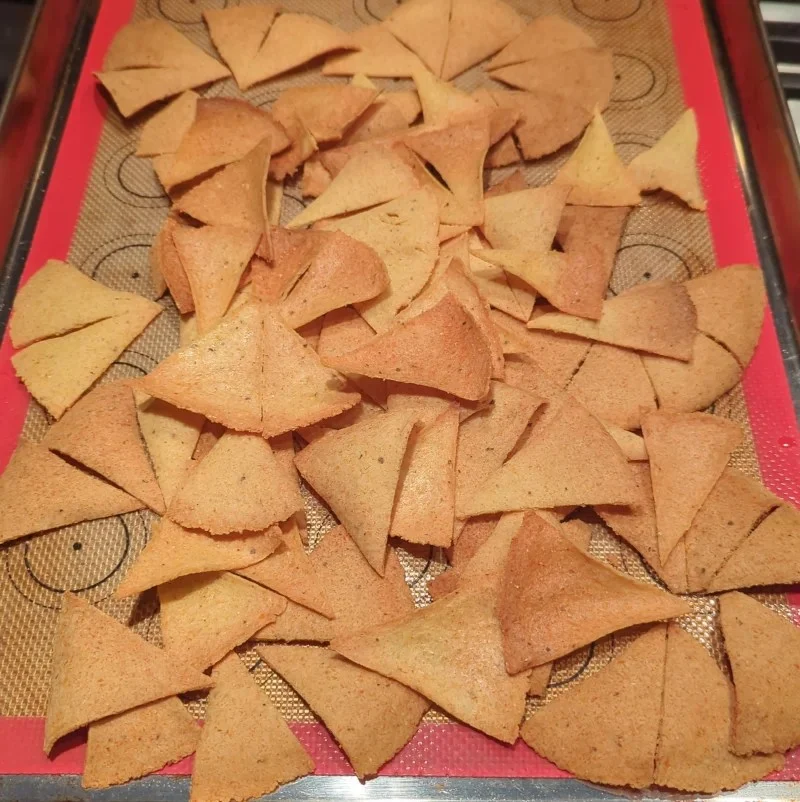
Beyond the press, a hot griddle or comal is essential for cooking tortillas. Traditionally, a comal is a flat, round, unglazed clay griddle, though cast iron or steel versions are common today. The precise temperature and cooking time on the comal are critical for achieving the perfect tortilla—puffed, pliable, and with a slightly toasted flavor. The versatility of fresh masa extends beyond tortillas; it can be shaped into sopes, huaraches, gorditas, or even fried into crispy tortilla chips, showcasing its adaptability in a wide range of dishes.
A Renaissance in the Modern Kitchen
In recent years, masa and the art of nixtamalization have experienced a significant resurgence, moving beyond traditional Mexican kitchens into mainstream culinary discourse. This renewed interest is driven by several factors, including a growing appreciation for artisanal foods, a focus on whole and nutrient-dense ingredients, and a global culinary curiosity.
Professional chefs are increasingly opting to nixtamalize corn in-house, recognizing that fresh masa offers a depth of flavor and a superior texture that cannot be replicated by commercial masa harina. This trend is part of a broader movement towards "root-to-stem" cooking and a desire for authenticity in ingredients. Restaurants specializing in Mexican cuisine, in particular, are highlighting their commitment to traditional techniques by emphasizing their use of freshly nixtamalized masa, elevating the humble tortilla to a gourmet item.
At the home cooking level, enthusiasts are discovering the rewarding experience of making masa from scratch. Inspired by culinary blogs, cooking shows, and online communities, a new generation of home fermenters and food experimenters are exploring nixtamalization. The process, while initially seeming complex, is seen as a fulfilling endeavor that connects them to ancient traditions and yields a product far superior to store-bought alternatives. The desire to control ingredients, avoid additives, and create truly fresh, flavorful food is a powerful motivator.
The "fermenters club" ethos, which often champions traditional food preservation and preparation methods, aligns perfectly with the principles of nixtamalization. This community recognizes the inherent value in processes that enhance nutrient bioavailability and flavor through natural means. The increasing availability of specialized heirloom corn varieties and quality calcium hydroxide through suppliers like Azure Standard has also made it more accessible for home cooks to embark on their masa-making journey.
Voices from the Field: Experts and Artisans Weigh In
The renaissance of masa has drawn commentary from various experts, each highlighting different facets of its significance.
Food Historians and Anthropologists emphasize the profound cultural legacy. Dr. Elena Ramirez, a specialist in Mesoamerican foodways, notes, "Nixtamalization is more than just a food processing technique; it is a cultural anchor. It sustained civilizations, shaped culinary identities, and represents an unparalleled example of indigenous scientific innovation that has stood the test of time." She points to its role in community building, with masa preparation historically being a communal activity.
Nutritionists and Dietitians underscore the health benefits. Dr. Marcus Chen, a public health nutritionist, states, "The bioavailability of niacin through nixtamalization is a critical public health achievement. In an era where nutritional deficiencies still plague many populations, understanding and promoting traditional methods like this is vital. Beyond niacin, the increased calcium absorption and improved protein digestibility make nixtamalized corn a superior staple."
Acclaimed Chefs speak to the culinary superiority. Chef Gabriela Sanchez, known for her modern Mexican cuisine, asserts, "Working with fresh masa is transformative. The aroma, the texture, the earthy, slightly sweet flavor—it’s incomparable. It allows us to create tortillas that puff beautifully, tamales that are incredibly tender, and chips with an unmatched crispness and corn flavor. It’s about respecting the ingredient and the tradition."
Artisanal Masa Producers share their passion and challenges. Maria Rodriguez, co-founder of a small-batch masa operation, reflects, "Our mission is to bring true masa back to the table. It’s labor-intensive, but the joy we see on people’s faces when they taste a freshly made tortilla from our masa makes every hour worthwhile. We’re not just selling masa; we’re sharing a piece of our heritage." She also highlights the challenges of sourcing high-quality, non-GMO corn and educating consumers about the difference between nixtamalized masa and standard corn flour.
Broader Implications: Culture, Nutrition, and Sustainability
The renewed focus on nixtamalization carries significant broader implications across cultural, nutritional, and sustainability landscapes.
Cultural Preservation: By embracing and promoting nixtamalization, there is a tangible effort to preserve indigenous culinary heritage. It ensures that ancient knowledge and practices are not lost but rather celebrated and passed on to future generations. This process reinforces cultural identity and pride, particularly within communities whose traditions are often marginalized. The act of making masa becomes a link to ancestors and a reaffirmation of cultural roots.
Public Health and Nutrition: The understanding and application of nixtamalization remain crucial for global public health. In regions where corn is a dietary staple, promoting traditional or industrial nixtamalization can effectively combat pellagra and improve overall nutrient intake. As the global population seeks more nutrient-dense and naturally processed foods, masa offers a powerful example of how traditional wisdom can inform modern dietary choices.
Sustainable Food Systems: The emphasis on nixtamalization often goes hand-in-hand with supporting sustainable agriculture. Many artisanal masa producers prioritize sourcing heirloom and organically grown corn, often directly from small farmers. This practice promotes biodiversity, supports ecological farming methods, and fosters more resilient local food systems. By valuing the entire process from seed to masa, consumers and producers contribute to a more sustainable and equitable food chain. Furthermore, the simplicity of the process, using natural lime, is inherently less resource-intensive than highly processed industrial food production.
Culinary Innovation: Beyond its traditional uses, the availability of high-quality fresh masa inspires culinary innovation. Chefs are experimenting with masa in non-traditional applications, incorporating its unique flavor and texture into fusion dishes, baked goods, and even desserts, pushing the boundaries of what’s possible with this ancient ingredient.
The Future of Masa: Preserving a Legacy
The future of masa appears vibrant, marked by a growing appreciation for its rich history, scientific underpinnings, and culinary versatility. As consumers become more discerning about the origins and processing of their food, the transparency and inherent benefits of nixtamalization resonate strongly.
Efforts to educate the public about the difference between nixtamalized masa and other corn products will be crucial. This includes highlighting not only the nutritional advantages but also the superior flavor and texture that come from proper processing. Initiatives like "Fermenters Club" play a vital role in demystifying traditional techniques, empowering home cooks to explore these processes themselves, thereby fostering a deeper connection to their food.
The ongoing preservation of heirloom corn varieties and the support for farmers who cultivate them will be essential to ensure the continued quality and diversity of masa. As global food systems face challenges, rediscovering and valuing ancient, time-tested methods like nixtamalization offers a pathway towards a healthier, more culturally rich, and sustainable culinary future. The simple act of transforming corn into masa, once a matter of survival, is now a celebrated art form and a testament to human ingenuity that continues to enrich our tables and our understanding of food.


