
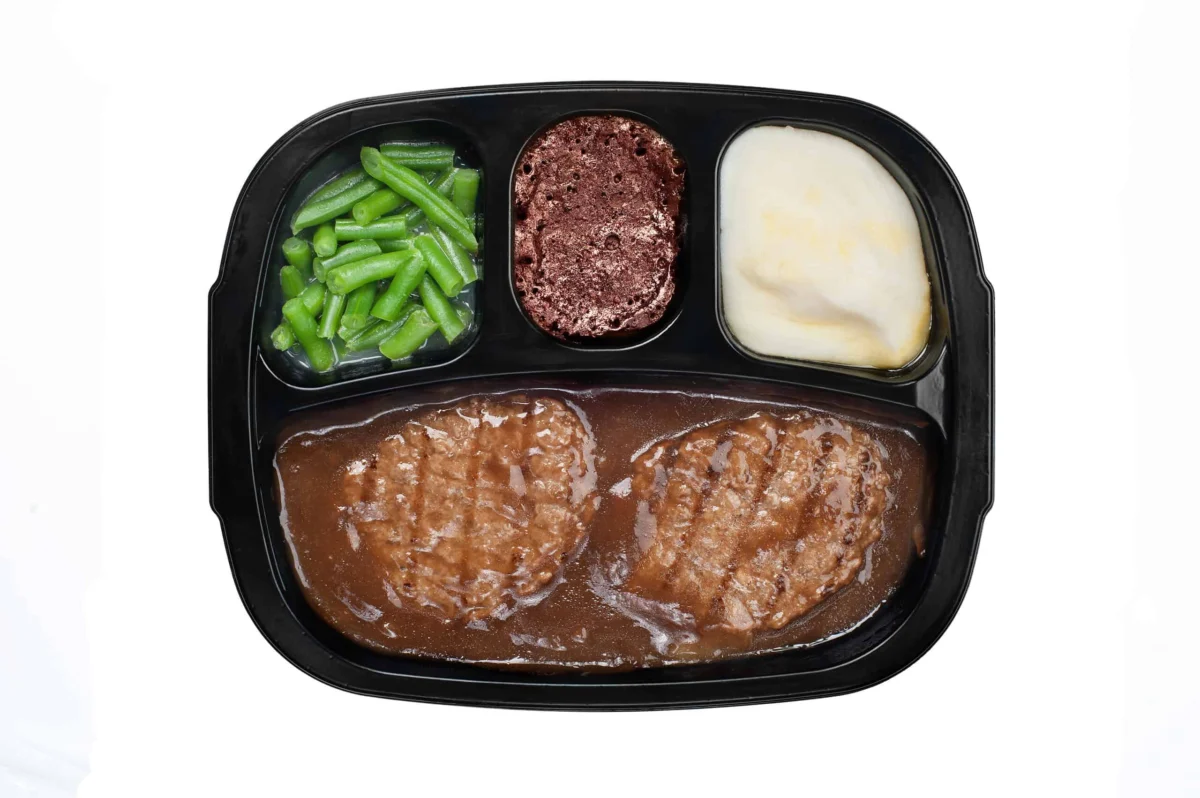
The culinary landscape has always been a subject of fascination, often prompting discussions about personal histories and the evolution of comfort food. For many, the kitchen is a sanctuary of generational recipes, a place where culinary traditions are passed down through families. However, this narrative does not resonate with everyone. For individuals who found themselves on platforms like Food Network’s "Pitmasters," the juxtaposition of their personal culinary journeys with deeply rooted traditions could present unique challenges. In such instances, the comfort foods of childhood might not be steeped in ancestral lore but rather in the readily available, convenient options that defined a particular era.
This reflection often brings to mind the humble TV dinner, a staple of mid-20th century American households and a symbol of post-war convenience. The approaching National TV Dinner Day, observed annually on September 10th, serves as a fitting occasion to explore the origins, cultural impact, and ongoing evolution of this iconic meal format. While not directly linked to the sophisticated techniques showcased in competitive barbecue circuits, the TV dinner holds a distinct place in the collective memory of many, representing a specific kind of culinary expediency and a comforting, albeit simple, taste of home.
The Genesis of the Ready-Made Meal: A Historical Overview
The concept of the TV dinner, as we understand it today, emerged from a confluence of post-World War II economic conditions and technological advancements. The initial spark is widely attributed to C.A. Swanson & Sons, a food processing company that, in 1953, found itself with a substantial surplus of Thanksgiving turkey. Faced with the challenge of managing this excess inventory, the company’s marketing executive, Gerry Thomas, conceived of a groundbreaking idea: a pre-packaged, frozen meal that could be easily reheated.
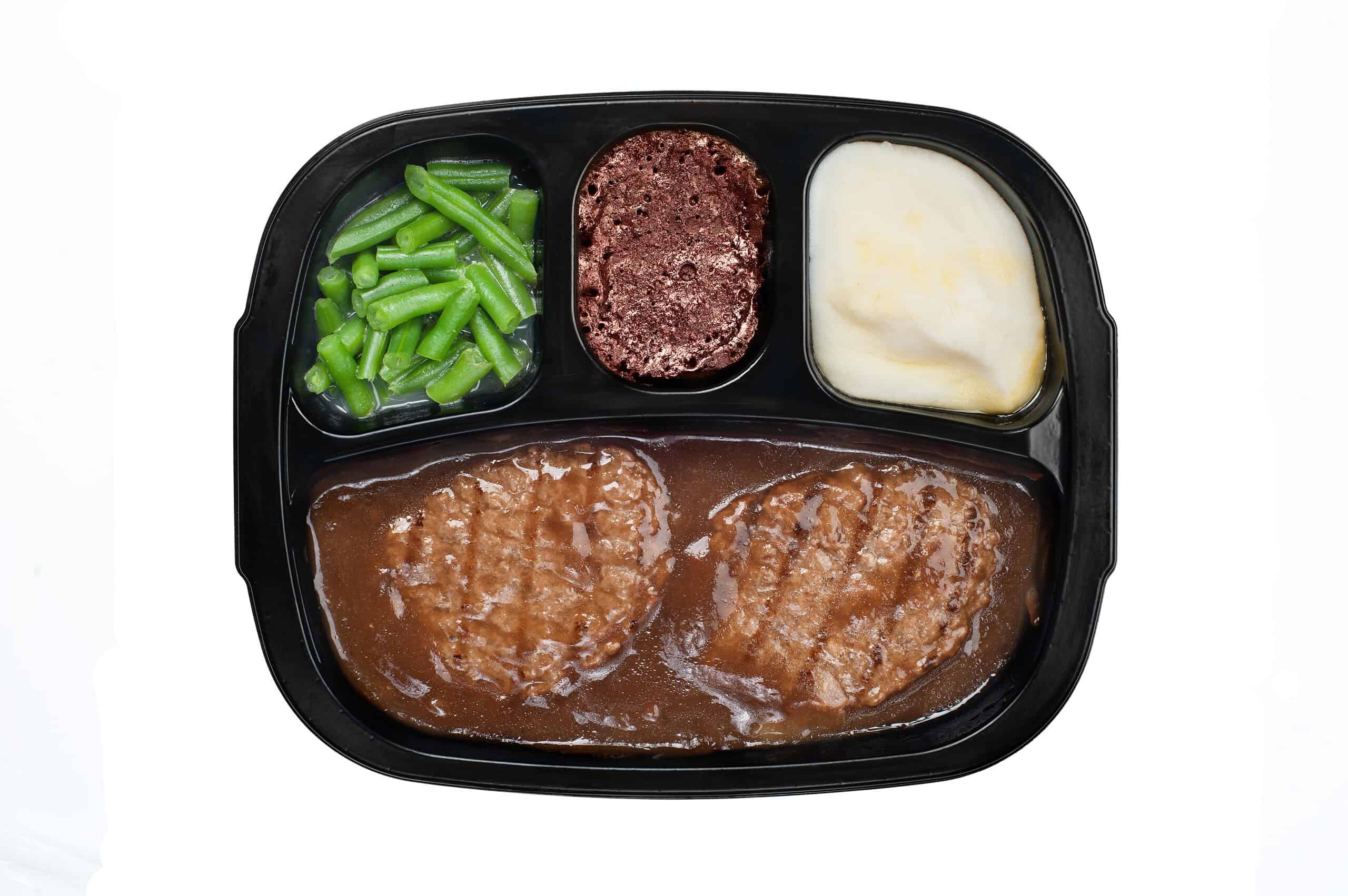
The inaugural Swanson TV Dinner, launched in the fall of 1953, featured roast turkey, cornbread dressing, peas, and cranberry sauce, all meticulously arranged in a compartmentalized aluminum tray. This innovative packaging not only served as a vessel for the meal but also facilitated its reheating in a conventional oven. The product was marketed with the promise of convenience, appealing to a burgeoning demographic of busy families and individuals seeking a quick and effortless dining solution. The accompanying advertising often emphasized the ease of preparation, positioning the TV dinner as a modern marvel that freed up valuable time, particularly for women who were increasingly juggling domestic responsibilities with emerging professional opportunities.
The early adoption of the TV dinner was remarkably swift. Within its first year, Swanson sold over 10 million units, a testament to its immediate appeal. The initial success paved the way for a proliferation of similar products from competing brands, each vying to capture a share of this burgeoning market. Over the subsequent decades, the variety of TV dinner offerings expanded significantly, encompassing a wide array of cuisines and protein options, from Salisbury steak and fried chicken to spaghetti and pot roast. This diversification reflected not only the growing demand but also the evolving palates of American consumers.
The Microwave Revolution and the 1980s Nostalgia
The advent of the microwave oven in the latter half of the 20th century marked another significant turning point in the history of the TV dinner. The introduction of microwave-safe packaging and faster reheating times dramatically enhanced the convenience factor. For a generation that grew up in the 1980s, the microwave became an indispensable kitchen appliance, and TV dinners were a frequent fixture on dinner tables.
During this era, specific TV dinner combinations became particularly popular. The Salisbury steak dinner, typically accompanied by mashed potatoes, gravy, and a vegetable medley, was a common choice. The inclusion of a dessert, often a brownie or a piece of cake, added to the overall appeal. Another frequently cited favorite was the turkey dinner, featuring turkey slices, stuffing, and mashed potatoes, though the accompanying vegetables, such as peas, were often criticized for their less-than-ideal texture. Desserts like cherry cobbler also held a special place in the hearts of many, often overshadowing the savory components of the meal.

These seemingly simple meals held a profound nostalgic value, evoking memories of childhood, family gatherings, and a simpler time. The appeal wasn’t necessarily rooted in gourmet quality but in the accessibility and the consistent, albeit basic, satisfaction they provided. This sentiment was amplified by their association with popular culture of the time, such as watching television programs on cathode-ray tube sets or enjoying family movie nights with rented VHS tapes.
The Futuristic Promise: From "Back to the Future" to Reality
The cultural impact of the TV dinner extended beyond the dinner table, influencing perceptions of future food technologies. The iconic 1985 film "Back to the Future" famously depicted a future where meals could be instantly prepared using a device called a "food hydrator." In one memorable scene, Marty McFly’s mother places a small, dehydrated pizza into the hydrator, which then reconstitutes it into a fully cooked pie. This futuristic vision, set in the year 2015, presented a tantalizing glimpse into a world of effortless meal preparation.
While the "food hydrator" remains a product of science fiction, the intervening decades have witnessed significant advancements in food technology and convenience. The proliferation of microwave meals, pre-prepared salads, and gourmet frozen entrees has transformed the landscape of ready-to-eat foods. However, the direct realization of the "Back to the Future" scenario, with its instantaneous reconstitution of food, has yet to materialize on a widespread commercial scale.
The Evolution of Convenience: Meal Planning and "Lego Meals"
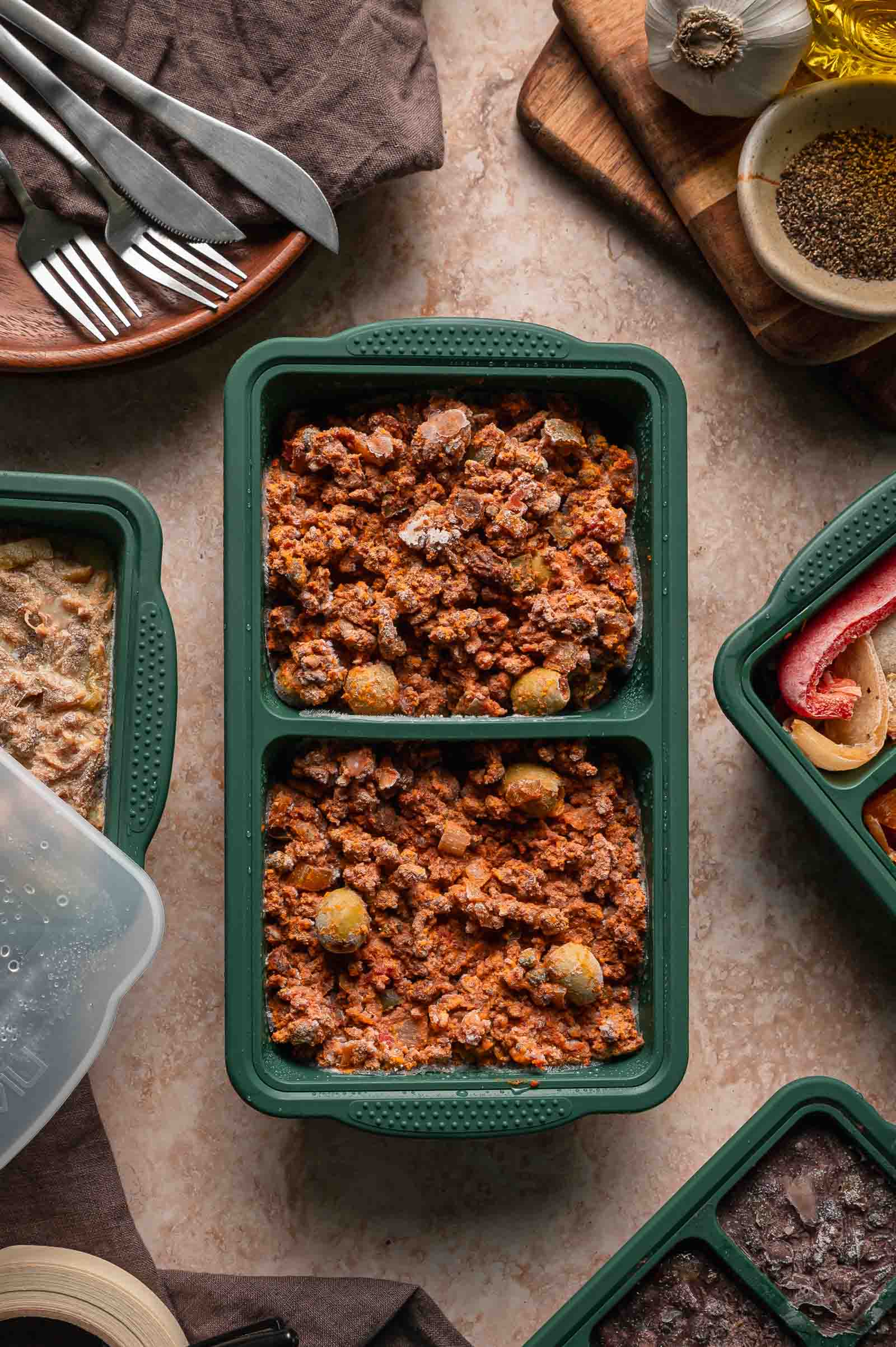
In contemporary society, the concept of quick and easy meal preparation has evolved beyond the traditional TV dinner. The practice of "meal planning" has gained considerable traction, particularly among health-conscious individuals and those seeking to optimize their time. Meal planning involves preparing large batches of food, often proteins, starches, and vegetables, which are then portioned and frozen for future consumption. This approach allows for greater control over ingredients and nutritional content while still offering the convenience of ready-to-reheat meals.
Grilling and barbecuing, activities that often involve preparing larger quantities of food, are particularly well-suited for meal planning. Smoked pulled pork or whole roasted chickens can be prepared in advance and then incorporated into various meals throughout the week. This method, while requiring an initial investment of time and effort, provides a more wholesome and customizable alternative to pre-packaged meals.
A further innovation in the realm of meal prep is the concept of "Lego meals," a term used to describe a system of preparing and assembling individual food components like building blocks. This method often involves utilizing silicone freezer molds, such as "Souper cubes," to create uniformly portioned frozen blocks of proteins, starches, and vegetables. These individual blocks can then be mixed and matched to construct a personalized meal, offering a high degree of variety and customization. This approach, championed by culinary bloggers and meal prep enthusiasts, allows for the creation of diverse and balanced meals without the monotony often associated with traditional TV dinners.
The Broader Implications and the Future of Convenience
The enduring appeal of the TV dinner lies in its ability to offer a sense of comfort and familiarity in an increasingly complex world. While modern culinary trends emphasize fresh, locally sourced ingredients and elaborate cooking techniques, the TV dinner continues to hold a place in the hearts of many, representing a connection to their past and a testament to the ingenuity of convenient food solutions.

The evolution from the early Swanson TV dinners to contemporary meal planning strategies reflects a broader societal shift towards efficiency and personalization. As technology continues to advance, it is conceivable that future iterations of ready-made meals will offer even greater convenience, customization, and nutritional sophistication. However, the fundamental appeal of a quick, satisfying, and accessible meal is likely to remain a constant.
The ongoing exploration of food technologies and preparation methods suggests that the future of convenient dining will likely be characterized by a blend of innovation and practicality. Whether through advanced refrigeration, novel cooking appliances, or sophisticated food assembly systems, the quest for effortless yet enjoyable meals will undoubtedly continue to shape the culinary landscape. The legacy of the TV dinner, therefore, is not merely as a relic of the past but as a foundational concept that continues to inspire and inform the development of future food solutions. The journey from a simple aluminum tray to the sophisticated meal-prep systems of today highlights a persistent human desire for food that is both convenient and comforting, a desire that will continue to drive culinary innovation for generations to come.


