

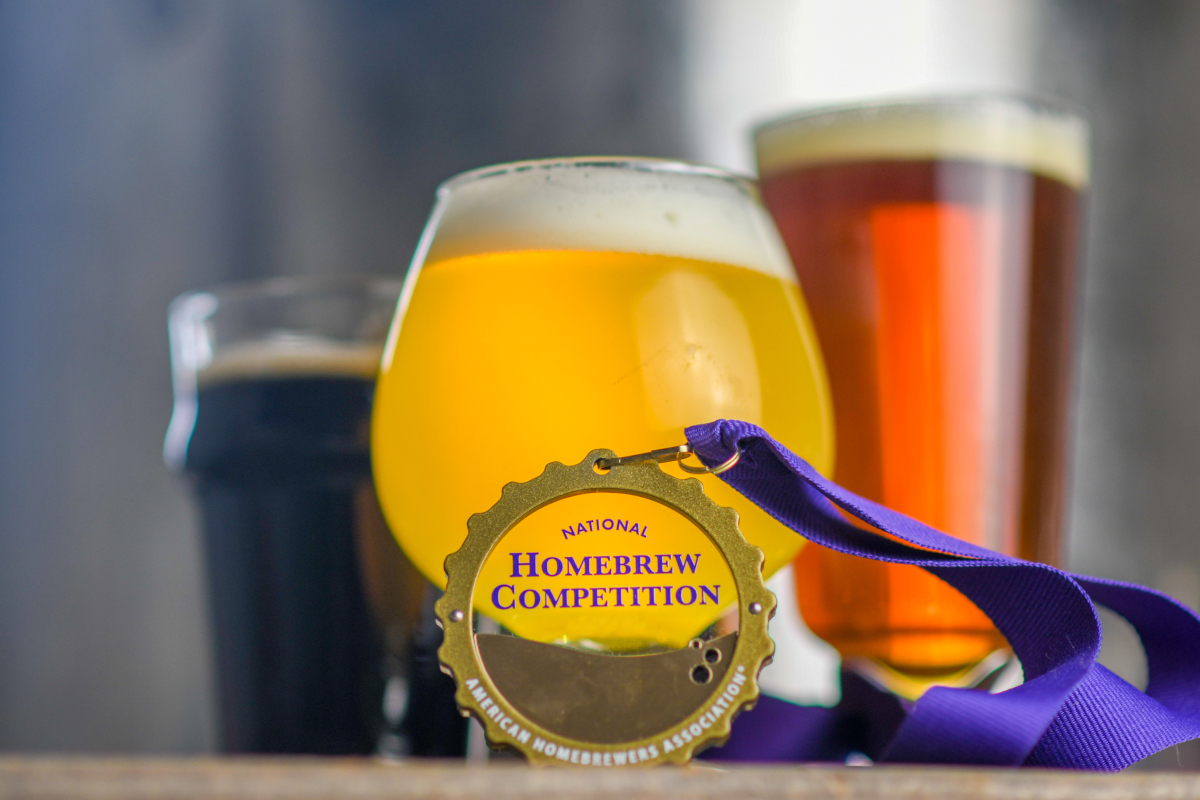
The Homebrewers Association (AHA) has officially unveiled the medal-winning recipes from the highly anticipated 2026 National Homebrew Competition (NHC) final round, celebrating the pinnacle of amateur brewing, mead-making, and cider-making. This year’s competition saw an exceptional display of creativity, technical skill, and dedication from home fermentation enthusiasts across the United States and internationally, solidifying the NHC’s status as the premier event for amateur fermenters. The winning entries represent the "best-of-the-best," offering a diverse and inspiring collection of beverages that push the boundaries of flavor and style.
A Legacy of Fermentation Innovation
The National Homebrew Competition, a cornerstone event for the AHA, has a rich history dating back decades. Established to recognize and promote the art and science of home fermentation, the competition provides a platform for brewers to test their creations against rigorous standards and gain valuable feedback from expert judges. Over the years, the NHC has evolved, mirroring the growth and sophistication of the homebrewing community. From its humble beginnings, it has grown into a massive undertaking, drawing thousands of entries and fostering a spirit of camaraderie and shared passion. The 2026 competition continued this tradition, with a meticulously organized judging process that spanned multiple rounds, ensuring that only the most exceptional beverages reached the final stage.
The 2026 Competition: A Snapshot
The final round of the 2026 NHC showcased a remarkable breadth of styles, from classic interpretations to innovative, boundary-pushing creations. The sheer volume and quality of entries underscore the increasing skill and artistry present within the home fermentation community. This year’s medal winners represent a testament to the dedication of homebrewers who meticulously refine their recipes, experiment with ingredients, and master the complex processes of brewing, mead-making, and cider-making. The competition serves not only as a prestigious accolade for the winners but also as an invaluable resource for the broader homebrewing world, offering a curated collection of recipes that inspire and educate.
Unveiling the Medal-Winning Recipes
The AHA has made the full list of medal-winning recipes publicly available, inviting home fermentation enthusiasts to explore the intricacies of these award-winning beverages. Each recipe offers a unique window into the brewer’s craft, often accompanied by detailed specifications such as Alcohol By Volume (ABV), Original Gravity (OG), Final Gravity (FG), International Bittering Units (IBU), and Specific Gravity (SRM). These metrics provide critical insights into the composition and character of each beverage, allowing aspiring brewers to learn from the masters.
Among the standout winners, several recipes highlight particularly impressive achievements:
-
Eyes Pie Perry: This exceptional creation boasts an impressive 14% ABV, with an OG of 1.169 (38°P) and an FG of 1.066 (16.2°P). The high gravity suggests a rich, complex beverage, likely a dessert-style mead or a very strong cider, designed for slow sipping and contemplation. The name itself hints at a potential pear or fruit-forward profile, balanced by its substantial alcoholic strength.
-
Hard Days Night: A potent contender, this entry registers at 10.4% ABV, with 38 IBUs and an SRM of 22. This indicates a well-balanced, likely dark and malty beer, possibly an Imperial Stout or a strong dark ale, where the bitterness provides a counterpoint to the malt’s richness. The SRM of 22 suggests a deep amber to brown hue, promising visual appeal to match its flavor profile.
-
BDSM: With an ABV of 11.2%, 26 IBUs, and an SRM of 30, this beer likely presents a formidable dark, robust character. The SRM of 30 points to a very dark brown or near-black color, characteristic of styles like a robust Porter or a strong dark lager, where the hop bitterness is present but balanced by significant malt complexity.
-
Toasted Scout: This recipe features a notable 9.1% ABV, 67 IBUs, and an SRM of 39. The high IBU count suggests a hop-forward beer, potentially an Imperial IPA or a Double IPA, where the bitterness is a prominent characteristic. An SRM of 39 indicates a very dark color, suggesting that malt character also plays a significant role, creating a complex interplay of hop and malt.

-
Meaders Added Context…: This mead demonstrates significant fermentation prowess with an 11.55% ABV, an OG of 1.090 (21.5°P), and an FG of 1.002 (0.5°P). The high original gravity and near-complete fermentation to a very low final gravity indicate a dry, yet potentially full-bodied mead, with complex honey notes and a well-integrated alcohol presence.
-
Century Cyser: This cyser (a cider fermented with fruit, often apples) comes in at 9.5% ABV, with an OG of 1.075 (1.8.2°P) and an FG of 0.998 (-0.5°P). The impressive fermentation suggests a well-balanced cider with the characteristic fruitiness of apples, potentially with added complexity from the fermentation process.
-
Midnight Zin: With an OG of 1.090 (21.5°P) and an SRM of 12, this entry hints at a dark fruit wine or a potent fermented beverage with a rich, dark character. The high OG suggests a substantial starting sugar content, leading to a potentially high alcohol content and a complex flavor profile.
-
Smoking Cassis: This powerful entry boasts a remarkable 16% ABV, an OG of 1.160 (36.2°P), and an SRM of 18. The extremely high ABV and OG point to a very strong, likely fruit-infused beverage, possibly a fortified mead or a high-gravity fruit wine, designed for aging and complex flavor development. The SRM of 18 suggests a reddish-amber hue.
-
*Kiss Me I’m Shtfaced:** This beer clocks in at 4.7% ABV, 24 IBUs, and an SRM of 13. The moderate ABV and IBU suggest a sessionable, approachable beer, perhaps a Pale Ale or a lighter Amber Ale, with a balanced flavor profile and a pleasant color.
-
German Pils: This entry, previously known as "String of Perles," has an ABV of 5.2%, 35 IBUs, and an SRM of 3.4. This indicates a classic, crisp German Pilsner, characterized by a noticeable hop bitterness balanced by a clean malt backbone and a pale straw color.
-
Czech Amber Lager: With 5.6% ABV, 35 IBUs, and an SRM of 14, this beer is likely a well-crafted Czech Amber Lager, offering a balance of malt sweetness and hop character, with a rich amber hue.
-
International Dark Lager: This lager registers at 5.3% ABV, 15 IBUs, and an SRM of 19. This profile suggests a smooth, malty dark lager, where the malt flavors are more pronounced than the hop bitterness, presenting a darker color and a rich, toasty character.
-
Hickory Dickory Weizenbock: This German wheat beer variant has an ABV of 7.9%, 17.6 IBUs, and an SRM of 12.4. This indicates a strong, malty wheat beer, likely exhibiting the characteristic banana and clove esters of a Hefeweizen, but with a richer, darker malt profile typical of a Bock style.
-
The Bitter Formally Known as Herbal Joe’s: This beer has an ABV of 4.2%, 38 IBUs, and an SRM of 11. The moderate ABV and higher IBU suggest a well-balanced, perhaps sessionable, bitter or pale ale where hop character is a key component.
-
Smooth Hoperator: This entry features 5.8% ABV, 47 IBUs, and an SRM of 6. This points to a pale ale or IPA where hop bitterness is a defining characteristic, balanced by a relatively light malt profile and a light color.
-
Tall Tall Trees: With 5.9% ABV, 41 IBUs, and an SRM of 14, this beer likely presents a balanced ale with a moderate malt presence and a distinct hop character, fitting a range of styles from American Pale Ales to some interpretations of English bitters.
-
English as a Second Porter: This porter has an ABV of 6.7%, 41 IBUs, and an SRM of 36. The SRM of 36 indicates a very dark to black color, characteristic of porters, with a balanced interplay of roasted malt flavors and hop bitterness.
-
So Extra: This beer comes in at 6.5% ABV, 36 IBUs, and an SRM of 37. The dark color and moderate bitterness suggest a complex ale, possibly a robust porter or a strong dark ale, where the "extra" designation might hint at a particularly intense flavor profile.
-
Aphotic: With 5.5% ABV, 30 IBUs, and an SRM of 30, this beer suggests a dark, likely malt-forward ale with a moderate hop presence, fitting styles like a Black IPA or a darker version of an American ale.

-
I’m Not Left-Handed Either: This entry does not provide specific metrics in the provided text, but its inclusion signifies its recognition as a winning recipe.
-
Good Grief Charlie Brown: This beer registers at 6.75% ABV, 62 IBUs, and an SRM of 36. The higher ABV and significant IBU count suggest a robust, hop-forward beer, potentially an Imperial IPA or a strong American Pale Ale with a dark malt backbone.
-
Steph’s Morning Star: This entry also lacks specific metrics but is recognized as a winning recipe.
The Significance of Winning
Receiving a medal at the National Homebrew Competition is a significant achievement for any amateur brewer. It signifies not only exceptional brewing skill but also a deep understanding of beer, mead, and cider styles, ingredient synergy, and fermentation control. These winning recipes serve as benchmarks for quality and innovation within the home fermentation community. They inspire other brewers to experiment, refine their techniques, and strive for excellence. Furthermore, the availability of these recipes can foster a greater appreciation for the craft, potentially influencing commercial brewing trends and consumer preferences.
Looking Ahead: A Continuous Evolution
The AHA’s commitment to promoting home fermentation through events like the NHC ensures that this vibrant community continues to thrive and evolve. The insights gained from these award-winning recipes offer a valuable glimpse into the future of homebrewing, highlighting emerging trends and showcasing the boundless creativity of its practitioners. As home fermentation continues to gain popularity, the National Homebrew Competition will undoubtedly remain at the forefront, celebrating the passion, dedication, and artistry of those who bring their unique brews to life. The AHA’s recipe archive on HomebrewersAssociation.org provides an ongoing resource for anyone looking to explore the vast and delicious world of home fermentation, offering inspiration and practical guidance for brewers of all levels.


