
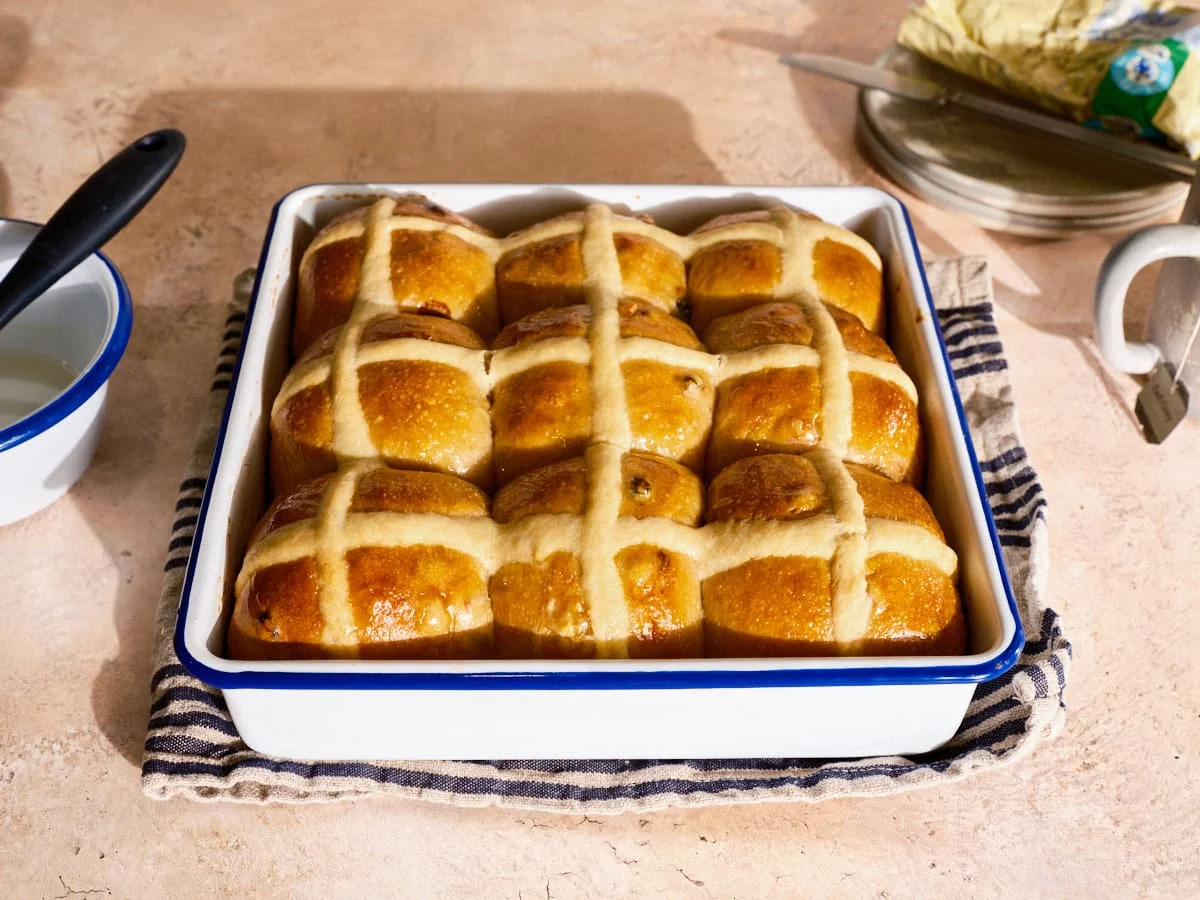
The arrival of warmer weather and the traditional observance of Easter often turn culinary attention towards the beloved hot cross bun. Historically a symbol of Good Friday, this spiced, fruit-filled bun is undergoing a significant evolution in the hands of contemporary bakers. A notable development comes from "The Perfect Loaf," a leading authority in artisanal baking, which has unveiled an enhanced sourdough hot cross bun recipe. This updated formulation, building upon a foundation laid in their acclaimed cookbook, integrates advanced baking techniques like the tangzhong method, promising an unparalleled level of softness, extended freshness, and complex flavor profile that redefines this seasonal delicacy.
The Science of Superior Softness: Tangzhong and Enriched Doughs
Central to the exceptional texture of these sourdough hot cross buns is the incorporation of tangzhong, a technique borrowed from Asian baking traditions. Tangzhong, essentially a cooked flour paste, works by pre-gelatinizing starches in the flour. When heated with a liquid (in this case, whole milk), the flour absorbs and traps a remarkable amount of moisture. This hydrated starch, when added to the main dough, allows the final product to retain significantly more moisture throughout the baking process and beyond. The result is a bun that boasts an incredibly soft, pillowy crumb, a characteristic often sought after in enriched bread. This moisture-trapping capability also translates directly into a longer shelf life, ensuring the buns remain tender and fresh for a greater duration compared to those made with conventional methods.
The science behind tangzhong is straightforward yet profound. Flour starch molecules, when heated in the presence of water, swell and absorb liquid, forming a thick paste. This process increases the dough’s ability to hold water, preventing it from drying out quickly. In the context of an enriched dough, which already contains ingredients like milk, egg, and butter that contribute to richness and tenderness, tangzhong amplifies these qualities, delivering a superior mouthfeel. While enriched doughs, with their higher fat and sugar content, typically ferment more slowly due to the inhibitory effect of these ingredients on yeast activity, the tangzhong method ensures that the final texture remains exquisitely delicate despite the extended fermentation times. This deliberate slowing of the process also allows for a more profound development of flavor, marrying the richness of the dough with the subtle complexities of natural leavening.
Sourdough’s Signature: Depth of Flavor and Natural Leavening
Beyond the textural benefits of tangzhong, the distinguishing feature of this recipe is its reliance on a sourdough starter, specifically a sweet levain. Unlike commercial yeast, which provides a rapid rise and a relatively neutral flavor profile, sourdough introduces a layer of complexity and a nuanced acidity that elevates the overall taste experience. The sweet levain, prepared overnight with flour, sugar, and water, is designed to encourage yeast activity while modulating the sour notes typically associated with sourdough. This careful balance ensures that the final buns possess a "subtle sourdough tang" that complements, rather than overwhelms, the warm spices and sweet elements.
The adoption of sourdough in traditional enriched recipes reflects a broader culinary trend towards natural leavening. Over the past decade, there has been a significant resurgence in sourdough baking among home cooks and professional bakers alike, driven by a desire for more flavorful, digestible, and authentic bread. Data from food industry analysts and search engine trends consistently show a sustained interest in sourdough starters and recipes. This preference is rooted in the unique fermentation process, where wild yeasts and lactic acid bacteria present in the starter metabolize sugars in the flour, producing a wider array of aromatic compounds and organic acids. These compounds contribute to the distinctive aroma, complex flavor, and often improved digestibility of sourdough products. In the case of hot cross buns, this translates into a deeply flavorful bun whose sweetness and spice notes are beautifully underscored by a sophisticated, mild acidity, creating a more harmonious and memorable taste.
A Symphony of Spices and Fruit: Crafting the Classic Profile
While innovative techniques refine the texture and leavening, the heart of the hot cross bun remains its iconic blend of spices and dried fruits. This recipe meticulously calls for traditional elements such as ground cinnamon, allspice, and freshly ground nutmeg, which infuse the dough with a comforting warmth. The inclusion of citrus zest from both lemon and orange adds a bright, aromatic counterpoint, cutting through the richness of the dough and the sweetness of the fruit.
The selection and preparation of dried fruit are equally crucial for achieving the desired textural and flavor balance. Thompson raisins, dried currants, and candied orange peel are specified, with options for chocolate chips as a non-traditional but appealing alternative. The recipe highlights the importance of using high-quality, moist fruits, or, if the fruits are dry, recommends an optional overnight fruit soaker. This step ensures the fruits plump up, preventing them from drawing moisture from the dough during baking and maintaining their tender texture within the finished bun. The generous quantity of inclusions—15% Thompson raisins or candied orange peel and 10% dried currants or chocolate chips relative to total flour weight—guarantees a satisfying burst of fruit and flavor in every bite, fulfilling the expectation of a truly enriched holiday treat.
The Meticulous Process: A Timeline for Artisanal Results
Crafting these sourdough hot cross buns is an exercise in patience and precision, structured across a multi-stage baking schedule designed to optimize flavor and texture development. The process typically spans two days, reflecting the deliberate nature of sourdough baking.
- Day 1 (Evening): The journey begins with preparing the sweet levain and, if necessary, the fruit soaker. The levain, a fed portion of sourdough starter, ferments overnight at a warm temperature, developing the necessary yeast activity and flavor precursors.
- Day 2 (Morning): The tangzhong is prepared, cooking flour and milk into a paste, then allowed to cool. Simultaneously, butter is brought to room temperature. The main mixing phase then commences, combining the tangzhong, flour, egg, sugar, spices, zest, water, salt, and the ripe levain in a stand mixer. This enriched dough requires significant mechanical development to build gluten strength, often involving a rest period followed by further mixing until it achieves a smooth, elastic, and strong consistency, evidenced by the "windowpane test." The softened butter is gradually incorporated, followed by the dried fruits, ensuring even distribution.
- Bulk Fermentation (Mid-morning to Early Afternoon): The dough undergoes bulk fermentation for approximately four hours at a warm room temperature (74-76°F or 23-24°C). This crucial stage allows the sourdough to work its magic, developing gas and further flavor. Two sets of gentle stretch and folds are performed at 30-minute intervals during the initial part of bulk fermentation, enhancing dough strength and even distribution of inclusions.
- Dividing and Shaping (Early Afternoon): Once the dough is visibly puffed and elastic, it is divided into uniform pieces, each weighing 115g, and shaped into tight rounds. These are arranged in a buttered 9-inch square baking pan for a classic pull-apart bun format, or on a sheet pan for individual, all-around crisper crusts.
- Final Proof (Mid-afternoon to Evening): The shaped buns undergo a final proof for about four to five hours at warm room temperature. This slow proof is essential for the enriched dough to become very soft, well-risen, and puffy to the touch, rising almost to the rim of the pan. An overnight refrigeration option is also provided, allowing bakers to prepare the buns ahead for baking the following morning, making it ideal for Easter celebrations.
- Baking and Finishing (Evening): The oven is preheated, and the buns are prepared for baking. An egg wash is applied for a golden sheen, and the iconic crosses are piped on using a thick flour-and-liquid paste. The buns are baked until golden brown and their internal temperature reaches 195°F (90°C). Immediately after baking, a simple sugar syrup glaze is brushed over the hot buns, adding shine, moisture, and an extra touch of sweetness.
Equipment and Precision: Tools for the Modern Baker
Achieving the desired outcome for these enriched sourdough buns benefits significantly from specific baking equipment and a keen understanding of baker’s percentages. Key tools include a stand mixer with a dough hook, which is highly recommended for effectively developing the strong gluten structure required for enriched doughs that are sticky and heavy with inclusions. For those with advanced equipment, the Halo Pro spiral mixer is also detailed as an alternative, offering even more efficient and thorough mixing.
The choice of baking pan is also deliberate. A 9-inch square nonstick baking pan is specified for buns that emerge "super soft" and conducive to a pull-apart experience. Alternatively, baking on a 13×18-inch sheet pan with space between the buns will yield a firmer, more uniformly colored crust. Other essential items include an instant-read thermometer for precise dough and internal bun temperatures, a kitchen scale for accurate ingredient measurements, and a pastry bag for piping the crosses with precision.
Furthermore, the recipe provides a comprehensive breakdown of baker’s percentages, a fundamental concept in professional baking that expresses each ingredient’s weight as a percentage of the total flour weight. This allows experienced bakers to understand the dough’s composition at a glance and facilitates scaling or modification of the recipe. For instance, the pre-fermented flour accounts for 15.5% of the total flour, and the levain itself makes up 48.6% of the final dough’s weight. These detailed metrics underscore the recipe’s foundation in precise, scientific baking principles.
Crafting the Iconic Cross and Glaze: Finishing Touches
The visual hallmark of the hot cross bun is its distinctive cross, and this recipe outlines a method for achieving it with traditional appeal. The cross mixture is prepared from a simple paste of white flour, water, orange juice (or additional water), vegetable oil, and a pinch of salt. The consistency is critical—it must be thick enough to hold its shape during baking but still flow smoothly when piped. This paste is transferred to a pastry bag or a small plastic bag with a snipped corner, allowing for neat and consistent lines.
Before the buns enter the oven, a light egg wash (egg whisked with milk) is brushed over them, contributing to a rich, golden-brown crust. The cross mixture is then piped in vertical and horizontal lines across the buns, forming the iconic symbol. Immediately after baking, while the buns are still warm, a simple syrup glaze, made from equal parts water and sugar boiled until clear, is brushed generously over their surface. This final step not only imparts a beautiful shine and additional sweetness but also helps to seal in moisture, further contributing to the buns’ tender quality. These finishing touches ensure that the buns are not only a delight to the palate but also a visual feast, ready to be served warm, perhaps sliced and generously buttered, offering a perfect blend of texture, flavor, and tradition.
Broader Implications and Culinary Trends
"The Perfect Loaf’s" enriched sourdough hot cross bun recipe stands as a testament to the ongoing evolution of home baking. It exemplifies how traditional recipes can be reimagined and elevated through the thoughtful application of advanced techniques and a deeper understanding of baking science. This approach aligns with several broader culinary trends:
- The Artisanal Movement: There is a sustained consumer demand for artisanal, handmade goods, where quality ingredients and skilled craftsmanship are paramount. This recipe caters directly to that desire, offering a path for home bakers to produce bakery-quality items.
- Health and Wellness: While enriched buns are an indulgence, the use of sourdough is often perceived as a healthier alternative due to its potential for improved digestibility and nutrient bioavailability compared to commercial yeast breads.
- Global Culinary Exchange: The integration of tangzhong from Asian baking into a traditional European sweet bun highlights the increasing cross-pollination of culinary techniques and flavors across cultures.
- Empowerment of Home Bakers: Detailed recipes from online platforms like "The Perfect Loaf" empower home bakers with the knowledge and confidence to tackle complex techniques previously reserved for professionals, fostering a vibrant and experimental baking community.
This recipe not only provides a delicious product but also serves as an educational tool, encouraging bakers to explore the nuances of dough development, fermentation control, and ingredient interaction. It demonstrates that with patience and precise execution, even a holiday classic can be transformed into a masterpiece of modern baking, bridging the gap between time-honored traditions and contemporary culinary innovation.
In conclusion, "The Perfect Loaf’s" updated sourdough hot cross buns represent more than just a recipe; they embody a significant step in the culinary journey of a beloved Easter staple. By meticulously combining the ancient art of sourdough with the scientific precision of tangzhong, and enriching it with a classic medley of spices and fruits, this recipe offers a superior bun that is exceptionally soft, deeply flavorful, and remarkably fresh. It sets a new standard for home-baked hot cross buns, inviting bakers to engage in a rewarding process that culminates in a truly extraordinary treat for the spring season.


