
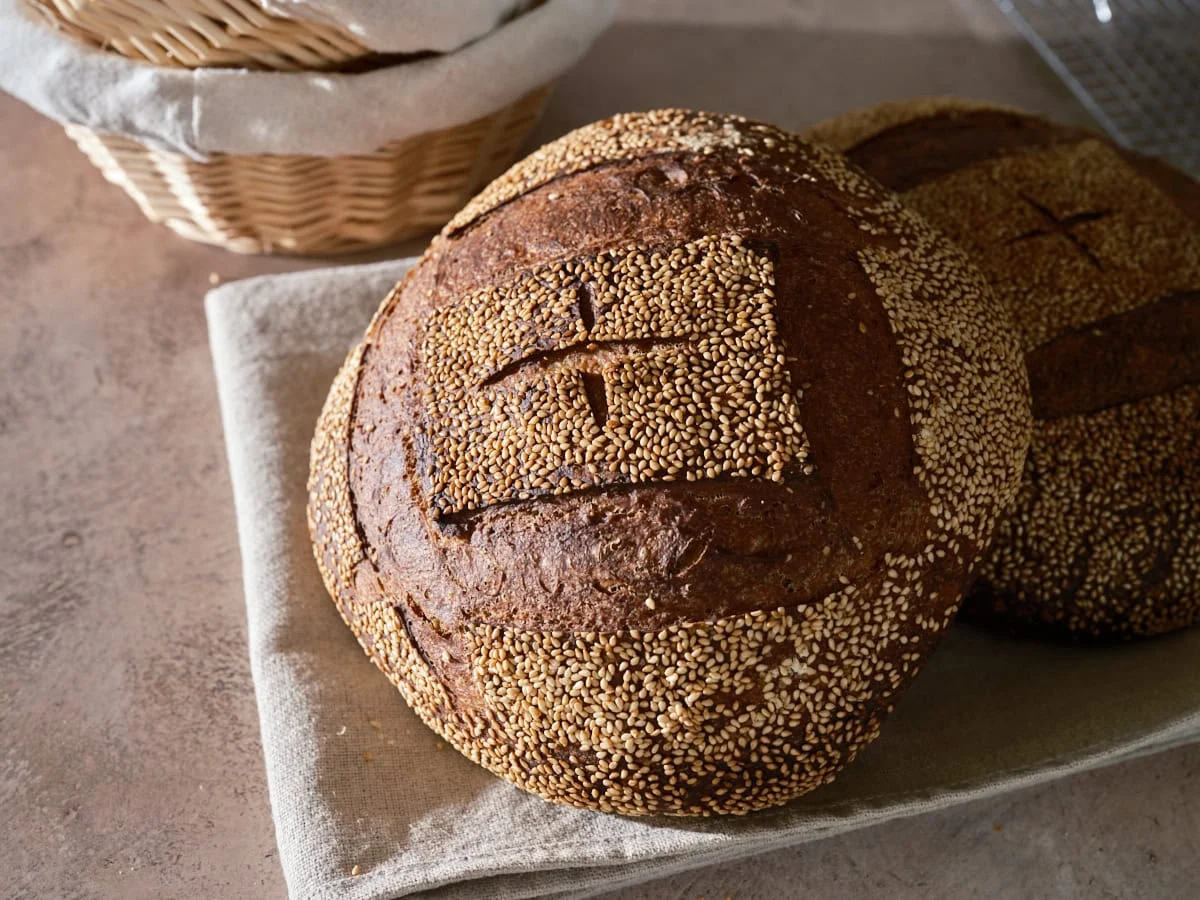
The culinary landscape has recently been enriched by the introduction of a new sourdough creation, meticulously designed to offer warmth and robust flavor during the colder months. This spice-forward, hearty sourdough, featuring a unique blend of aniseed, barley malt, and scalded buckwheat flour, represents a sophisticated evolution in artisanal bread making, providing both a sensory escape and a practical baking endeavor for enthusiasts. Its development responds to a persistent demand for comforting yet complex flavors that defy the lingering chill of winter, transforming the act of baking into a restorative experience.
The Genesis of a Winter Loaf: Marrying Tradition with Innovation
The inspiration for this distinctive bread stemmed from a desire to craft a loaf that could actively combat the somber mood often associated with frigid temperatures and early darkness. While the cold weather inherently encourages the use of roaring ovens and well-proofed dough, the challenge lies in creating a bread whose preparation and consumption elevate the spirit. This particular sourdough achieves this through a carefully orchestrated sensory journey: the release of pungent anise aroma during grinding, the sweet and rich notes of barley malt, the visual appeal of buckwheat-speckled dough, and the unique, silky texture imparted by the flour scald. Each stage is designed to immerse the baker in an experience that diminishes the harshness of the external environment.
Anise, with its heady, licorice-sweet profile, is a prominent spice in this formulation. Historically, aniseed has been valued across cultures for its distinct flavor and aromatic qualities, frequently appearing in baked goods, confections, and beverages. Its inclusion here is not merely an accent but a foundational flavor, chosen for its assertive presence. As one culinary observer noted, "Anise doesn’t politely wait for you to smell it. It arrives." This boldness is balanced by buckwheat, a grain celebrated for its nutty, mineral, and slightly tannic characteristics. The combination of warm anise and earthy buckwheat yields a sourdough loaf that achieves a remarkable balance, appealing to a wide spectrum of palates. The bread is aesthetically completed with a topping of striking white sesame seeds, which not only provide a complementary flavor but also an elegant visual contrast against the whole-grain base.
The Science of Texture and Flavor: Unpacking the Flour Scald Technique
A pivotal element in the creation of this sourdough is the application of the flour scald technique. This method, while seemingly simple, plays a crucial role in enhancing both the flavor and the final texture of the bread, particularly when incorporating grains like buckwheat. Scalding flour involves merely covering it with boiling water, which triggers a process known as starch gelatinization. The boiling water causes the starch granules in the flour to swell and rupture, forming a thick, viscous paste. This technique is closely related to the traditional Japanese yudane method and the Chinese tangzhong, both renowned for their ability to improve bread quality.
The benefits of a flour scald are multi-faceted. Firstly, the paste is highly aromatic and flavorful, contributing a deeper, more nuanced taste profile to the finished loaf. Secondly, and perhaps more significantly for sourdough, the gelatinized starches in the scald are exceptional at trapping and retaining moisture. This increased moisture retention directly translates to a softer crumb that remains fresh for a considerably longer period, delaying the onset of staling. For artisanal bakers, integrating such a straightforward yet impactful technique allows for a subtle "extra something" that elevates the overall quality and shelf-life of their creations.
Strategic Flour Selection: Optimizing Heartiness and Character
The choice of flours is fundamental to achieving the desired hearty, spicy, and sandwich-perfect characteristics of this sourdough. The primary flour selected is a high-extraction (Type 85) wheat flour, specifically Cairnspring’s Trailblazer. High-extraction flours retain a greater percentage of the bran and germ compared to standard white flours, positioning them between whole wheat and all-purpose flour in terms of refinement. This deliberate selection imbues the final bread with enhanced flavor, a richer nutritional profile, and a distinctive crumb texture. Its versatility is such that it often serves as a superior substitute for white flour in various recipes, offering a more robust and complex foundation.
Buckwheat, a pseudocereal, is included for its intense earthiness and appealing color. However, its integration requires careful consideration. Baking experts note that even in small percentages, buckwheat tends to inhibit gluten development, leading to a denser, "closed" crumb structure, unlike the open, airy crumb typically sought in many sourdoughs. The trade-off, however, is a profoundly earthy flavor and a visually striking hue that profoundly impacts the loaf’s character. The precise percentage of buckwheat used in this recipe is calibrated to harness its unique attributes without overly compromising the desired bread structure.
A Meticulous Two-Day Schedule: The Art of Sourdough Fermentation
The creation of this scalded buckwheat and malt sourdough follows a carefully structured two-day baking schedule, designed to maximize flavor development and dough performance with minimal active intervention from the baker. This extended timeline, common in advanced sourdough techniques, allows for optimal fermentation and hydration.
Day 1: Foundation and Fermentation
The process commences with the preparation of the levain, the sourdough starter’s active component. A mixture of high-extraction wheat flour, water, and ripe sourdough starter is combined and left to ripen for approximately three hours at a controlled temperature of 74-76°F (23-24°C). This initial step ensures the starter is vigorous and ready to leaven the dough effectively.
Concurrently, the flour scald is prepared. Buckwheat flour is combined with boiling water to form a thick, aromatic paste, which is then covered and set aside to cool. This critical component will later contribute to the dough’s unique texture and moisture retention.
Following these preparatory steps, the autolyse phase begins. High-extraction and whole wheat flours, along with the pre-prepared flour scald, are mixed with water. The water temperature is precisely adjusted to achieve a target final dough temperature of 78°F (25°C), a crucial factor for controlling fermentation rates. This mixture is allowed to rest for one hour, enabling the flours to fully hydrate and enzyme activity to begin, strengthening the gluten network before the introduction of leavening agents.
The main dough mixing then takes place. This recipe features a high hydration level, approximately 75% (or 83% when accounting for the water in the flour scald). To manage this, the bassinage technique is employed, where a portion of the water is held back and gradually added during mixing if the dough can absorb it. This ensures optimal hydration without rendering the dough unmanageably slack. Salt and the ripe levain are incorporated, and the dough is kneaded either mechanically using a spiral mixer or by hand through techniques like slap-and-fold or folds-in-the-bowl, until a smooth, cohesive mass is achieved.
Bulk fermentation, the primary rise, spans approximately three hours at a warm room temperature of 74-76°F (23-24°C). During this period, the dough undergoes two sets of stretches and folds at 30-minute intervals, building strength and even distribution of gases. By the end of bulk fermentation, the dough is expected to have increased in volume by about 30%, indicating sufficient fermentation activity.
The final stages of Day 1 involve pre-shaping and shaping. The dough is gently divided and formed into loose rounds, allowed to rest, and then meticulously shaped. A distinctive feature of this loaf is its topping: raw white sesame seeds, which are applied during shaping, adhering to the moist surface of the dough. The shaped loaves are then transferred, seam-side up, into proofing baskets, covered, and placed into the refrigerator for an overnight cold proof. This extended cold fermentation, typically lasting from late afternoon until the following morning, further develops flavor, improves crust formation, and simplifies the baking process on Day 2.
Day 2: Baking and Culinary Reward
On the second day, the oven is preheated to 450°F (230°C) with a Dutch oven, combo cooker, or baking stone/steel in place, along with a separate pan for steaming. The chilled dough is carefully inverted onto parchment paper, scored, and then transferred to the preheated baking vessel. Initial baking occurs for 20 minutes in a steamy environment, either by covering the vessel or by introducing ice into the preheated pan, which promotes maximum oven spring and a glossy crust. After this period, the steam is vented (by removing the lid or steam pans), and baking continues for an additional 30 minutes, allowing the crust to deepen in color and develop its characteristic crispness. The internal temperature of a perfectly baked loaf typically reaches around 204°F (95°C).
Upon removal from the oven, the loaves are cooled on a wire rack for one to two hours. This crucial cooling period allows the internal structure of the bread to set and moisture to redistribute, preventing a gummy texture and ensuring the full development of flavor.
Broader Implications and Culinary Trends
The emergence of such a detailed and ingredient-rich recipe like the Scalded Buckwheat and Malt Sourdough speaks to several prevailing trends in contemporary baking and food culture.
- Artisanal Revival: The continued interest in sourdough, heritage grains, and traditional techniques underscores a broader movement towards artisanal food production, valuing quality, provenance, and craftsmanship over mass production.
- Flavor Exploration: The adventurous use of spices like aniseed and lesser-used grains like buckwheat reflects a growing consumer desire for novel and complex flavor profiles, pushing beyond conventional bread offerings.
- Health and Wellness: The inclusion of high-extraction and whole wheat flours, coupled with the nutritional benefits of buckwheat and the probiotic advantages of sourdough fermentation, aligns with increasing health consciousness among consumers seeking nutrient-dense and digestible foods.
- Mindful Consumption: The two-day baking schedule, while demanding, encourages a more mindful and engaging approach to food preparation, transforming baking into a rewarding hobby that offers respite from fast-paced modern life.
According to industry analysts, the specialty flour market continues to expand, driven by home bakers and small-batch bakeries seeking unique ingredients. Data from recent culinary surveys indicates a steady increase in consumer preference for "clean label" products and those offering distinctive sensory experiences. Nutritionists often highlight buckwheat’s status as a gluten-free pseudocereal, rich in fiber, protein, and essential minerals, making it an attractive option for diverse dietary needs.
This Scalded Buckwheat and Malt Sourdough is more than just a recipe; it is a testament to the enduring appeal of baking as an art form, a scientific endeavor, and a source of profound comfort. It invites bakers to engage with their craft on a deeper level, transforming simple ingredients into a sophisticated and satisfying culinary creation that is perfectly suited to warm the body and soul through the coldest seasons.


