
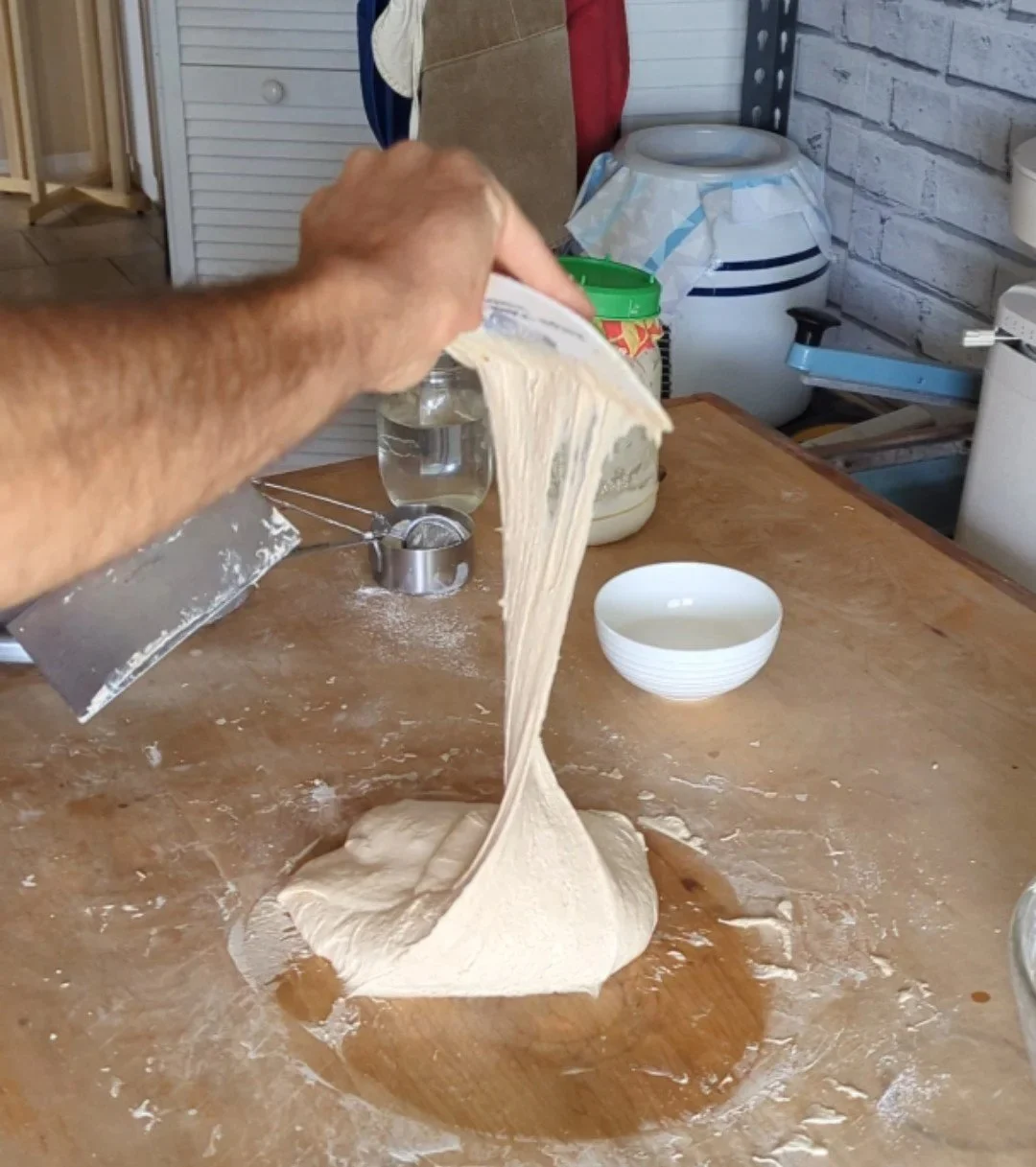
A recent attempt at crafting a sourdough loaf using a simplified "Lazy Loaf" technique encountered an unexpected challenge, resulting in dough that failed to proof adequately and could not be shaped. Rather than discarding the uncooperative mixture, the baker ingeniously repurposed it into a large batch of sourdough pancakes, showcasing remarkable resourcefulness and a practical approach to culinary mishaps. This incident, documented by Austin Durant, founder of Fermenters Club and author of "Fearless Fermenting," offers valuable insights into the delicate science of sourdough baking and the importance of adaptability in the kitchen.
The initial endeavor aimed to produce a sourdough bread loaf using the "Lazy Loaf Sourdough bread technique," a method likely designed to streamline the often-complex sourdough process for home bakers. However, the overnight proofing period proved problematic. The primary culprit identified by the baker was an ambient temperature in the household that likely reached approximately 80 degrees Fahrenheit (around 27 degrees Celsius). This elevated temperature, combined with potentially extended proofing time, led to a significant over-fermentation of the dough. When the baker attempted to transfer the dough to a bench for shaping, it presented as an excessively wet, soupy, and unmanageable mass, rendering traditional bread shaping impossible. Despite an attempt to incorporate additional flour, the dough’s structural integrity was compromised beyond repair for a successful loaf.
Understanding the scientific principles behind sourdough fermentation is crucial to comprehending such outcomes. Sourdough relies on a symbiotic culture of wild yeasts and lactic acid bacteria (LAB) present in a starter. These microorganisms consume sugars in the flour, producing carbon dioxide gas (which creates the rise in bread) and various organic acids (which contribute to sourdough’s characteristic flavor and texture). The activity of these microorganisms is highly sensitive to temperature. Optimal temperatures for bulk fermentation and proofing typically range from 68-78°F (20-25.5°C). Within this range, the yeasts and bacteria work in harmony, producing a balanced flavor profile and sufficient gas for lift, while allowing gluten to develop strength.
The Role of Temperature in Fermentation
When temperatures significantly exceed the optimal range, as in the reported 80°F (27°C) environment, the metabolic activity of both yeast and bacteria accelerates dramatically. While this might seem beneficial for speed, it can lead to several issues. Yeast, in particular, becomes highly active, consuming sugars rapidly and producing gas at an increased rate. Simultaneously, the enzymes present in flour, especially proteases, become more active in warmer conditions. Proteases break down gluten proteins, which are responsible for the dough’s elasticity and ability to trap gas. In an excessively warm environment, this breakdown can occur too quickly, weakening the gluten structure before it has a chance to fully develop or hold its shape.
The Pitfalls of Over-Proofing
The combination of accelerated yeast activity and weakened gluten structure directly contributes to over-proofing. Over-proofing occurs when the dough has fermented for too long, or too rapidly, causing the yeast to exhaust its food source and the gluten network to become overly stretched and fragile. When this happens, the dough loses its ability to hold the gas produced by fermentation. Instead of expanding in a controlled manner, the dough collapses, becoming slack, sticky, and "soupy," as described in this incident. It can no longer be effectively shaped or retain its structure during baking, leading to a flat, dense loaf with poor crumb development. The excessive production of lactic and acetic acids also contributes to a more pronounced sour flavor, which, while characteristic of sourdough, can become overwhelming in an over-proofed state.
Faced with a triple batch of unworkable dough, the baker made a decisive pivot. Recognizing that the dough’s fundamental components – flour, water, and active starter – were still wholesome, the decision was made to transform the failed bread into sourdough pancakes. This exemplifies a core principle of resourceful cooking: minimizing food waste by adapting to unforeseen circumstances. The conversion involved adjusting the ingredients for a standard sourdough pancake recipe, accounting for the substantial volume of the unrisen dough. Notably, baking soda, often included in sourdough pancake recipes to provide additional lift and neutralize some of the sourness, was initially omitted from this improvised batch. The rationale was that the dough, despite its lack of structure for bread, still possessed some residual leavening power from the initial fermentation.
The Fermenters Club Philosophy: Embracing Imperfection and Innovation
This incident perfectly encapsulates the philosophy promoted by Fermenters Club, an organization dedicated to empowering individuals through the art and science of fermentation. Founded by Austin Durant, Fermenters Club advocates for an experimental and resilient approach to food preparation. Durant, with 16 years of experience in fermenting food and as the author of "Fearless Fermenting," champions the idea that perceived failures in fermentation are often opportunities for creative innovation. His work encourages home cooks to understand the processes at play, learn from their experiences, and adapt their techniques rather than be discouraged by less-than-perfect results. This particular event serves as a practical demonstration of "fearless fermenting" in action, transforming a potential waste into a delicious and functional meal. The act of salvaging the dough not only prevents food waste but also reinforces the joy of cooking and the satisfaction of problem-solving in the kitchen.
The Culinary Outcome: Flavor Profile and Serving Suggestions
The resulting pancakes, while described as "unabashedly sour" and "perhaps a bit flat" due to the omission of baking soda and the inherent characteristics of the over-fermented dough, were nonetheless deemed "otherwise delicious." The strong sour notes are a direct consequence of the extended activity of lactic acid bacteria, which thrive in warmer temperatures and produce a higher concentration of organic acids. The flatness stemmed from the compromised gluten structure and the lack of additional leavening. Despite these textural and flavor nuances, the pancakes provided a substantial and flavorful meal, yielding approximately two dozen individual pancakes from the triple batch of dough.
To enhance the dining experience, the pancakes were served with a thoughtful array of accompaniments. These included grass-fed butter, which adds richness and a creamy counterpoint to the sourness, and maple syrup, providing sweetness and moisture. A particularly unique and intriguing addition was a side of strawberry sauerkraut. This fermented condiment, also likely a product of Fermenters Club’s innovative approach, would have introduced a complex layer of tangy, sweet, and savory notes, creating a multi-faceted flavor profile that complemented the sour pancakes. While the specific variations of pancakes made were not detailed, the act of creating multiple types suggests further culinary experimentation within the salvaged meal.
Broader Implications: Minimizing Waste and Fostering Resilience in Home Baking
This episode carries significant implications for the broader community of home bakers and advocates for sustainable food practices. In an era where food waste is a pressing global concern, the ability to repurpose ingredients that might otherwise be discarded is invaluable. It highlights a mindset of resourcefulness that can be applied beyond sourdough baking to various culinary endeavors. For home bakers, especially those new to sourdough, such incidents are common. The learning curve for sourdough can be steep, with variables like starter activity, flour type, hydration levels, ambient temperature, and proofing times all influencing the final product. Encounters with uncooperative dough can be discouraging. However, this story serves as an encouraging reminder that a perceived failure does not necessarily mean a wasted effort or wasted ingredients. Instead, it can be an opportunity to explore alternative culinary avenues and expand one’s repertoire.
The incident also underscores the importance of environmental control in baking. Home kitchens often lack the precise temperature and humidity controls found in professional bakeries. Bakers must learn to adapt their schedules and techniques to their specific home environment, understanding that factors like a warm summer night can drastically alter fermentation timelines. This requires observation, experience, and a willingness to adjust.
Expert Advice for Aspiring Sourdough Bakers
Drawing from this experience, several key pieces of advice can be offered to aspiring and current sourdough bakers:
- Monitor Ambient Temperature: Be acutely aware of your kitchen’s temperature. If it’s warmer than the ideal 68-78°F (20-25.5°C), consider shortening proofing times or finding a cooler spot for your dough (e.g., a cooler room, a slightly cracked refrigerator door if only for a short period, or even using colder water in your dough mix to offset warmth). Conversely, in colder conditions, longer proofing times or a warmer spot might be necessary.
- Learn to Read Your Dough: Visual and tactile cues are often more reliable than strict timings. Look for signs of fermentation such as bubbles, increased volume (though over-proofed dough may collapse), and a jiggle when gently shaken. For shaping, properly proofed dough should be extensible but still have enough tension to hold its form. If it’s overly sticky, slack, and impossible to handle, it’s likely over-proofed.
- Embrace Discard: Sourdough discard (the unfed portion of your starter) is a versatile ingredient. Even if your main dough fails, the principles of repurposing it into pancakes, waffles, crackers, or other baked goods are invaluable. This not only prevents waste but also allows you to enjoy the unique flavor of sourdough in different forms.
- Keep a Baking Journal: Documenting your baking conditions, ingredient ratios, proofing times, and ambient temperatures can help identify patterns and understand what works best in your specific environment. This data-driven approach aids in continuous improvement.
- Be Resilient: Sourdough baking is a journey of continuous learning. Not every loaf will be perfect, and setbacks are a natural part of the process. Viewing these challenges as learning opportunities fosters resilience and a deeper understanding of the craft.
In conclusion, the transformation of a failed sourdough loaf into a generous batch of delicious sourdough pancakes stands as a testament to the adaptability and ingenuity of home bakers. This incident, shared by Austin Durant of Fermenters Club, not only provides practical solutions for common sourdough challenges but also reinforces a broader message of culinary resourcefulness, food waste reduction, and the joy of learning through experimentation. It reminds us that even when our initial plans go awry, there is often a creative and satisfying alternative waiting to be discovered.


