
The practice of dehydrating cantaloupe has emerged as a primary method for agricultural preservation, allowing consumers to extend the shelf life of seasonal melons while concentrating their nutritional profiles and flavor intensity. As food waste remains a significant global concern—with the Food and Agriculture Organization (FAO) of the United Nations estimating that approximately one-third of all food produced for human consumption is lost or wasted—home-based preservation techniques such as dehydration provide a practical solution for resource management. Cantaloupe, a member of the Cucurbitaceae family (Cucumis melo), is particularly well-suited for this process due to its high sugar content and fibrous structure, which transforms into a shelf-stable, leathery snack often referred to as "fruit jerky."
The Technical Foundations of Melon Dehydration
Dehydration is one of the oldest forms of food preservation, functioning by removing the moisture content of the fruit to a level where spoilage-causing microorganisms, such as bacteria, yeast, and mold, can no longer grow. For cantaloupe, the target moisture removal is approximately 80% to 90%. When the water activity (Aw) is lowered sufficiently, the enzymatic reactions that cause browning and softening are significantly retarded.
In a professional or controlled home setting, the standard protocol for cantaloupe dehydration involves maintaining a consistent temperature of 135°F (57°C). This specific thermal threshold is critical; it is high enough to evaporate moisture efficiently but low enough to prevent "case hardening." Case hardening occurs when the exterior of the fruit dries too quickly, creating a hard shell that traps moisture inside, eventually leading to internal mold growth during storage.
Chronology of the Dehydration Process
The transition from fresh produce to a shelf-stable product follows a precise chronological sequence to ensure safety and quality.
Phase I: Selection and Preparation
The process begins with the selection of peak-season melons. While dehydration can improve the perceived sweetness of a subpar melon by concentrating its natural sugars, the highest quality results are obtained from fruit at the height of ripeness. The melon must be thoroughly washed to remove soil-borne pathogens, such as Salmonella or Listeria, which have historically been associated with the textured rind of cantaloupes.
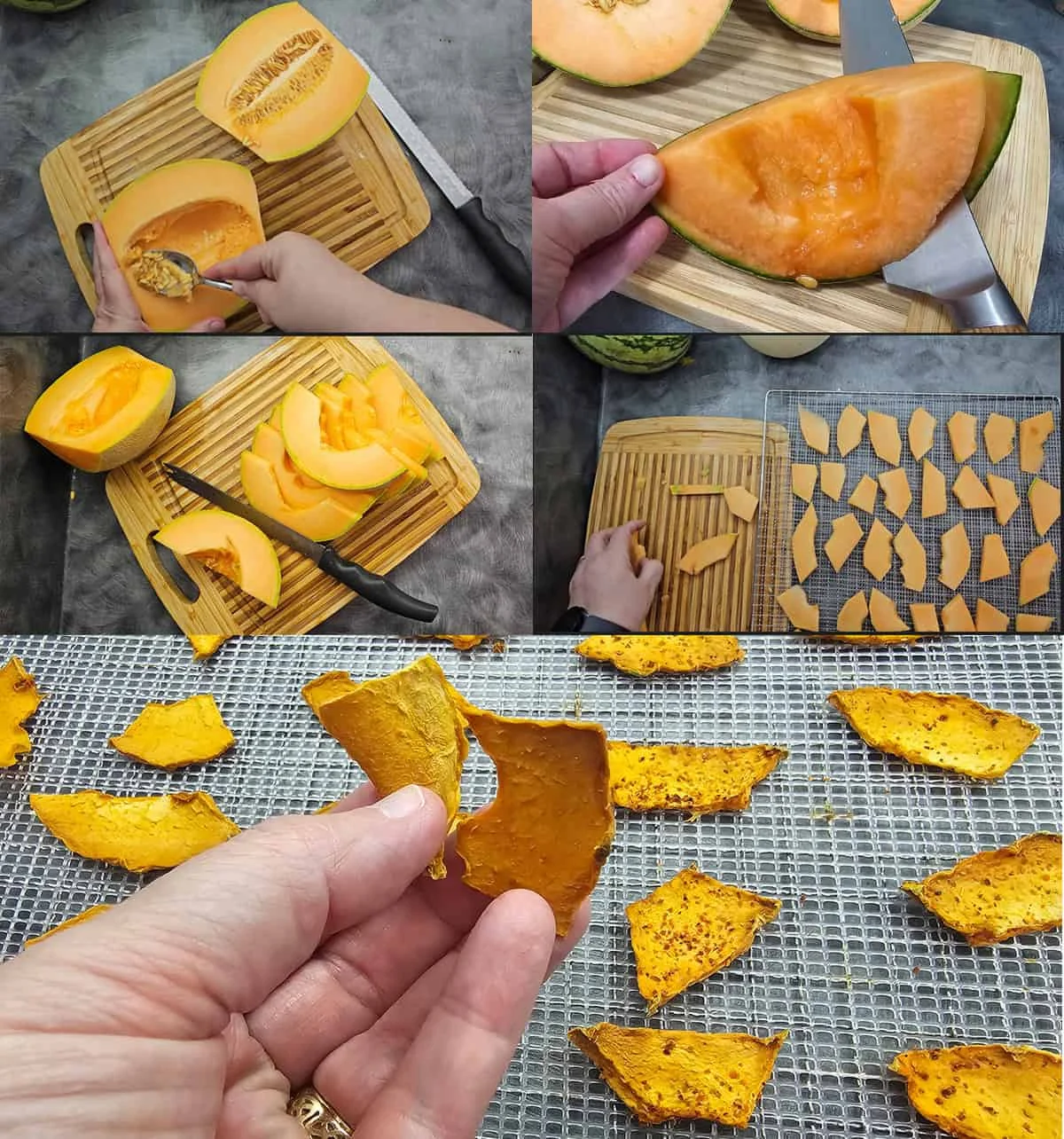
Once cleaned, the melon is halved, seeds are removed, and the rind is excised. The fruit is then processed into uniform slices, ideally 1/4-inch (approx. 6mm) thick. Uniformity is the most critical factor in this phase; varying thicknesses result in uneven drying times, which can compromise the entire batch’s stability.
Phase II: The Drying Cycle
The prepared slices are arranged on dehydrator trays with sufficient airflow between pieces. Over a duration of 10 to 14 hours, the fruit undergoes steady moisture loss. Factors affecting this timeline include the ambient humidity of the room, the specific water content of the melon, and the efficiency of the dehydration unit.
Phase III: The Conditioning Stage
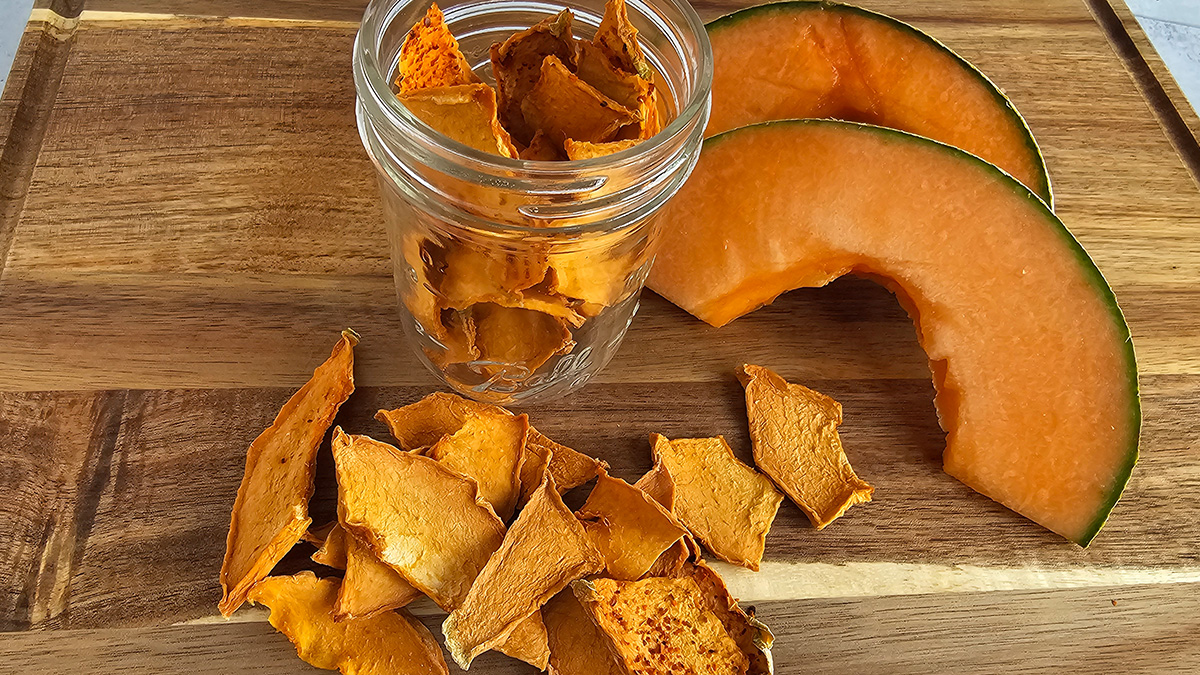
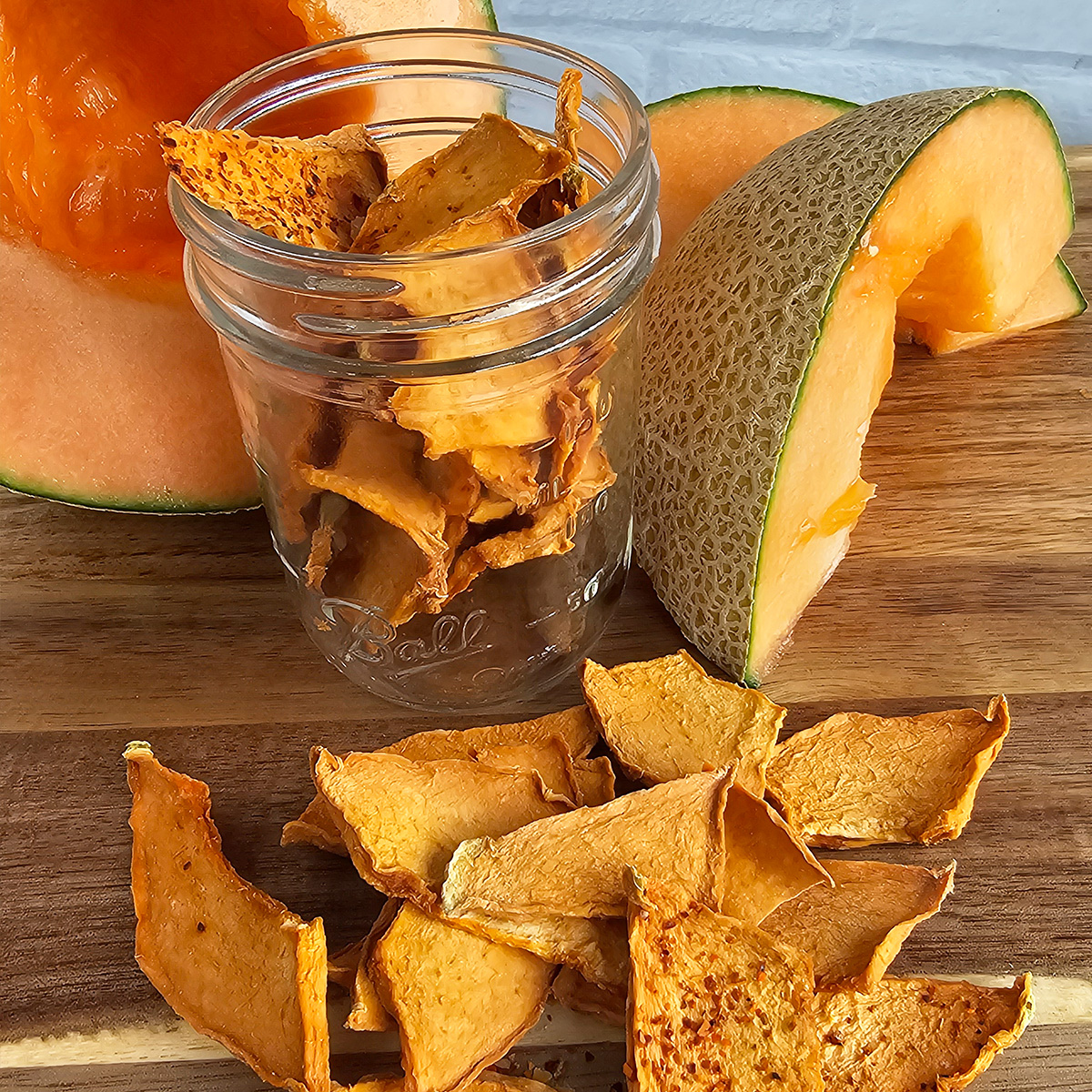
Conditioning is a post-dehydration safety step often overlooked by casual practitioners but emphasized by food safety experts. Once the fruit is removed from the dehydrator and cooled, it is placed in a clear, airtight container for seven to ten days. During this time, the container is shaken daily. If any condensation appears on the walls of the jar, the fruit is insufficiently dry and must be returned to the dehydrator. This phase ensures that the residual moisture is distributed evenly throughout the batch, preventing localized spoilage.
Supporting Data and Nutritional Implications
Dehydrated cantaloupe offers a dense concentration of vitamins and minerals compared to its fresh counterpart. According to nutritional analysis, while the volume of the fruit decreases, the caloric and sugar density increases by a factor of approximately four.
Data suggests that one cup of fresh cantaloupe contains roughly 53 calories and 12 grams of sugar. When dehydrated, a 1/4-cup serving provides nearly identical nutritional values. This makes it an efficient energy source for high-exertion activities such as hiking or athletic training. Furthermore, cantaloupe is an excellent source of Vitamin A (in the form of beta-carotene) and Vitamin C. While some Vitamin C is lost during the thermal process, the beta-carotene remains largely stable, supporting immune function and ocular health.
Comparative Storage Longevity
| Method | Shelf Life | Storage Conditions |
|---|---|---|
| Fresh (Room Temp) | 2–5 Days | Ambient |
| Fresh (Refrigerated) | 5–7 Days | 40°F (4°C) |
| Dehydrated | 6–12 Months | Airtight, Cool, Dark |
| Freeze-Dried | 15–25 Years | Mylar/Oxygen Absorbers |
Equipment and Economic Analysis
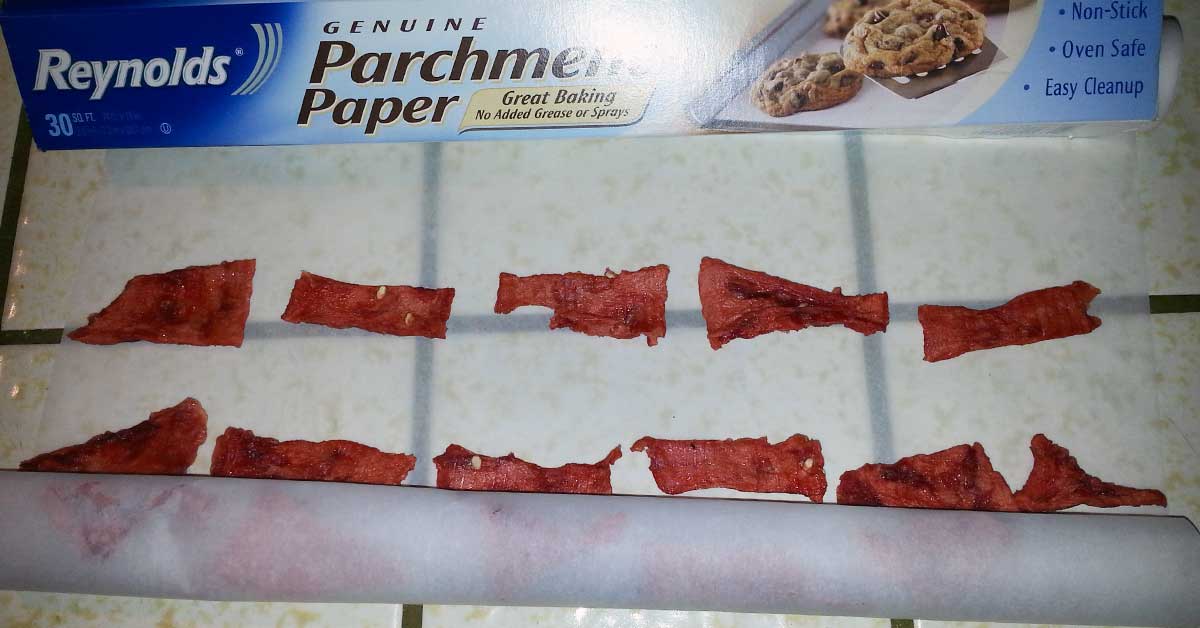
The shift toward home dehydration is supported by a growing market for specialized appliances. While traditional ovens can be used—provided they can maintain temperatures as low as 170°F (77°C) with the door slightly ajar to facilitate moisture escape—dedicated electric dehydrators are more energy-efficient.
Economic analysis indicates that purchasing cantaloupe in bulk during peak summer harvests (when prices per unit are at their lowest) and dehydrating them for winter consumption can reduce annual fruit expenditures by an estimated 15% to 25%. This "pantry stocking" philosophy aligns with broader trends in food security and self-sufficiency that have seen a resurgence in the post-pandemic era.
Culinary Applications and Seasoning Trends
While the natural sugars in cantaloupe provide a profile often compared to "nature’s candy," the culinary application of dried melon has expanded through the use of topical seasonings. Journalistic observations of food trends indicate a rise in "sweet and savory" combinations.
Common additives used prior to the drying process include:

- Acidic Brighteners: Spritzing slices with lime or lemon juice to prevent oxidation and add tartness.
- Thermogenic Spices: The application of ginger or cinnamon to enhance the warmth of the flavor profile.
- Regional Blends: The use of Tajín (a blend of chili peppers, lime, and sea salt), which has become a popular preparation for melons in North American and Mexican markets.
Beyond direct consumption as a snack, dehydrated cantaloupe is being utilized by gourmet chefs and home cooks as a component in granola, a rehydrated element in salads, or a unique garnish for charcuterie boards.
Official Responses and Safety Standards
Health organizations, including the National Center for Home Food Preservation (NCHFP), emphasize the importance of maintaining strict temperature controls. The NCHFP notes that while sun-drying is possible for some fruits in specific climates, melons have a high moisture and sugar content that makes them susceptible to rapid spoilage if not dried in a controlled environment.
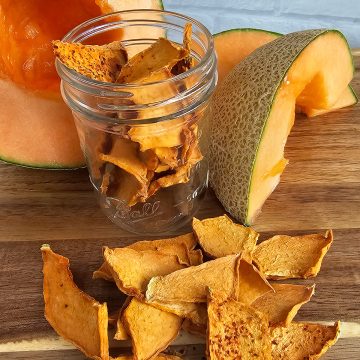
Experts recommend using food-grade storage containers, such as glass Mason jars or vacuum-sealed bags. For those living in high-humidity environments, the inclusion of desiccant packets (silica gel moisture absorbers) is advised to maintain the "leathery" texture and prevent the fruit from absorbing ambient moisture, which leads to stickiness and eventual degradation.
Broader Impact: Sustainability and Food Security
The implications of widespread adoption of food dehydration extend beyond individual kitchen economics. By converting perishable produce into shelf-stable inventory, consumers reduce the pressure on municipal waste systems and decrease the carbon footprint associated with the transport of out-of-season produce.
In the context of food security, dehydrated fruits represent a vital "buffer" against supply chain disruptions. Unlike frozen foods, which are dependent on a continuous power supply, dehydrated cantaloupe remains viable during electrical outages, making it a staple of emergency preparedness kits.
As agricultural patterns shift and the cost of fresh produce continues to fluctuate due to climate and economic variables, the mastery of dehydration techniques like those applied to cantaloupe provides a reliable mechanism for stabilizing a household’s nutritional supply. This method represents a synergy of ancient wisdom and modern technology, ensuring that the bounty of the summer harvest remains available throughout the year.


