
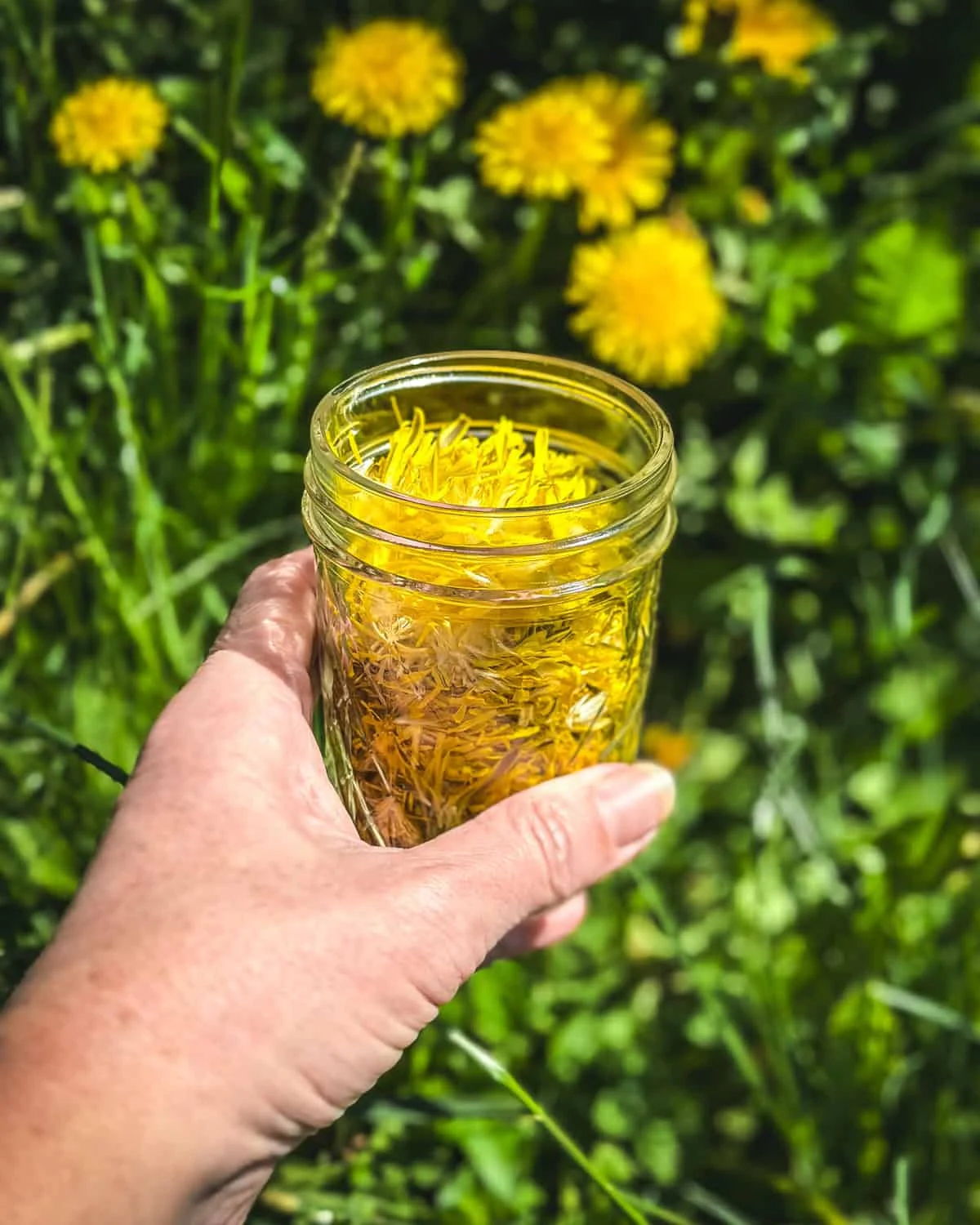
The arrival of spring has historically signaled a shift in domestic culinary practices, but in recent years, a burgeoning movement toward "backyard foraging" has transformed the perception of common lawn flora from invasive weeds to viable nutritional resources. At the center of this transition is the dandelion (Taraxacum officinale), a resilient perennial that is increasingly being utilized in professional and home kitchens alike. Beyond its role as a botanical indicator of warmer weather, the dandelion is gaining recognition for its multifaceted utility in functional foods, specifically in the preparation of dandelion petal bread—a dish that combines traditional baking techniques with wild-harvested ingredients to create a nutrient-dense, comfort-oriented food product.
The Botanical and Historical Context of the Dandelion
While often dismissed by modern landscaping standards as a nuisance, the dandelion has a storied history as a staple in both the apothecary and the larder. Native to Eurasia and brought to North America by early colonists for its medicinal and nutritional properties, the plant is entirely edible, from its deep-reaching taproot to its bright yellow inflorescence.
In the contemporary culinary landscape, the use of dandelions is part of a broader trend toward sustainable, localized food sourcing. Environmental advocates and horticulturalists note that the plant’s resilience—its ability to thrive in compacted soil and varied climates—makes it an ideal candidate for "hyper-local" consumption. The transition from lawn-mower fodder to a gourmet ingredient reflects a growing public interest in food sovereignty and the rediscovery of traditional herbal knowledge.

Nutritional Profile and Pharmacological Research
The shift toward incorporating dandelions into baked goods like bread is supported by a growing body of scientific inquiry. While traditional herbalism has long categorized the dandelion as a "family herb" used for digestive support and liver health, modern clinical studies are beginning to quantify these benefits.
According to data published in the National Institutes of Health’s PubMed database, dandelion preparations, particularly those utilizing the petals and leaves, exhibit significant antioxidant potential. In comparative studies, the petals have occasionally demonstrated higher antioxidant activity than the leaves, owing to their concentration of polyphenols and flavonoids. These compounds are known to mitigate oxidative stress at a cellular level.
Furthermore, research into the hemostatic processes—the body’s mechanism for stopping bleeding—suggests that active components within the dandelion may modulate these pathways, though researchers emphasize that further clinical trials are necessary to determine precise dosage and efficacy. From a basic nutritional standpoint, dandelions are rich in vitamins A, C, and K, as well as calcium and potassium, making them a dense addition to a standard carbohydrate-based diet.
Methodology: The Synthesis of Dandelion Petal Bread
The preparation of dandelion bread is a precise culinary process that requires careful harvesting and preparation to ensure flavor balance. Unlike the greens, which possess a sharp bitterness due to the presence of sesquiterpene lactones, the yellow petals offer a mild, honey-like sweetness.
Foraging and Preparation Chronology
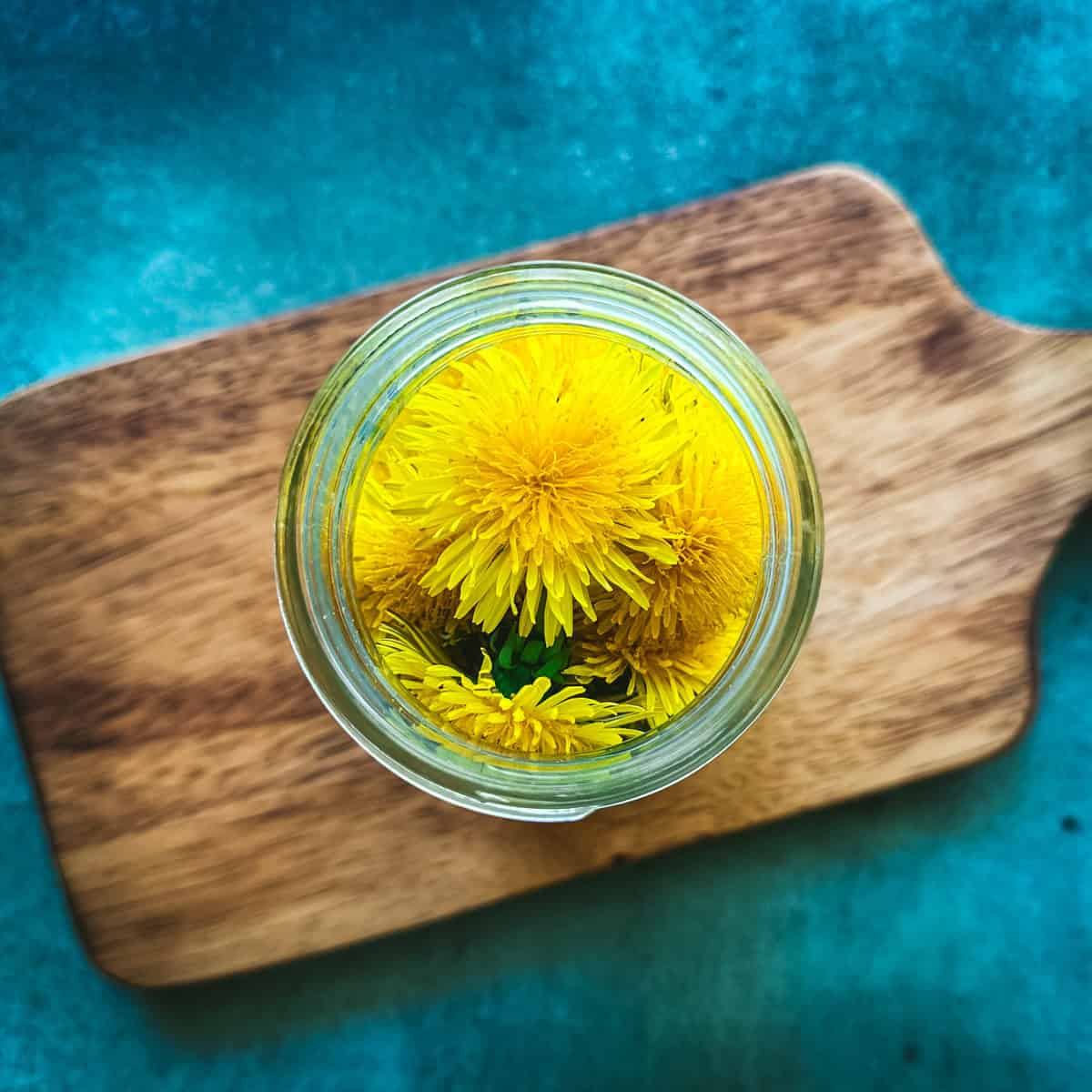
The process begins with the ethical and safe harvesting of the flower heads. Culinary experts and foragers stress the importance of sourcing dandelions from areas that have not been treated with synthetic pesticides or herbicides. Given that the dandelion is frequently targeted by chemical weed killers, this step is paramount for consumer safety.
- Harvesting: Flowers should be picked when fully open, typically during the peak sunlight hours of mid-morning.
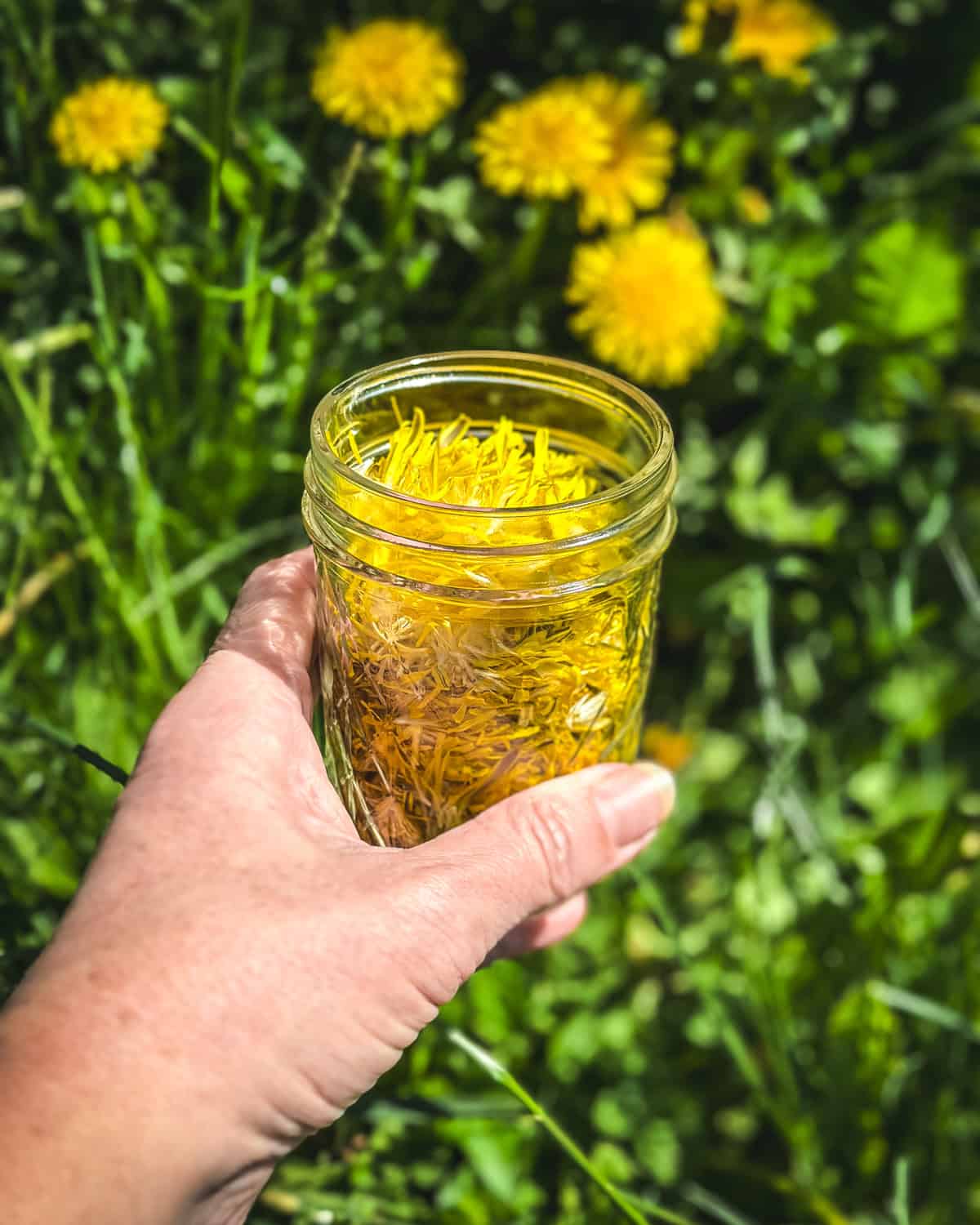
- Separation: The most labor-intensive phase involves separating the yellow petals from the green involucral bracts (the base of the flower). Retaining the green parts can introduce an unwanted bitter profile to the bread.
- Cleaning: Petals are lightly rinsed and patted dry to remove any small insects or environmental dust.
Culinary Composition
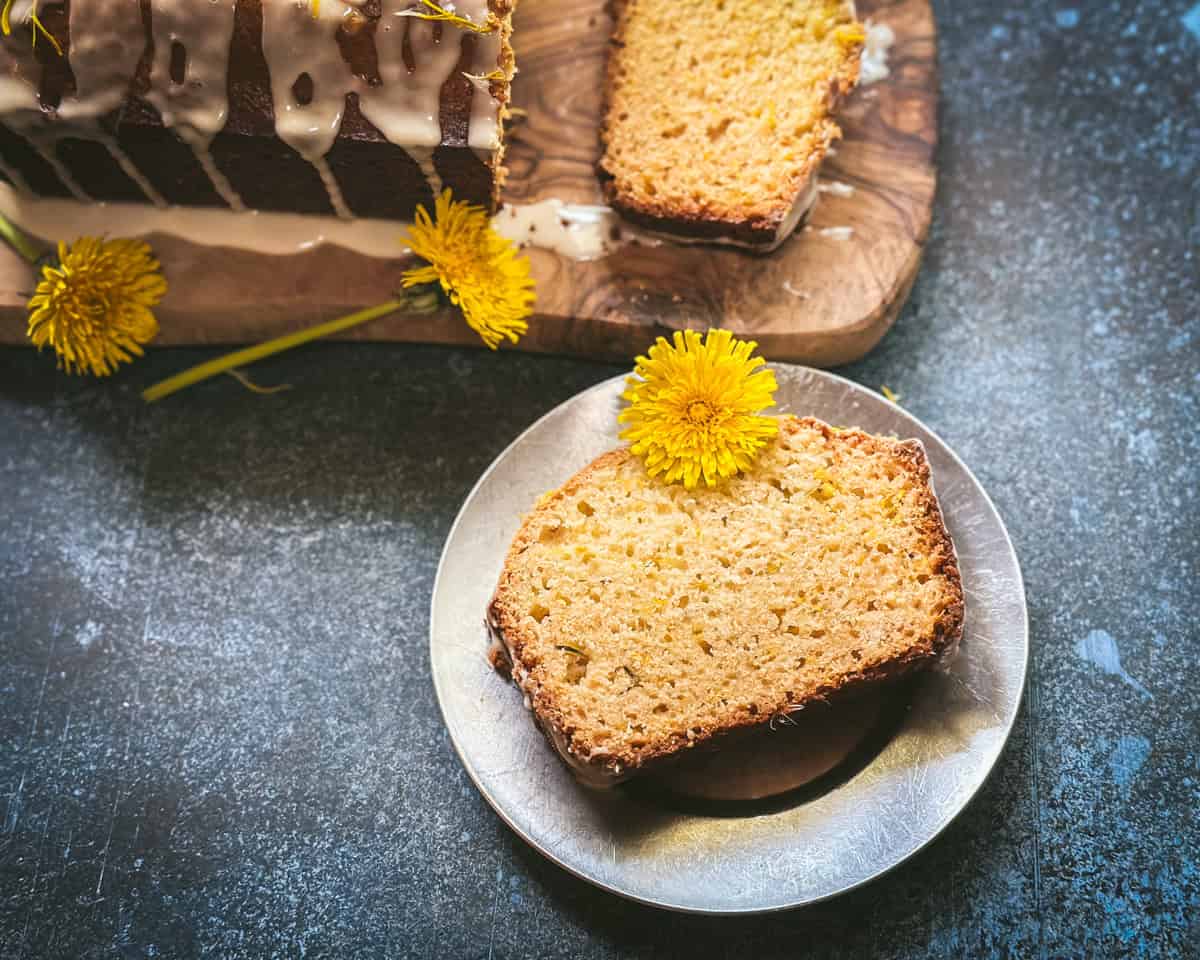
The resulting bread is a "quick bread," a category of baked goods leavened with chemical agents like baking powder rather than yeast. This allows for a dense, moist crumb that serves as an effective vehicle for the delicate floral notes of the petals.
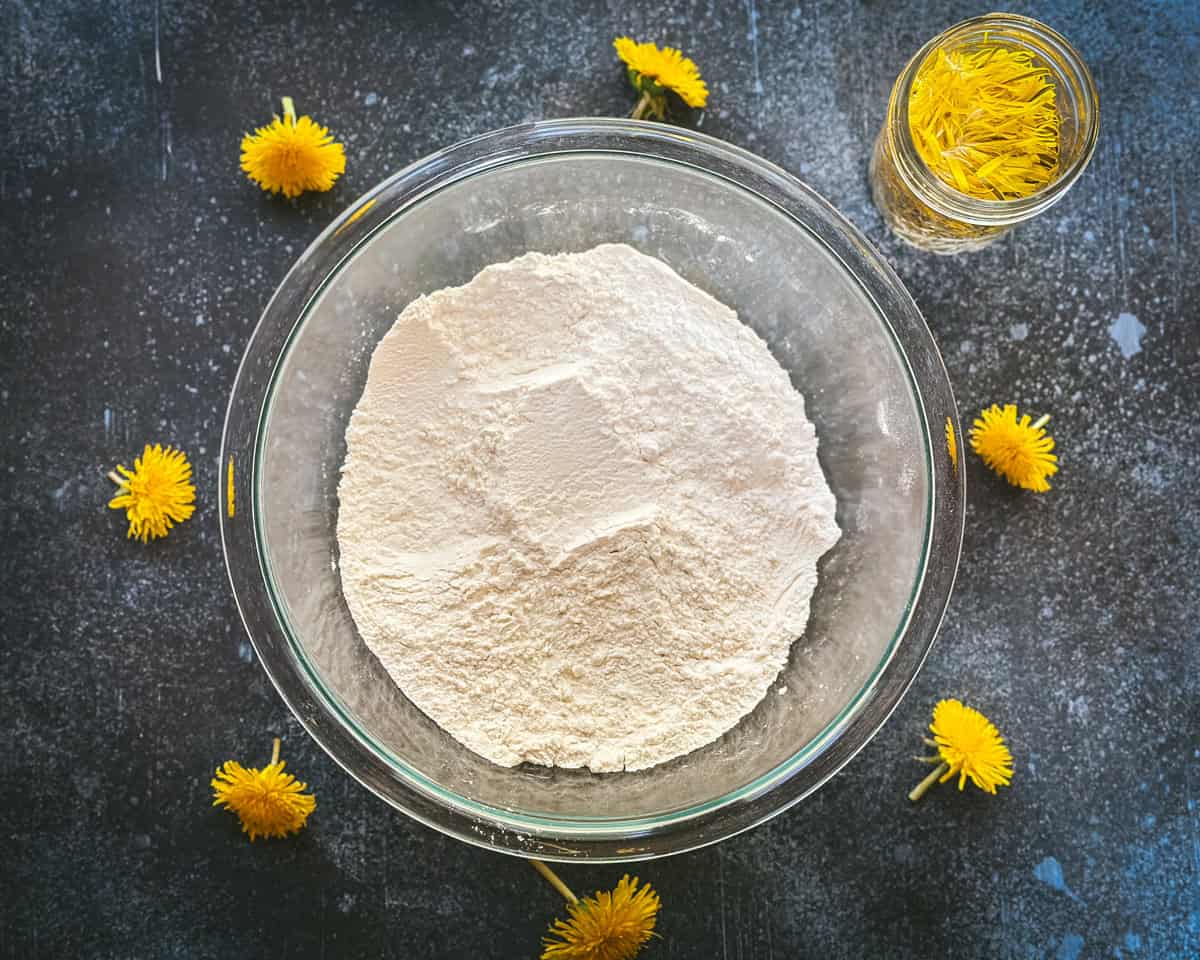
The recipe integrates standard dry ingredients—all-purpose flour, baking powder, and salt—with a wet mixture of vegetable oil, sugar, honey, eggs, and milk. The inclusion of honey is a strategic choice, as it complements the natural saccharine qualities of the dandelion pollen. Once the batter is homogenized, the dandelion petals are folded in gently to ensure even distribution throughout the loaf.
The Role of Citrus Glazing in Flavor Profiles
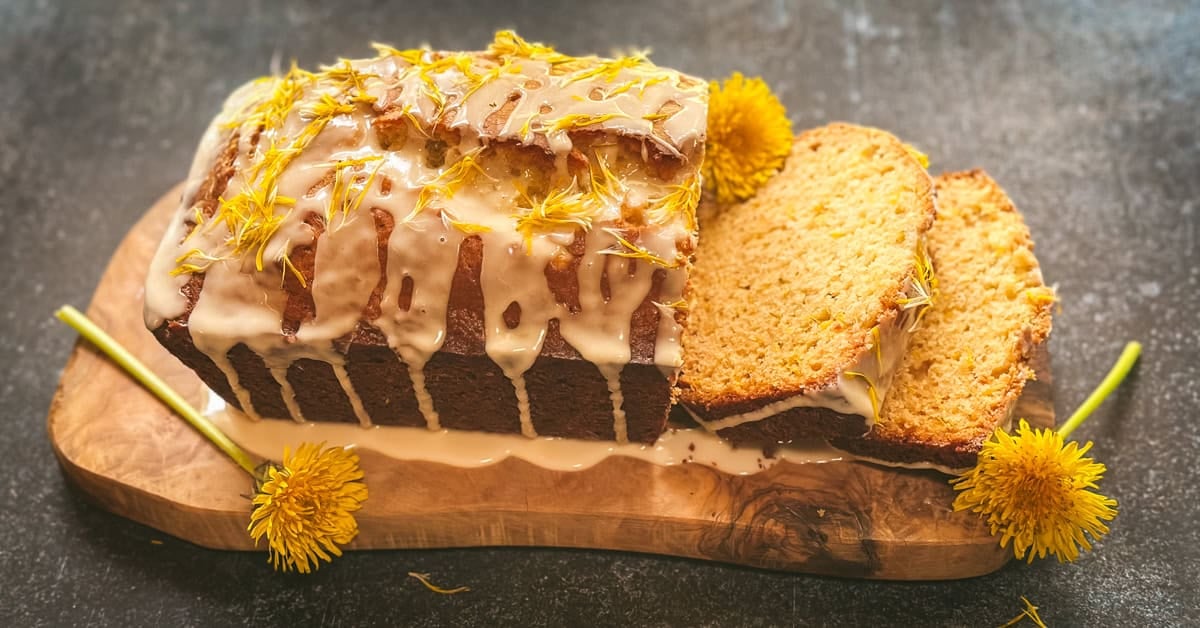
A critical component of the modern dandelion bread preparation is the application of a honey-lemon glaze. From a gastronomic perspective, the acidity of fresh lemon juice serves to "brighten" the earthy tones of the wild flora. The glaze, composed of powdered sugar, lemon juice, and additional raw honey, creates a seal over the bread, preserving its moisture content while providing a sharp contrast to the dense, sweet interior.

Professional bakers suggest that the bread must be cooled completely on a wire rack before the glaze is applied. This prevents the icing from melting into the crust, ensuring a professional aesthetic and a distinct textural layer. For visual identification and garnish, additional raw petals are often sprinkled atop the wet glaze, signaling the bread’s botanical origins to the consumer.
Environmental and Ethical Implications of Foraging
The rise of dandelion-based recipes coincides with a shift in environmental policy in many municipalities, such as the "No Mow May" initiative. This movement encourages homeowners to allow dandelions and other wild flowers to bloom early in the spring to provide essential nectar for pollinators, such as bees and butterflies, who are emerging from dormancy.

However, the intersection of foraging and conservation requires a balanced approach. Ethical foraging guidelines suggest that harvesters should never deplete a single area, leaving enough blooms to support local ecosystems. Furthermore, the practice of foraging promotes a "citizen scientist" approach to local ecology, as individuals learn to identify plant species and monitor the health of their local soil and water systems.
Analysis of the "Comfort Food" Trend in Functional Gastronomy
The popularity of dandelion bread can be analyzed through the lens of "functional gastronomy"—the practice of creating food that provides both psychological comfort and physiological benefits. In the post-pandemic era, there has been a documented increase in "nostalgia baking" and the pursuit of artisanal skills. Dandelion bread fits this niche by offering a familiar form (the loaf) with an exotic, self-sourced ingredient.
Market analysts observe that products labeled as "foraged" or "wild-crafted" carry a premium in the specialty food market. By moving these ingredients into the home kitchen, consumers are effectively bypassing the commercial supply chain, reducing their carbon footprint, and engaging in a form of culinary rebellion against the homogenization of the modern diet.
Storage, Preservation, and Commercial Potential
For the home baker, the storage of dandelion bread follows standard protocols for moist quick breads. It remains shelf-stable in an airtight container for approximately three days. For longer-term preservation, the bread can be sliced and frozen for up to three months without significant degradation of the floral volatile compounds.
While currently primarily a home-based craft, there is growing potential for dandelion-based products in artisanal bakeries and farm-to-table restaurants. The unique "terroir" of wild dandelions—where the flavor can vary slightly based on the soil composition of the region—offers a storytelling element that is highly valued in contemporary marketing.
Conclusion: The Future of Wild Flora in the Modern Larder
The humble dandelion is no longer merely a target for eradication but a symbol of a more integrated approach to nature and nutrition. As scientific research continues to validate the antioxidant and medicinal properties of Taraxacum officinale, and as culinary techniques continue to refine its application, it is likely that "weed-based" gastronomy will move from the fringes of the foraging community into the mainstream.

Dandelion bread serves as a primary example of how underutilized biological resources can be transformed into high-value, nutrient-dense food products. It represents a synthesis of botanical science, traditional herbalism, and modern culinary art—a testament to the resilience of both the plant itself and the human drive to find sustenance and comfort in the immediate environment. As spring cycles continue, the sight of the yellow dandelion may increasingly be associated not with a chore to be completed, but with a harvest to be celebrated.


