
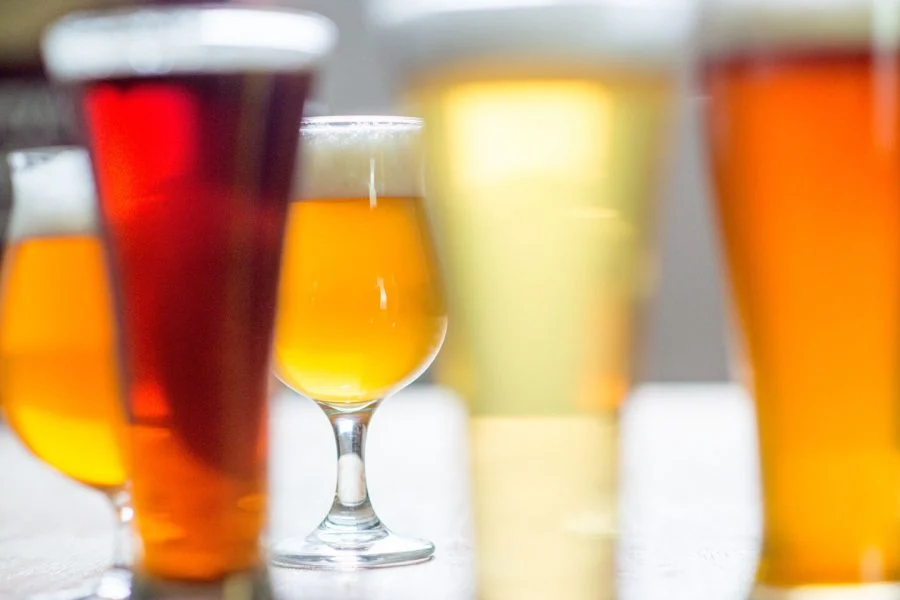
Jarrett and Amanda Long of Arlington, Texas, representing the Horsemen of the Hopocalypse homebrewing club, have earned the prestigious gold medal in Category 18: Specialty IPA at the 2026 National Homebrew Competition’s Final Round. Their winning brew triumphed over 94 other entries in a highly competitive field, marking a significant achievement in the national homebrewing arena. The victory highlights the dedication and craft of homebrewers across the country and underscores the evolving landscape of craft beer innovation.
A Celebration of Homebrewing Excellence
The National Homebrew Competition, organized annually by the American Homebrewers Association (AHA), stands as one of the most esteemed and largest homebrewing competitions in the world. It serves as a vital platform for amateur brewers to showcase their creations, receive expert feedback, and gain national recognition. The competition typically attracts thousands of entries across a wide spectrum of beer styles, rigorously judged by a panel of experienced brewers, judges, and industry professionals. The 2026 iteration, held under stringent judging protocols, saw an exceptional caliber of entries, making the Longs’ victory even more commendable.
Category 18, dedicated to Specialty IPAs, is known for its dynamic and experimental nature. This category allows brewers to push the boundaries of traditional IPA profiles, incorporating unique ingredients, innovative brewing techniques, or distinct flavor combinations that deviate from classic styles. Entries in this category are often characterized by their creativity and the brewer’s ability to balance complex flavors and aromas, making it a particularly challenging and exciting segment of the competition.
The Winning Recipe: A Deep Dive into Specialty IPA Craftsmanship
The gold medal-winning beer, a testament to Jarrett and Amanda Long’s brewing prowess, is a Specialty IPA that garnered top marks from the judges. The recipe, meticulously crafted and executed, features a thoughtful combination of malts, hops, and yeast, designed to deliver a complex yet harmonious drinking experience.
Ingredients:
-
Malts & Adjuncts:
- 9 lb. (4.08 kg) Malteurop pale 2-row malt: This provides the foundational malt character, offering a clean, pale malt base.
- 3 lb. (1.36 kg) Muntons brown malt: The inclusion of brown malt introduces a subtle toasty, nutty character, adding depth and complexity that can complement hop profiles.
- 2 lb. (0.9 kg) flaked corn: Flaked corn contributes body and can lighten the mouthfeel, often used to achieve a crisper finish in IPAs.
- 1 lb. (454 g) 80L caramel malt: This specialty malt adds a touch of sweetness, body, and a caramelly hue, balancing the bitterness from the hops.
-
Hops: The hop selection is crucial for any IPA, and this recipe showcases a strategic use of both bittering and aroma hops.
- 0.5 oz. (14 g) Chinook, 14.5% alpha acids @ 60 min: This early addition provides the primary bitterness for the beer. Chinook is known for its piney and slightly grapefruit-like characteristics.
- 1.5 oz. (42 g) Chinook, 14.5% alpha acids @ 15 min: A mid-boil addition to enhance hop flavor and aroma.
- 1 oz. (28 g) Cascade, 6.1% alpha acids @ 15 min: Cascade hops, a classic American hop, contribute floral and citrusy notes, particularly grapefruit and passionfruit.
- 1 oz. (28 g) Chinook, 14.5% alpha acids, 10 min hop stand @ 194°F (90°C): A hop stand (whirlpool hop addition) at a high temperature extracts volatile oils for intense aroma without excessive bitterness.
- 1 oz. (28 g) Cascade, 6.1% alpha acids, 10 min hop stand @ 194°F (90°C): This complements the Chinook hop stand, layering in more fruity and floral aromatics.
- 1 oz. (28 g) Chinook, 14.5% alpha acids, dry hop 3 days: Dry hopping, adding hops during or after fermentation, is key for a vibrant hop aroma without contributing bitterness.
- 1 oz. (28 g) Cascade, 6.1% alpha acids, dry hop 3 days: This further amplifies the fruity and floral notes from the Cascade, creating a complex hop bouquet.
-
Yeast:

- 2 packs Wyeast 1056 American ale yeast: This is a highly regarded strain for American ales, known for its clean fermentation profile, allowing the malt and hop characteristics to shine. It ferments well at cooler ale temperatures and attenuates to a relatively dry finish, suitable for IPAs.
-
Additional Items:
- 3 g beta glucanase (in mash): This enzyme aids in breaking down beta-glucans, which can improve wort separation and reduce haze.
- 3 g Oxblox (in mash): Likely a proprietary mash additive designed to enhance mash efficiency or specific wort characteristics.
- 1 tablet Whirlfloc @ 10 min: A fining agent added during the boil to help precipitate proteins and improve clarity.
- 15 g PVPP, in boil @ 10 min: Polyvinylpolypyrrolidone (PVPP) is another fining agent that helps to prevent chill haze and improve beer clarity and stability.
- ALDC to rehydrate yeast: Aldehyde Dehydrogenase, used here to ensure optimal yeast health and a robust fermentation.
- ALDC in primary prior to spunding: This suggests a controlled carbonation process, likely to retain hop aroma and flavor during conditioning.
- Gelatin to fine: A post-fermentation fining agent that further clarifies the beer by precipitating haze-forming compounds.
Technical Specifications and Brewing Process
The precision in the Longs’ recipe is further evident in the detailed specifications and brewing directions provided.
Specifications:
- Yield: 6 U.S. gal. (22.71 L) – a standard batch size for homebrewing.
- Original Gravity (OG): 1.067 (16.4°P) – indicating a medium-bodied beer with a good starting point for alcohol content.
- Final Gravity (FG): 1.015 (3.7°P) – a relatively low final gravity, suggesting good attenuation and a balanced sweetness to bitterness ratio.
- Alcohol by Volume (ABV): 6.75% – falling within the typical range for a strong IPA.
- International Bitterness Units (IBU): 62 – a substantial bitterness level characteristic of an IPA, but likely well-balanced by the malt and hop flavors.
- Standard Reference Method (SRM): 36 – indicating a deep amber to reddish-brown color, which can be attributed to the inclusion of brown malt and caramel malt.
- Efficiency: 80% – a high brewing efficiency, suggesting effective extraction of sugars from the grains.
Directions:
- Mashing: Mash in at 148°F (64°C) for 90 minutes. This specific mash temperature is ideal for achieving a good balance of fermentable sugars and body, contributing to the beer’s mouthfeel and alcohol content.
- Boil: A 1-hour boil is standard for hop utilization and wort sterilization.
- Fermentation: Ferment at 65°F (18°C). This is on the cooler end for American ale yeast, which can contribute to a cleaner fermentation profile and better retention of delicate hop aromas.
- Conditioning: Keg or bottle condition after primary fermentation. This allows for carbonation and further flavor development.
The inclusion of specific enzymes like beta glucanase and additives like Oxblox, Whirlfloc, and PVPP points to a sophisticated understanding of brewing science and a commitment to achieving a clear, stable, and well-balanced final product. The use of ALDC for yeast rehydration and prior to spunding further demonstrates a meticulous approach to fermentation management, aimed at optimizing yeast health and carbonation.
Broader Implications and Community Impact
The Longs’ victory in the National Homebrew Competition not only brings personal recognition but also contributes to the broader homebrewing community. By sharing their winning recipe, they provide inspiration and a tangible blueprint for other brewers looking to excel in the Specialty IPA category. Such achievements often spark renewed interest in specific ingredients or techniques, fostering a collaborative environment where knowledge is shared and innovation is encouraged.
The American Homebrewers Association plays a pivotal role in promoting homebrewing as a hobby and an art form. Competitions like this are instrumental in raising the bar for quality and creativity within the homebrewing world. The detailed documentation of award-winning recipes, made accessible to members, serves as an invaluable educational resource, empowering brewers of all levels to improve their craft.
The success of homebrewers like Jarrett and Amanda Long also has a ripple effect on the craft beer industry. Many professional brewers began their careers as homebrewers, and the innovative spirit fostered in homebrewing kitchens often finds its way into commercial breweries, influencing trends and driving the evolution of beer styles. The Specialty IPA category, in particular, is a fertile ground for such experimentation, reflecting the dynamic and ever-changing landscape of craft beer.
As the homebrewing community continues to grow and evolve, competitions like the National Homebrew Competition remain crucial for recognizing talent, disseminating knowledge, and celebrating the passion that drives brewers to create exceptional beverages. The Longs’ gold medal is a shining example of dedication, creativity, and technical skill, setting a high standard for future aspiring homebrewers.


