
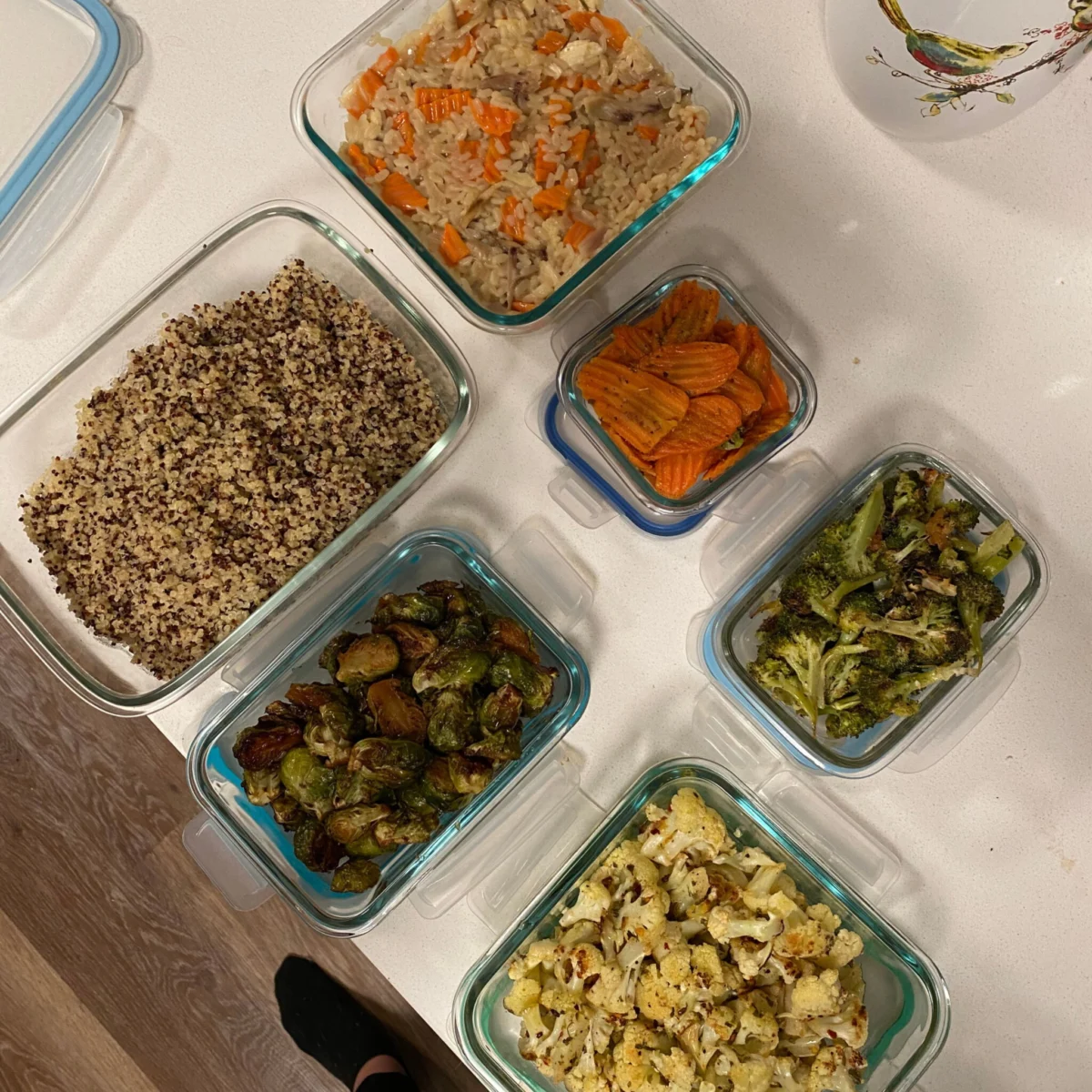
The implementation of a structured meal planning and preparation system has emerged as a primary strategy for households seeking to mitigate the dual challenges of escalating grocery inflation and environmental degradation. As global food systems face unprecedented pressure, the transition from impulsive purchasing to intentional ingredient management represents a significant shift in consumer behavior. By integrating foresight into the domestic kitchen, individuals can drastically reduce both packaging waste and the volume of organic matter sent to landfills, while simultaneously stabilizing household budgets against market volatility.
The Operational Distinction Between Meal Planning and Meal Prepping
To establish a successful household food strategy, it is essential to distinguish between the two fundamental pillars of the process: meal planning and meal prepping. While often used interchangeably in casual discourse, they serve distinct logistical functions within a sustainable kitchen.
Meal planning is the strategic phase of the operation. It involves the selection of specific dishes and the determination of a consumption schedule for the week. This phase focuses on breakfasts, lunches, dinners, and snacks, ensuring that every caloric requirement is accounted for before a single dollar is spent.

In contrast, meal prepping is the tactical execution phase. This involves the physical act of washing, chopping, or cooking ingredients and entire meals in advance. While meal planning provides the roadmap, meal prepping provides the convenience required to navigate a busy work week. Experts in domestic efficiency note that while meal prepping is most effective when preceded by a plan, it is possible to plan without prepping. However, the synergy of both practices yields the highest returns in terms of time saved and waste prevented.
The Economic and Environmental Context of Food Waste
The necessity for these systems is underscored by staggering data regarding global and domestic food waste. According to the United States Department of Agriculture (USDA), food waste in the U.S. is estimated at between 30 and 40 percent of the total food supply. This inefficiency results in billions of pounds of food ending up in landfills, where it decomposes and releases methane, a potent greenhouse gas.
From an economic perspective, the average American family of four loses approximately $1,500 annually to uneaten food. As the Consumer Price Index (CPI) for food continues to fluctuate, the financial impact of impulse buys—purchases made without a specific plan—becomes increasingly detrimental. Professional analysts suggest that consumers who adhere to a strict meal plan can reduce their grocery expenditures by as much as 20% to 25% by eliminating redundant purchases and optimizing the use of bulk ingredients.
A Chronological Framework for Weekly Meal Management
Successful meal systems are not the result of sporadic effort but are built upon a repeatable weekly chronology. This cycle ensures that inventory is managed and time is allocated efficiently.

Phase 1: Inventory Assessment and Goal Setting
The cycle begins not at the grocery store, but in the pantry and refrigerator. A thorough audit of existing stock prevents the "double-buying" of staples like rice, beans, or spices. During this phase, planners identify items nearing their expiration dates, prioritizing them for the upcoming week’s menu. For example, wilted celery or softening tomatoes are earmarked for soups or sauces, effectively "rescuing" the ingredient before it becomes waste.
Phase 2: The Master List and Seasonal Alignment
Planners are encouraged to maintain a "Master List of Recipes"—a database of reliable, family-favorite dishes that the cook is comfortable preparing. This list acts as a reference point to combat "decision fatigue," a psychological state where the burden of choice leads to poor decision-making or the abandonment of the plan in favor of expensive takeout.
Logistical success also requires checking the household calendar. Identifying nights with late meetings, extracurricular activities, or social engagements allows the planner to schedule quicker meals or leftovers for those specific windows, preventing the purchase of fresh ingredients that will ultimately go unused due to time constraints.
Phase 3: Strategic Procurement
Grocery shopping is ideally confined to a single, consistent day each week. This regularity allows for better tracking of spending and consumption patterns. Strategic shoppers prioritize seasonal produce, which is typically more nutrient-dense and less expensive due to the abundance of supply. In the autumn, this might include root vegetables and squash, while summer focuses on leafy greens and stone fruits.

Phase 4: The Ingredient-First Preparation Model
A common failure in meal planning is the "rigid meal" trap—scheduling a complex dish like lasagna for a Tuesday, only to find the household lacks the appetite or energy for it when the day arrives. To counter this, professional organizers recommend "ingredient prepping" over "meal prepping."
By washing, chopping, and storing individual components—such as roasted vegetables, cooked grains, and prepared proteins—the household retains the flexibility to assemble various dishes based on current cravings while still benefiting from the time-saving aspects of advance preparation.
Budget-Friendly Sustainability and the Circular Kitchen
Maintaining a meal system requires an awareness of the "circular economy" within the kitchen. This involves viewing food scraps not as waste, but as secondary resources.
- Vegetable Stock Production: Ends of onions, carrot peels, and celery tops can be collected in the freezer and simmered into high-quality vegetable stock, reducing the need for store-bought cartons.
- Alternative Ingredient Use: Many consumers are unaware that beet tops, carrot greens, and celery leaves are edible and can be incorporated into pestos, salads, or sautés.
- The "Ugly" Food Movement: Many retailers now offer "imperfect" produce at a significant discount. These items, which may have cosmetic flaws but are nutritionally sound, are ideal for meal prepping where they will be chopped or blended.
Nutritional Balance and Psychological Benefits
Beyond the fiscal and environmental implications, meal systems provide a framework for improved public health. By planning meals in advance, individuals are more likely to ensure a balanced intake of macronutrients. A standard recommendation for a satiating meal includes a combination of complex carbohydrates, lean protein, healthy fats, and high fiber.

The psychological relief provided by these systems cannot be overstated. Decision fatigue regarding food often peaks in the late afternoon, leading to "panic-buying" or high-sodium convenience food. Having a pre-washed salad or a pre-cooked protein ready in the refrigerator removes the cognitive load of meal preparation, fostering a more relaxed domestic environment.
Statements from Industry Experts and Environmental Advocates
Environmental advocacy groups, such as the Natural Resources Defense Council (NRDC), have long championed meal planning as a frontline defense against climate change. In various reports, the NRDC emphasizes that "the most effective way to reduce food waste is to never create it in the first place."
Nutritionists also point to the correlation between meal planning and lower Body Mass Index (BMI) scores. A study published in the International Journal of Behavioral Nutrition and Physical Activity found that meal planning was associated with a more varied diet and a lower risk of obesity, suggesting that the benefits of the system extend far beyond the kitchen counter.
Broader Implications for Municipal Waste and Supply Chains
On a macro level, if a significant percentage of the population adopted these meal systems, the impact on municipal infrastructure would be profound. Reduced organic waste in the trash stream would lower the costs associated with waste collection and landfill management. Furthermore, more predictable consumer buying patterns would allow retailers to optimize their supply chains, potentially reducing the overstocking that leads to commercial food waste.

The transition toward a "Zero Waste" grocery model—utilizing reusable containers, buying in bulk, and adhering to strict meal plans—represents a grassroots movement toward a more resilient food system. As resources become more expensive and environmental regulations tighten, these domestic strategies will likely shift from being a "lifestyle choice" to a necessary component of modern household management.
Conclusion and Future Outlook
The implementation of a weekly meal planning and prepping system is a multifaceted solution to some of the most pressing issues facing modern consumers. By shifting the focus from individual meals to versatile ingredients, maintaining a master list of recipes, and embracing the circular use of food scraps, households can achieve a level of efficiency that benefits the planet and the pocketbook alike.
As technology continues to integrate with the domestic sphere, we can expect to see more advanced tools—such as AI-driven inventory tracking and smart refrigerators—that assist in this process. However, the core of the system remains human intentionality: the simple act of thinking ahead to ensure that every resource is used to its fullest potential. Through these disciplined practices, the modern kitchen becomes not just a place of consumption, but a hub of sustainability and financial stability.


