
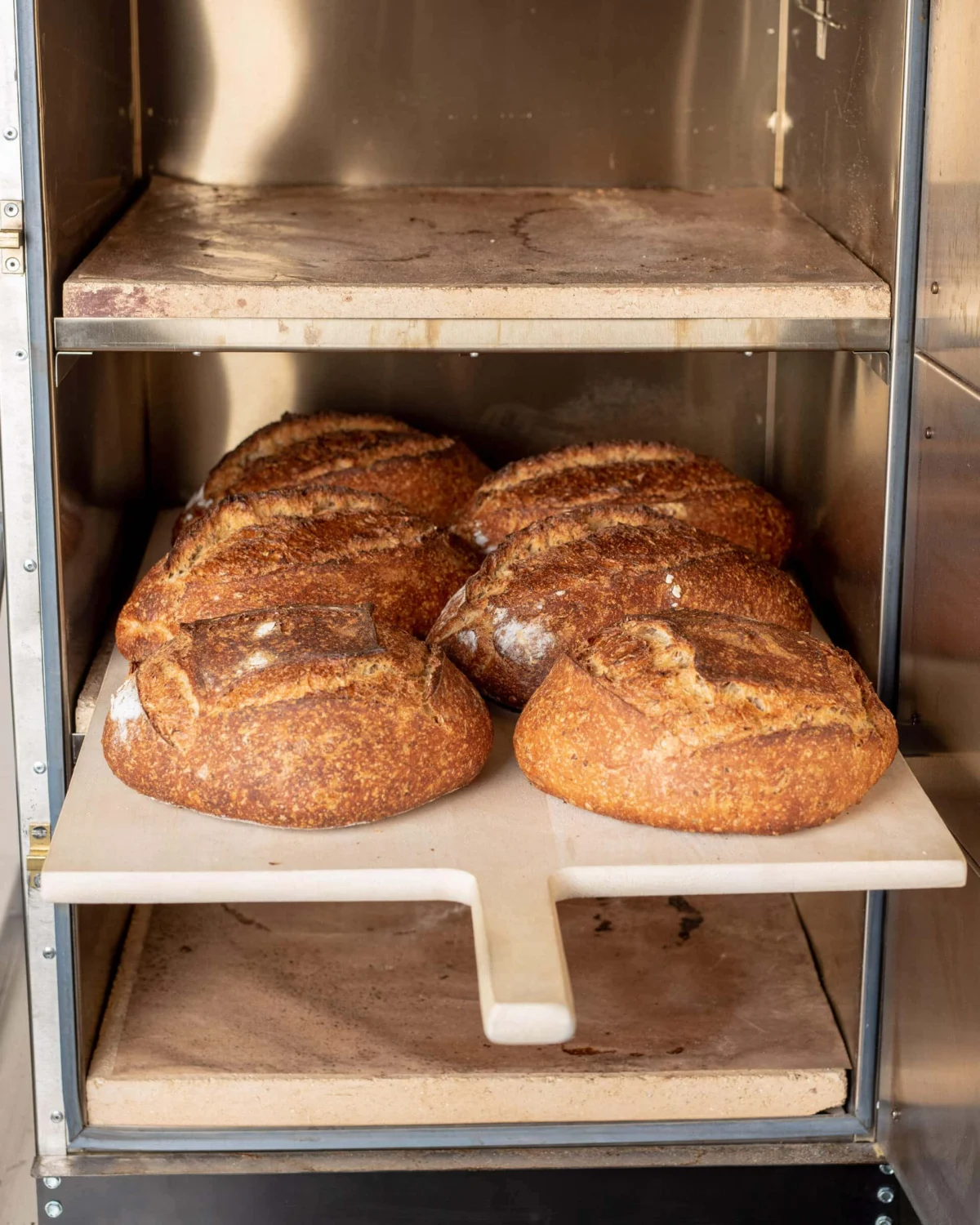
The burgeoning landscape of artisan bread production has seen a significant evolution, with passionate home bakers increasingly seeking to elevate their craft beyond the limitations of conventional kitchen appliances. This drive towards greater efficiency and capacity often culminates in the search for specialized equipment, a journey that frequently leads to the Rofco bread oven. This Belgian-engineered appliance has emerged as a formidable solution for those aspiring to bake larger quantities of high-quality bread, bridging the gap between domestic ovens and full-scale commercial bakery infrastructure. The transition from baking a few loaves to managing substantial dough volumes naturally necessitates tools that enhance productivity without compromising the nuanced aspects of bread making, such as flavor development, fermentation control, and precise dough handling and shaping.
While dedicated bakers undeniably achieve remarkable results with standard home ovens, the integration of purpose-built equipment like the Rofco B40 marks a pivotal step in a baker’s evolutionary trajectory. This strategic upgrade allows artisans to channel their focus more intensely on the scientific and artistic elements of baking, optimizing outcomes for texture, crust, and crumb. For many, the decision to invest in such a specialized oven is a gradual realization, often sparked by an ever-increasing obsession with the craft and a desire to produce more loaves, whether for personal consumption, community sharing, or the nascent stages of a nano or micro-bakery venture. This guide aims to provide a definitive overview of the Rofco bread oven, detailing its technical specifications, operational best practices, and essential ancillary tools, offering a valuable resource for both prospective buyers and new owners navigating the path to scaled-up baking.
Understanding the Rofco Bread Oven: Engineering for Excellence
At its core, a Rofco oven is a meticulously crafted Belgian-made brick oven specifically engineered for superior bread baking. Available in various models, the B40 stands as the largest iteration, boasting three square baking decks designed to maximize baking surface area within a compact footprint. Its construction emphasizes durability and functionality, featuring a no-nonsense design with a sealed oven chamber. A key characteristic of the Rofco is its exceptional thermal efficiency; it produces minimal external radiant heat, allowing for placement in proximity to walls or other appliances without significant heat transfer issues.
The heart of the Rofco’s performance lies in its 1-3/8-inch thick chamotte deck stones, also known as refractory bricks. These specialized bricks possess an extraordinary capacity for heat retention, a critical factor in maintaining stable oven temperatures even after the door is opened for loading dough. This inherent thermal mass enables the Rofco to facilitate multiple back-to-back bakes with minimal recovery time, making it highly efficient for batch production. Once preheated, the bricks retain heat for several hours, ensuring consistent baking conditions across successive loads.
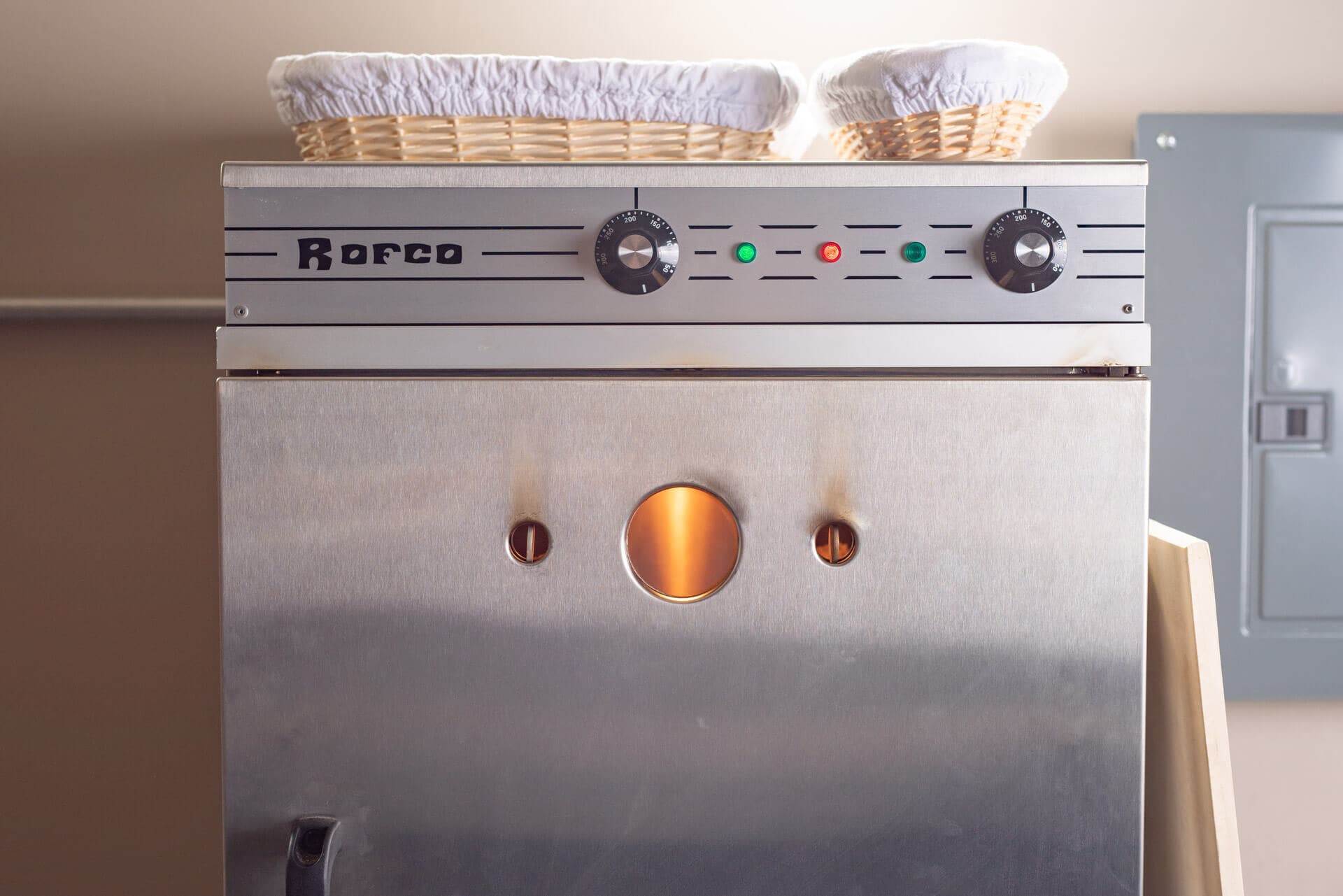
Powering the Rofco B40 typically requires a 220V AC single-phase electrical supply, utilizing a 6-20P cord plug and a compatible 6-20R receptacle. This is a common electrical configuration found in many US homes for appliances like clothes dryers or larger air conditioning units. For optimal and safe operation, it is often recommended that a qualified electrician install a dedicated receptacle and circuit breaker in the home’s electrical panel, ensuring the oven receives stable and appropriate power. This dedicated setup minimizes the risk of overloading existing circuits and guarantees peak performance.
The versatility of the Rofco B40 extends beyond high-volume production. While capable of baking large-scale batches for events, festivals, or extensive gatherings, it is also frequently utilized for smaller, more manageable quantities, typically 4-6 loaves. Its robust design and straightforward operation solidify its reputation as a dependable workhorse, delivering consistent results precisely when needed. Distributors like Pleasant Hill Grain in the US are frequently cited for their exemplary customer service, offering responsive support for inquiries and minor technical issues, further enhancing the ownership experience.
Expert Assessment: The Rofco B40’s Place in the Artisan Baking Ecosystem
From a professional standpoint, the Rofco bread oven garners strong endorsements for its capabilities. It is widely considered an excellent investment for any baker, whether home-based or professional, seeking to expand their output beyond the limitations of a standard domestic oven. Its enduring appeal lies in its straightforward design, ease of repair, and the consistent, even bake it provides. These attributes make it a valuable asset for producing high-quality artisan bread, characterized by a well-developed crust and an evenly cooked interior. The Rofco effectively fills a crucial market niche, offering commercial-grade baking performance in a compact, home-friendly package.
Optimizing Dough Placement for Maximum Yield and Even Baking
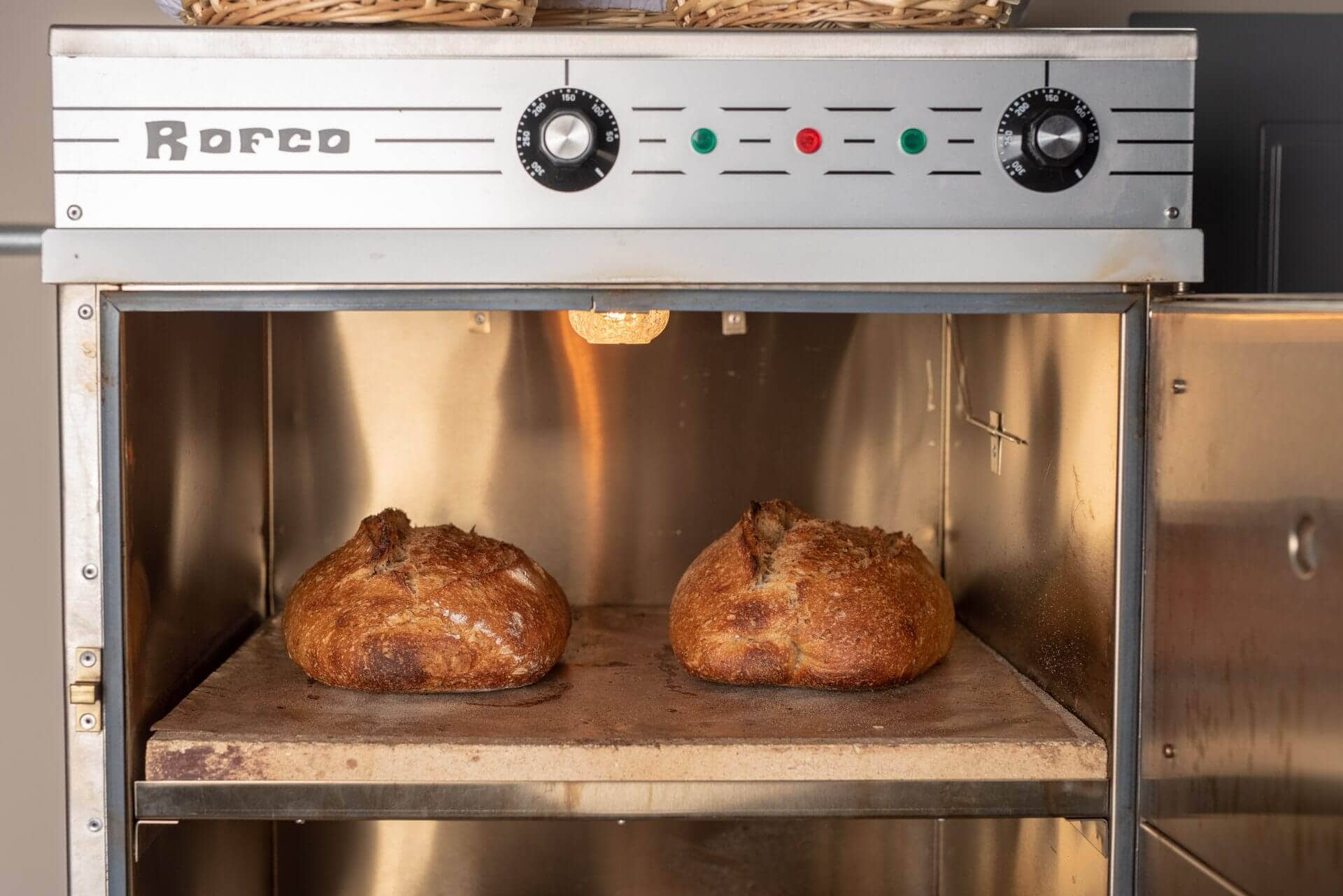
Efficient utilization of the Rofco’s baking decks is paramount for maximizing output while ensuring consistent baking across all loaves. This process often resembles a real-life game of Tetris, where the objective is to arrange the maximum number of dough pieces without them touching, thereby allowing for proper heat circulation and uniform crust development. While professional bakers may develop highly precise loading strategies, common arrangements for the Rofco B40 (with decks measuring 18.9 inches by 18.9 inches) typically involve two 900g batards per deck, two 800g boules, or four 700g smaller loaves. These configurations cater to the most frequent home baking scenarios.
The orientation of dough on the decks also plays a role. Batard shapes are typically elongated, while boules are round. Understanding the oven’s heat distribution – with the back of the oven often being slightly hotter – can inform subtle adjustments to dough placement for optimal results. The Rofco also accommodates the use of its included square steel trays, which are particularly useful for baking smaller items like buns, rolls, or even a large square pizza. These trays simplify the loading and unloading of multiple small items and help contain any potential spills, adding to the oven’s overall versatility.
The Critical Role of Steam in Rofco Baking
Steam is an indispensable element in achieving the desirable characteristics of artisan bread, including a thin, crisp crust and maximum oven spring. As with any high-performance bread oven, proper steam injection at the initial stages of baking is crucial. One of the Rofco’s inherent advantages is its sealed oven chamber, which effectively contains steam without the loss often experienced in conventional home ovens equipped with exhaust fans. However, unlike some advanced professional ovens that feature integrated steam injection systems, the Rofco requires manual steam generation. Despite this, several effective methods exist to introduce sufficient steam for optimal bread development.
Manual Steam Injection Techniques:

-
High-Pressure Sprayer: This method is highly favored for its efficiency and control. Utilizing a commercial-grade pressure sprayer, set to the finest mist possible, bakers can precisely introduce water into the hot oven. The process typically involves pre-pressurizing the sprayer and, immediately after loading dough, spraying water systematically across and around each deck for approximately 10-12 seconds, starting from the bottom deck and moving upwards. A crucial safety note is to avoid directly spraying the glass-enclosed light fixture on the top deck, as the sudden temperature change can cause the glass to crack. A second, brief misting just before fully closing the oven door ensures an optimal humid environment. To vent steam after the initial baking phase, the door is carefully opened briefly to allow the steam to escape, then closed, and the circular vents on the door are swiveled open.
-
Steam Pods: Rofco offers optional rectangular steel steam pods designed to be preheated within the oven on either side of each deck. When steam is required, water or ice cubes are poured into these hot pods, rapidly generating steam that fills the sealed chamber. These pods are highly effective in producing a substantial amount of steam. However, their primary drawback is that they occupy valuable space on the baking decks, which can be a consideration for bakers aiming to maximize their loaf count per bake. Similar to the sprayer method, once the water in the pods has evaporated and steam is no longer needed, the two circular vents in the door are opened to release residual moisture.
The Rofco Baking Process: A Step-by-Step Methodology
Achieving consistent results with the Rofco oven involves adhering to a structured baking process, though parameters like times and temperatures can be fine-tuned based on specific dough formulas and desired outcomes. The following outlines a widely adopted, effective methodology for baking artisan bread in a Rofco B40:
Preheating Phase:

- Preparation: Ensure the oven is empty. Remove any silicone sheets or other accessories that are not intended for preheating.
- Initial Power-Up: Turn both the left and right control knobs to 240°C. The left knob controls the top heating element, and the right knob controls the bottom heating element. Corresponding indicator lights illuminate when each element is active.
- Duration: Preheat the oven for a minimum of 1.5 hours. This extended preheat is crucial for fully saturating the chamotte bricks with heat, ensuring a stable thermal environment throughout the baking cycle.
Loading and Initial Bake with Steam:
- Staging Dough: While the oven preheats, stage the dough. Utilize a large wooden pizza peel with silicone sheets. Place one silicone sheet on the peel, gently turn out a portion of dough onto it, and score the loaf. Arrange other scored loaves on separate silicone sheets nearby, ready for sequential loading.
- Loading Procedure: Once preheated, use the peel to slide the first sheet with dough into the oven. Repeat for all decks, working efficiently to minimize heat loss.
- Steam Injection: Immediately after loading all dough, perform the chosen steam injection method (e.g., using the high-pressure sprayer as detailed above).
- Baking Phase 1 (with steam): Set the oven temperature to 150°C. Close the oven door, ensuring vents remain closed to trap steam. Bake for 20 minutes.
Venting and Subsequent Bake Phases:
- Venting Steam: After the initial 20 minutes, carefully open the oven door briefly to allow the concentrated steam to escape. Exercise caution as a rush of hot steam will emerge. Close the door and then swivel open the circular vents in the door to allow for continued moisture release.
- Baking Phase 2 (drying crust): Increase the oven temperature to 220°C. Continue baking for 10 minutes. This phase promotes crust development and further drying.
- Baking Phase 3 (finishing): Reduce the oven temperature to 150°C. If necessary, loaves can be carefully shuffled between decks to ensure even browning. Continue baking for an additional 20-30 minutes, or until the desired internal temperature (typically 200-210°F or 93-99°C for most lean artisan breads) and crust color are achieved.
Post-Bake Procedure:
- Unloading: Once fully baked, use the wooden peel to carefully remove the loaves and silicone sheets from the oven.
- Cooling: Transfer the baked loaves to wire racks to cool completely. This prevents condensation and ensures a crisp crust.
- Oven Management: Turn off the oven if baking is complete. If subsequent batches are planned, return the temperature to 240°C for another preheat cycle. Always close the oven door after use to retain residual heat and protect the interior.
Essential Tools for Enhanced Rofco Operation
Optimizing the Rofco baking experience extends beyond the oven itself, incorporating several key tools that streamline processes and improve efficiency.
-
Commercial-Strength Electric Sprayer: For bakers opting against steam pods, a high-quality electric spray bottle is highly recommended. Models like the Electric Spray Bottle offer a significant upgrade over manual pump sprayers, delivering a continuous, fine mist with the touch of a button. This ensures consistent and ample steam generation, critical for superior oven spring and crust development.
-
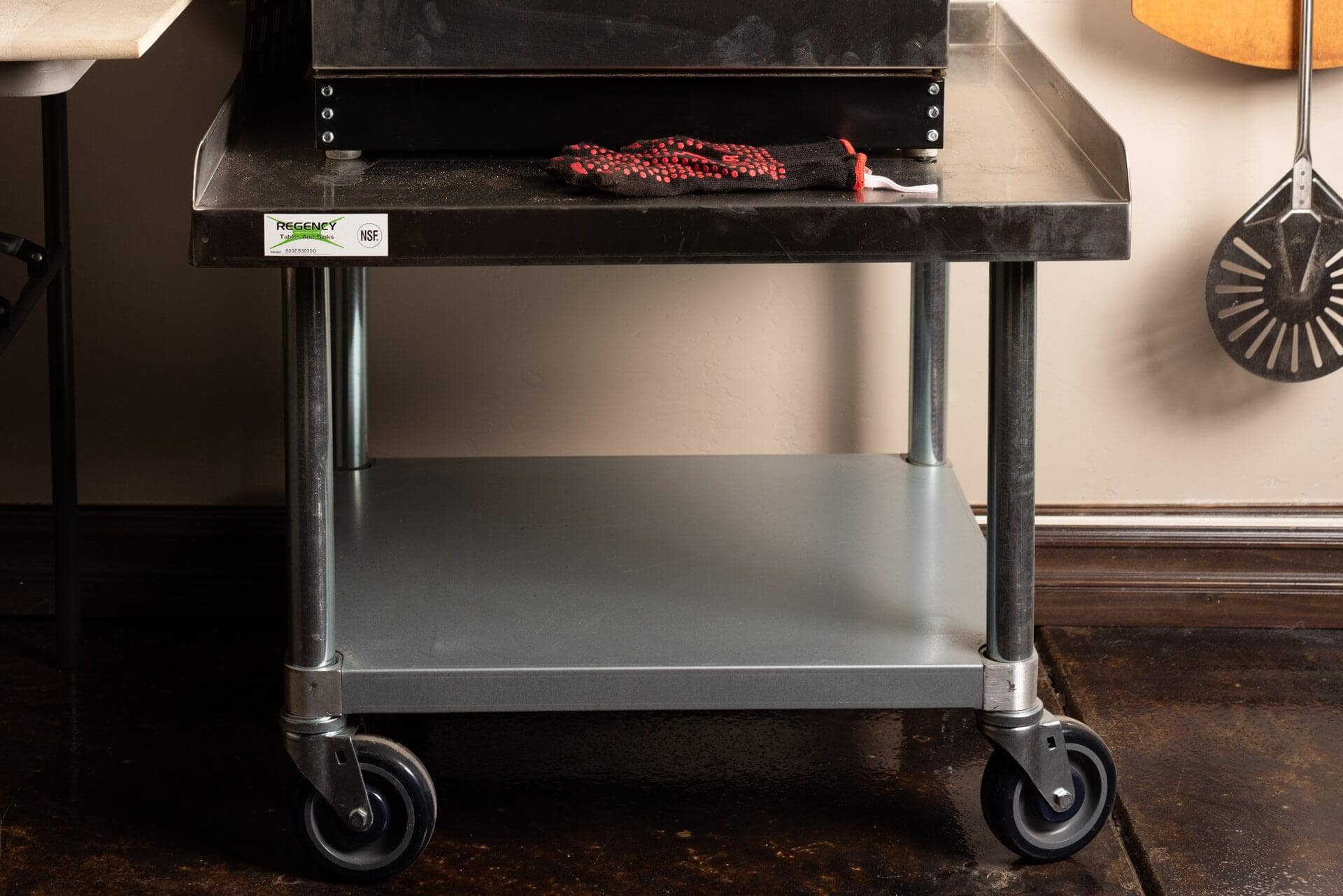
Ergonomic Oven Equipment Stand: Elevating the Rofco oven to a comfortable working height is crucial for ergonomic loading and unloading. A custom-cut stainless steel equipment stand, such as the Regency 30" x 30" 16-Gauge Stand, provides robust support. Ordering the legs cut to a specific height (e.g., 18 inches) ensures the oven is positioned optimally. While optional casters (swivel stem with locks) offer mobility, they can introduce a slight wobble if the oven door is forcefully shut. For maximum structural rigidity, fixed legs are preferred if the oven’s location is permanent.
-
Large Wooden Pizza Peel: An appropriately sized wooden pizza peel is indispensable for efficient dough handling. A peel measuring approximately 18 inches wide and 29.5 inches long (with a 6.5-inch handle), such as the American Metalcraft 1836, perfectly matches the Rofco B40’s deck width. Its lightweight yet durable construction facilitates smooth transfer of dough-laden silicone sheets into and out of the oven. This method is often preferred over using cumbersome steel trays, allowing for quicker and more precise loading.
Beyond Baking: Practical Tips and Future Considerations
The Rofco oven’s residual heat can be cleverly repurposed. After unloading baked bread, placing proofing baskets (bannetons) into the still-warm oven helps to expedite their drying. This practice is not only efficient but also crucial for maintaining hygiene and preventing the formation of mold on damp liners or canvas, ensuring baskets are ready for their next use.

As with any new piece of baking equipment, an initial period of adjustment is to be expected. Baking quality may experience a slight dip as bakers acclimate to the Rofco’s unique characteristics and develop a nuanced understanding of its thermal dynamics. It is advisable to begin with a straightforward sourdough recipe and repeatedly practice it until proficiency with the new oven is achieved.
For those considering the Rofco, reputable distributors such as Pleasant Hill Grain are highly recommended for their exceptional service and support. Beyond the Rofco, the journey of scaling up baking often involves exploring other professional-grade equipment. The Famag spiral dough mixer, capable of handling up to 8 kilograms of dough per batch, represents a significant upgrade for larger-scale operations. For smaller test batches or compact micro-bakeries, the Ooni Halo Pro Spiral Mixer offers a convenient and efficient solution. Furthermore, for bakers seeking even greater capacity, ovens like the RackMaster 2020 Bread Oven provide larger decks and expanded baking capabilities, catering to a broader spectrum of commercial aspirations.
The Rofco B40 stands as a testament to specialized engineering in the service of artisan baking, offering a powerful and efficient solution for those committed to expanding their craft. Its robust construction, exceptional heat retention, and thoughtful design empower bakers to produce high-quality bread in greater volumes, contributing to the vibrant and growing community of artisan bread makers.


