
As global awareness of environmental degradation reaches a critical mass, the intersection of consumer habits and industrial waste management has become a focal point for environmentalists and economists alike. Modern grocery stores, once symbols of abundance and convenience, are now increasingly scrutinized for their contribution to the global plastic crisis. Statistics indicate that plastic food packaging accounts for approximately 40% of all plastic waste generated globally, with the United States, Europe, and China identified as the primary contributors to this environmental burden. However, the challenge of sustainable consumption extends beyond packaging; food waste itself has emerged as a significant economic and ecological threat, necessitating a comprehensive shift in how households procure, store, and utilize their groceries.
The Dual Crisis of Packaging and Food Waste
The environmental impact of grocery shopping is characterized by two distinct but related issues: the proliferation of single-use plastics and the systemic wastage of edible goods. Plastic packaging, ranging from polyethylene produce bags to rigid polystyrene clamshells, is designed for short-term utility but persists in the environment for centuries. According to data from Our World in Data, the packaging sector is the largest generator of plastic waste, much of which is non-recyclable or ends up in landfills due to contamination.
Parallel to the plastic issue is the staggering volume of food discarded annually. In the United States, approximately 40% of the food supply is wasted. This occurs at multiple stages of the supply chain. At the retail level, grocery stores frequently discard produce that fails to meet stringent "beauty standards." Fruits and vegetables with minor blemishes, irregular shapes, or non-standard sizes are often removed from shelves to maintain a specific aesthetic, despite being perfectly safe for consumption. At the consumer level, waste is often the result of improper storage, over-purchasing, and a lack of understanding regarding expiration dates.
Economic Pressures and the 2026 Food Outlook
The drive toward zero-waste shopping is not merely an environmental imperative but an economic one. As global supply chains remain volatile, the cost of living has surged, making food waste an expensive habit that many households can no longer afford. According to the United States Department of Agriculture (USDA), food prices are projected to continue their upward trajectory. In 2026, prices for all food categories are predicted to increase by an additional 3.6 percent.
This inflationary environment serves as a catalyst for "zero-waste" methodologies, which emphasize purchasing only what is necessary and maximizing the utility of every ingredient. By reducing waste, consumers effectively increase their purchasing power, mitigating the impact of rising grocery costs.
Strategic Planning for Waste Reduction
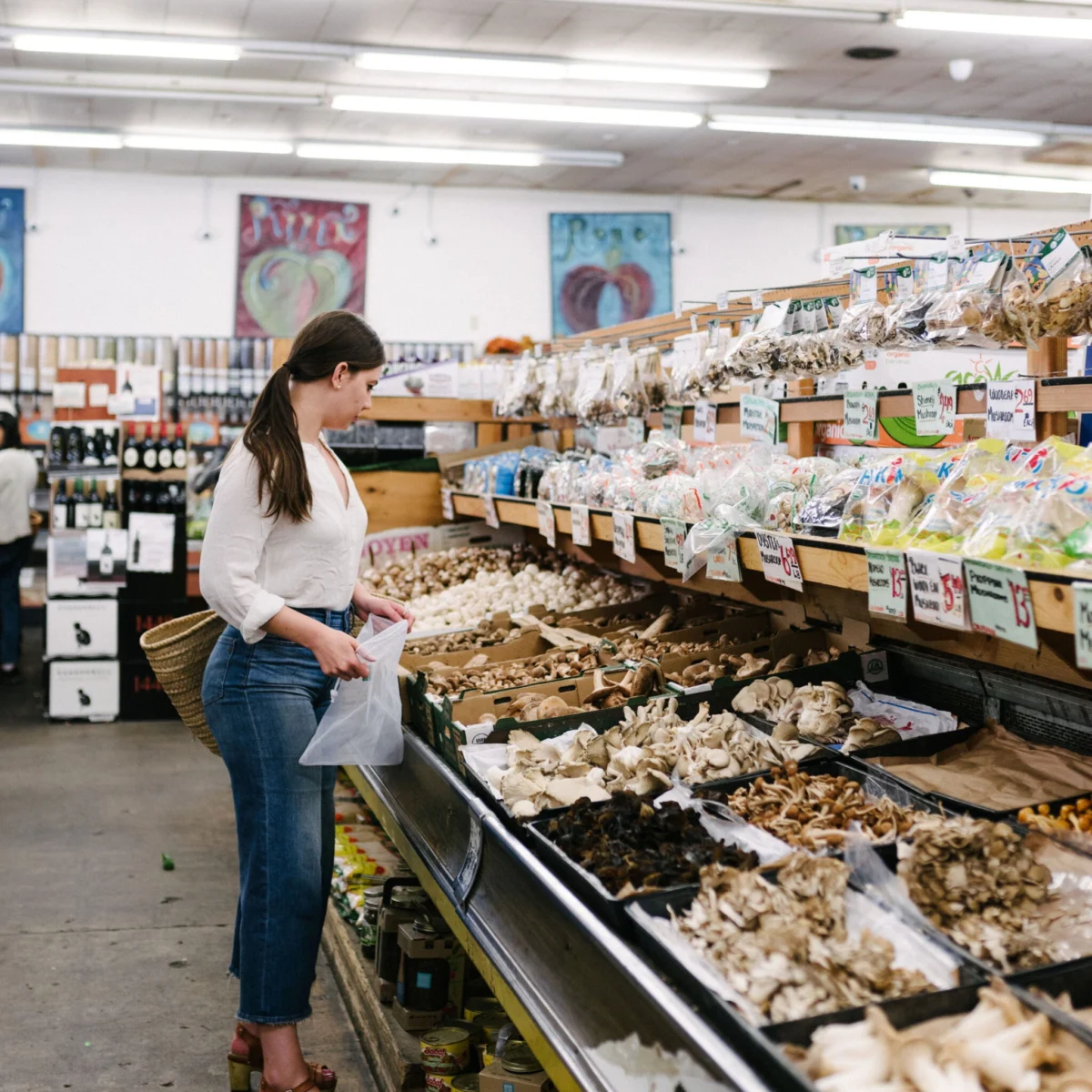
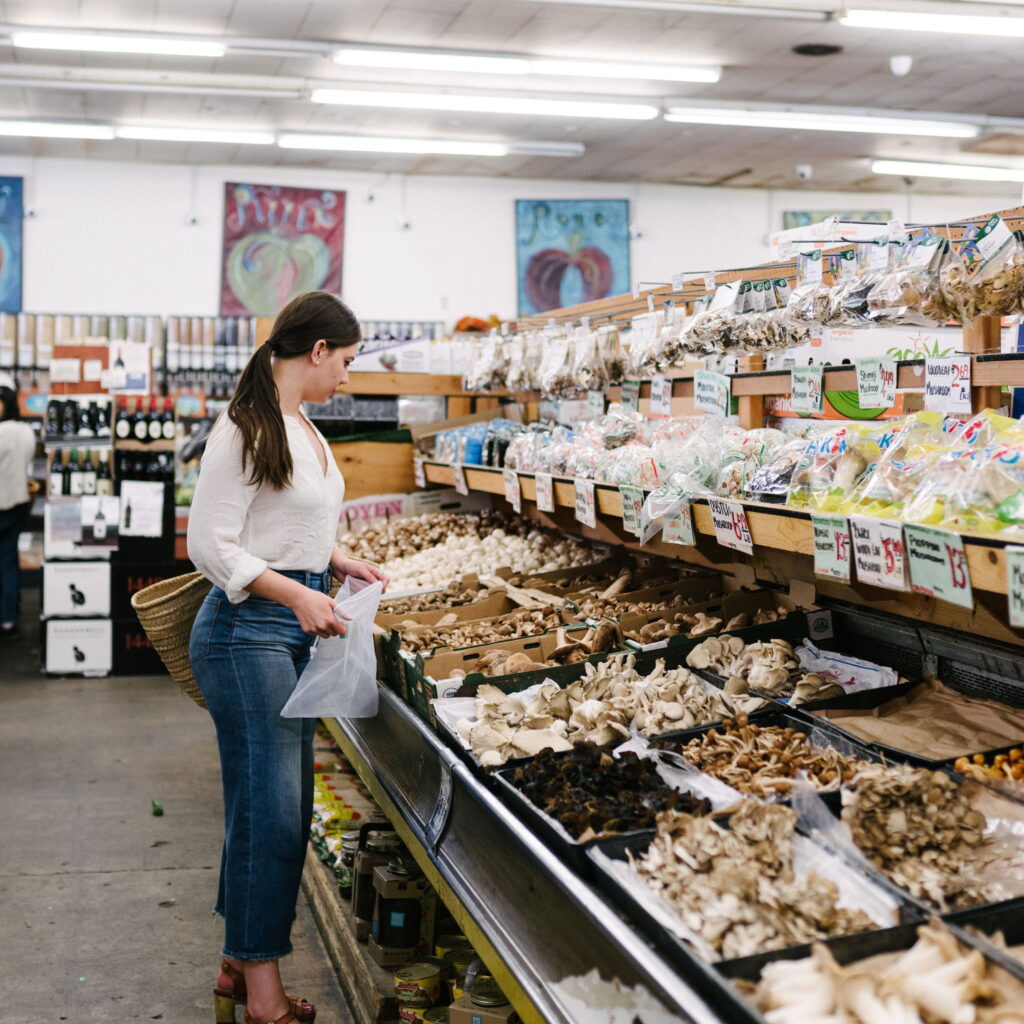
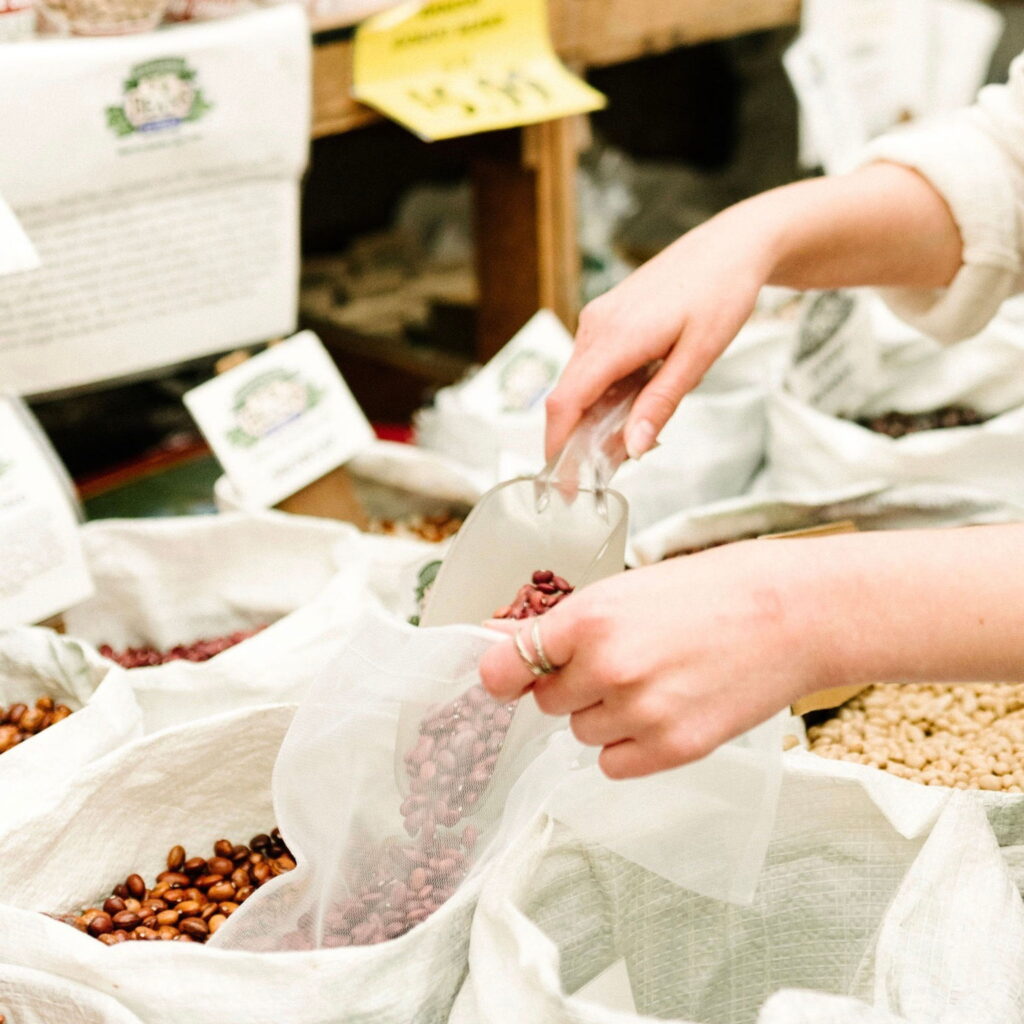
Transitioning to a zero-waste grocery model requires a systematic approach that begins before the consumer enters the store. Researching local infrastructure is a critical first step. Tools such as the Refill Collective directory allow consumers to locate "refilleries" or bulk-bin stores within their vicinity. These establishments allow shoppers to fill their own containers with dry goods such as grains, spices, and legumes, eliminating the need for branded plastic packaging.
Budgeting and Financial Discipline
Financial planning is essential to sustaining a low-waste lifestyle. Experts suggest mapping out a strict budget before shopping to avoid impulse purchases, which are a primary driver of both financial loss and food waste. Using cash instead of credit cards can provide a tactile sense of spending, preventing the over-acquisition of goods. Furthermore, digital tools provided by grocery retailers, such as apps that highlight sales and digital coupons, can be leveraged to align sustainability with affordability.
The Role of Farmers Markets
Farmers markets represent a significant pillar of the zero-waste movement. Unlike traditional supermarkets, these venues typically offer produce that is "naked" or package-free. Furthermore, small-scale farmers are often less constrained by the rigid aesthetic standards of major retailers, providing a market for "wonky" or "ugly" produce that might otherwise be discarded. The absence of plastic produce stickers and the use of compostable paper berry cartons further reduce the environmental footprint of these markets.
Tactical Shopping: Essential Tools and Methods
For consumers without access to specialized bulk stores, low-waste shopping is still achievable through the careful selection of materials. The primary goal is to prioritize the "circularity" of packaging.
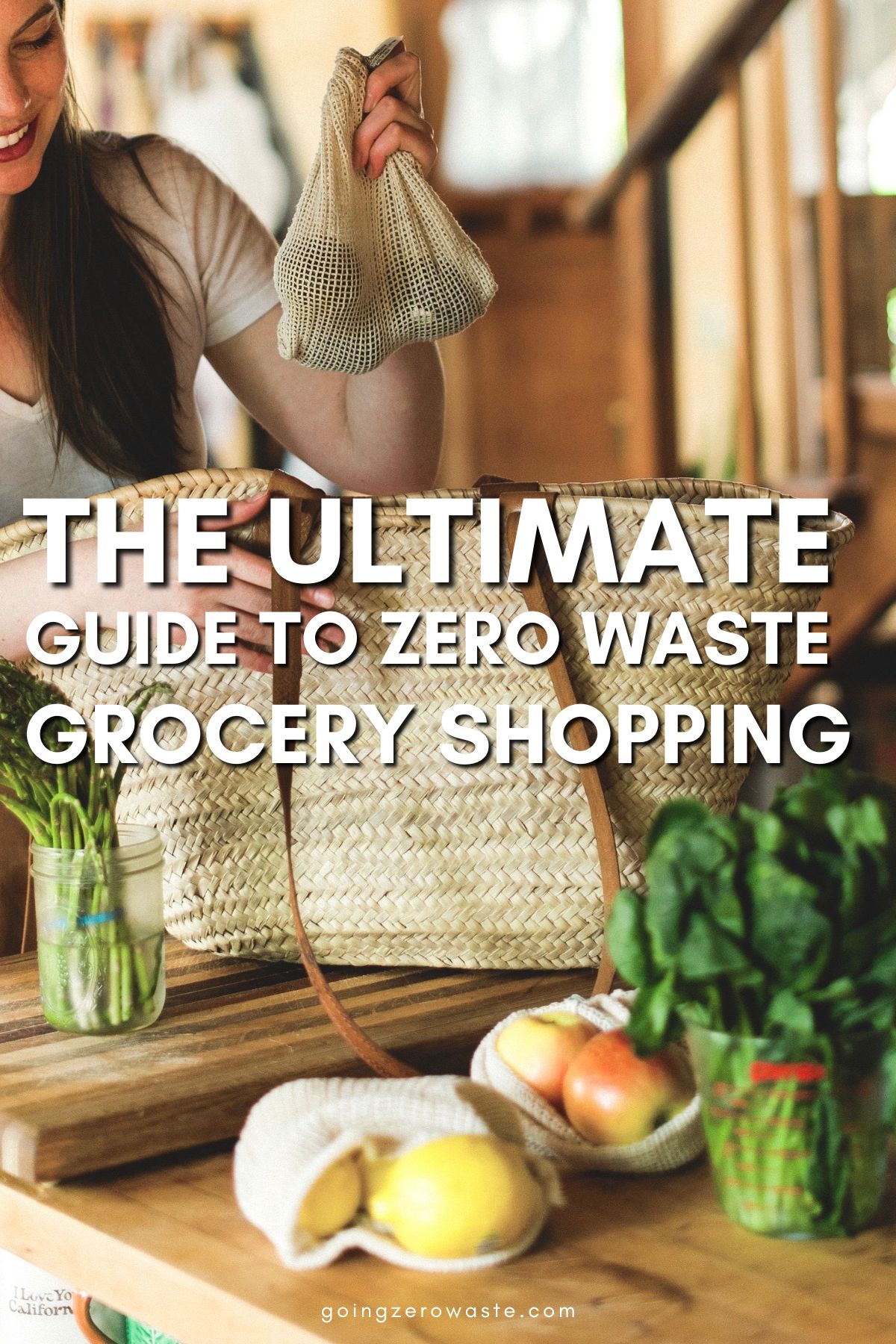
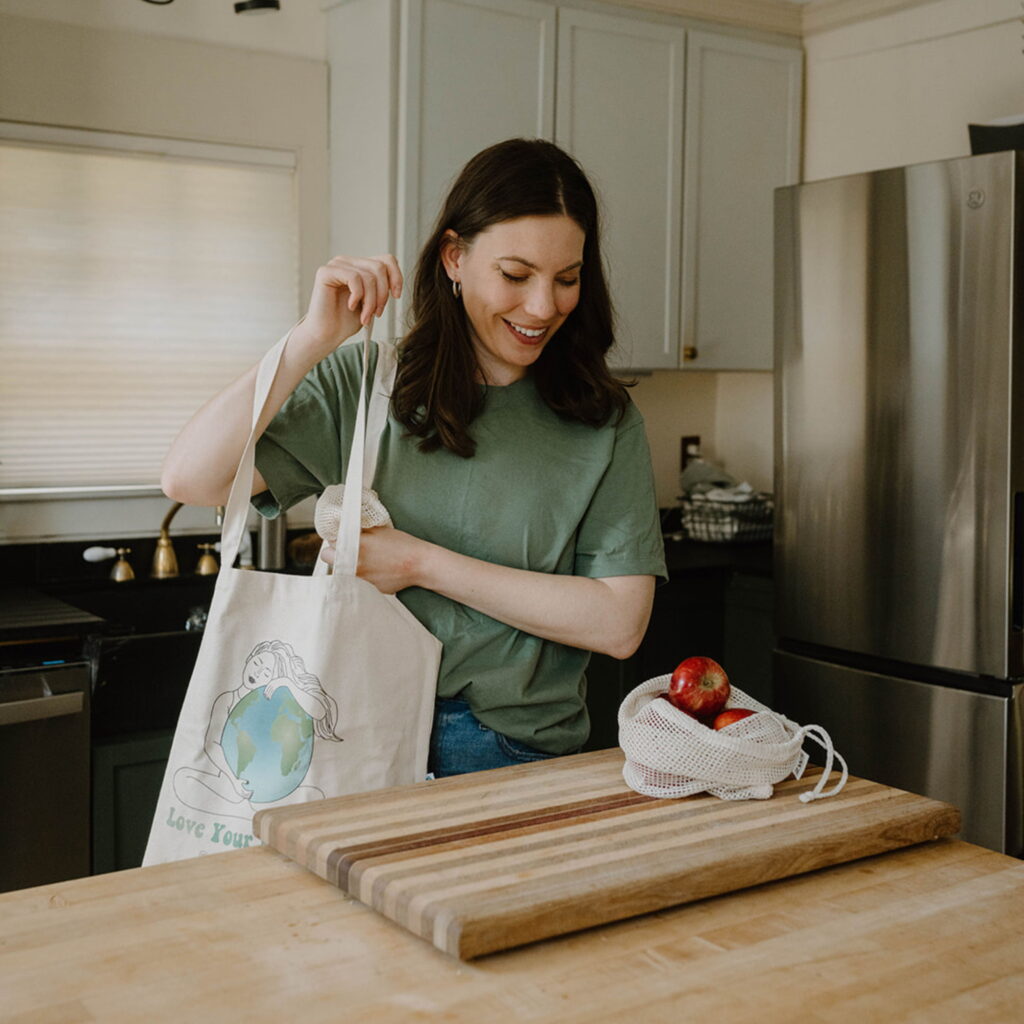
- Reusable Produce Bags: Replacing thin plastic film bags with mesh cotton or solid cloth alternatives can significantly reduce a household’s annual plastic output.
- Material Prioritization: When bulk options are unavailable, consumers are encouraged to choose products packaged in glass, metal, or high-quality cardboard. These materials have higher recycling rates and more robust secondary markets than plastic.
- Upcycling and Hard-to-Recycle Plastics: In cases where plastic packaging is unavoidable, such as in the purchase of certain berries or greens, upcycling becomes the next best option. Rigid plastic clamshells can be repurposed for organization or donated to community gardens. Soft plastics, which are rarely accepted in curbside recycling programs, should be collected and taken to specialized grocery store drop-off points.
The Science of Food Longevity and Storage
A critical component of zero-waste shopping is the preservation of the items once they are brought home. Understanding the biological processes of produce can extend its shelf life by weeks.
Moisture and Gas Management
Many vegetables, such as carrots and celery, lose their turgidity due to moisture loss. Storing these items submerged in water within the refrigerator can maintain their crispness. Conversely, berries are highly susceptible to mold and should not be washed until immediately before consumption. Storing them in airtight glass containers can prevent premature spoilage.
Fridge Organization
The internal temperature of a refrigerator is not uniform. The door is typically the warmest area and should be reserved for shelf-stable condiments. Crisper drawers should be utilized to manage humidity; high-humidity drawers are ideal for leafy greens, while low-humidity settings are better for fruits that emit ethylene gas, which can accelerate the ripening (and subsequent rotting) of nearby vegetables.
Maximizing Ingredient Utility: "Scraptastic" Cooking
Professional chefs and zero-waste advocates emphasize that many "scraps" traditionally discarded are not only edible but nutrient-dense. This "nose-to-tail" approach to vegetables can significantly reduce the volume of organic waste.
- Vegetable Tops: Carrot tops, which possess a flavor profile similar to parsley, can be used in pestos or chimichurris. Beet and radish greens are excellent when sautéed or added to salads.
- Fruit Byproducts: Strawberry tops can be infused into water or blended into smoothies, while citrus peels can be preserved in sugar or used to create homemade cleaning solutions.
- Stock Production: Peels from onions, carrots, and potatoes, along with herb stems, can be frozen and eventually simmered to create high-quality vegetable stock, eliminating the need for store-bought cartons.
Composting: The Final Tier of the Waste Hierarchy
When food components are truly inedible, composting serves as the final safeguard against landfill disposal. Organic matter in landfills undergoes anaerobic decomposition, which produces methane—a greenhouse gas significantly more potent than carbon dioxide.
Composting returns nutrients to the soil, closing the nutrient loop. Consumers in urban environments can utilize countertop compost pails with charcoal filters to manage odors, storing scraps in the freezer to prevent fruit flies until they can be transported to a collection site. Many municipalities now offer curbside organic waste pickup, and community gardens often accept food scraps to bolster their soil health.
Broader Implications and Future Outlook
The shift toward zero-waste grocery shopping is part of a larger movement toward a circular economy. While individual actions are vital, they also signal to retailers and policymakers that there is a demand for systemic change. Several European nations have already implemented bans on plastic packaging for certain fruits and vegetables, and similar legislation is being debated in various North American jurisdictions.
The transition to a zero-waste kitchen is an iterative process. It involves a combination of ancient practices—such as buying in bulk and preserving food—and modern innovations in material science and waste management. As food prices continue to rise and the environmental costs of plastic become more apparent, the "Ultimate Guide to Zero Waste Grocery Shopping" transitions from a lifestyle choice to a necessary framework for 21st-century living. By integrating these practices, consumers can protect both their financial well-being and the planet’s ecological integrity.


