
The universal appeal of cheese, from the melt-in-your-mouth delight of grated mozzarella atop a pizza to the savory tang of Monterey Jack enhancing a burger or salad, is undeniable. This versatile dairy product elevates countless dishes, promising a rich flavor and aroma that can entice even the most reluctant appetite. However, the culinary pleasure derived from cheese often comes with a post-meal challenge that can transform a delightful experience into a domestic chore: the arduous task of cleaning a cheese grater. The intricate grooves and sharp edges of this essential kitchen tool are notoriously adept at trapping soft, greasy cheese shreds, presenting a significant hurdle to maintaining kitchen hygiene.
The Persistent Challenge of Culinary Cleanup: Graters and Residue
The problem stems from the very nature of cheese. Its varying fat content, protein structure, and inherent stickiness mean that when grated, tiny particles inevitably become lodged within the grater’s small apertures. These residues, particularly from softer or semi-hard cheeses like mozzarella, are not easily dislodged by a simple rinse. Many homeowners instinctively reach for a sponge, only to find the fibers snagging on the grater’s sharp edges, exacerbating the problem and potentially damaging the cleaning tool itself. This common frustration underscores a deeper concern: the critical importance of thorough cleaning for food safety.
Failure to adequately remove food residues after each use can lead to a buildup of organic material within the grater’s holes. This trapped food creates an ideal breeding ground for bacteria, mold, and other microorganisms. Over time, these contaminants can compromise subsequent meals, posing a tangible risk to household health. Foodborne illnesses, ranging from mild upset stomachs to more severe allergic reactions or infections, can often be traced back to improperly sanitized kitchen tools. According to the Centers for Disease Control and Prevention (CDC), an estimated 48 million Americans get sick, 128,000 are hospitalized, and 3,000 die from foodborne diseases each year, with improper food handling and utensil hygiene being significant contributing factors. Thus, the seemingly minor inconvenience of a sticky grater transcends mere aesthetics, becoming a matter of public health.
A Historical Perspective on Grating and Cleaning Tools
The grater itself has a long history, with its origins tracing back to the 16th century in France, when the inventor François Boullier sought to make hard cheeses more palatable. Early graters, often simple perforated metal sheets, presented similar cleaning challenges to their modern counterparts. For centuries, cleaning methods largely involved rudimentary scrubbing with stiff brushes, abrasive materials, or prolonged soaking. While these methods offered some efficacy, they were often labor-intensive, time-consuming, and not always fully effective against stubborn, greasy residues. The evolution of kitchen tools has consistently aimed to simplify culinary processes, and cleaning, as an integral part of food preparation, has seen its own advancements. The advent of modern plumbing and sophisticated faucet designs marks a significant leap in addressing these long-standing kitchen dilemmas.
The Modern Solution: Advanced Faucet Technology for Enhanced Hygiene
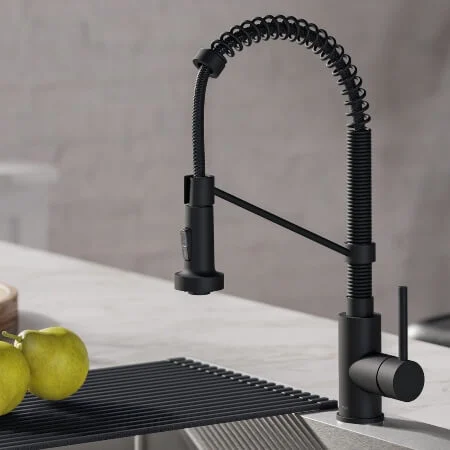
In contemporary kitchens, a crucial ally in the battle against stubborn food residues has emerged: the kitchen faucet equipped with a sprayer, particularly the pull-down variety. These advanced fixtures represent a significant evolution from traditional taps, offering functionalities that directly address the difficulties associated with cleaning intricate kitchen tools like cheese graters.

The development of kitchen faucets has progressed significantly over the past century. Early 20th-century kitchens typically featured separate hot and cold taps. The innovation of the single-handle mixing faucet in the mid-20th century revolutionized water temperature control. Further advancements led to the introduction of sprayers, initially as separate side sprays, and later integrated into the main faucet body as pull-out and then pull-down designs. The pull-down faucet, with its integrated spray head that extends directly into the sink, offers unparalleled flexibility and power, making it an indispensable tool for maintaining kitchen hygiene.
Key Features and Benefits of Pull-Down Faucets:
- Powerful, Focused Spray: The most significant advantage of a pull-down faucet for grater cleaning is its ability to deliver a concentrated, high-pressure stream of water. Unlike a gentle rinse from a standard tap, this forceful spray can effectively dislodge soft, greasy cheese particles from the tiny, often sharp holes of a grater. The hydraulic action breaks down the adherence of the fat and protein, flushing the residues away efficiently.
- Exceptional Reach and Flexibility: The extendable hose and swiveling head of a pull-down faucet provide incredible maneuverability. This allows the user to direct the water flow precisely into every crevice and corner of the grater, ensuring comprehensive cleaning. This targeted approach is far more effective than trying to rinse a grater under a fixed faucet stream.
- Dual-Function Spray Head: Many modern pull-down faucets feature dual-function spray heads, offering both an aerated stream and a powerful spray. The aerated stream is ideal for filling pots and pans, providing a gentler, splash-free flow. The powerful spray, often activated by a simple button or toggle, is specifically designed for rinsing and cleaning tasks, making it perfect for tackling stubborn food particles on graters, plates, or even the sink basin itself.
- Hygienic Finishes: Contemporary pull-down faucets are frequently available with spot-free stainless steel or other smudge-resistant finishes. This practical feature prevents the faucet itself from becoming a magnet for fingerprints, water spots, or food particles, thereby simplifying the maintenance of the faucet’s own cleanliness. The non-porous surface also deters bacterial growth, aligning with overall kitchen hygiene goals.
Expert-Recommended Techniques for Grater Cleaning with a Pull-Down Faucet:
To maximize the effectiveness of a pull-down faucet in cleaning a cheese grater, a systematic approach is recommended by culinary and hygiene experts.
- Immediate Action and Pre-Soaking: The most crucial step is to address the grater immediately after use. Allowing cheese residues to dry and harden will make them significantly more difficult to remove. If immediate cleaning is not possible, pre-soaking the grater in hot water for a period of 10-15 minutes is highly advisable. Hot water helps to soften the fats and loosen the protein structures of the cheese, making them easier to dislodge. Some experts suggest adding a small amount of dish soap to the soaking water for enhanced grease-cutting action.
- Leveraging Natural Cleaning Agents: For particularly stubborn or greasy residues, natural scrubbers can be incredibly effective. Lemons, with their acidic properties, act as natural degreasers. Rubbing the fleshy pulp of a cut lemon over the grater’s metal surface can help break down the fatty components of the cheese. For added abrasive power, coarse salt can be sprinkled onto the lemon pulp before scrubbing. The combination of citric acid and salt provides a powerful yet natural cleaning solution that weakens the hold of the cheese particles.
- Strategic Use of the Faucet Sprayer: After pre-soaking or applying natural cleaners, the pull-down faucet becomes the primary tool. Position the grater carefully under the faucet, ensuring a firm grip to prevent accidental slips. Engage the powerful spray function and direct the hot water stream from the inside of the grater outwards. This technique leverages the grater’s design, pushing the residues out through the holes rather than further embedding them. The flexibility of the pull-down sprayer allows for precise targeting of each section and hole, ensuring no residue is left behind. Hot water, in conjunction with the forceful spray, significantly enhances the cleaning efficacy by further melting fats and dislodging particles.
- Safety First: Avoiding Common Pitfalls: When cleaning graters, safety is paramount. The sharp edges can easily cause cuts. It is crucial to handle the grater with care, always directing the water flow away from your hands. Additionally, consumer safety advocates and kitchen hygiene experts strongly caution against using traditional sponges or fibrous scrub pads on graters. The fibers from these materials can easily snag and become lodged in the grater’s sharp holes, creating a new hygiene hazard and potentially damaging the sponge. Should this accidentally occur, the focused spray of a pull-down faucet can often be used to dislodge the trapped fibers effectively, again by directing a hot water stream from the inside out.
- Post-Cleaning Care: Once thoroughly rinsed, it is essential to allow the grater to dry completely before storage. Air drying or towel drying prevents water spots and, more importantly, inhibits bacterial growth and rust formation.
Broader Implications and Consumer Choices in Kitchen Design
The choice of kitchen appliances and fixtures often reflects a homeowner’s approach to culinary tasks and hygiene. A pull-down faucet, while seemingly a small detail, signifies a commitment to efficiency, cleanliness, and ergonomic design. For the busy chef or the hygiene-conscious individual, such a faucet transforms mundane cleaning chores into swift, manageable tasks.
The market for kitchen faucets offers a wide array of designs, but focusing on features that enhance functionality and ease of use is key. When considering a pull-down kitchen sink faucet, several points are worth noting:
- Handle Configuration: Both single-handle and double-handle pull-down faucets are available. Single-handle models offer ease of operation for temperature and flow control with one hand, which is often preferred for convenience. Double-handle models provide precise control over hot and cold water but require two hands or more deliberate adjustment.
- Material and Durability: Stainless steel, brass, and other durable alloys are common materials. Investing in a faucet with a robust construction ensures longevity and resistance to corrosion, even with frequent use.
- Spray Head Functionality: Beyond the basic dual-function, some advanced models offer multiple spray patterns, pause buttons, or magnetic docking systems for the spray head, enhancing user experience.
- Installation: Most pull-down faucets are designed for single-hole deck mounting, but adapters may be available for three-hole sinks.
- Aesthetics and Design: While functionality is primary, the faucet’s design should also complement the overall aesthetic of the kitchen, contributing to a cohesive and appealing space.
- Brand Reputation and Warranty: Choosing a reputable brand often guarantees better quality, reliable performance, and robust customer support, including comprehensive warranties.
Industry analysts observe a growing trend towards integrated kitchen solutions that prioritize both functionality and user convenience. Pull-down faucets epitomize this evolution, offering not just a water delivery system but a versatile tool that significantly enhances kitchen hygiene and operational efficiency. The long tap with its often curvy neck provides ample clearance for large pots and pans, facilitating quicker filling and washing. Simultaneously, the pull-down sprayer’s dual options for water flow empower users to tackle diverse tasks, from forceful rinsing of difficult cheese spots to gentle aerated streams for delicate items.
In conclusion, while the allure of cheese remains undiminished, the vexation of a messy grater can be effectively neutralized with the right tools and techniques. Modern pull-down kitchen faucets, with their powerful spray, flexible reach, and thoughtful design, are no longer just aesthetic fixtures but essential components of a hygienic, efficient, and user-friendly kitchen. By understanding the science behind cheese residue and leveraging the advanced capabilities of contemporary plumbing, homeowners can transform a common kitchen nightmare into a seamless part of their culinary routine, safeguarding health and enhancing the joy of cooking.


