
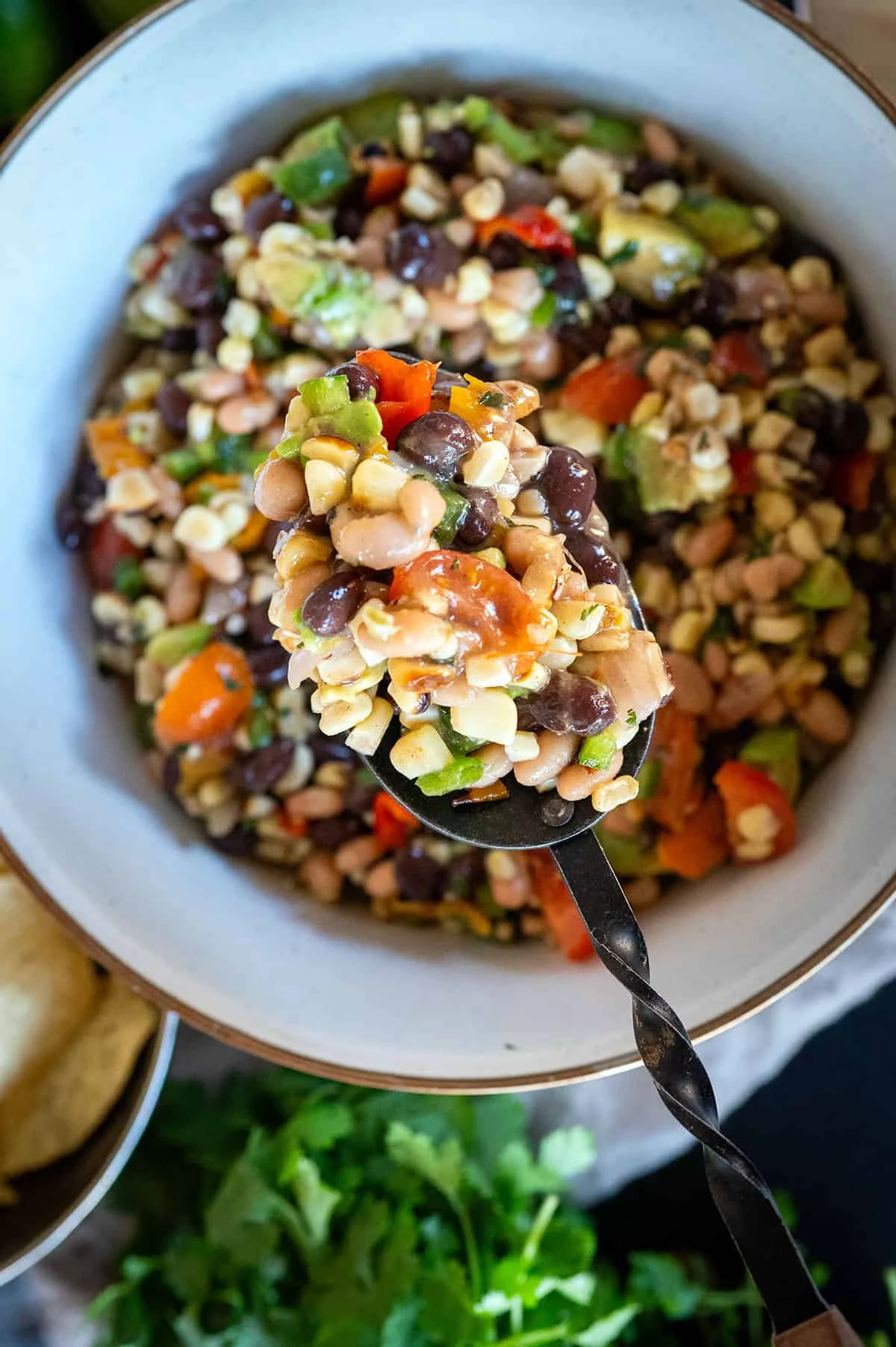
The beloved Texas staple, cowboy caviar, has been reimagined with a smoky, grilled twist, transforming a familiar bean and corn salad into a culinary experience that demands attention. This elevated version introduces a depth of flavor by charring key vegetables – corn, bell peppers, and onions – over high heat before they are combined. This grilling process imbues the ingredients with a delightful smokiness and caramelization that is virtually impossible to achieve with traditional raw preparations, setting this grilled cowboy caviar apart from its canned-style counterparts. The result is a vibrant, texturally rich dish that is far more than just a side; it’s a dish that inspires craving.
The technique of grilling vegetables for salads and salsas is a cornerstone for culinary innovation, offering a unique flavor profile that cannot be replicated by other cooking methods. The intense, direct heat of the grill creates char marks and caramelizes the natural sugars in the vegetables, unlocking a complex sweetness and savory undertones. This is precisely the element that distinguishes this grilled cowboy caviar from versions where ingredients are used raw, particularly corn fresh off the cob. The subtle smoky notes and the slightly softened, yet still vibrant, texture of the grilled components provide a sophisticated foundation for the entire dish.
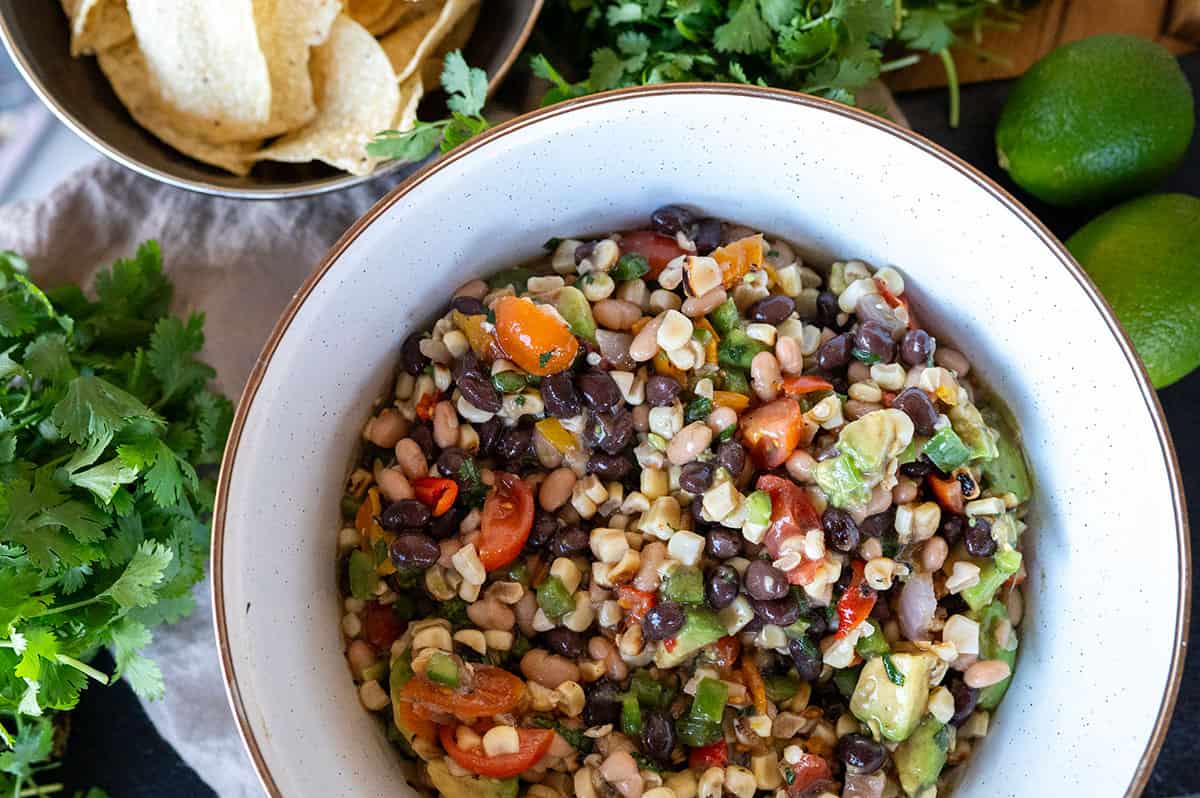
Beyond the grilled elements, the dressing plays a crucial role in harmonizing the flavors. This particular recipe utilizes Girls Can Grill Brisket Rub, a savory blend that introduces a whisper of smoke and a robust umami character without adding any unnecessary heat. This deliberate choice ensures that the inherent flavors of the grilled vegetables and fresh ingredients shine through, creating a balanced and deeply satisfying vinaigrette. While the concept remains a simple salad, the addition of the grilling step and the thoughtfully chosen brisket rub elevate it from a commonplace offering to a truly craveable creation, requiring only a minimal increase in preparation time for a significant boost in flavor.
The Evolution of Cowboy Caviar: A Texan Tradition Reimagined
Cowboy caviar, a dish with roots deeply embedded in Texan culinary history, is traditionally a vibrant mix of black-eyed peas, corn, bell peppers, and a zesty vinaigrette. Often served as a hearty side dish or enjoyed as a chunky salsa with tortilla chips, it embodies a casual yet flavorful approach to dining. This contemporary iteration embraces the spirit of the original while introducing innovative elements. By swapping black-eyed peas for a blend of black beans and navy beans, and crucially, by subjecting the corn, peppers, and onions to the transformative power of the grill, this recipe injects a new dimension of smoky complexity. The intentional charring process is the key differentiator, promising a more dynamic and engaging taste experience than is typically found in store-bought or conventionally prepared versions.
Unveiling the Grilling Technique: A Key to Enhanced Flavor
The practice of grilling vegetables for salads and salsas is a frequently employed strategy by chefs and home cooks alike seeking to elevate the natural flavors of produce. The char and caramelization achieved through high, direct heat are unparalleled. This process not only adds a visually appealing aesthetic with distinct grill marks but also unlocks a spectrum of sweet and savory notes that are absent in raw vegetables. This is the pivotal element that separates this grilled cowboy caviar from other preparations that rely on uncooked ingredients. The smoky essence and subtle sweetness imparted by the grill transform simple corn kernels, crisp peppers, and pungent onions into something extraordinary.

The vinaigrette serves as the backbone of the salad, binding all the elements together. In this recipe, the inclusion of Girls Can Grill Brisket Rub introduces a nuanced smoky and savory depth that complements, rather than overpowers, the other ingredients. This rub, specifically formulated to enhance grilled meats, brings a unique character to the salad without adding any unwanted heat, making it accessible to a wider range of palates. This focus on detail, even in a seemingly simple salad, is what makes the extra ten minutes spent at the grill so worthwhile, yielding a dish that is both comforting and exciting.
Understanding Cowboy Caviar: Origins and Variations
Cowboy caviar, often referred to as "Texas Caviar" or "Redneck Caviar," is a Texan culinary creation that gained widespread popularity in the late 1980s. While its exact origin is debated, it is widely attributed to a chef named E.W. "Bubba" Nixson of Austin, Texas, who reportedly served it at a holiday party in 1988. The dish’s name is a playful nod to its resemblance to the luxurious fish roe, caviar, but with a distinctly down-to-earth, Texan twist. Traditionally, it features black-eyed peas as its base, combined with ingredients like corn, tomatoes, onions, jalapeños, cilantro, and a tangy lime-based dressing.
The beauty of cowboy caviar lies in its versatility and adaptability. Over the years, numerous variations have emerged, incorporating different types of beans, vegetables, and even fruits. The grilled version presented here represents a significant evolution, introducing a smoky char to the corn, peppers, and onions. This method not only deepens the flavor profile but also adds a pleasant textural contrast. While the classic version often uses black-eyed peas, this recipe opts for a combination of black beans and navy beans, offering a slightly different creamy texture and a milder bean flavor that allows the grilled elements to take center stage. The inclusion of cherry tomatoes, chosen for their lower water content and sweeter profile compared to Roma tomatoes, helps prevent the salad from becoming watery. Similarly, using onion rings secured with toothpicks ensures they remain intact during grilling, making them easier to handle and preventing them from falling through the grill grates.
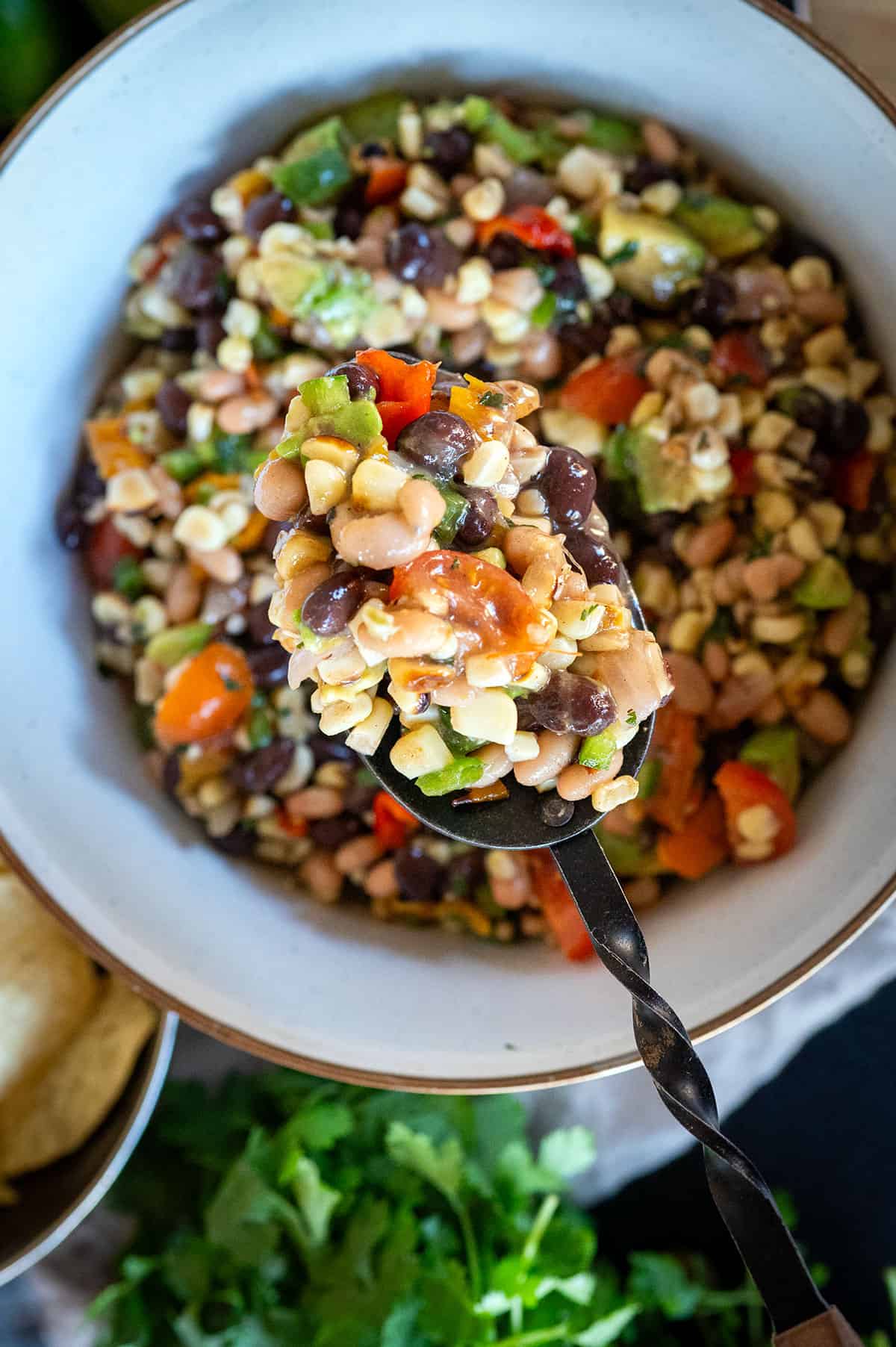
The Art of Grilling Vegetables for Enhanced Flavor
Grilling vegetables is a culinary technique that unlocks a new realm of flavor and texture. The process involves exposing vegetables to high heat, either directly or indirectly, on a grill. This intense heat causes the sugars within the vegetables to caramelize, resulting in a sweet, slightly smoky, and deeply savory flavor profile. The char marks that develop not only add visual appeal but also contribute a distinct smoky essence. For cowboy caviar, grilling the corn, bell peppers, and onions before incorporating them into the salad is a game-changer.
Step 1: Charring the Vegetables
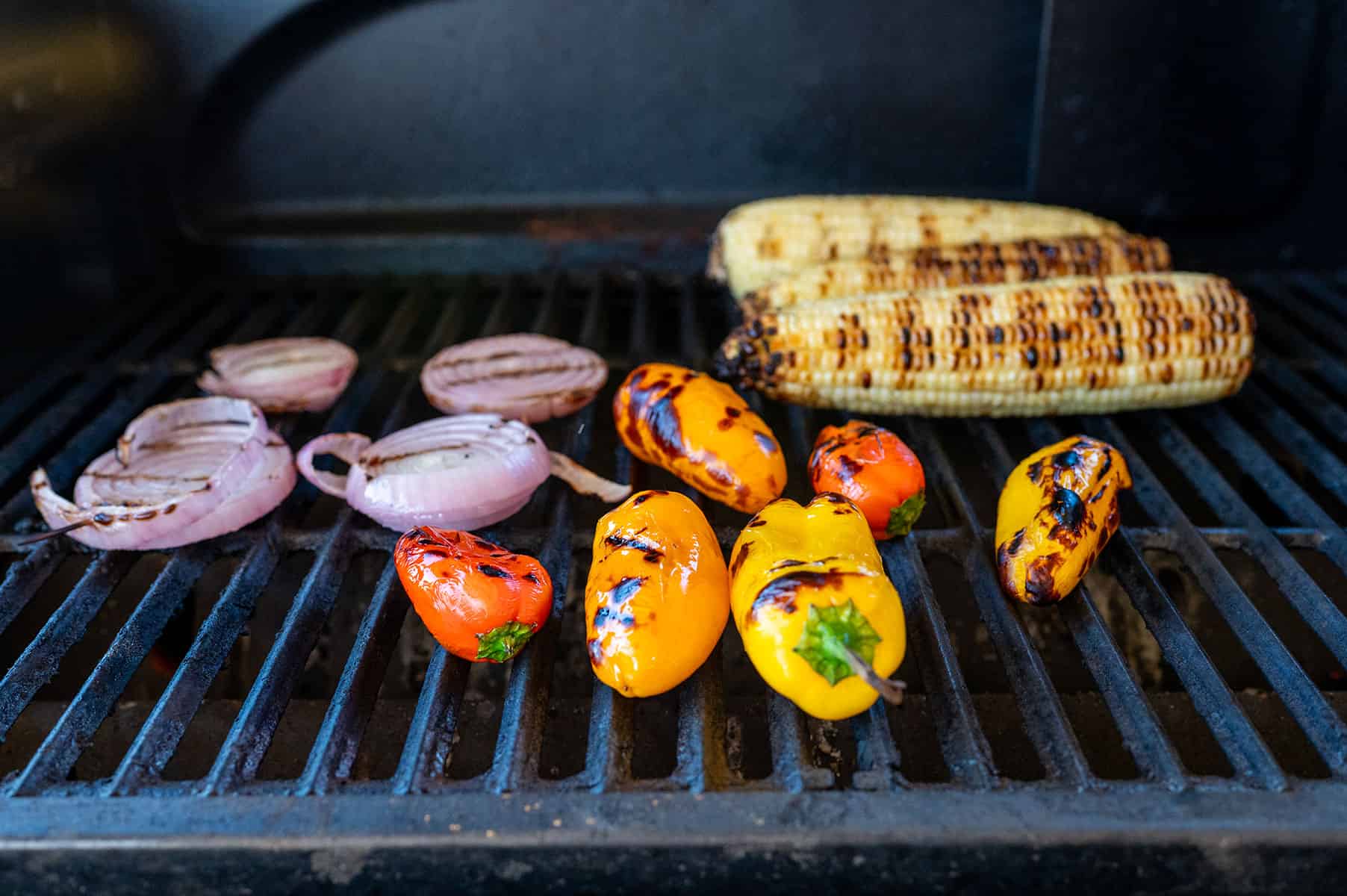
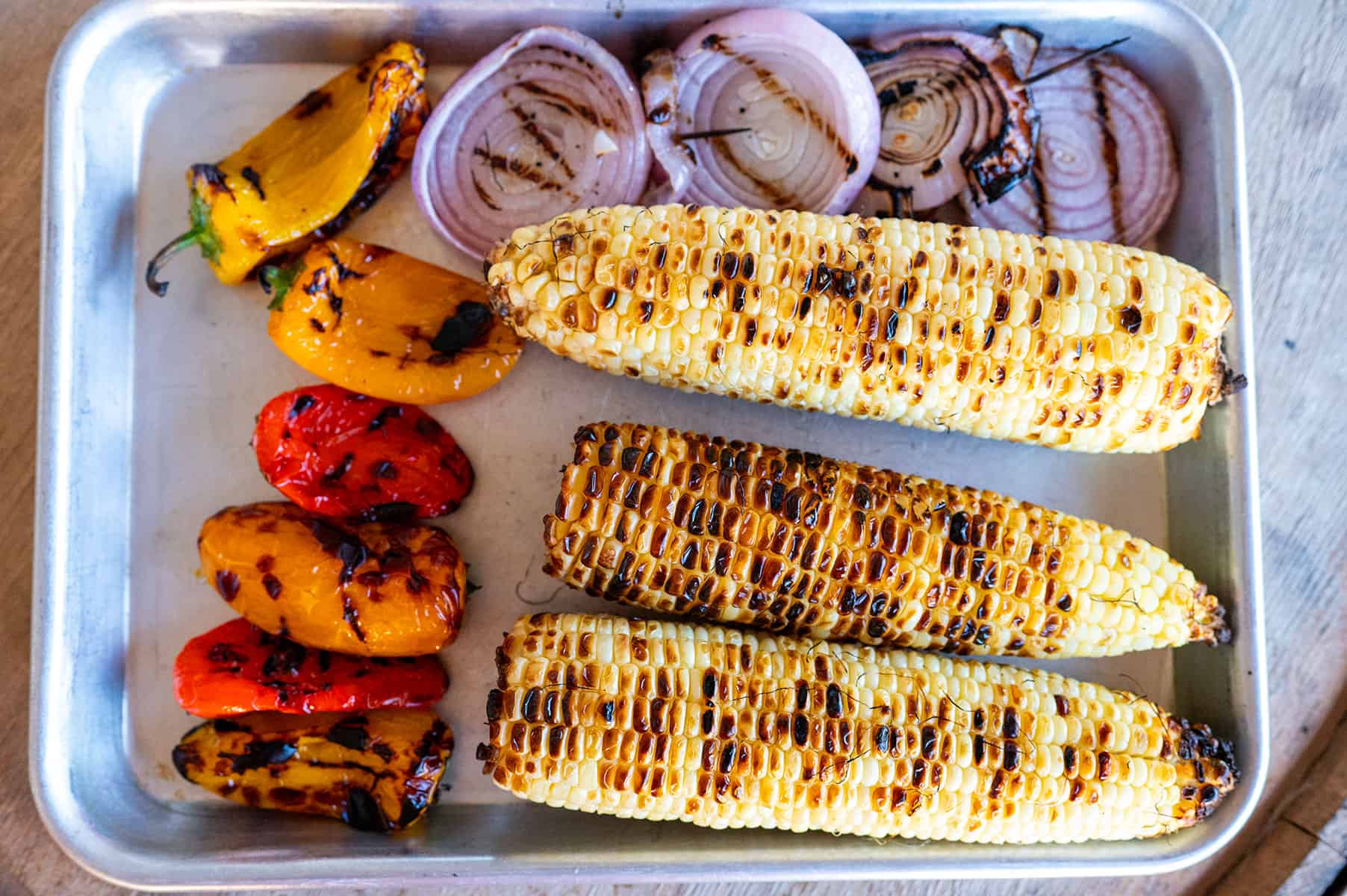
To begin, preheat your grill to a high setting. The goal is to achieve a temperature that will quickly char the vegetables without overcooking them into mush. Place whole corn cobs, halved bell peppers (seeds and membranes removed), and thick onion rings onto the hot grill. Cook for several minutes per side, turning as needed, until each vegetable exhibits attractive char marks and is slightly softened. This controlled charring is crucial for developing the signature smoky flavor. For the onion rings, a helpful tip is to thread a toothpick through each one before grilling. This prevents them from falling apart and makes them much easier to manage on the grill.
Step 2: Preparing the Dressing
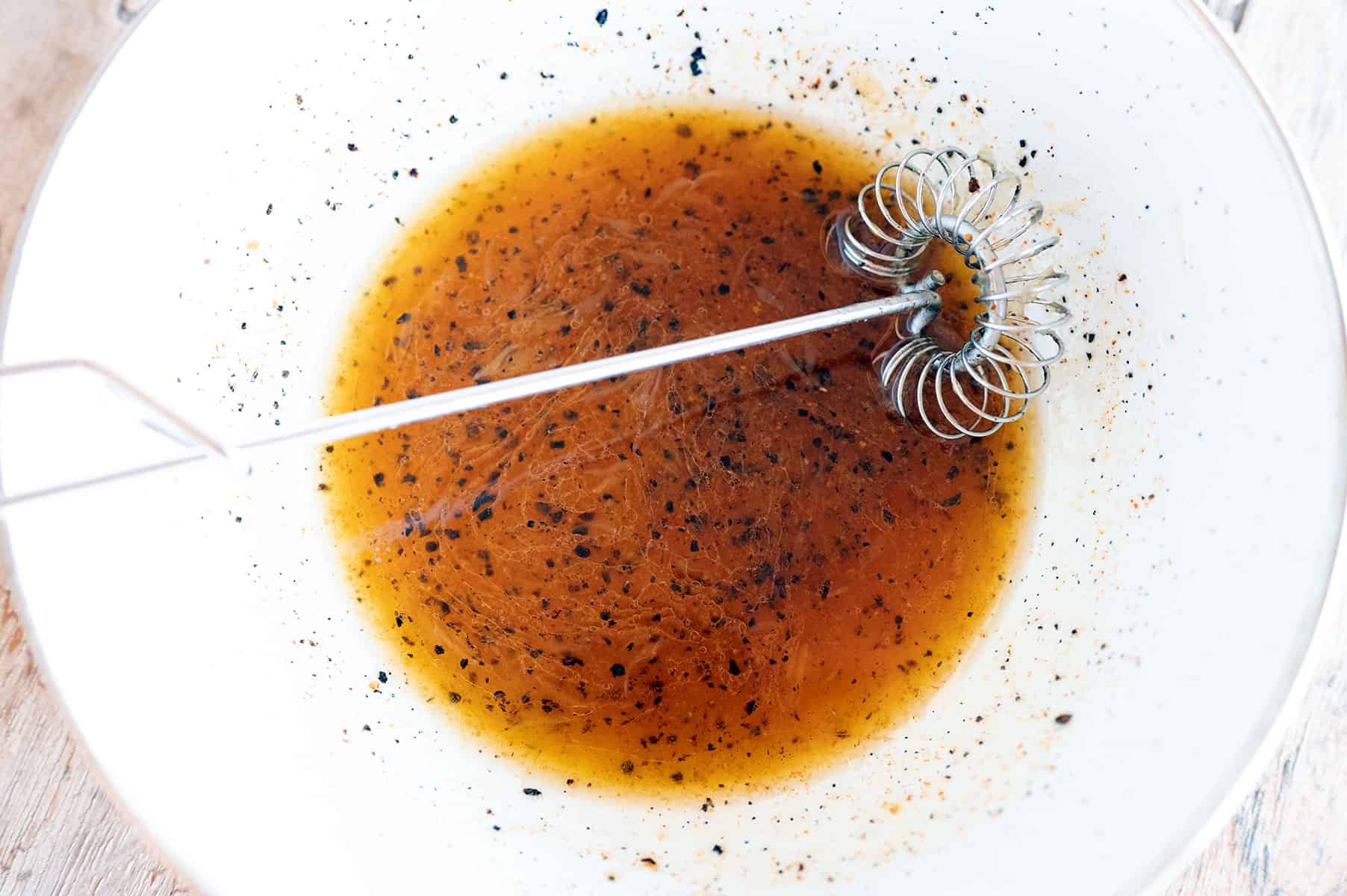
While the vegetables are grilling, prepare the vinaigrette. In a small bowl, whisk together olive oil, apple cider vinegar, fresh lime juice, a touch of honey for sweetness, and the Girls Can Grill Brisket Rub. This rub provides a complex layer of smoky and savory notes without adding heat, perfectly complementing the grilled ingredients. Set this dressing aside to allow the flavors to meld.
Step 3: Prepping the Grilled Vegetables
Once the grilled vegetables have cooled enough to handle, carefully cut the corn kernels off the cob. Place the kernels into a large mixing bowl. Roughly chop the grilled bell peppers, discarding any remaining stems or seeds, and add them to the bowl. Chop the grilled onion rings and add them as well.
Step 4: Combining and Dressing the Caviar
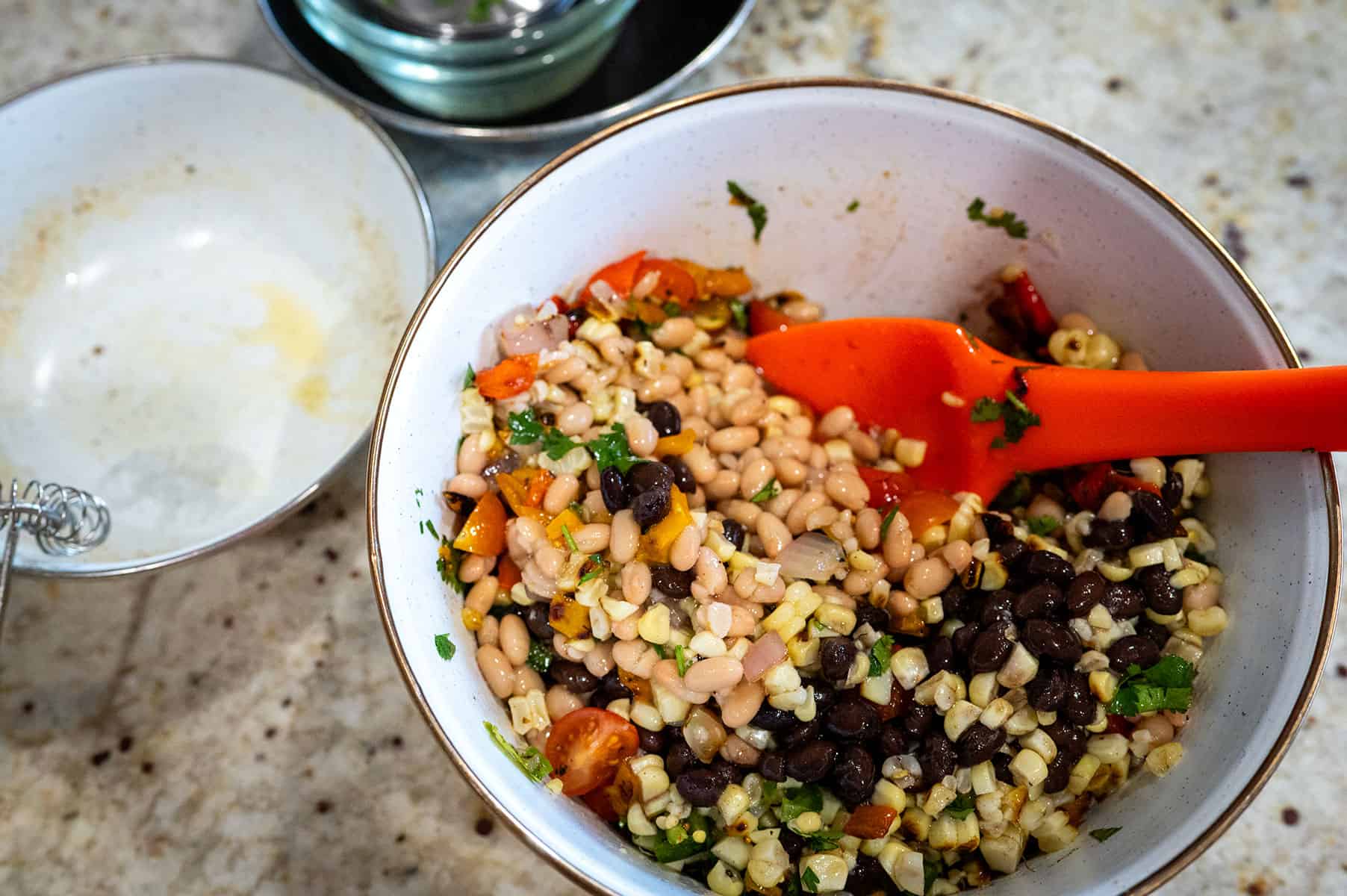
Drain and rinse the canned black beans and navy beans. Add them to the large bowl along with the halved cherry tomatoes and finely chopped jalapeño (if using for a touch of heat). Pour the prepared vinaigrette over the ingredients. Gently fold everything together to ensure the dressing evenly coats all the components. Add fresh cilantro, chopped for a bright, herbaceous finish. Season with salt to taste.
Step 5: Chilling and Finishing
For the flavors to fully meld and develop, refrigerate the cowboy caviar for at least one hour. This chilling period is essential for the dish to achieve its optimal taste and texture. Just before serving, gently fold in cubed avocado. Using a rubber spatula and a delicate touch will help the avocado retain its shape and prevent it from becoming mushy.
Serving and Storage: Maximizing Enjoyment
This grilled cowboy caviar is incredibly versatile and can be served in multiple ways. As a vibrant side salad, it pairs exceptionally well with grilled meats like chicken, steak, or ribs, making it a perfect addition to any summer barbecue or cookout. Alternatively, it can be served as a hearty and flavorful dip alongside a generous portion of tortilla chips. For an extra burst of freshness, a squeeze of lime juice just before serving can brighten the flavors.
Leftovers can be stored in an airtight container in the refrigerator for one to two days. However, it’s important to note that the avocado will begin to soften and brown over time. Therefore, it’s best to consume this salad within this two-day window for the freshest taste and optimal texture.
Nutritional Insights and Customization
The nutritional profile of this grilled cowboy caviar is impressive, offering a wealth of fiber, vitamins, and minerals. A typical serving (approximately 250 kcal) provides around 33g of carbohydrates, 10g of protein, and 10g of fat. It is particularly rich in dietary fiber (13g), contributing to digestive health, and offers a good source of Vitamin A and Vitamin C. The sodium content is remarkably low (6mg), making it a heart-healthy option.
For those seeking to customize this recipe, several substitutions are possible. To honor the traditional Texan roots of cowboy caviar, black-eyed peas can be substituted for the black beans and navy beans. If a milder flavor is preferred, the jalapeño can be omitted. Similarly, for those who are not fans of cilantro, fresh parsley can be used as an alternative.
Frequently Asked Questions
Can I make cowboy caviar without a grill?
While the grill imparts a unique smoky sweetness, you can still make cowboy caviar without one. Simply add raw corn, bell peppers, and onions to the salad. The flavor will be different, but still delicious.
How far in advance can I make cowboy caviar?
The salad can be prepared up to a day in advance, excluding the avocado. Fold in the avocado just before serving to prevent it from browning and becoming mushy.
Is cowboy caviar served hot or cold?
Cowboy caviar is best served cold. Chilling it for at least an hour allows the flavors to meld together beautifully.
Is this a salad or a dip?
It serves as both. It can be presented as a refreshing side salad or enjoyed as a flavorful dip with tortilla chips.
How spicy is cowboy caviar?
The spice level is primarily determined by the jalapeño. If you prefer a milder dish, simply omit the jalapeño. The Girls Can Grill Brisket Rub used in the dressing adds savory depth without heat.


