
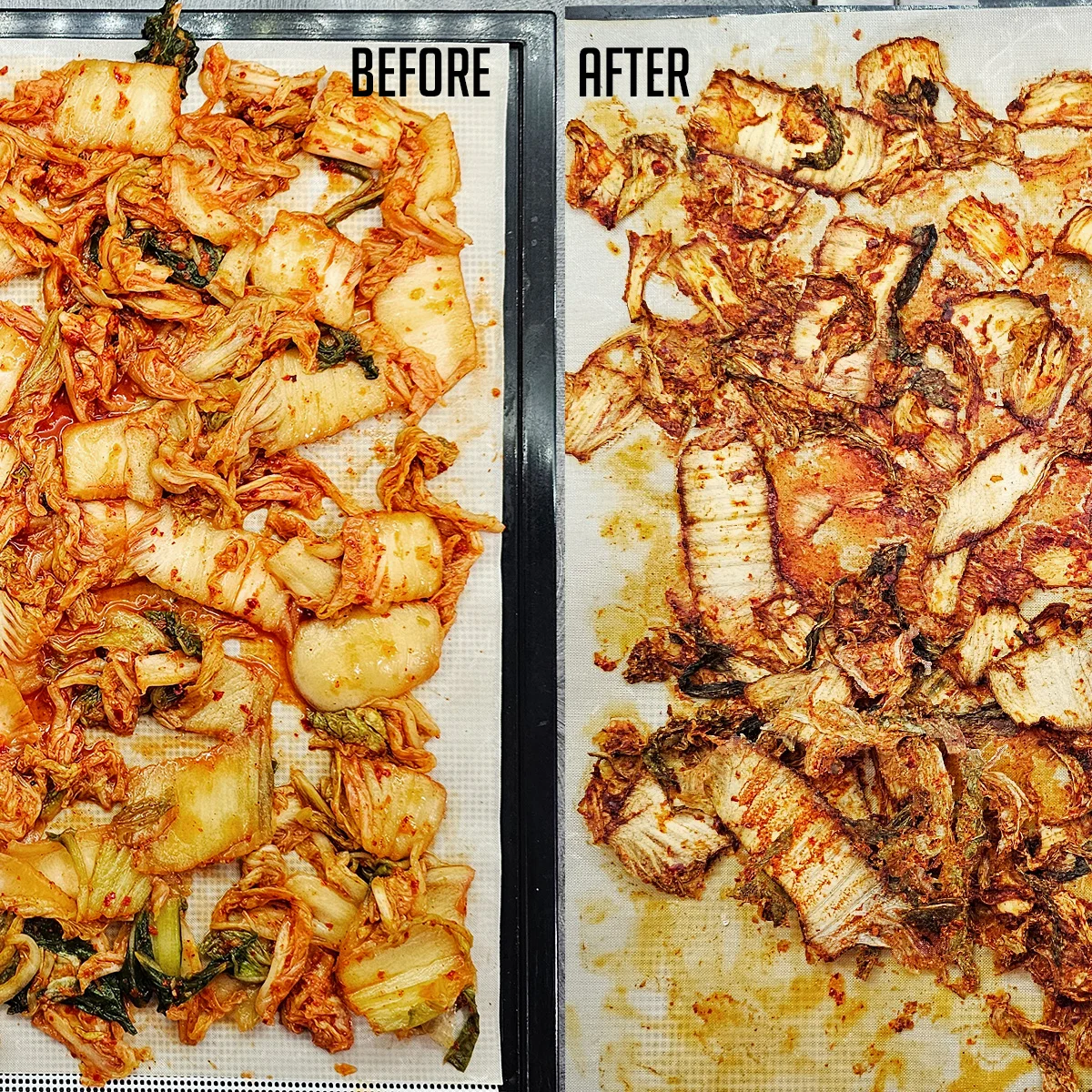
The global rise of Korean cuisine has propelled kimchi, a traditional lacto-fermented vegetable dish, from a regional staple to a worldwide superfood. As consumers increasingly seek ways to extend the shelf life of fermented products while maintaining their complex flavor profiles, the practice of dehydration has emerged as a scientifically viable and culinarily innovative solution. Dehydrating kimchi allows for the preservation of its distinctive tangy, spicy, and umami-rich characteristics in a shelf-stable form that can be stored for up to two years. This process not only addresses the issue of food waste for households with large quantities of the ferment but also opens new avenues for culinary applications, ranging from concentrated seasoning powders to lightweight provisions for outdoor recreation.
The Science and Cultural Context of Kimchi Preservation
Kimchi is fundamentally a product of anaerobic fermentation, primarily involving Lactobacillus bacteria. Historically, this method was developed in Korea as a means of preserving vegetables—most commonly napa cabbage, radishes, and scallions—through the harsh winter months. The fermentation process produces lactic acid, which acts as a natural preservative and gives the dish its signature sourness. However, even refrigerated kimchi continues to ferment, eventually becoming overly acidic or soft in texture.
Dehydration represents a secondary preservation tier. By removing the water content, the enzymatic and microbial activity is suspended, effectively "locking" the flavor at a specific point in its fermentation cycle. According to culinary historians, while traditional Korean preservation focused on brine and fermentation, the modern adaptation of dehydration aligns with contemporary global trends in food security and "zero-waste" kitchen management.
Technical Methodology: The Dehydration Process
The transition of kimchi from a wet, living ferment to a dry, shelf-stable product requires precise temperature control and specific equipment to ensure both safety and quality. Food preservation experts categorize the process into five distinct phases: preparation, thermal processing, dryness testing, conditioning, and storage.
Phase 1: Preparation and Surface Management
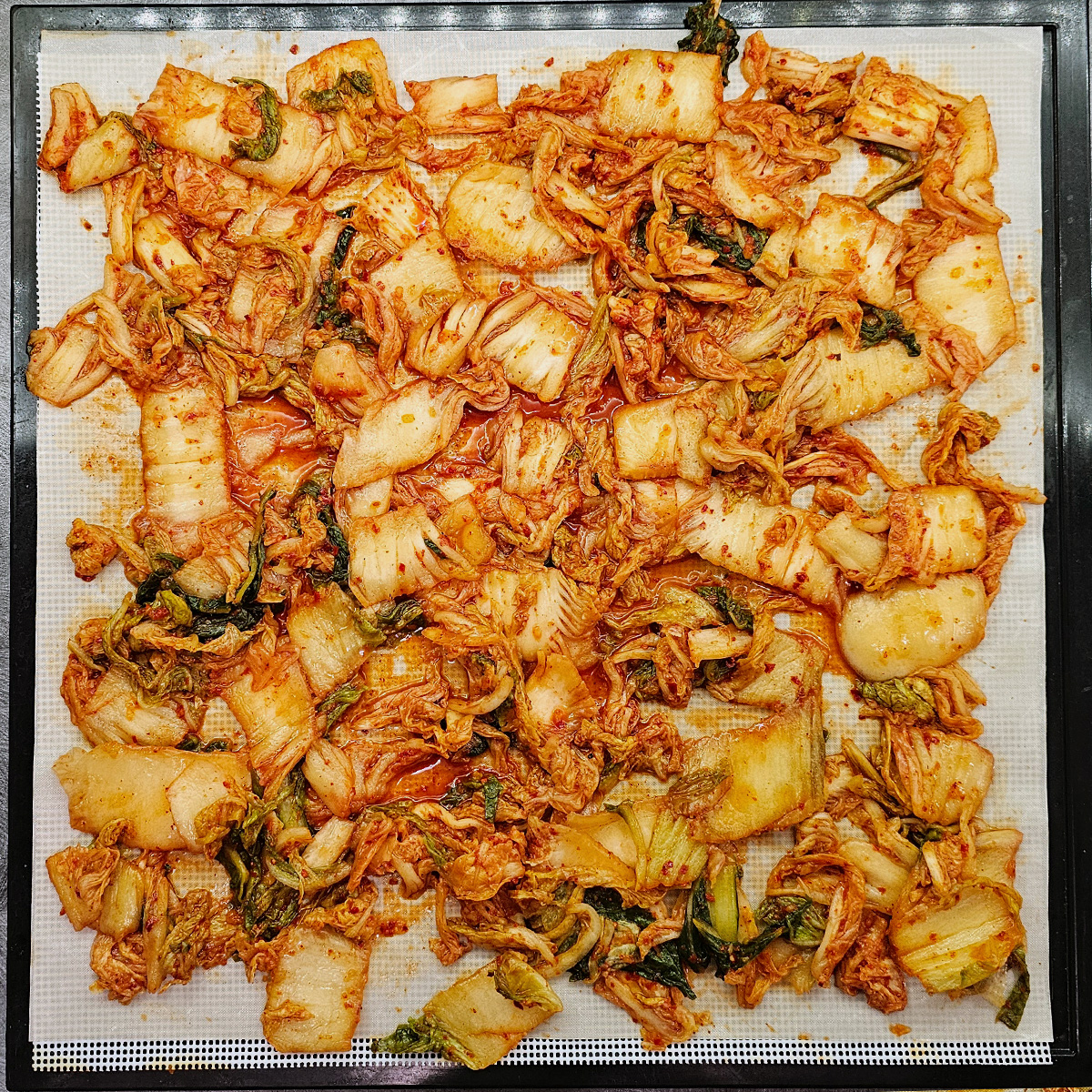
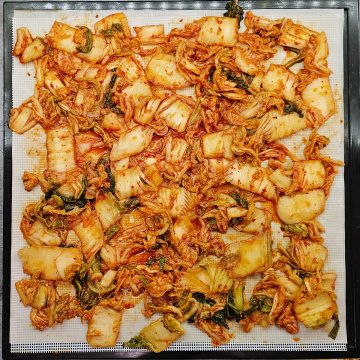
Kimchi is a high-moisture ingredient characterized by a dense slurry of chili flakes (gochugaru), garlic, ginger, and fish sauce or salted shrimp. Because of the high pigment content in the chili and the acidity of the brine, experts recommend using parchment paper or silicone fruit leather sheets on dehydrator trays. This prevents the cabbage from sticking to the mesh and protects the equipment from permanent staining. Unlike raw vegetables, kimchi should be spread with attention to density; while it shrinks significantly, the overlapping leaves can trap moisture if piled too high.
Phase 2: Thermal Regulation and Probiotic Maintenance
A critical factor in dehydrating fermented foods is the management of heat. To maintain the "living" status of the probiotics, the internal temperature of the food must remain below 115°F (35°C).
- Raw/Fermented Standard: Drying at 100°F to 110°F preserves the delicate Lactobacillus cultures. This process typically requires 12 to 24 hours.
- Commercial/Shelf-Stable Standard: If the kimchi was purchased as a shelf-stable, pasteurized product or has been home-canned, the probiotics are already neutralized. In these instances, the temperature can be increased to 140°F (60°C) to expedite the drying process without further nutritional loss.
Phase 3: Testing for Desiccation
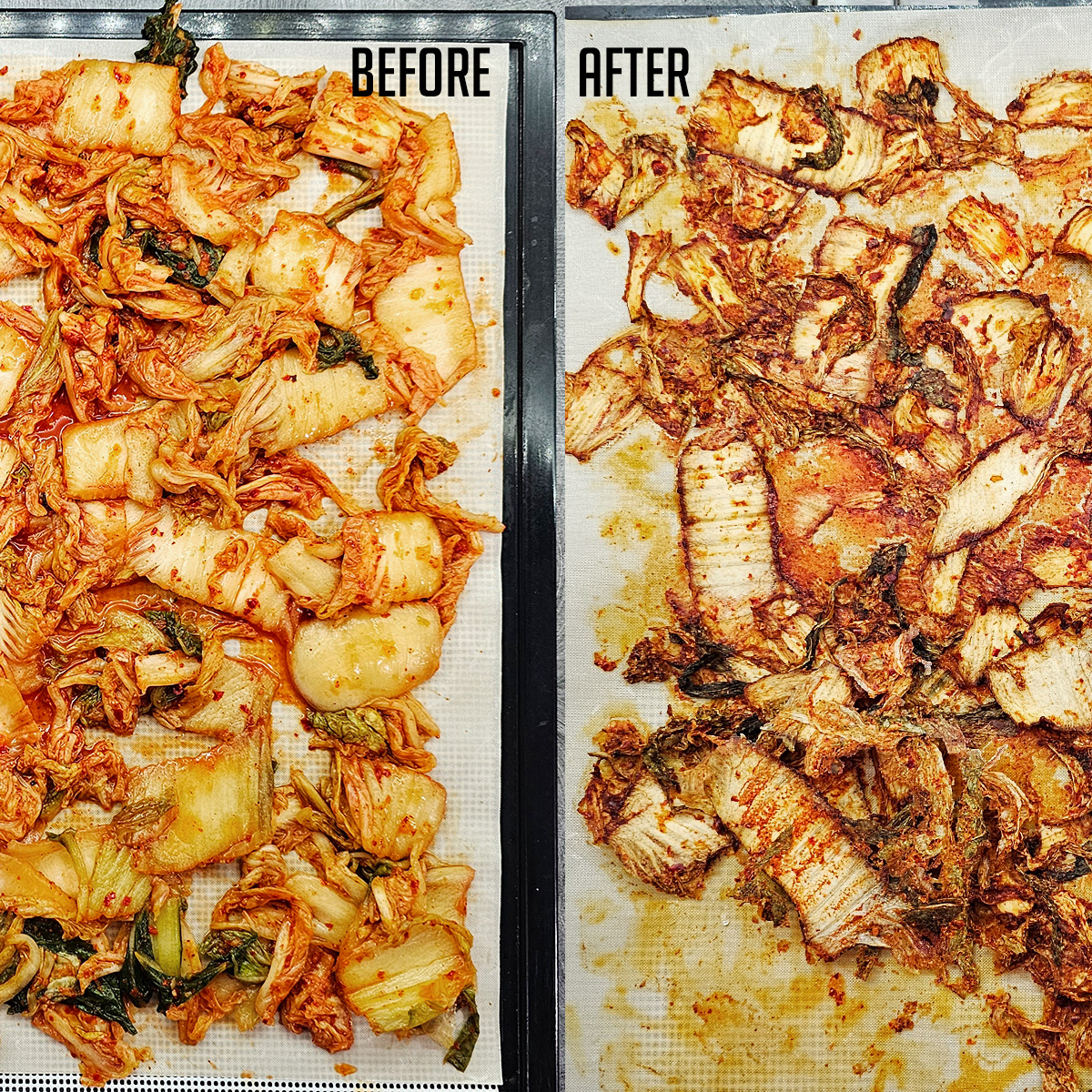
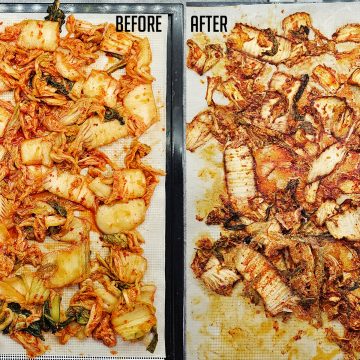
The final product must reach a state of near-total dryness to prevent spoilage. Properly dehydrated kimchi should be brittle or slightly pliable if the pieces are large, but it must break easily when bent. Any residual "squishiness" indicates trapped moisture in the thicker ribs of the napa cabbage, which could lead to mold growth during storage.
Phase 4: The Conditioning Protocol
Conditioning is a vital safety step often overlooked by amateur preservers. After the kimchi is removed from the dehydrator, it is placed in a glass jar for five to seven days. The jar is shaken daily to check for condensation or clumping. This allows any remaining moisture to redistribute evenly among the pieces. If moisture appears on the glass, the product must be returned to the dehydrator.
Phase 5: Long-term Storage
Once conditioned, the kimchi is stored in airtight containers, such as canning jars or Mylar bags with oxygen absorbers. When kept in a cool, dark environment, the dehydrated ferment retains its quality for 12 to 24 months.
Nutritional Profile and Comparative Data
The nutritional value of dehydrated kimchi is highly concentrated. Data suggests that because the drying process removes water but leaves the solids intact, the nutrient density per gram increases significantly.
| Nutrient (per 100g) | Fresh Kimchi (Approx.) | Dehydrated Kimchi (Concentrated) |
|---|---|---|
| Calories | 15–30 kcal | 60–120 kcal |
| Sodium | 500–800 mg | 2,000–3,200 mg |
| Fiber | 2g | 8g |
| Vitamin C | High | Moderate (Heat sensitive) |
Note: Nutritional information for dehydrated foods is generally calculated based on a 4:1 ratio; 1/4 cup of dried kimchi provides roughly the same caloric and mineral content as 1 cup of fresh kimchi.
While some Vitamin C is lost during the drying process due to oxidation and heat exposure, the mineral content—including potassium and iron—remains stable. The most significant variable remains the probiotics; if dried at low temperatures, the beneficial bacteria enter a dormant state, potentially reactivating upon consumption or rehydration in a non-boiling liquid.
Culinary Applications and Market Impact
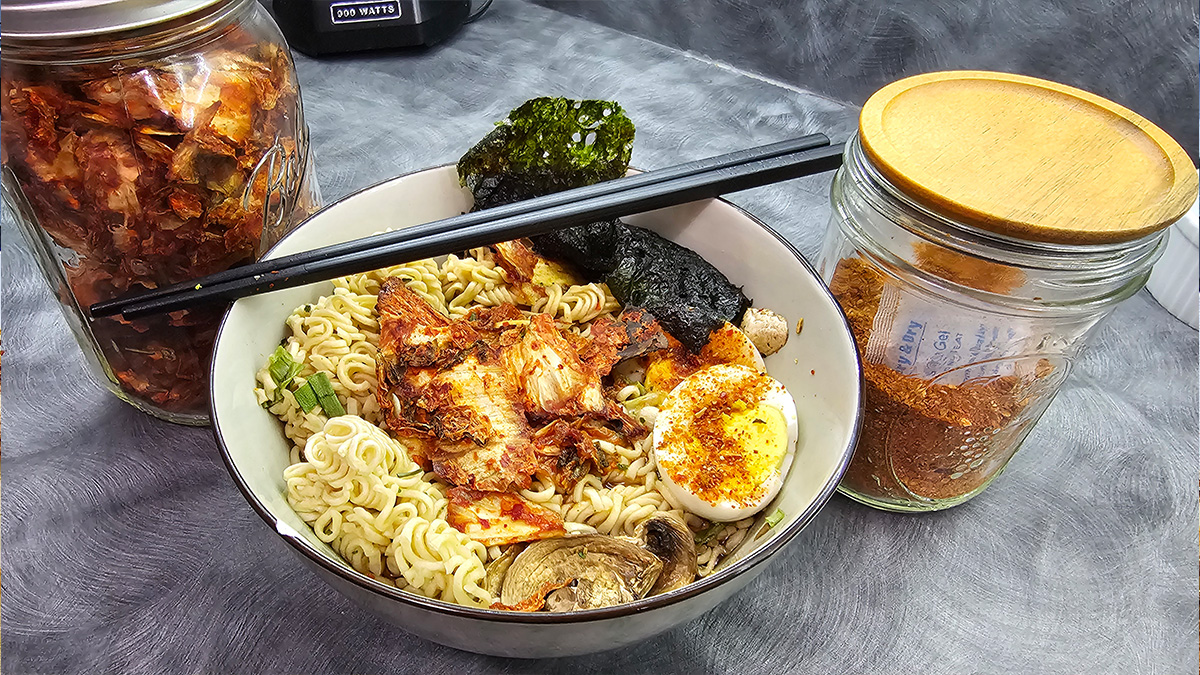
The versatility of dried kimchi has led to its adoption in various sectors of the food industry. One of the most prominent developments is the creation of "Kimchi Powder." By grinding the dehydrated leaves and seasonings, chefs create a potent umami dust.
Innovations in Food Service
In professional kitchens, kimchi powder is utilized as a "finishing salt" or a component in dry rubs for meats. It provides the acidity of vinegar and the heat of chili without introducing unwanted moisture to a dish. This is particularly valuable in maintaining the crispness of fried foods or dehydrated vegetable chips.
The Outdoor and Emergency Food Sector
For backpackers and survivalists, dehydrated kimchi offers a high-flavor, low-weight alternative to heavy jars. It serves as a base for "instant" ramen or stews, rehydrating in approximately 10 to 15 minutes when submerged in hot water. The rise of the "Prepper" movement has further increased demand for long-term storage techniques for fermented foods, which are prized for their digestive health benefits in environments where fresh produce is unavailable.
Broader Implications: Sustainability and Food Waste
The dehydration of kimchi aligns with global efforts to reduce food waste. According to the Food and Agriculture Organization (FAO), nearly one-third of all food produced for human consumption is lost or wasted. In the context of cabbage—a primary ingredient in kimchi—waste often occurs at the retail and consumer levels due to over-purchasing.
By converting a perishable ferment into a shelf-stable pantry staple, consumers can mitigate the environmental impact of food spoilage. Furthermore, the reduction in weight and volume associated with dehydration significantly lowers the carbon footprint related to the shipping and transport of food products, a factor that is increasingly relevant in the commercial sector.
Expert Reactions and Industry Outlook
Culinary experts and food scientists have reacted positively to the systematization of kimchi dehydration. Darcy Baldwin, a specialist in food preservation and author of Dehydrating Basics & Journal, emphasizes that the method allows for a "purposeful pantry" where seasonal abundance is captured and utilized efficiently.
Industry analysts predict that the "Kimchi Seasoning" market will continue to grow at a Compound Annual Growth Rate (CAGR) of over 5% through the next decade. As consumers become more comfortable with home dehydration technology, the transition from purchasing pre-made seasonings to DIY preservation is expected to accelerate. This shift reflects a broader movement toward food sovereignty, where individuals take greater control over the processing and longevity of their nutritional intake.
In conclusion, the dehydration of kimchi represents a sophisticated intersection of traditional fermentation and modern preservation. By adhering to strict temperature guidelines and post-processing protocols, it is possible to create a product that is not only a practical solution to food waste but also a powerful tool for culinary creativity. Whether used as a concentrated powder, a rehydrated base for soups, or a portable snack, dehydrated kimchi ensures that the ancient flavors of Korea remain accessible, sustainable, and versatile in the modern kitchen.


