
The quest for the perfect breakfast sausage often leads home cooks down a path of deciphering ingredient lists filled with unfamiliar additives and opaque fat ratios. Christie Vanover, a KCBS grand champion pitmaster and founder of Girls Can Grill, offers a compelling solution: a versatile homemade breakfast sausage recipe that transforms simple ground pork into juicy patties, flavorful links, or the foundation for a rich sausage gravy. This recipe emphasizes control over ingredients, allowing consumers to bypass the "mystery meat" often found in commercially produced options.
Vanover’s personal journey with this recipe began as a practical application for pork trim from her "Competition Pork Butt" recipe. After years of refinement, it has become her go-to for family breakfasts, highlighting the advantages of DIY culinary endeavors. Breakfast sausage, a cornerstone of the American breakfast table alongside bacon and ham, is fundamentally seasoned ground meat. While ground pork is traditional, Vanover notes the flexibility of the recipe, suggesting that ground beef, poultry, or even game meats can be incorporated. The ability to grind your own meat or purchase it pre-ground from a local butcher further enhances the customization potential.
The Appeal of Homemade: Transparency and Taste
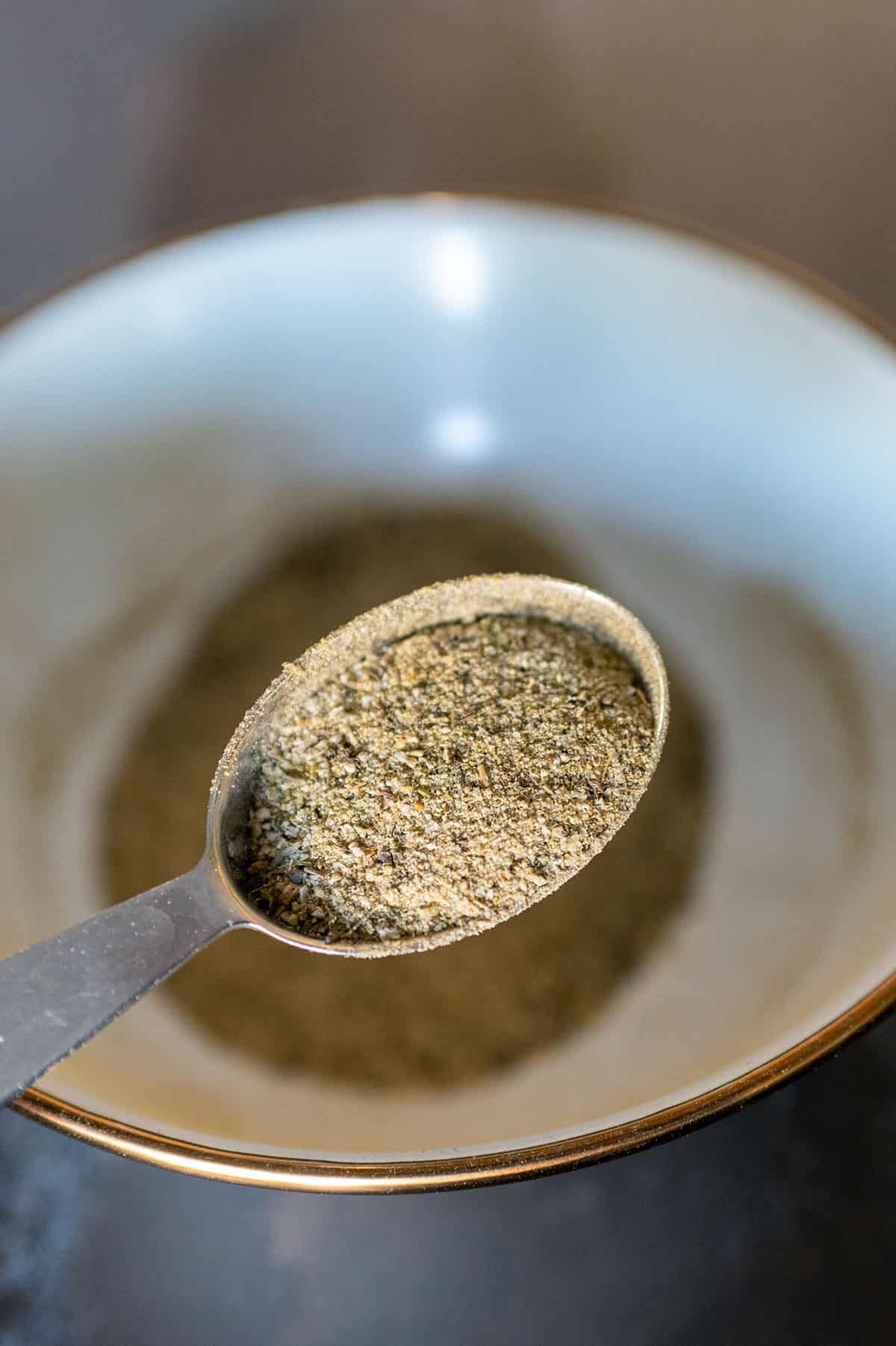
The primary differentiator of homemade breakfast sausage lies in its seasoning blend, a crucial element that home cooks can meticulously control. Vanover’s signature blend, detailed below, is designed for balance, offering a subtle warmth and a hint of maple. This recipe serves as an excellent starting point, encouraging experimentation and personalization to create a unique flavor profile.
The seasoning blend yields approximately four tablespoons, sufficient for two pounds of sausage. This quantity is designed for convenience, allowing for a double or triple batch to be stored in an airtight container in the pantry for up to a year, ensuring a ready supply of homemade sausage.
Mastering the Breakfast Sausage Blend
The foundation of this recipe is a carefully crafted spice blend. For every pound of ground pork, two tablespoons of this mixture are recommended.
Breakfast Sausage Seasoning Blend:
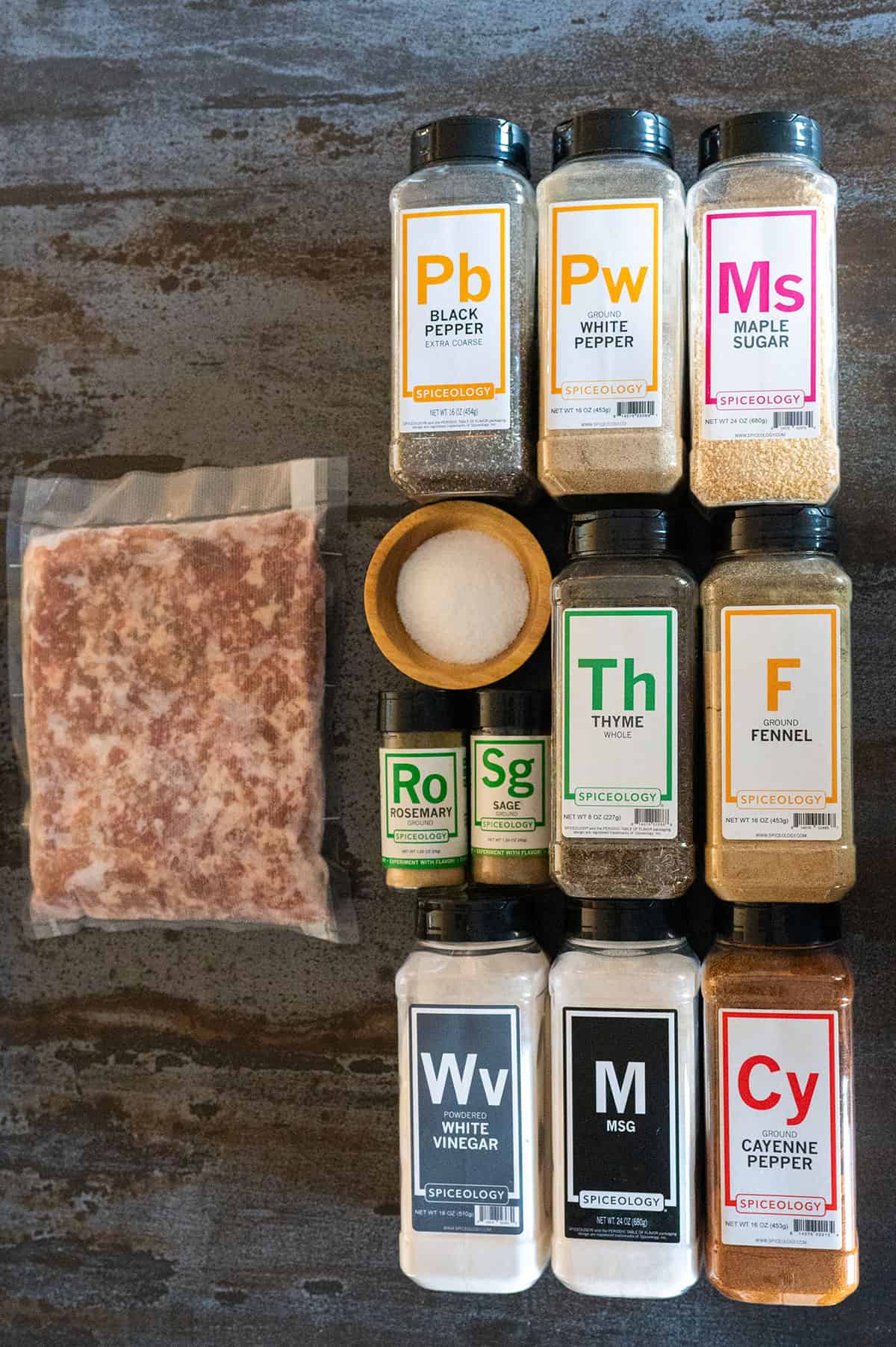
- 1 tablespoon salt
- 1 tablespoon black pepper
- 2 teaspoons dried sage
- 1 teaspoon dried thyme
- 1 teaspoon dried rosemary
- 1 teaspoon garlic powder
- 1 teaspoon onion powder
- 1 teaspoon smoked paprika
- 1/2 teaspoon ground ginger
- 1/4 teaspoon cayenne pepper (or more, to taste)
- 1 tablespoon maple sugar (optional, for a hint of sweetness)
Instructions for the Seasoning Blend:
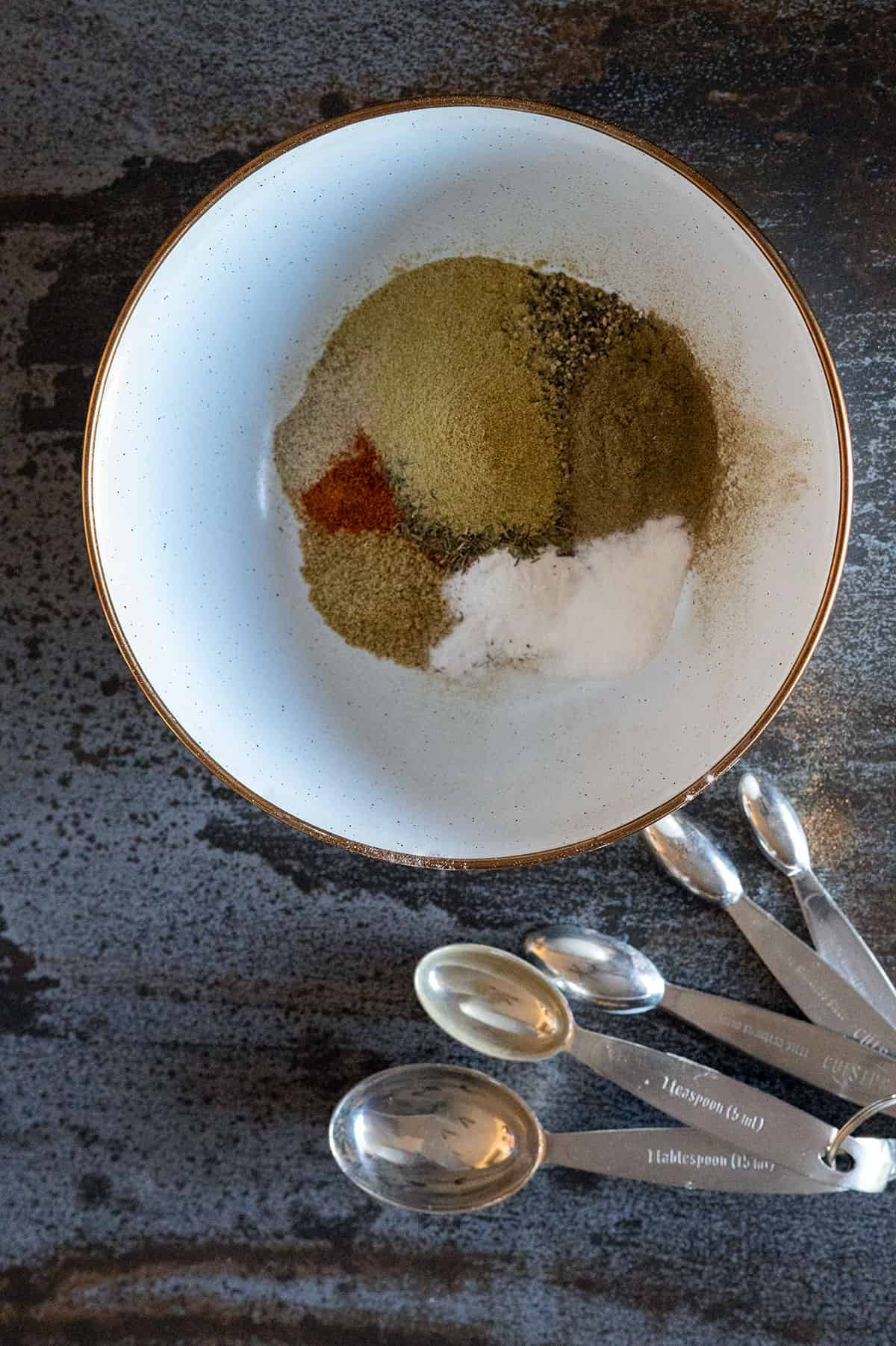
- Combine Ingredients: In a small bowl, thoroughly mix all the listed dry ingredients until well combined.
Incorporating the Seasoning into Ground Pork:
- Prepare the Meat: For optimal results, partially thaw 1-2 pounds of ground pork if frozen. This makes it easier to mix without overworking the meat.
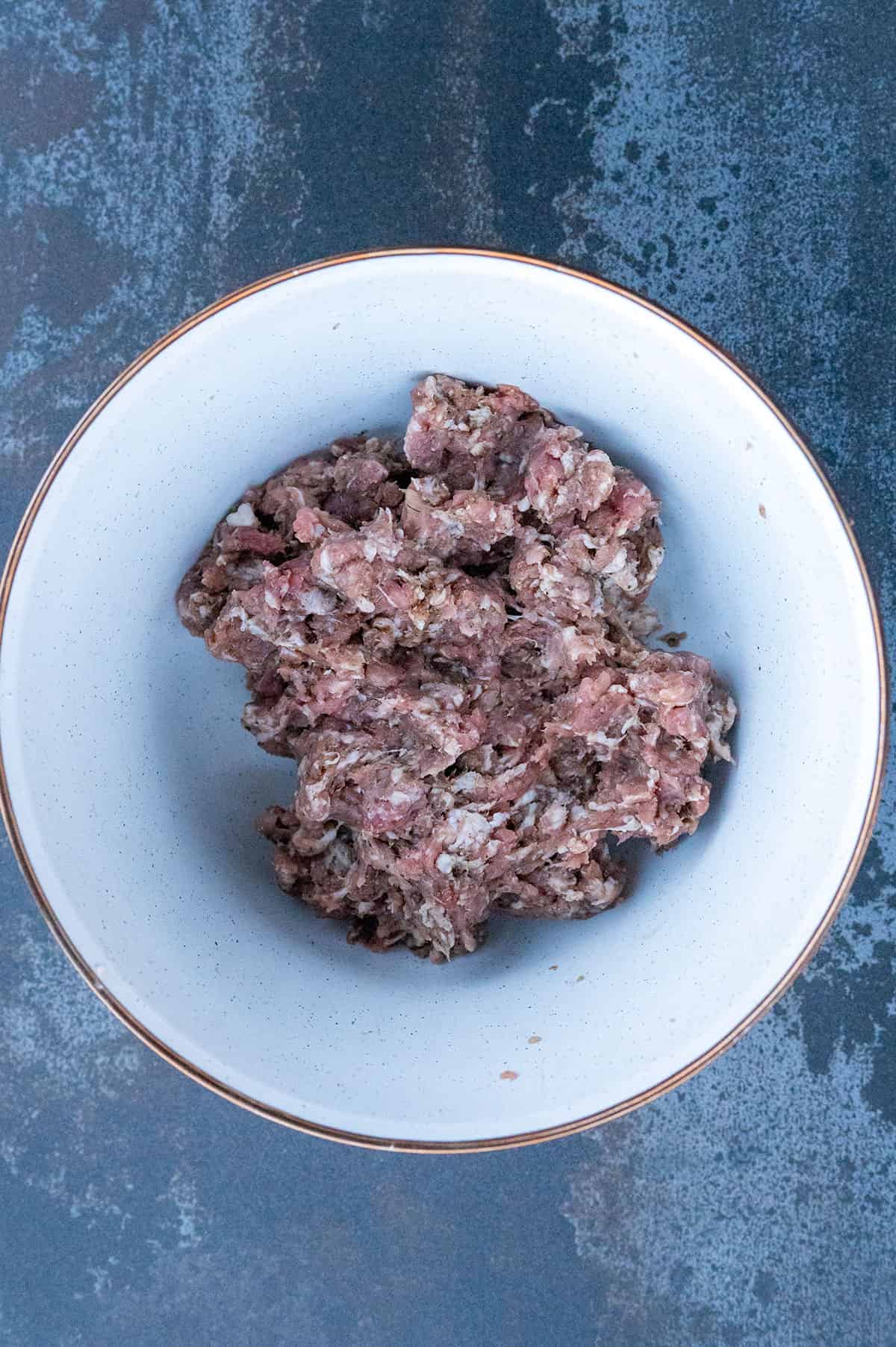
- Add Seasoning: Place the ground pork in a large bowl. Sprinkle two tablespoons of the prepared seasoning blend over the meat for each pound.
- Mix Thoroughly: Use your hands to gently but thoroughly mix the seasoning into the ground pork. Ensure the spices are evenly distributed for consistent flavor throughout the sausage. Avoid overmixing, which can lead to a tougher texture.
Versatile Applications: Patties, Links, and Gravy
This versatile sausage base can be adapted into various breakfast staples.
Shaping Breakfast Sausage Patties
The most common and straightforward application is the breakfast sausage patty.
Instructions for Patty Preparation:
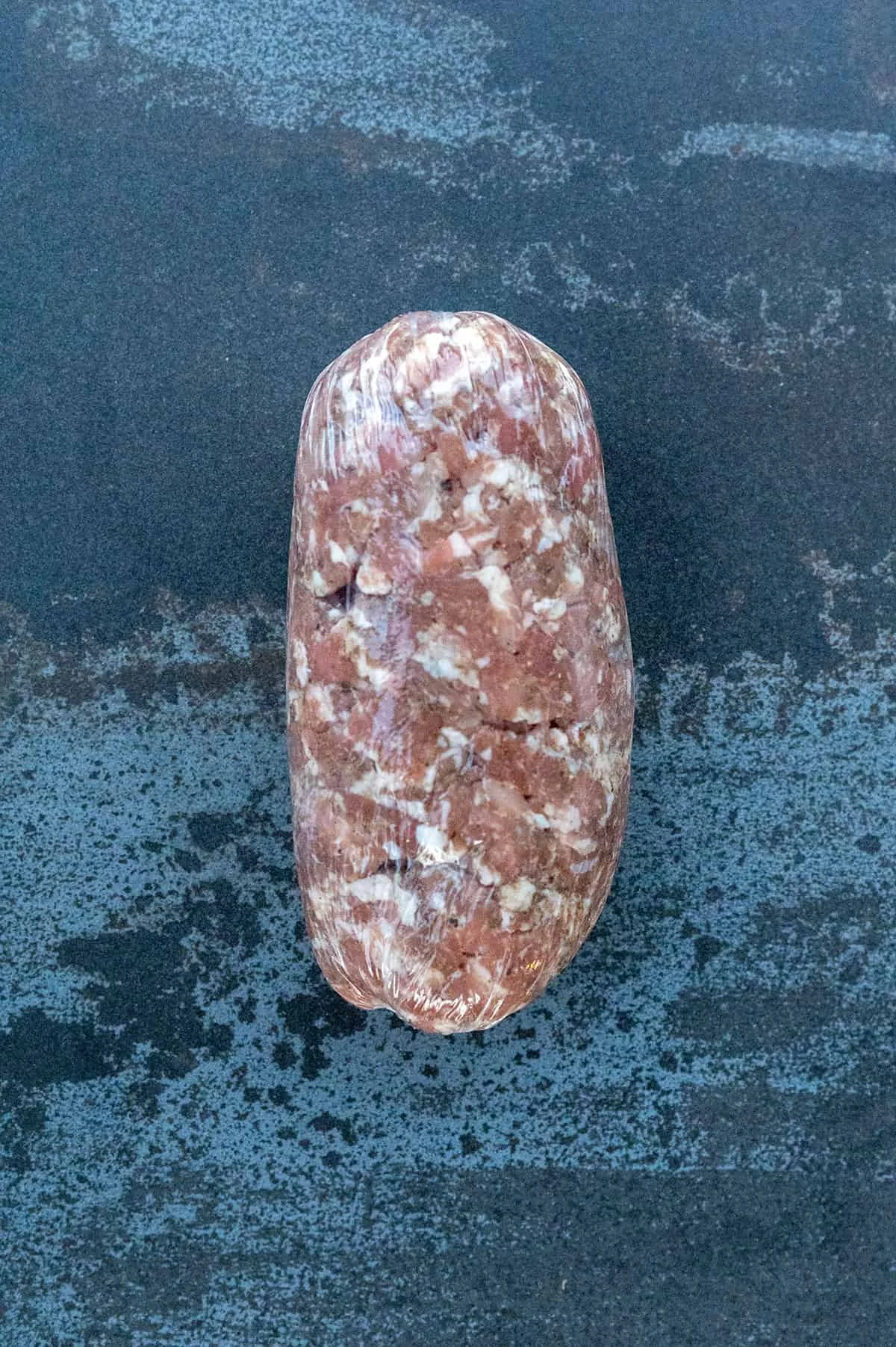
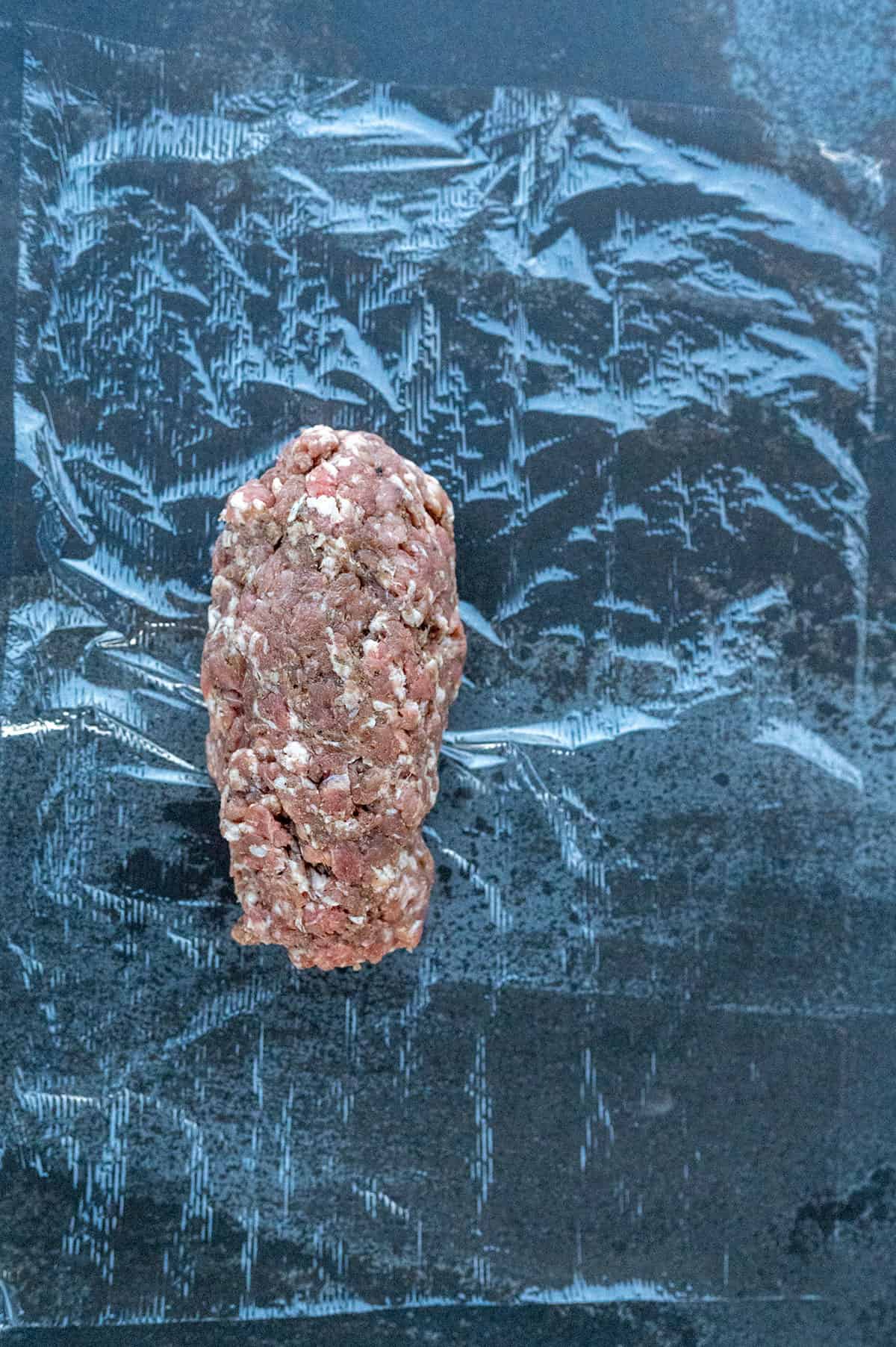
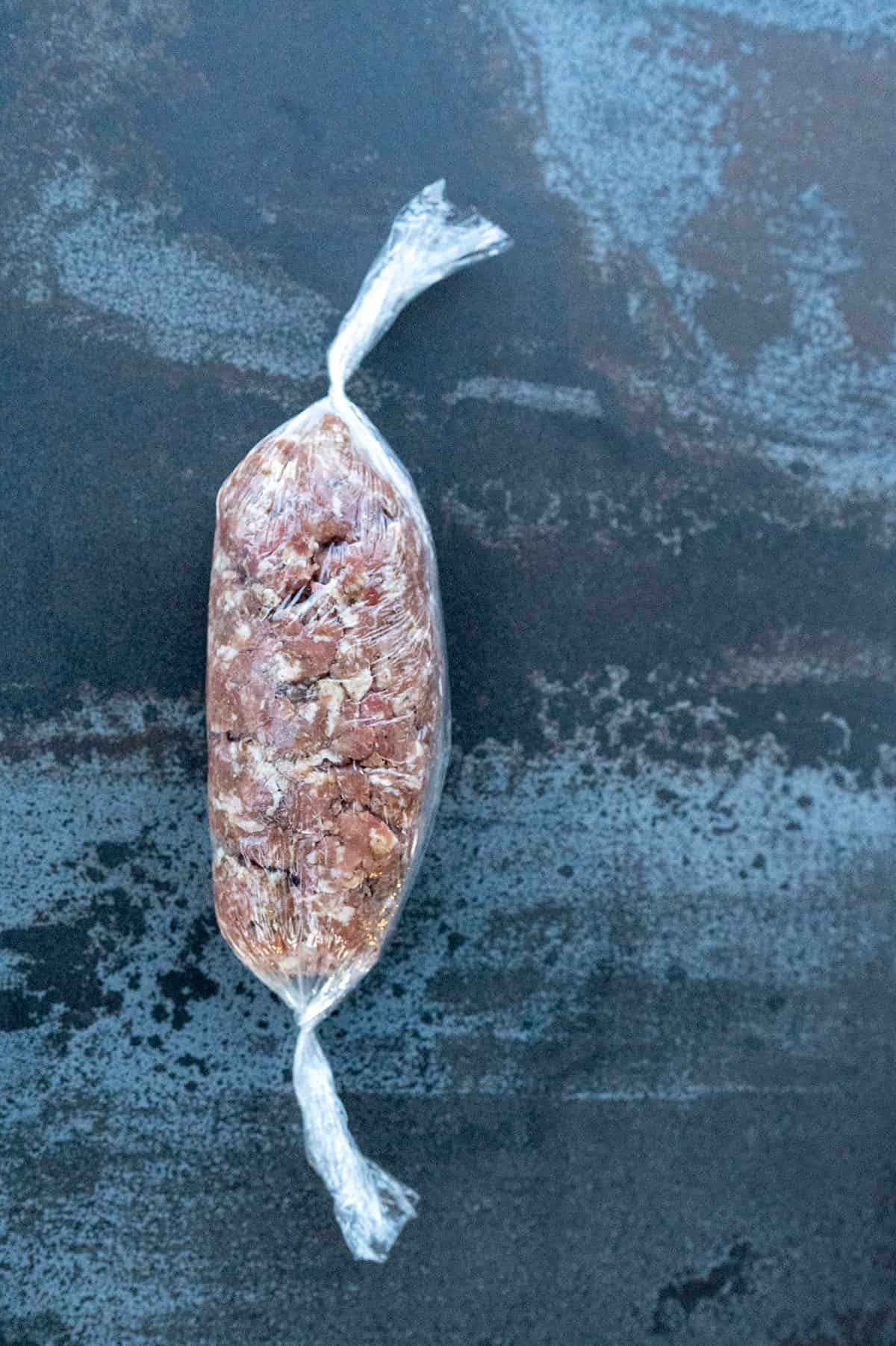
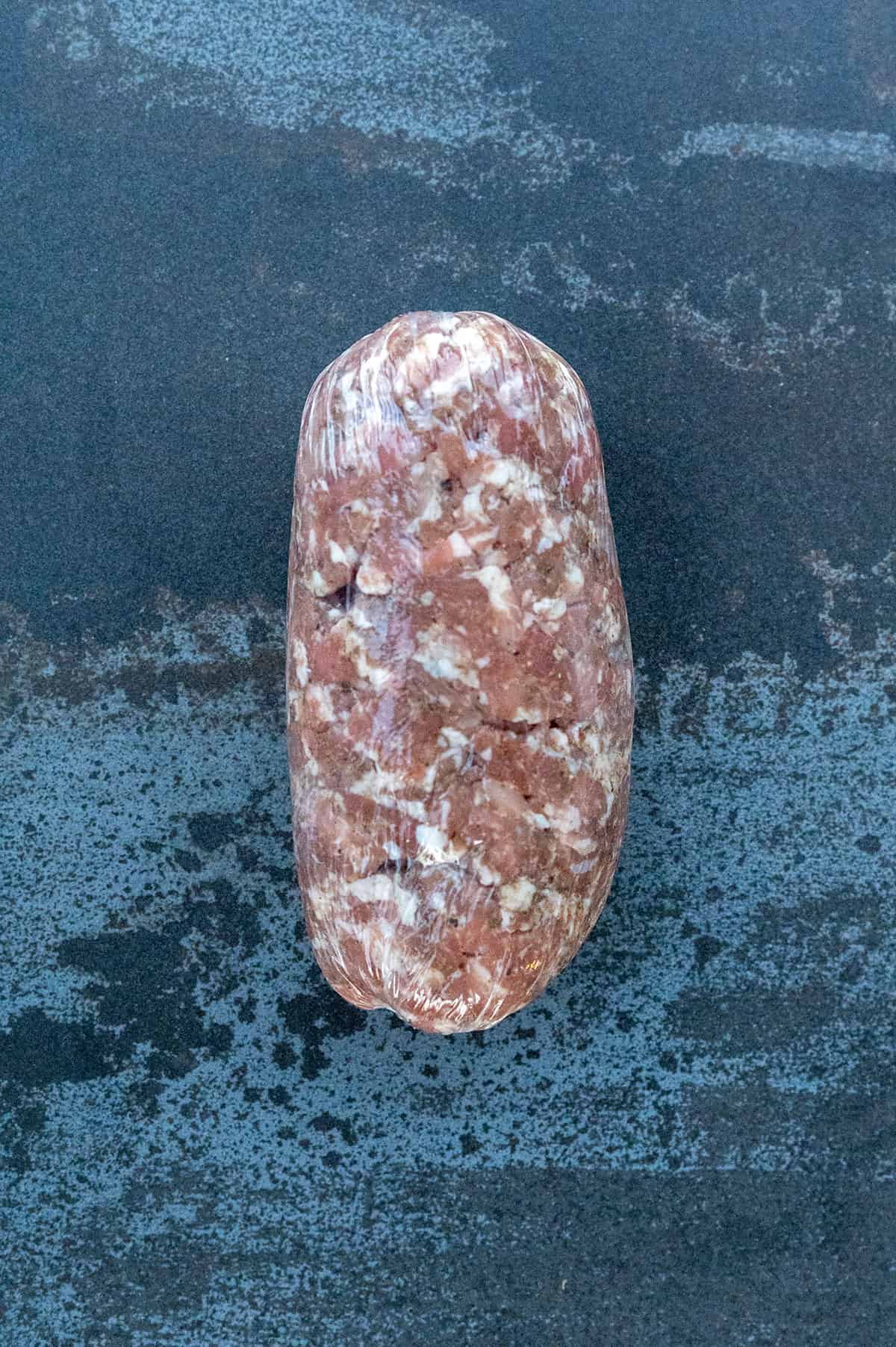
- Form the Log: Place the seasoned ground pork mixture onto a sheet of plastic wrap or parchment paper. Shape the mixture into a uniform log, approximately 2 inches in diameter.
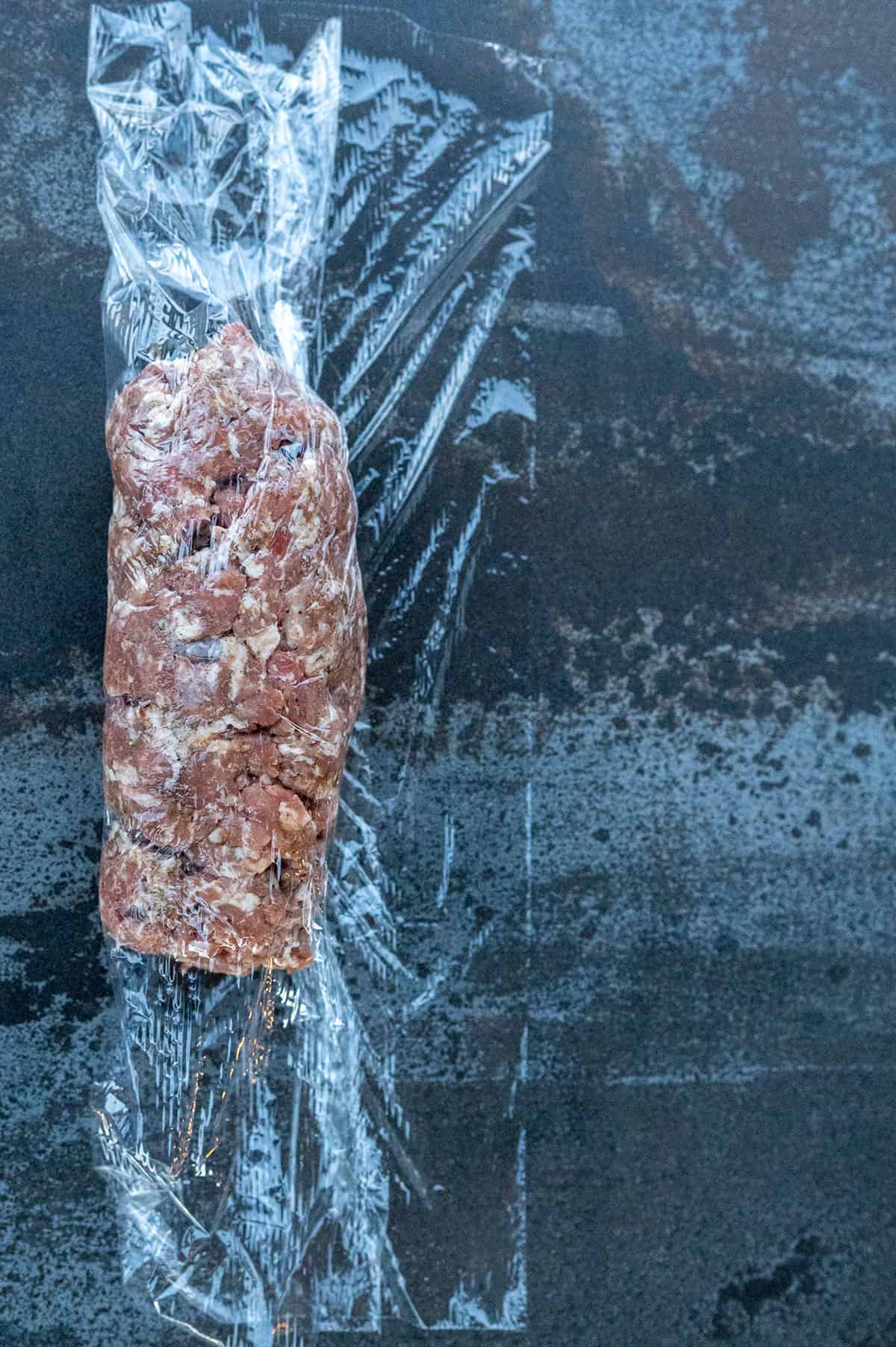
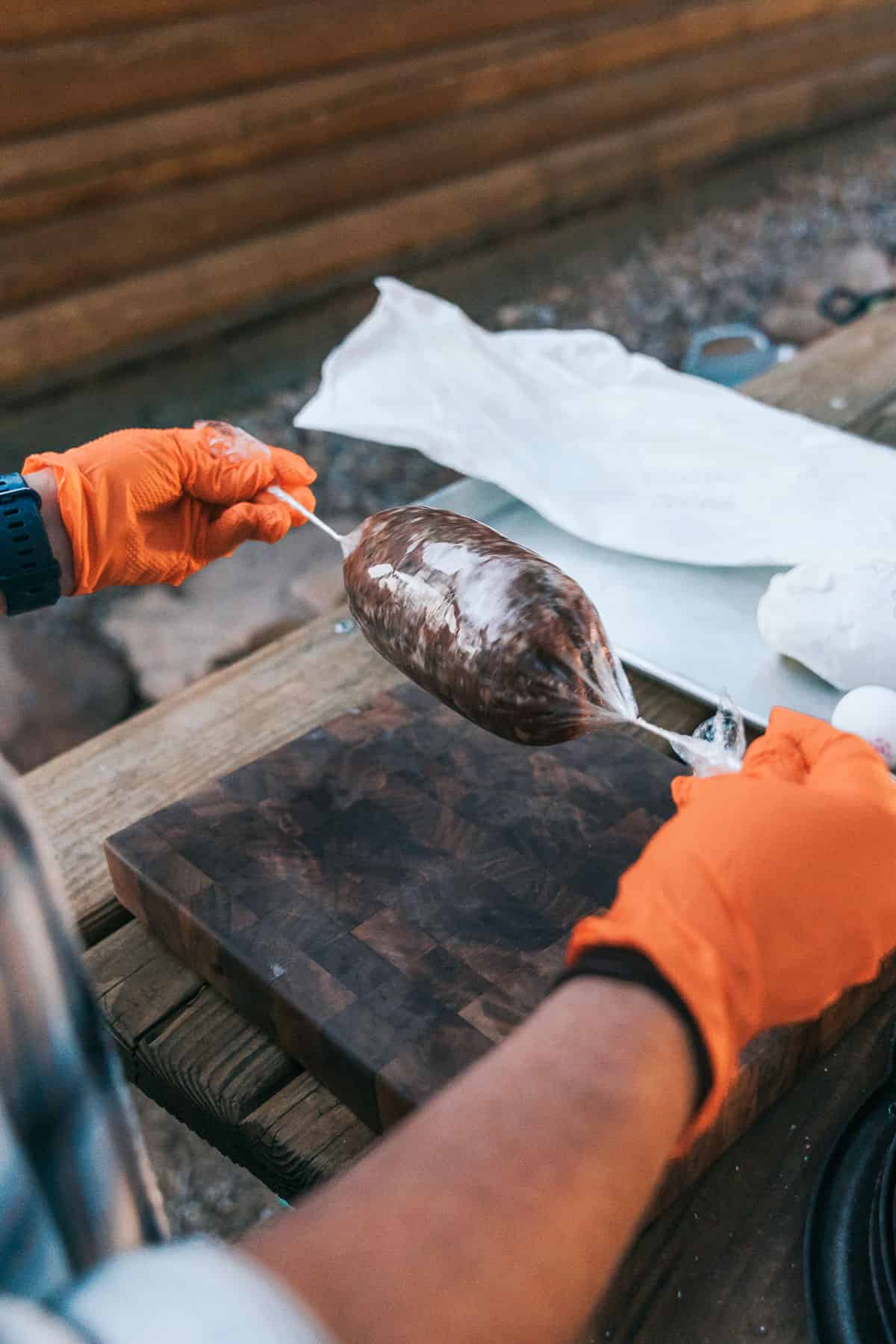
- Wrap Tightly: Roll the plastic wrap tightly around the sausage log, twisting the ends to secure it. This helps maintain the log’s shape for easy slicing.
- Chill (Optional but Recommended): For cleaner slices, refrigerate the sausage log for at least 30 minutes, or freeze for about 15-20 minutes until slightly firm. A partially frozen log is easier to slice evenly.
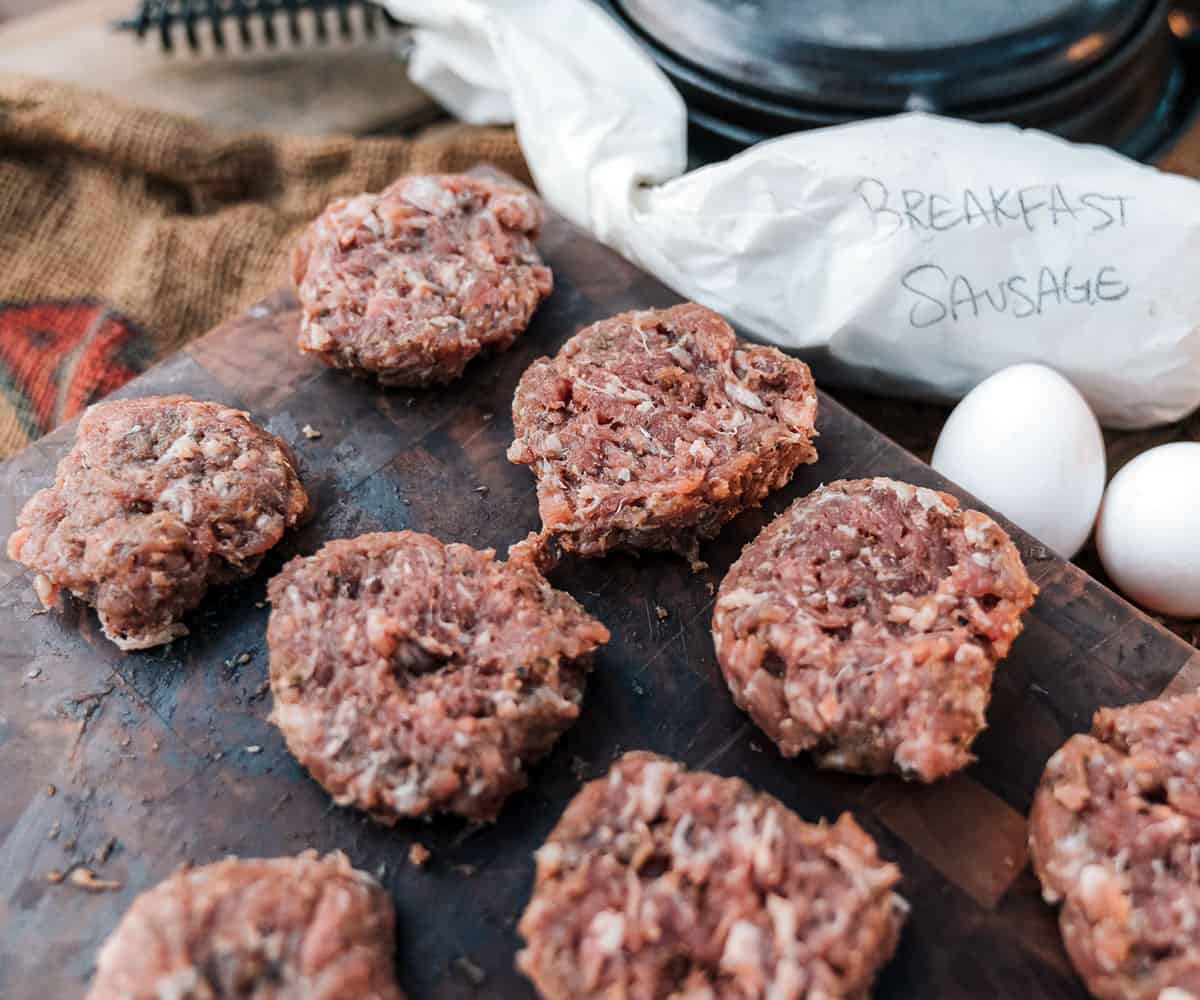
- Slice Patties: Unwrap the chilled log and use a sharp knife to slice it into 1/4-inch thick patties. This recipe yields approximately eight patties per pound of sausage.
Pro Tip: A serrated knife or a specialized "cheese knife" with an open blade can prevent sticking and ensure clean cuts.
Cooking Breakfast Sausage Patties
Breakfast sausage patties can be cooked using several methods, each offering slightly different results.
- Cast Iron Skillet: Heat a tablespoon of oil or butter in a large cast iron skillet over medium heat. Add the patties in a single layer, ensuring not to overcrowch the pan. Cook for 5-7 minutes per side, until the exterior is nicely browned and the interior is cooked through (no longer pink). The internal temperature should reach 160°F (71°C).
- Griddle: Heat a griddle to medium heat. Cook the patties for 10-15 minutes, flipping occasionally for even browning and to ensure they are cooked through.
- Air Fryer: Preheat the air fryer to 400°F (200°C). Arrange the patties in a single layer in the air fryer basket. Cook for 5 minutes, flip, and continue cooking for another 3-5 minutes, or until cooked through.
Serving Suggestion: After cooking, drain the patties on a paper towel-lined plate to absorb excess grease. Keep warm in a low oven if not serving immediately. These patties are ideal served alongside eggs, biscuits, pancakes, or as part of breakfast sandwiches and burritos.
Crafting Breakfast Sausage Links
For those who prefer traditional breakfast sausage links, the process requires additional equipment.
Equipment Needed:
- Sausage stuffer (vertical stuffers are recommended for ease of use)
- Sausage casings (sheep casings or edible collagen casings are suitable for breakfast sausage)
- Stuffing tubes (use the smallest diameter available for breakfast sausage links)
Instructions for Link Preparation:
- Prepare Casings: If using natural casings, soak them in warm water for 20-30 minutes according to package directions. Rinse them thoroughly. If using collagen casings, follow the manufacturer’s instructions.
- Stuff the Sausage: Attach the appropriate stuffing tube to your sausage stuffer. Load the seasoned sausage mixture into the stuffer.
- Fill the Casing: Carefully thread the prepared casing onto the stuffing tube. Begin stuffing the sausage meat into the casing, ensuring an even fill without overstuffing, which can cause them to burst during cooking.
- Form Links: Twist the casing at desired intervals to create individual links.
Cooking Sausage Links: Sausage links can be cooked similarly to patties, using a skillet, griddle, or air fryer. Cooking time may vary depending on the thickness of the links.
Creating Sausage Gravy
Sausage gravy offers a quick and comforting way to enjoy homemade sausage.
Instructions for Sausage Gravy:
- Brown the Sausage: In a skillet over medium heat, cook 1 pound of the seasoned ground pork, breaking it up with a spoon, until browned and cooked through. Drain off any excess grease, leaving about 1-2 tablespoons in the pan for flavor.
- Make a Roux: Sprinkle 2 tablespoons of all-purpose flour over the cooked sausage. Stir well and cook for 1-2 minutes, allowing the flour to toast slightly.
- Add Liquid: Gradually whisk in 1.5 cups of milk (whole milk is recommended for richness). Continue whisking until the gravy begins to thicken.
- Season: Season with additional salt and pepper to taste.
- Simmer: Let the gravy simmer gently for a few minutes until it reaches your desired consistency.
Serve this rich sausage gravy hot over freshly baked biscuits for a classic Southern breakfast.
Smoking Breakfast Sausage: Two Approaches
For a deeper flavor profile, smoking breakfast sausage offers two distinct methods: full smoking for a fully cooked product or cold smoking for a nuanced smoky essence.
Fully Smoked Sausage
This method results in sausage that is ready to eat directly from the smoker.
Equipment:
- Fibrous casings (non-edible, used for shape and smoke penetration)
- Smoker
Instructions:
- Prepare Casings: Soak fibrous casings in warm water for 20-30 minutes. Squeeze out excess water and stuff the seasoned sausage mixture into the casings.
- Preheat Smoker: Set up your smoker for indirect heat at 225°F (107°C).
- Smoke: Place the stuffed sausage logs on the smoker. Smoke for approximately 1 hour, or until the internal temperature reaches 160°F (71°C).
Cold-Smoked Sausage
Cold smoking imparts a subtle smoky flavor without fully cooking the sausage, allowing for further cooking methods like pan-frying or air frying.
Instructions:
- Prepare Sausage: Shape the seasoned sausage into logs or stuff into casings (fibrous or collagen).
- Cold Smoke: Set your smoker to its lowest temperature setting, ideally around 150°F (65°C). Smoke the sausage for 2-4 hours, depending on the desired level of smoke flavor.
- Curing Salt (Optional for Extended Cold Smoking): For cold smoking at temperatures below 140°F (60°C) for extended periods (over 2 hours), it is crucial to add 1/2 teaspoon of pink curing salt #1 per pound of meat to the spice blend. This acts as a preservative to prevent bacterial growth, specifically botulism. This step is essential for food safety when the meat remains in the USDA "danger zone" for extended durations.
Note on Fibrous Casings: Fibrous casings used for smoking are not edible and should be removed before consumption.
Storage and Preservation
Proper storage ensures the longevity and quality of your homemade breakfast sausage.
- Refrigeration: Uncooked, seasoned sausage logs can be stored tightly wrapped in the refrigerator for 3-5 days. Cooked sausage will last up to 5 days in an airtight container.
- Freezing: For longer storage, freeze uncooked sausage logs (wrapped tightly in plastic wrap and then in a resealable bag) for up to 6 months. Cooked sausage can also be frozen for up to 6 months.
Frequently Asked Questions
-
How do you make a homemade breakfast sausage recipe from scratch?
Mix ground pork with a spice blend of salt, pepper, sugar, herbs, and flavor boosters. Shape it into a log to slice into patties, stuff it into casings for links, or cook it loose for sausage gravy. -
How do I know when the sausage is cooked through?
Sausage patties typically take 10-15 minutes to cook in a skillet over medium heat. They are done when the exterior is brown and the interior is no longer pink. Using a digital meat thermometer, the target internal temperature is 160°F (71°C). -
What seasoning do you put in ground pork to make sausage?
Ground pork is commonly used for breakfast sausage and Italian sausage. Breakfast sausage seasoning usually includes salt, pepper, and herbs like thyme, rosemary, sage, and fennel. Italian sausage typically features coriander, paprika, garlic, and Italian herbs.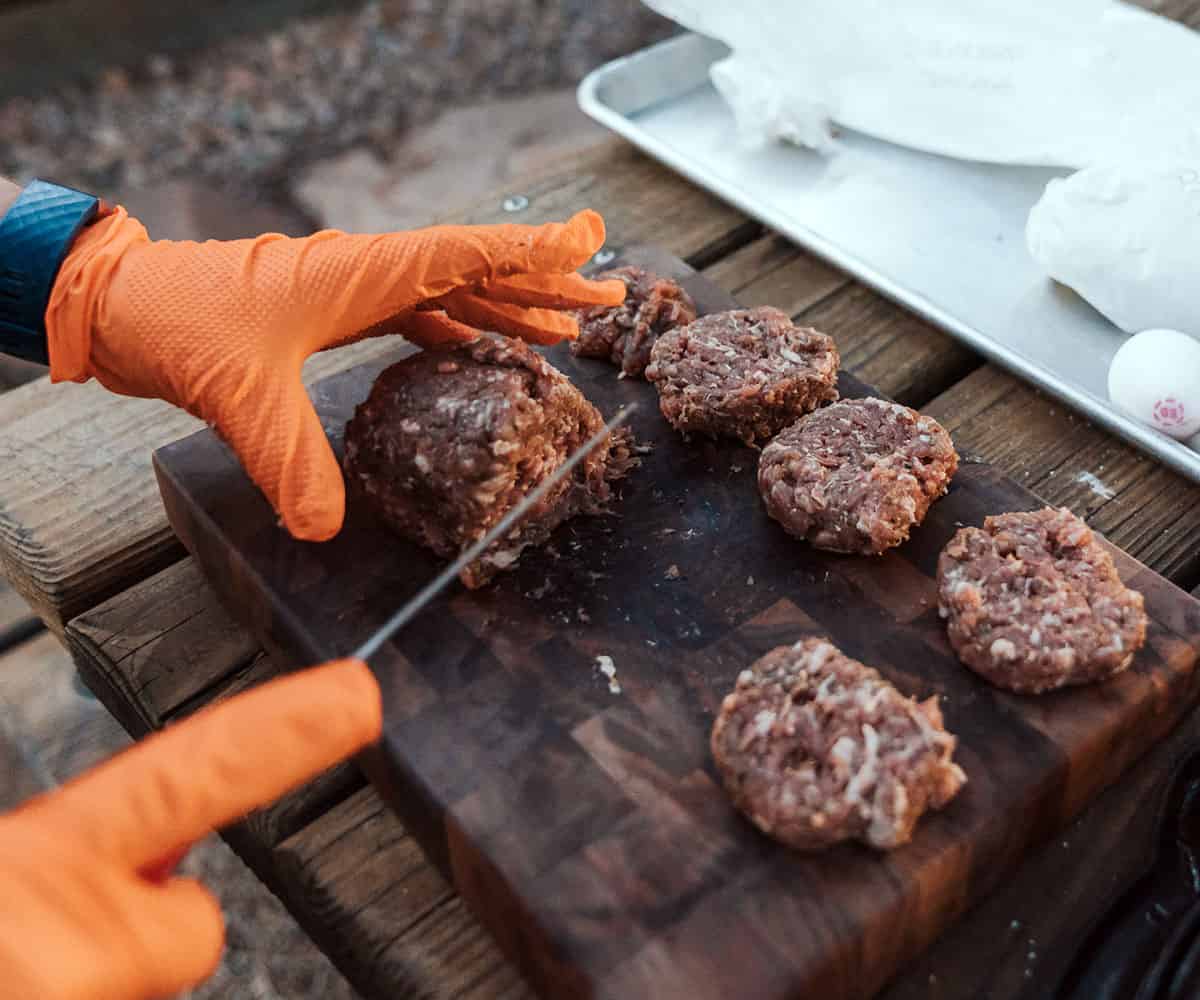
-
How many patties does one pound of sausage make?
One pound of this breakfast sausage recipe yields approximately eight 1/4-inch thick patties. -
Are there nitrates or nitrites in this breakfast sausage?
This recipe does not include nitrates or nitrites by default. However, if cold smoking at temperatures below 140°F (60°C) for more than 2 hours, the addition of pink curing salt #1 is recommended for food safety to prevent bacterial growth. -
Can you make this recipe with turkey or chicken?
Yes, this recipe is adaptable to other ground meats like turkey or chicken. The flavor primarily comes from the spice blend rather than the type of meat used.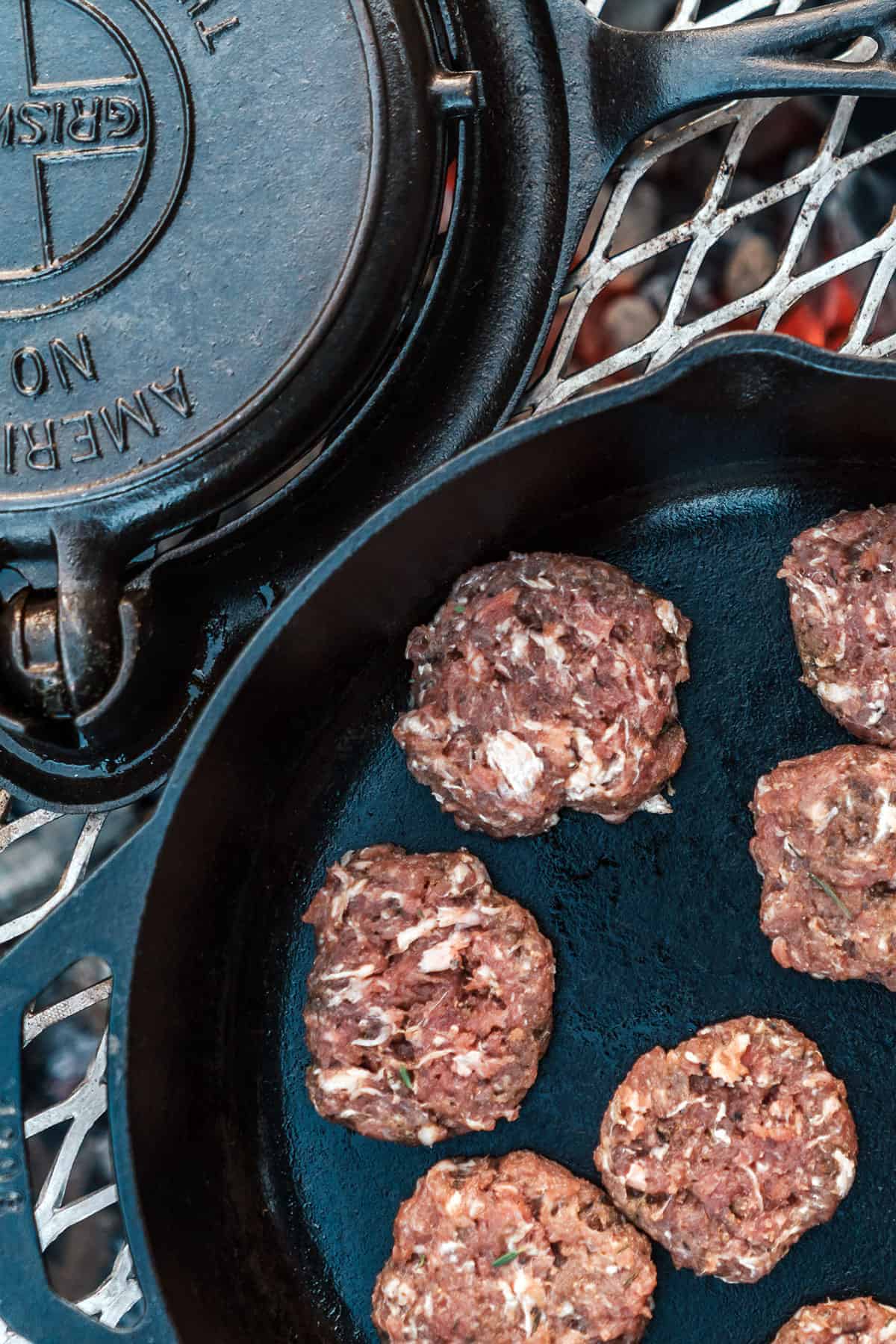
-
Should I cook breakfast sausage on a griddle or in a cast iron skillet?
Both methods are effective. A griddle is ideal for cooking large batches simultaneously. A cast iron skillet, however, tends to produce a deeper, richer brown crust on the patties, which is a preferred method for many home cooks.
By taking control of the ingredients and the seasoning, home cooks can elevate their breakfast experience with a flavorful, high-quality sausage that far surpasses its store-bought counterparts.


