
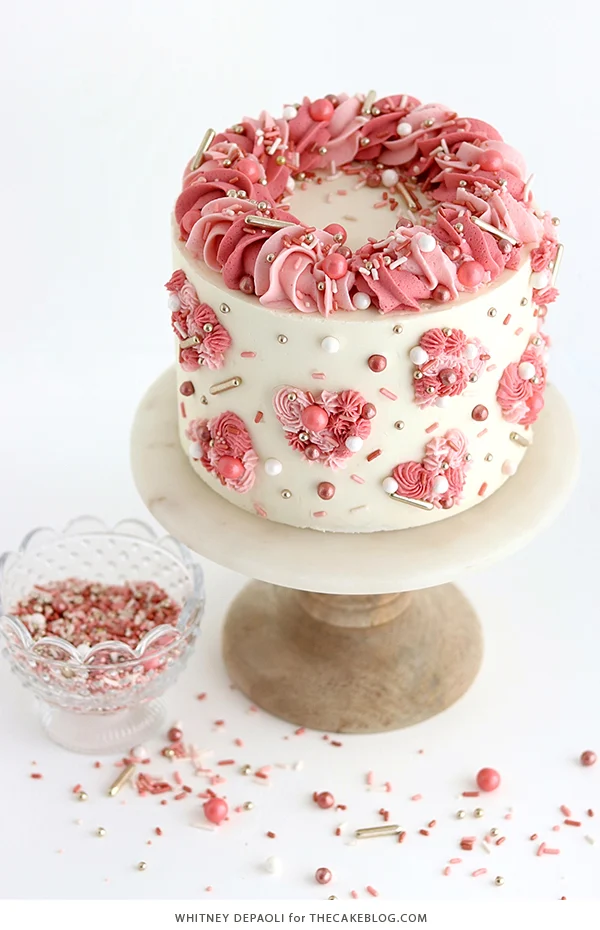
In the realm of confectionery artistry, the upcoming Valentine’s Day season often witnesses a surge in themed cake designs, with hearts and traditional pink palettes dominating the aesthetic. This year, however, a contemporary twist on these beloved motifs is capturing attention, thanks to an innovative buttercream piping technique developed by contributor Whitney DePaoli for TheCakeBlog.com. This new tutorial introduces a method that imbues buttercream hearts with rich texture and vibrant color, offering a fresh perspective on holiday baking that can be both accessible and visually striking.
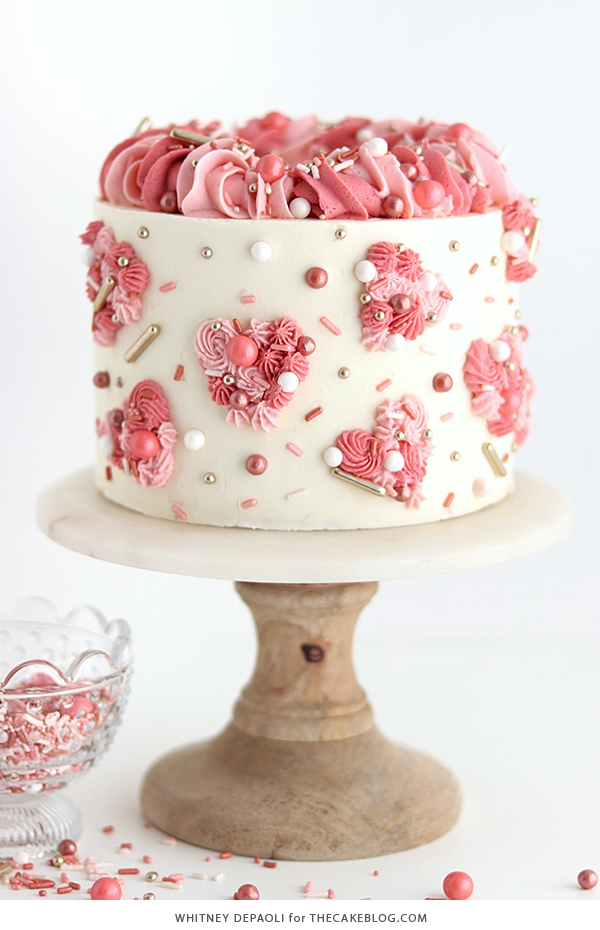
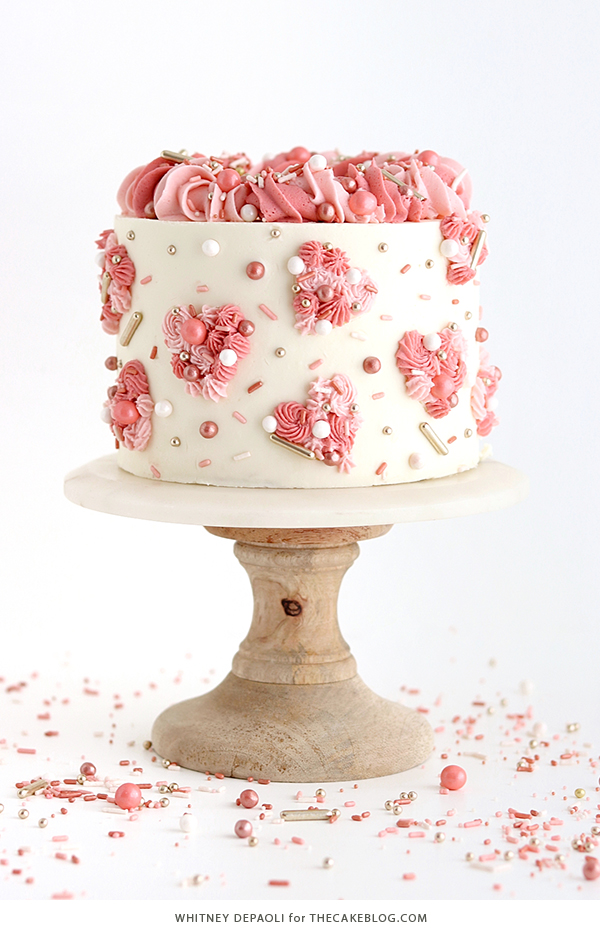
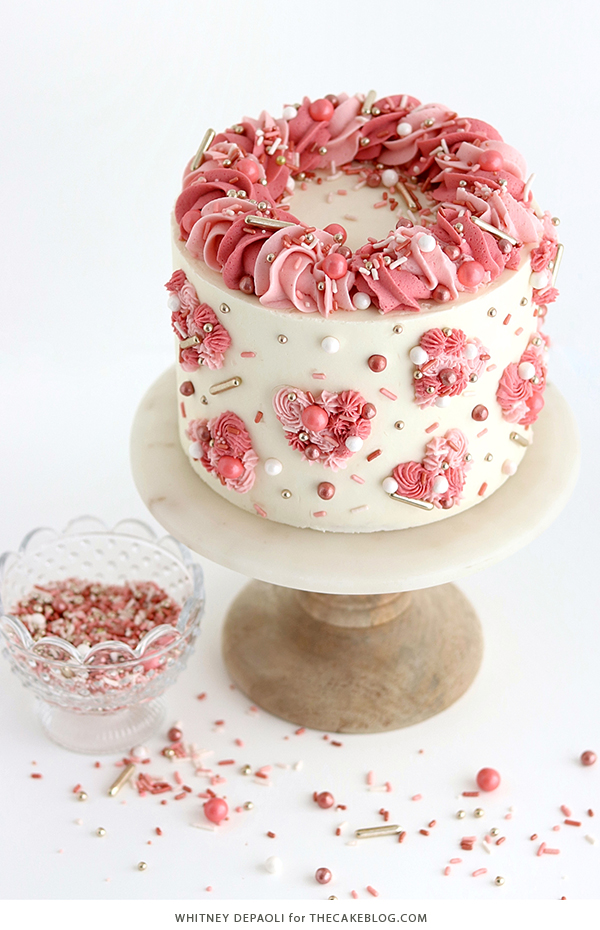
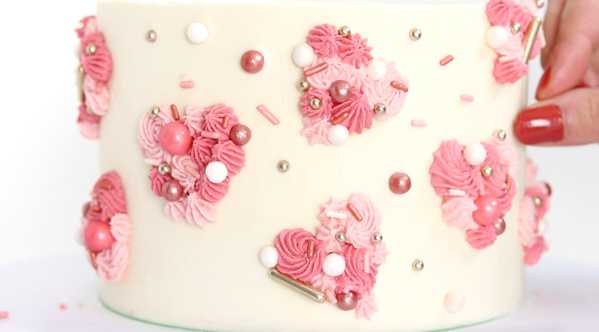
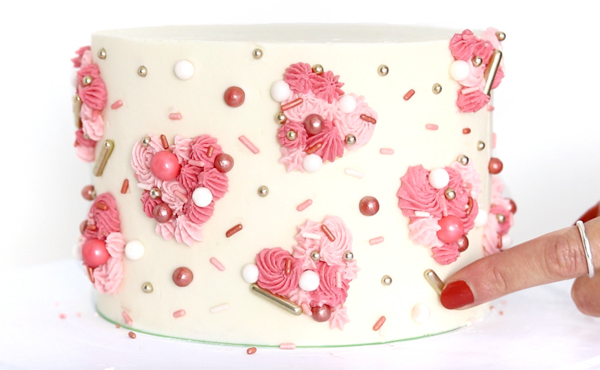
The technique, which draws inspiration from the celebrated Instagram cake artist @frostedfujicakes, involves imprinting subtle heart shapes onto a cake’s frosted surface and then meticulously filling these indentations with intricate buttercream piping. The addition of carefully selected sprinkles further enhances the textural dimension and visual appeal of the design. DePaoli’s featured creation showcases a sophisticated rose gold color palette, a choice that elegantly complements the delicate pink tones of the buttercream and the shimmering hues of the accompanying sprinkles. This approach, however, is highly adaptable, allowing bakers to explore any color scheme imaginable, thereby moving beyond the conventional Valentine’s Day color tropes and inviting a more personalized expression of celebratory sweetness.
The Art of Textured Buttercream Hearts
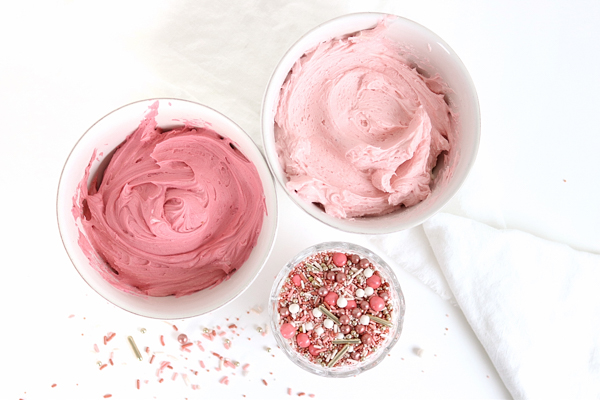
The foundation of this technique lies in the versatility of buttercream itself. DePaoli emphasizes that any buttercream formulation that can be tinted and piped effectively will yield excellent results. For her demonstration, she opted for a classic American buttercream, a popular choice known for its smooth texture and ability to hold shape when piped. The process begins with dividing the prepared buttercream into separate bowls, each to be tinted with food coloring gels. DePaoli utilized Americolor Dusty Rose for her rose gold theme, achieving a nuanced depth of color that she found particularly pleasing. The key to the design’s success is the interplay between contrasting yet harmonious shades, creating a visual rhythm that draws the eye.
A Step-by-Step Guide to Creation
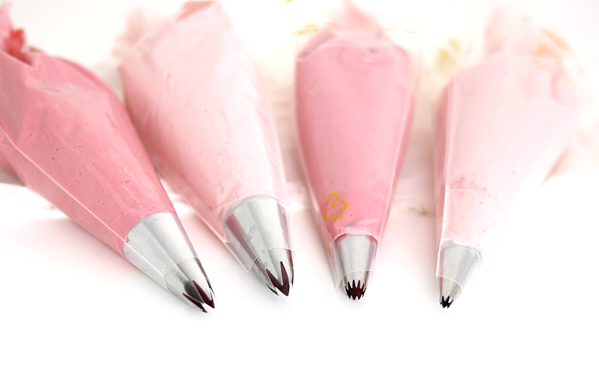
The tutorial meticulously outlines the steps involved in achieving this captivating cake design. It begins with the careful preparation of piping bags, with specific tips recommended for different textural effects. For instance, piping tip 1M is suggested for creating delicate rosettes, while tips 199 and 21 are employed for filling the imprinted hearts with intricate patterns. The buttercream is then divided among these prepared bags, ensuring a balanced distribution of color and a readiness for the intricate piping stages.
Color Palette and Preparation
The initial phase of preparation involves dividing the buttercream into manageable portions and tinting each with desired food colorings. DePaoli’s choice of two distinct shades of pink, achieved with Americolor Dusty Rose, exemplifies how subtle variations in hue can contribute to a sophisticated finish. The tutorial notes that while pink is a traditional choice, this technique offers boundless opportunities for creativity. Bakers are encouraged to experiment with monochromatic schemes, bold contrasting colors, or even palettes inspired by seasonal flora or personal preferences. The flexibility in color selection ensures that the Piped Hearts Valentine’s Cake can be tailored to suit a wide array of tastes and occasions, extending its appeal beyond the confines of a single holiday.
Imprinting the Heart Motifs
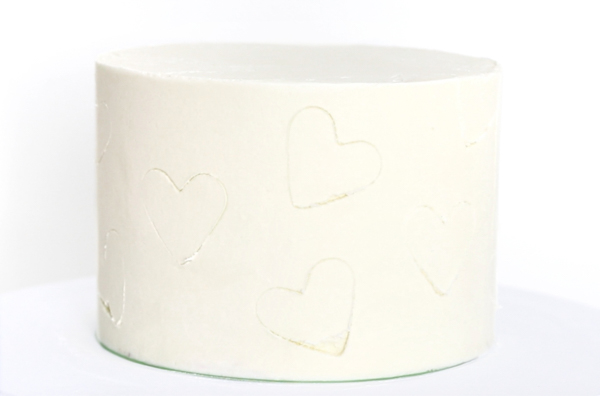
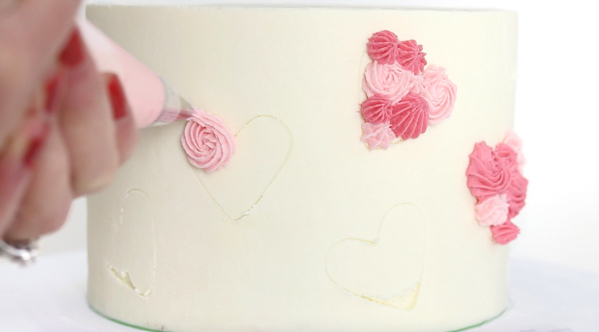
A crucial step in this technique is the precise imprinting of heart shapes onto the cake’s surface. This is achieved using a heart-shaped cookie cutter. The cutter is gently pressed into the chilled, frosted cake to create subtle indentations. DePaoli advises spacing these imprints at least two inches apart to avoid a cluttered appearance and to allow ample room for the subsequent piping and sprinkle embellishments. This methodical approach to layout ensures that each heart motif stands out as a distinct element within the overall design, contributing to a balanced and aesthetically pleasing composition. The precise spacing is also critical for the next stage, where the piped elements will fill these designated areas.
Filling the Hearts with Buttercream Piping
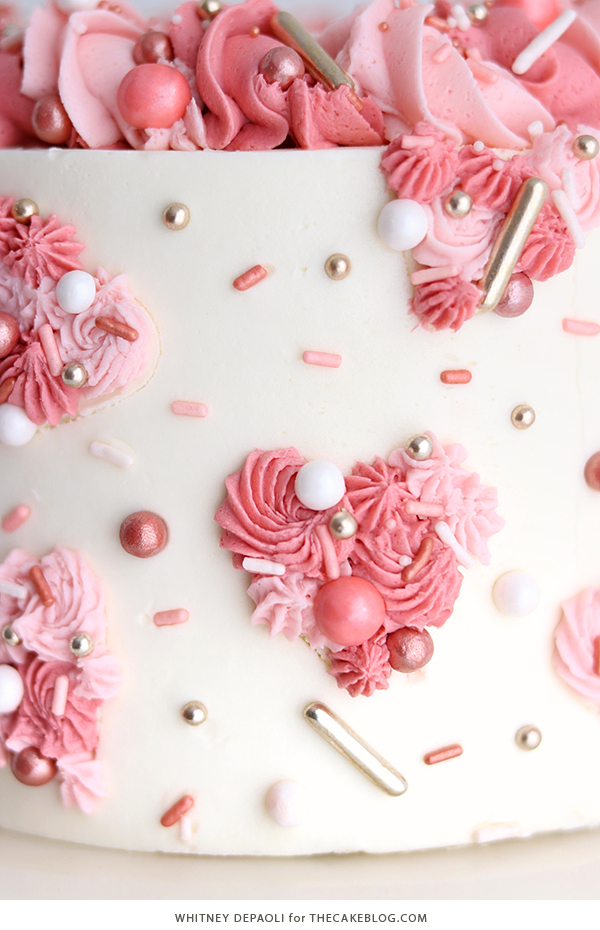
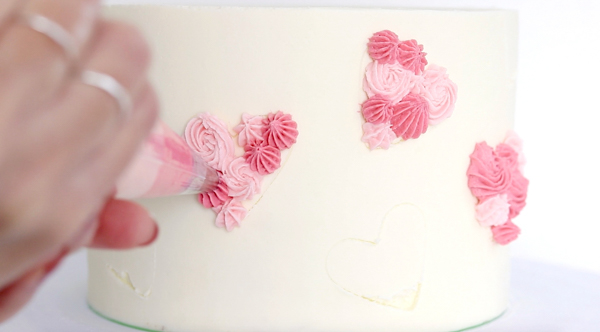
Once the heart imprints are established, the cake is ready for the intricate buttercream piping. Using the prepared piping bags and chosen tips, small rosettes and starbursts are piped directly into each imprinted heart. The goal is to fill the imprint as thoroughly as possible, creating a dense and textural centerpiece within each heart. DePaoli acknowledges that at this stage, the piped shapes may not perfectly resemble hearts on their own. However, she reassures aspiring bakers that the subsequent application of sprinkles will unify the design and enhance the overall heart shape. This additive process, where individual elements are built upon and refined, is a hallmark of intricate cake decorating.
The Art of Sprinkle Embellishment
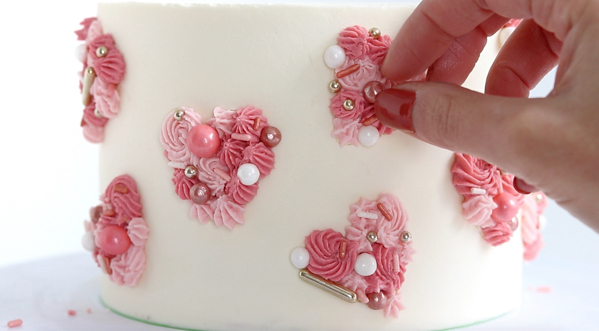
The addition of sprinkles marks a pivotal stage in elevating the Piped Hearts Valentine’s Cake. Sprinkles are carefully placed within each piped heart, filling any remaining gaps and further enhancing the texture and color. DePaoli highlights how the chosen sprinkles amplify the visual impact of the buttercream colors and piping techniques. Beyond filling the hearts, sprinkles are also strategically placed in the spaces surrounding the imprinted motifs, creating a cohesive and visually rich surface. The tutorial offers a practical tip for precise sprinkle placement: lightly pressing a fingertip onto a damp paper towel before touching a sprinkle can help it adhere more readily to the finger, facilitating accurate positioning on the cake. For those who prefer a more delicate touch, tweezers are also recommended as an alternative tool. While this stage can be time-consuming, the resulting visual depth and textural complexity are deemed well worth the effort.
A Note on Edible Decorations
It is important to note a specific detail regarding edible decorations often used in such designs. Gold and silver dragees, while aesthetically appealing, carry a disclaimer. While deemed safe for cake decoration, they have not received approval from the U.S. Food and Drug Administration (FDA) for consumption. Therefore, hosts are advised to inform their guests to avoid consuming these specific decorative elements. This caution underscores the importance of transparency and safety in culinary presentation, ensuring that the enjoyment of the cake is not compromised by potential health concerns.
Crafting the Rosette Rope Border
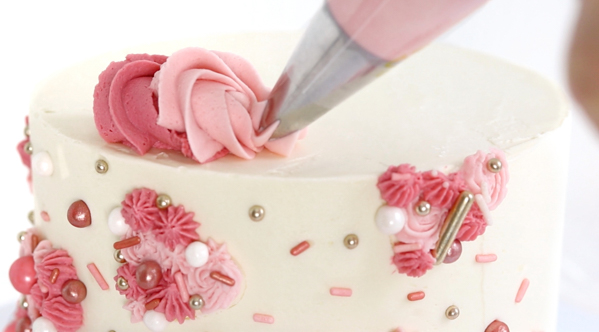
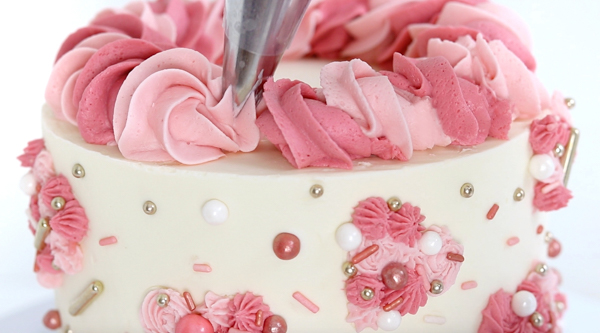
The final flourish in this cake design is the creation of a rosette rope border. This elegant finishing touch frames the cake and unifies the entire composition. Using a piping bag fitted with tip 1M, the baker pipes continuous rosettes around the cake’s perimeter. The tip is positioned approximately an inch inward from the cake’s edge, held at a 45-degree angle towards the baker. The rosettes are piped counter-clockwise, alternating between the different colored buttercreams to create a visually dynamic effect. This methodical application of piped elements adds a professional and polished look to the cake, serving as a beautiful culmination of the decorating process.
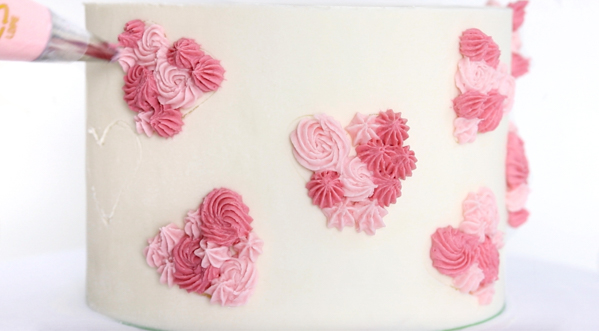
The tutorial further suggests embellishing the rosette rope border with additional sprinkles, seamlessly integrating this final element with the textured hearts. This ensures a harmonious and cohesive aesthetic across the entire cake. The resulting creation is described as a "total stunner for Valentine’s Day," a testament to the design’s visual impact and the skillful execution of the technique.
Broader Implications and Event Context
The popularity of Valentine’s Day cake decorating surges annually, driven by both commercial interests and personal expressions of affection. Retailers often report increased sales of baking supplies, decorative elements, and specialized cake kits in the weeks leading up to February 14th. Social media platforms become a canvas for a vast array of themed creations, inspiring home bakers and professional pâtissiers alike. Whitney DePaoli’s tutorial taps into this cultural phenomenon, offering a method that is both trend-forward and achievable for a broad audience.
The emphasis on personalization and creativity in DePaoli’s approach resonates with a growing consumer desire for unique and handcrafted items. As consumers increasingly seek experiences and personalized products, DIY cake decorating projects like this gain traction. The ability to customize colors, textures, and sprinkle combinations allows individuals to imbue their creations with personal meaning, whether for a romantic partner, family members, or friends, as suggested by the mention of "Galentine" celebrations.
Analysis of the Technique’s Impact
The Piped Hearts Valentine’s Cake technique offers several advantages. Firstly, it provides a visually sophisticated outcome without requiring advanced professional skills. The use of readily available tools like cookie cutters and standard piping tips makes it accessible to home bakers. Secondly, the adaptability of the design in terms of color and theme ensures its relevance beyond Valentine’s Day. Similar techniques could be applied to other holidays, birthdays, or celebrations. The combination of imprinted shapes, detailed piping, and textural sprinkles creates a multi-dimensional appeal that is both modern and charming.
The tutorial’s success also highlights the influence of social media on culinary trends. The explicit mention of inspiration from @frostedfujicakes demonstrates the interconnectedness of the online baking community, where artists share techniques and inspire innovation. This collaborative environment fosters the evolution of cake decorating styles and democratizes access to advanced techniques.
Conclusion
Whitney DePaoli’s Piped Hearts Valentine’s Cake tutorial offers a delightful and achievable method for creating a show-stopping dessert. By blending traditional Valentine’s Day motifs with contemporary piping techniques and a focus on textural detail, the design provides a fresh and engaging way to celebrate the season of love. The emphasis on personalization, coupled with the clear, step-by-step guidance, empowers bakers of all skill levels to create a cake that is not only visually stunning but also a heartfelt expression of creativity. This innovative approach underscores the ongoing evolution of cake decorating, demonstrating how classic themes can be reimagined to meet modern aesthetic sensibilities.


