

The transition into the autumnal season has historically served as a period of harvest and preparation, yet in the modern era, it has increasingly become a focal point for intensive retail marketing and digital consumption. While the natural phenomena of the season—the changing of deciduous foliage, the cooling of the atmosphere, and the maturation of agricultural crops—remain consistent, the cultural experience of autumn is now frequently mediated through screens and commercial transactions. Recent market trends indicate that "seasonal creep" has accelerated, with major retailers introducing autumn-themed products and decorations as early as July, effectively extending the commercial life of the season at the expense of its traditional temporal boundaries.
In response to this hyper-commercialization, a growing movement of environmental advocates and social psychologists is calling for a return to "whimsical" engagement—defined not as a purchasable aesthetic, but as a state of being characterized by spontaneity, imagination, and a disconnect from digital interfaces. This shift toward low-impact, high-engagement activities represents a broader effort to combat "plant blindness," reduce personal carbon footprints, and address the rising levels of digital fatigue among the general population.
The Economic and Cultural Context of Modern Autumn
The financial impact of the autumn season is substantial. According to data from the National Retail Federation, seasonal spending on holidays such as Halloween and the general "fall harvest" theme accounts for billions of dollars in annual revenue. The "Pumpkin Spice" economy alone, which encompasses everything from beverages to household cleaners, was valued at over $500 million in recent years. This commercialization often dictates how individuals experience the season, emphasizing the acquisition of new apparel and disposable decor over experiential engagement.
Cultural analysts observe that the concept of "whimsy"—once associated with the idiosyncratic and the off-beat—has been increasingly commodified. Social media platforms often "repackage" the season into performative aesthetics, encouraging users to document their experiences for digital validation rather than for personal fulfillment. Journalistic analysis suggests that true whimsy, by its nature, is non-performative and difficult to monetize, as it relies on individual imagination and local, community-based interactions.
Enhancing Environmental Literacy Through Nature Engagement
One of the primary strategies for reducing screen dependency during the autumn months involves a re-engagement with local ecosystems. Traditional "leaf peeping" has long been a staple of autumnal tourism, but experts suggest that adding a layer of intentionality can transform a passive activity into a form of "Attention Restoration Therapy."
By engaging in structured nature walks—such as identifying specific patterns, textures, or native flora—individuals can combat "plant blindness," a term used by educators to describe the human tendency to ignore the plant species in one’s own environment. In regions such as the Northeastern United States, the distinction between native species and invasive ones, such as the burning bush (Euonymus alatus), becomes more apparent during the fall. Utilizing library resources or local botanical guides to identify native oaks, maples, and asters allows for a deeper intellectual connection to the land.
Furthermore, the implementation of "fall scavenger hunts" serves as a social tool to foster community engagement. By challenging groups to locate specific natural artifacts, such as acorns or crabapples, participants are encouraged to observe their surroundings with a level of detail that is often lost during high-speed transit or digital browsing.
The Resurgence of Analog Communication and Gratitude
As digital communication becomes increasingly ephemeral, there is a documented resurgence in the practice of "snail mail" and long-form letter writing. Psychologists have long noted the benefits of gratitude practices on mental health; extending these practices to physical correspondence provides a tangible connection between individuals.
Writing gratitude letters serves a dual purpose: it allows the sender to process complex emotions and provides the recipient with a lasting artifact of social bond. To maintain a low-impact or "zero-waste" approach, advocates suggest upcycling materials such as scrap paper or empty envelopes, decorating them with manual tools like colored pencils rather than purchasing new stationery. The inclusion of small, foraged items—such as a pressed leaf or a bird feather—adds a layer of "whimsy" that cannot be replicated in a digital format. This practice aligns with broader trends in "slow living," which prioritize quality and intentionality over speed and convenience.
Community Building Through Fiber Arts and Skill Sharing
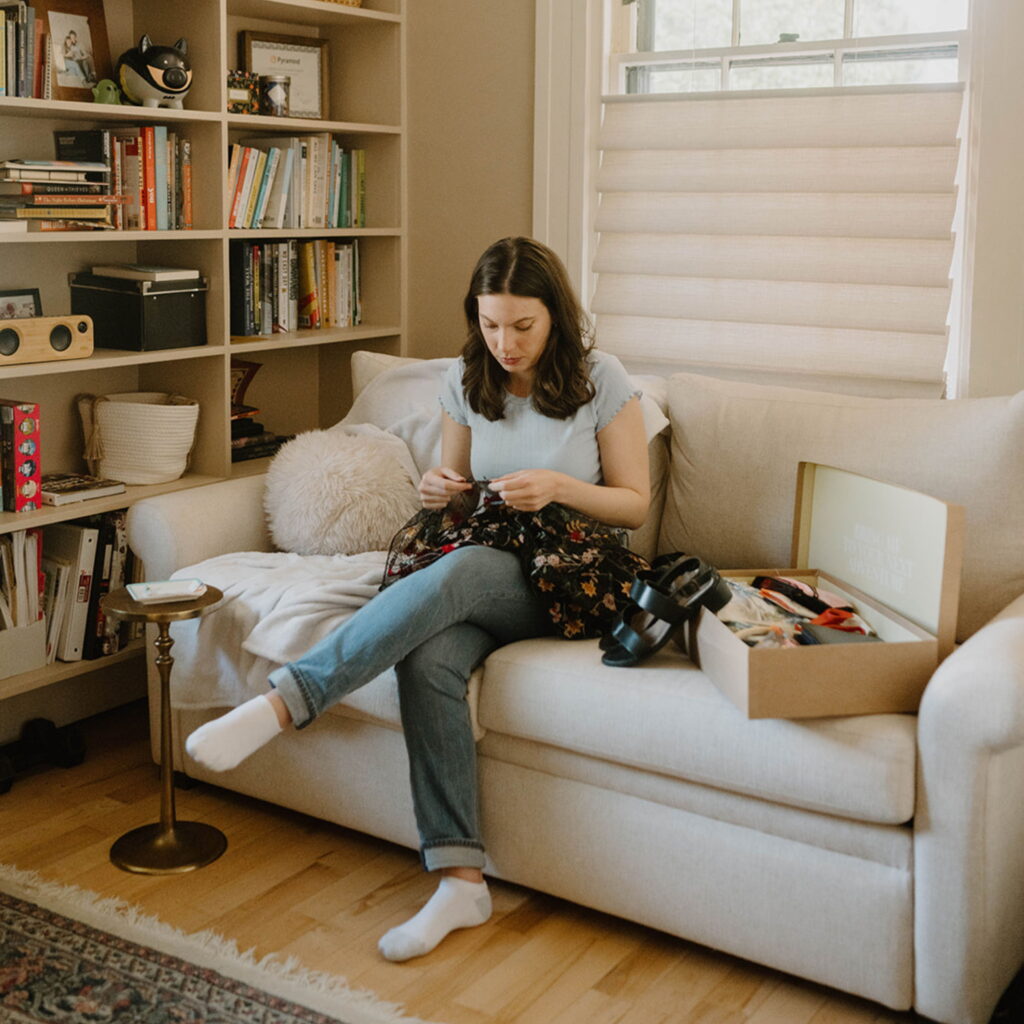
The autumn season is traditionally associated with the production of textiles. Joining or forming knitting circles represents a shift away from "fast fashion" and toward the acquisition of sustainable life skills. The environmental impact of the textile industry is significant, contributing to approximately 10% of global carbon emissions. By learning to knit or crochet, individuals can create durable garments while participating in a "circular economy" of supply exchanges and yarn swaps.
These circles also serve as vital "third places"—social environments separate from the home and the workplace. In an era described by sociologists as a "loneliness epidemic," the act of gathering in public spaces like parks or libraries to share skills provides necessary social cohesion. Furthermore, intergenerational skill sharing, such as learning embroidery or sewing from older family members, preserves cultural heritage and reduces the need for industrially manufactured goods.

The Domestic Cafe: Reducing Waste Through Culinary Arts
The "cafe culture" of autumn is a major driver of seasonal spending, yet it often involves significant amounts of single-use plastic and paper waste. Hosting a "fall-themed cafe" at home offers a controlled environment for culinary experimentation and community building. By utilizing bulk-purchased ingredients or produce from local farmers’ markets, individuals can recreate seasonal staples such as apple galettes, pumpkin muffins, and spiced lattes with a fraction of the environmental cost.
This approach also addresses the issue of food waste. According to the USDA, roughly 30-40% of the food supply in the United States is wasted. Home-based cafes allow for the redistribution of leftovers within the community, such as sharing fresh baked goods with neighbors. This practice not only reduces waste but also facilitates local networking and strengthens neighborhood ties.
Sustainable Crafting and the Thrift Economy
The demand for seasonal home decor often leads to the purchase of inexpensive, plastic-based items that eventually end up in landfills. An alternative approach involves "craft nights" centered on foraged or thrifted materials. The thrift economy has seen a significant rise in popularity, with the secondhand market expected to reach $77 billion by 2025. Thrift stores provide a wealth of affordable art supplies, fabrics, and vintage decorations that can be repurposed.
Crafting activities, such as creating leaf garlands or decorating pumpkins with compostable, homemade glues, emphasize the process over the final product. Experts in "creative play" suggest that being "bad" at a new hobby is an essential part of the whimsical experience, as it removes the pressure of perfectionism often found in social media portrayals of autumn.
Spontaneous Adventure and the Benefits of Slow Travel
The final pillar of a whimsical autumn involves spontaneous, unplanned exploration. While traditional tourism often involves high-carbon activities like long-distance driving or flights, "slow travel"—walking, biking, or taking local transit—allows for a more intimate engagement with one’s immediate geography.
Spontaneous day trips to local apple orchards, corn mazes, or independent bookstores support the local economy and provide a sense of novelty without the need for extensive digital planning. Research into "micro-adventures" suggests that short, local, and inexpensive trips can provide the same psychological benefits as major vacations, including reduced stress and increased life satisfaction.
Broader Implications and Conclusion
The movement toward whimsical, screen-free fall activities is more than a lifestyle trend; it is a pragmatic response to the converging challenges of environmental degradation, digital burnout, and social isolation. By shifting the focus of the season from consumption to creation and from digital observation to physical participation, individuals can reclaim the "magic" of autumn in a way that is both sustainable and personally enriching.
The data suggests that while the commercial "fall" starts in July, the true season begins when individuals step away from their screens and into their communities. Whether through the identification of a native oak leaf, the knitting of a ruby-red scarf, or the writing of a heartfelt letter, the transition to a more intentional autumn offers a blueprint for a more balanced and connected way of life. As the climate continues to change and digital interfaces become more pervasive, these "whimsical" interventions provide a necessary anchor in the physical world.


