
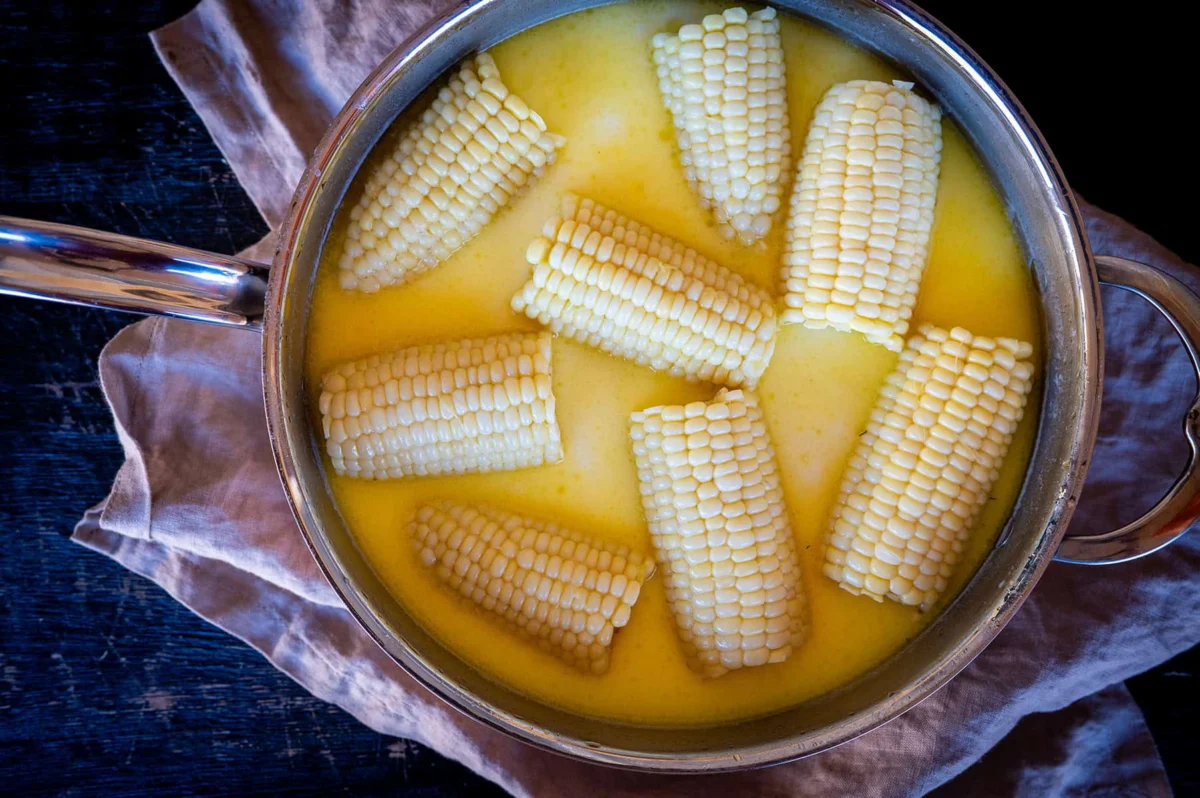
For many, the summer ritual of enjoying corn on the cob involves a straightforward boil in salted water. However, culinary experts and seasoned home cooks alike are increasingly advocating for a more refined approach: poaching corn in a luscious bath of milk, butter, and sugar. This method, while taking a comparable amount of time to traditional boiling, promises a dramatically richer, sweeter, and more tender corn experience, transforming a humble side dish into a gourmet delight.
The fundamental difference lies in the cooking technique. Boiling corn subjects it to vigorous, high-temperature agitation. In contrast, poaching maintains a gentle simmer, a controlled heat that allows the corn kernels to slowly absorb the nuanced flavors of the poaching liquid without the risk of the milk scorching or breaking. This delicate process ensures that each kernel is imbued with a buttery sweetness, a stark contrast to corn that merely tastes of the water it was boiled in. This distinction is crucial for achieving the full flavor potential of this beloved summer staple.
The Evolution of Corn Preparation
The humble corn on the cob has a long and varied culinary history, with its cultivation dating back thousands of years in the Americas. Its journey from a staple food for indigenous peoples to a ubiquitous presence at modern-day barbecues and family gatherings reflects its adaptability and enduring appeal. While grilling and boiling have long been the dominant preparation methods, a deeper exploration into flavor enhancement has led to techniques like poaching, which leverage specific liquid mediums to coax out the corn’s inherent sweetness and create a more luxurious texture.
This shift towards more sophisticated preparation methods is part of a broader trend in home cooking, where consumers are seeking to elevate everyday dishes through techniques previously reserved for professional kitchens. The emphasis is on maximizing flavor and texture, transforming familiar ingredients into memorable culinary experiences.
Unveiling the Poaching Method: A Symphony of Flavors
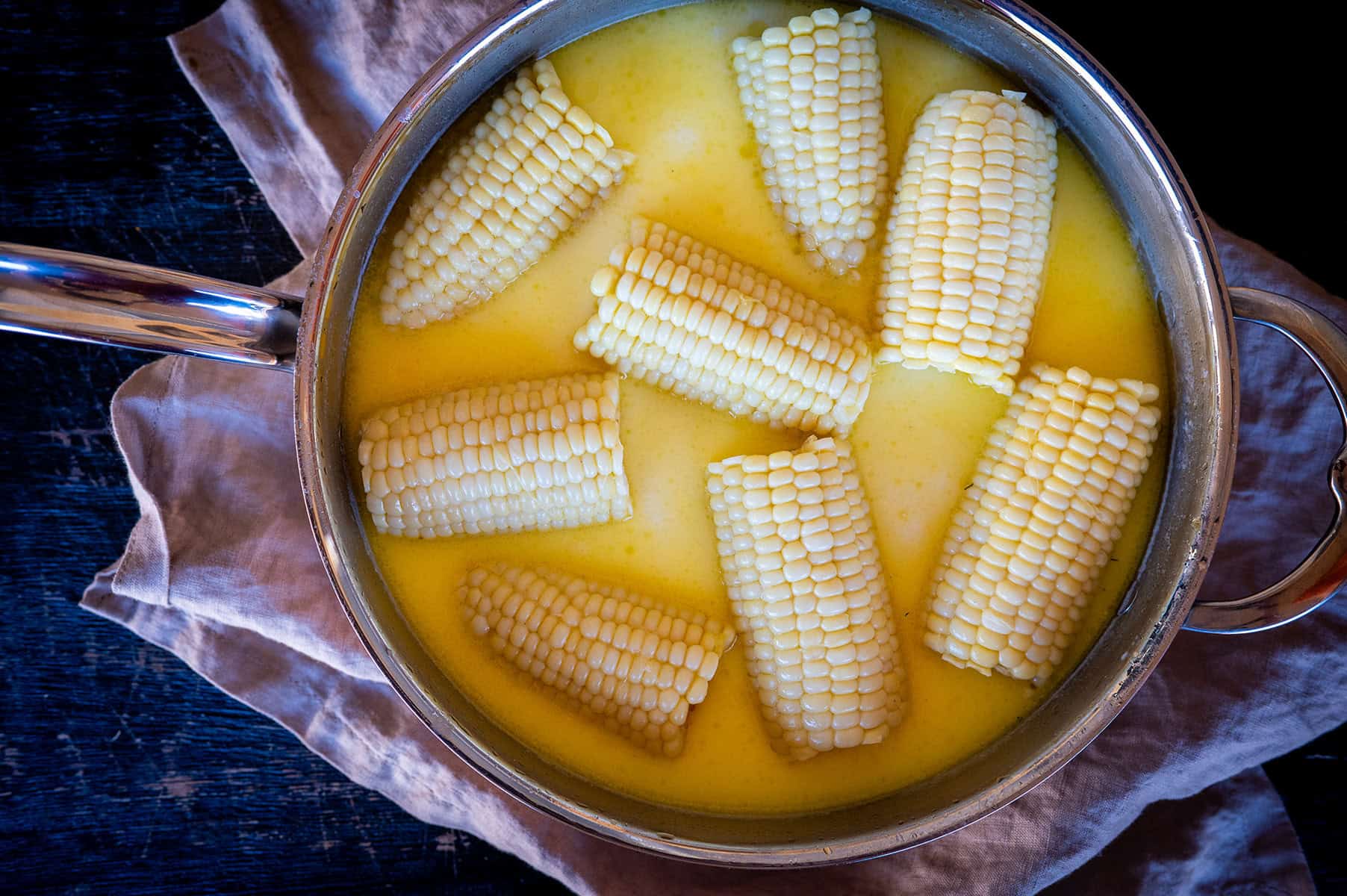
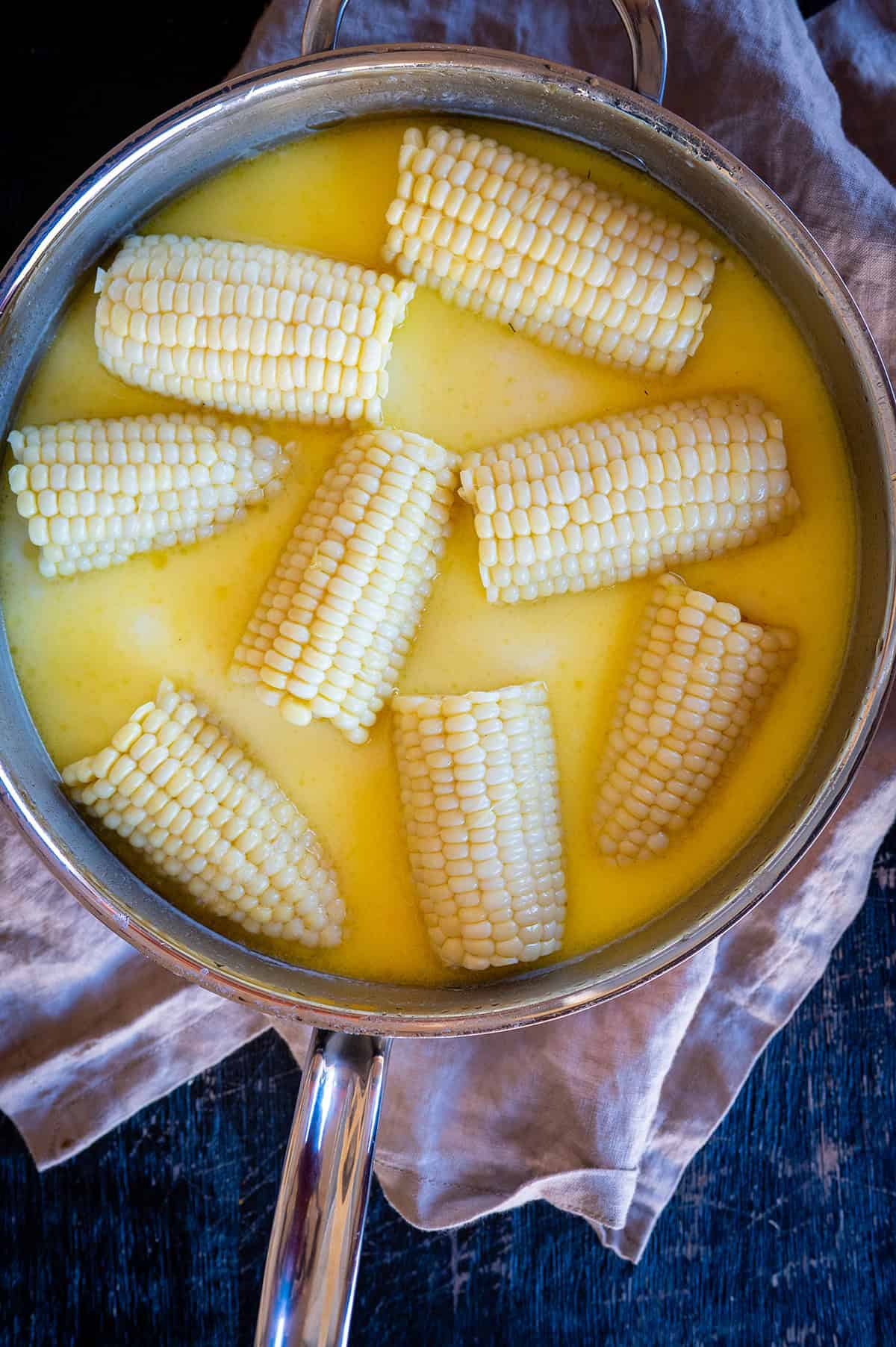
Poaching corn in milk is not merely a variation on boiling; it is a deliberate culinary choice that leverages the properties of dairy and sugar to enhance the corn’s natural sweetness. The process involves simmering fresh corn on the cob in a mixture that typically includes whole milk, unsalted butter, a touch of sugar, and a pinch of salt.
The milk acts as a carrier for the flavors, coating each kernel as it cooks. The butter adds a rich, velvety mouthfeel, while the sugar amplifies the corn’s inherent sweetness, creating a delightful caramelization that is absent in water-boiled corn. The gentle simmer, a hallmark of poaching, prevents the milk from overheating, which could lead to curdling or a burnt taste. This controlled environment allows the corn to become exceptionally tender, with a succulent texture that practically melts in your mouth.
The Science Behind the Sweetness
Corn’s natural sweetness comes from its sugars, primarily sucrose, glucose, and fructose. When corn is harvested, these sugars begin to convert to starch, which is why fresh corn is at its peak flavor immediately after picking. The poaching process, by gently heating the corn in a liquid enriched with additional sugar and fat, not only preserves the existing sugars but also helps to caramelize them slightly, intensifying the overall sweetness. The milk’s fat content also plays a role, creating a smoother, richer mouthfeel and carrying fat-soluble flavor compounds, further enhancing the sensory experience.

A Culinary Journey: Personal Anecdotes and Expert Endorsements
The appeal of this milk-poaching method is often rooted in personal culinary journeys and the sharing of family traditions. For many, like competitive pitmaster Christie Vanover of Girls Can Grill, corn on the cob has been a constant throughout a life spent around barbecues and culinary experimentation. Having grown up in a military family that moved frequently, corn on the cob was a reliable fixture at summer cookouts, a taste of continuity across different locales.
Vanover’s extensive experience, honed over years of developing recipes for competition barbecue, has led her to appreciate the subtle nuances of different cooking techniques. While she acknowledges the merits of grilled and boiled corn, she consistently returns to poaching in milk as the method that truly unlocks the corn’s inherent sweetness. This personal endorsement, backed by years of professional culinary practice, lends significant weight to the technique.
Deconstructing the Process: Step-by-Step to Perfection
The preparation of milk-poached corn is surprisingly straightforward, requiring minimal specialized equipment. A large, high-walled skillet or sauté pan is ideal for containing the poaching liquid and ensuring even cooking.
Step 1: Preparing the Poaching Liquid
The process begins by combining the poaching liquid ingredients in the chosen pan. This typically includes milk, water (to temper the richness and prevent the milk from becoming too heavy), unsalted butter, sugar, and salt. The mixture is gently heated over medium-low heat, stirring occasionally until the butter is fully melted and the sugar has dissolved completely. Maintaining this moderate heat is critical; allowing the liquid to reach a rolling boil can lead to the milk scorching or curdling, negating the benefits of the poaching method.
Step 2: The Gentle Poach
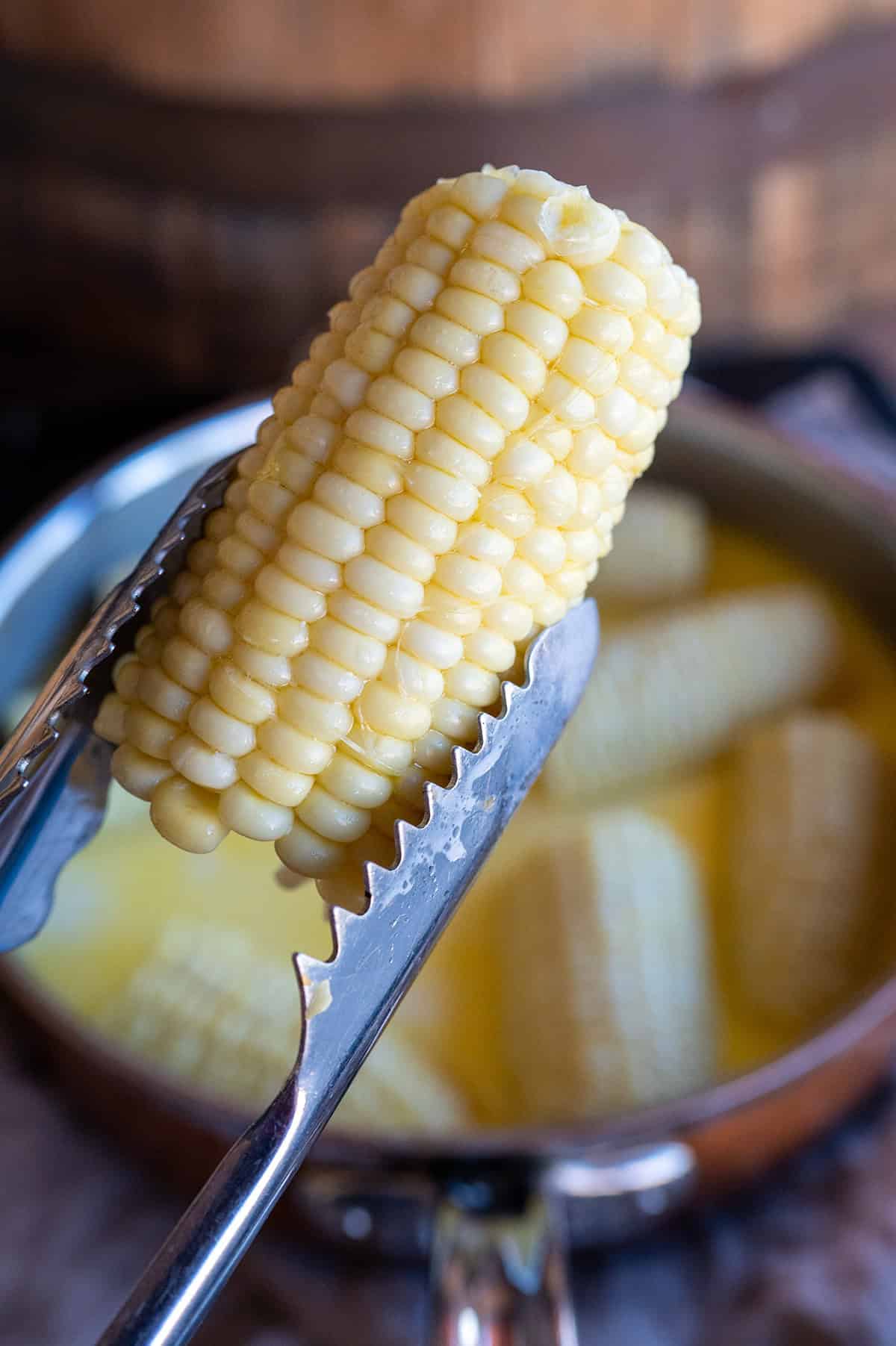
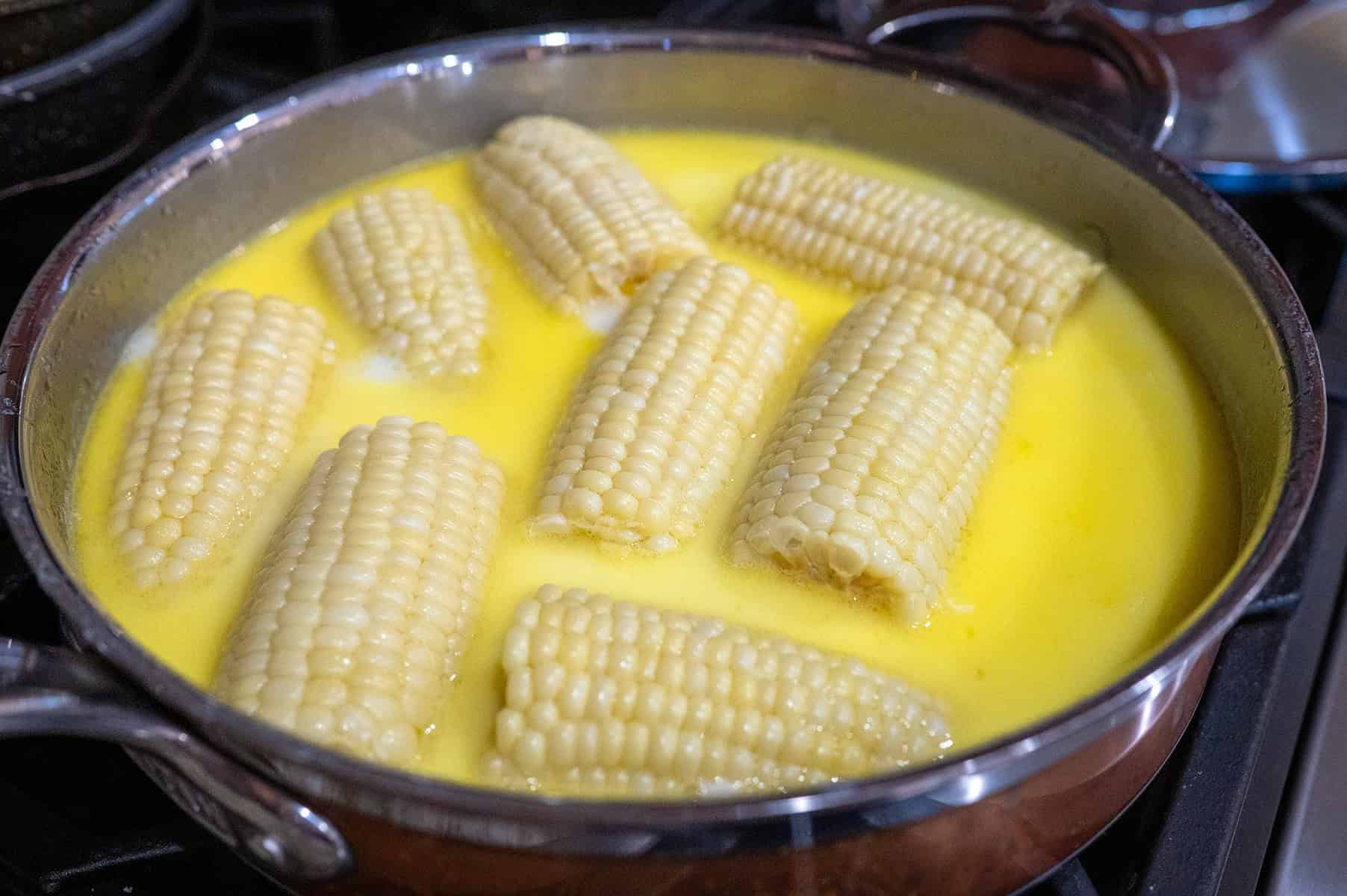
Once the poaching liquid is prepared, the corn on the cob is added. It’s important to note that the liquid will not fully cover the corn, which is perfectly normal for this method. The heat is then reduced to low, and the pan is covered. The corn is left to poach for approximately 20 to 30 minutes. During this time, it is advisable to turn the corn occasionally. This ensures that all sides of the kernels are exposed to the flavorful poaching liquid, leading to uniform cooking and flavor absorption.
The key to a successful poach lies in patience and temperature control. The goal is a gentle, undulating simmer, not a vigorous boil. This allows the corn to soften gradually and absorb the complex flavors without becoming tough or waterlogged.
Ingredient Variations and Substitutions
While the core recipe remains consistent, there are opportunities for subtle variations to cater to individual preferences. For an even richer corn experience, whole milk can be substituted with half-and-half, which contains a higher fat content. Conversely, for those who prefer a less sweet profile, the amount of sugar can be reduced to one tablespoon. If using frozen corn, it is imperative to ensure it is fully thawed before introducing it to the poaching liquid to guarantee even cooking.
Serving and Enjoyment: Beyond the Basic
The culmination of the poaching process is corn that is exceptionally tender and bursting with flavor. It is best served warm, immediately after being removed from the poaching liquid. A light sprinkle of flaky sea salt can further enhance the sweetness.
Milk-poached corn serves as an exquisite accompaniment to a wide range of dishes, particularly grilled or smoked meats, where its sweetness provides a delightful counterpoint to savory flavors. For those seeking to integrate a smoky element, the poached corn can be brushed with a bit of the poaching liquid and then quickly charred on a hot grill for a few minutes per side. This adds a subtle smoky aroma and a touch of char that complements the corn’s inherent sweetness.
Storage and Reheating
Leftover milk-poached corn can be stored in an airtight container in the refrigerator for up to four days. It is recommended to discard the poaching liquid rather than storing the corn in it, as this can affect the texture and flavor over time. To reheat, the corn can be gently warmed in a skillet with a small amount of butter or quickly microwaved until heated through.
Frequently Asked Questions and Expert Insights
The milk-poaching method for corn on the cob has generated several common inquiries, highlighting its innovative nature compared to traditional boiling.
-
Why poach corn instead of boiling it? Poaching offers a gentler cooking environment, allowing the corn to absorb the rich flavors of milk, butter, and sugar more effectively, resulting in a sweeter and more tender kernel. Boiling, with its vigorous agitation, can lead to a less nuanced flavor profile.
-
Can frozen corn be used? Yes, frozen corn on the cob can be used, provided it is completely thawed before being added to the poaching liquid. This ensures even cooking and prevents the corn from becoming tough.
-
Why milk instead of water for boiling? While boiling corn in water is common, boiling milk itself can lead to curdling or scorching. Poaching in milk, at a lower, controlled temperature, allows the dairy to infuse the corn with its richness without these undesirable outcomes.
-
Can this dish be prepared in advance? While milk-poached corn is best enjoyed fresh, it can be prepared ahead of time. The corn can be poached and then reheated before serving, either in the microwave or on the grill.
-
How do you make corn on the cob "boiled" in milk? It’s important to clarify that the technique is poaching, not boiling, when using milk. Boiling milk can lead to curdling. Poaching involves simmering the corn in the milk mixture at a low heat to achieve the desired tender and sweet results without the risk of the milk breaking.

Broader Implications and Culinary Trends
The increasing popularity of techniques like milk-poaching for corn on the cob reflects a broader shift in culinary practices. Consumers are more engaged with the "how" and "why" of cooking, seeking to understand how different methods influence flavor and texture. This elevates familiar ingredients beyond their basic form, encouraging experimentation and a deeper appreciation for the nuances of food preparation. As home cooks become more adventurous, recipes that offer a significant flavor upgrade with manageable effort are likely to gain further traction. The milk-poaching method stands as a testament to how a simple adjustment in technique can yield remarkable results, turning a summertime staple into an extraordinary culinary experience.


