
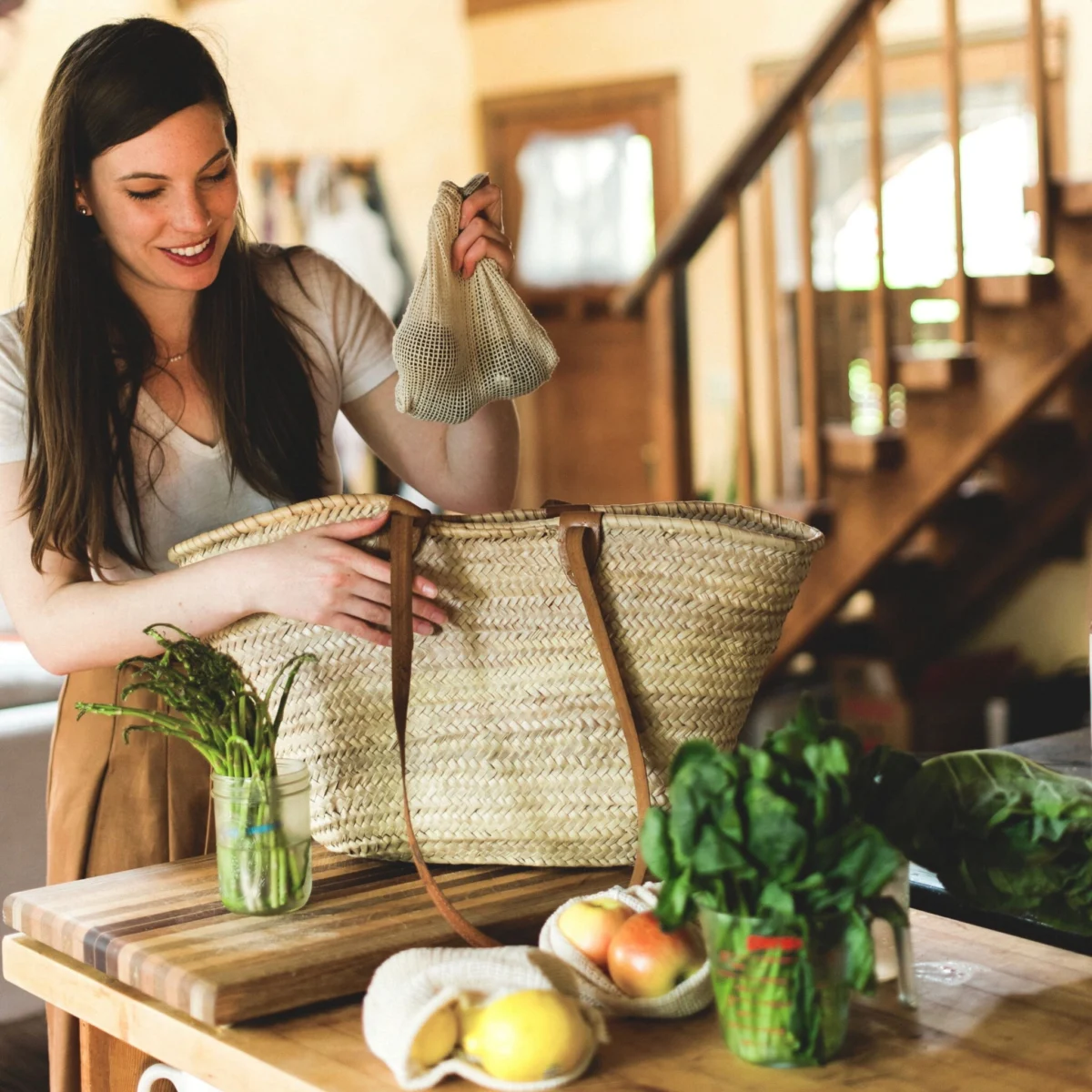
The United States Department of Agriculture (USDA) has released updated projections indicating that the average American couple currently allocates approximately $800 per month toward grocery expenses, a figure that translates to a weekly expenditure of $200. This baseline is expected to shift upward as the macroeconomic environment faces continued pressure from supply chain volatility and fluctuating labor costs. According to the USDA’s Food Price Outlook, all food prices are predicted to increase by an additional 3.6 percent in 2026, forcing households to reevaluate traditional shopping habits in favor of more disciplined fiscal strategies and sustainable consumption models. As inflationary pressures persist, a growing movement of consumers is adopting "plant-forward" and "low-waste" lifestyles, not merely for environmental reasons, but as a sophisticated method of cost containment. Data suggests that by prioritizing nutrient-dense, unprocessed staples and reducing reliance on value-added convenience items, households can potentially reduce their monthly food expenditures by more than 50 percent, in some cases reaching a budget of $300 per month for a two-person household.
The Economic Context of Rising Food Costs
The anticipated 3.6 percent price hike in 2026 follows a period of significant disruption in the global food supply chain. Since 2020, the Consumer Price Index (CPI) for food has been impacted by a confluence of factors, including high energy prices, avian influenza outbreaks affecting poultry and egg markets, and extreme weather events that have diminished crop yields in key agricultural regions. Economists note that while general inflation may show signs of cooling, food-at-home (grocery) prices often remain "sticky" due to the complex logistics of cold-chain transportation and the rising cost of packaging materials.
The USDA’s 2026 forecast highlights a shift in consumer reality. For the past decade, food price increases typically averaged between 2 and 3 percent annually. A jump to 3.6 percent represents a notable deviation from the historical mean, signaling that the era of "cheap food" may be concluding. This shift has prompted financial advisors and domestic scientists to advocate for a return to "pantry-centric" meal planning, which emphasizes the purchase of raw ingredients over pre-packaged, processed goods.
Chronology of Consumer Behavior Shifts (2020–2026)
The evolution of grocery shopping behavior over the last several years provides a roadmap for how consumers are likely to respond to the 2026 price increases.
- 2020–2022: The Crisis Phase. Consumers faced immediate shortages and rapid price spikes. The primary focus was on availability rather than cost, leading to "panic buying" and a reliance on delivery services that added significant premiums to the final bill.
- 2023–2024: The Adjustment Phase. As supply chains stabilized, prices did not return to pre-pandemic levels. Consumers began "down-trading" from premium brands to private labels (store brands) and increased their frequency of shopping at discount retailers like Aldi, Lidl, and Costco.
- 2025–2026: The Strategic Phase. Facing the projected 3.6 percent increase, the current trend involves a more calculated approach to domestic economy. This includes the "Zero-Waste" movement, which focuses on maximizing the utility of every purchased item, and a resurgence in home-processing—such as baking bread and preserving seasonal produce.
Fiscal Discipline Through Physical Limits and Categorical Budgeting
Financial experts argue that the digitization of currency has contributed to "budget creep," where consumers overspend due to the lack of tactile feedback during transactions. To combat this, many successful budgeters are returning to cash-based systems for groceries. By setting a physical limit—such as $100 per week for a family of two—shoppers are forced to make real-time trade-offs in the aisles.
A strategic grocery budget for 2026 typically breaks down into specific categories to ensure nutritional balance while maintaining a strict ceiling. For a $100 weekly target, a professional allocation might look as follows:
- Produce (Seasonal and Frozen): $30. This ensures a high intake of micronutrients while prioritizing items that are currently in peak harvest or frozen at the source to reduce costs.
- Bulk Grains and Legumes: $20. Items such as rice, quinoa, and dry beans provide the caloric foundation of the diet at a fraction of the cost of animal proteins.
- Dairy and Alternative Proteins: $20.
- Specialty Items and Spices: $15.
- Pantry Staples and Baking Supplies: $15.
By counting remaining funds after each transaction and rolling over surpluses into subsequent weeks, households can build a "buffer" for bulk purchases or seasonal splurges, such as high-quality produce during the summer months.
The Role of Sourcing and Value-Added Processing
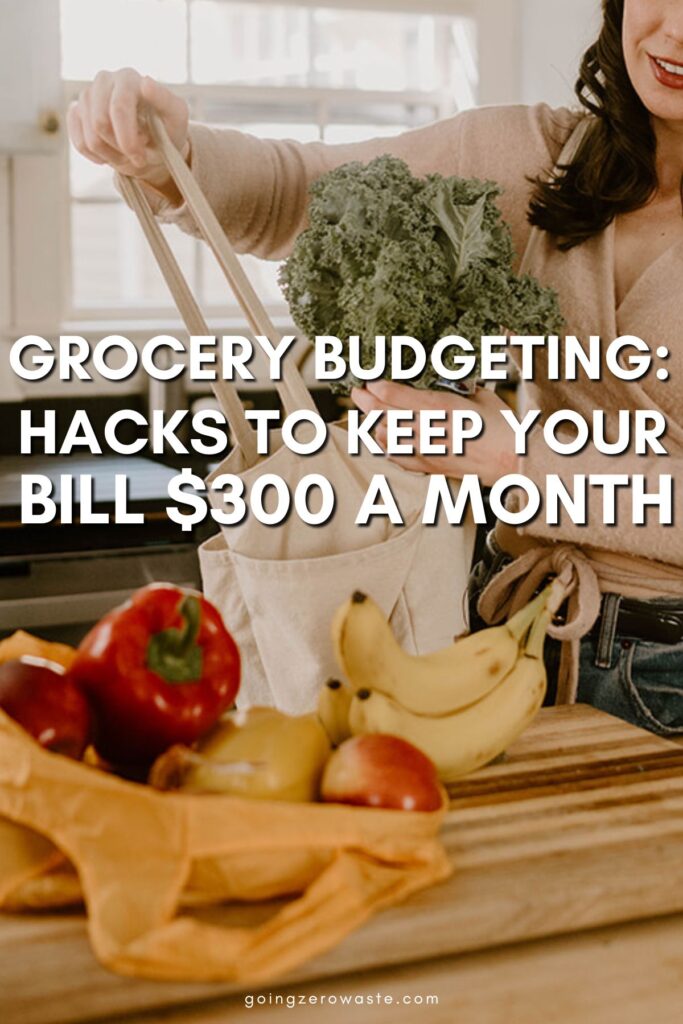
The location and method of sourcing play a critical role in the final cost of food. Wholesale clubs like Costco allow for the purchase of shelf-stable staples—such as flour, sugar, and oils—at a significantly lower unit price. However, industry analysts point out that the most substantial savings are found in avoiding "convenience premiums."
"Value-added processing" refers to the work performed by the manufacturer or retailer before the product reaches the shelf. This includes pre-shredding cheese, deboning poultry, or pre-chopping vegetables. Consumers effectively pay a labor tax for these services. For example, buying bone-in, skin-on chicken thighs is consistently more economical than purchasing boneless, skinless breasts, as the consumer is not paying for the labor of trimming. Similarly, a block of cheese typically costs 30 to 40 percent less per ounce than its shredded counterpart, which often contains anti-caking agents that can affect cooking quality.
Furthermore, the shift from canned to dry legumes represents one of the most effective "hacks" in domestic economy. A single pound of dry beans, when rehydrated, yields roughly three times the volume of a standard 15-ounce can, often at half the price. The use of modern appliances like pressure cookers or slow cookers has mitigated the time constraint traditionally associated with dry beans, allowing consumers to prepare large batches with minimal active labor.
The DIY Movement: Reclaiming the Kitchen as a Production Site
As the cost of commercially produced baked goods and condiments rises, more households are treating the kitchen as a site of production rather than merely assembly. The economics of homemade bread are particularly compelling. A standard loaf of artisanal sourdough can retail for $7.00 to $9.00 in urban markets. In contrast, the raw ingredients—flour, water, salt, and yeast—cost less than $1.00 per loaf. For a household consuming two loaves a week, the annual savings can exceed $600.
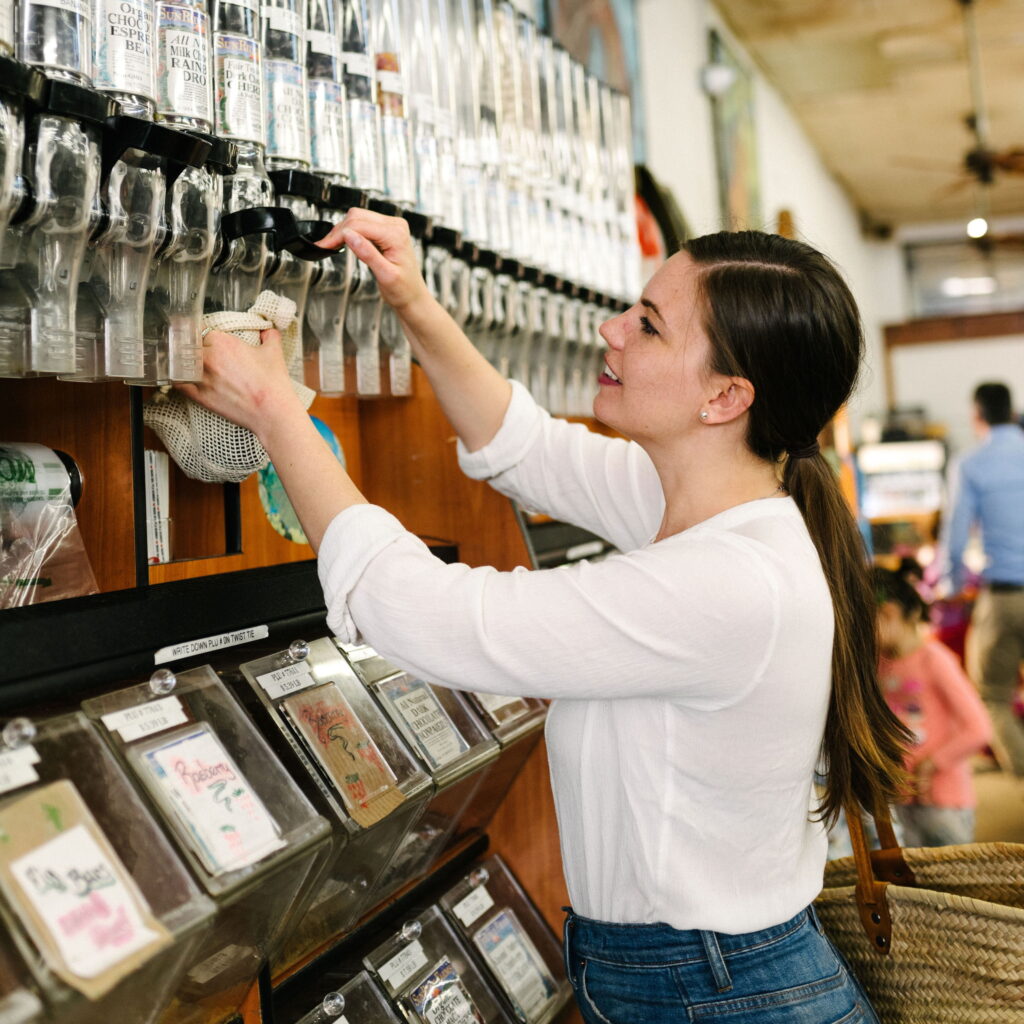
The rise of "Buy Nothing" groups and community secondary markets has made the entry into home-processing more accessible. High-quality appliances, such as bread makers, food processors, and dehydrators, are frequently exchanged for free or at a low cost, allowing consumers to bypass the initial capital investment. Beyond bread, households are increasingly producing their own vegetable stocks from scraps, making vinegar from fruit peels, and blending granulated sugar to create powdered sugar. These micro-savings, while seemingly small, aggregate into a significant reduction in the total monthly grocery bill.
Leveraging Technology and Surplus Markets
The 2026 retail landscape is expected to see a greater integration of technology in price discovery. Mobile applications for major grocery chains now offer "digital-only" coupons and loyalty rewards that are essential for hitting aggressive budget targets. Additionally, platforms like "Too Good To Go" are expanding their footprint. These services allow consumers to purchase surplus food from restaurants and grocers at a 50 to 70 percent discount, effectively rescuing food that would otherwise be discarded due to "imperfect" aesthetics or approaching sell-by dates.
"Imperfect" produce services have also gained traction. By selling fruits and vegetables that do not meet strict cosmetic standards for size or shape, these providers offer a lower price point for consumers who prioritize nutritional value over visual perfection. While these items may occasionally come with more packaging than bulk-bin shopping, proponents argue that the prevention of food waste at the farm level offers a net environmental and economic benefit.
Analysis of Implications and Long-Term Impact
The move toward $300 monthly grocery budgets for couples represents more than just a reaction to inflation; it signifies a fundamental shift in the American relationship with food. The transition from a "consumer" mindset to a "steward" mindset involves a deeper understanding of seasonality and supply chain mechanics.
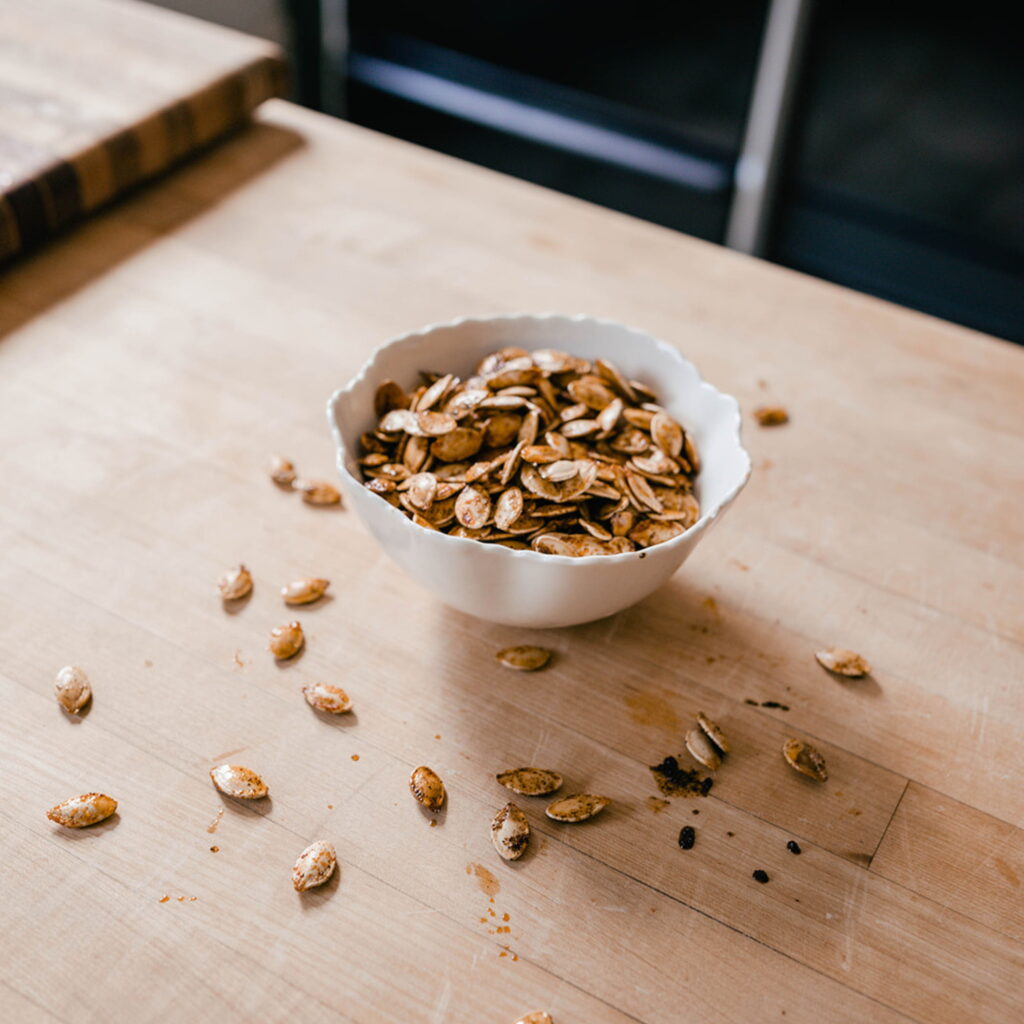
From an industry perspective, this trend may force retailers to reconsider their inventory strategies. If a significant portion of the population shifts toward bulk staples and raw ingredients, the demand for highly processed, high-margin "center-aisle" items may decline. This could lead to a restructuring of grocery store layouts, with more space allocated to bulk bins and fresh produce.
Furthermore, the health implications of a "plant-forward," low-processing diet are significant. By prioritizing beans, grains, and seasonal produce, consumers inadvertently align their eating habits with the "Blue Zones" model—regions of the world where populations exhibit the highest longevity. Thus, the economic necessity of 2026 may produce a secondary benefit of improved public health outcomes, reducing the long-term societal costs associated with diet-related chronic diseases.
In conclusion, while the USDA’s forecast of a 3.6 percent increase in food prices poses a challenge to household stability, it also provides an impetus for more efficient domestic management. Through a combination of rigorous budgeting, strategic sourcing, and a return to home-based food production, it remains possible to maintain a high-quality, nutrient-dense diet while significantly undercutting the national average for grocery expenditures. The successful shopper of 2026 will not be the one who finds the most coupons, but the one who most effectively reduces the distance between the raw ingredient and the final meal.


