
The practice of food dehydration has seen a significant resurgence as households increasingly prioritize food security, waste reduction, and the consumption of nutrient-dense, shelf-stable snacks. Among the various fruits suitable for this preservation method, the cantaloupe (Cucumis melo var. cantalupensis) stands out as a high-value candidate due to its high sugar content and dense nutritional profile. Dehydrating cantaloupe, often referred to as "cantaloupe jerky" or "melon candy," transforms a highly perishable seasonal fruit into a concentrated source of vitamins and minerals that can be stored for up to a year. This report examines the technical requirements, nutritional implications, and systematic procedures for successfully dehydrating cantaloupe at a professional or domestic scale.
The Economic and Environmental Context of Fruit Preservation
Food waste remains a critical global issue, with significant percentages of fresh produce discarded due to over-ripening or seasonal surpluses. Cantaloupe, characterized by a high water content of approximately 90%, is particularly susceptible to rapid microbial degradation once harvested. By employing dehydration, consumers can extend the utility of the fruit well beyond its typical shelf life of 5 to 7 days.
From an economic perspective, purchasing cantaloupe during peak harvest seasons—when prices are lowest—and preserving it for winter consumption offers a strategic advantage for household budgeting. Furthermore, the dehydration process concentrates the natural fructose and glucose within the fruit, often improving the palatability of "sub-prime" melons that may lack sufficient sweetness in their fresh state. This allows for the total utilization of the crop, aligning with modern sustainability goals.
Technical Specifications and Procedural Chronology
Achieving a shelf-stable dehydrated product requires strict adherence to temperature controls and preparation standards. The primary objective of dehydration is to reduce the moisture content to a level where mold, yeast, and bacteria can no longer thrive, typically below 10% to 15% moisture for leathery fruits.
Phase I: Preparation and Sanitization
Before the dehydration process begins, the external rind of the cantaloupe must be thoroughly cleaned. Agricultural experts note that the netted surface of a cantaloupe can harbor pathogens such as Salmonella or Listeria. A firm scrub under running water or a specialized fruit wash is recommended before slicing.
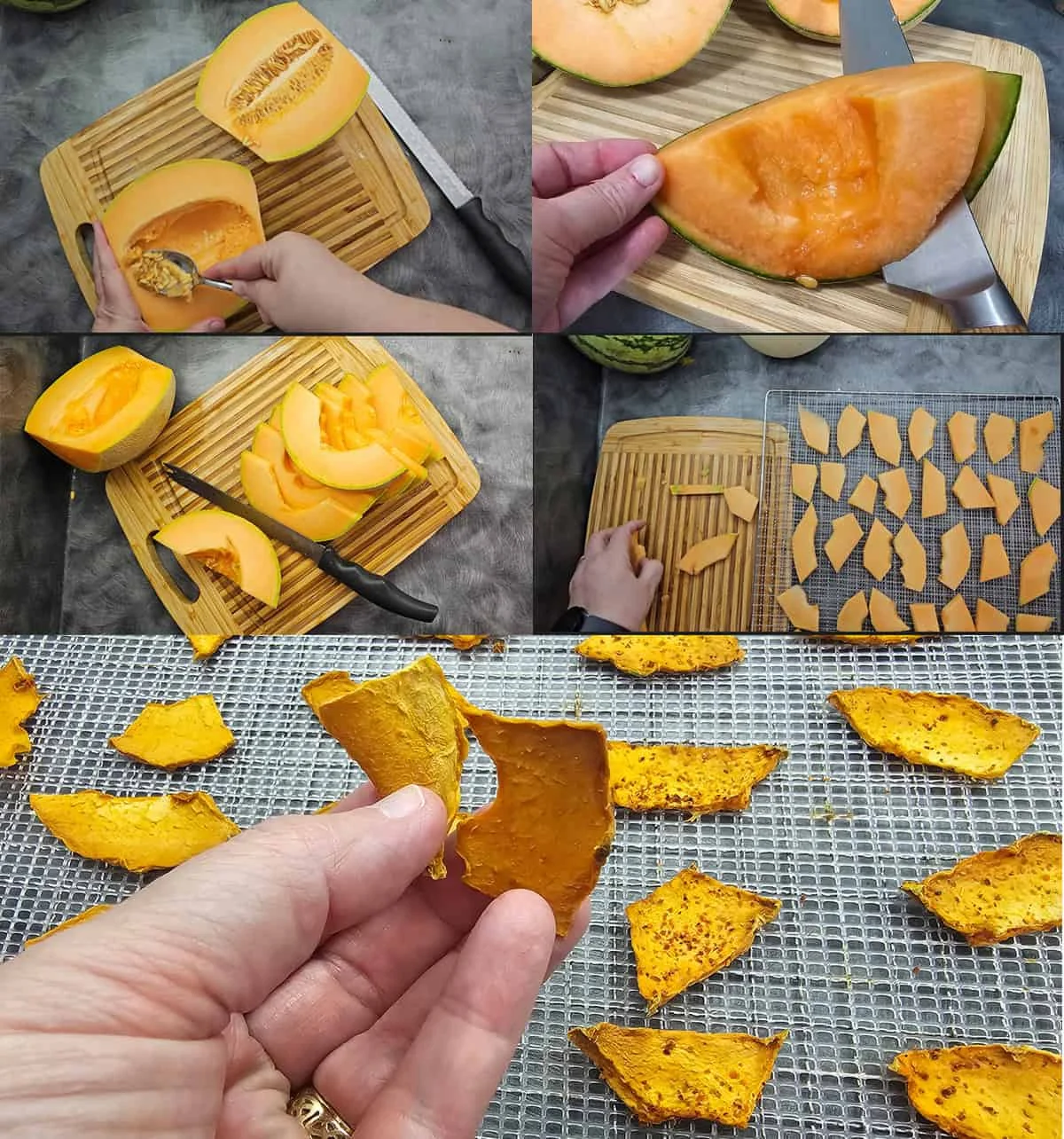
Once cleaned, the fruit is halved, and the central seed cavity is excavated. The rind is removed, and the flesh is sliced into uniform pieces. Professional standards suggest a thickness of 1/4 inch (approximately 6 millimeters). Uniformity is critical; inconsistent slicing leads to uneven drying, where some pieces remain dangerously moist while others become overly brittle.
Phase II: The Dehydration Cycle
The prepared slices are arranged on dehydrator trays in a single layer, ensuring adequate space between pieces for horizontal or vertical airflow. The optimal temperature for fruit dehydration is 135°F (57°C). This temperature is high enough to facilitate rapid evaporation but low enough to prevent "case hardening"—a condition where the outside of the fruit dries too quickly, trapping moisture inside and leading to internal spoilage.
The duration of the cycle typically ranges from 10 to 14 hours. Factors influencing this timeline include:
- Ambient Humidity: Higher household humidity levels will extend the drying time.
- Sugar Content: Melons with higher Brix levels (sugar content) may take longer to reach the desired texture.
- Dehydrator Efficiency: Machines with rear-mounted fans (horizontal airflow) generally provide more consistent results than bottom-mounted models.
Phase III: Testing for Doneness
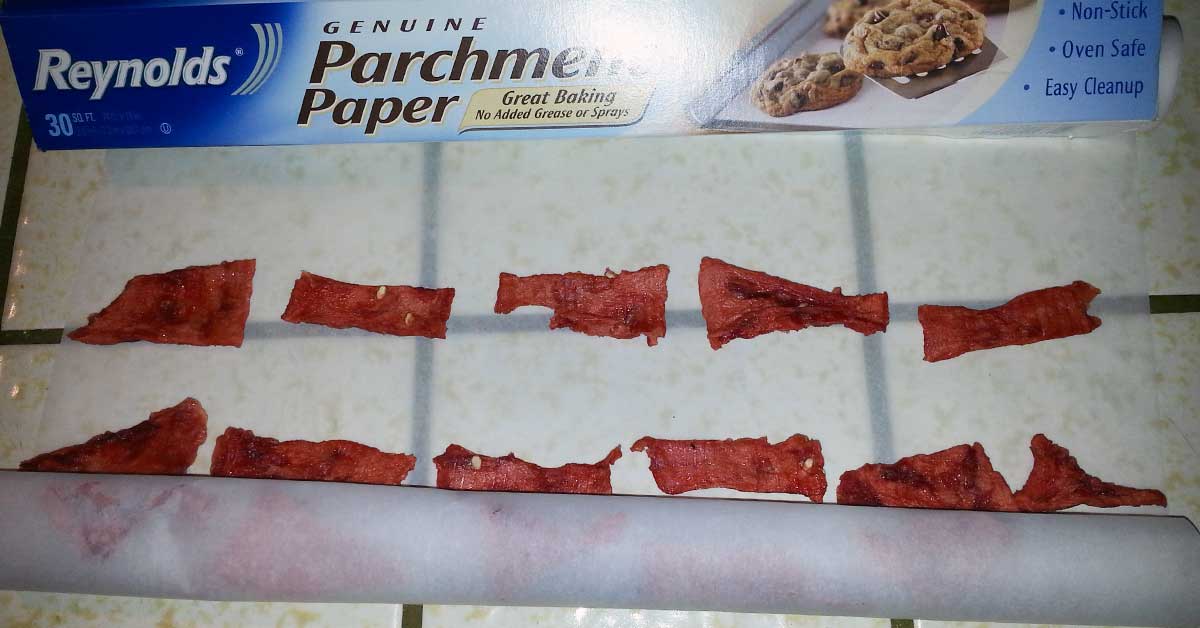
A "leathery" or "pliable" texture is the target for cantaloupe. When cooled, a piece should not feel sticky to the touch, and when bent, it should not exude any visible moisture. If the fruit feels tacky or soft, additional time in the dehydrator is required.
Equipment Requirements and Infrastructure
While specialized equipment is preferred, the process can be adapted to various kitchen environments.
- Electric Dehydrator: Units such as those produced by Excalibur or Cosori are preferred for their precise thermostatic controls and consistent airflow.
- Mandoline Slicer: To ensure the 1/4-inch thickness required for professional-grade results, a mandoline is superior to manual knife work.
- Conventional Ovens: For those without a dedicated dehydrator, an oven set to its lowest temperature (ideally 170°F or lower) can be used. However, this requires the oven door to be propped open to allow moisture to escape, which increases energy consumption and necessitates caution in households with children.
- Airtight Storage: Glass Mason jars or vacuum-seal bags are essential for the final stage of the process.
Nutritional Data and Comparative Analysis
Dehydration results in a significant concentration of nutrients per gram of weight. According to nutritional databases, a standard serving of dehydrated cantaloupe (approximately 1/4 cup) contains the caloric and sugar equivalent of 1 cup of fresh fruit.
Micronutrient Density
Cantaloupe is an exceptional source of Vitamin A (in the form of beta-carotene) and Vitamin C. While Vitamin C is heat-sensitive and may degrade slightly during the 10-14 hour drying process, Vitamin A remains relatively stable. The dehydrated fruit also provides:
- Potassium: Essential for heart health and fluid balance.
- Fiber: Concentrated during the drying process, aiding in digestive health.
- Antioxidants: Such as zeaxanthin, which supports ocular health.
Glycemic Considerations
Consumers should be aware that because the water is removed, the glycemic load per serving is higher than that of fresh fruit. A 1/4-cup serving of dried cantaloupe contains approximately 14 calories and 3 grams of sugar. While low in absolute terms, the lack of volume means it is easier to consume large quantities, which may impact blood glucose levels in diabetic individuals.
The Conditioning Process: A Critical Safety Step
One of the most overlooked aspects of home food preservation is "conditioning." Even after the dehydration cycle is complete, some pieces may retain slightly more moisture than others. To equalize moisture levels and prevent mold growth during long-term storage, the fruit must undergo a seven-day conditioning period.

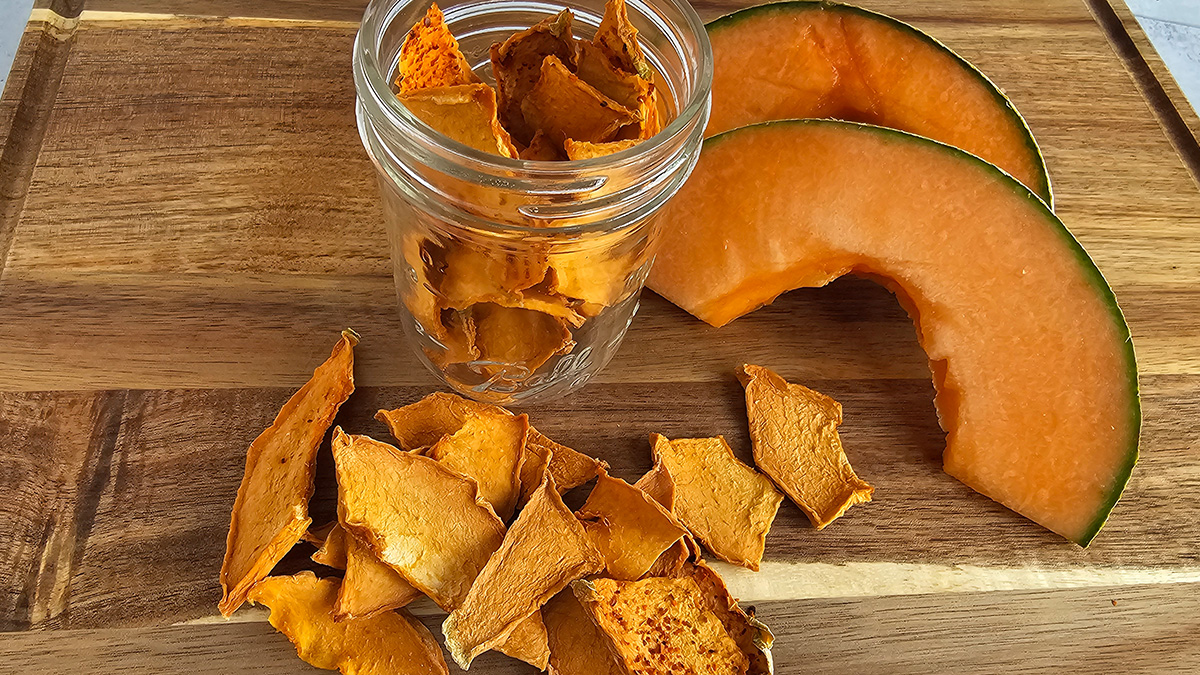
The dried, cooled fruit is placed in a clear glass jar, filled roughly two-thirds full. For one week, the jar is shaken daily. If any condensation appears on the interior of the glass, the fruit is not sufficiently dry and must be returned to the dehydrator. If no moisture is detected after seven days, the fruit is considered shelf-stable and can be moved to long-term storage.
Storage Protocols and Shelf-Life Extension
To maintain the quality of dehydrated cantaloupe for up to 12 months, environmental factors must be controlled. The three primary enemies of dehydrated food are light, heat, and oxygen.
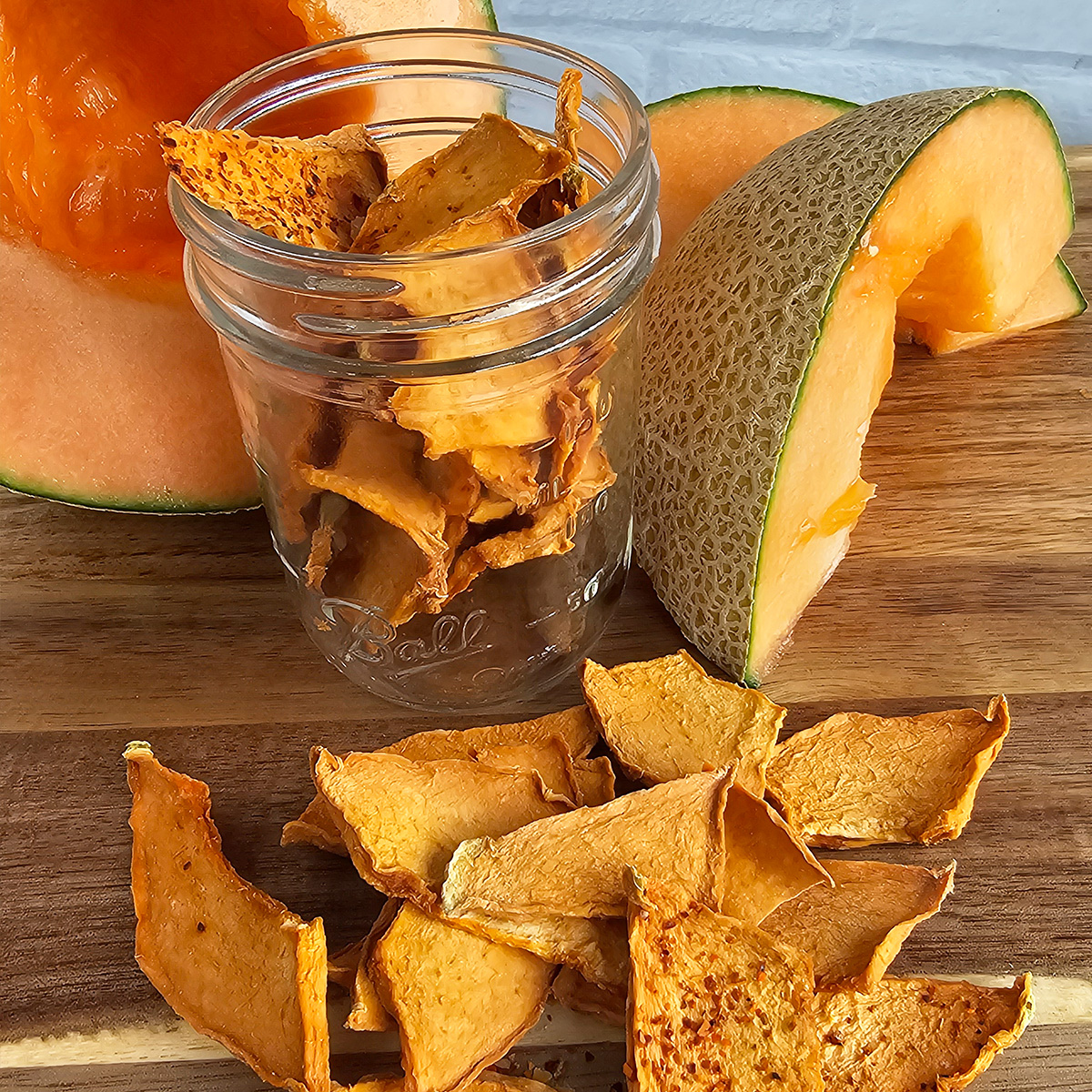
- Containers: Glass jars are preferred for their non-porous nature. For maximum longevity, vacuum-sealing the jars or using oxygen absorbers is recommended.
- Environment: Storage should be in a cool, dark, and dry location. Exposure to sunlight can cause the fruit to darken and lose vitamin potency.
- Humidity Management: In regions with high relative humidity, opening a storage jar frequently introduces moisture. Using silica gel desiccant packs can help mitigate this risk, ensuring the fruit remains "leathery" rather than "sticky."
Culinary Versatility and Flavor Profiles
While dehydrated cantaloupe is frequently consumed as a standalone snack, its concentrated flavor makes it a versatile ingredient in various culinary applications.
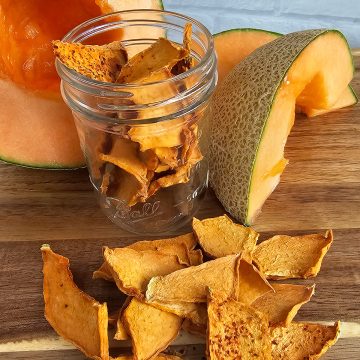
- Trail Mixes: Its chewy texture complements nuts and seeds.
- Rehydration: The fruit can be chopped and added to oatmeal or yogurt, where it partially rehydrates, releasing its sugars.
- Seasoning Enhancements: For a modern twist, many practitioners apply seasonings before the drying process. Options include a squeeze of lime juice, a dusting of cinnamon, or Tajin (chili-lime salt) for a savory-sweet profile.
Broader Implications for Food Security
The systematization of fruit dehydration at the household level represents a move toward greater autonomy in the food supply chain. By mastering the preservation of melons—which are often seen as "difficult" to preserve compared to apples or berries—consumers contribute to a more resilient food system. As inflationary pressures affect the cost of fresh produce, the ability to transform a $3 summer melon into a year’s worth of snacks provides both nutritional and financial stability.
In conclusion, the dehydration of cantaloupe is a scientifically grounded method of food preservation that maximizes the utility of seasonal produce. Through careful preparation, precise temperature management, and rigorous storage protocols, individuals can ensure a consistent supply of high-quality, nutrient-dense fruit throughout the year. As interest in traditional preservation techniques continues to grow, the cantaloupe remains a premier example of how modern technology can enhance ancient methods of food security.


