
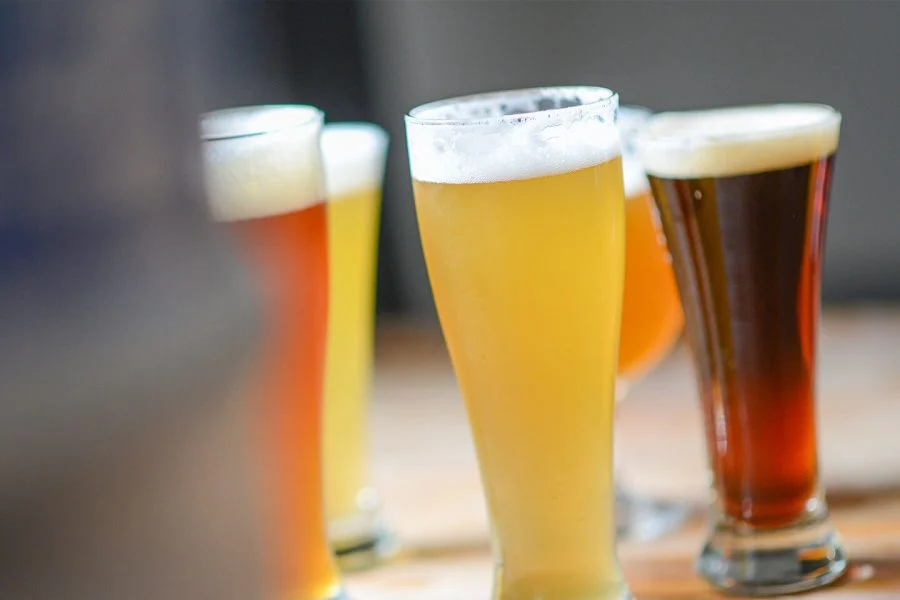
The 2026 National Homebrew Competition Final Round has concluded, celebrating the pinnacle of amateur brewing excellence. Among the distinguished honorees, David James of Eugene, Oregon, a dedicated member of the Cascade Brewers Society, has earned a coveted gold medal in Category 19: Hazy IPA. James’s winning brew triumphed over a competitive field of 93 entries, solidifying its status as the nation’s premier Hazy IPA crafted by a homebrewer. This victory represents a significant achievement in the highly popular and rapidly evolving world of craft beer, underscoring the skill and dedication of homebrewers nationwide.
A Deep Dive into the National Homebrew Competition
The National Homebrew Competition (NHC), organized by the American Homebrewers Association (AHA), stands as one of the most prestigious and longest-running amateur brewing contests in the world. Established in 1979, the NHC provides a platform for homebrewers to showcase their craft, receive expert feedback, and gain recognition for their innovative recipes and brewing prowess. The competition is renowned for its rigorous judging process, which involves multiple rounds of evaluation by certified judges who adhere to strict style guidelines and scoring criteria.
The competition typically unfolds in several stages. Initial rounds are often held at regional club levels or through online submissions, where thousands of entries are narrowed down. The top-performing beers then advance to the National Final Round, where they are meticulously judged against each other. This year’s competition, spanning across various categories that encompass the vast spectrum of beer styles, culminated in the announcement of gold, silver, and bronze medalists for each. The Hazy IPA category, a style that has exploded in popularity over the past decade, consistently draws a large number of entries, making any medal in this division a testament to exceptional brewing.
The Rise of the Hazy IPA and its Significance
The Hazy IPA, also known as a New England IPA or Vermont IPA, is characterized by its opaque appearance, lower perceived bitterness, and a pronounced hop aroma and flavor profile, often featuring tropical, citrus, and fruity notes. Unlike traditional IPAs, which emphasize a clean, bitter finish, the Hazy IPA prioritizes a smooth, juicy mouthfeel and a vibrant hop expression. This style emerged from the craft beer scene in the northeastern United States in the early 2000s and has since become a global phenomenon, influencing both commercial breweries and homebrewers alike.
The appeal of the Hazy IPA lies in its approachable bitterness and the complex, fruit-forward hop character that can be achieved through specific hopping techniques, such as whirlpool hopping and dry hopping. The use of adjuncts like oats and wheat in the grain bill also contributes to its signature hazy appearance and soft mouthfeel. For homebrewers, mastering the Hazy IPA requires a nuanced understanding of hop varieties, yeast strains, and the delicate balance between hop aroma, flavor, and residual sweetness. David James’s victory in this fiercely competitive category highlights his mastery of these elements.
David James: A Champion from Eugene, Oregon
David James, hailing from Eugene, Oregon, represents the vibrant homebrewing community in the Pacific Northwest. His affiliation with the Cascade Brewers Society, a prominent homebrew club, suggests a strong foundation in brewing knowledge and a commitment to the craft. Homebrew clubs serve as crucial hubs for knowledge sharing, collaboration, and friendly competition, allowing members to refine their techniques and learn from one another. James’s success is not only a personal triumph but also a reflection of the supportive and educational environment fostered by such organizations.

The journey to a gold medal in a competition of this magnitude is typically a long and iterative one. It involves meticulous recipe development, countless brewing sessions, and a keen ability to diagnose and troubleshoot potential issues. Homebrewers often dedicate years to perfecting a particular style, experimenting with different hop combinations, yeast strains, malt bills, and water profiles. The NHC’s judging process provides invaluable feedback, allowing brewers to understand how their creations are perceived by experienced palates and to identify areas for improvement. Earning a gold medal signifies that James’s Hazy IPA met or exceeded the highest standards for its style, impressing judges with its aroma, flavor, appearance, and overall balance.
The 2026 Competition Landscape
The 2026 National Homebrew Competition Final Round saw a significant number of entries across all categories, underscoring the continued growth and passion within the homebrewing community. The final round of judging, which took place at a designated venue (often a brewing facility or convention center), involved panels of experienced BJCP (Beer Judge Certification Program) certified judges. These judges meticulously evaluate each beer based on a standardized scorecard, assessing factors such as aroma, appearance, flavor, mouthfeel, and overall impression, while considering adherence to the specific beer style guidelines.
Category 19: Hazy IPA, as mentioned, was one of the most heavily subscribed categories. The sheer volume of entries in this category indicates its popularity among homebrewers who are eager to explore the latest trends in hop-forward brewing. The fact that James’s beer stood out among 93 other submissions is a remarkable achievement. This competition serves as a barometer for emerging trends and the evolving tastes within the homebrewing world. The results from the NHC often influence what commercial breweries explore next and what homebrewers strive to replicate and innovate upon.
The Journey from Homebrew to Recognition
Winning a gold medal at the NHC Final Round is the culmination of a brewer’s dedication. The process for David James likely involved:
- Recipe Conception and Development: James would have meticulously crafted his Hazy IPA recipe, considering specific hop varieties known for tropical and citrus notes (e.g., Citra, Mosaic, Galaxy), appropriate yeast strains that produce fruity esters and minimal diacetyl (e.g., Vermont Ale yeast strains), and a balanced malt bill that contributes to body and haze without overwhelming the hop character.
- Brewing and Iteration: Multiple batches would have been brewed to fine-tune the recipe. This involves adjusting hop schedules for aroma and flavor, optimizing fermentation temperatures, and potentially experimenting with different water profiles to enhance hop perception.
- Club Feedback and Refinement: As a member of the Cascade Brewers Society, James likely shared his brews with fellow club members for informal tasting and constructive criticism. This peer review process is invaluable for identifying subtle flaws or areas for improvement that might be missed by the brewer alone.
- Entry into the Competition: Once confident in his beer, James would have submitted it to the NHC. This often involves carefully packaging the beer to maintain its freshness and quality during transport to the judging venue.
- The Judging Process: At the final round, James’s Hazy IPA was blind-tasted and scored by a panel of judges. The judges would have assessed its adherence to the Hazy IPA style guidelines, paying close attention to its vibrant hop aroma, juicy flavor profile, smooth mouthfeel, and appealing hazy appearance.
- The Announcement of Results: The culmination of this rigorous process is the announcement of medalists. David James’s gold medal signifies that his beer was deemed exceptional in all aspects by the judging panel.
Broader Implications for the Homebrewing Community
The success of homebrewers like David James has several positive implications for the wider homebrewing community:
- Inspiration and Motivation: Victories at the NHC serve as powerful inspiration for aspiring and established homebrewers alike. It demonstrates that with dedication, skill, and a passion for the craft, exceptional beers can be produced outside of commercial breweries.
- Recipe Dissemination and Learning: While specific winning recipes are often kept private initially, the NHC typically makes medal-winning recipes available to AHA members over time. This allows other homebrewers to learn from the best and to attempt to replicate or adapt award-winning brews, fostering a culture of shared knowledge and continuous improvement. The AHA website provides a vast library of such recipes, encouraging innovation and skill development.
- Promotion of Homebrewing: High-profile wins at the NHC contribute to the ongoing recognition and legitimization of homebrewing as a serious craft and hobby. This can attract new individuals to the pursuit, further strengthening the community.
- Advancement of Brewing Techniques: The innovative approaches and refined techniques employed by top homebrewers often push the boundaries of what is considered possible in amateur brewing. These advancements can, in turn, influence commercial brewing practices and the overall evolution of beer styles.
Looking Ahead
David James’s gold medal in the highly competitive Hazy IPA category at the 2026 National Homebrew Competition is a significant accomplishment. It not only celebrates his personal brewing prowess but also highlights the dynamism and high standards of the amateur brewing world. As the homebrewing community continues to evolve, competitions like the NHC remain vital for recognizing talent, fostering innovation, and sharing the passion for creating exceptional beer. For those eager to explore the techniques and recipes of the nation’s best homebrewers, the American Homebrewers Association offers a wealth of resources, including access to hundreds of medal-winning recipes, further solidifying its role as a cornerstone of the homebrewing movement.


