
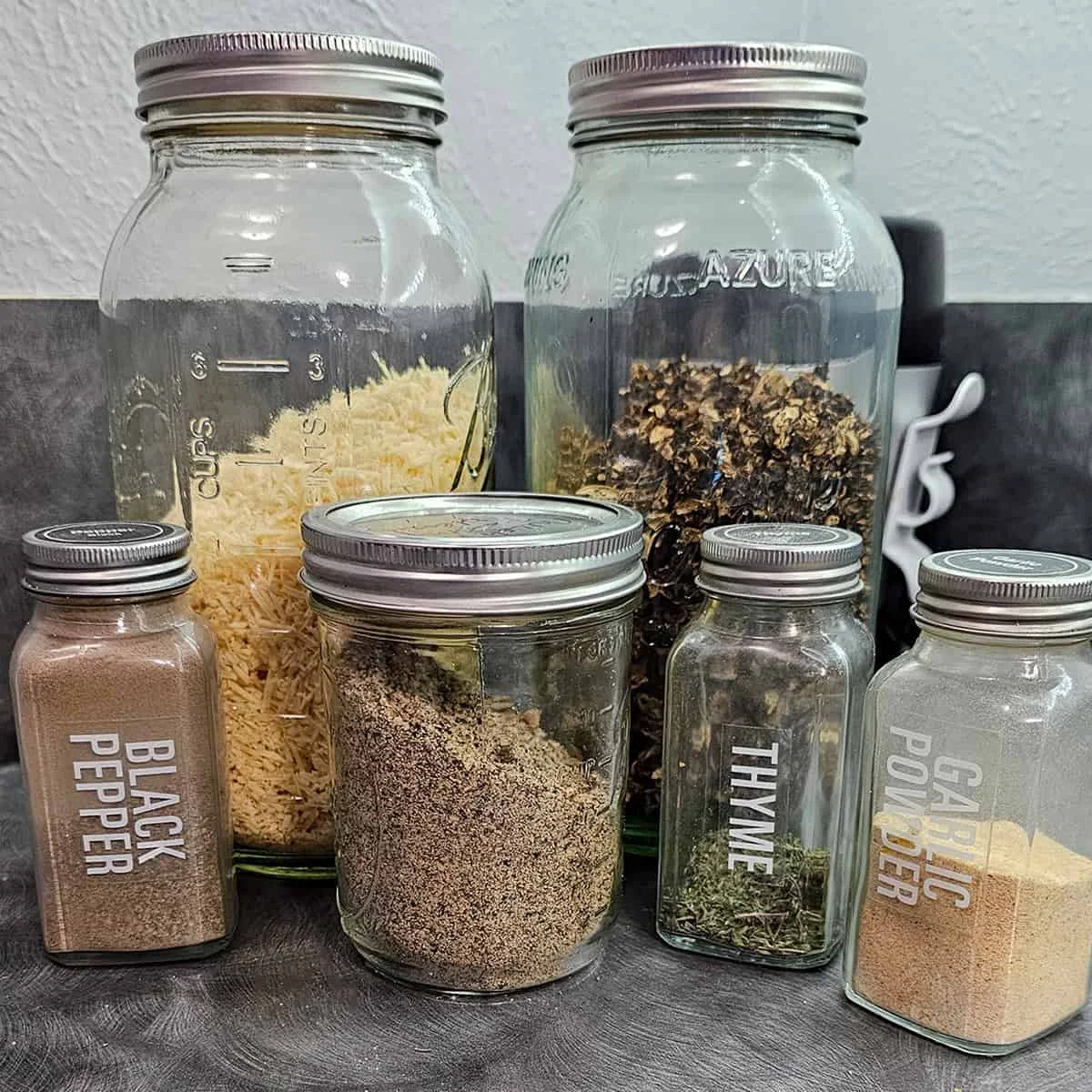
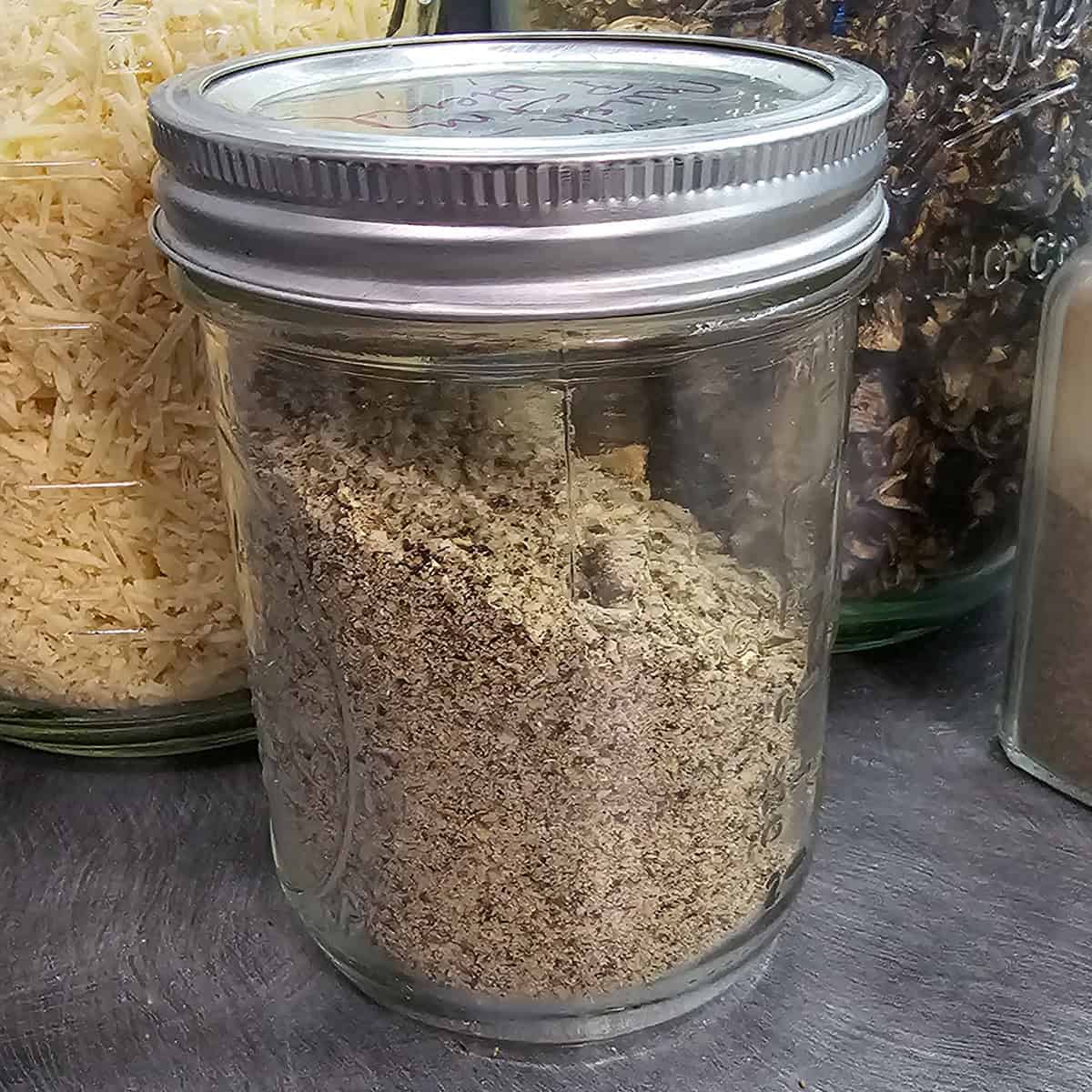
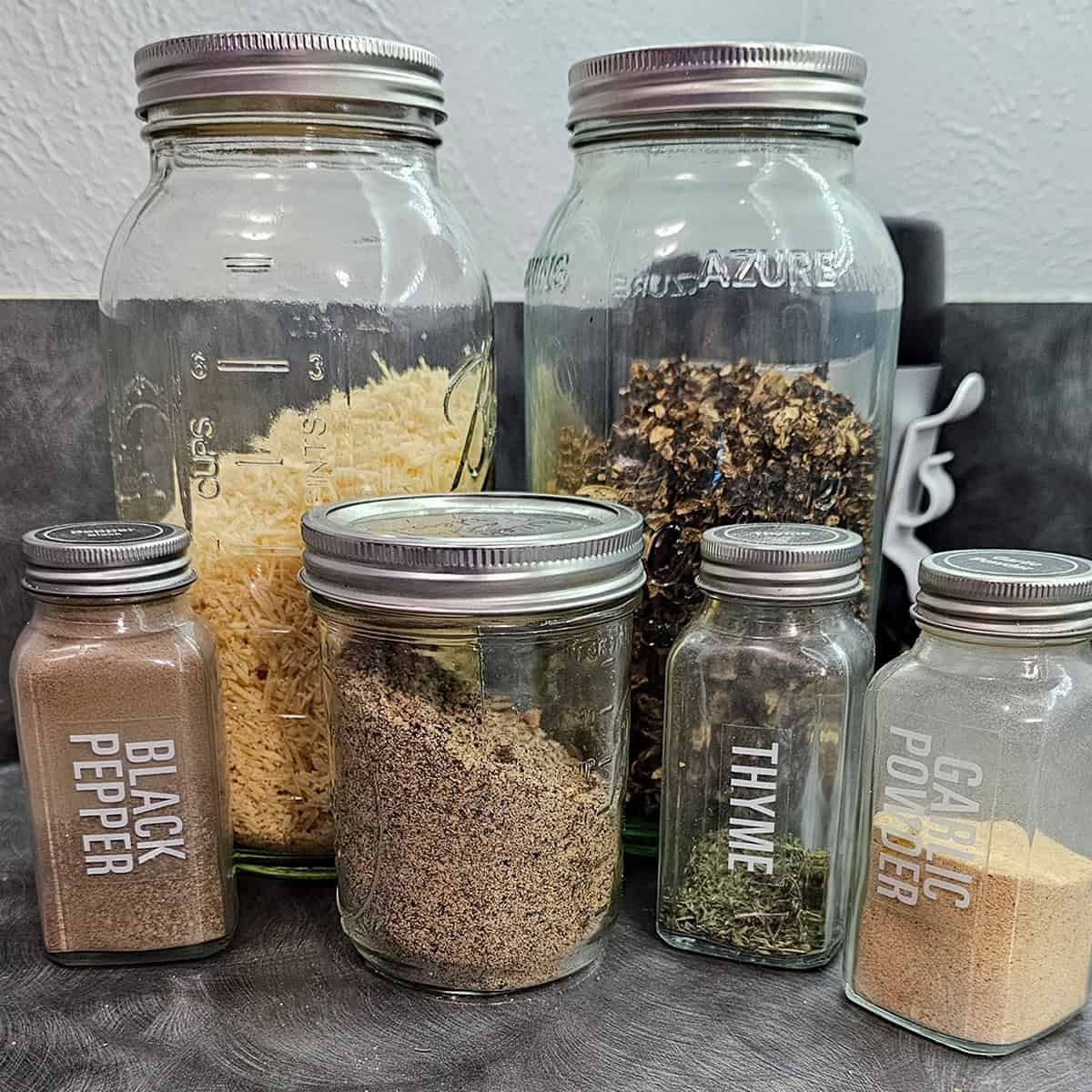
The intersection of home food preservation and culinary innovation has birthed a significant trend in the "DIY" seasoning market, characterized by the creation of complex flavor profiles such as the mushroom parmesan umami blend. Historically reserved for gourmet retail outlets or specialized bulk suppliers like Azure Standard, these artisanal blends are increasingly being produced within domestic kitchens. This shift is driven by a combination of economic factors, a growing interest in food security, and a heightened consumer demand for clean-label products free from synthetic anti-caking agents and preservatives. The synthesis of dehydrated mushrooms and aged parmesan cheese represents a sophisticated application of the "fifth taste," or umami, which has become a cornerstone of modern flavor science.
The Science of Umami: Why Mushroom and Parmesan Pair Effectively
To understand the popularity of the mushroom parmesan seasoning blend, one must examine the chemical synergy between its two primary components. Umami, a Japanese term translating to "pleasant savory taste," is elicited by specific compounds, most notably glutamate, inosinate, and guanylate. Mushrooms, particularly when dehydrated, are a concentrated source of naturally occurring guanylates. When these are combined with parmesan cheese—which is exceptionally high in free glutamates due to the proteolysis that occurs during its long aging process—a synergistic effect is achieved. This synergy creates a flavor perception that is significantly more intense than the sum of its parts, explaining why this specific blend has become a staple for enthusiasts of the "Purposeful Pantry" movement and beyond.
From a food science perspective, the dehydration process is critical. By removing moisture, the volatile flavor compounds in the mushrooms are concentrated. Similarly, using dehydrated or freeze-dried parmesan ensures a shelf-stable product that maintains its textural integrity when ground into a fine powder. This allows the seasoning to be used in a variety of applications, from dry rubs for proteins to topical applications on snack foods like popcorn, without introducing moisture that could lead to spoilage or clumping.
Chronology of the DIY Seasoning Movement
The evolution of home-made seasoning blends can be traced through several distinct phases of consumer behavior:
- The Industrial Era (1950s–1990s): Consumers largely relied on pre-packaged, mass-produced seasoning mixes. These products often contained high levels of sodium, MSG, and fillers like cornstarch or maltodextrin.
- The Rise of Specialty Retail (2000s–2010s): Brands like Trader Joe’s and specialty health food cooperatives introduced "Umami" blends and artisanal seasonings to the mainstream. However, supply chain inconsistencies often left these products unavailable for extended periods.
- The Food Preservation Boom (2020–Present): Sparked by global supply chain disruptions and a renewed interest in self-sufficiency, home cooks began investing in high-quality dehydrators and freeze-dryers. This allowed for the "mock-up" or "dupe" culture to thrive, where individuals recreate high-end retail blends like the Azure Standard Mushroom Parmesan seasoning using raw ingredients from their own pantries.
Darcy Baldwin, a prominent figure in the food preservation community and author of Dehydrating Basics & Journal, has highlighted how these blends serve as a gateway for many into the broader world of food security. By mastering the art of the "whatever seasoning" or umami-rich mushroom powders, consumers move away from a reliance on just-in-time retail inventory toward a robust, self-managed food supply.
Supporting Data: Market Trends in Mushrooms and Specialty Cheese
The growth of DIY seasonings is mirrored by broader market data in the agricultural and dairy sectors. According to recent market analysis reports, the global mushroom market is projected to grow at a CAGR of approximately 9.5% through 2030, driven largely by the "food as medicine" trend and the search for plant-based savory enhancers. Similarly, the demand for hard, aged cheeses like Parmesan (Parmigiano-Reggiano) has seen a steady increase, as consumers prioritize high-protein, nutrient-dense ingredients.
In the context of home preservation, the use of dehydrated vegetables has seen a 25% uptick in search engine queries over the last 24 months. This data suggests that the "Purposeful Pantry" model—whereby ingredients are purchased in bulk, processed at home, and blended into custom pantry staples—is no longer a niche hobby but a growing segment of the domestic economy.
Nutritional Analysis and Health Implications
The transition from store-bought to DIY seasoning blends carries significant health implications. Commercial seasoning mixes are notorious for their sodium content, often used as a cheap bulking agent. A standard DIY mushroom parmesan blend, while containing salt from the cheese, allows the user to control the addition of extra sodium.
Based on nutritional estimations, a two-tablespoon serving of a concentrated mushroom-parmesan blend may contain approximately 697 calories if it is primarily composed of cheese solids, but the nutrient density is exceptionally high. When using dehydrated ingredients, the concentration of vitamins and minerals—such as Vitamin D and B-vitamins in mushrooms, and calcium in parmesan—is significantly higher per gram than in fresh equivalents. Culinary experts suggest that because the umami flavor is so intense, users can often reduce their overall salt intake by relying on the savory depth of the mushrooms and cheese to carry the dish’s profile.
Culinary Versatility and Application
The utility of the mushroom parmesan blend extends across multiple culinary categories, making it a "multi-tool" in the kitchen. Industry chefs and home cooks alike utilize the blend in several key areas:
- Protein Enhancement: Used as a dry rub for beef, poultry, or pork, the enzymes in the parmesan can help in the browning process (the Maillard reaction), while the mushrooms provide an earthy undertone that complements grilled meats.
- Vegetable Seasoning: The blend is frequently applied to roasted root vegetables, such as potatoes or carrots, providing a salty, savory crust that replaces the need for heavy sauces.
- Snack Foods: As a topical seasoning for popcorn or chickpeas, the fine powder adheres well, offering a gourmet alternative to standard butter and salt.
- Starch Integration: Stirring the blend into risottos, pastas, or mashed potatoes provides an instant flavor "boost" that mimics the complexity of slow-simmered stocks.
Broader Impact on Food Security and Sustainability
Beyond the kitchen, the DIY seasoning movement contributes to a more sustainable food system. By purchasing mushrooms in bulk during peak season and dehydrating them, consumers reduce food waste and lower the carbon footprint associated with the transportation of fresh, water-heavy produce. Furthermore, the ability to create high-value seasonings from "pantry scraps"—such as the rinds of parmesan cheese or slightly bruised mushrooms that are still safe for dehydration—promotes a circular economy within the household.
The "Purposeful Pantry" philosophy emphasizes that food preservation is not merely about storage, but about transformation. Turning raw, perishable ingredients into a shelf-stable, high-utility seasoning blend ensures that the nutritional and economic value of the food is preserved for months, if not years.
Official Responses and Community Feedback
While major food corporations have yet to issue formal statements on the "DIY Mock-up" trend, the growth of communities surrounding figures like Darcy Baldwin suggests a shift in consumer loyalty. Rather than being loyal to a specific brand of seasoning, consumers are becoming loyal to the process of creation. Feedback from community members often cites a sense of empowerment; the ability to replicate a beloved "out of stock" item from Azure Standard or Trader Joe’s provides a level of psychological security that is increasingly valued in an unstable global market.
Conclusion: The Future of the Pantry
The mushroom parmesan seasoning blend is a microcosm of a larger shift in culinary culture. It represents a move away from the "black box" of industrial food production and toward a transparent, ingredient-focused approach to cooking. As more households adopt dehydration and freeze-drying technologies, the distinction between "chef-grade" ingredients and home-pantry staples will continue to blur.
The implications for the food industry are clear: consumers are no longer satisfied with mere convenience. They demand flavor complexity, nutritional transparency, and the ability to maintain their food supplies independent of traditional retail fluctuations. The rise of the mushroom parmesan blend is not just a trend in seasoning; it is a testament to the enduring appeal of umami and the growing sophistication of the modern home cook. Through the lens of food science and economic necessity, the humble mushroom and a block of parmesan have been elevated from simple ingredients to the foundation of a new, resilient culinary lifestyle.


