
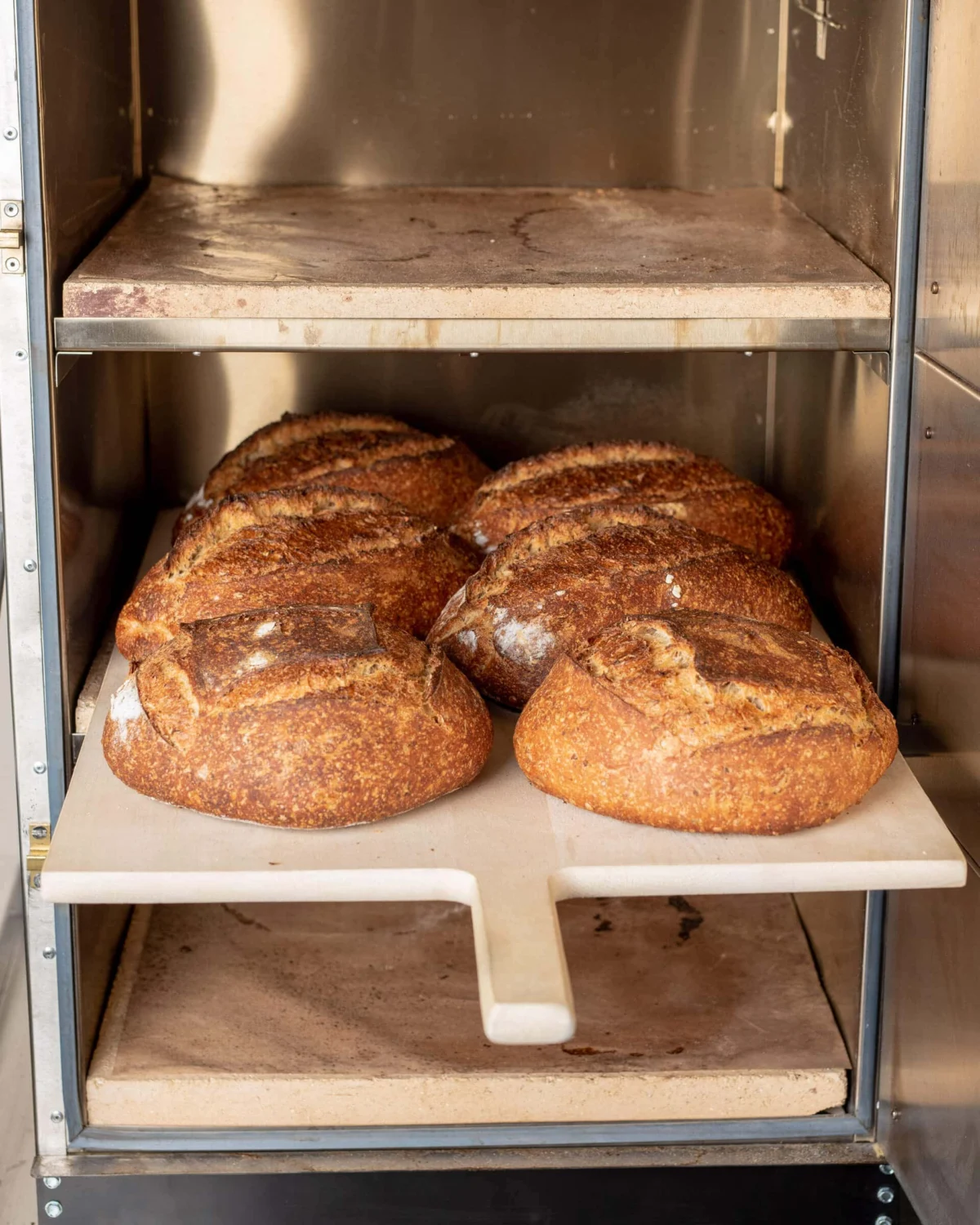
The Rofco B40, a robust Belgian-engineered brick oven, represents a pivotal advancement for serious home bakers and emerging micro-bakeries aiming to scale their production without compromising quality. Designed to bridge the gap between conventional domestic ovens and full-scale commercial units, this multi-deck electric oven is increasingly becoming the cornerstone for those wishing to transform their passion for artisanal bread into a formidable output. Its distinctive chamotte deck stones and sealed baking chamber are engineered to deliver consistent, professional-grade results, facilitating the efficient baking of multiple loaves simultaneously, a capability traditionally reserved for industrial settings. This comprehensive guide outlines the Rofco B40’s technical specifications, optimal operational procedures, essential ancillary equipment, and its broader implications for the burgeoning artisanal baking community.
The Rise of Artisanal Baking and the Demand for Specialized Equipment
The burgeoning interest in artisan bread, particularly sourdough, has seen a remarkable surge in recent years, driven by a renewed appreciation for traditional foodcraft and the desire for high-quality, homemade products. This culinary renaissance, amplified by periods of increased home activity, has led many dedicated hobbyists to confront the inherent limitations of standard kitchen appliances when attempting to produce larger quantities or achieve superior crust and crumb development. Conventional home ovens often struggle with consistent heat retention, adequate steam generation, and sufficient capacity for batch baking, leading to uneven results and significant time investments for multiple rounds of baking.
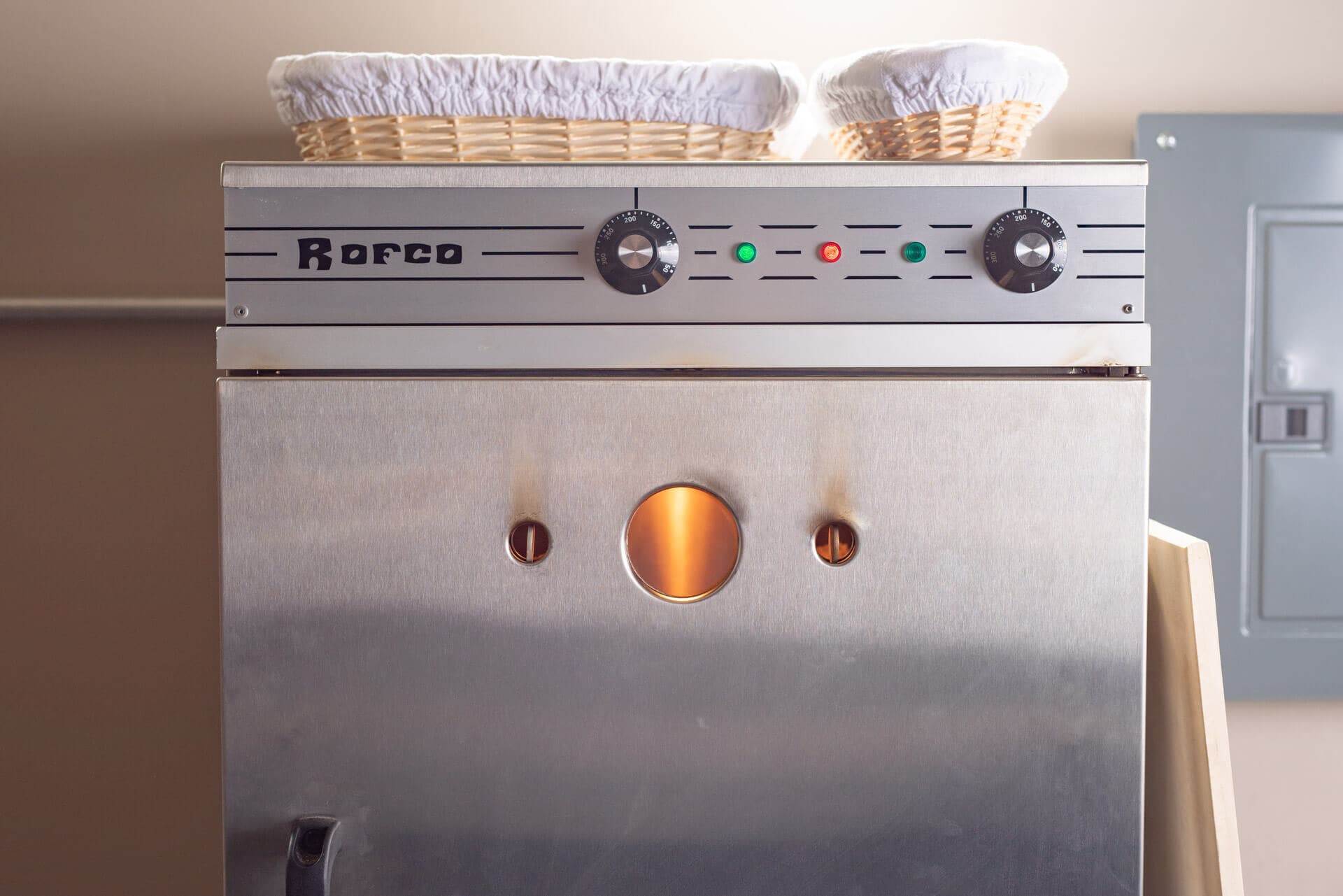
This unmet demand has fostered a niche market for specialized equipment, allowing passionate bakers to transition from producing a few loaves for personal consumption to supplying larger gatherings, local markets, or even establishing small-scale commercial ventures. The progression often begins with the desire to bake six loaves or more at a time – a seemingly modest goal by industrial standards but a formidable challenge for a typical home setup. As bakers delve into handling larger dough quantities, the natural inclination is to seek tools that boost efficiency, consistency, and overall quality. The Rofco B40 directly addresses this evolving demand, offering a durable, efficient, and precise solution for scaling up artisanal bread production within a home or small-commercial environment. It empowers individuals to focus on the nuanced elements of baking, such as flavor development, fermentation dynamics, and precise dough handling and shaping, rather than being constrained by equipment limitations.
Unveiling the Rofco B40: Design and Engineering Excellence
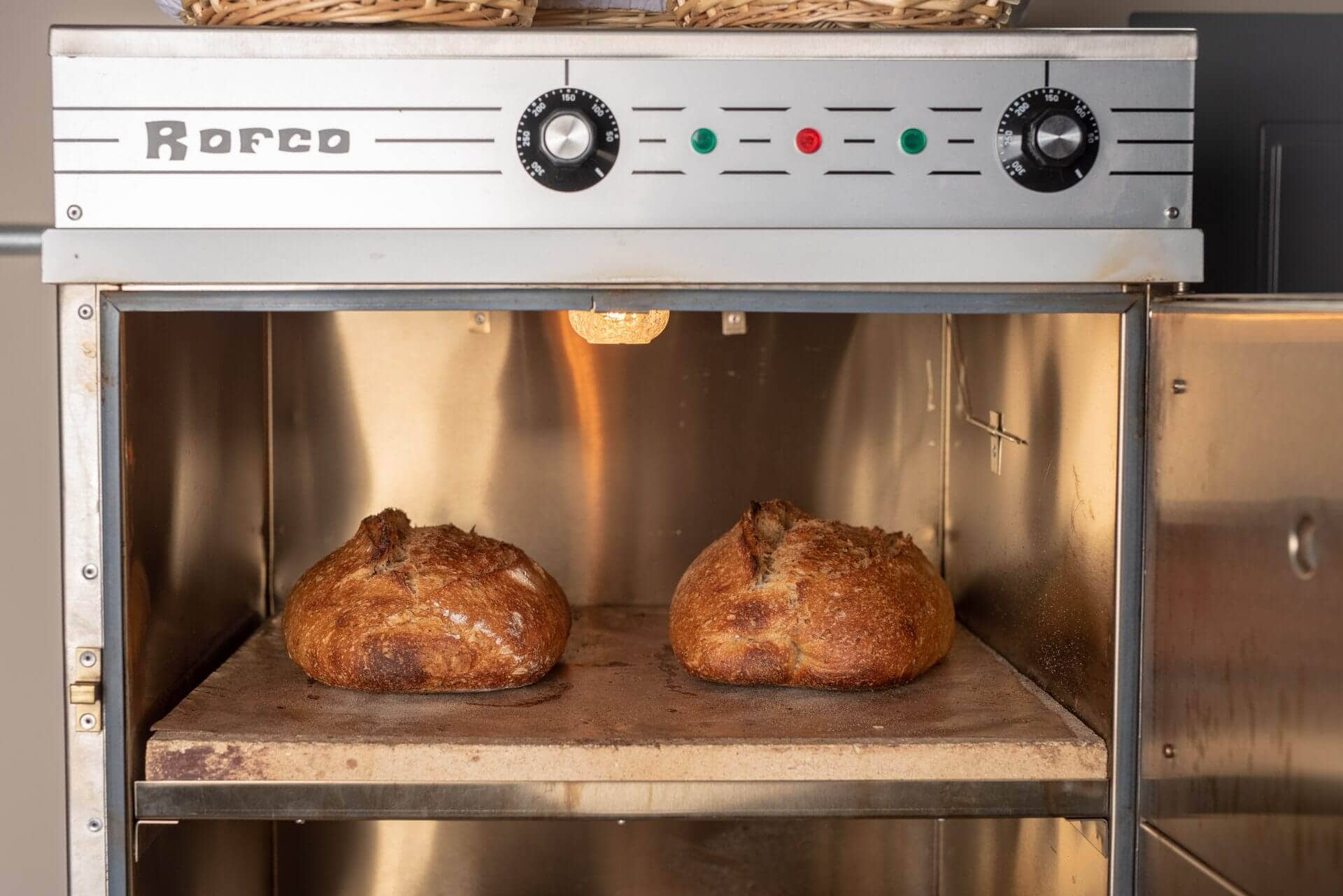
Manufactured in Belgium, Rofco ovens are renowned for their straightforward construction, robust performance, and ability to replicate the baking conditions of traditional masonry ovens. The B40, specifically, stands as the largest model in their range, featuring three square baking decks, each measuring approximately 18.9 inches by 18.9 inches. This compact yet highly efficient design is central to its appeal for home and micro-bakery applications.
A key feature of the Rofco B40 is its use of 1-3/8 inch thick chamotte deck stones. Chamotte, a refractory material derived from fired clay, is exceptional at absorbing and retaining thermal energy. This high thermal mass ensures that once the oven reaches its target temperature, the stones maintain consistent heat, even after the oven door is opened for loading or unloading dough. This characteristic is crucial for achieving the coveted "oven spring" and a uniformly caramelized crust. Furthermore, the oven boasts a sealed chamber design, which minimizes external radiant heat, allowing it to be positioned closer to walls or other appliances without undue concern. This sealed environment is also vital for effective steam retention during the initial baking phase, a critical factor for optimal bread development.
The Rofco B40 operates on typical 220V AC single-phase power, a common electrical standard found in many modern homes for appliances such as electric dryers or ranges. However, a dedicated 6-20P cord plug and a corresponding 6-20R receptacle are required, often necessitating the installation of a new circuit and breaker by a qualified electrician to ensure safe and compliant operation. This electrical requirement underscores the oven’s industrial-grade capabilities, distinguishing it from conventional kitchen appliances. Its bare-bones, workhorse construction emphasizes functionality and longevity, with components designed for ease of repair, further enhancing its appeal as a long-term investment for dedicated bakers.
Operational Best Practices: Maximizing the Rofco’s Potential
Achieving optimal results with the Rofco B40 requires understanding and implementing specific operational protocols, particularly concerning dough placement, steam management, and temperature control.
Efficient Dough Positioning:
Loading the Rofco B40’s three decks efficiently is often described as a real-life game of Tetris. The objective is to bake the maximum amount of dough without loaves touching each other, thereby ensuring even heat distribution and symmetrical expansion. While exact configurations may vary based on loaf size and shape, common arrangements include two 900g batards per deck, two 800g boules per deck, or four 700g smaller boules per deck. These arrangements optimize the 18.9-inch square deck space. For smaller items like buns, rolls, or even square pizzas, the oven’s included square steel trays can be utilized, simplifying transfer and containing potential spills. Strategic positioning, often with the back of the oven (opposite the door) allowing for slightly more expansion, is key to an even bake.

The Critical Role of Steam Injection:
Steam is an indispensable element in the initial stages of bread baking, facilitating maximum oven spring and the development of a thin, crisp crust. The Rofco’s sealed chamber is advantageous for retaining steam, but unlike professional ovens with integrated steam injection systems, the Rofco requires manual steam application.
- High-Pressure Sprayer Method: A preferred method involves using a commercial-grade electric pressure sprayer. After preheating the oven and loading the dough, the sprayer, set to the finest mist, is used to introduce steam directly into the sealed chamber. Approximately 10-12 seconds of spraying per deck, starting from the bottom and working upwards, followed by a second quick spray just before sealing the door, generates sufficient humidity. A cautionary note advises avoiding direct spraying onto the glass-enclosed light fixture, as temperature shock can cause it to crack. After the initial steaming phase (typically 15-20 minutes), steam is vented by carefully opening the door briefly to allow a rush of steam to escape, then closing it and tilting open the circular vents located on the door.
- Steam Pods: Rofco offers optional rectangular steel steam pods, placed along the sides of each deck. These pods are preheated with the oven, and water or ice cubes are poured into them at the time of loading. The rapid vaporization of the water creates steam within the sealed chamber. While effective, these pods occupy valuable deck space, a trade-off many bakers find prohibitive when aiming for maximum loaf capacity.
Standardized Baking Protocol:
While individual dough formulas may necessitate minor adjustments, a foundational baking protocol for the Rofco B40 has proven highly effective:
- Preheat (Door Closed, Vents Closed): The oven is preheated to 240°C (464°F) for a minimum of 1 hour and 30 minutes. This extended preheat duration is critical to thoroughly saturate the chamotte deck stones with heat, creating the necessary thermal mass for a consistent bake.
- Initial Bake with Steam: Once dough is loaded and steam is introduced, the temperature is reduced to 150°C (302°F) for 20 minutes. This lower temperature, combined with high humidity, encourages maximum oven spring and prevents premature crust formation, allowing the loaf to expand fully.
- Vent Steam and Continue Bake: After 20 minutes, the steam is vented by briefly opening the oven door (with caution, as hot steam will rush out), then closing it and opening the circular door vents. The temperature is then increased to 220°C (428°F) for 10 minutes. This phase begins the crust development, promoting color and texture.
- Final Bake: The temperature is maintained at 150°C (302°F) for an additional 20-30 minutes. During this stage, loaves can be reshuffled if necessary to ensure even browning. This lower temperature allows the interior of the bread to bake through completely without over-browning the crust.
Upon completion, loaves are removed using a peel and placed on wire racks to cool. The oven can then be turned off or reheated to 240°C for subsequent batches, leveraging the chamotte stones’ heat retention capabilities for efficient back-to-back baking.
Essential Ancillary Equipment for an Optimized Workflow

The Rofco B40, while a powerful tool on its own, benefits significantly from specific ancillary equipment that enhances ergonomics, efficiency, and overall user experience.
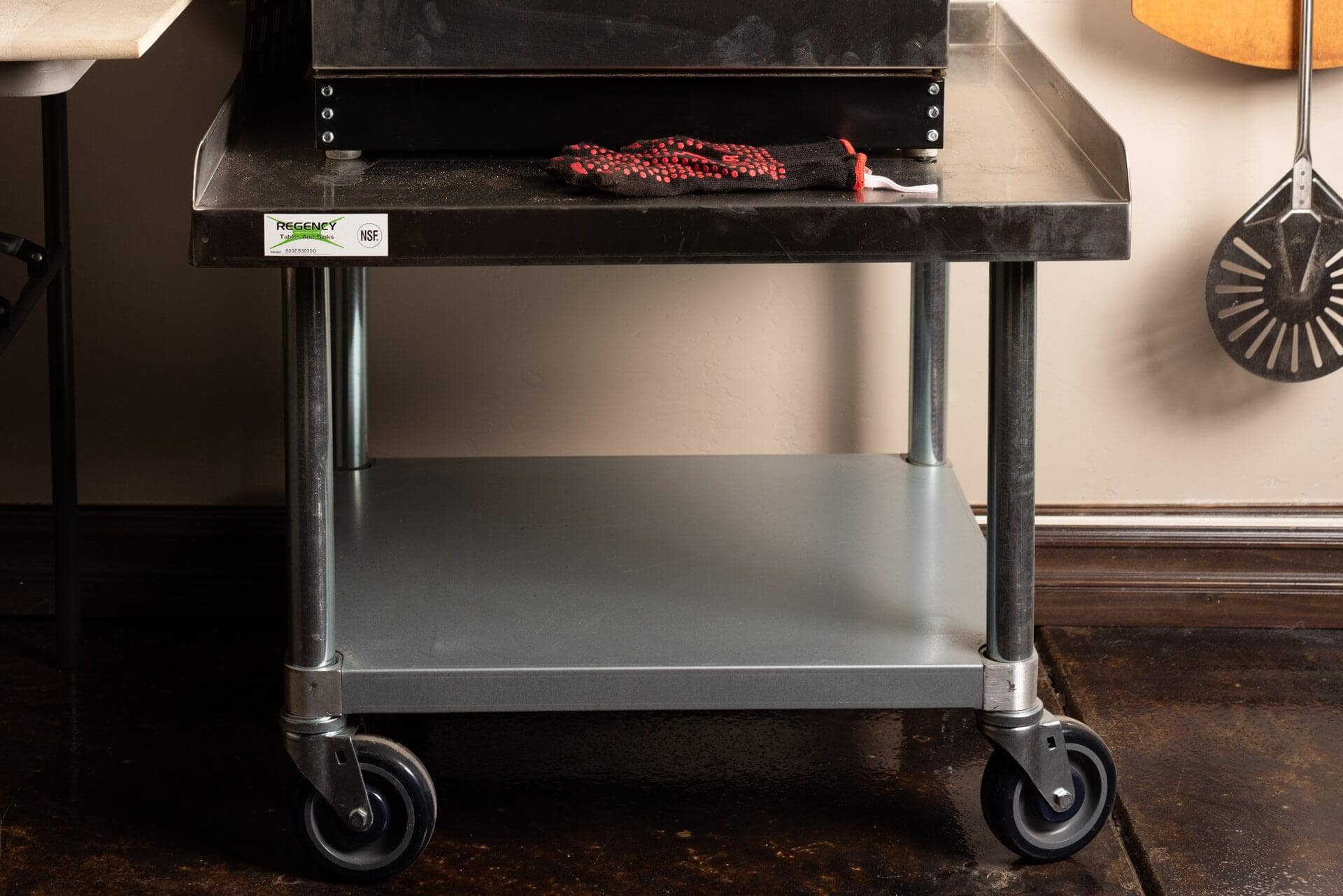
- Oven Equipment Stand: Given the oven’s weight and the need for comfortable loading and unloading, a robust equipment stand is highly recommended. A custom-cut stainless steel stand, such as the Regency 30" x 30" 16-Gauge Stand, raised to an optimal height (e.g., 18 inches), positions the oven at an ergonomic level. The heavy-duty construction of such stands ensures stability, though optional casters, while offering mobility, may introduce a slight wobble if not properly locked or if the oven door is forcefully shut.
- Large Wooden Pizza Peel: Efficient dough transfer is paramount. A large wooden peel, such as an American Metalcraft 1836 (18" x 29.5" with a 6.5" handle), is ideally suited for the Rofco B40. Its 18-inch width perfectly matches the oven’s decks, allowing for smooth loading and unloading of multiple loaves on silicone baking sheets. The peel facilitates an "assembly line" approach: dough is turned out onto silicone sheets placed on the peel, scored, and then swiftly slid into the oven, minimizing heat loss during loading.
- Silicone Baking Sheets: These non-stick sheets are essential for easy transfer of dough from peel to deck and prevent sticking, making cleanup simpler.
Post-Baking Efficiency and Maintenance
Beyond its primary function, the Rofco B40 offers subtle efficiencies. After removing baked loaves, the residual heat within the oven can be utilized for drying proofing baskets (bannetons). Placing damp baskets in the cooling oven expedites the drying process, preventing mold formation and preparing them for subsequent use. This thoughtful utilization of residual energy underscores the oven’s overall efficiency and integration into a streamlined baking workflow.
Market Impact and Broader Implications
The emergence of specialized equipment like the Rofco B40 signifies a significant shift in the landscape of home and small-scale artisanal food production. It democratizes access to capabilities once exclusive to professional bakeries, enabling passionate individuals to achieve consistently high-quality results at an increased volume. This accessibility has profound implications:
- Empowering Micro-Entrepreneurs: For aspiring nano or micro-bakeries, the Rofco B40 provides a reliable, relatively compact, and cost-effective alternative to prohibitively expensive commercial deck ovens. This lowers the barrier to entry for small food businesses, fostering local economies and supporting the growth of artisanal food movements. Bakers can reliably supply farmer’s markets, local cafes, or subscription services, contributing to community food systems.
- Elevating Home Baking Standards: For the dedicated home baker, the Rofco B40 elevates the craft to a new level. The ability to manage multiple loaves with professional precision allows for extensive experimentation with complex formulas, flours, and fermentation techniques, pushing the boundaries of what is achievable in a home setting.
- Investment and Learning Curve: While a substantial investment, the Rofco B40 offers considerable returns in terms of product quality, efficiency, and durability. However, prospective users should anticipate a learning curve. As with any new specialized equipment, adapting existing recipes and techniques to the Rofco’s unique characteristics requires practice. Starting with a straightforward sourdough recipe is often recommended to familiarize oneself with the oven’s nuances before attempting more complex bakes.
- Support and Sourcing: Reputable distributors, such as Pleasant Hill Grain in the US, play a crucial role in providing access to these specialized ovens and offering essential customer service and technical support. This support network is vital for bakers navigating the acquisition and integration of advanced baking equipment.
The Rofco B40 is part of a broader ecosystem of high-performance baking tools designed for the serious enthusiast or small business. For those seeking to further enhance their production capabilities, equipment such as the Famag spiral dough mixer, capable of handling up to 8 kilograms of dough, or the Ooni Halo Pro Spiral Mixer for smaller batches, complements the Rofco’s baking capacity. For even larger volumes, ovens like the RackMaster 2020 Bread Oven offer greater deck space, catering to different scales of serious baking ambition.
In conclusion, the Rofco B40 is more than just an oven; it is a catalyst for culinary evolution within the artisanal baking community. Its robust design, precise temperature control, and exceptional heat retention empower bakers to expand their horizons, transforming personal passion into scalable, high-quality production, and reinforcing the enduring appeal of handcrafted bread.


