
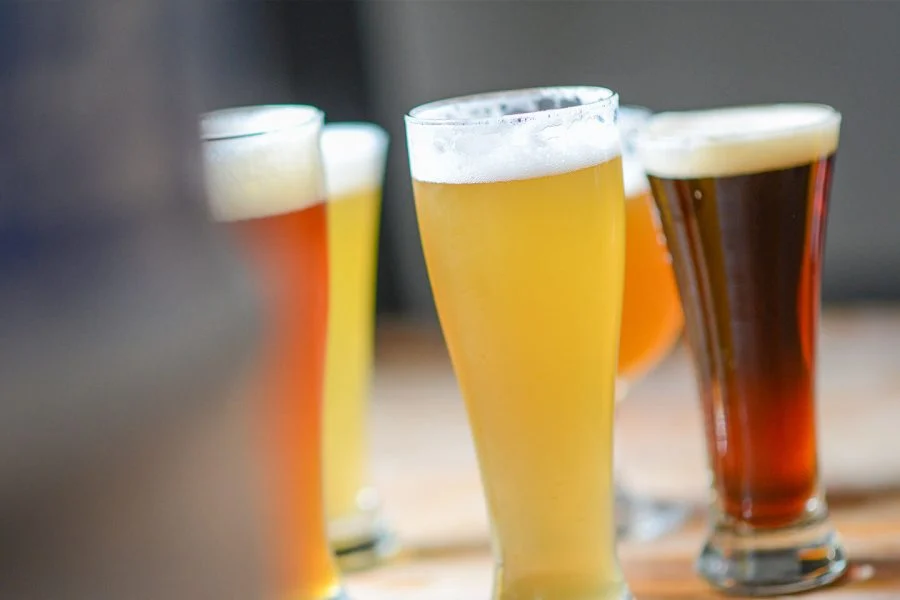
The American Homebrewers Association (AHA), a leading organization dedicated to promoting the hobby of homebrewing and advocating for the rights of homebrewers, has officially unveiled the recipe that earned the coveted gold medal in its recent prestigious competition. This announcement marks a significant moment for the homebrewing community, highlighting a recipe that has been recognized for its exceptional quality, balance, and adherence to style guidelines. The winning brew, characterized by specific gravity and color metrics, represents a pinnacle achievement for its creator and offers valuable insights for aspiring and experienced homebrewers alike.
Unveiling the Champion Brew: Technical Specifications and Style Achievement
The gold medal-winning recipe boasts a precise set of technical specifications that underscore its sophisticated brewing process and successful execution. The Original Gravity (OG) is recorded at 1.046, which translates to approximately 11.5 degrees Plato. This metric indicates the density of the wort (unfermented beer) before fermentation, directly influencing the final alcohol content and body of the beer. Following fermentation, the Final Gravity (FG) settled at 1.007, equivalent to 1.7 degrees Plato. This low FG suggests a highly efficient fermentation, where the yeast effectively converted most of the fermentable sugars into alcohol and carbon dioxide, resulting in a dry and well-attenuated final product.
The Alcohol By Volume (ABV) is precisely measured at 5.1%. This moderate alcohol content places the beer squarely within the range of many popular and approachable beer styles, making it broadly appealing. The International Bitterness Units (IBU) stand at 43. This figure quantifies the perceived bitterness of the beer, derived from the hops used during the brewing process. An IBU of 43 suggests a well-balanced bitterness that complements the malt profile without being overpowering, indicative of careful hop selection and timing during the boil. Finally, the Standard Reference Method (SRM) color value is 3. This low SRM indicates a very pale beer, likely a light straw or pale gold color, suggesting the use of light-colored malts and minimal caramelization during the mashing process. Together, these parameters paint a picture of a clean, crisp, and well-executed beer, likely adhering to a classic pale ale or similar light-hued style.
The American Homebrewers Association: A Legacy of Supporting the Craft
The American Homebrewers Association, founded in 1978, has played a pivotal role in fostering the growth and recognition of homebrewing as a legitimate and rewarding craft. Its mission extends beyond organizing competitions; it actively engages in legislative advocacy, provides extensive educational resources, and cultivates a vibrant community for enthusiasts. The AHA’s annual competitions are among the most respected in the homebrewing world, attracting thousands of entries from across the globe. These events serve not only as a platform for brewers to test their skills and receive expert feedback but also as a mechanism for identifying and disseminating best practices and emerging trends within the hobby. The gold medal awarded to this particular recipe signifies an exceptional standard of brewing, reflecting meticulous attention to detail, ingredient quality, and a deep understanding of brewing science and art.
Chronology of a Champion: From Recipe Development to Gold Medal Recognition
The journey to a gold medal begins long before the competition submission. It starts with the homebrewer’s conception of a recipe, often a process of iterative refinement. This typically involves:
-
Recipe Design: The brewer meticulously selects malts, hops, yeast strains, and water profiles to achieve a desired beer style and flavor profile. This initial stage may draw inspiration from commercial examples, historical styles, or entirely novel creations. For a beer with an SRM of 3, the brewer would likely focus on base malts such as Pilsner or Pale Malt, avoiding darker roasted grains.
-
Brewing and Fermentation: The brewer then executes the brewing process, involving mashing, boiling, cooling, and pitching yeast. Precise control over temperature, timing, and sanitation is paramount during these stages. The target OG of 1.046 suggests a moderate mash temperature to favor fermentable sugars, contributing to the dry finish indicated by the FG of 1.007.
-
Conditioning and Packaging: After fermentation, the beer is conditioned, allowing flavors to meld and mature. This may involve lagering, dry-hopping, or other techniques depending on the style. Packaging, whether bottling or kegging, requires careful attention to avoid oxidation and ensure proper carbonation.

-
Competition Submission: Once the brewer is satisfied with the beer’s quality, it is submitted to a recognized competition, such as those sanctioned by the AHA. Entries are typically judged blind by a panel of experienced and certified beer judges.
-
Judging Process: The judging process for AHA-sanctioned events is rigorous. Beers are evaluated against style guidelines established by the Beer Judge Certification Program (BJCP). Judges assess appearance, aroma, flavor, mouthfeel, and overall impression. Each component is scored, and feedback is provided to the brewer. A gold medal signifies that the beer met or exceeded the highest standards for its designated style. The journey for this particular recipe would have involved multiple rounds of judging, culminating in its selection as the top entry in its category.
Supporting Data: Understanding Beer Style Parameters
To further appreciate the significance of the winning recipe’s specifications, it is helpful to contextualize them within common beer styles:
- Pale Ale: Many American Pale Ales fall within the 4.5% to 6.2% ABV range, with IBUs typically between 30 and 50. An SRM of 3 is also characteristic of lighter pale ales. The specifications of the winning beer align perfectly with this popular and widely enjoyed style.
- Blonde Ale: These ales are generally lighter in color (SRM 3-6), with a mild hop presence (IBU 15-28) and moderate alcohol content (ABV 3.8-5.5%). While the IBU of the winning beer is higher than a typical Blonde Ale, its other parameters are compatible.
- Pilsner (American or Czech): While some Pilsners can have an SRM of 3, their IBUs can vary significantly. The ABV is often in a similar range. However, the yeast strain and fermentation profile are critical for a true Pilsner.
The reported specifications strongly suggest the winning beer is likely an American Pale Ale, known for its balanced hop aroma and flavor, medium body, and clean finish. The 43 IBUs indicate a noticeable but not aggressive hop character, which is a hallmark of well-executed American Pale Ales, where the hops are often forward in aroma and flavor without overwhelming the malt.
Industry Reactions and Homebrewer Community Engagement
While specific quotes from the winning homebrewer are not available in the provided excerpt, the announcement of such a recipe’s success typically generates considerable excitement within the homebrewing community. Fellow homebrewers often express admiration, seek to replicate the recipe, and learn from the winning brewer’s techniques.
- Peer Recognition: The gold medal serves as a benchmark of excellence, inspiring other homebrewers to strive for similar achievements. Many will analyze the recipe’s specifications, attempting to deduce ingredient choices and brewing methodologies.
- Educational Value: Recipes that reach the top tier of competitions are invaluable educational tools. They provide tangible examples of how to balance ingredients, control fermentation, and achieve specific sensory characteristics. The AHA’s decision to highlight this recipe underscores its commitment to sharing knowledge within the community.
- Commercial Interest: While homebrew competitions are primarily for hobbyists, exceptional homebrewed beers can sometimes catch the attention of professional breweries. Brewers who consistently produce award-winning beers may be recognized for their talent and potentially offered opportunities in the craft beer industry.
The AHA’s platform is designed to foster this engagement, often providing avenues for members to access detailed information about winning recipes, although in this instance, access is restricted to members, emphasizing the value proposition of joining the organization.
Broader Impact and Implications for the Hobby
The recognition of this gold medal-winning recipe has several broader implications for the homebrewing hobby:
- Elevation of Craft Standards: Each award-winning recipe contributes to the continuous elevation of homebrewing standards. It demonstrates that meticulous attention to detail, a deep understanding of brewing science, and creative ingredient selection can result in beers that rival commercially produced craft beverages.
- Inspiration for New Brewers: For individuals new to homebrewing, seeing the success of others provides tangible proof of what can be achieved with dedication and learning. The detailed specifications offer a roadmap, even if the full recipe remains behind a membership paywall.
- Advocacy and Legitimacy: The AHA’s role in organizing and promoting these competitions lends significant legitimacy to homebrewing as a serious hobby and a creative pursuit. The focus on technical excellence and adherence to style guidelines reinforces the idea that homebrewing is not merely a casual pastime but a craft that demands skill and knowledge.
- Economic Impact: While homebrewing is a hobby, the collective passion and expertise fostered by organizations like the AHA contribute to the broader craft beer economy. Homebrewers often become educated consumers and advocates for craft beer, supporting local breweries and driving innovation within the industry. The skills honed through homebrewing can also lead to careers in brewing, further strengthening the sector.
In conclusion, the announcement of the gold medal-winning recipe by the American Homebrewers Association is more than just the revelation of a successful brew; it is a testament to the dedication, skill, and passion of homebrewers. The detailed technical specifications provide a glimpse into the precision required to achieve excellence, while the AHA’s ongoing commitment to the hobby underscores its vital role in fostering growth, education, and community within the world of homebrewing. This particular recipe, with its balanced profile and precise metrics, stands as an exemplary achievement and an inspiration to brewers everywhere.


