The allure of Halloween often lies in its unique blend of the playful and the macabre, a sentiment perfectly captured in the creation of themed desserts. Among the most anticipated seasonal treats, the Vampire Cupcake stands out, offering a charmingly spooky aesthetic that appeals to all ages. This particular recipe, originating from Sugar Hero, provides a detailed guide for crafting these fang-tastic cupcakes using readily available ingredients like buttercream, fondant, and candy. The approach emphasizes a balance between visual appeal and culinary simplicity, making it an accessible project for home bakers looking to add a festive touch to their Halloween celebrations.
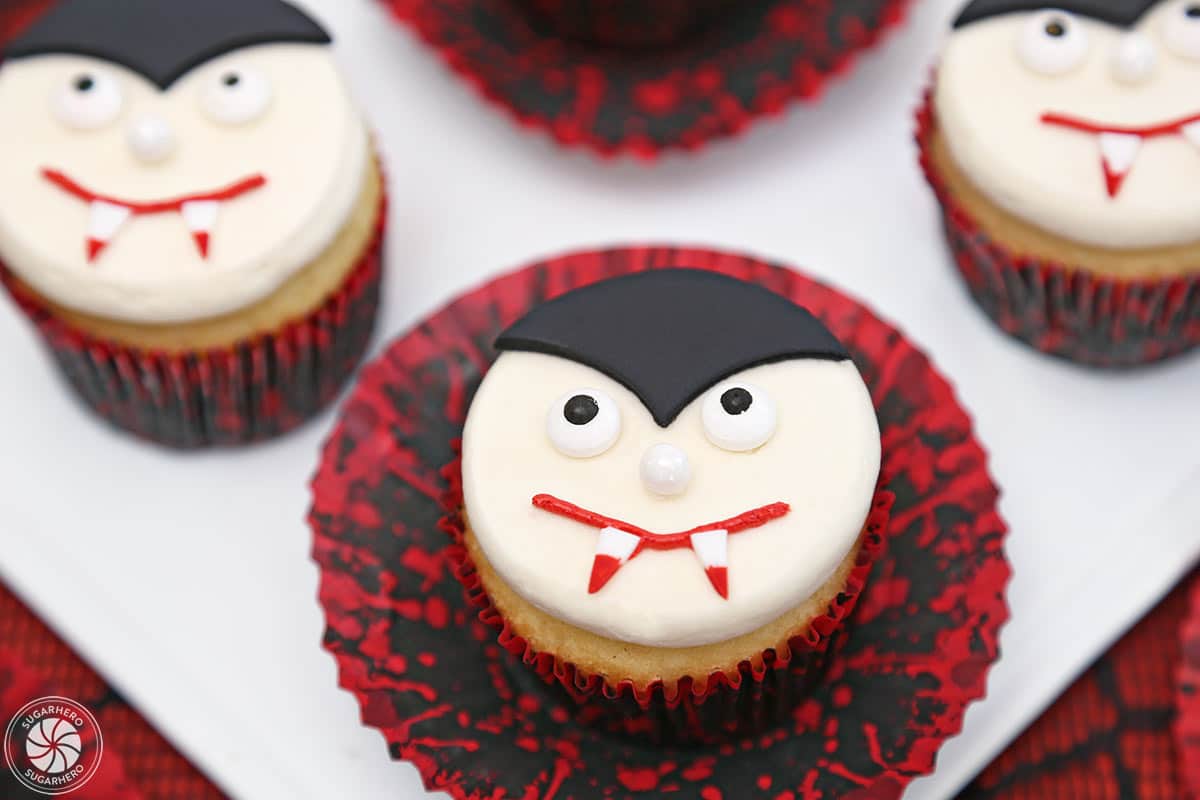
The concept of transforming ordinary cupcakes into characters or thematic elements is a long-standing tradition in baking, particularly around holidays. Halloween, with its rich iconography of monsters, ghosts, and witches, provides fertile ground for such culinary creativity. Vampire Cupcakes, specifically, tap into the enduring fascination with vampire folklore, which has seen resurgences in popular culture through literature, film, and television, from Bram Stoker’s Dracula to modern interpretations like "What We Do in the Shadows." This recipe leverages these familiar tropes by focusing on key vampire characteristics: fangs, dark hair, and a hint of blood-red detailing.
The foundation of these Vampire Cupcakes begins with the cupcakes themselves. While the recipe encourages using a favorite cake mix for convenience, it also acknowledges the availability of more elaborate homemade cupcake recipes for those seeking a more involved baking experience. This dual approach caters to a wide spectrum of baking skill levels, from beginners to more experienced decorators. The core of the decorative process, however, lies in the careful application of buttercream and fondant.
Ingredients and Equipment for a Spooky Transformation
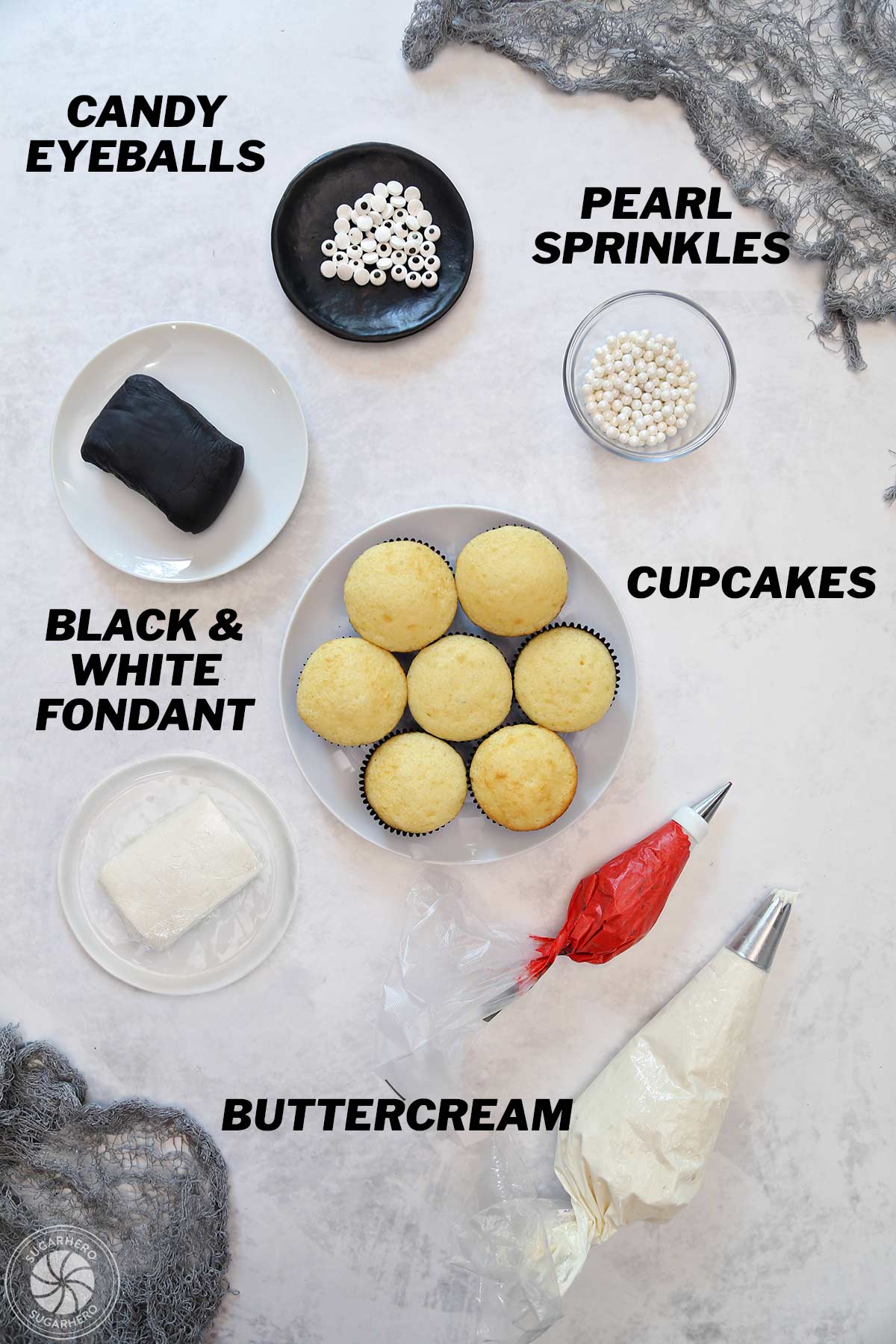
The essential components for creating these Vampire Cupcakes are relatively straightforward, focusing on accessibility and ease of use. The recipe outlines the need for prepared cupcakes, homemade frosting, fondant, and select candy decorations. This minimalist ingredient list suggests that the magic of these cupcakes lies more in the creative application of decorative elements rather than complex baking techniques.
For the cupcakes and frosting, the primary requirements include:
- Prepared cupcakes of choice (store-bought mix or homemade recipe)
- Ingredients for homemade frosting (typically butter, powdered sugar, vanilla extract, and a liquid such as milk or cream). Specific quantities are detailed in the recipe card.
The decorative elements are where the vampire theme truly comes to life:
- Fondant: Black fondant is crucial for creating the signature "hair" of the vampire, while white fondant serves as the base for the iconic fangs.
- Candy Decorations: Small candies or edible eyes can be used to represent the eyes of the vampire, adding a whimsical touch. Red food coloring is essential for achieving a blood-like effect on the fangs or for drawing a menacing smile.
While the recipe emphasizes that many of these steps can be accomplished with basic kitchen tools, certain equipment can streamline the process and enhance the final aesthetic:
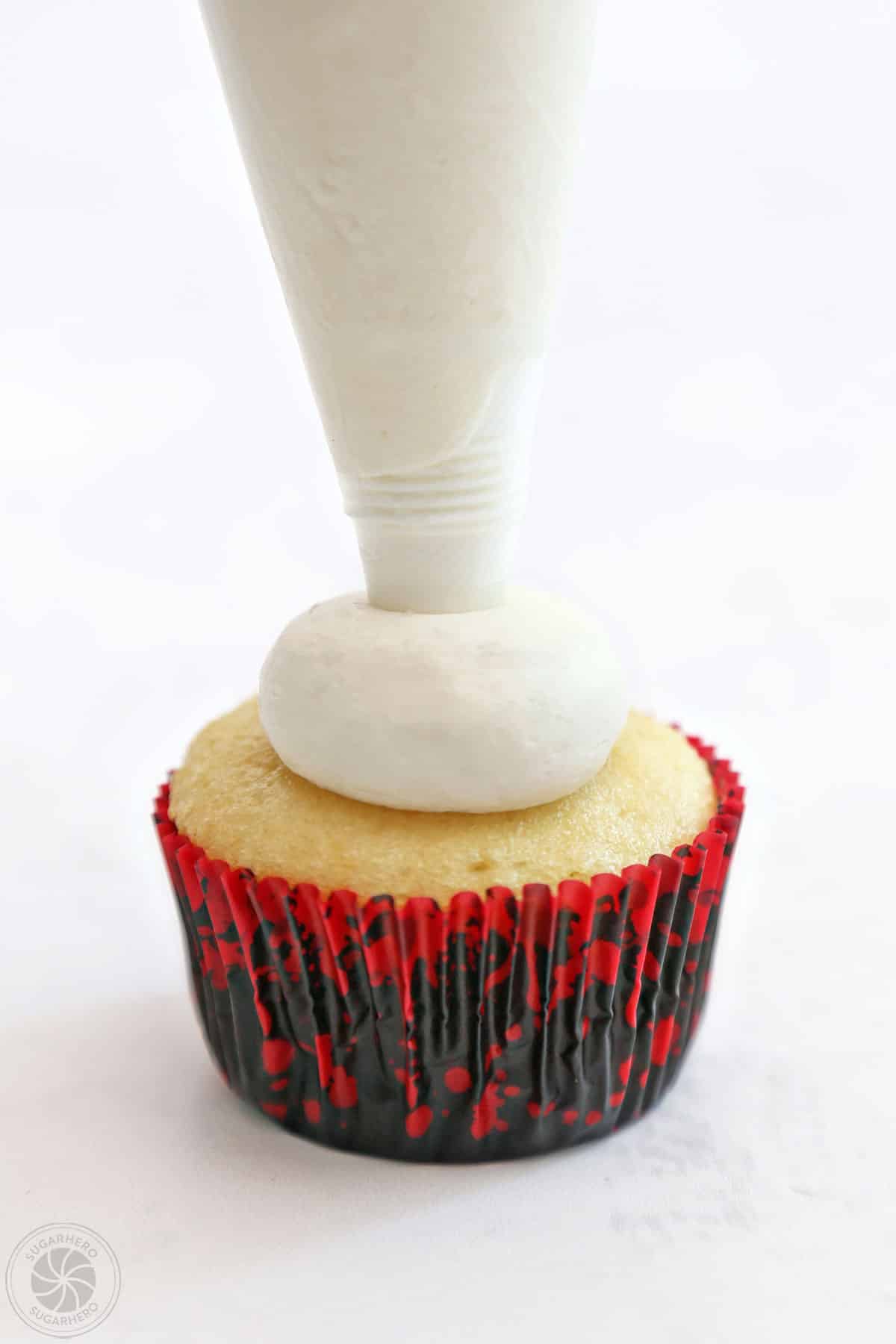
- Piping bags and tips: Essential for applying buttercream smoothly and creating the characteristic dome shape of the vampire’s head.
- Fondant rolling pin: For achieving an even thickness when preparing fondant pieces.
- Sharp knife or fondant cutter: For precisely shaping the fondant into fangs and hair.
- Tweezers: Particularly useful for delicate placement of small candy decorations like eyes.
The recipe also provides a note on adjusting frosting consistency, a critical tip for achieving the desired texture. Factors such as butter temperature and ambient kitchen heat can significantly influence how frosting behaves. Bakers are encouraged to experiment, adding milk or water to thin the frosting or powdered sugar to thicken it, ensuring a workable medium for decorating.
The Art of Vampire Transformation: A Step-by-Step Guide
The transformation of a plain cupcake into a vampire is a multi-stage process that combines foundational baking with artistic decoration. The method emphasizes a methodical approach, ensuring that each element contributes to the overall thematic coherence of the dessert.
Frosting the Cupcakes: Creating the Vampire’s Head
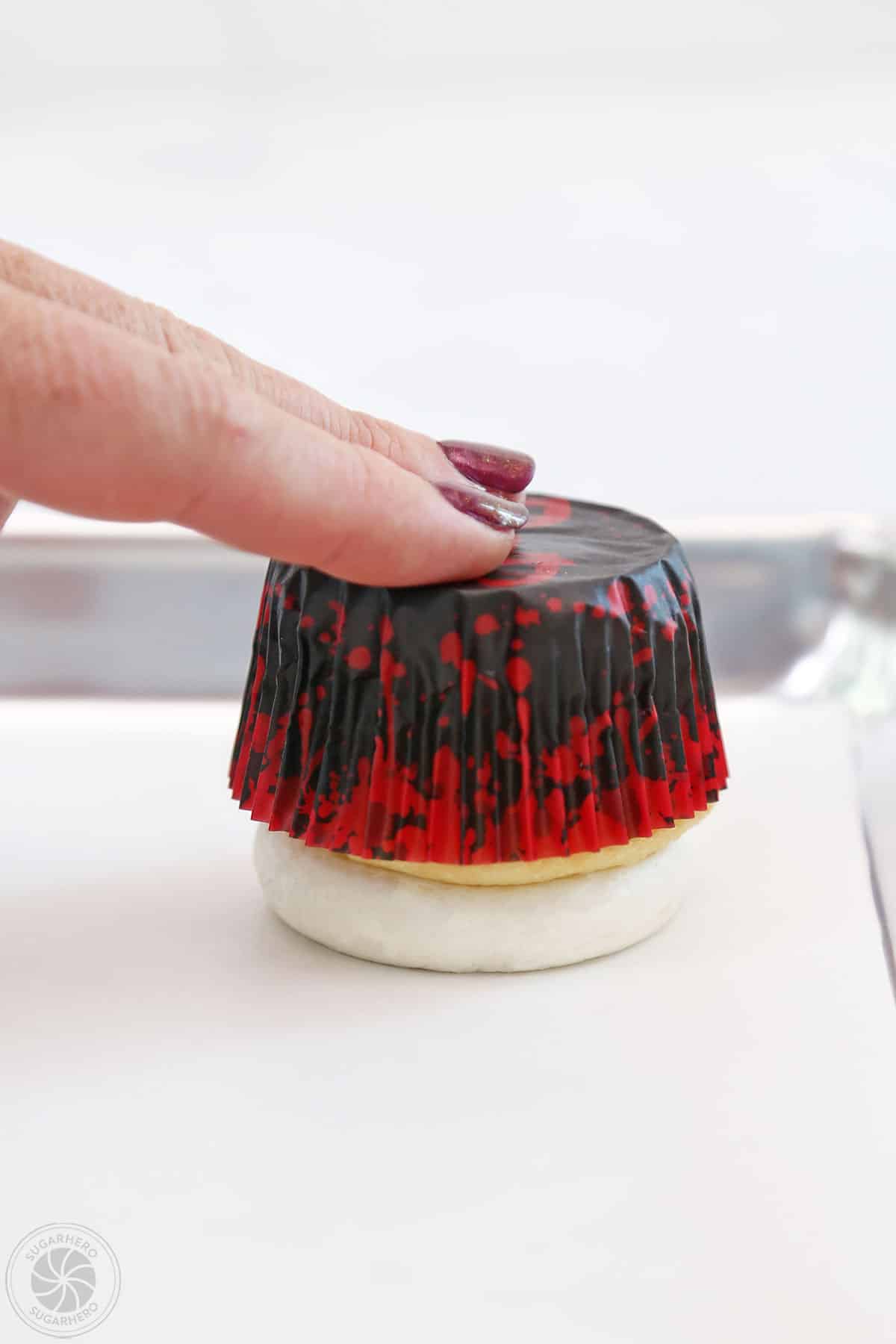
The initial step involves frosting the cupcakes. The recipe suggests piping a rounded mound of buttercream onto each cupcake, forming the base of the vampire’s head. This smooth, domed surface is crucial as it provides a canvas for the subsequent facial features. For those without specialized piping bags and tips, a common alternative is to use a resealable plastic bag, snipping a small corner to act as a makeshift piping tool. This practical suggestion highlights the recipe’s focus on accessibility.
Crafting the Vampire’s Signature Elements: Hair and Fangs
With the buttercream base established, the next phase involves creating the iconic vampire features using fondant.
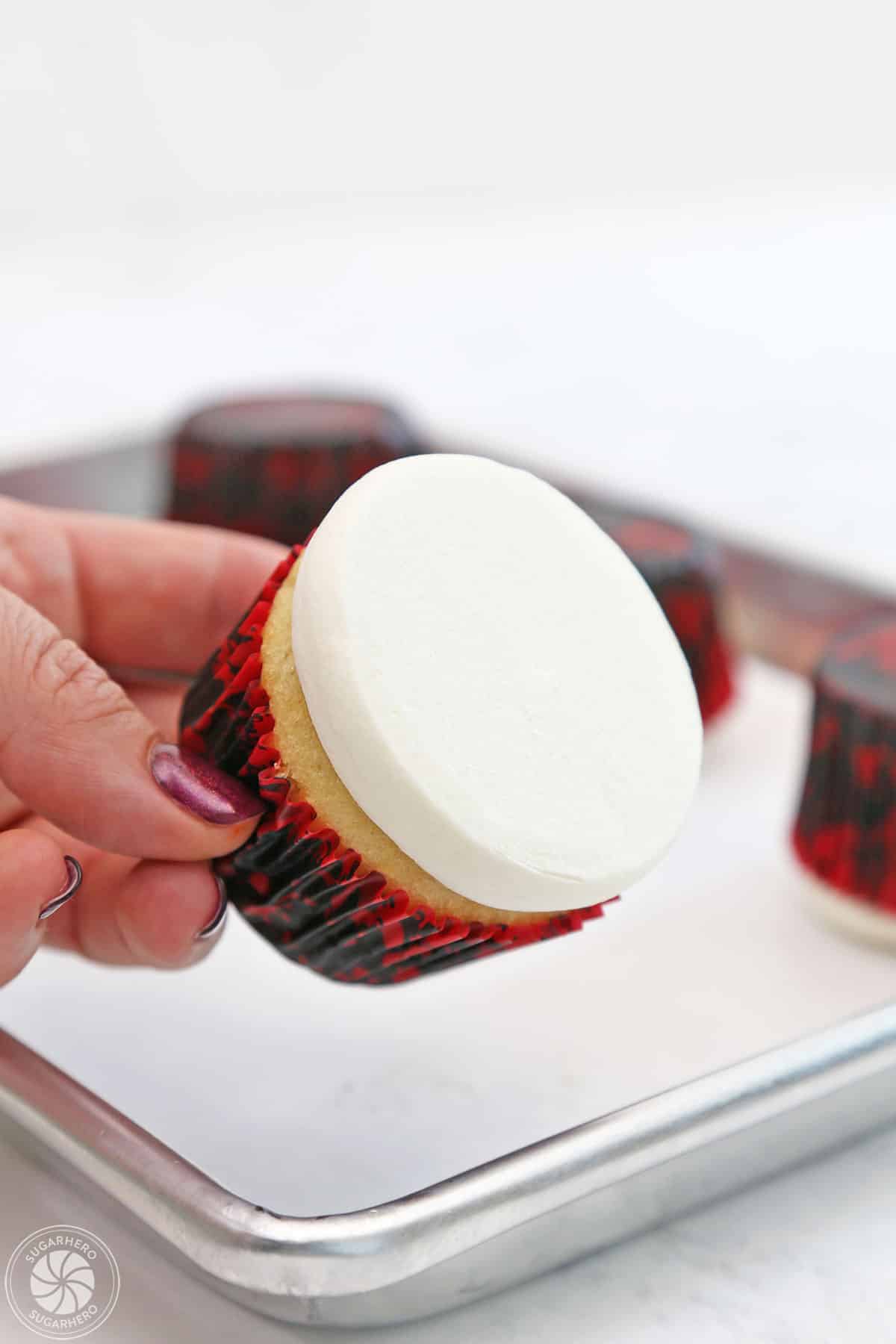
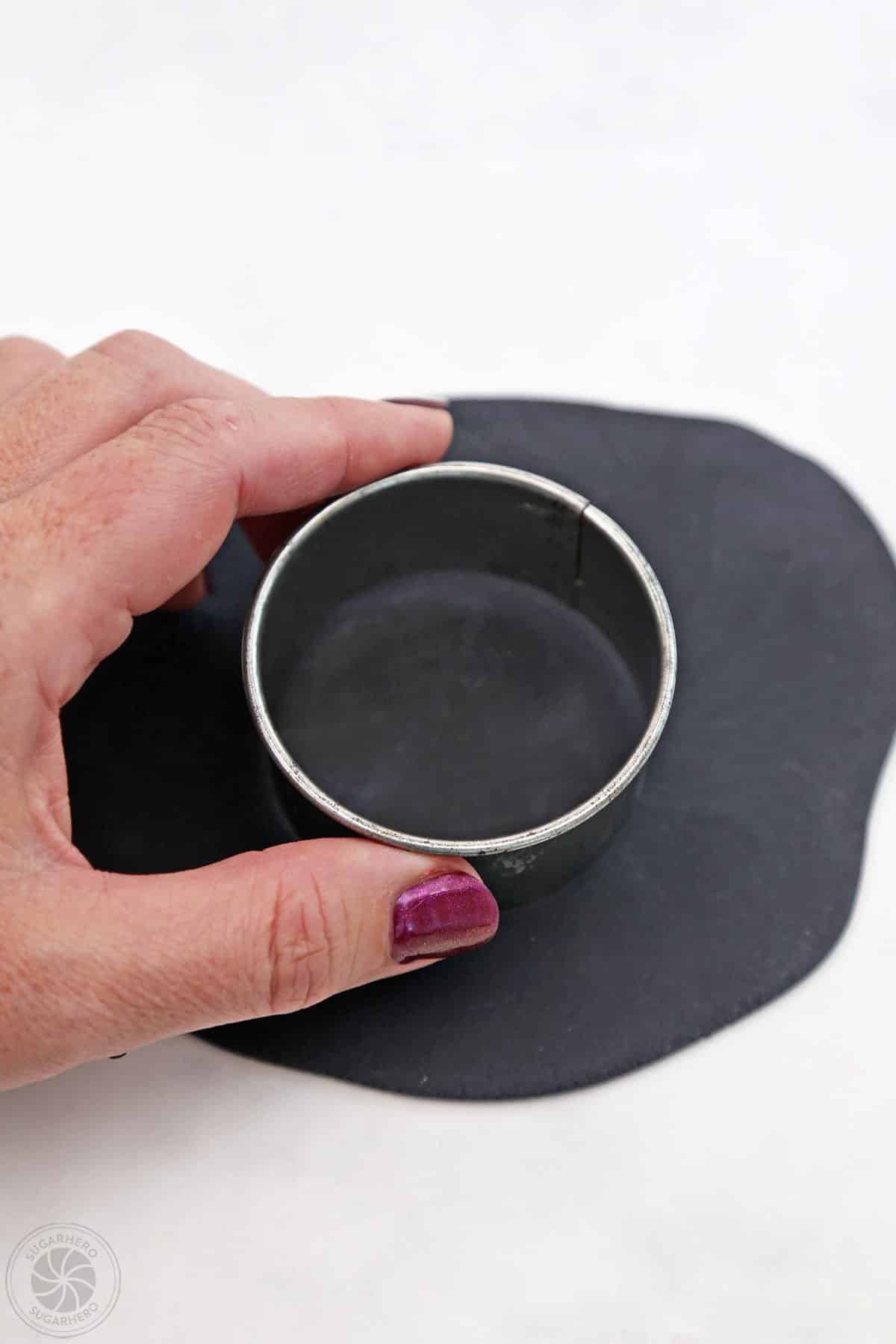
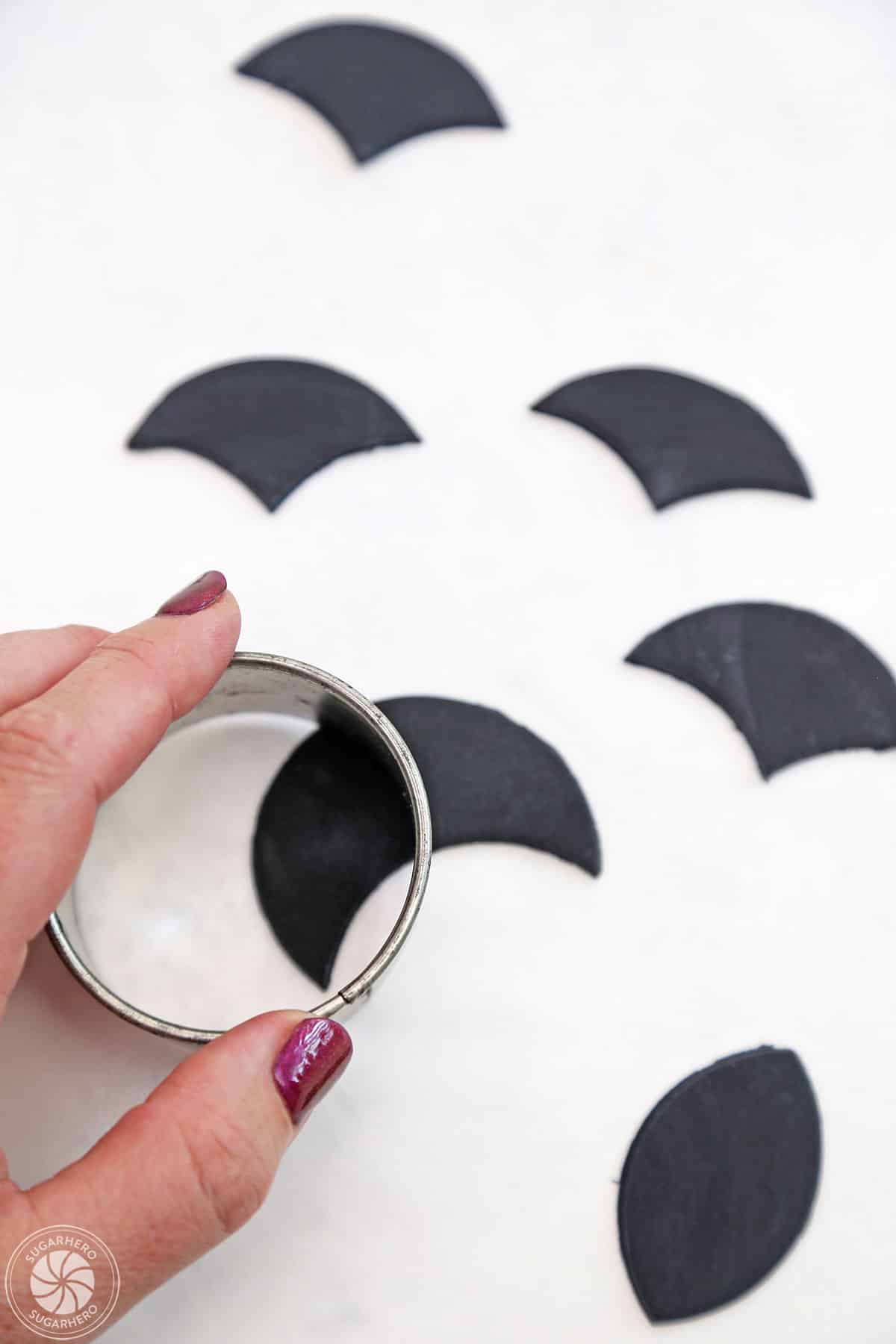
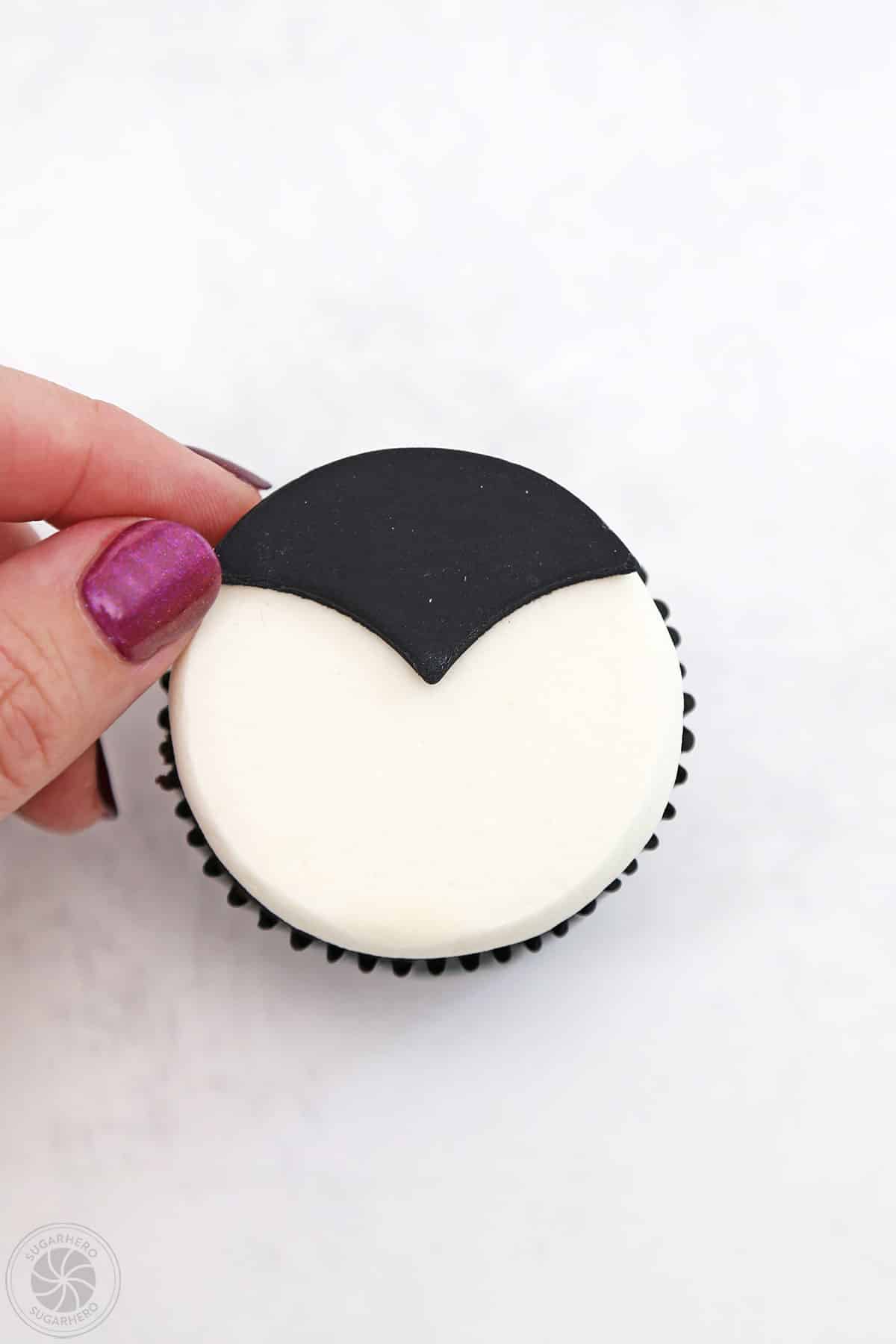
Making the Vampire Hair: Black fondant is rolled out to a consistent thickness. Using a circular cutter, the fondant is then cut into rounds. These circles will serve as the hair that frames the vampire’s face. The size of the cutter should be chosen to appropriately proportion with the size of the cupcake.
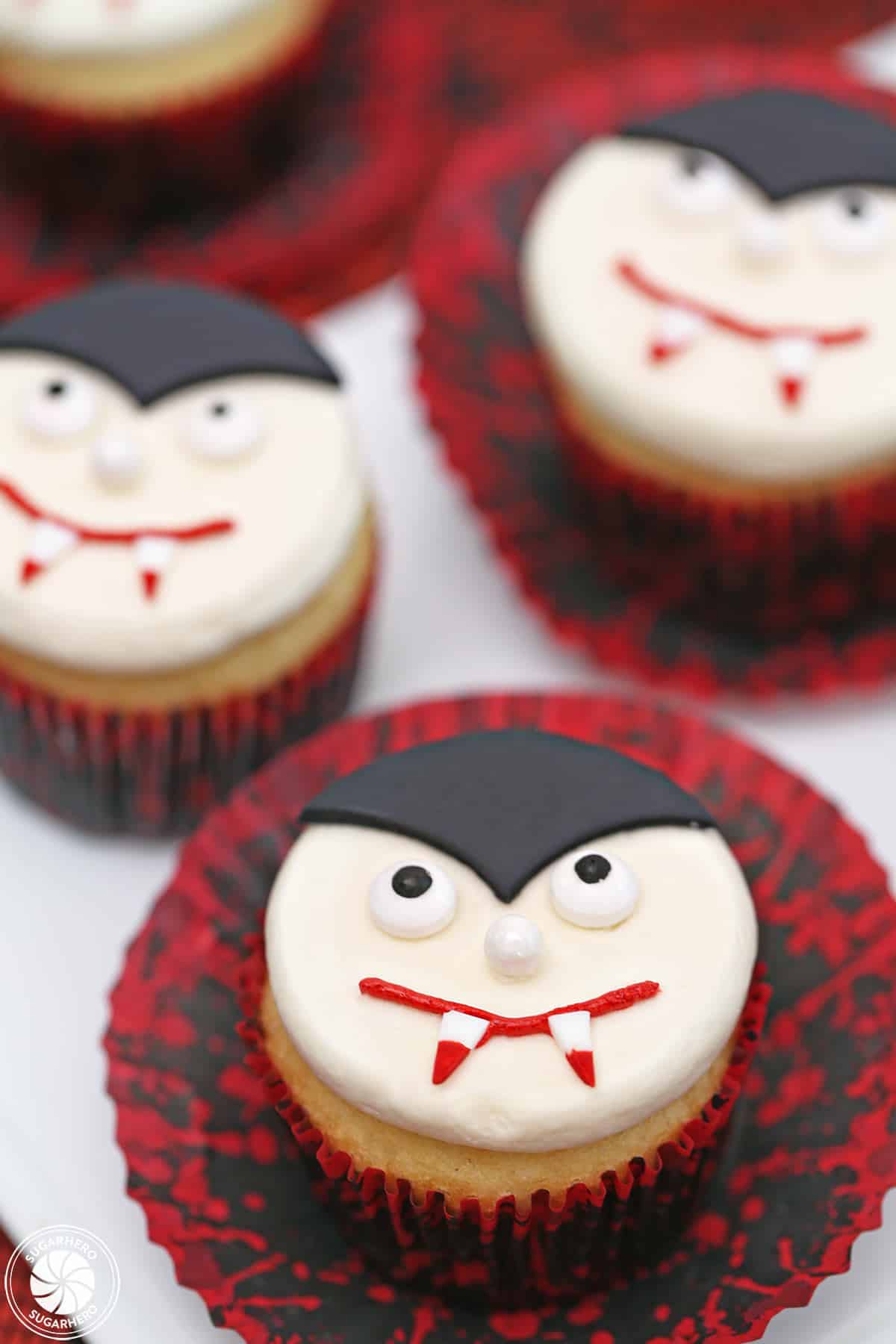
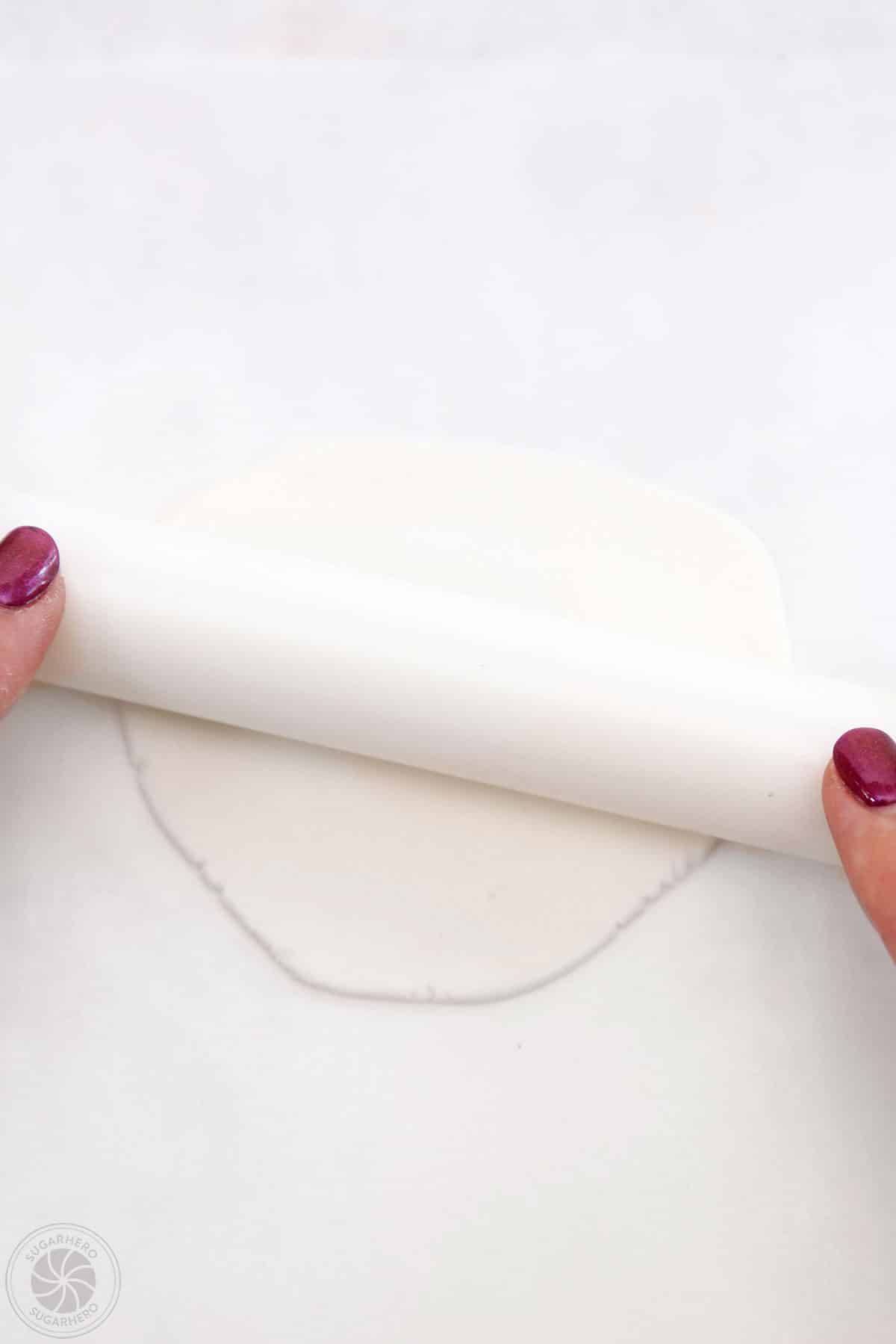
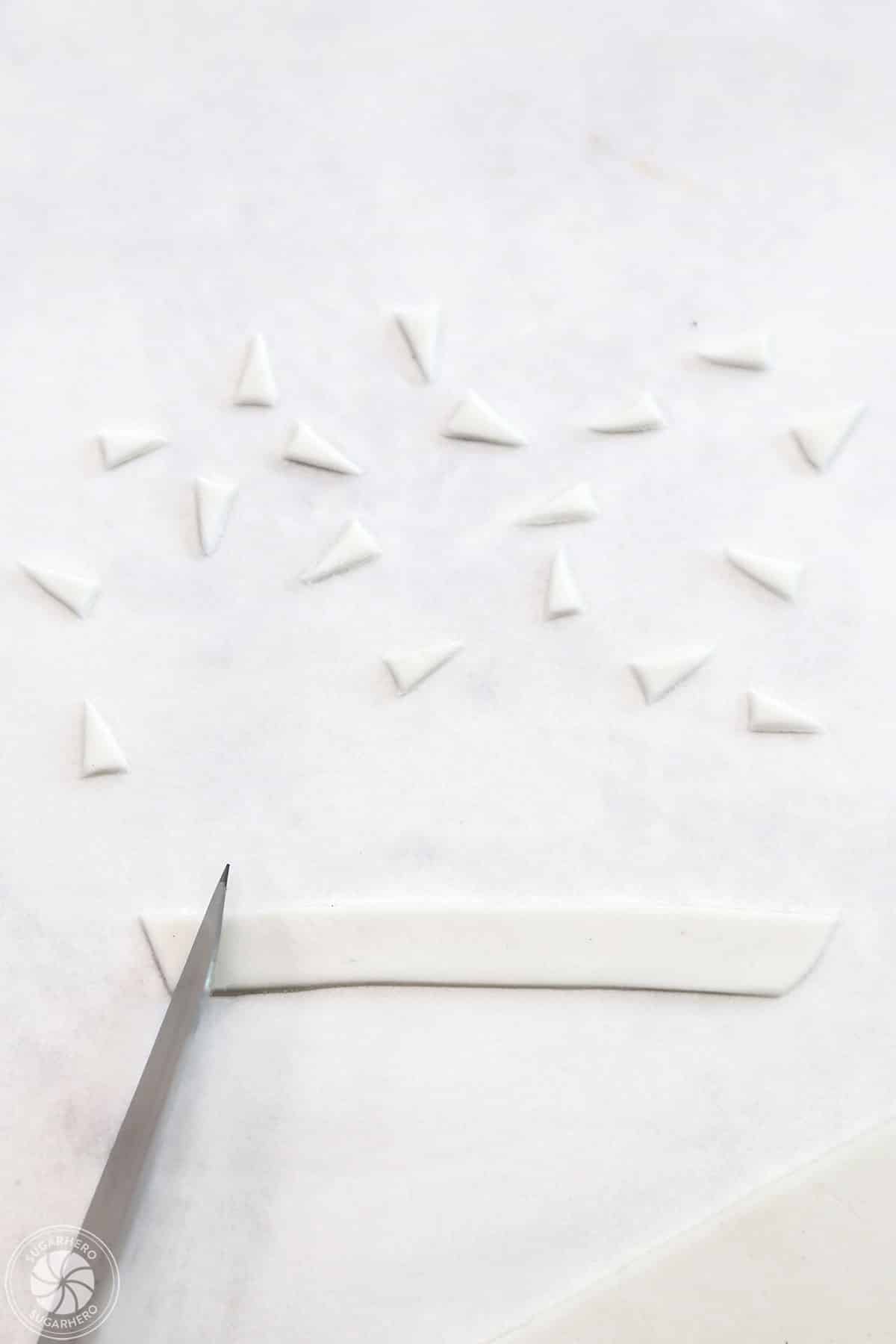
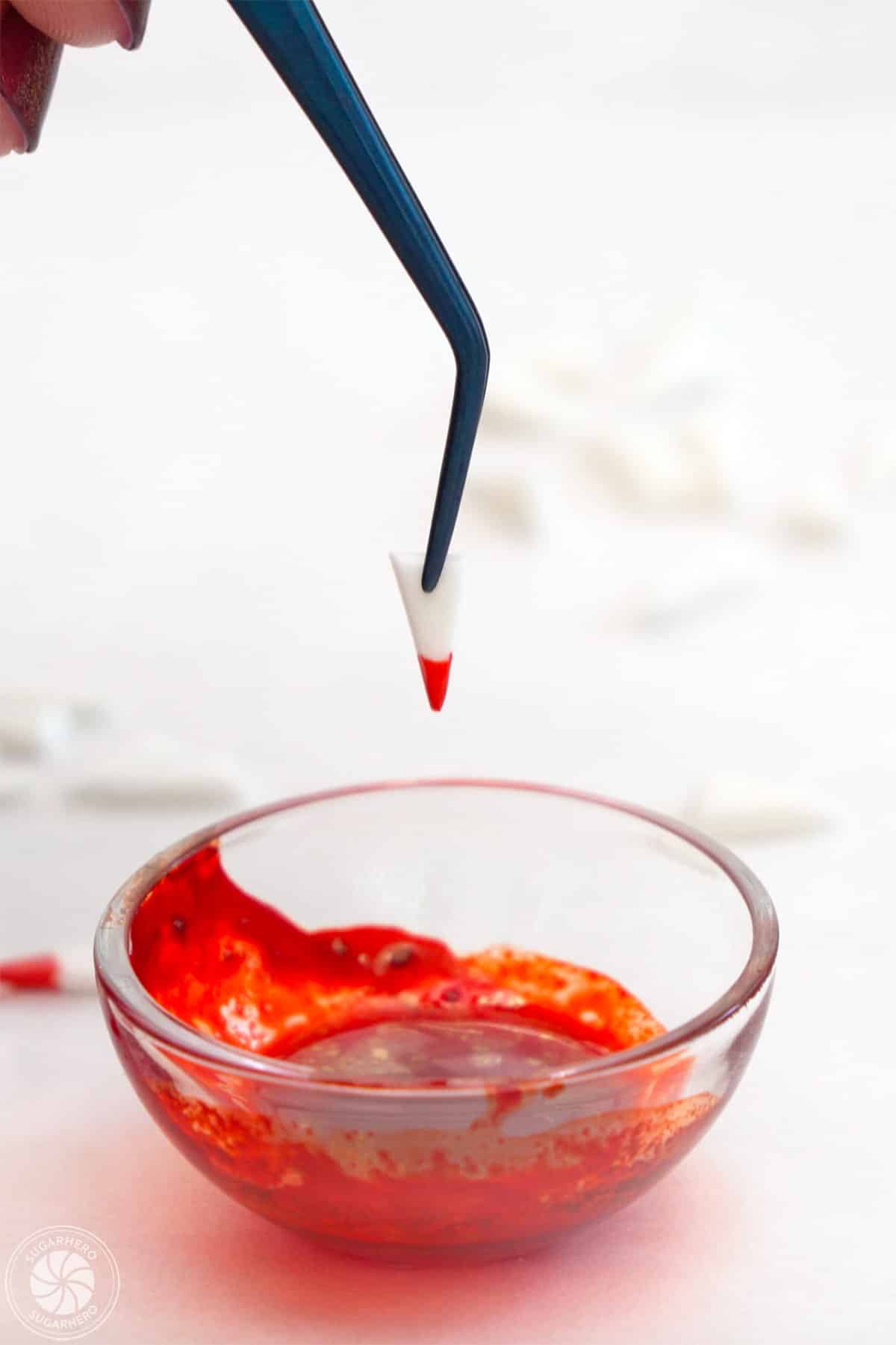
Creating the Vampire Fangs: White fondant is rolled out and then cut into small triangular shapes. These triangles represent the sharp, distinctive fangs of a vampire. To add a touch of realism and thematic accuracy, these fondant fangs can be lightly dipped or brushed with red food coloring to simulate a bloody effect. This detail elevates the visual impact, making the cupcakes undeniably vampiric.
Assembling the Vampire’s Face: Bringing the Character to Life
The final stage is the assembly and decoration, where all the prepared elements come together to form the complete vampire character.
-
Placing the Hair: The black fondant circles are carefully placed onto the frosted cupcakes, creating a fringe of hair around the top edge of the buttercream dome. This step effectively defines the upper boundary of the vampire’s face.
-
Adding the Fangs: The prepared white fondant fangs, optionally colored with red food coloring, are then gently pressed into the front of the buttercream, just below the hair. Their placement is key to conveying a sense of the vampire emerging or about to bite.
-
Creating the Eyes and Mouth: For the eyes, small candies or edible eye decorations can be strategically placed on the buttercream, above the fangs. Alternatively, a simple red frosting or edible marker can be used to draw two dots for eyes. A sinister smile can be achieved by piping a thin line of red frosting or edible gel below the fangs.
The result is a collection of charmingly spooky Vampire Cupcakes, each with its own unique personality, ready to delight at any Halloween gathering.
Context and Culinary Trends
The popularity of themed desserts like Vampire Cupcakes is deeply intertwined with broader culinary trends and the cultural significance of holidays. Halloween, in particular, has evolved into a major event for culinary creativity, extending beyond traditional trick-or-treating to encompass elaborate parties, school events, and workplace celebrations. The demand for visually appealing and thematically relevant treats has fueled a surge in the availability of decorating supplies and inspired countless recipe innovations.
Data from various food industry reports indicates a consistent upward trend in seasonal food sales, with Halloween being a significant contributor. Consumer spending on Halloween-related food items, including candy and baked goods, has seen steady growth year over year. This trend is driven by a desire for shared experiences, particularly among families and social groups, where festive food plays a central role. The accessibility of online platforms like Pinterest and Instagram has further amplified the reach of creative baking ideas, allowing recipes like these Vampire Cupcakes to gain widespread traction and inspire a global audience.
The appeal of the Vampire Cupcake can also be analyzed through the lens of nostalgic comfort and imaginative play. For children, these treats offer a tangible connection to the fantasy and folklore of Halloween, allowing them to engage with themes of monsters and magic in a safe and edible format. For adults, these cupcakes can evoke childhood memories of Halloween celebrations, offering a sense of playful indulgence and a break from the everyday. The "cute and spooky" duality is a key factor in their success, appealing to a desire for treats that are both visually striking and playfully unsettling.
Broader Impact and Implications
The widespread adoption of recipes like the Vampire Cupcake highlights several key aspects of modern food culture. Firstly, it underscores the democratization of culinary arts, where sophisticated decorating techniques are made accessible to home bakers through clear instructions and readily available materials. The internet has played a pivotal role in this, transforming recipe sharing from a niche activity into a mainstream phenomenon.
Secondly, the success of such themed treats reflects a growing consumer appreciation for the experiential aspect of food. Beyond mere sustenance, food is increasingly viewed as a medium for storytelling, cultural expression, and social connection. Halloween, with its emphasis on imaginative themes, provides an ideal backdrop for this trend. The ability to create visually striking and thematically appropriate desserts like Vampire Cupcakes allows individuals to participate actively in the festive spirit, transforming simple ingredients into edible works of art that enhance the overall celebratory atmosphere.
Furthermore, the trend towards visually engaging desserts also has implications for the food industry. It drives innovation in the development of decorating supplies, such as specialized food colorings, edible glitters, and unique fondant molds. It also influences the marketing strategies of food bloggers and recipe developers, who increasingly rely on high-quality photography and engaging video content to showcase their creations. The ability of a recipe like the Vampire Cupcake to go viral on social media platforms demonstrates the power of visual appeal in the digital age, influencing purchasing decisions and inspiring a wave of creative endeavors in kitchens worldwide.
In conclusion, the Vampire Cupcake recipe from Sugar Hero is more than just a set of instructions; it represents a confluence of culinary tradition, modern trends, and the enduring appeal of Halloween. By breaking down a seemingly complex decorative process into manageable steps and utilizing accessible ingredients, it empowers home bakers to create festive and memorable treats. As Halloween continues to be a significant cultural event for culinary expression, recipes like this are poised to remain popular, embodying the playful spirit of the season and delighting taste buds with their spooky charm. The enduring fascination with themes like vampires, coupled with the ease of creating these visually striking cupcakes, ensures their continued place in the pantheon of beloved Halloween desserts.