

The humble pizza, a dish with ancient origins yet enduring global appeal, owes much of its iconic status to a singular, transformative ingredient: cheese. More than just a topping, the right cheese brings a pizza to life, melting enticingly, tasting sensationally, and exuding a delectable aroma that defines the experience of Italy’s most famous culinary creation. This comprehensive exploration delves into the diverse world of cheeses best suited for pizza, examining their unique characteristics, historical context, optimal applications, and the culinary science behind their transformative power, from traditional favorites to innovative selections.
Pizza’s journey from a simple flatbread in Naples to a worldwide gastronomic phenomenon is a testament to its versatility and universal appeal. While the crust and sauce lay the foundational flavors, it is the cheese that crowns the dish, providing the essential texture, richness, and depth that has captivated palates across continents for centuries. The global pizza market, a multi-billion dollar industry, underscores the immense cultural and economic significance of this dish, with cheese being an indispensable component driving its success. Despite regional variations and century-long rivalries between different pizza styles, a consensus among culinary professionals remains: crafting the perfect pizza hinges on selecting the best cheese for the job. Our rigorous research compiles the ultimate guide, offering insights into various cheese types, their historical trajectories, ideal pairings, and even the burgeoning trend of crafting these essential ingredients at home.

Mozzarella: The Undisputed Monarch of Pizza Cheeses
At the apex of pizza cheese hierarchy stands Mozzarella, a name synonymous with authentic Italian pizza. Legend attributes its creation to a fortunate accident in Naples, where a cheesemaker reportedly dropped curds into hot water, inadvertently discovering the "spun paste" technique that yields its characteristic elasticity. Traditionally crafted from rich buffalo milk (mozzarella di bufala), modern variations often utilize cow’s milk, maintaining its core qualities: a soft, moist, milky, and spongy texture that truly comes alive under heat. When melted, mozzarella develops that wonderfully stringy, gooey texture and delicate flavor profile that is universally adored.
The distinction between high-moisture and low-moisture mozzarella is paramount for pizza applications. High-moisture mozzarella, often sold in water, is exceedingly fresh with a very short shelf-life. Its subtle, creamy flavor and wetter consistency, while excellent for salads like Caprese, can release too much moisture during baking, potentially making the pizza soggy. Conversely, low-moisture mozzarella, which has undergone additional processing to reduce its water content, is widely regarded as superior for pizza. It boasts a more concentrated, saltier flavor, melts faster and more uniformly, and produces the desired golden-brown blisters without excess liquid. Culinary experts consistently highlight low-moisture mozzarella as the gold standard, whether used as the sole cheese or as part of a blend, due to its reliable melt, appealing stretch, and balanced flavor that complements virtually any topping. It can be added before baking for classic appeal or sparingly as a fresh accent post-oven for a nuanced touch. For those inclined towards artisanal pursuits, traditional recipes for homemade mozzarella are readily available, allowing enthusiasts to experience this staple from scratch.

Cheddar: A Versatile Workhorse in Pizza Blends
Originating in the 12th century in Somerset, England, Cheddar cheese has transcended its regional roots to become a global pantry staple. It was one of the first cheeses to be mass-produced and extensively exported, cementing its place in kitchens worldwide. Cheddar offers a broad spectrum of flavor profiles, ranging from mild and crumbly to sharper, more intensely aged varieties, catering to diverse preferences.
On pizza, Cheddar demonstrates remarkable versatility, often incorporated into cheese blends. Its limited elasticity and resistance to blistering under high heat make it an excellent complement to more elastic cheeses like mozzarella. While it may not offer the same stringy pull as mozzarella, it contributes a robust, tangy flavor and a satisfyingly creamy texture when melted. Many pizzaiolos integrate cheddar into their cheese blends to enhance the overall flavor complexity and achieve a more appealing golden crust. The sharper varieties of cheddar particularly shine against strong, savory toppings such as pepperoni, sausage, chili, and even the unexpected sweetness of pineapple, offering a delightful counterpoint. Its widespread familiarity and adaptability make it a popular choice for pizzas aiming for broad appeal, and detailed farmhouse cheddar recipes empower home cooks to explore its rich heritage.

Ricotta: The Light and Tangy Game Changer
Ricotta, a soft, light, and fluffy cheese, stands apart as a unique offering in the pizza landscape. Its name, meaning "recooked," refers to its production method: it is a whey cheese, primarily made from the leftover whey and a small amount of curds after other cheeses have been produced. This process yields a fresh, tangy, and notably moist cheese, often compared to cream cheese in its consistency. Ricotta’s versatility extends to its source milk, as it can be made from cow, goat, sheep, or water buffalo milk.
Unlike traditional melting cheeses, ricotta isn’t typically spread uniformly across a pizza base. Instead, its creamy texture and fresh flavor lend themselves to innovative applications, particularly as a base for "white pizzas." Blended with more potent cheeses like blue cheese, gorgonzola, or Gruyere, ricotta forms a rich, tangy white sauce that serves as a delectable alternative to the conventional tomato base. This approach opens up a world of gourmet topping possibilities, from delicate seafood and chicken to vibrant broccoli, peppery rocket, sweet pears, or savory pancetta. The increasing popularity of ricotta on pizzas signifies a departure from strict traditionalism, catering to evolving palates seeking lighter, creamier, and more nuanced flavor profiles. Its relative ease of preparation also makes homemade ricotta a rewarding project for aspiring cheesemakers.

Gouda: The Sweet and Nutty Dutch Delight
Hailing from the Netherlands, Gouda is a semi-hard cheese instantly recognizable by its characteristic bright red wax seal. Known for its sweet, smooth, and widely appealing flavor, Gouda melts exceptionally well, making it an excellent choice for everyday pizzas. Crafted from cow’s milk, young Gouda presents a mild, sweet, and nutty taste. As it matures, its flavor profile deepens, becoming sharper and developing a more crumbly texture.
While sharing some similarities with cheddar in its versatility, Gouda offers a distinctly softer, more buttery flavor. This makes it an ideal canvas for a variety of toppings, contributing a rich, creamy element without overpowering other ingredients. It pairs exceptionally well with robust flavors such as pulled pork, BBQ chicken, roasted peppers, bacon, and smoked sausage. Its universally appealing flavor makes it a safe yet delicious choice for family pizzas and those seeking a comforting, familiar taste with a subtle depth. The process of making Gouda at home, though more involved than soft cheeses, offers a rewarding experience for those dedicated to artisanal cheese production.

Parmesan: The Umami Finisher
Parmesan, an aged Italian hard cheese with a heritage tracing back to Roman times, is revered for its intense, savory umami flavor. Typically finely grated or shaved, Parmesan is a staple in a myriad of dishes, from pasta to salads. While undoubtedly a fantastic cheese for pizza, its delicate and dry nature demands a specific application to preserve its unique qualities.
Crucially, Parmesan should never be added to a pizza before it enters the oven. Baking Parmesan directly can lead to a loss of its nuanced flavor profile and a tendency to become excessively dry or even bitter. Instead, leading culinary figures emphasize the importance of adding Parmesan as a generous garnish—shaved or grated—just before serving. This method allows the cheese’s complex, salty umami to shine through, enhancing the overall flavor and adding a sophisticated depth to the finished dish. Parmesan is particularly effective on simpler pizzas where its intense flavor can truly stand out, such as classic cheese pizzas, garlic pizzas, or those topped with fresh ingredients like prosciutto, arugula, and fresh tomatoes. It acts as the perfect finishing touch, elevating the sensory experience and making it an indispensable component of a well-balanced cheese blend. For ambitious cheese enthusiasts, the challenging but rewarding process of making homemade Parmesan offers a profound connection to this ancient delicacy.
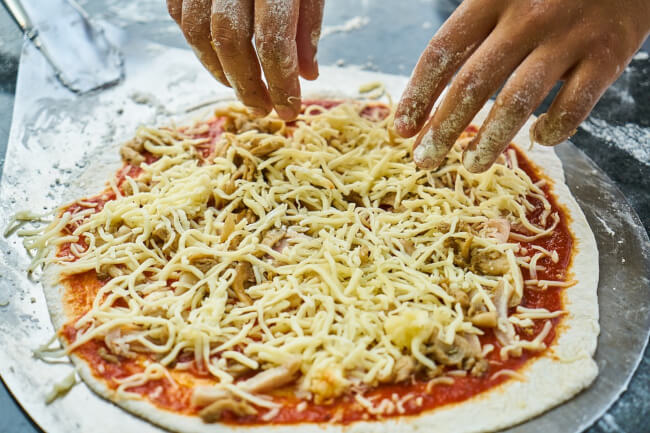
Chevre (Goat Cheese): The Adventurous and Lactose-Friendly Option
Chevre, the French term for goat cheese, introduces a distinctly different flavor profile to the pizza arena. This rindless, soft, white, and creamy cheese is characterized by its strong, tart, and often earthy flavor, which intensifies with age. While not a traditional pizza cheese, its unique characteristics have inspired adventurous chefs and home cooks to incorporate it into contemporary pizza recipes, refreshing the conventional palate.
Unlike mozzarella or even cheddar, goat cheese does not melt into a gooey, flowing layer. Instead, it softens slightly when heated, maintaining its form. For this reason, it is recommended to break chevre into small chunks and dot them evenly over the pizza base before cooking, allowing for pockets of creamy, tangy flavor throughout. An additional benefit of chevre is its lower lactic acid content, making it a viable and appealing option for individuals with lactose intolerance seeking to enjoy pizza. Its piquant taste pairs exceptionally well with a range of unconventional toppings, including sweet caramelized onions, figs, roasted peppers, peppery rocket, and roasted butternut squash, offering a bold and exciting culinary experience. The simplicity of making chevre at home also makes it an excellent introductory project for aspiring cheesemakers.
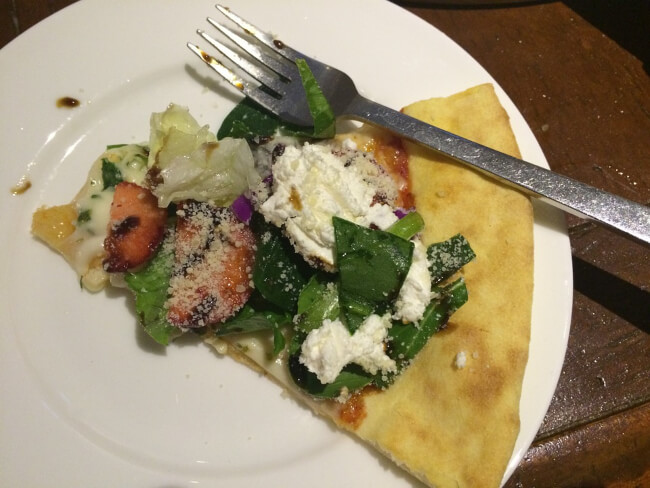
Gruyere: Swiss Complexity for the Connoisseur
Gruyere, a distinguished Swiss cheese, is celebrated for its remarkable complexity and nuanced flavor development. As an aged cheese made from cow’s milk, its texture evolves from dense to flaky and granular over time. Its initial full-bodied and fruity notes gradually deepen into rich, nutty, and earthy tones, culminating in a soft, lingering finish. The unique terroir of the Gruyère region, where cows graze on specific pastures, is believed to contribute significantly to its distinctive flavor profile, making it challenging to replicate elsewhere.
For pizza, Gruyere offers an exquisite addition, melting beautifully without blistering excessively and imparting a rich, savory depth. Its strong, assertive flavor means it thrives on pizzas with fewer, carefully selected toppings that allow its character to shine. Lightly sprinkling the base with complementary ingredients such as smoked sausage, peppers, smoked ham, or even thinly sliced potatoes creates a harmonious balance. Gruyere elevates pizza from a casual meal to a gourmet experience, appealing to those with a sophisticated palate who appreciate complex flavors. Crafting Gruyere at home is a challenging endeavor, reflecting its intricate aging process and demanding skill, but offers immense satisfaction for the dedicated artisan.

Camembert: The Gourmet’s Adventurous Choice
Camembert, the renowned soft French cheese from Normandy, stands as the most popular white mold cheese on the market. It offers a milder, yet still adventurous, flavor compared to more intense varieties like blue cheese or Gorgonzola. Traditionally enjoyed with breads, crackers, wine, and fruit, Camembert has found an unexpected, yet delightful, home on non-traditional pizzas, appealing to those seeking innovative and exciting flavor combinations.
To utilize Camembert effectively on pizza, a simple approach is best. A light brushing of olive oil on the pizza base, followed by generous slices of the cheese, negates the need for a traditional tomato sauce, allowing Camembert’s creamy richness to dominate. When melted, it transforms into a lusciously rich layer that can be beautifully complemented by a diverse array of toppings. Garlic, cherry tomatoes, rocket, prosciutto, caramelized onions, or even sweet pairings like nuts, honey, and cranberries, all harmonize with Camembert’s unique profile. It represents a bold choice for pizza, pushing culinary boundaries and demonstrating the dish’s remarkable adaptability as a canvas for gourmet exploration. For those eager to delve into the world of soft-ripened cheeses, a tried-and-tested Camembert recipe provides a rewarding path to creating this elegant cheese at home.
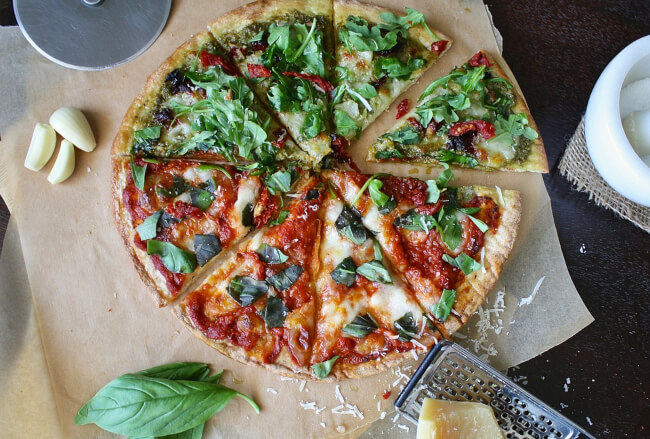
The Art of the Blend: Crafting the Perfect Cheese Symphony
Beyond individual cheese selections, the true artistry of pizza often lies in the strategic blending of different cheeses. Modern pizzerias and discerning home cooks frequently employ proprietary cheese blends to achieve an optimal balance of flavor, texture, and melt characteristics. A common and highly effective blend, for instance, combines the unparalleled stretch and mildness of mozzarella with the sharper, more robust flavor of cheddar. This fusion delivers the iconic stringiness while introducing a deeper, more complex taste.
The rationale behind blending is to leverage the unique strengths of each cheese: mozzarella for its elasticity and creamy melt, cheddar for its flavor depth and browning properties, Parmesan for its umami finish, and others like Gruyere or Gorgonzola for distinct aromatic or pungent notes. This approach allows for a customized cheese layer that caters to specific topping combinations and desired sensory experiences, ensuring that every bite offers a harmonious symphony of flavors and textures.

Homemade Cheese: A Niche but Growing Trend
The detailed recipes provided for making mozzarella, cheddar, ricotta, Gouda, Parmesan, Chevre, Gruyere, and Camembert at home reflect a burgeoning trend in the culinary world. This movement is driven by a desire for greater control over ingredients, an appreciation for artisanal processes, and the satisfaction of creating high-quality food from scratch. For cheese enthusiasts, mastering the art of cheesemaking offers a profound connection to the origins of their food and an unparalleled ability to customize flavors and textures for their perfect pizza. This trend underscores a broader shift towards handcrafted, authentic ingredients in an increasingly convenience-driven food landscape.
In conclusion, the selection of cheese is far more than a mere afterthought in the creation of pizza; it is a critical decision that profoundly shapes the dish’s character. From the classic stretch of low-moisture mozzarella to the tangy bite of chevre and the umami richness of Parmesan, each cheese brings its own unique contribution to the pizza experience. As culinary boundaries continue to expand, the exploration of diverse cheese types and innovative blends ensures that pizza remains a dynamic and endlessly fascinating culinary art form, capable of delighting traditionalists and adventurous eaters alike. The "best" cheese for pizza ultimately remains a matter of personal preference, yet it is undeniably guided by a deep understanding of each cheese’s inherent qualities and how they interact to create that universally cherished, melt-in-your-mouth perfection.


