
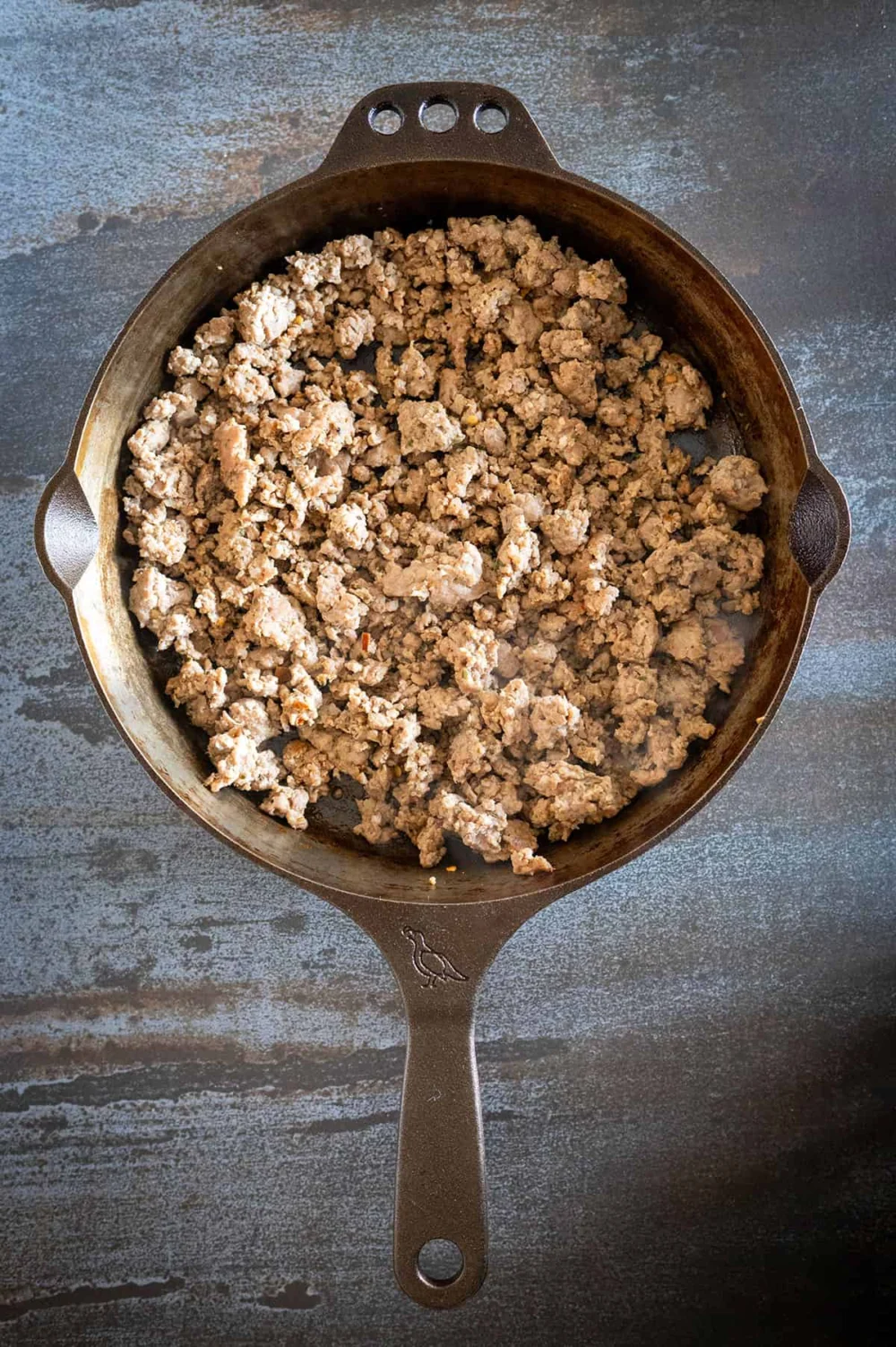
Homemade Italian sausage offers a culinary journey into the heart of authentic Italian cuisine, providing a level of control over ingredients and flavor profiles that store-bought options often cannot match. This guide delves into the process of creating this beloved sausage, from understanding its core components to mastering its storage and versatile applications in a wide array of dishes. The classic Italian sausage, characterized by its robust blend of pork, fennel, garlic, and herbs, can be customized to personal preferences, allowing for the creation of both sweet (mild) and hot varieties, catering to diverse palates and culinary needs.
The Essence of Italian Sausage: A Culinary Cornerstone
At its core, Italian sausage is a testament to the power of simple, high-quality ingredients combined with aromatic seasonings. The foundation is typically ground pork, chosen for its rich flavor and desirable fat content, which contributes to a moist and tender final product. The defining characteristic, however, lies in its spice blend. Fennel seeds are paramount, imparting a unique, slightly sweet, and aromatic note that is instantly recognizable as Italian. Garlic, in its pungent raw or roasted form, adds depth, while a medley of herbs such as oregano, basil, thyme, and rosemary contribute layers of herbaceous complexity.
The distinction between "sweet" and "hot" Italian sausage is primarily determined by the inclusion of red pepper flakes. "Sweet" Italian sausage, a misnomer as it contains no added sugar, derives its subtle sweetness from the inherent qualities of fennel. Conversely, the addition of crushed red pepper flakes elevates the heat, transforming it into the "hot" variety. This customization is a significant advantage of homemade sausage, allowing individuals to tailor the spice level precisely to their liking, whether for a gentle warmth or a fiery kick.
The Advantages of Crafting Your Own Italian Sausage
The decision to make Italian sausage at home transcends mere culinary experimentation; it represents a commitment to freshness, quality, and personalized flavor. Commercially produced sausages, while convenient, often contain fillers, preservatives, and a standardized spice blend that may not align with individual taste preferences. By crafting sausage in one’s own kitchen, consumers gain complete transparency and control over every ingredient. This is particularly beneficial for those with dietary restrictions, allergies, or a desire to reduce sodium intake. Furthermore, the cost-effectiveness of making sausage in larger batches can be substantial, especially for avid cooks and those who frequently incorporate sausage into their meals.
The process of making sausage also offers a rewarding connection to traditional food preparation methods. It allows for an appreciation of the transformation of raw ingredients into a flavorful, versatile staple. The ability to produce sausage in bulk and preserve it through freezing or refrigeration ensures a ready supply of this culinary workhorse for future meals, from weeknight pasta dishes to elaborate weekend feasts.
Understanding the Key Ingredients and Their Roles
The foundation of any successful Italian sausage recipe is the quality of its components.
-
Pork: The choice of pork cut is crucial. Pork shoulder, also known as pork butt, is the preferred cut for its optimal balance of lean meat and fat. A fat content of around 20-30% is ideal, as it prevents the sausage from becoming dry and contributes to a succulent texture. Using a leaner cut will result in a drier, less flavorful sausage. For those seeking a leaner option, a mix of pork shoulder and a slightly leaner cut can be explored, but careful consideration of the fat ratio is paramount.
-
Fennel Seeds: This is the signature spice of Italian sausage. Whole fennel seeds, when toasted lightly before grinding or crushing, release a more intense aroma and flavor. The size of the grind can also influence the texture and flavor release. A coarser grind will provide more distinct pops of fennel flavor, while a finer grind will distribute the flavor more evenly throughout the sausage.
-
Garlic: Fresh garlic is essential for its pungent and aromatic contribution. The amount can be adjusted based on personal preference, with some recipes calling for minced raw garlic and others for roasted garlic for a mellower, sweeter taste.

-
Herbs: A blend of dried Italian herbs is commonly used. These typically include oregano, basil, thyme, and rosemary. While dried herbs are convenient and provide a consistent flavor, fresh herbs can also be incorporated for a more vibrant and nuanced taste. The key is to achieve a harmonious balance where no single herb overpowers the others.
-
Salt and Pepper: These fundamental seasonings are vital for enhancing the overall flavor profile and aiding in the preservation of the sausage. The amount of salt will significantly impact the taste and texture, so it’s important to measure accurately.
-
Red Pepper Flakes (Optional): For hot Italian sausage, red pepper flakes are the primary source of heat. The quantity can be adjusted to achieve the desired level of spiciness, from a mild warmth to a fiery intensity.
The Process: From Raw Ingredients to Delicious Sausage
Crafting homemade Italian sausage is a relatively straightforward process, requiring minimal specialized equipment beyond a large bowl and basic kitchen tools.
1. Preparing the Meat:
Begin with well-chilled ground pork. This helps to keep the fat solid during mixing, preventing it from smearing and resulting in a better sausage texture. If you are grinding your own pork, ensure the meat and the grinder attachments are very cold.
2. Mixing the Seasonings:
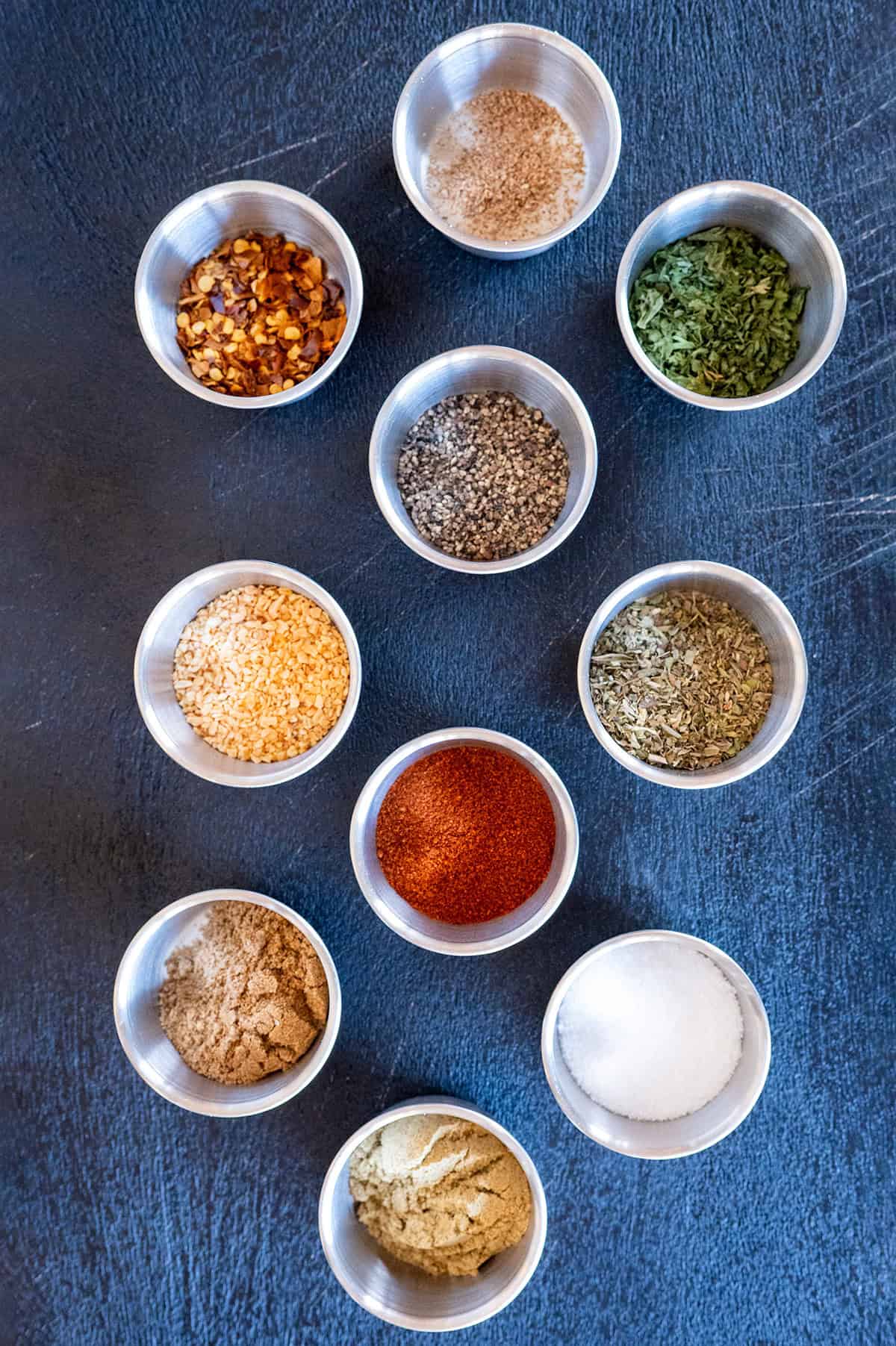
In a separate bowl, combine the salt, fennel seeds (lightly toasted and crushed if desired), garlic powder (or minced fresh garlic), dried herbs, and red pepper flakes (if making hot sausage). Thoroughly mix these dry ingredients to ensure even distribution.
3. Combining Meat and Seasonings:
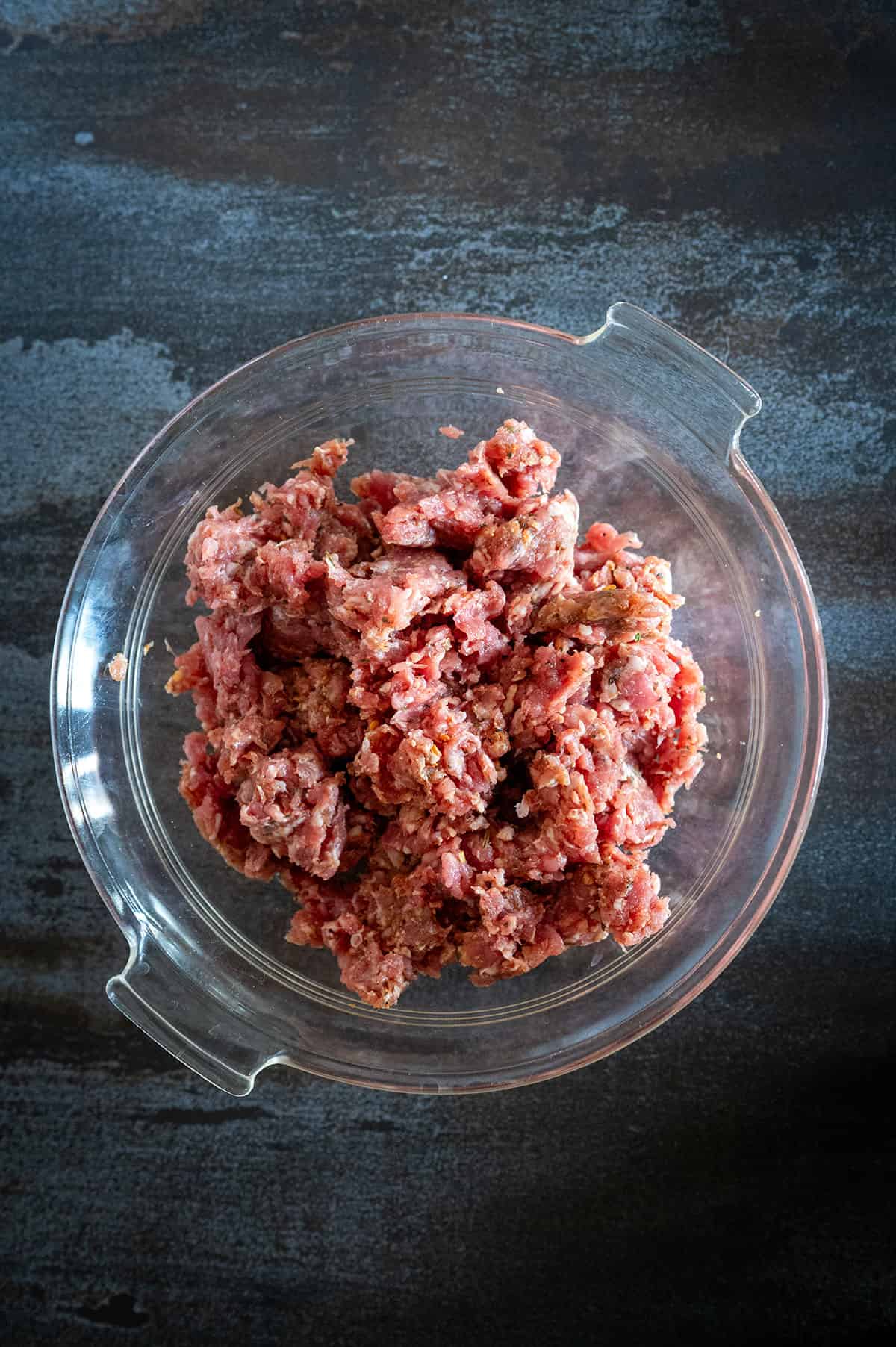
Add the ground pork to a large mixing bowl. Sprinkle the seasoning mixture evenly over the meat. Using your hands (wearing food-safe gloves is recommended), gently but thoroughly mix the seasonings into the pork. Avoid overmixing, as this can toughen the sausage. The goal is to distribute the spices evenly without compacting the meat excessively.
4. Storage Options:
-
Refrigeration: For immediate use, the sausage can be stored in an airtight container or tightly wrapped in plastic wrap in the refrigerator for up to 2-3 days. It’s advisable to portion the sausage before refrigeration for easier use.
-
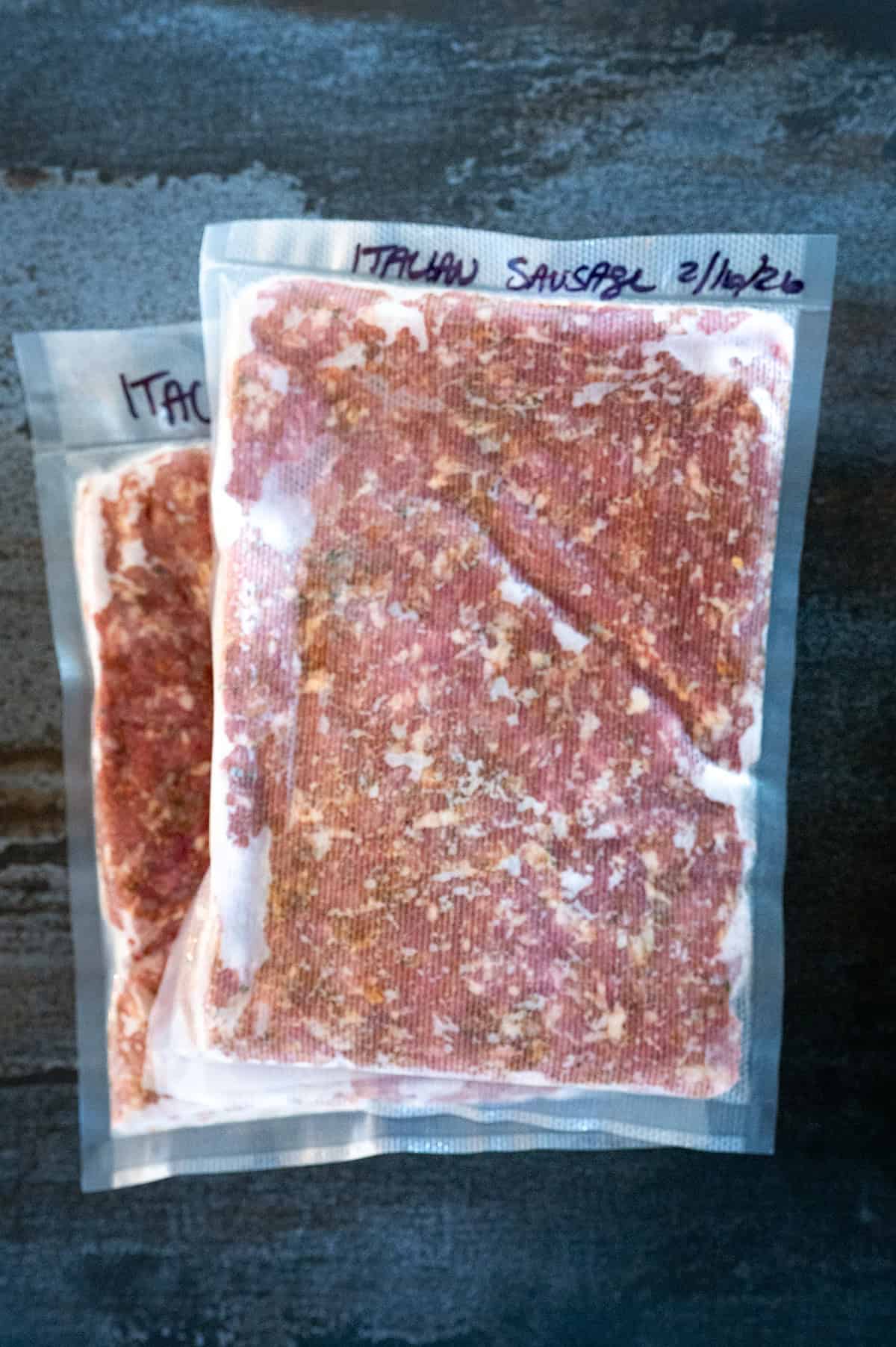
Freezing: For longer-term storage, portion the sausage into desired amounts (e.g., 1-pound packages). Place each portion into freezer-safe bags or vacuum-seal bags, pressing out as much air as possible to prevent freezer burn. Label each package with the date and type of sausage (sweet or hot). Homemade Italian sausage can be stored in the freezer for up to 6 months to a year, maintaining optimal quality.
5. Cooking the Sausage:
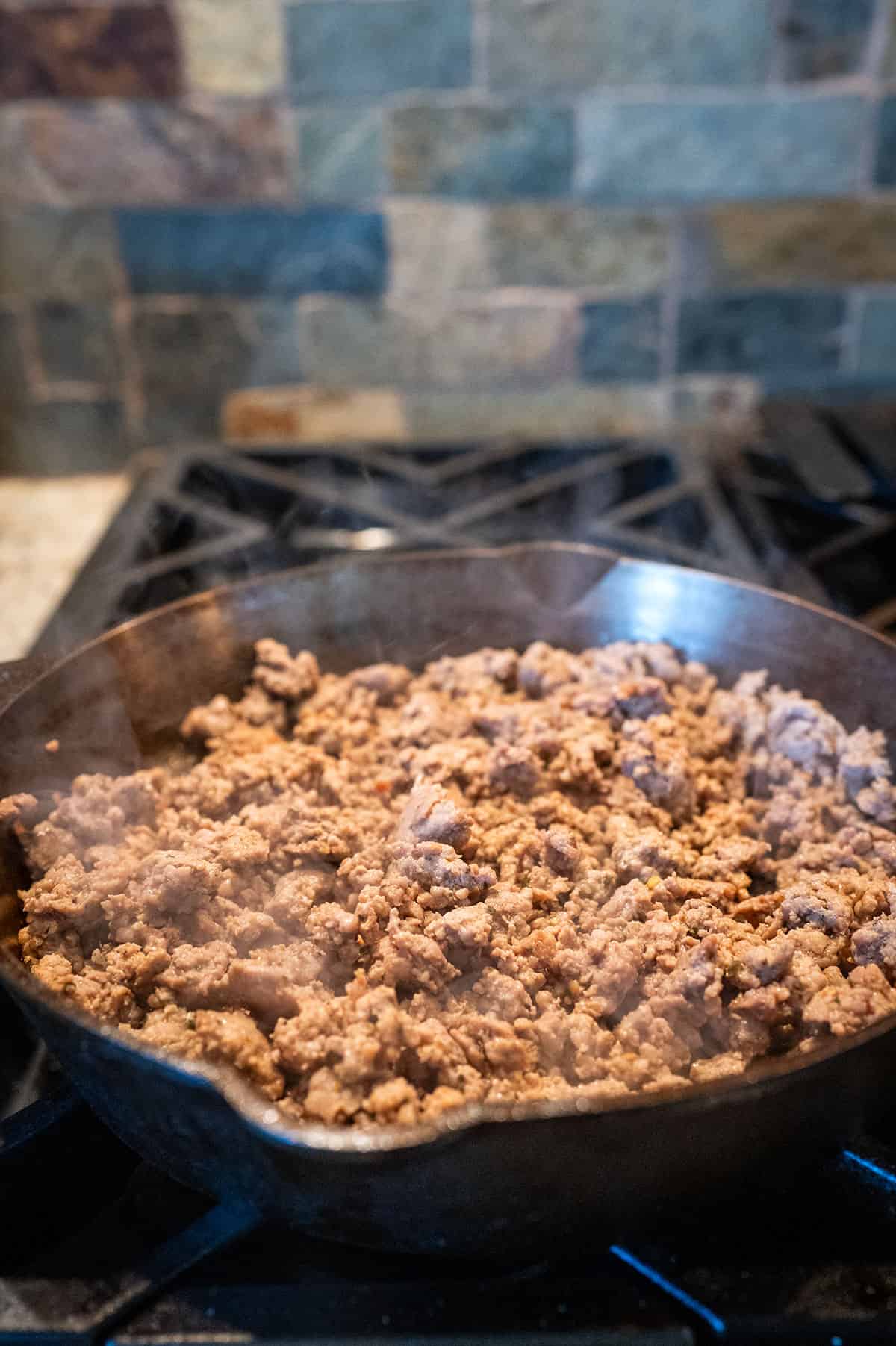
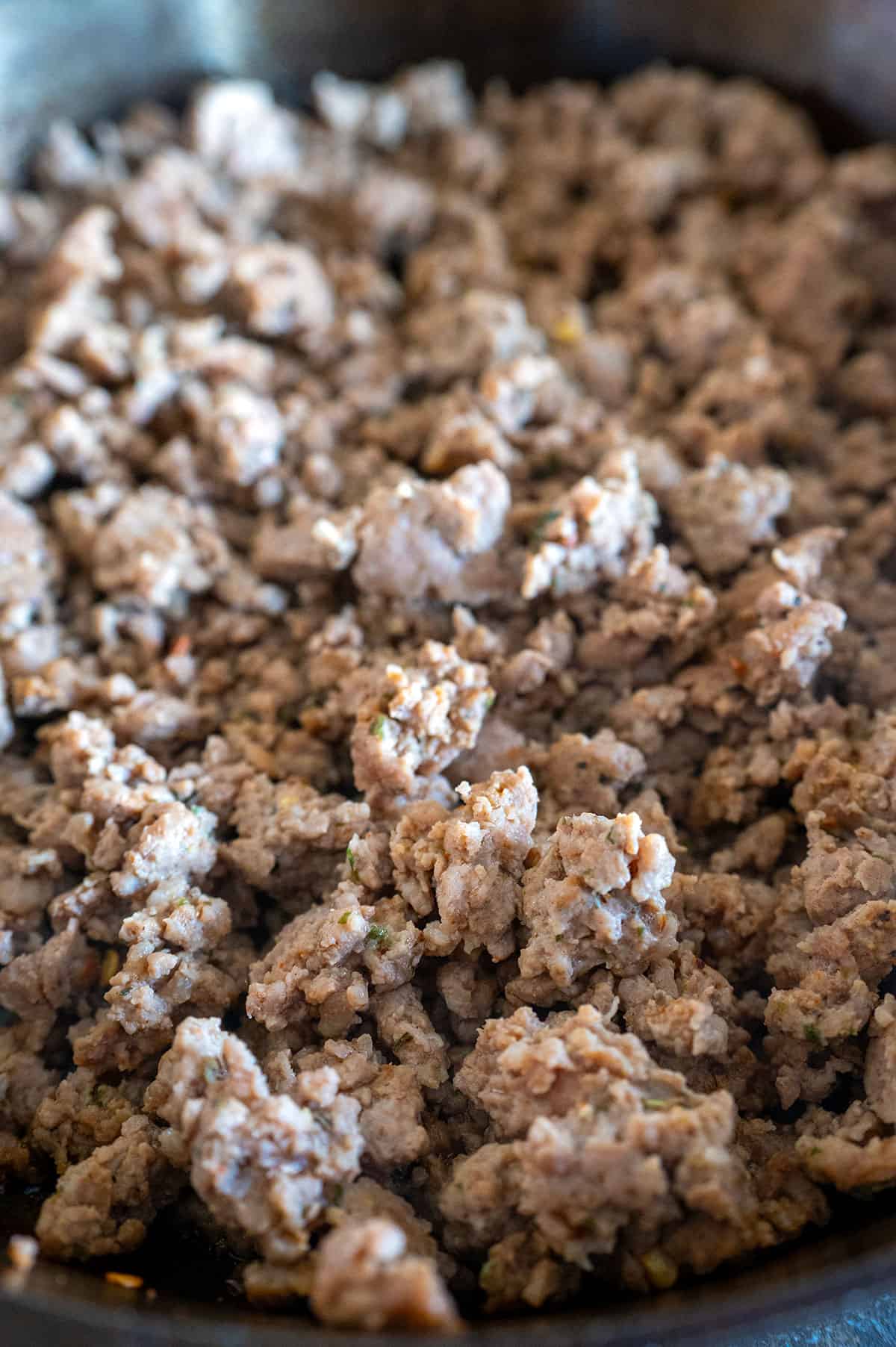
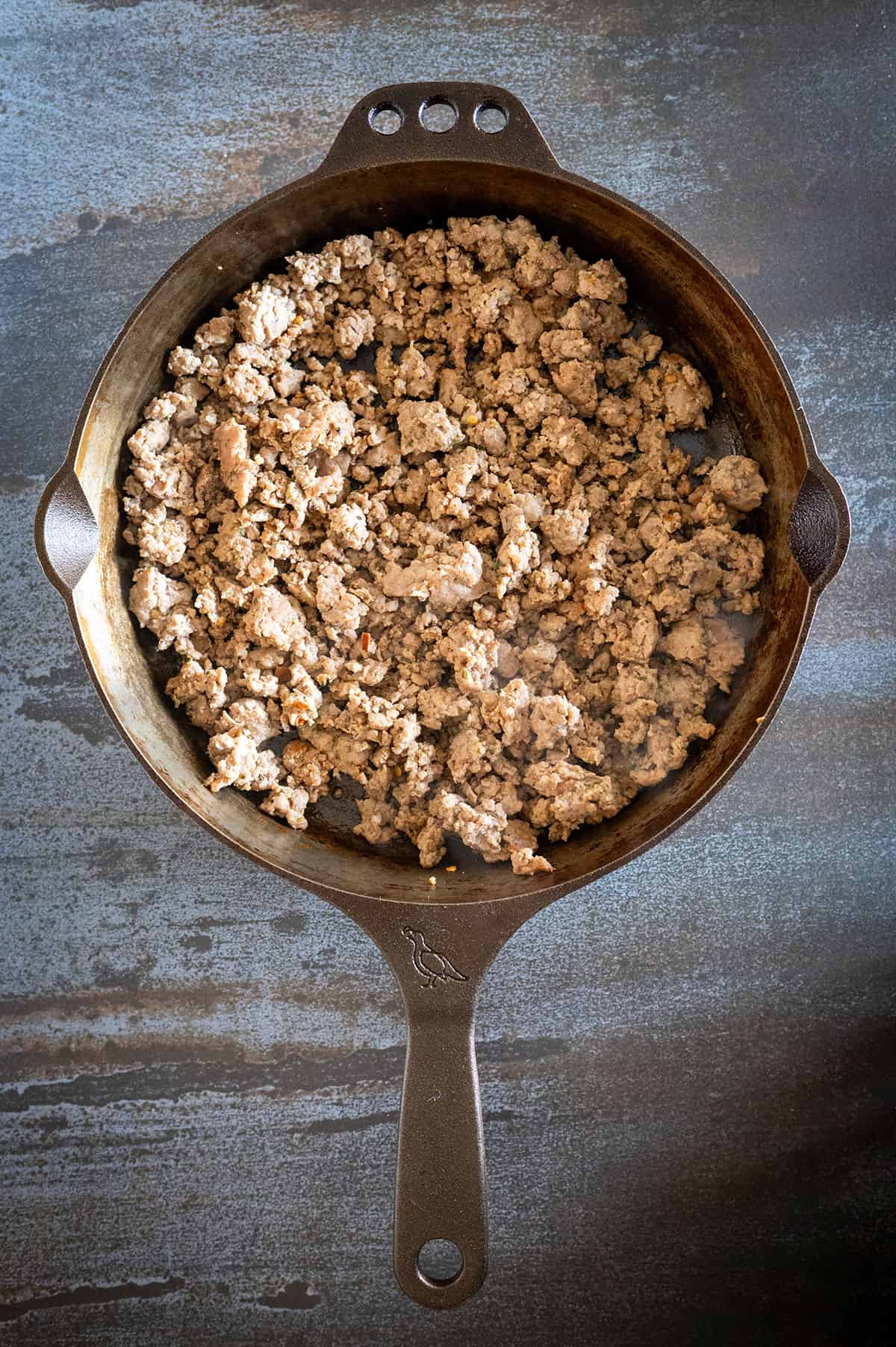
When ready to cook, heat a large skillet over medium heat. Add a small amount of cooking oil, such as olive oil or vegetable oil, to prevent sticking. Add the sausage mixture to the hot skillet. Break it apart with a spoon or spatula as it cooks. Stir frequently until the sausage is evenly browned and cooked through. The internal temperature should reach 160°F (71°C) for safe consumption.
The amount of rendered fat will vary depending on the fat content of the pork. If there is an excessive amount of grease, it can be carefully drained from the skillet. The cooked sausage can then be used immediately in recipes or stored in the refrigerator for a few days.
Culinary Applications: Beyond the Basics
The versatility of homemade Italian sausage is one of its greatest assets. Its robust flavor profile makes it a star ingredient in a multitude of dishes.
-
Pasta Sauces: Crumbled Italian sausage is a classic addition to marinara sauces, Bolognese, and baked ziti, adding depth and a satisfying heartiness.
-
Pizza Toppings: Its savory flavor and slightly crispy texture when cooked make it an exceptional pizza topping, pairing well with a variety of cheeses and vegetables.
-
Soups and Stews: Italian sausage is a key component in comforting soups like Zuppa Toscana, a creamy kale and potato soup, and Italian Wedding Soup, with its delicate meatballs and greens. It can also be added to hearty stews and chili.
-
Stuffed Dishes: It works wonderfully as a filling for stuffed peppers, mushrooms, or even as part of a stuffing for poultry or pork.
-
Breakfast Dishes: A spicy Italian sausage can be a flavorful addition to breakfast scrambles, frittatas, or even as a side alongside pancakes and eggs.
-
Sandwiches and Appetizers: Cooked sausage can be sliced and added to subs or enjoyed as an appetizer, perhaps served with a side of marinara for dipping.
Nutritional Considerations
The nutritional profile of homemade Italian sausage is primarily dictated by the type of pork used and the fat content. A typical 3-ounce serving of cooked Italian sausage (made with pork shoulder) contains approximately 250-300 calories, with a significant portion coming from fat (around 20-25 grams), including saturated fat. Protein content is generally high, around 18-20 grams per serving. The sodium content can vary depending on the amount of salt added during preparation. While some recipes may appear to have high sodium due to the salt added, it’s often comparable to or less than commercially prepared sausages when made with controlled amounts. The absence of artificial preservatives and fillers contributes to a healthier homemade alternative.
Frequently Asked Questions
Q: What cut of meat is best for homemade Italian sausage?
A: Pork shoulder (pork butt) is the most recommended cut due to its ideal balance of lean meat and fat, typically around 20-30% fat content. This ensures a moist and flavorful sausage.
Q: Can I make Italian sausage without a meat grinder?
A: Yes, you can. Many butchers will grind pork shoulder for you if you bring it in. Alternatively, you can pulse well-chilled pork in a food processor until it reaches a coarse, ground consistency. Be careful not to over-process, which can lead to a paste-like texture.
Q: How can I adjust the heat level of my Italian sausage?
A: The heat level is primarily controlled by the amount of red pepper flakes you add. For a mild or sweet sausage, omit the red pepper flakes entirely. For a hotter sausage, increase the quantity of red pepper flakes.
Q: How long can I store homemade Italian sausage?
A: Uncooked sausage can be stored in an airtight container in the refrigerator for 2-3 days. For longer storage, freeze the uncooked sausage in airtight or vacuum-sealed bags for up to 6 months to a year. Cooked sausage can be stored in the refrigerator for 3-4 days.
Q: What is the internal temperature for fully cooked Italian sausage?
A: Italian sausage is considered fully cooked and safe to eat when it reaches an internal temperature of 160°F (71°C).
Conclusion: A Culinary Essential Worth Mastering
The creation of homemade Italian sausage is a rewarding endeavor that offers unparalleled control over flavor, quality, and dietary considerations. By understanding the fundamental ingredients, mastering the simple preparation steps, and exploring its diverse culinary applications, home cooks can elevate their meals and connect with the rich traditions of Italian cooking. Whether opting for a mild, aromatic sweet sausage or a fiery, bold hot variety, the homemade version stands as a testament to the satisfaction and superior taste that can be achieved in one’s own kitchen. This guide provides the foundational knowledge to embark on this delicious culinary journey, promising a staple ingredient that will undoubtedly become a favorite in any home cook’s repertoire.


