
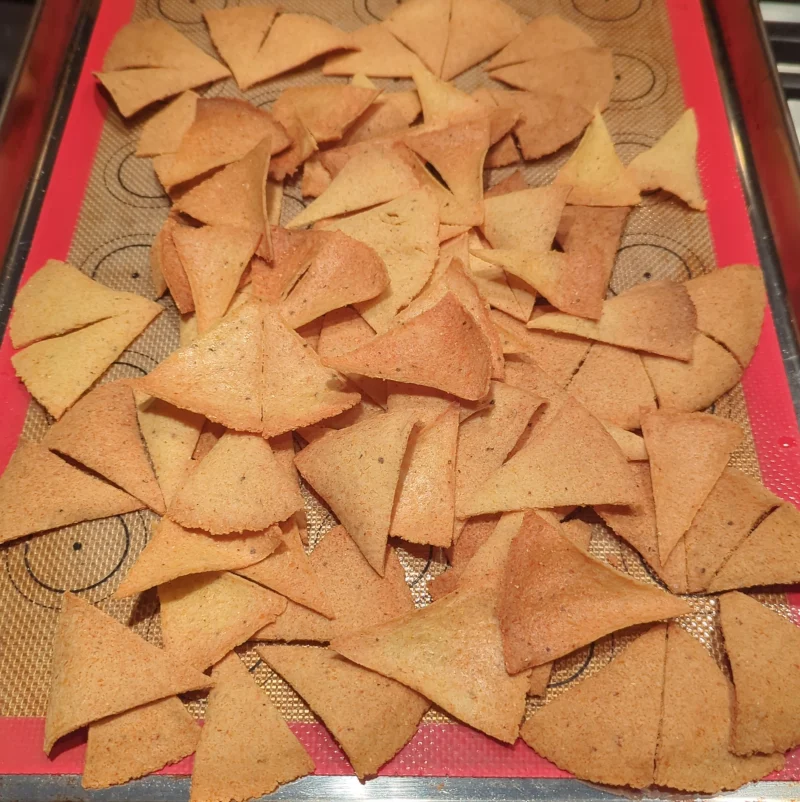
The ancient technique of nixtamalization, a cornerstone of Mesoamerican foodways, is experiencing a global resurgence, drawing attention from culinary professionals, nutritionists, and home cooks alike. This sophisticated process, which transforms dried corn into "masa" (properly processed corn flour), is not merely a cooking method but a vital biotechnological innovation that unlocks superior nutritional value and distinctive flavor profiles. Originally a staple ingredient in Mexican cuisine, forming the basis for everything from tortillas to tamales, masa’s fundamental importance is increasingly recognized far beyond its traditional borders.
The Genesis of Masa: A Culinary and Nutritional Revelation
Masa, at its core, is corn flour derived from nixtamalized corn. The journey from a dried corn kernel to the versatile masa begins with a precise, labor-intensive process. As detailed by sources like Azure Standard, the initial step involves cooking dried corn in an alkaline solution, typically water infused with food-grade slaked lime (calcium hydroxide), also known as cal. Following this cooking phase, the corn is steeped in the cooking liquid, allowing for a series of profound chemical transformations to occur. These changes are crucial for both the culinary and nutritional attributes of the final product.
During cooking and soaking, the corn kernels undergo significant hydration, absorbing calcium or potassium from the alkaline solution. This absorption is not merely superficial; it fundamentally alters the corn’s physical and chemical structure. Starches within the kernels swell and gelatinize, contributing to the desirable texture and workability of masa dough. Simultaneously, specific nutrients within the corn germ are released, which facilitates easier grinding of the cooked corn. This results in a dough that is less prone to tearing and breaking, a critical characteristic for crafting delicate items like tortillas.
Nixtamalization: An Ancient Biotechnological Marvel
The scientific underpinnings of nixtamalization highlight its ingenuity. The alkaline environment changes the corn’s protein matrix, making proteins and other essential nutrients more readily assimilable by the human body. The prepared corn, now known as "nixtamal," is then typically rinsed, dried, and ground into masa harina (corn flour). This meticulous process is the key to enhancing the bioavailability of corn’s inherent nutrients, a fact that ancient civilizations intuitively understood and modern science now confirms.
-
Unlocking Nutritional Power: The Niacin Connection
Perhaps the most significant nutritional benefit of nixtamalization is its role in making niacin (Vitamin B3) bioavailable. In its natural state, corn contains niacin in a bound form, known as niacytin, which is largely indigestible by humans. Without nixtamalization, populations heavily reliant on corn as a primary food source were historically susceptible to pellagra, a debilitating deficiency disease characterized by dermatitis, diarrhea, dementia, and eventually death. The alkaline treatment breaks down niacytin, releasing free niacin and effectively eradicating pellagra in cultures that practiced nixtamalization. This discovery was a public health breakthrough centuries before modern nutritional science emerged. -
The Role of Calcium and Starch Transformation
Beyond niacin, the absorption of calcium from the limewater significantly fortifies the nutritional profile of masa. This added calcium contributes to bone health and other vital bodily functions. The gelatinization of starches during nixtamalization also impacts the corn’s glycemic index and digestibility, potentially offering slower glucose release compared to untreated corn products. Furthermore, the process reduces mycotoxins, such as aflatoxins, which can naturally occur in corn and pose health risks. This detoxification aspect underscores nixtamalization’s role as a sophisticated food safety measure.
A Journey Through Time: The Historical Roots of Nixtamal
The practice of nixtamalization is deeply rooted in the history of Mesoamerica, predating European contact by millennia. Archaeological evidence suggests that indigenous peoples in what is now southern Mexico and Central America developed and refined this process as early as 1500–1200 BCE, possibly even earlier.
- Mesoamerican Civilizations: Architects of Corn Culture
The Olmec, Maya, and Aztec civilizations, among others, were pioneers in corn cultivation and utilization. Corn (maize) was not just a crop; it was a sacred entity, central to their cosmology, religion, and daily existence. The discovery of nixtamalization was not accidental but likely the result of generations of observation, experimentation, and accumulated knowledge about food preparation. It was a revolutionary advancement that allowed these civilizations to sustain large populations, providing a calorie-rich and nutritionally complete staple food that fueled their complex societies, monumental architecture, and sophisticated intellectual achievements. Without nixtamalization, the scale and health of these ancient empires might have been severely limited. The method spread throughout Mesoamerica and into parts of North and South America, becoming an indispensable part of indigenous diets.
Masa’s Enduring Heartbeat: Cultural Significance in Mexican Gastronomy
In contemporary Mexican culture, masa remains an indispensable ingredient, deeply interwoven with culinary traditions and daily life. It forms the foundation for an astonishing array of dishes, each embodying regional flavors and historical narratives.
- Tortillas: The most iconic application, fresh tortillas made from nixtamalized masa are a fundamental component of almost every Mexican meal. Their versatility allows them to be used as wraps, scoops, or simply as an accompaniment.
- Tamales: Steamed masa dough, often filled with meats, cheeses, or fruits, and wrapped in corn husks or banana leaves, tamales are a celebratory food with ancient origins, particularly prominent during holidays.
- Sopes, Gorditas, and Tlacoyos: These thicker masa-based dishes serve as sturdy platforms for various toppings, showcasing the rich diversity of Mexican street food and home cooking.
- Atole: A warm, thick beverage made from masa, often flavored with cinnamon, vanilla, or chocolate, atole is a comforting drink, especially popular during cooler months.
The act of preparing masa and crafting these dishes is often a communal and intergenerational activity, passing down culinary knowledge and cultural heritage. The aroma of freshly made tortillas is evocative of home, tradition, and community for millions worldwide.
From Ancient Grains to Modern Plates: A Culinary Renaissance
In recent decades, there has been a significant global movement towards understanding and appreciating traditional food preparation methods. Nixtamalization and masa have emerged as prime examples of this trend, moving from specialized ethnic markets to the forefront of gourmet cuisine and health-conscious cooking.
-
The Artisanal Movement and Home Preparation:
Many home cooks, inspired by a desire for authenticity and superior flavor, are rediscovering the joy and benefits of making masa from scratch or using high-quality masa harina. The process, while initially seeming daunting, offers immense rewards in terms of freshness and taste. Enthusiasts like Austin Durant, founder of Fermenters Club and author of "Fearless Fermenting," exemplify this growing interest in traditional foodways, underscoring the connection between ancient techniques and modern dietary consciousness. His personal "discovery" of masa reflects a broader curiosity about foundational ingredients and their profound impact on cuisine and health. -
Chefs and Restaurants:
High-end restaurants and innovative chefs are increasingly sourcing or preparing their own nixtamalized masa, recognizing that the subtle nuances of flavor and texture cannot be replicated with industrially processed corn flour. This dedication to authentic masa elevates dishes, offering patrons a taste experience that is both historically accurate and gastronomically superior. Culinary critics and food historians widely laud this return to tradition, seeing it as a vital step in preserving culinary heritage and enhancing the overall quality of food.
Essential Tools for Authentic Creation: The Tortilla Press
While the nixtamalization process is foundational, the creation of perfect tortillas also relies on specific tools. A tortilla press is an indispensable device designed to evenly distribute pressure, yielding a uniformly flat and thin tortilla. The choice of material for a tortilla press is often a topic of discussion among serious cooks.
Traditionally, tortilla presses were crafted from durable materials like cast iron or wood. Cast iron presses are heavy and provide excellent leverage, ensuring consistent thickness. Wooden presses, often antique and passed down through generations, are cherished for their robust construction and aesthetic appeal, as exemplified by the author’s use of an heirloom press from a housemate’s abuela (grandmother). While aluminum presses are available, they are generally advised against due to their lighter weight and tendency to produce less even results, leading to unevenly cooked tortillas. The quality of the press directly impacts the final product, underscoring the craft involved in traditional masa preparation.
Broader Implications: Health, Economy, and Cultural Heritage
The renewed focus on nixtamalization carries significant implications across various sectors.
- Health: The nutritional benefits, particularly the niacin bioavailability and calcium enrichment, are crucial for global health initiatives, especially in regions where corn remains a dietary staple. Promoting nixtamalization can combat nutritional deficiencies and improve public health outcomes.
- Economy: The demand for authentic nixtamalized masa and masa harina supports traditional agricultural practices and local economies. It encourages the cultivation of diverse corn varieties and sustains small-scale producers who adhere to traditional processing methods, offering an alternative to highly industrialized food systems.
- Cultural Heritage: By embracing and promoting nixtamalization, we contribute to the preservation of invaluable cultural heritage. It ensures that ancient knowledge and culinary traditions are not lost but rather celebrated and passed on to future generations. This cultural continuity is vital for identity and community resilience.
The Future of Masa: Preserving Tradition, Embracing Innovation
The story of masa and nixtamalization is a powerful testament to human ingenuity and the enduring value of traditional food science. What began as a vital survival strategy for ancient Mesoamerican civilizations has evolved into a celebrated culinary art form, recognized globally for its nutritional superiority and profound cultural significance. As more people seek out authentic, wholesome, and culturally rich food experiences, the ancient art of nixtamalization is poised to maintain its central role, bridging the gap between historical wisdom and contemporary culinary innovation, ensuring that the heart of corn continues to beat strongly in kitchens worldwide.


