The culinary world is constantly seeking innovative ways to elevate desserts, moving beyond mere taste to incorporate visual artistry. Among the most captivating techniques is the creation of edible sugar glass, a versatile ingredient that can transform ordinary baked goods into extraordinary showpieces. This article delves into the meticulous process of crafting this translucent, hard candy, offering insights into its applications, the science behind its creation, and the precision required for success.
The Allure of Edible Sugar Glass
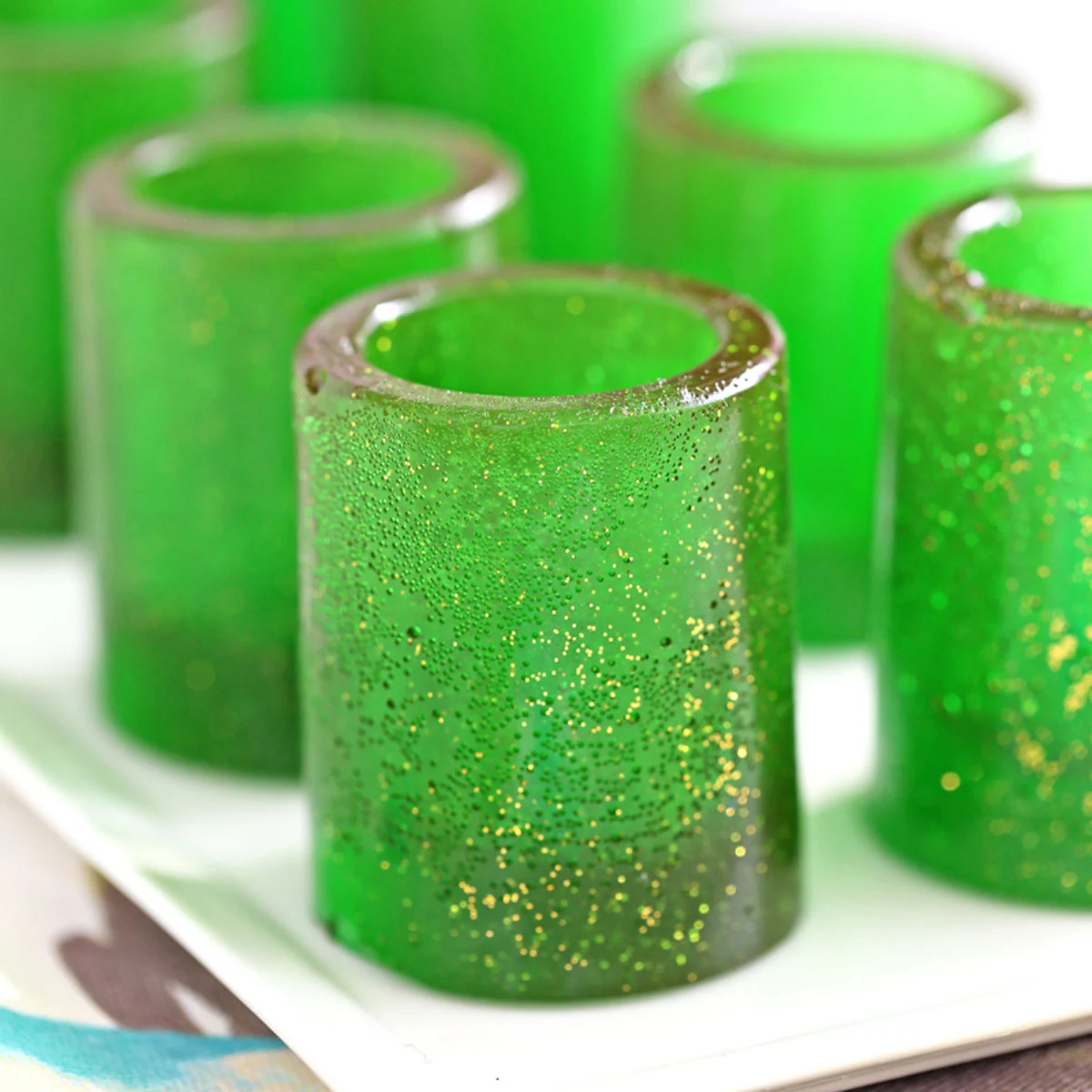
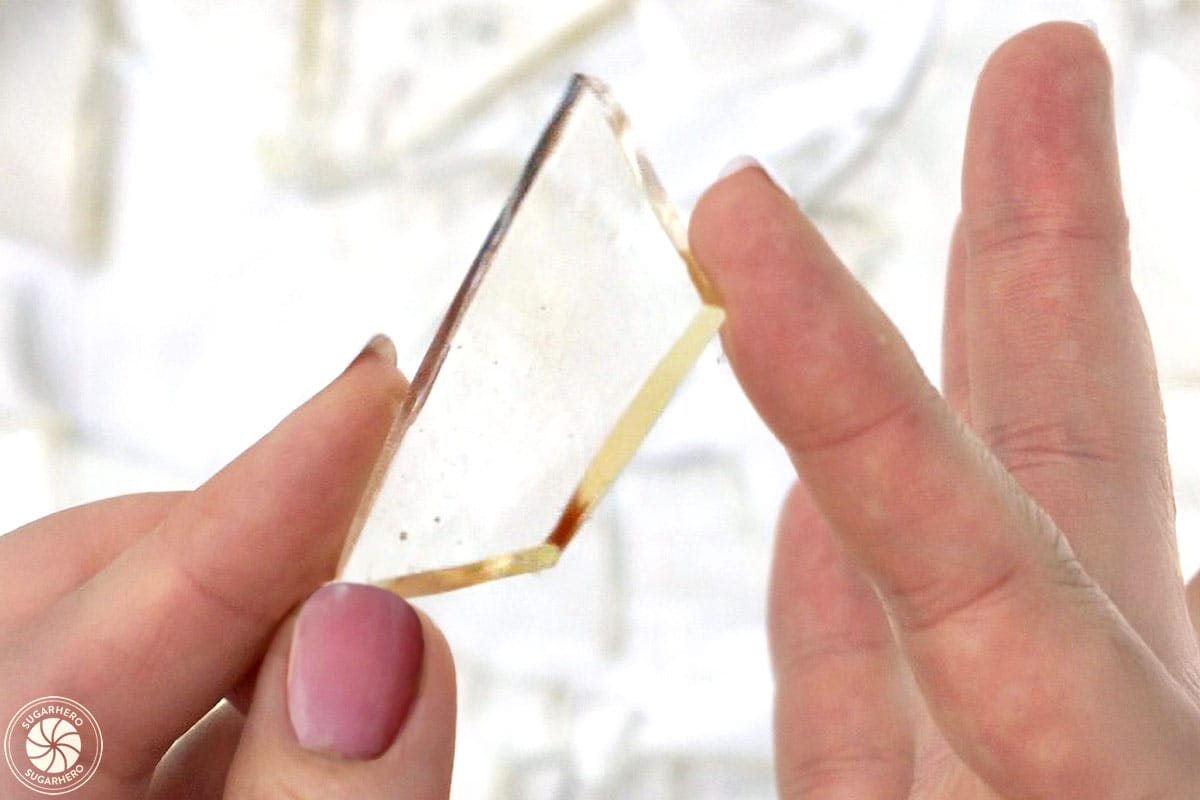
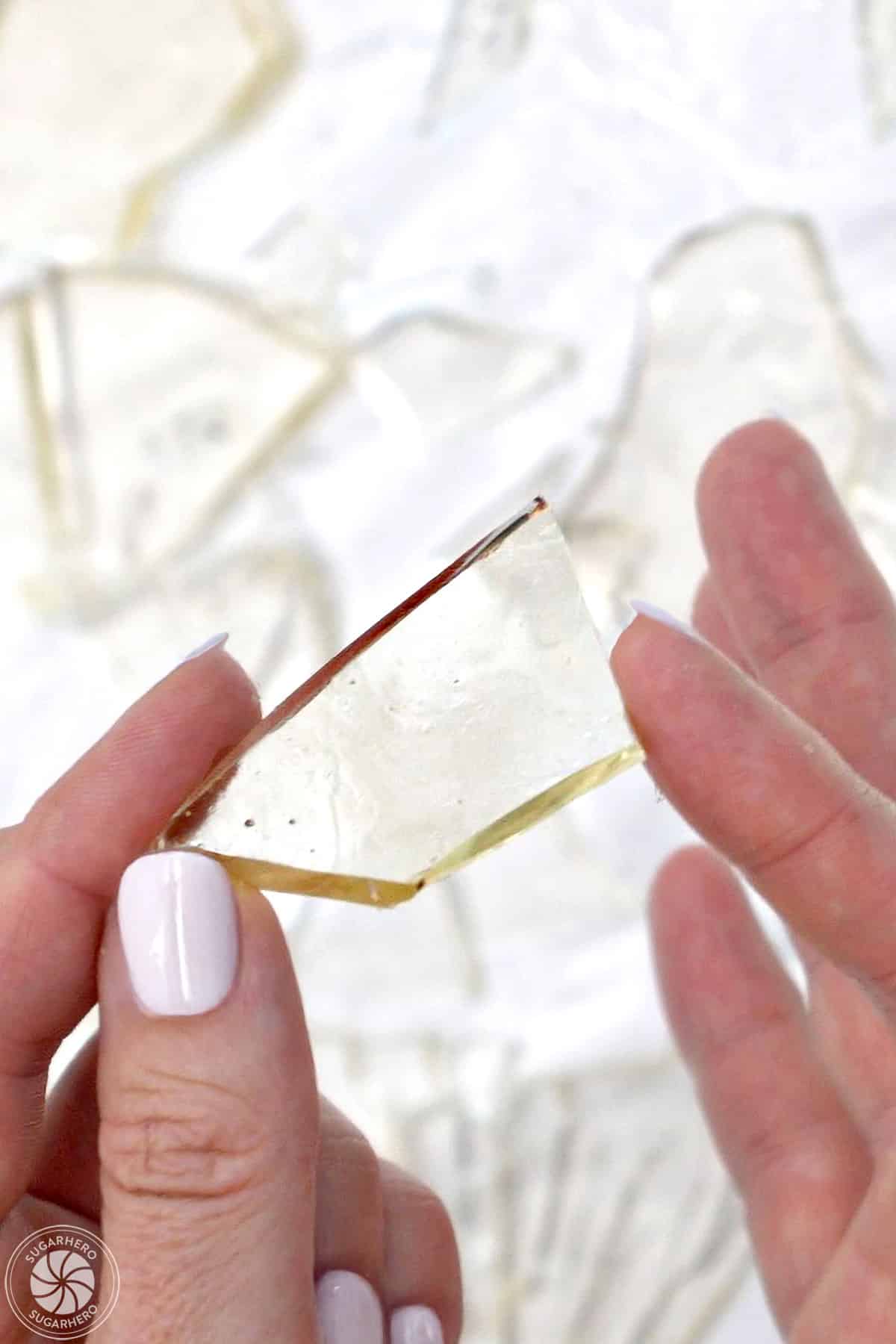
Edible sugar glass has gained significant traction among bakers and confectioners for its ability to replicate the aesthetic of real glass in a safe, edible form. Its applications are remarkably diverse, ranging from creating realistic windows for intricate gingerbread houses to crafting dramatic, shard-like decorations for themed cakes and cupcakes. The material’s adaptability allows it to be tinted and flavored, opening a spectrum of creative possibilities for designers. Whether aiming for the sparkling clarity of a diamond or the deep hue of a gemstone, sugar glass offers a pliable medium for culinary expression.
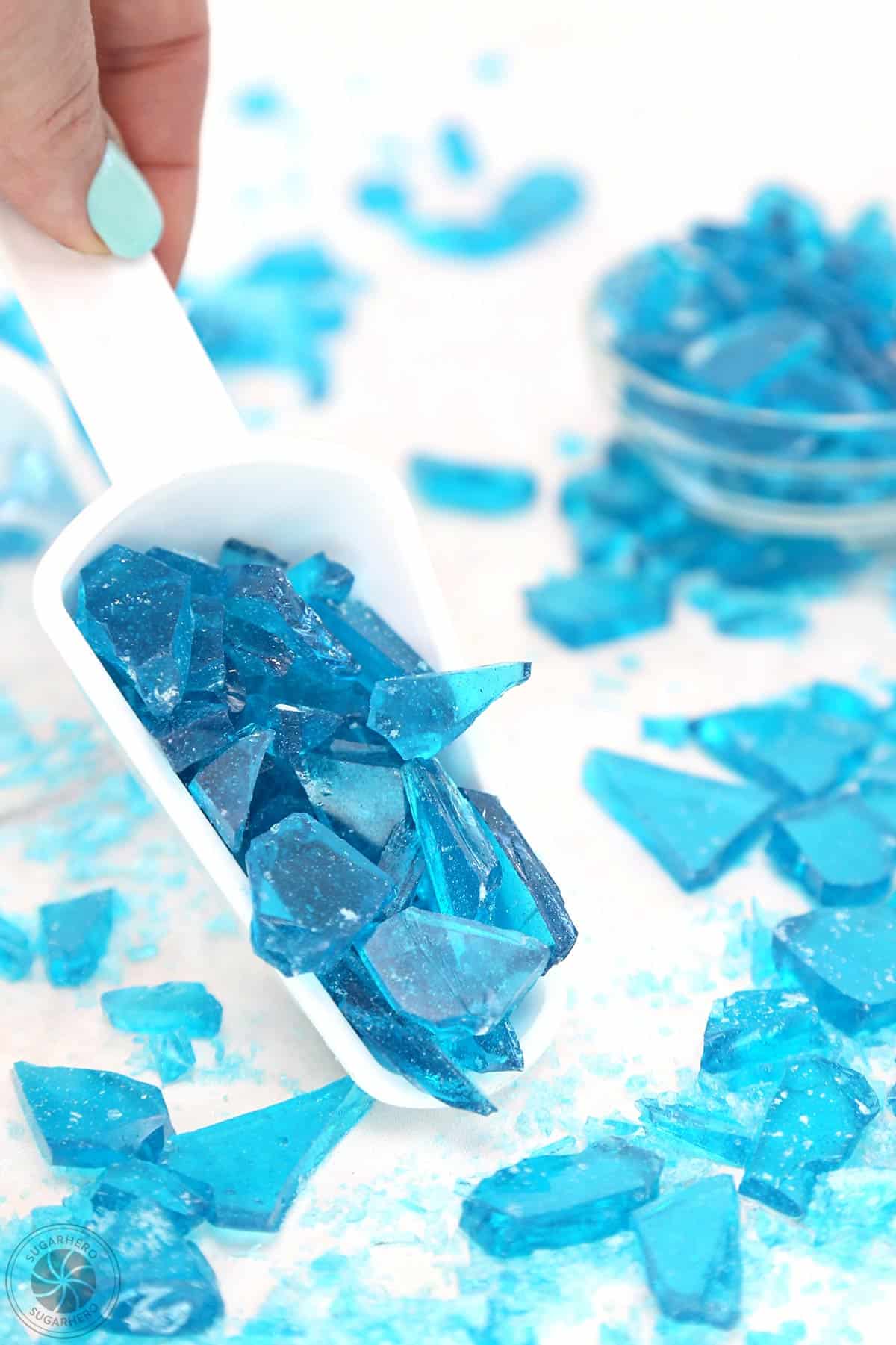
The technique is particularly effective for specific decorative themes. For instance, in autumnal or winter settings, it can mimic frost-covered panes. For Halloween, it’s a go-to for creating jagged, broken glass effects on spooky treats. Its potential extends to replicating the appearance of crystal formations or even unique confectionery inspired by popular culture, such as the distinct blue "rock candy" reminiscent of certain television dramas. The ability to shape the sugar glass further amplifies its utility. It can be poured onto flat surfaces to be broken into irregular shards, molded into specific forms, or directly poured into pre-cut openings in cookies or gingerbread structures to form translucent windows. This inherent flexibility makes it an indispensable tool in the modern pastry chef’s arsenal.
The Science and Technique of Flawless Sugar Glass
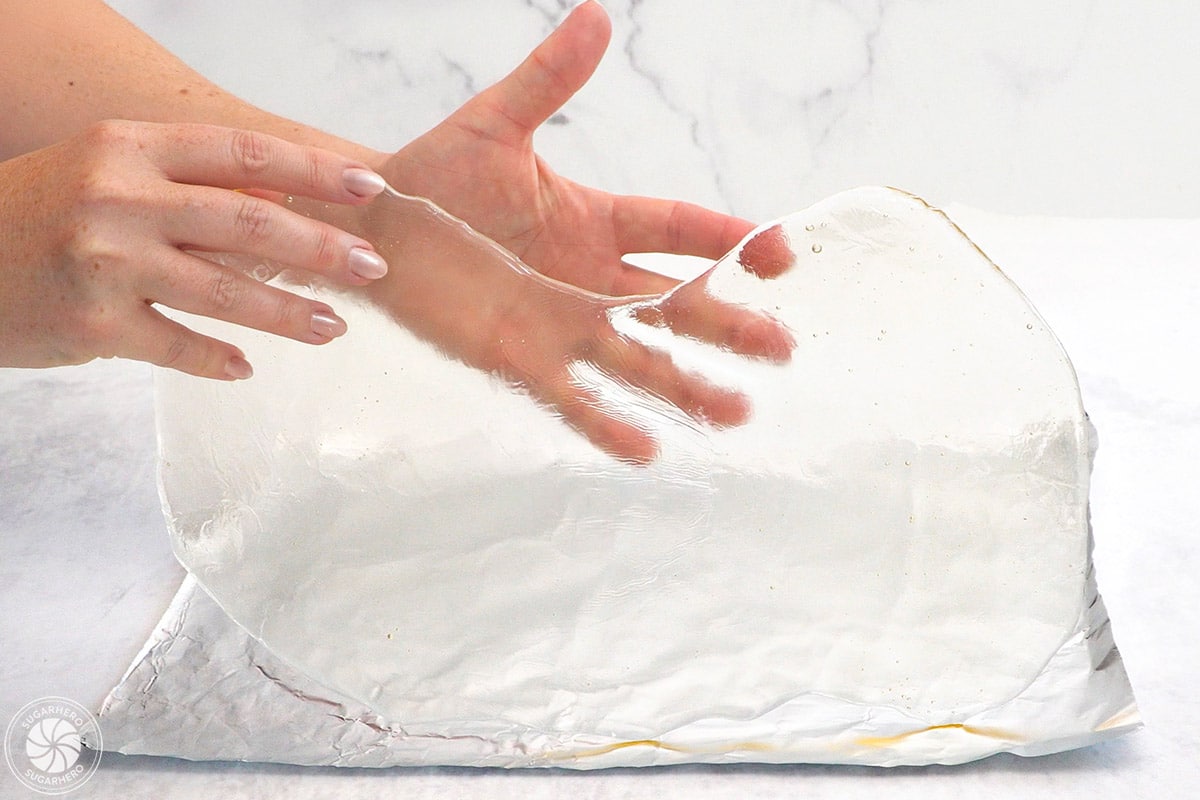
The creation of perfect edible sugar glass, while appearing complex, is an achievable process with proper guidance and attention to detail. The fundamental principle involves heating a sugar-based mixture to a specific temperature, known as the "hard crack stage," which ensures the final product is brittle and glass-like. This stage is crucial and is typically reached between 300°F and 310°F (149°C and 154°C) on a candy thermometer.
Success in sugar glass production hinges on several key factors:
- Precise Temperature Control: The accuracy of the candy thermometer is paramount. Deviations can result in candy that is too soft and sticky, or overheated and burnt.
- Ingredient Purity and Ratios: The ratio of sugar, corn syrup, and water directly impacts the final texture and stability of the sugar glass. Corn syrup acts as an invert sugar, inhibiting crystallization and contributing to the clarity and smooth texture.
- Environmental Conditions: Humidity is sugar’s nemesis. High moisture levels in the air can cause even perfectly made sugar glass to become sticky and lose its crispness. Therefore, it is advisable to prepare sugar glass on dry days.
- Minimizing Crystallization: Sugar molecules have a natural tendency to re-form into crystals. Preventing this phenomenon, known as crystallization, is key to achieving a clear, glassy appearance. This is managed by using corn syrup and by avoiding agitation of the sugar mixture once it reaches a boil.
Essential Ingredients for Sugar Glass
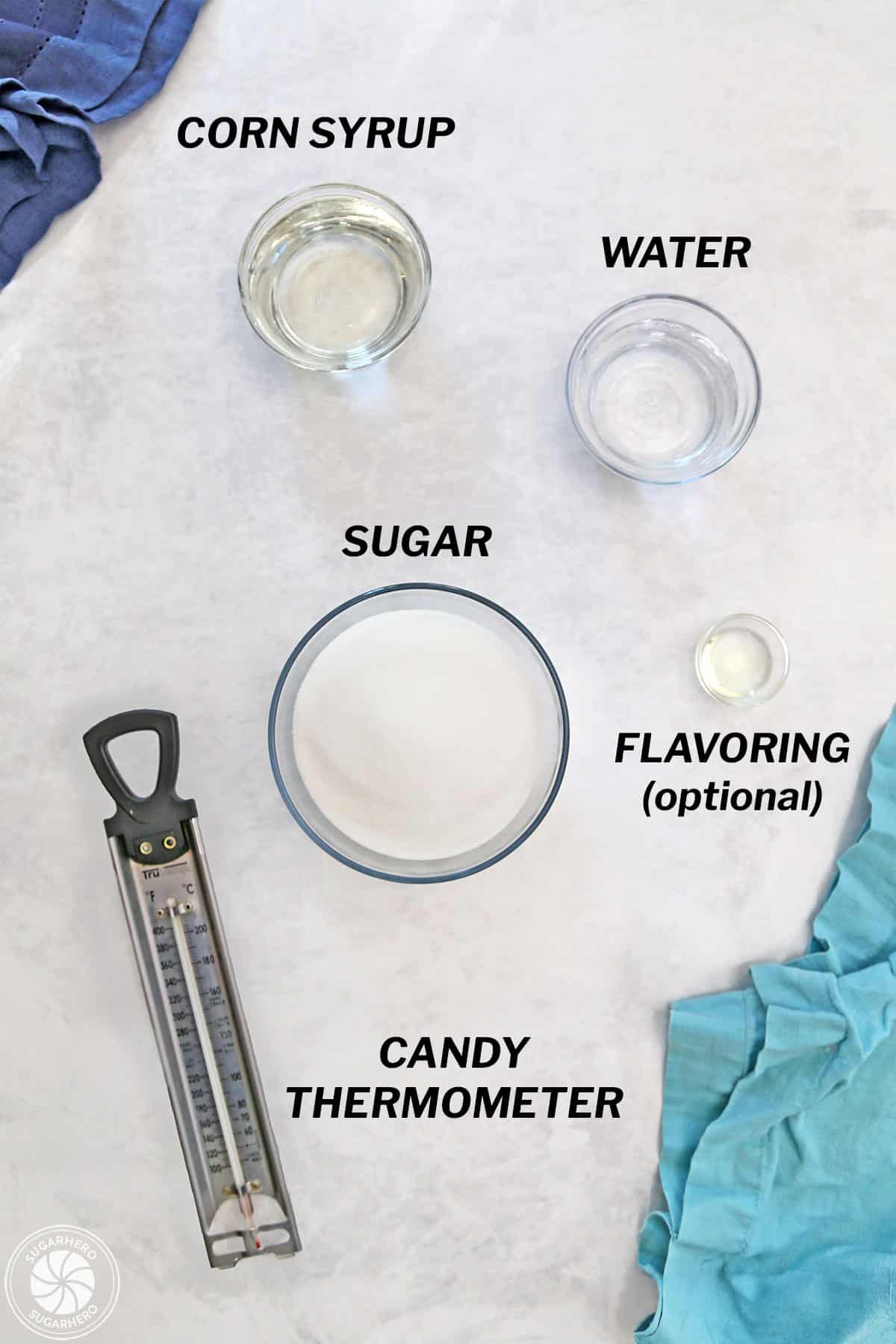
The creation of edible sugar glass requires a minimal list of high-quality ingredients, each playing a specific role in the final outcome. The precise measurements, as detailed in the accompanying recipe card, are critical for achieving the desired consistency and clarity.
- Granulated Sugar: The primary component, providing the bulk and sweetness of the candy. It is essential to use standard granulated sugar, free from anti-caking agents that could affect the clarity.
- Light Corn Syrup: This viscous liquid is indispensable. It acts as an inhibitor to sugar crystallization, ensuring a smooth, glassy texture rather than a grainy or opaque one. The quality of corn syrup can influence the final product; a light variety is preferred for its neutral flavor and color.
- Water: Used to dissolve the sugar and corn syrup, initiating the cooking process. The amount of water is carefully calibrated to ensure proper evaporation and reach the correct temperature.
- Optional: Food Coloring: For aesthetic purposes, liquid or gel food coloring can be added to achieve a spectrum of vibrant hues. It is important to note that certain types of coloring may affect the final texture or clarity if used in excessive amounts.
- Optional: Flavor Extracts: A few drops of concentrated flavor extracts can impart a complementary taste to the sugar glass, enhancing its appeal as a dessert component. Extracts should be added towards the end of the cooking process to preserve their volatile aromas.
Crucial Equipment for Confectionery Craftsmanship
The process of making sugar glass requires specific kitchen tools that ensure both safety and precision. Many of these are standard in a well-equipped kitchen, but a few specialized items are particularly beneficial.
- Heavy-Bottomed Saucepan: A saucepan with a thick base is vital for even heat distribution, preventing hot spots that can lead to scorching. A capacity of at least 2-3 quarts is recommended to accommodate the bubbling mixture.
- Candy Thermometer: This is arguably the most critical tool. A reliable candy thermometer, preferably one that clips onto the side of the pan, is essential for accurately monitoring the sugar syrup’s temperature, ensuring it reaches the hard crack stage. Calibration of the thermometer is a recommended step before use.
- Heat-Resistant Spatula or Wooden Spoon: Used for initial stirring of ingredients before boiling. Once the mixture reaches a boil, stirring should be avoided to prevent crystallization.
- Pastry Brush and Water: A small pastry brush dipped in water is used to wash down the sides of the saucepan while the syrup is cooking. This action removes any stray sugar crystals that could initiate crystallization in the main mixture.
- Baking Sheet or Silpat Mat: A sturdy baking sheet lined with a silicone baking mat (Silpat) or parchment paper is necessary for pouring the hot sugar mixture. Silicone mats are preferred as they provide a non-stick surface and allow for easier handling of the hot liquid.
- Heat-Resistant Gloves: Handling molten sugar requires extreme caution. Heat-resistant gloves are highly recommended to protect hands from potential burns.
- Offset Spatula or Bench Scraper: Useful for spreading the hot sugar evenly onto the prepared surface, or for breaking the cooled sugar glass into smaller pieces.
Mastering the Candy Thermometer: Pro Tips
The candy thermometer is the gatekeeper of successful sugar glass. Understanding its nuances is key to avoiding common pitfalls.
- Calibration: Before embarking on any sugar work, it is prudent to calibrate your candy thermometer. A common method involves submerging the thermometer in boiling water (which should register 212°F or 100°C at sea level) and adjusting the reading if necessary.
- Placement: Ensure the thermometer bulb is fully submerged in the sugar syrup but does not touch the bottom of the pan, as this can lead to inaccurate readings due to direct heat exposure.
- Observation: Monitor the temperature continuously. The rate at which the temperature climbs can indicate the progress of evaporation and sugar concentration.
- Target Temperature: For hard candy and sugar glass, aim for the 300°F to 310°F (149°C to 154°C) range. Precision is vital, as a few degrees can make a significant difference in texture.
Step-by-Step: Crafting Edible Sugar Glass
The process of creating edible sugar glass is a methodical one, demanding patience and careful execution. The following steps, when followed precisely, will yield a beautiful and functional confectionery component.
- Preparation is Key: Begin by preparing your workspace. Line a baking sheet with a silicone mat or parchment paper. Have all your ingredients measured and ready. Ensure your candy thermometer is clean and calibrated.
- Combine Ingredients: In a heavy-bottomed saucepan, combine the granulated sugar, light corn syrup, and water. Stir these ingredients gently over medium heat until the sugar has completely dissolved.
- Boiling and Crystal Prevention: Once the sugar is dissolved, increase the heat to medium-high. Bring the mixture to a boil. As the syrup boils, use a wet pastry brush to carefully wash down the sides of the pan, removing any sugar crystals that may have formed. This step is critical for preventing crystallization.
- Reaching the Hard Crack Stage: Continue boiling the syrup without stirring. Monitor the temperature closely with your candy thermometer. The syrup should reach the hard crack stage, typically between 300°F and 310°F (149°C and 154°C). The exact temperature may vary slightly based on humidity and altitude.
- Adding Color and Flavor (Optional): Once the target temperature is reached, immediately remove the saucepan from the heat. If using food coloring or flavor extracts, carefully stir them in now. Work quickly but cautiously, as the mixture is extremely hot.
- Pouring the Glass: Carefully and slowly pour the hot sugar syrup onto the prepared baking sheet. If creating windows for baked goods, you can pour the syrup directly into pre-made cutouts in parchment paper or silicone molds. For shards, pour it into a thin, even layer.
- Cooling and Hardening: Allow the sugar glass to cool completely and harden undisturbed. This can take anywhere from 30 minutes to several hours, depending on the thickness of the pour and ambient temperature. Do not touch or move the sugar glass while it is cooling.
- Breaking and Shaping: Once completely hardened, the sugar glass can be carefully lifted from the mat. For shards, gently break the sheet into desired pieces using the back of a heavy spoon or by tapping it carefully. For windows, you can use a sharp knife or pastry wheel to cut it into precise shapes if needed.
Frequently Asked Questions for Sugar Glass Success
Addressing common concerns before and during the process can significantly increase the likelihood of a successful outcome.
-
Why is my candy sticky?
Stickiness is almost always a consequence of humidity. Sugar is hygroscopic, meaning it absorbs moisture from the air. On humid or rainy days, the sugar glass will readily become tacky. Storing the finished product in an airtight container with silica gel packets can help mitigate this. It is advisable to avoid making sugar glass on days with high humidity.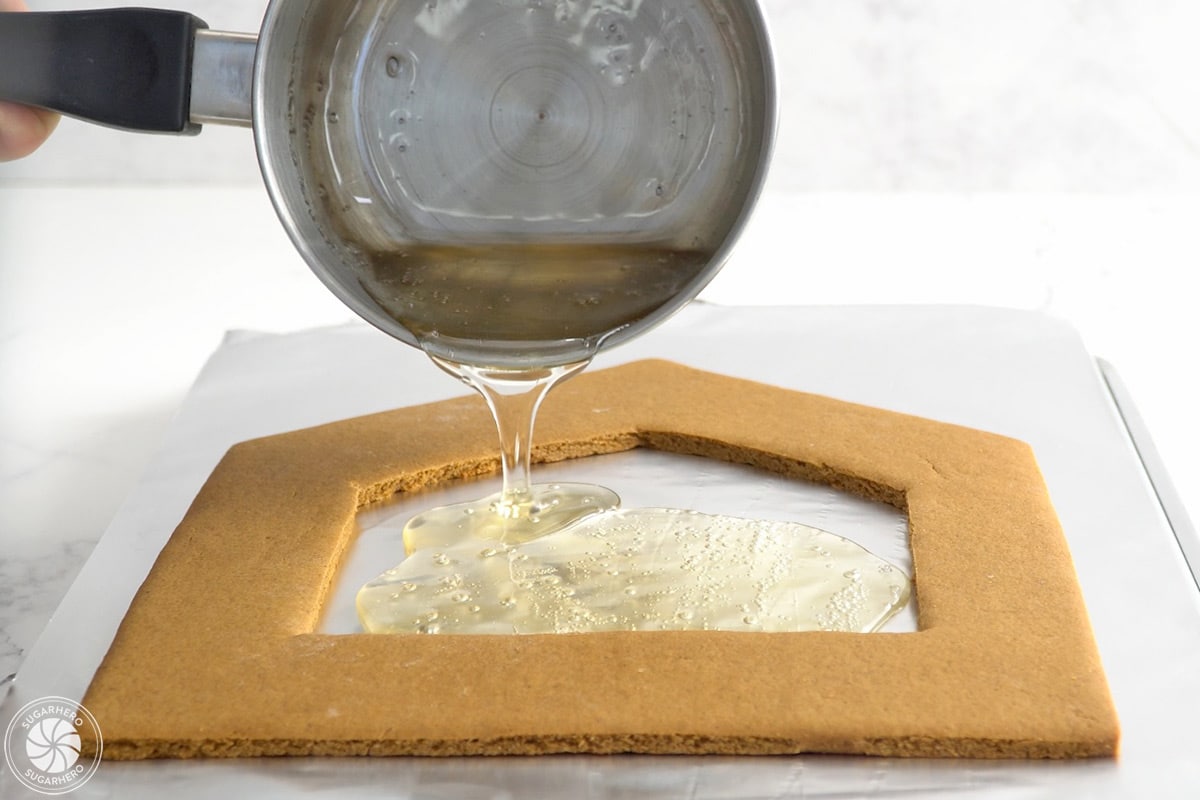
-
Why is my candy not hardening?
If the candy remains soft or does not set properly, it indicates that it has not been cooked to a high enough temperature. This could be due to an inaccurate thermometer or insufficient cooking time. Double-checking the thermometer’s calibration and ensuring the syrup reaches the hard crack stage is crucial. -
Why is my glass candy opaque or crumbly?
An opaque or crumbly texture signifies crystallization. This occurs when sugar crystals form prematurely during the cooking process. Causes include stirring the syrup after it begins to boil, failing to wash down the sides of the pan, or the presence of stray sugar crystals. The corn syrup in the recipe is designed to prevent this, so using it as directed is essential.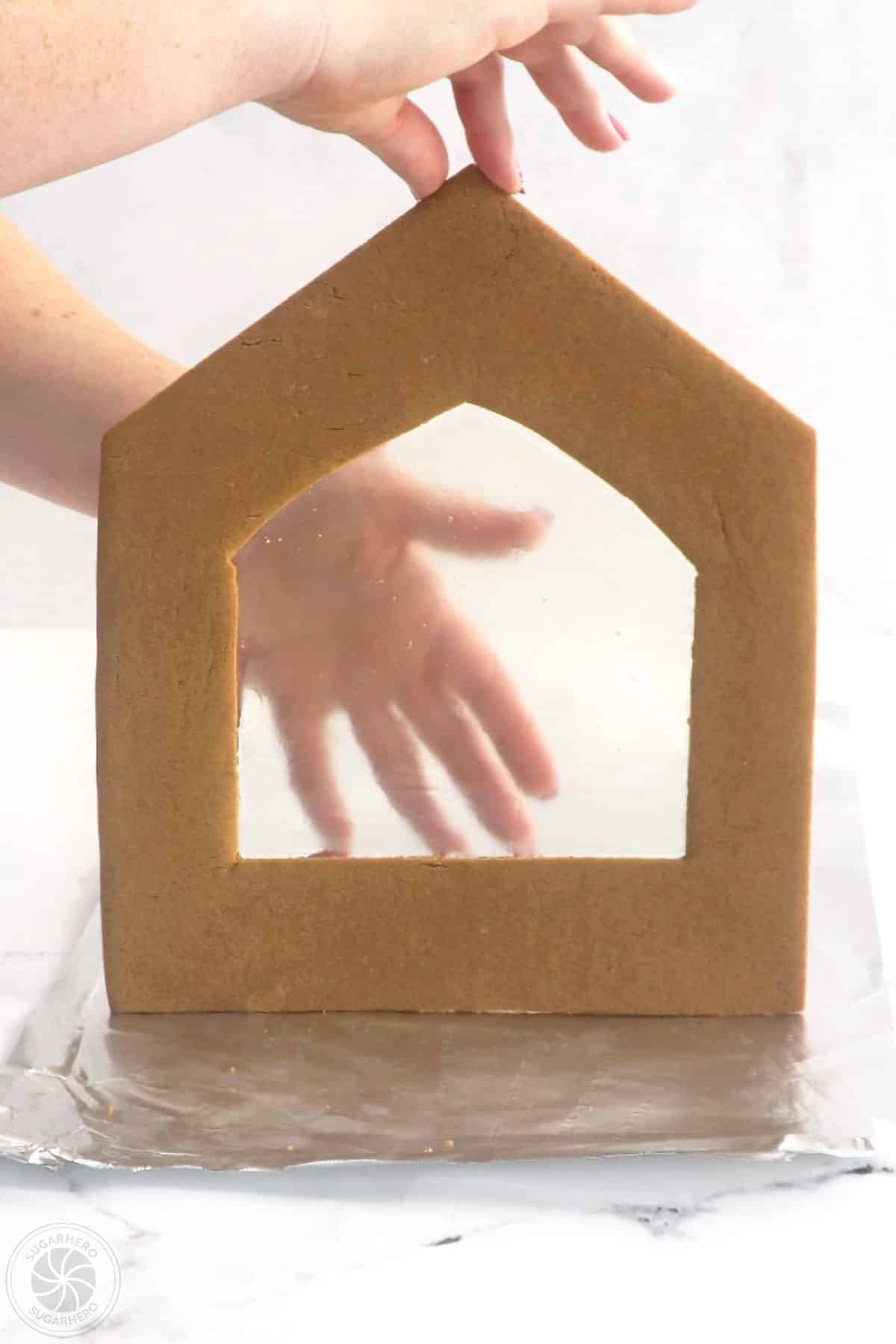
-
Storage Information:
Proper storage is key to preserving the integrity of edible sugar glass. It should be stored at room temperature in an airtight container. Refrigeration or freezing is not recommended, as condensation can lead to stickiness. Properly stored, sugar glass can last up to seven days, though this may be reduced in humid climates.
Broader Impact and Culinary Innovation
The ability to create visually striking edible elements like sugar glass democratizes high-level dessert decoration. Previously, such intricate sugar work might have been exclusive to highly trained professionals. Now, with accessible recipes and clear instructions, home bakers and aspiring confectioners can achieve professional-looking results. This empowers a wider audience to experiment with dessert aesthetics, fostering creativity and innovation in home kitchens and small businesses alike. The trend towards visually appealing food experiences continues to grow, and tools like edible sugar glass are at the forefront of this culinary evolution, pushing the boundaries of what is possible in dessert design.