

The United States currently faces a staggering food waste crisis that impacts both environmental stability and consumer finances, with recent data from the Environmental Protection Agency (EPA) and the Department of Agriculture (USDA) indicating that approximately 40 percent of the nation’s food supply is discarded annually. For the average American household, this inefficiency translates to a direct financial loss of $2,913 per year. While systemic issues in the supply chain contribute to these figures, a significant portion of waste occurs at the residential level due to improper storage techniques and a reliance on materials that accelerate decomposition. As inflation continues to drive grocery prices higher, the imperative to master food preservation has shifted from a niche environmental concern to a critical economic strategy.
The Economic and Environmental Scale of Food Waste
The implications of household food waste extend far beyond the individual kitchen. When food is discarded, the resources used to produce it—including water, land, energy, and labor—are also squandered. According to the World Wildlife Fund (WWF), food waste is responsible for approximately 6 percent to 8 percent of all human-caused greenhouse gas emissions. In landfills, rotting food produces methane, a greenhouse gas significantly more potent than carbon dioxide in the short term.
Economically, the $2,913 annual loss per household represents a significant portion of the median American income. This "waste tax" is often invisible, occurring in small increments as moldy strawberries or wilted greens are tossed into the bin. Experts suggest that by implementing rigorous storage protocols, households can reduce their grocery expenditures by up to 25 percent, effectively providing themselves an immediate "raise" through cost avoidance.
The Plastic Paradox: Preservation versus Pathogens
For decades, plastic containers and bags have been marketed as the standard for food preservation. However, emerging research into food science and endocrinology suggests that plastic may be doing more harm than good. From a preservation standpoint, plastic is often non-breathable, trapping ethylene gas—a natural ripening agent emitted by fruits and vegetables—within the container. This concentrated environment causes produce to ripen and rot at an accelerated rate, turning a head of lettuce into a "slimy" mess within days.
Furthermore, health advocates have raised concerns regarding chemical leaching. Many plastics contain endocrine disruptors, such as Bisphenol A (BPA) and phthalates, which can migrate into food, especially when exposed to heat or used for long-term storage. Consequently, the transition toward glass, stainless steel, and natural fibers is increasingly viewed as a health-conscious move as much as an environmental one.
A Chronology of the Zero-Waste Movement in the Modern Kitchen
The shift toward sustainable food storage reflects a broader chronological evolution in consumer behavior:
- The Pre-Plastic Era (Pre-1950s): Reliance on root cellars, glass canning, and wax-coated cloths.
- The Plastic Revolution (1960s–2000s): Mass adoption of single-use plastics and Tupperware, prioritizing convenience and airtight seals.
- The Awareness Phase (2010s): Discovery of the "Great Pacific Garbage Patch" and the rise of the Zero-Waste movement, led by activists advocating for a return to traditional materials.
- The Scientific Integration (Present): A modern synthesis of ancient wisdom and material science, utilizing borosilicate glass, food-grade silicone, and breathable textiles designed to extend shelf life for weeks rather than days.
Strategic Produce Preservation: Methods and Materials
Effective food storage requires a nuanced understanding of the biological needs of different produce types. General rules of thumb include keeping most fruits and vegetables separate to prevent ethylene cross-contamination and avoiding the habit of washing produce immediately upon returning from the market, as moisture encourages mold growth.
The Science of Breathable Storage
Textile-based storage, such as unbleached cotton bags, represents a significant advancement in produce longevity. These bags, often referred to as "swag bags," utilize a multi-layer design that maintains a damp environment while allowing the produce to "breathe." This mimics the natural hydration found in a garden. When dampened and stored in the crisper drawer, these bags can keep leafy greens, herbs, and thin-skinned vegetables crisp for over two weeks by preventing the dehydration that typically occurs in the dry air of a refrigerator.
Glass and Borosilicate Solutions
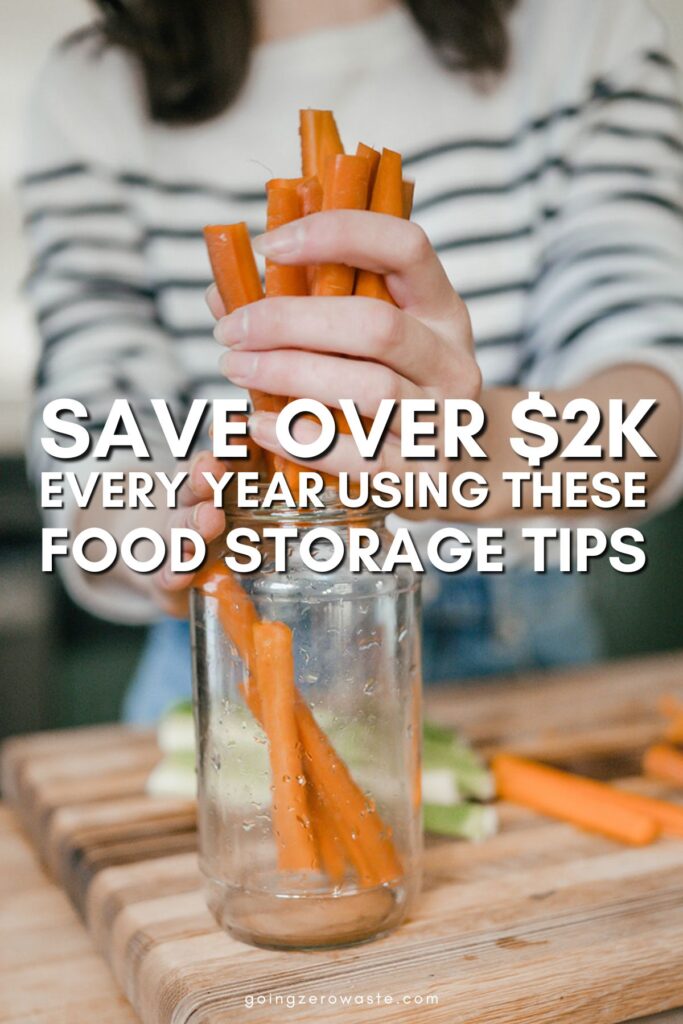
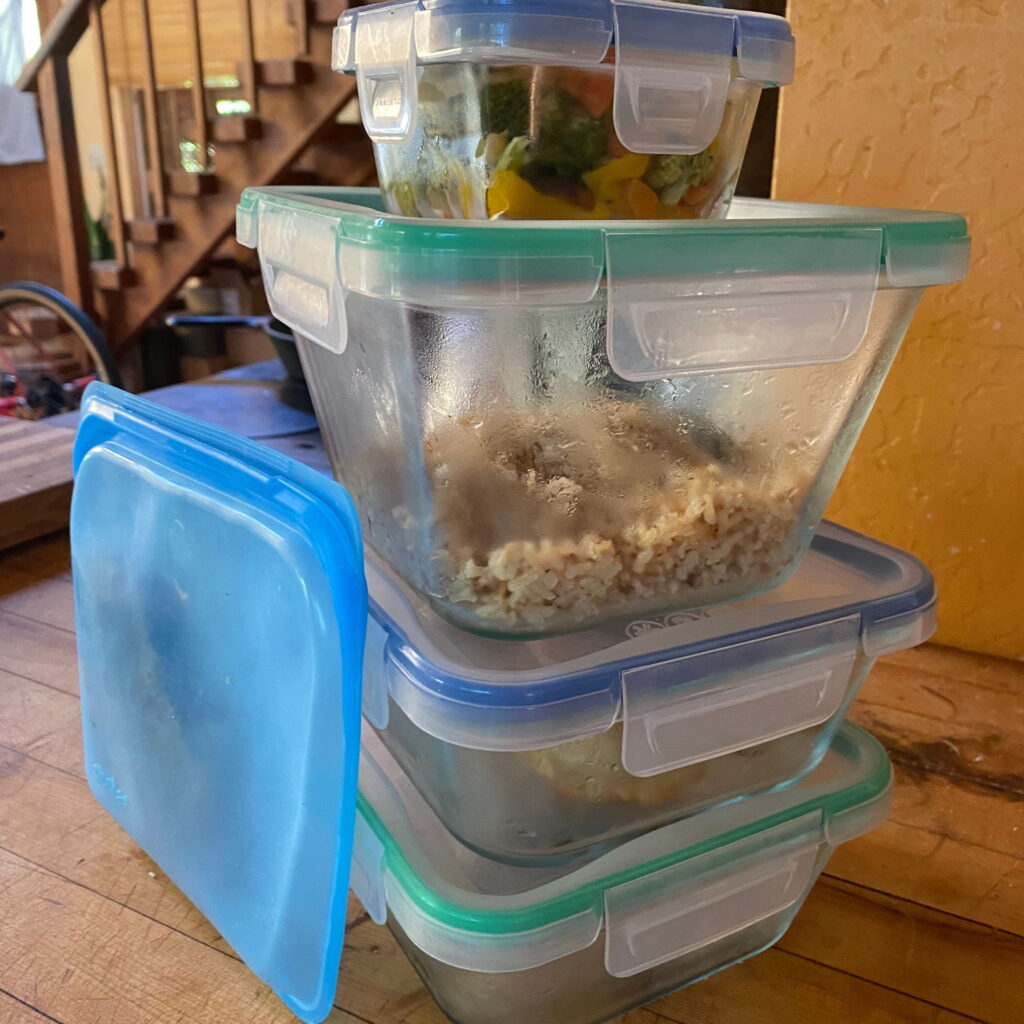
For chopped vegetables, leftovers, and grains, borosilicate glass has emerged as the professional standard. Unlike standard glass, borosilicate is resistant to thermal shock, allowing it to move from freezer to oven without shattering. High-quality glass containers with snap-lock lids provide a non-reactive environment that does not absorb odors or stains. For herbs like cilantro or parsley, storing them upright in a glass jar with an inch of water—similar to a bouquet of flowers—can triple their lifespan.
Innovations in Flexible Packaging
The replacement of plastic wrap has seen the rise of beeswax wraps and silicone bags. Beeswax wraps, made from organic cotton infused with beeswax, plant oils, and tree resin, provide a breathable, antimicrobial seal for cheese, bread, and bowl covers. Meanwhile, food-grade silicone bags offer a durable, leak-proof alternative for freezing and marinating. Unlike plastic, silicone is chemically inert and can withstand high temperatures, making it a safer option for long-term food contact.
Thermal Mapping: Optimizing Refrigerator Organization
A critical yet often overlooked aspect of food preservation is the internal geography of the refrigerator. Modern appliances have distinct temperature zones that dictate the longevity of specific items.
- The Door: Frequently subjected to warm air when the fridge is opened, this area should be reserved for stable items like condiments, sodas, and juices. Storing milk or eggs in the door is a common error that leads to premature spoilage.
- The Upper Shelves: These shelves maintain the most consistent temperatures and are ideal for leftovers, "ready-to-eat" snacks, and items with a high turnover rate.
- The Lower Shelves: As the coldest part of the unit, the bottom shelves are designated for raw meats, fish, and dairy products. This placement also serves a safety function, preventing potential drips from contaminating other foods.
- The Crisper Drawers: Humidity control is vital here. High-humidity drawers should house thin-skinned vegetables and greens, while low-humidity drawers are intended for ethylene-emitting fruits. Experts recommend lining these drawers with cloth towels to absorb excess moisture, which should be changed weekly to maintain hygiene.
Broader Impact and Policy Implications
The movement toward better food storage is gaining traction at the institutional level. Environmental organizations and local governments are beginning to recognize that reducing household waste is a more cost-effective way to manage municipal waste streams than expanding landfill capacity. In some jurisdictions, organic waste bans and mandatory composting programs are forcing a "top-down" reconsideration of how food is handled.
From a market perspective, the demand for plastic-free storage has birthed a new sector of the "circular economy." Companies producing compostable wraps and infinitely recyclable metal tiffins are seeing record growth. This shift suggests that consumers are increasingly willing to invest in high-quality, reusable "hard goods" for the kitchen rather than "consumable" plastics.
Conclusion: The Path Forward for Consumer Agency
While the statistics regarding food waste and plastic pollution are daunting, the solution lies in the cumulative effect of small, informed changes in household management. By treating food storage as a science—utilizing the correct materials for specific biological needs and organizing the refrigerator based on thermal zones—Americans can reclaim the $2,913 lost to waste each year.
As the "Zero Waste" philosophy moves from the fringes into mainstream domestic life, the long-term implications include a healthier population, a more resilient food system, and a significant reduction in the environmental footprint of the modern home. The transition away from plastic toward sustainable, breathable, and inert materials is not merely a return to the past, but a sophisticated step toward a more efficient and health-conscious future. For those looking to begin, the "use it up" basket—a designated spot for items nearing their expiration—remains the simplest and most effective tool in the fight against waste.


