The resurgence of interest in sustainable living and food security has propelled the home food preservation industry into a period of significant growth. Central to this movement is the food dehydrator, a device designed to remove moisture from organic matter to inhibit the growth of bacteria, yeast, and mold. Among the leading brands in this sector is Cosori, a company known for its kitchen appliances that blend modern aesthetics with functional performance. This report provides a detailed examination of the Cosori food dehydrator lineup, specifically focusing on the 6-tray and 10-tray stainless steel models, while analyzing their technical specifications, market positioning, and the broader implications for the domestic food preservation landscape.
Market Context and Product Evolution
The demand for high-quality dehydrators has shifted from niche agricultural use to mainstream domestic kitchens. This transition is largely driven by a desire to reduce food waste, control the quality of snacks, and prepare for potential supply chain disruptions. Cosori, a brand under the parent company Atekcity Corporation, has positioned itself as a mid-to-high-tier option, bridging the gap between inexpensive plastic stackable units and industrial-grade preservation equipment.
Historically, the dehydrator market was dominated by either vertical-flow plastic models, which often suffered from uneven heat distribution, or expensive horizontal-flow cabinets like those produced by Excalibur. Cosori entered this market with a focus on stainless steel construction and digital precision, targeting consumers who prioritize durability and ease of use. The expansion of their product line into international markets, including recent availability in Canada, signifies a strategic push to capture a global demographic interested in self-sufficiency.
Technical Specifications and Performance Metrics
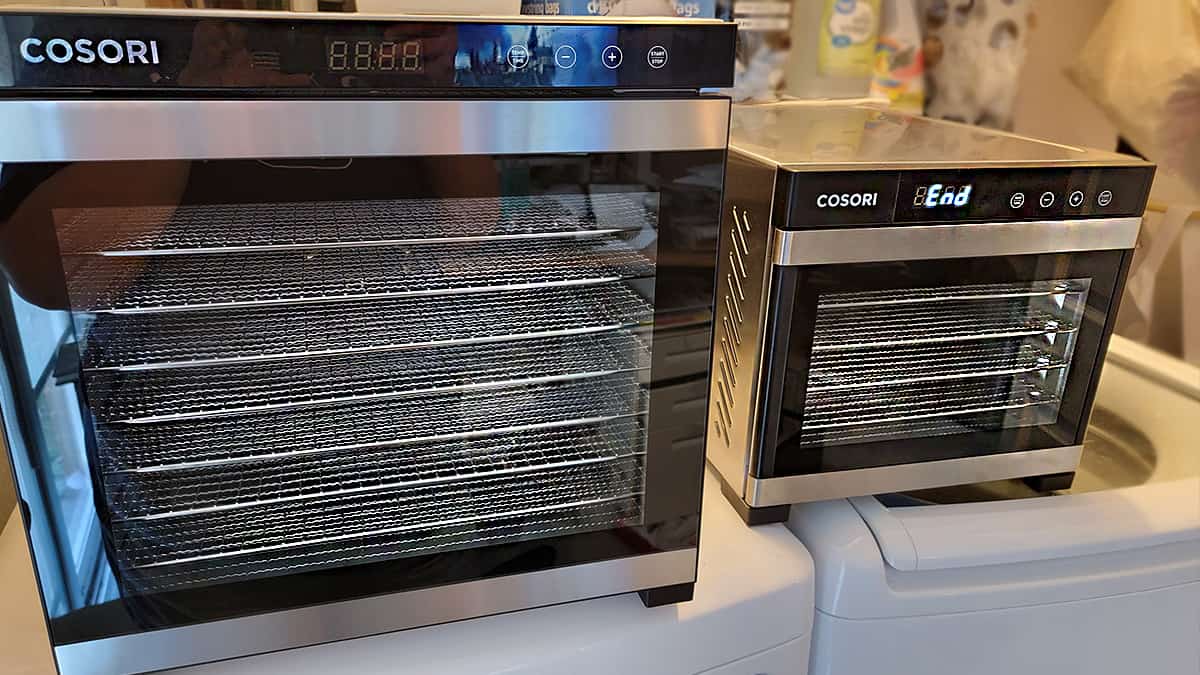
The Cosori Premium Stainless Steel Dehydrator (Model CP267-FD) serves as the flagship for the brand’s 6-tray category. Technical evaluations reveal a robust set of features designed for the enthusiast.
Structural Integrity and Design
Unlike many entry-level competitors, the Cosori units utilize food-grade stainless steel for both the housing and the drying trays. This material choice is significant not only for its longevity but also for its thermal properties. Stainless steel retains heat more efficiently than plastic, leading to more consistent internal temperatures. The inclusion of a glass door allows for visual monitoring without the need to open the unit, which would otherwise result in heat loss and increased energy consumption.
Thermal and Airflow Dynamics
The 6-tray model operates at 600 watts, while the 10-tray "big brother" model features a higher wattage to account for its larger internal volume. Despite the difference in power, real-world testing indicates that drying times remain relatively consistent across both models, as the larger unit’s increased airflow is balanced by the additional space it must heat. The horizontal airflow system, powered by a rear-mounted fan, ensures that air is distributed evenly across all trays, eliminating the need for tray rotation—a common requirement in vertical-flow models.
Operational Noise Levels
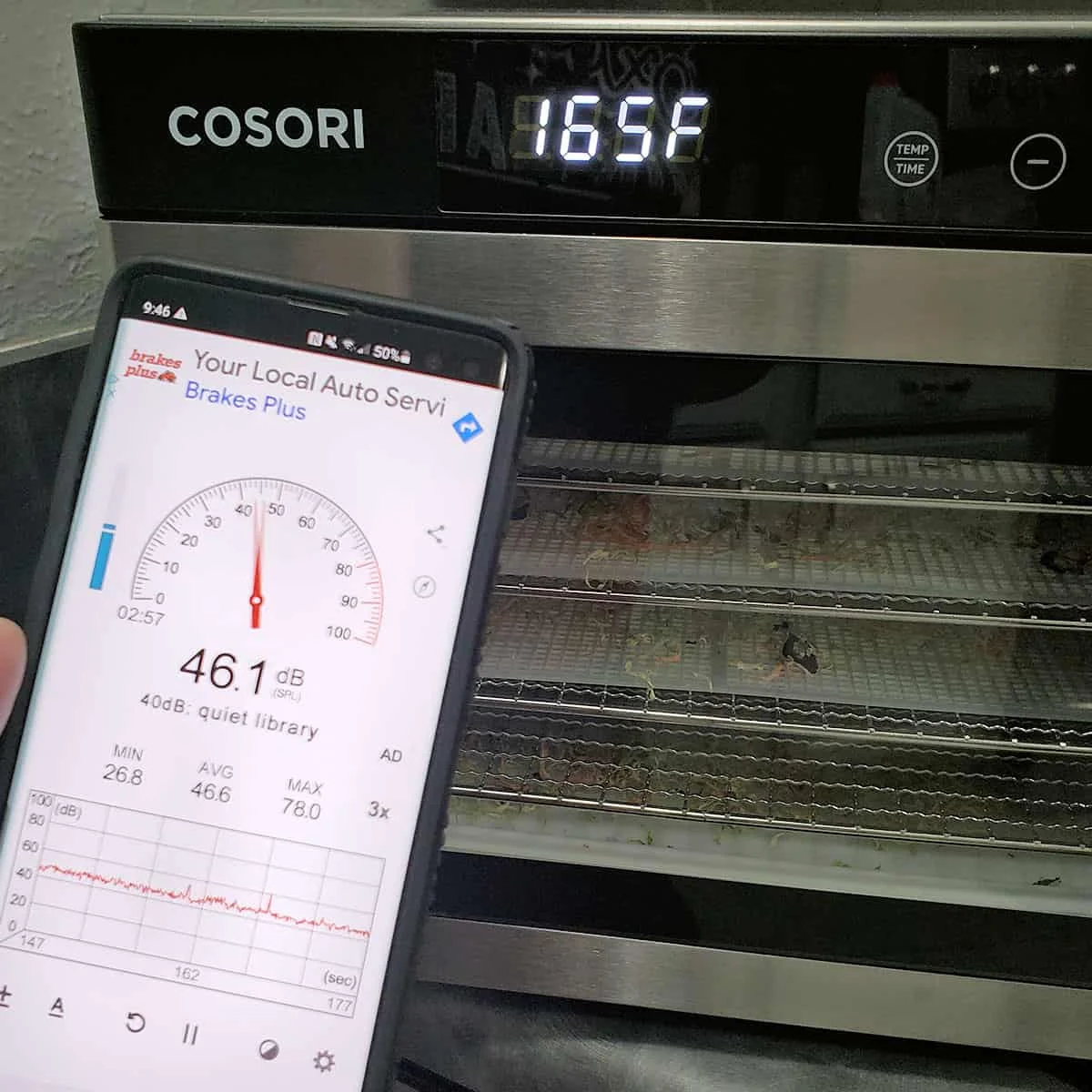
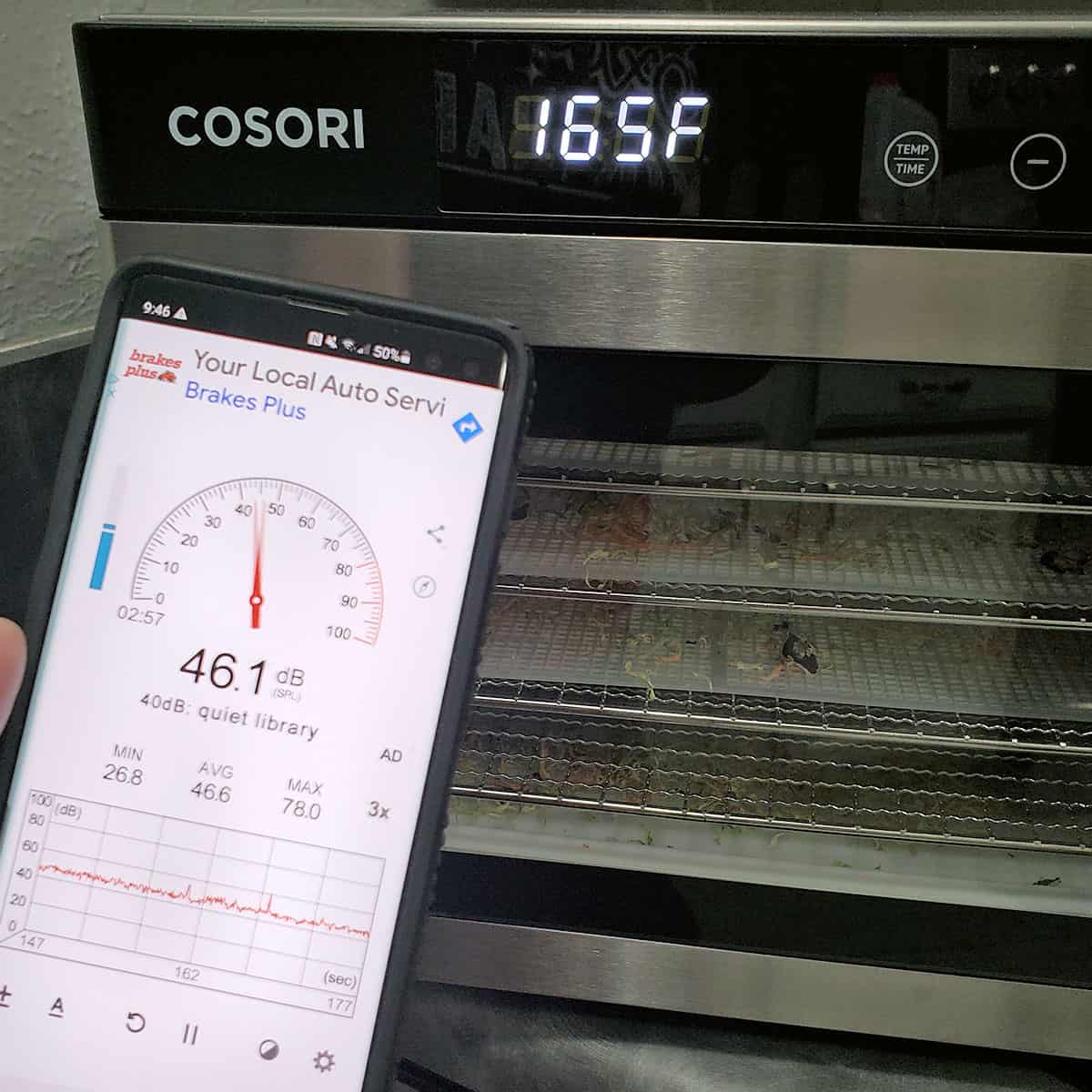
A critical factor for home appliances is the acoustic impact on the living environment. The Cosori dehydrator is noted for its quiet operation, typically registering between 45 and 50 decibels. This level is comparable to a quiet refrigerator or a soft conversation, making it suitable for overnight operation in residential settings.
Chronology of Operation and Maintenance
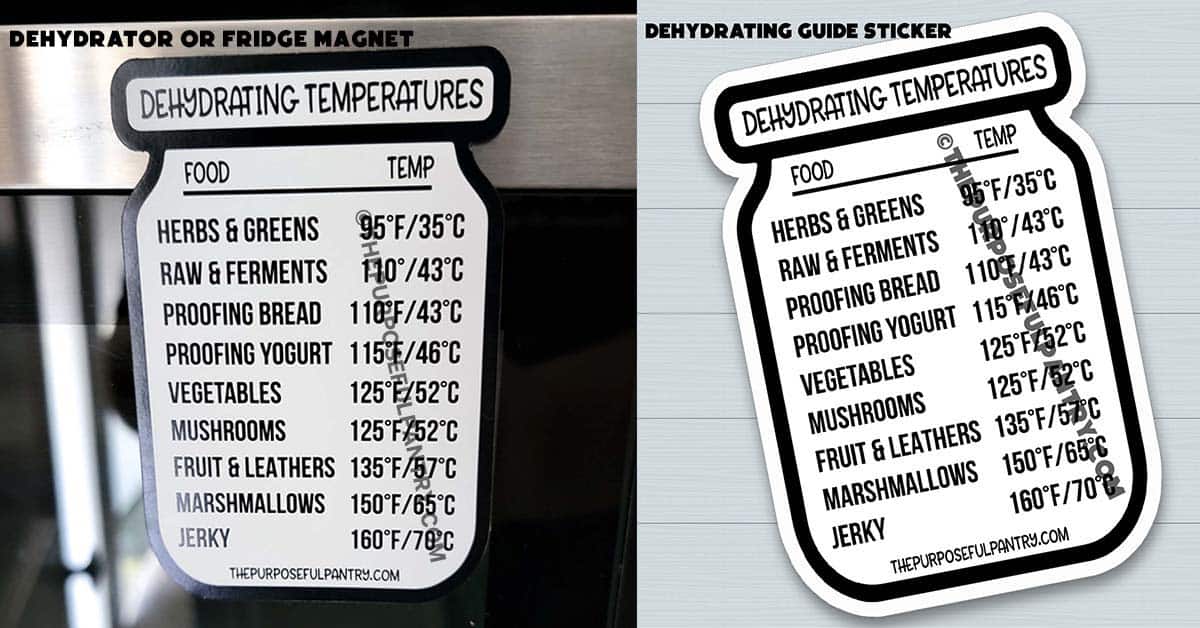
Effective dehydration is a process that requires strict adherence to temperature and timing. The Cosori interface provides a digital timer that can be set for up to 48 hours in 30-minute increments, and temperature controls ranging from 95°F to 165°F.
The 48-Hour Cycle
Official guidelines from the manufacturer specify that the unit should not be operated for more than 48 consecutive hours. Following a 48-hour run, the machine requires a cooling-off period of at least two hours. This protocol is designed to preserve the integrity of the heating element and the fan motor, preventing premature mechanical failure.
Preparation and Sanitization
The workflow for using a Cosori dehydrator begins with a "burn-off" period. New units often contain residual oils or dust from the manufacturing process in China. Users are instructed to run the empty machine at 165°F for 30 minutes to eliminate these impurities. Subsequent cleaning involves the use of warm, soapy water for the stainless steel trays, while the interior of the cabinet can be wiped down with a damp cloth.
Consumer Feedback and Reliability Analysis
Data gathered from long-term users and consumer reports highlight several key areas of performance and potential improvement.
User Experience Advantages
The primary praise for the Cosori units centers on their "set-and-forget" capability. The digital precision allows for the safe dehydration of meats for jerky (requiring a consistent 160°F) and delicate herbs (requiring a low 95°F). Furthermore, the aesthetic appeal of the stainless steel exterior has made it a preferred choice for modern kitchens where the appliance may remain on the countertop.
Identified Limitations
Despite high overall satisfaction, certain technical limitations have been noted:
- Timer Reset Issues: The unit lacks a pause function. If the door is left open for an extended period during a check, the timer may reset, requiring the user to manually re-input the remaining time.
- Accessory Discrepancies: While the machine is sold with stainless steel trays, it often includes only one mesh liner and one fruit roll-up sheet. Consumer feedback suggests that a full set of liners would significantly enhance the out-of-box experience, as smaller items like peas or herbs can fall through the standard wire trays.
- Manual Accuracy: Technical reviewers have observed that the included recipe books and manuals often provide conservative storage estimates and occasionally inaccurate drying times. Experts recommend using the manual for mechanical operation but relying on established food safety guidelines for actual preservation times.
Corporate Response and Support Infrastructure
Cosori’s parent company, Atekcity, maintains a customer support infrastructure designed to address the "dud" rate inherent in mass-produced electronics. While the standard warranty is one year, the company has established a reputation for responsive service, often requiring video documentation of malfunctions before issuing replacements.
In the broader context of manufacturing, Cosori explicitly states that while their products are "Designed in California," they are manufactured in China. This is a standard practice for the vast majority of consumer dehydrators, including competing brands like Ivation and Magic Mill, which often utilize similar internal components and chassis designs.
Broader Impact and Implications
The proliferation of high-quality home dehydrators like those from Cosori has several socio-economic and environmental implications.
Food Waste Reduction
According to data from the USDA, approximately 30-40% of the food supply in the United States is wasted. Home dehydration allows consumers to preserve seasonal gluts from gardens or "manager’s special" produce from grocery stores that would otherwise be discarded. This contributes to a circular economy at the household level.
Economic Self-Sufficiency
As inflation impacts the cost of processed snacks and emergency food supplies, the ability to produce these items at home offers a significant cost-saving measure. The energy cost of running a 600-watt dehydrator for 10 hours is relatively low compared to the retail price of organic dried fruits or beef jerky.
Nutritional Integrity
Commercial drying processes often involve the addition of sulfur dioxide, sugars, and artificial preservatives to maintain color and shelf life. Home dehydration via the Cosori system gives the user total control over ingredients, ensuring that the final product remains a whole-food item with its nutritional profile largely intact.
Conclusion
The Cosori food dehydrator represents a significant advancement in accessible home preservation technology. By combining the durability of stainless steel with the precision of digital controls, it has lowered the barrier to entry for beginners while satisfying the requirements of more experienced practitioners. While there are minor functional areas for improvement, such as the inclusion of more liners and the addition of a pause button, the machine’s quiet operation and consistent results make it a leading contender in the current market. As more households turn toward self-reliance and sustainable consumption, the role of such appliances will likely transition from luxury kitchen gadgets to essential tools for the modern pantry.