
Cheese, a culinary staple enjoyed across cultures and cuisines, brings a rich depth of flavor and texture to countless dishes, from a simple grated mozzarella on pizza to a sharp Monterey Jack enhancing a gourmet burger. Its universal appeal is undeniable, cementing its place as one of the most beloved dairy products globally. However, the enjoyment of freshly grated cheese often comes with a less appealing aftermath: the arduous task of cleaning the grater. This seemingly minor chore can transform into a significant source of frustration, posing not only an inconvenience but also potential hygiene risks if not addressed thoroughly. Fortunately, advancements in kitchen technology, particularly the widespread adoption of pull-down kitchen faucets with powerful sprayers, offer an effective and efficient solution to this common household dilemma, fundamentally reshaping kitchen cleaning practices.
The Enduring Appeal of Cheese and Its Culinary Impact
The global consumption of cheese underscores its immense popularity. According to recent market analyses, the global cheese market is projected to continue its steady growth, driven by increasing demand in both developed and emerging economies. From the creamy allure of soft cheeses like mozzarella, a cornerstone of Italian cuisine, to the robust character of hard cheeses such as Parmesan and cheddar, cheese varieties cater to an expansive palette. Its versatility extends beyond flavor enhancement; cheese provides essential nutrients, including protein and calcium, making it a valuable component of many diets. Whether melted into a comforting pasta dish, sprinkled over a vibrant salad, or serving as the star of a charcuterie board, cheese consistently elevates the gastronomic experience. The ritual of grating cheese fresh, rather than using pre-shredded varieties, is often preferred by culinary enthusiasts for its superior flavor and texture, yet it is this very act that precipitates the cleaning challenge.
The Perennial Grater Cleaning Conundrum and Associated Risks
The design of a typical cheese grater, with its myriad of sharp-edged holes and crevices, is optimized for efficient shredding but notoriously difficult to clean. Soft, greasy cheese particles, especially from varieties like mozzarella or Monterey Jack, adhere stubbornly to the metal surfaces and lodge themselves deep within the tiny perforations. Attempts to dislodge these residues with a standard sponge often result in the sponge material snagging and tearing on the sharp edges, potentially leaving behind synthetic fibers that are equally problematic. Moreover, the inherent greasiness of cheese exacerbates the issue, creating a sticky film that resists easy rinsing.
Beyond the sheer annoyance, improper cleaning of kitchen tools like cheese graters poses significant health risks. Food residues, particularly dairy products, provide an ideal breeding ground for bacteria such, Listeria monocytogenes, Salmonella, and E. coli. If these residues are not thoroughly removed after each use, they can accumulate, forming biofilms that are even harder to eliminate. Subsequent use of a contaminated grater can then cross-contaminate fresh food, leading to foodborne illnesses characterized by upset stomachs, nausea, vomiting, and more severe allergic reactions or infections, particularly in vulnerable populations such such as young children, the elderly, or immunocompromised individuals. Public health organizations, including the Centers for Disease Control and Prevention (CDC) and various national food safety agencies, consistently emphasize the critical importance of proper sanitation for all food preparation surfaces and utensils to prevent the spread of pathogens.
A Modern Solution Emerges: The Pull-Down Faucet
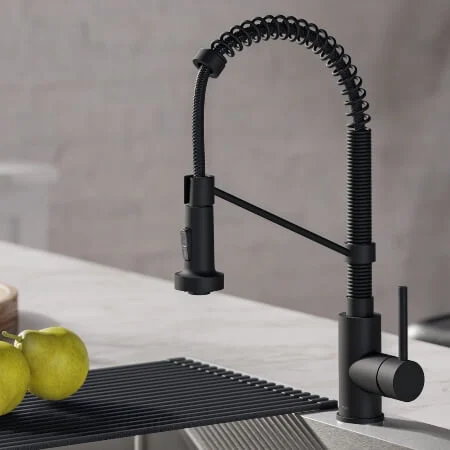
Recognizing the widespread frustration with kitchen cleaning tasks, particularly those involving intricate tools, manufacturers have innovated kitchen faucet designs to offer enhanced functionality. Among these innovations, the pull-down kitchen faucet stands out as a game-changer. These faucets feature a spray head that can be pulled down and often detached from the main faucet body, offering an extended reach and unparalleled flexibility. The spray head typically includes multiple spray modes, most notably a powerful, focused spray option designed specifically for rinsing away stubborn food particles.
The development of the pull-down faucet traces back to the late 20th century, evolving from earlier side sprayers to an integrated, more ergonomic design. Early models focused on basic utility, but modern versions incorporate advanced features like magnetic docking for the spray head, precise temperature control, and finishes designed to resist water spots and fingerprints. This technological progression aligns with a broader trend in kitchen design emphasizing efficiency, hygiene, and user convenience.
Effective Strategies for Grater Maintenance with a Pull-Down Faucet
The integration of a pull-down faucet into kitchen routines significantly streamlines the cheese grater cleaning process. The forceful stream of water from the sprayer is highly effective at dislodging even the most tenacious cheese residues. However, optimizing this process involves a few preparatory steps:
-
Immediate Action and Pre-Soaking: The most crucial step is to address the grater immediately after use. Allowing cheese to dry and harden on the grater makes removal exponentially more difficult. If immediate cleaning isn’t possible, soaking the grater in hot water for 10-15 minutes can significantly soften the residues. This allows the heat to melt the fats and loosen the cheese, making it easier for the faucet’s sprayer to do its work.
-
Harnessing Natural Abrasives: Lemon and Salt: For particularly stubborn or greasy cheese remnants, natural cleaning agents can be highly effective. Lemon, with its acidic properties, helps to break down fats and dissolve cheese proteins. Rubbing a cut lemon half directly over the grater’s surface, particularly targeting the holes, can chemically weaken the bonds holding the cheese. For added abrasive power, a sprinkle of coarse salt (like kosher salt) on the lemon pulp creates a natural scouring agent that can mechanically scrub away dried-on particles without damaging the grater’s metal. After applying the lemon and salt, a quick rinse under the powerful spray of a pull-down faucet typically clears away the loosened debris.
-
The Power of the Pull-Down Sprayer: Once residues are softened or loosened, the pull-down faucet’s sprayer becomes the primary tool. Directing a focused, high-pressure stream of hot water through the grater’s holes, from both the inside and outside surfaces, can effectively blast away remaining cheese particles. The flexibility of the pull-down head allows for precise targeting of every groove and crevice, ensuring no spot is missed. Hot water is particularly beneficial as it helps to melt residual fats, facilitating their removal.
-
Safety First: Avoiding Injury and Further Complications: When cleaning a cheese grater, caution is paramount due as the sharp edges can cause cuts. While the pull-down sprayer minimizes the need for direct scrubbing, if a brush is deemed necessary, a stiff-bristled utility brush (specifically designed for kitchen tools) should be used, rather than a soft sponge or cloth that can snag. It is crucial to avoid abrasive scrub pads made of synthetic fibers, as these can easily tear and leave strands embedded in the grater’s holes, creating an even more challenging cleaning scenario and potentially introducing foreign materials into food. Should this accidentally occur, the focused spray of a pull-down faucet can often be used to dislodge the trapped fibers.

Prioritizing Kitchen Hygiene and Safety
The meticulous cleaning of a cheese grater is not merely about aesthetic appeal or convenience; it is a fundamental aspect of maintaining a hygienic kitchen environment. Food safety experts consistently advise that all tools and surfaces that come into contact with food must be cleaned and sanitized regularly to prevent bacterial growth and cross-contamination. The ease with which a pull-down faucet facilitates this task encourages more frequent and thorough cleaning, thereby reducing the risk of foodborne illnesses. This proactive approach to kitchen hygiene contributes significantly to household health and well-being.
Navigating the Market: Choosing the Right Pull-Down Faucet
For homeowners seeking to upgrade their kitchen’s functionality and simplify cleaning chores, selecting the right pull-down faucet is crucial. The market offers a wide array of options, varying in design, features, and price points. Key considerations include:
-
Handle Configuration: While single-handle pull-down faucets are popular for their ease of operation and streamlined appearance, allowing for effortless temperature and flow control with one hand, double-handle models are also available for those who prefer separate controls for hot and cold water. Single-handle designs often align better with modern minimalist aesthetics and are practical for busy chefs.
-
Spray Head Functionality: A critical feature is the dual-function spray head, offering both an aerated stream and a powerful spray. The aerated stream is ideal for everyday tasks like filling pots and pans, while the robust spray mode is invaluable for rinsing tough residues from graters, plates, and sinks. Some advanced models even include pause buttons or additional specialized spray patterns.
-
Material and Finish: The durability and longevity of a faucet are heavily influenced by its material and finish. Stainless steel is a popular choice for its resistance to corrosion and wear. Finishes such as "spot-free stainless steel," brushed nickel, chrome, and matte black are designed to resist fingerprints, water spots, and grease smudges, ensuring the faucet maintains its pristine appearance with minimal effort. This "spot-free" technology is particularly beneficial in a busy kitchen where greasy hands are common.
-
Flow Rate and Water Pressure: While not always explicitly listed, the water pressure and flow rate (measured in gallons per minute, GPM) are important for the effectiveness of the spray function. Most modern faucets are designed to meet federal regulations for water conservation (typically 1.8 GPM), but innovative spray technologies can still deliver powerful performance within these limits.
-
Installation and Compatibility: Homeowners should consider their existing sink configuration (e.g., single-hole or three-hole mounting) and choose a faucet that is compatible. Many pull-down faucets come with optional deck plates to cover extra holes.
-
Smart Features: The evolving smart home market has also impacted faucets, with some models offering touchless operation, voice activation, or even integrated temperature displays. While not essential for grater cleaning, these features add another layer of convenience and modernity.
Industry Perspectives and Consumer Trends
Kitchen design experts and faucet manufacturers consistently highlight the pull-down faucet as one of the most significant advancements in kitchen utility over the last two decades. Leading brands report that pull-down models now dominate sales in the premium and mid-range faucet segments, reflecting a strong consumer preference for functionality, ergonomics, and aesthetics. Consumer surveys frequently cite ease of cleaning and versatility as primary reasons for choosing these models. This trend is further bolstered by the increasing popularity of home cooking and a growing awareness of kitchen hygiene standards. The ability to tackle challenging cleaning tasks like grater maintenance with minimal effort is a key selling point that resonates deeply with busy households and culinary enthusiasts alike.
The Broader Implications for Kitchen Design and Efficiency
The widespread adoption of pull-down faucets signifies a broader shift in kitchen design philosophy. Modern kitchens are no longer just utilitarian spaces but integrated living areas that prioritize efficiency, comfort, and advanced technology. The pull-down faucet, with its combination of elegant design and powerful functionality, embodies this evolution. Its ability to accommodate large pots and pans under its often high-arc spout, combined with the precision of its spray, makes it an indispensable tool for a variety of kitchen tasks, far beyond just cleaning a cheese grater. This singular appliance enhances overall kitchen workflow, contributes to a more hygienic environment, and elevates the user experience, ultimately making daily culinary routines more enjoyable and less cumbersome.
In conclusion, while the allure of freshly grated cheese remains undiminished, the historical "nightmare" of cleaning the grater has been effectively mitigated by the advent of modern pull-down kitchen faucets. These innovative fixtures, characterized by their flexible spray heads and powerful water streams, provide an efficient and hygienic solution to a common kitchen woe. By understanding the underlying challenges of grater cleaning, leveraging effective techniques, and making informed choices when purchasing kitchen fixtures, consumers can ensure their culinary adventures remain joyous, hygienic, and free from the frustrations of post-meal cleanup. The pull-down faucet stands as a testament to how thoughtful design and technological advancement can profoundly improve daily life in the heart of the home.


