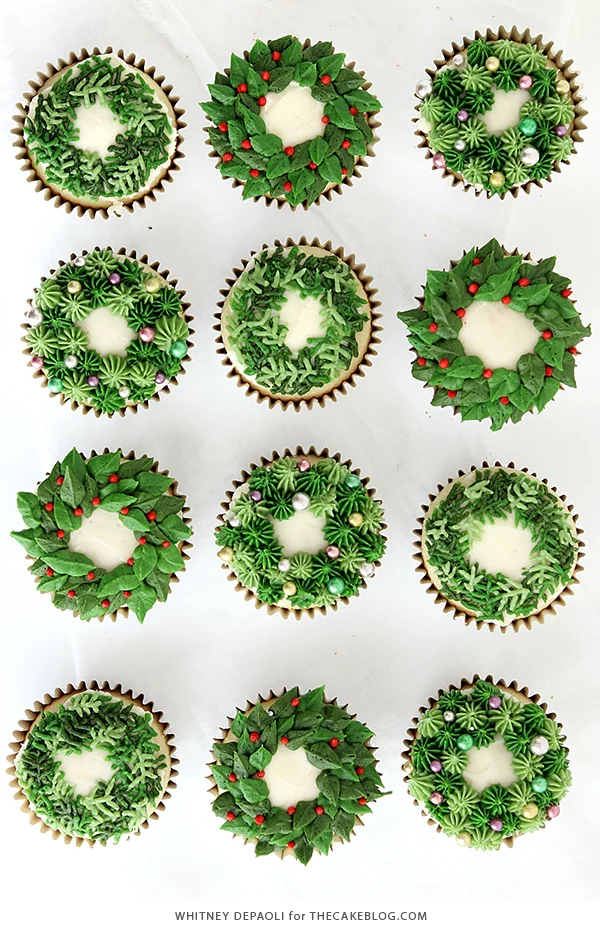
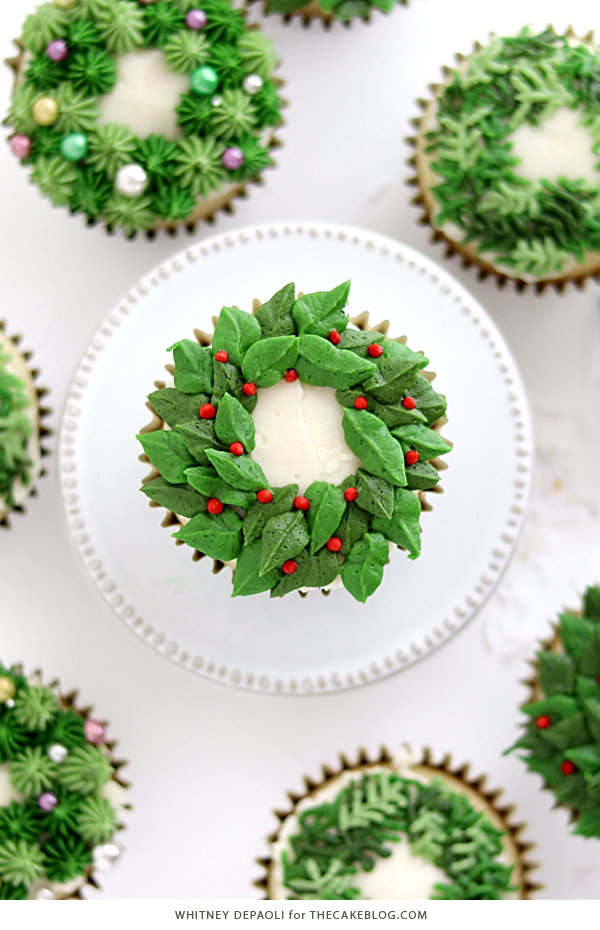
A new tutorial by contributor Whitney DePaoli offers a festive approach to holiday baking with Christmas Wreath Cupcakes, featuring intricately piped buttercream wreaths in three distinct designs. This creative endeavor transforms a traditional holiday motif into a delightful dessert centerpiece, showcasing a blend of artistic skill and seasonal cheer. DePaoli’s inspiration reportedly struck while observing the ubiquitous holiday decorations adorning shopping centers, prompting a direct translation of festive wreaths into edible art. The project, which began as a conceptual sketch, quickly materialized into a tangible success, eliciting a sense of joy upon its completion.
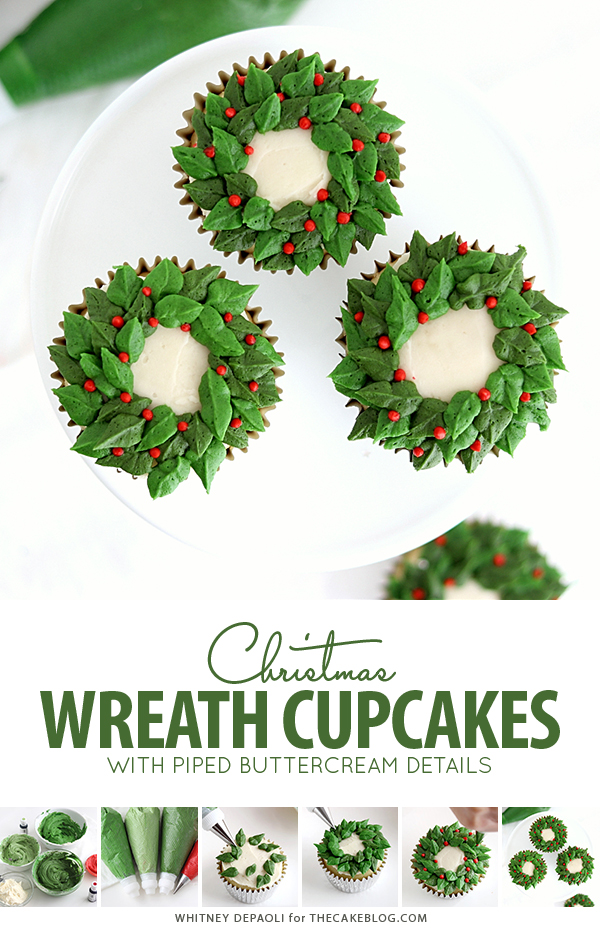
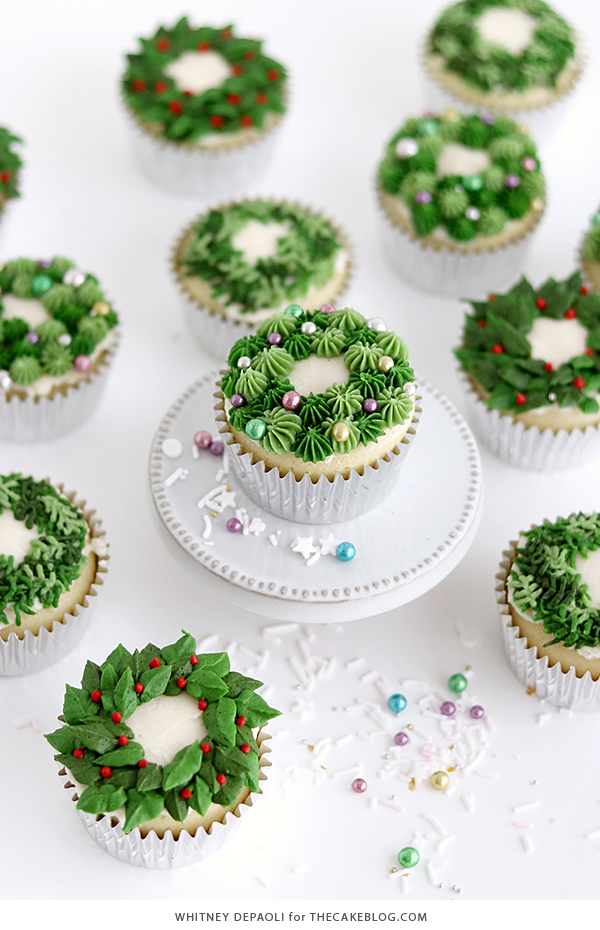
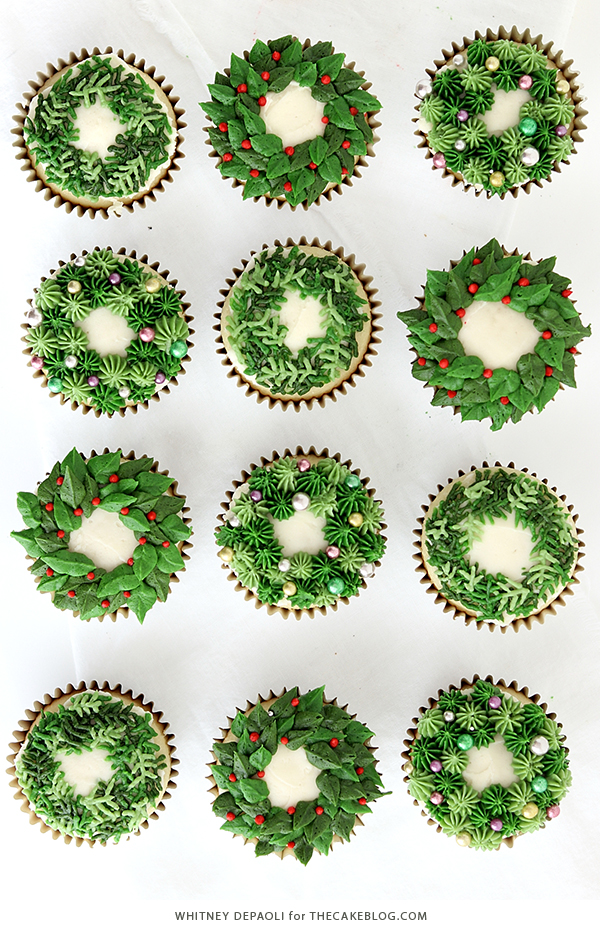
The tutorial highlights the creation of an assortment of these charming cupcakes, each adorned with a meticulously crafted buttercream wreath. DePaoli emphasizes the visual appeal of offering three distinct designs, noting how the variety in textures and colors contributes to a cohesive and festive presentation. While encouraging bakers to explore all three variations, the tutorial also acknowledges the flexibility for individuals to select their preferred designs, ensuring a personalized touch to their holiday baking. The ultimate goal is to infuse holiday gatherings with an extra layer of merriment through these visually appealing and delicious treats.
The Art of Buttercream: Techniques and Tools
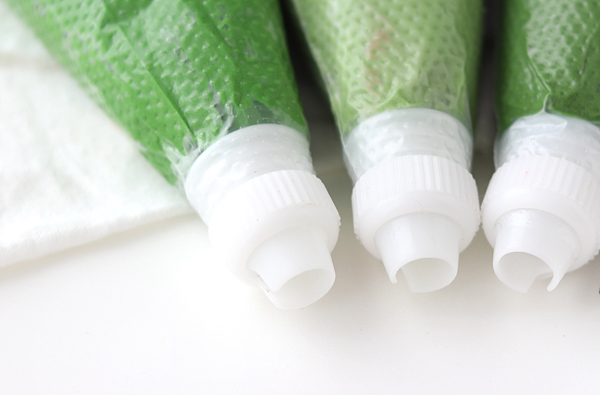
Central to the creation of these Christmas Wreath Cupcakes is the skillful application of buttercream. The project necessitates the use of three different shades of green buttercream, alongside a selection of favored piping tips. To streamline the decorating process and enhance efficiency, the tutorial strongly recommends the use of piping bag couplers. These essential tools allow decorators to seamlessly switch between different piping tips without the need to repeatedly refill piping bags, a practical advantage that not only saves time but also minimizes waste and simplifies the overall baking experience.
The instructional segment on couplers explains their straightforward application: insert the larger piece into the piping bag, attach the chosen piping tip to the exterior, and secure it with the coupler’s ring. This system facilitates quick tip changes, making it ideal for intricate designs that require various textures and patterns. While DePaoli favors American Buttercream for its consistency and ease of coloring, the tutorial assures bakers that any pipeable buttercream, provided it can be colored and holds its shape well, will yield successful results. This adaptability ensures that the project is accessible to a wide range of bakers, regardless of their preferred buttercream recipe.
Mastering the Color Palette: Crafting the Buttercream Hues
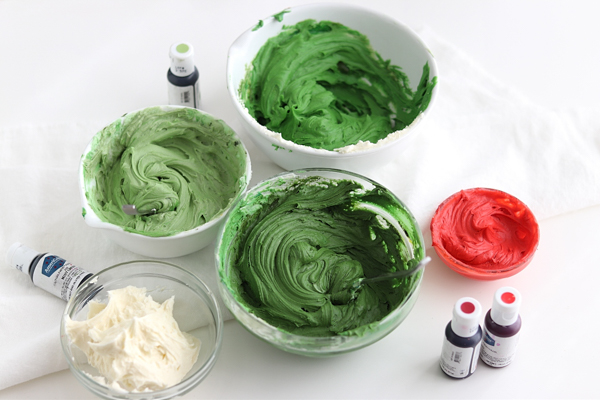
The foundation of the Christmas Wreath Cupcakes’ visual appeal lies in the careful selection and application of buttercream colors. The tutorial details a systematic approach to achieving a vibrant and varied palette. A small portion of buttercream is set aside uncolored, intended for the initial base layer on each cupcake. The remaining buttercream is then divided, with a portion colored a festive red and the rest split equally to create three distinct shades of green – a lighter, medium, and darker hue. This intentional color stratification is key to replicating the nuanced appearance of natural wreaths.
DePaoli specifies the use of Americolor food gels, recommending "Super Red" for the red component and a combination of "Forest Green" and "Avocado" for the green shades. This choice is indicative of the professional-grade ingredients often utilized in advanced cake decorating, suggesting a focus on achieving true, vibrant colors that are essential for impactful visual design. The tutorial emphasizes that the precise brands are less important than achieving a spectrum of greens that mimic the varied foliage found in natural wreaths, thereby enhancing the realism and aesthetic quality of the final product.
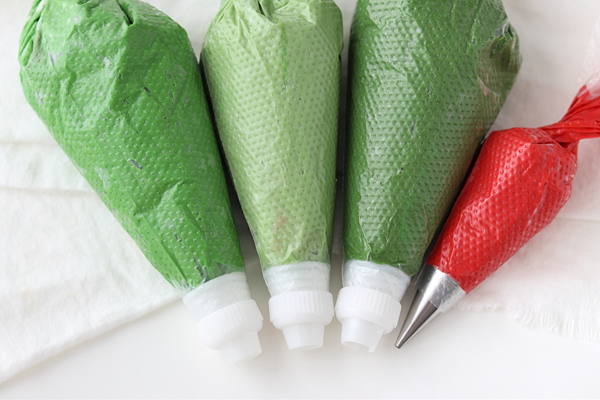
Upon completing the coloring process, the red buttercream is prepared for piping with a #3 tip, likely for the addition of berry accents. The green buttercreams are placed into piping bags equipped with coupler sets, anticipating the frequent swapping of piping tips required for the detailed wreath designs. This preparatory step underscores the importance of organized execution in complex decorating projects.
The Art of Frosting: Building the Wreath Foundation
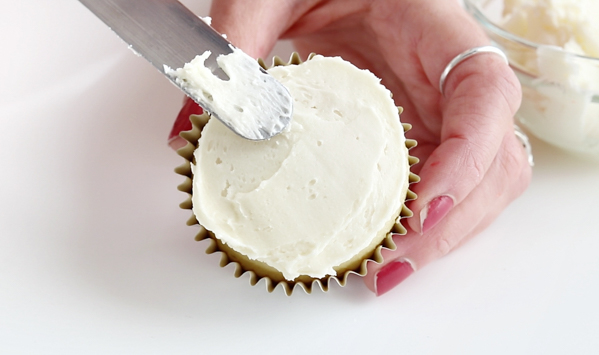
Each Christmas Wreath Cupcake begins with a foundational layer of lightly frosted cake. The reserved uncolored buttercream serves this purpose, applied with a small icing spatula to create a thin, even coating across the cupcake’s surface. This smooth base acts as a canvas, ensuring that the subsequent piped decorations stand out prominently and that the overall texture of the cupcake is pleasing. This initial frosting step, while seemingly simple, is crucial for achieving a professional finish and providing a stable surface for the intricate buttercream work that follows.
Design 1: The Berry Wreath Cupcakes
The first distinct wreath design incorporates a charming berry element, achieved using a #352 leaf piping tip. This specialized tip is designed to mimic the delicate appearance of leaves, allowing for the effortless creation of a lush, foliage-like base. The process involves piping leaves in alternating shades of medium and dark green buttercream, held parallel to the cupcake surface with the tip’s points vertically aligned, resembling an open beak. As the piping bag is squeezed and drawn towards the baker, it creates natural-looking leaves.
The technique involves outlining the cupcake’s edge with one shade of green, leaving intentional gaps. The second shade of green is then used to fill these spaces, resulting in a beautifully layered, two-toned leafy wreath. This multi-dimensional approach adds depth and visual interest, closely resembling the natural variation found in real wreaths.
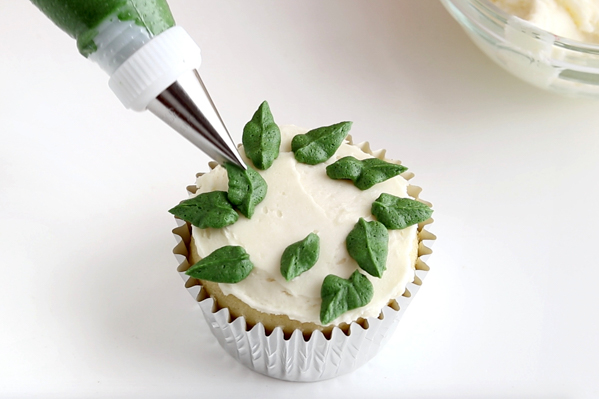
Following the creation of the leafy base, the red buttercream, previously prepared with a #3 tip, is used to pipe small dots, simulating festive berries. This contrast of deep green foliage and vibrant red berries evokes the classic aesthetic of Christmas arrangements, making these cupcakes particularly evocative of the holiday season. The tutorial indicates that this process is repeated to create four distinct berry wreath cupcakes, ensuring a consistent and appealing batch.
Design 2: The Pine Sprig Wreaths
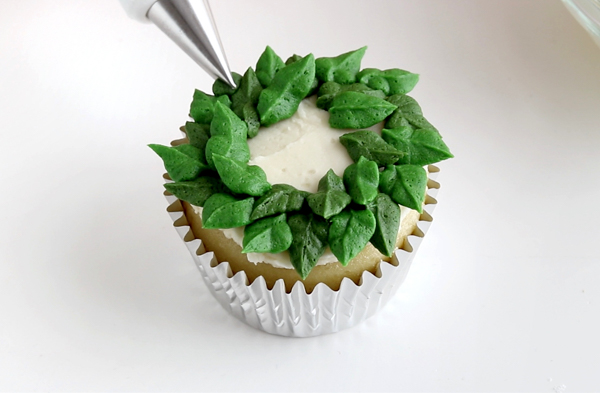
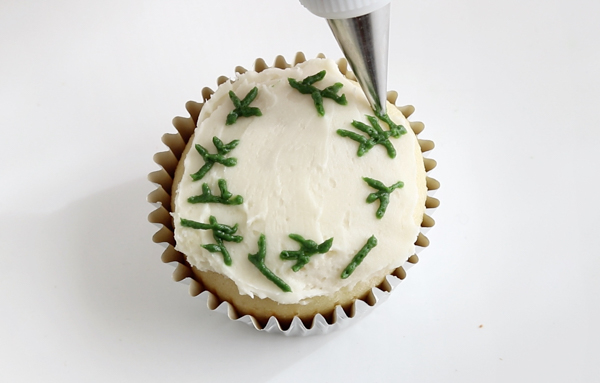
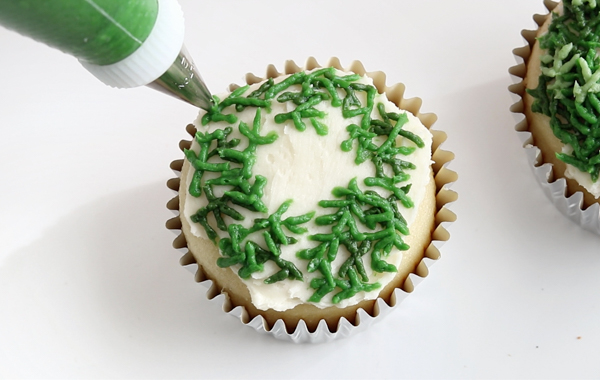
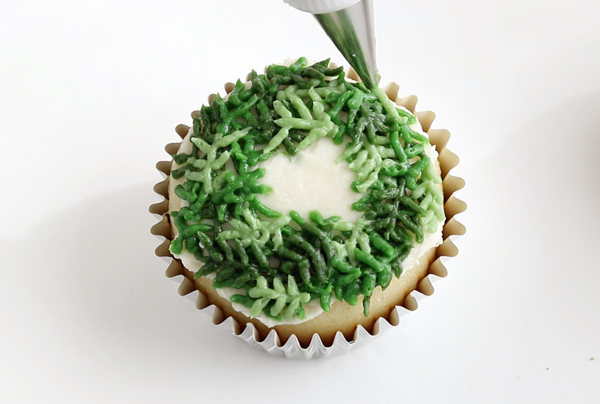
The second design focuses on replicating the intricate texture of pine sprigs, a more time-consuming but highly rewarding technique. For this design, each of the three green buttercreams is fitted into a piping bag with a #3 tip. The process begins by piping individual pine sprigs around the cupcake’s edge, using the first chosen shade of green. A pine sprig is characterized by a central line with small "v" shapes piped along its length, mimicking the needles of pine branches.
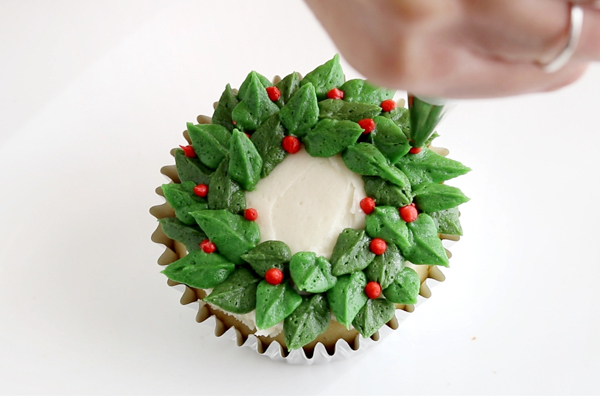
Generous spacing is left between the initial sprigs to accommodate the subsequent shades of green. This layering technique is repeated with the remaining two shades of green, gradually filling the space until very little of the base frosting is visible. The overlapping of colors and the detailed piping of individual sprigs create a dense, realistic representation of a pine wreath. The tutorial notes that this detailed work, while requiring patience, results in "pretty pine sprig wreath cupcakes," highlighting the dedication to achieving a visually stunning outcome. This method emphasizes precision and layering, transforming simple buttercream into a complex textural element.
Design 3: The Sprinkled Wreaths
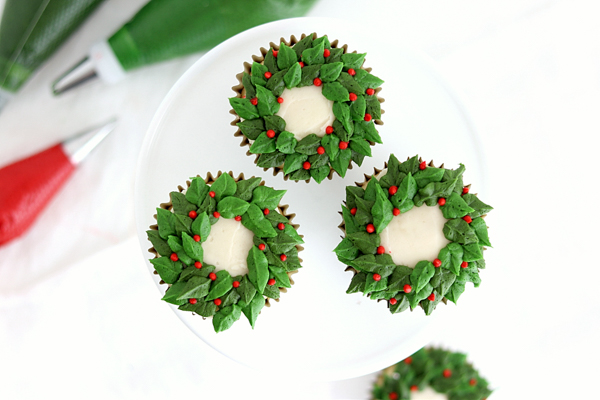
The third and final wreath design offers a more whimsical and modern interpretation, incorporating sprinkles to mimic ornaments. This design utilizes darker shades of green buttercream and a #199 piping tip, which is ideal for creating small, star-like shapes. The process involves piping these "drop stars" around the cupcake’s edge, using one shade of green and leaving ample room for the second. This initial piping creates a textured base for the subsequent embellishments.
The open spaces are then filled with the second shade of green, continuing the drop star pattern. The true festive touch comes with the addition of spherical sprinkles, which are scattered over the piped buttercream. DePaoli specifically mentions using Fancy Sprinkles in the "Serendipity" mix, a choice that suggests a preference for high-quality, visually appealing sprinkle blends. These sprinkles effectively transform the buttercream stars into miniature ornaments, completing the "sprinkled wreath" effect. The tutorial concludes this section by stating that this process is repeated for the remaining four cupcakes, ensuring a cohesive set of these vibrant, ornament-adorned treats.
A Feast for the Eyes and Palate
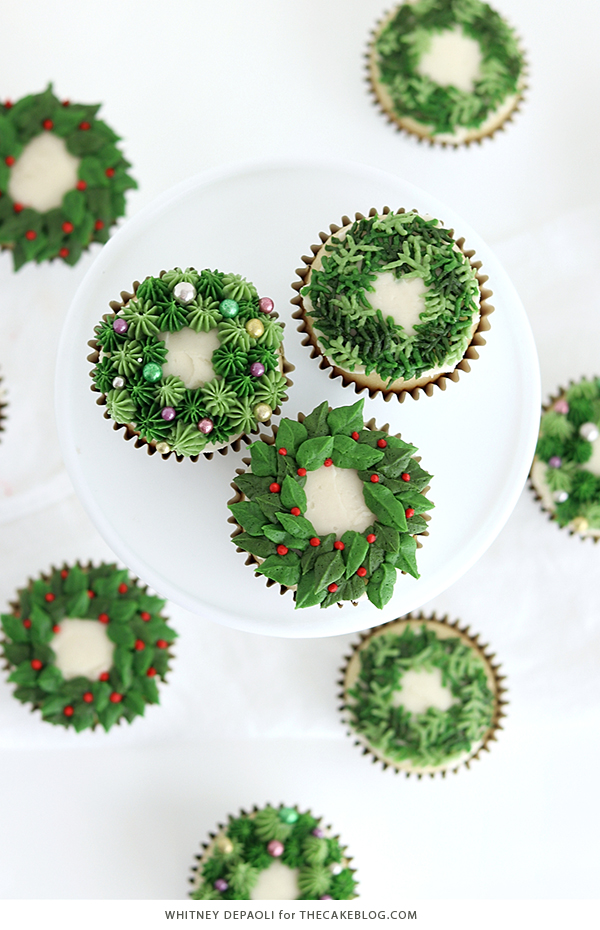
The culmination of these three distinct designs results in a visually stunning and diverse collection of Christmas Wreath Cupcakes. The variety in textures, from the delicate leaves and berries to the intricate pine needles and sparkling sprinkles, creates a dynamic and engaging dessert display. The thoughtful use of color, with varying shades of green and pops of festive red, further enhances their holiday appeal.
These cupcakes are presented as more than just a dessert; they are an artistic expression of the holiday spirit. Their intricate designs and vibrant appearance make them ideal for inclusion in any holiday party spread, serving as a testament to the baker’s creativity and dedication. The tutorial’s success in demonstrating how to achieve these varied designs underscores the accessibility of advanced cake decorating techniques to home bakers when guided by clear instructions and the right tools. The overall implication is that the holiday season can be made even more special through the personal touch of homemade, beautifully decorated treats.
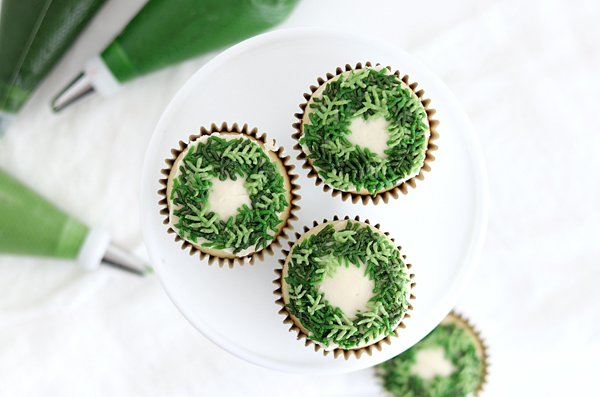
The article concludes with a warm holiday wish, encouraging readers to try their hand at creating these festive cupcakes and to embrace the joy of seasonal baking. This sentiment reinforces the idea that the act of creating and sharing these treats is as significant as their consumption, embodying the communal spirit of the holiday season. The visual impact of the completed cupcakes, as presented in the accompanying imagery, serves as a powerful incentive for bakers to embark on this delightful culinary project. The comprehensive nature of the tutorial, covering everything from basic frosting to advanced piping techniques, ensures that even novice decorators can achieve impressive results.