The practice of home food preservation has seen a significant resurgence as consumers increasingly prioritize food security, waste reduction, and the consumption of nutrient-dense snacks. Among the various methods available to the modern home economist, dehydration remains one of the most accessible and effective techniques for extending the shelf life of seasonal produce. Cantaloupe, a muskmelon variety characterized by its high water content and dense nutrient profile, presents a unique opportunity for preservation. When fresh cantaloupe is subjected to controlled dehydration, the process transforms the perishable fruit into a shelf-stable, concentrated snack often referred to as "melon jerky." This transition not only preserves the fruit for up to a year but also intensifies its natural sugars, providing a sustainable solution for managing surplus harvests or bulk purchases.
The Scientific Principles of Fruit Dehydration
To understand the efficacy of dehydrating cantaloupe, one must examine the underlying science of moisture removal. Fresh cantaloupe consists of approximately 90% water. This high moisture content makes the fruit highly susceptible to microbial spoilage, including the growth of bacteria, yeast, and mold. Dehydration operates on the principle of reducing the "water activity" ($a_w$) of the food to a level where biological spoilage cannot occur—typically below 0.60.
By utilizing a food dehydrator or a conventional oven at low temperatures, moisture is evaporated from the fruit’s cellular structure. In the case of cantaloupe, the target consistency is "leathery" or "pliant," indicating that enough moisture has been removed to ensure stability without rendering the fruit brittle. This process requires a delicate balance of temperature and airflow; if the temperature is too high, the exterior of the fruit may harden prematurely—a phenomenon known as "case hardening"—trapping moisture inside and leading to internal spoilage. Conversely, if the temperature is too low, the drying process may take too long, allowing for potential microbial growth before the fruit reaches a safe state.
Strategic Selection and Preparation Chronology
The quality of the final dehydrated product is inextricably linked to the quality of the raw material. Experts in food preservation suggest a specific chronology for preparing cantaloupe to ensure maximum flavor retention and shelf stability.
- Selection and Ripening: The process begins with the selection of a peak-season melon. A ripe cantaloupe should exhibit a sweet aroma at the blossom end and a slight "give" when pressed. While dehydration can concentrate the flavors of a slightly under-ripe melon, a fruit at its peak sugar content will yield the most palatable results.
- Sanitation Protocols: Before any cutting occurs, the exterior rind of the cantaloupe must be thoroughly scrubbed. Because melons grow on the ground, their netted rinds can harbor soil-borne pathogens such as Salmonella or Listeria. Proper washing prevents the transfer of these pathogens from the rind to the flesh during the slicing process.
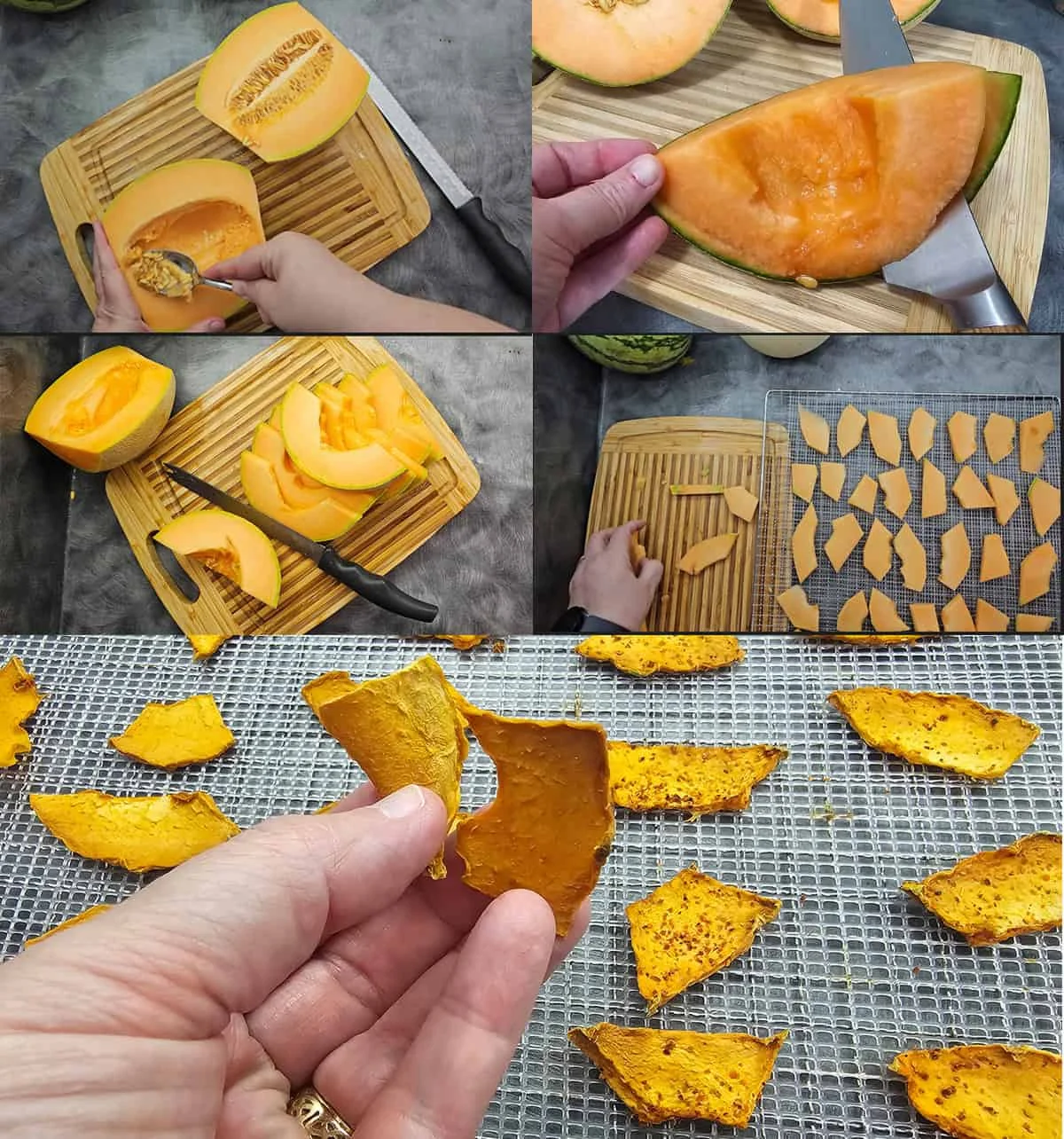
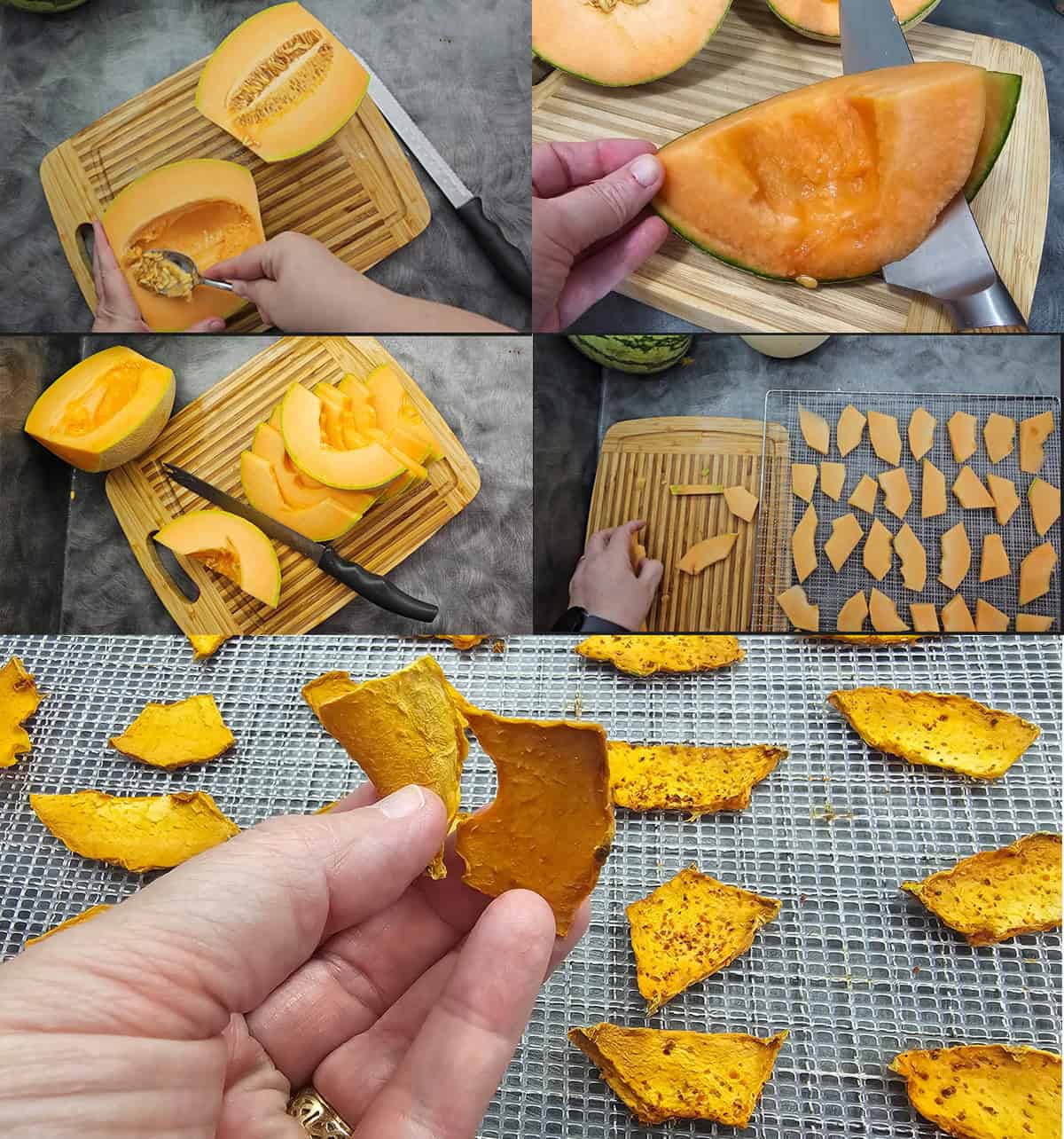
- Anatomical Preparation: The melon is halved, and the central seed cavity is excavated. The rind is then removed using a sharp chef’s knife or a specialized melon tool, ensuring that only the orange flesh remains.
- Precision Slicing: For uniform drying, slices should be approximately 1/4 inch (0.6 cm) thick. Uniformity is critical; inconsistent thickness results in some pieces remaining dangerously moist while others become over-dried.
Technical Specifications and Dehydration Parameters
The standard industry recommendation for dehydrating high-sugar fruits like cantaloupe is a temperature of 135°F (57°C). This specific thermal setting is high enough to facilitate efficient evaporation while low enough to preserve the fruit’s enzymatic integrity and vitamin content, particularly Vitamin A and Vitamin C, which are heat-sensitive.
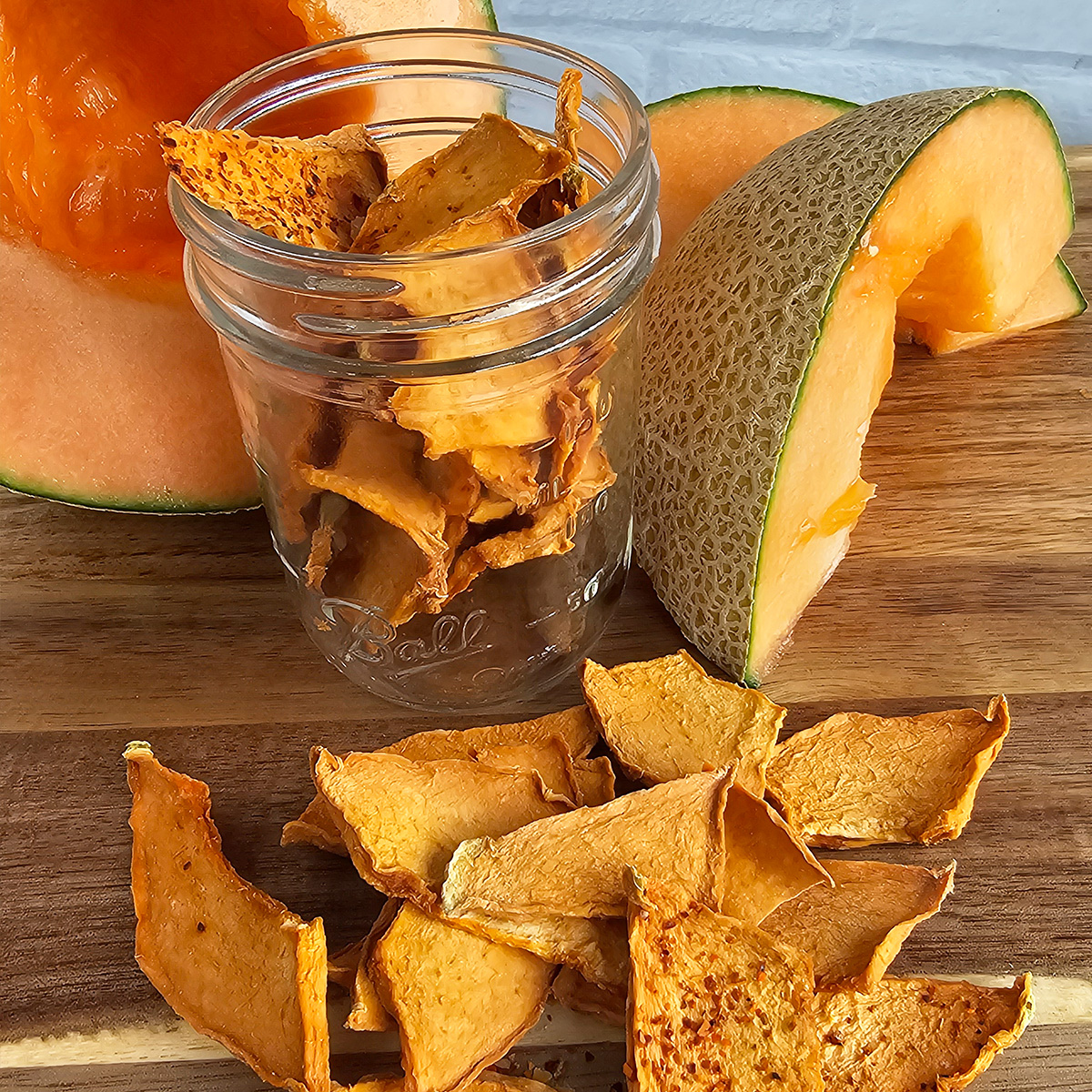
The duration of the dehydration cycle typically spans between 10 and 14 hours. However, environmental variables such as ambient humidity, the specific water content of the melon, and the efficiency of the dehydrator’s fan can influence this timeline. In regions with high relative humidity, the process may extend toward the 16-hour mark. The finished product should be tested by allowing a piece to cool; it should feel dry to the touch and bend without snapping, possessing a texture similar to traditional beef jerky.
Nutritional Profile and Comparative Data
Dehydrating cantaloupe results in a significant concentration of nutrients per gram of weight. According to nutritional data, a standard serving of fresh cantaloupe (approx. 1 cup or 160g) contains roughly 53 calories and 13 grams of carbohydrates. When dehydrated, the volume reduces by nearly 75%, meaning that a 1/4 cup serving of dried cantaloupe carries the same caloric and sugar load as a full cup of fresh fruit.
| Nutrient | Fresh Cantaloupe (per 100g) | Dehydrated Cantaloupe (Estimated Concentration) |
|---|---|---|
| Calories | 34 kcal | ~136 kcal |
| Vitamin A | 3382 IU | ~13,500 IU |
| Vitamin C | 36.7 mg | ~110 mg (some loss due to heat) |
| Potassium | 267 mg | ~1068 mg |
| Water Content | 90% | 10-15% |
This concentration makes dehydrated cantaloupe an excellent high-energy snack for hikers, athletes, and students. However, consumers should be mindful of the sugar density, as the natural fructose becomes highly concentrated, making it easy to consume multiple servings’ worth of sugar in a single sitting.
Storage Protocols and the Conditioning Process
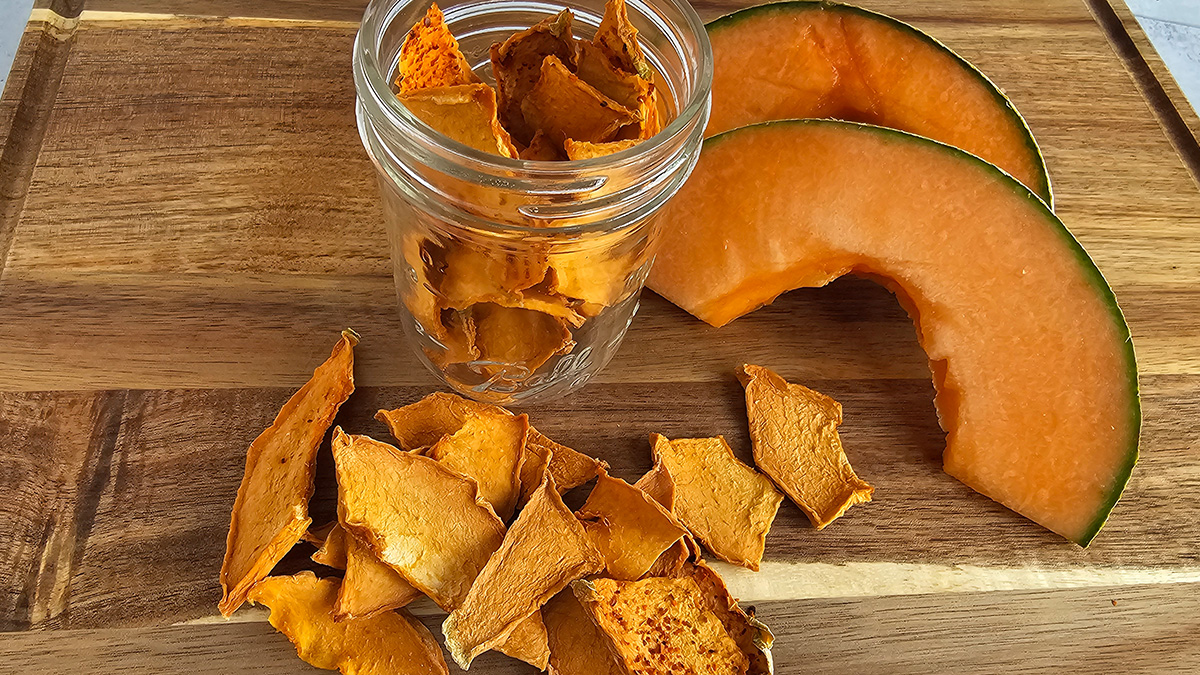
Once the dehydration cycle is complete, the fruit must undergo a "conditioning" phase before long-term storage. Conditioning is the practice of placing the dried fruit in a clear, airtight container (such as a glass Mason jar) for 7 to 10 days. During this period, the jar is shaken daily. This allows any residual moisture to redistribute evenly among the pieces. If condensation appears on the walls of the jar, the fruit is insufficiently dried and must be returned to the dehydrator.
For long-term preservation, the following storage standards are recommended:
- Airtight Environment: Use vacuum-sealed bags or glass jars with tight-fitting lids.
- Light and Temperature Control: Store containers in a cool, dark, and dry location. Exposure to light can degrade the fruit’s color and vitamin content over time.
- Moisture Absorbers: Including a food-grade desiccant packet can help mitigate the effects of internal humidity, especially if the container is opened frequently.
- Shelf Life: When stored correctly at room temperature (60°F to 70°F), dehydrated cantaloupe maintains optimal quality for 6 to 12 months.
Culinary Versatility and Seasoning Innovations
While dehydrated cantaloupe is frequently consumed as a standalone snack, its culinary applications extend into various dietary frameworks. It can be chopped and added to granola, incorporated into trail mixes, or even rehydrated for use in compotes and baked goods.
To enhance the flavor profile, many practitioners of food preservation suggest the application of topical seasonings prior to the dehydration process. Popular variations include:
- Cinnamon and Nutmeg: Provides a "warm" flavor profile suitable for autumn snacks.
- Ginger Powder: Adds a piquant contrast to the melon’s sweetness.
- Tajín or Chili-Lime: A popular Mexican-inspired seasoning that balances sweetness with acidity and mild heat.
- Lemon Juice: A light spritz of lemon juice can help maintain the vibrant orange color by preventing minor oxidation.
Broader Economic and Environmental Implications
The systematic dehydration of produce like cantaloupe contributes to a larger movement of "circular food economies" at the household level. In the United States, it is estimated that nearly 30-40% of the food supply is wasted, with a significant portion of that waste occurring at the consumer level due to spoilage. Melons, which have a relatively short window of peak ripeness, are frequently discarded when they cannot be consumed in time.
By adopting dehydration as a standard pantry-stocking tool, households can reduce their environmental footprint and decrease grocery expenditures. Purchasing cantaloupe in bulk during its peak summer season—when prices are lowest and flavor is highest—and dehydrating the surplus allows for the year-round consumption of high-quality fruit without the "food miles" associated with out-of-season imports.
Furthermore, the reduction in weight and volume afforded by dehydration makes these snacks highly portable and space-efficient for those living in smaller urban environments or those maintaining emergency preparedness kits. As global food supply chains face ongoing volatility, the ability to transform a highly perishable fruit into a shelf-stable asset represents a practical application of modern self-sufficiency.
Conclusion and Safety Summary
The dehydration of cantaloupe is a technically straightforward yet highly rewarding endeavor in food preservation. By adhering to established safety temperatures (135°F), ensuring uniform slicing, and following rigorous conditioning and storage protocols, individuals can capture the essence of summer fruit for long-term enjoyment. As with all home preservation, cleanliness and attention to detail remain the primary safeguards against spoilage. Whether used as a nutritious school lunch addition or a lightweight energy source for outdoor activities, dehydrated cantaloupe stands as a testament to the enduring utility of one of humanity’s oldest preservation methods.