

The practice of home food preservation has seen a significant resurgence as households seek to mitigate the impact of rising grocery costs and potential supply chain disruptions. Among the most efficient methods gaining traction is the dehydration of pre-processed frozen vegetables, specifically specialty items such as Potatoes O’Brien. By converting frozen, perishable potato products into shelf-stable pantry staples, consumers can effectively optimize freezer real estate—reserving space for proteins and temperature-sensitive goods—while building a robust long-term food reserve. This process leverages the industrial pre-treatment of frozen foods, which includes essential steps like washing, dicing, and blanching, to provide a streamlined path to successful home dehydration.
The Mechanics of Potato Preservation and Freezer Management
The primary motivation for dehydrating frozen potatoes is the optimization of the "cold chain" within the home. Residential freezers, while efficient, have limited cubic footage and are susceptible to power outages. Furthermore, frozen potatoes are prone to freezer burn—a condition where dehydration occurs on the surface of the food due to sublimation, leading to a loss of texture and flavor. By proactively dehydrating these items, the moisture is removed under controlled conditions, resulting in a product that can be stored at room temperature for several years when kept in an airtight environment.
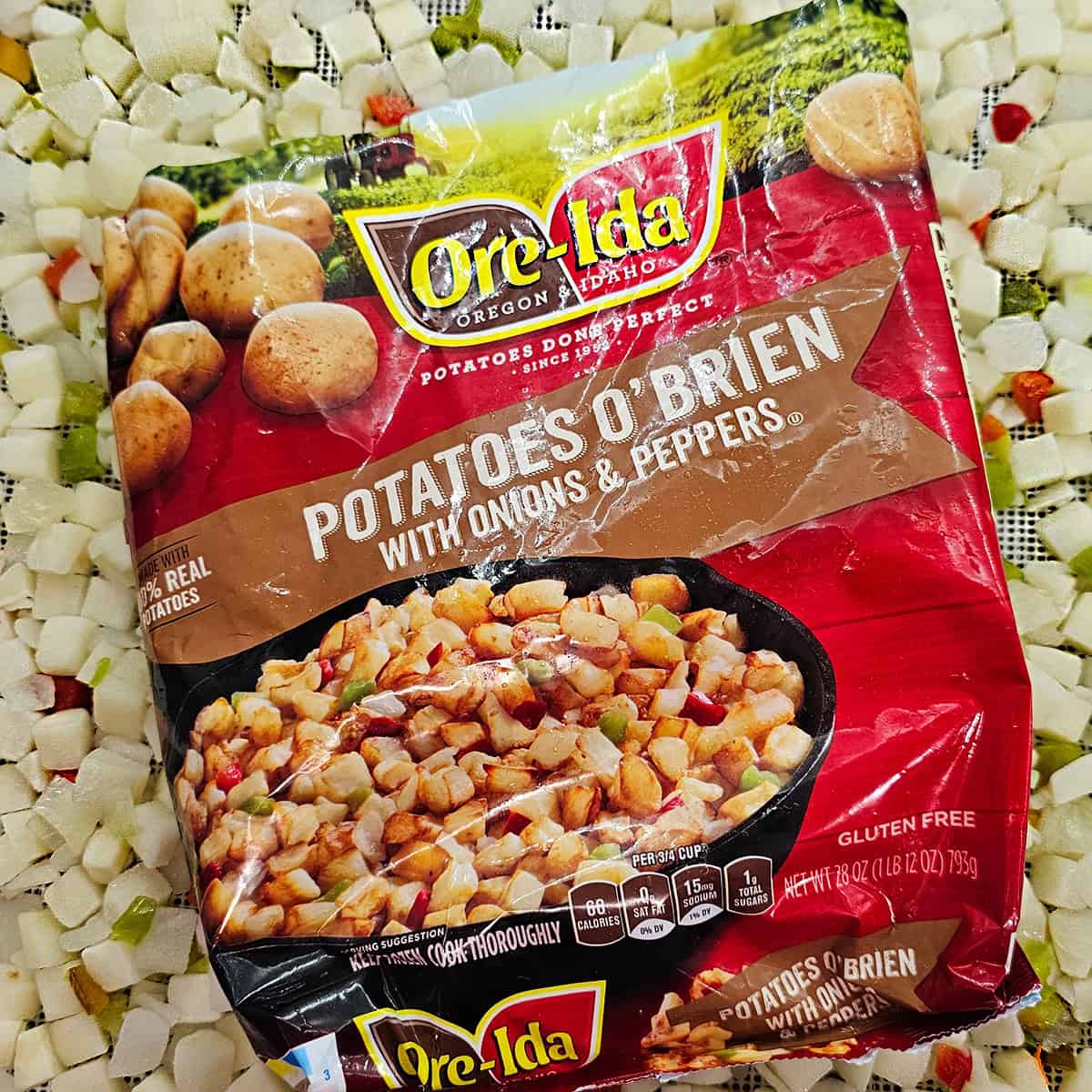
Potatoes O’Brien, a blend of diced potatoes, onions, and bell peppers, presents a unique opportunity for dehydrating enthusiasts. Because the vegetables are already blanched and diced to a uniform size by the manufacturer, the home cook is spared the labor-intensive preparation usually required for root vegetables. Blanching is a critical step in potato preservation; it denatures enzymes that cause browning and textural degradation. In the case of frozen products, this chemical stabilization has already been performed, making the transition from freezer to dehydrator almost instantaneous.
Technical Chronology: From Frozen to Shelf-Stable
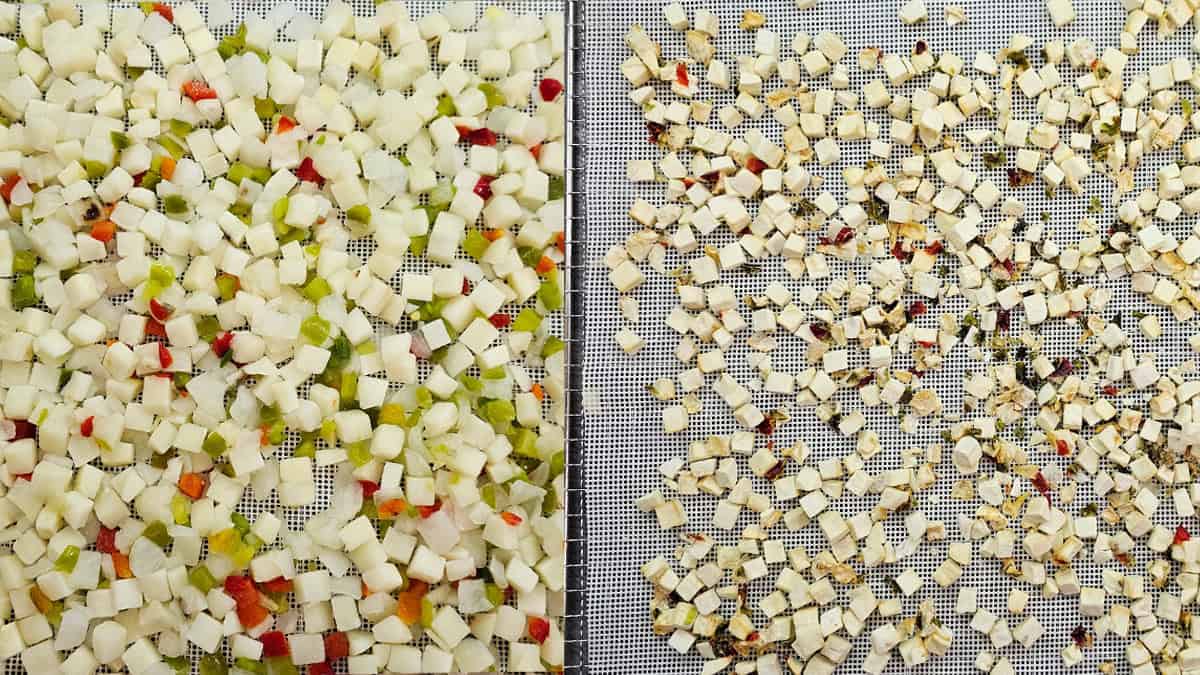
The transition of frozen potatoes to a dehydrated state follows a specific technical sequence designed to ensure food safety and product quality. Unlike fresh produce, frozen potatoes do not require thawing prior to the dehydration process, which prevents the growth of pathogens during the transitional temperature phase.
- Preparation and Loading: The process begins with the selection of a high-quality frozen product. The frozen potatoes are spread in a single layer across dehydrator trays. Use of mesh liners or "fruit leather" sheets is recommended if the dice size is small enough to fall through standard tray slats.
- Temperature Calibration: For vegetables such as potatoes, onions, and peppers, the dehydrator is typically set between 125°F and 135°F (52°C to 57°C). This temperature range is high enough to facilitate moisture evaporation without "case hardening," a phenomenon where the exterior of the food dries too quickly, trapping moisture inside and leading to eventual spoilage.
- The Dehydration Cycle: The duration of the cycle varies based on ambient humidity and the specific moisture content of the frozen brand, but generally spans between 8 and 12 hours. The goal is a final product that is hard, brittle, and shows no signs of internal moisture when broken.
- Conditioning: Post-dehydration, the potatoes must undergo a "conditioning" phase. This involves placing the cooled potatoes in a clear glass jar for 5 to 7 days, shaking daily to check for any condensation. If moisture appears, the product must return to the dehydrator.
- Final Storage: Once conditioned, the potatoes are moved to an airtight container, such as a vacuum-sealed Mylar bag or a Mason jar with an oxygen absorber.
Comparative Analysis: Dehydration vs. Freezing
Data from food science researchers suggests that while freezing is excellent for short-term nutrient retention, dehydration offers superior longevity and energy efficiency. A standard chest freezer consumes between 300 and 600 kilowatt-hours (kWh) per year. By moving bulk potato stocks to the pantry, households reduce the "thermal load" on their appliances and create a food source that is immune to mechanical failure or electrical grids.
From a nutritional standpoint, dehydrated potatoes retain a high percentage of their caloric value and mineral content, including potassium and Vitamin C. While some heat-sensitive vitamins may decrease slightly during the drying process, the concentration of nutrients increases per gram of weight. For example, one cup of fresh or frozen potatoes may reduce to approximately one-quarter cup when dehydrated, allowing for high-density nutritional storage.
Identifying Unsuitable Candidates for Dehydration
Not all frozen potato products are suitable for home dehydration. Professional food preservationists warn against the use of products with high lipid (fat) content. Items such as seasoned fries, tater tots, or hash brown patties often contain added oils or par-fried coatings.
Lipids do not dehydrate; instead, they remain on the surface and within the cellular structure of the potato. Over time, these fats undergo oxidation, leading to rancidity. Rancid fats not only produce off-flavors and odors but can also pose health risks. Consequently, consumers are advised to stick to "plain" diced potatoes or Potato O’Brien blends that list only vegetables as ingredients, avoiding those with added oils, butters, or heavy sauces.
Economic and Supply Chain Implications
The shift toward home dehydration is reflective of broader economic trends. According to recent consumer price index (CPI) data, the cost of processed vegetables has seen significant fluctuations. Purchasing frozen potatoes in bulk during sales and dehydrating them allows consumers to "lock in" current prices for future consumption.
Furthermore, the "Potatoes O’Brien" variant provides a pre-mixed flavor profile that is highly versatile. In a scenario involving supply chain disruptions, having a shelf-stable mix of carbohydrates (potatoes) and aromatics (onions and peppers) provides a foundation for numerous meals, from breakfast hashes to thickened stews. This versatility is a key pillar of modern "pantry loading" strategies utilized by emergency preparedness experts.
Culinary Applications and Rehydration Protocols
The utility of dehydrated Potatoes O’Brien extends beyond mere storage; they are highly functional in the kitchen. Rehydration can be achieved through two primary methods:
- The Soaking Method: Covering the dried potatoes with boiling water and allowing them to sit for 15 to 20 minutes. Once plump, they are drained and patted dry. This method is ideal for preparations where the potatoes will be fried or sautéed, such as in a traditional breakfast hash.
- The Integration Method: Adding the dried potatoes directly into liquid-heavy dishes like soups, stews, or casseroles. The potatoes absorb the surrounding moisture during the simmering process, acting as both a vegetable component and a natural thickener as they release starches.
For dishes like Shepherd’s Pie or vegetable-heavy casseroles, the dehydrated pieces can be tossed in without prior rehydration, provided there is sufficient liquid in the recipe to account for the absorption. This convenience makes dehydrated potatoes a favorite among "backpacking" communities and those specializing in "just-add-water" meal kits.
Expert Perspectives on Food Security
Darcy Baldwin, a prominent figure in the food preservation community and author of "Dehydrating Basics & Journal," emphasizes that dehydrating frozen foods is an "entry-level" project with high rewards. "Frozen potatoes can easily be dehydrated because all the work has been done for you," Baldwin notes. She highlights that the removal of the peeling, dicing, and blanching steps lowers the barrier to entry for many households who may feel intimidated by traditional canning or fresh-product dehydration.
Industry analysts suggest that as more consumers adopt these methods, the demand for high-capacity home dehydrators and vacuum sealing equipment will continue to rise. This mirrors a shift in the American pantry from a "just-in-time" grocery model to a "just-in-case" reserve model.
Conclusion: The Strategic Value of Dehydrated Staples
In conclusion, the dehydration of frozen Potatoes O’Brien represents a sophisticated intersection of convenience and long-term planning. By understanding the science of moisture removal and the technical advantages of using pre-blanched frozen goods, consumers can significantly enhance their food security. The transition from freezer to pantry not only protects the food from spoilage and energy-related loss but also provides a versatile, nutrient-dense ingredient ready for any culinary application. As the landscape of global food stability continues to evolve, such home-based preservation techniques remain a vital tool for the modern, purposeful household.


