
The landscape of home food preservation has undergone a significant transformation over the last decade, transitioning from specialized rural practices to a mainstream lifestyle choice driven by interest in food security, waste reduction, and healthy snacking. At the forefront of this shift is the emergence of high-performance countertop appliances, with Cosori food dehydrators establishing a prominent position in the market. These machines, specifically the 6-tray and 10-tray stainless steel models, represent a move away from the traditional plastic, vertical-flow units toward professional-grade horizontal airflow technology. This report provides a detailed technical analysis of the Cosori dehydrator line, evaluating its engineering, operational efficiency, and its role within the broader context of modern food preservation.
Technical Specifications and Engineering Overview
The Cosori dehydrator series, most notably the CP267-FD (6-tray) and its 10-tray counterpart, is engineered with a focus on durability and thermal efficiency. Unlike entry-level dehydrators that utilize a bottom-mounted fan and stackable plastic trays, Cosori employs a rear-mounted fan system. This horizontal airflow design is critical for ensuring even heat distribution across all trays, eliminating the need for tray rotation during the drying process.
The 6-tray model operates at 600 watts, a power rating that balances energy consumption with the thermal demands of removing moisture from dense proteins or high-water-content fruits. While the 10-tray model features higher wattage to accommodate a larger internal volume, laboratory-style testing and real-world usage indicate that the drying speed remains consistent between the two models; the primary differentiator is capacity rather than velocity.
Key physical specifications include:
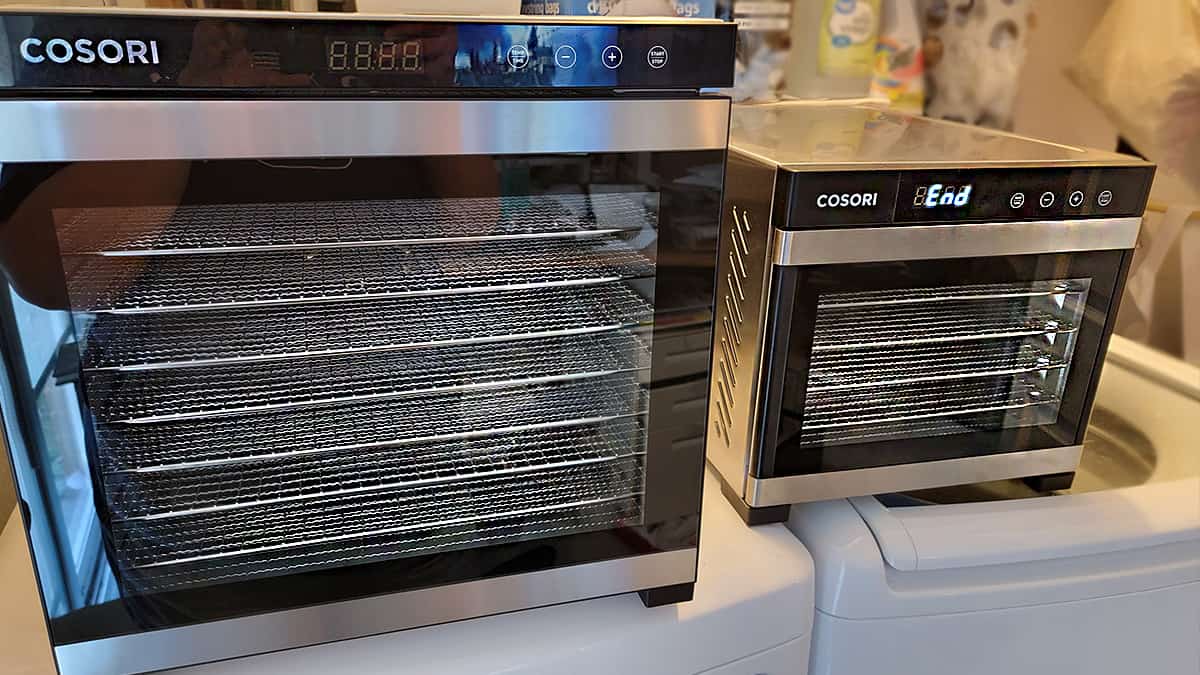
- Material Composition: The outer housing and the drying trays are constructed from 100% food-grade stainless steel. The front door incorporates a tempered glass window, allowing for visual monitoring without disrupting the internal temperature, though the door frame includes high-heat resistant plastic components.
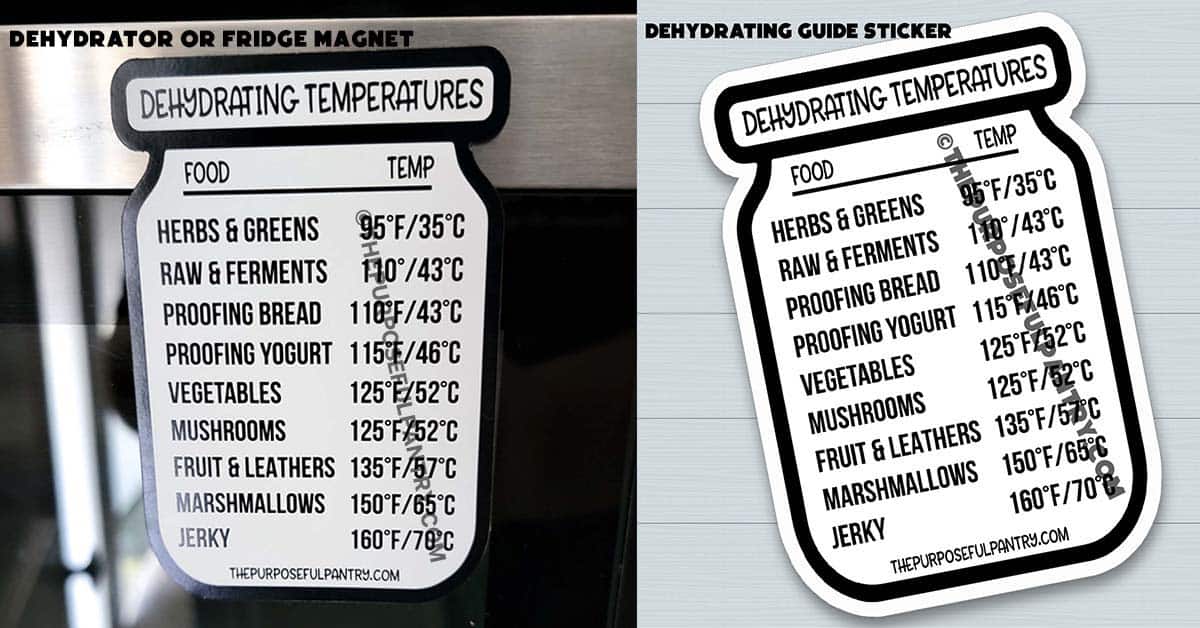
- Temperature Range: The digital control panel allows for adjustments between 95°F (35°C) and 165°F (74°C). This range is essential for safety, as it covers the low temperatures required for delicate herbs and the high temperatures necessary to reach the lethality point for pathogens in meat jerky.
- Timing Capabilities: The integrated timer can be set for up to 48 hours in 30-minute increments.
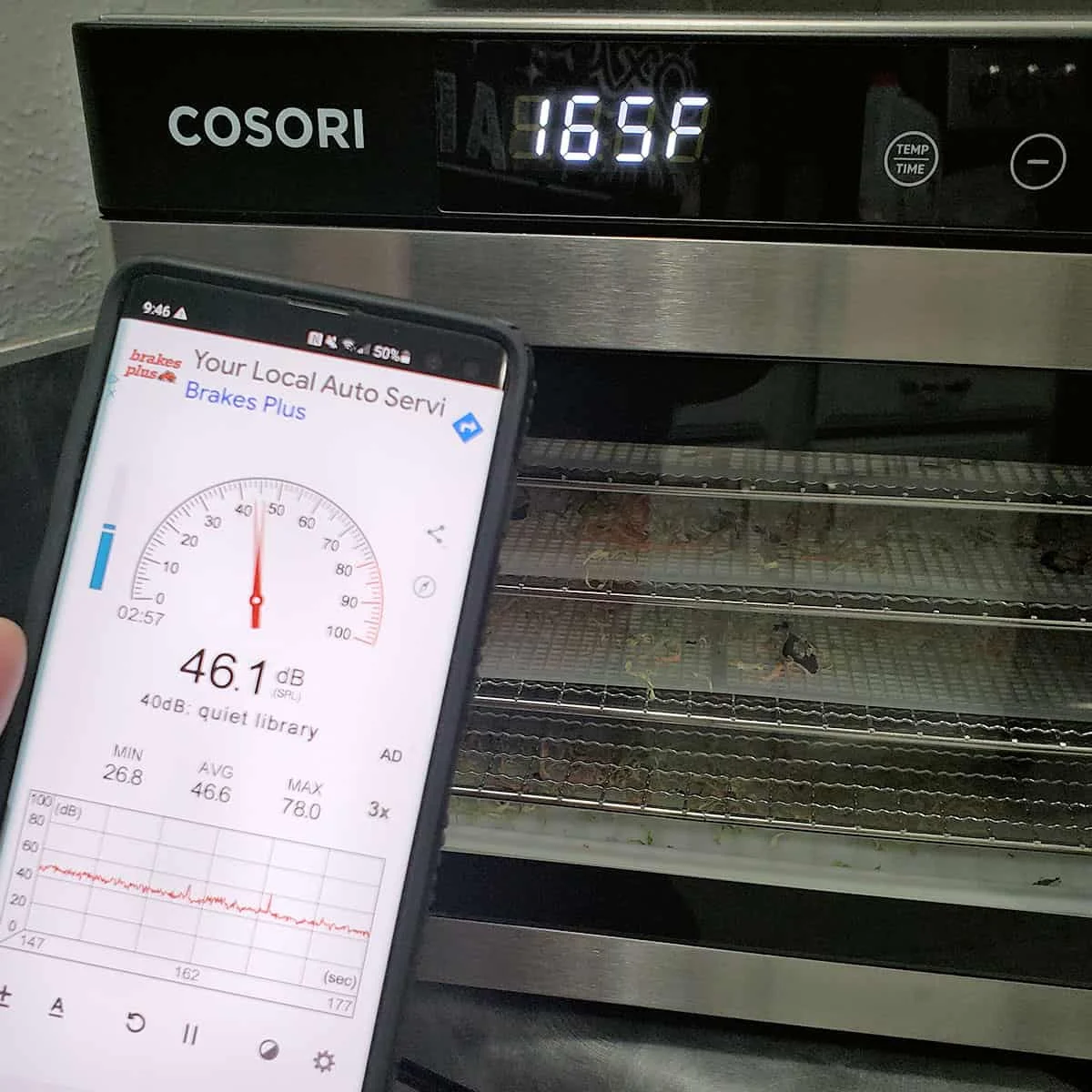
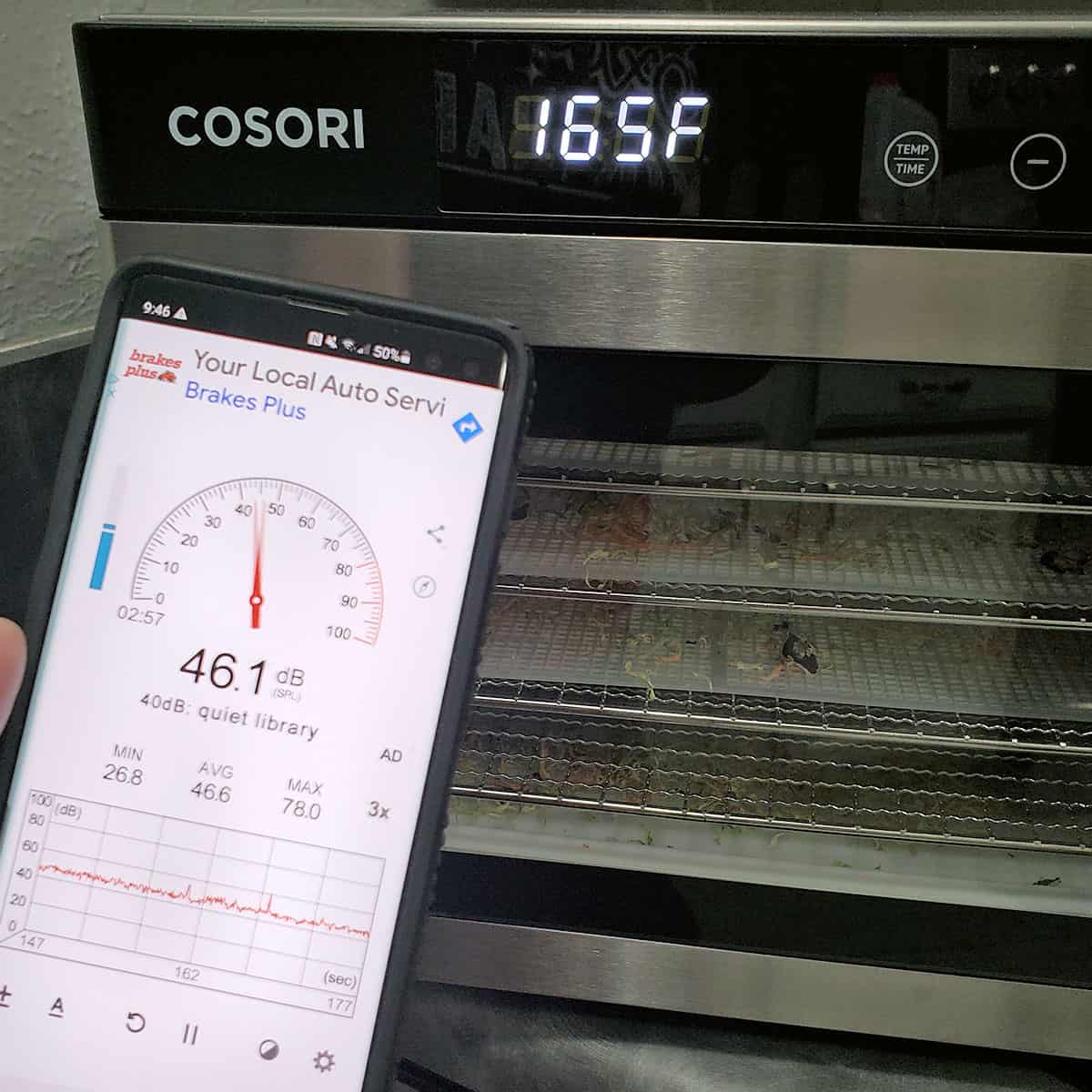
- Noise Emission: One of the most significant engineering achievements of the Cosori line is its acoustic profile. Operational noise levels average approximately 48 decibels, which is comparable to the hum of a modern refrigerator, making it significantly quieter than older generation models that often exceeded 60 decibels.
Operational Chronology: From Setup to Long-Term Storage
The effectiveness of a food dehydrator is largely dependent on the user’s adherence to proper operational protocols. For new units, the manufacturer and preservation experts recommend a specific "burn-in" period. This involves running the machine empty at 165°F for approximately 30 minutes to dissipate any residual oils or manufacturing scents. Following this, the trays should be hand-washed in warm, soapy water.
The dehydration process follows a strict chronology to ensure food safety:
- Preparation: Food must be sliced uniformly to ensure even drying. Pre-treatment (such as blanching or lemon juice dips) is often required to preserve color and nutrients.
- Loading: Trays must be loaded in a single layer with adequate space between pieces to allow for unrestricted airflow.
- Dehydration: The machine is set to the specific temperature required for the food type. For instance, herbs typically require 95°F-100°F, while fruits and vegetables operate best between 125°F-135°F.
- Testing: Once the timer expires, food must be tested for "doneness." Fruits should be leathery and non-sticky, while vegetables should be brittle or hard.
- Conditioning: For long-term storage, dried fruits must undergo a "conditioning" phase, where they are stored in a clear jar for 7–10 days and shaken daily to ensure any remaining moisture is evenly distributed and does not cause mold.
Comparative Analysis and Market Position
When compared to industry stalwarts like Excalibur, Cosori offers a more modern digital interface and a quieter operation at a lower price point. However, market analysis reveals certain limitations in the Cosori ecosystem. A primary critique from the user community involves the accessory package. While the machines are high-quality, they often ship with an insufficient number of mesh liners and fruit leather sheets. For a 6-tray machine, users frequently find they must make secondary purchases to fully utilize the unit’s capacity for small items like berries or liquid-based purees.
Furthermore, a technical limitation exists in the control logic of the timer. If the door remains open for an extended period during a mid-cycle check, the system may reset the countdown. The absence of a dedicated "pause" button is a noted ergonomic flaw for advanced users who perform frequent moisture checks.
Safety Standards and Documentation Discrepancies
A critical aspect of the Cosori user experience involves the provided instructional manual. Professional food preservationists often advise a "read then verify" approach to manufacturer-provided recipes. There is a documented discrepancy between the drying times/temperatures suggested in the Cosori manual and those recommended by the National Center for Home Food Preservation (NCHFP).
The manual’s recipes are often tailored for short-term "snack" consumption rather than long-term "pantry" storage. For example, some manuals suggest lower temperatures for jerky that may not meet USDA safety standards for killing E. coli or Salmonella. Additionally, the manual suggests a storage life of only a few weeks for many items, whereas properly dehydrated and conditioned foods can remain shelf-stable for a year or more. Consumers are encouraged to use the machine as a high-quality hardware tool while relying on established scientific authorities for preservation processing times.
Warranty, Support, and Global Availability
Cosori provides a standard one-year warranty on its dehydrators, with options for extensions through various retail platforms. The company’s customer service model reflects the modern "replacement-over-repair" strategy common in the small appliance industry. While the machines are designed in California, they are manufactured in China, and technical support often requires users to provide video evidence of malfunctions before a replacement unit is authorized.
In recent years, Cosori has expanded its logistical footprint. While previously difficult to source outside the United States, the 6-tray and 10-tray models are now officially available in the Canadian market. This expansion is a response to the growing demand for food autonomy in North America. For regions where Cosori remains unavailable, equivalent performance is often found in "white-label" competitors such as Magic Mill or Ivation, which utilize nearly identical internal components and chassis designs.
Broader Implications for Food Security and Sustainability
The rise in popularity of the Cosori dehydrator line coincides with broader socio-economic trends. As global supply chains face volatility and food inflation remains a concern, the ability to preserve garden surpluses or bulk purchases becomes an economic necessity for many households.
Dehydration is one of the most energy-efficient methods of food preservation. Unlike freezing, which requires a constant draw of electricity, or canning, which requires significant water and heat energy, a dehydrator like the Cosori 6-tray model uses a relatively small amount of power to create shelf-stable products that require no further energy to maintain.
Furthermore, the shift toward stainless steel construction addresses growing consumer concerns regarding "forever chemicals" and BPA found in some plastic dehydrator trays. By providing a stable, inert environment for food processing, stainless steel units cater to the health-conscious demographic that prioritizes both food safety and material purity.
Final Analysis
The Cosori food dehydrator series stands as a robust entry into the mid-to-high-end consumer appliance market. Its combination of quiet operation, digital precision, and durable stainless steel construction makes it a superior choice for both beginners and intermediate preservationists. While the provided documentation requires supplemental knowledge from scientific sources, the hardware itself is highly capable of meeting the rigorous demands of modern food preservation. As the trend toward home-based food security continues to grow, appliances that offer this level of professional-grade performance in a kitchen-friendly footprint will likely remain essential tools for the purposeful pantry.


