
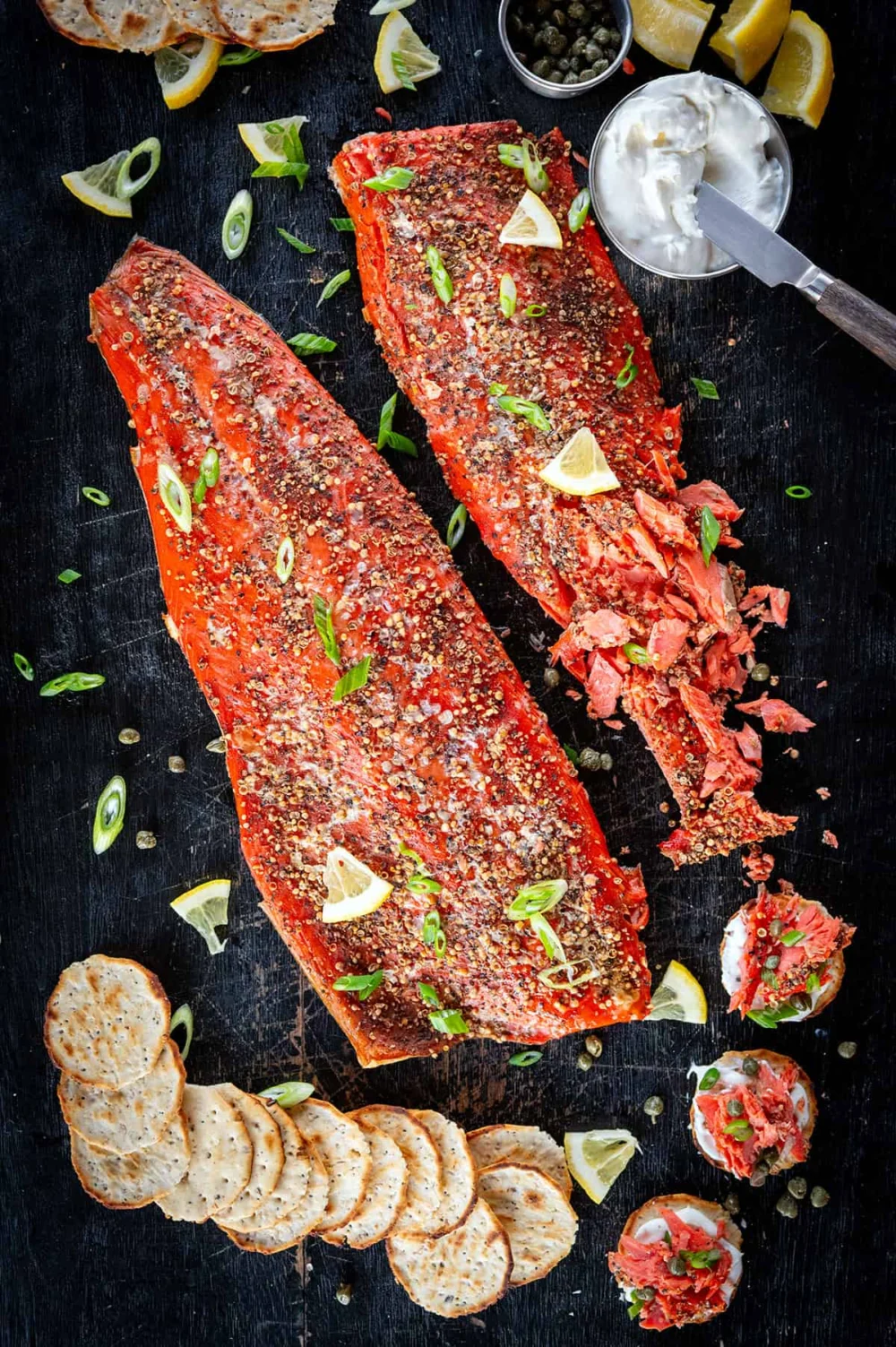
Discover how to make delicious salmon pastrami with our easy recipe using sockeye salmon and a special brine. This comprehensive guide explores the art of transforming fresh sockeye salmon into a flavorful, deli-style pastrami, detailing the essential steps from brining to smoking, and offering insights into its unique characteristics and culinary applications.
The Allure of Salmon Pastrami
Salmon pastrami represents a sophisticated evolution of traditional cured and smoked fish, offering a robust flavor profile that sets it apart from its more delicate counterparts. Unlike lox, which is typically cured but not heavily spiced or smoked, salmon pastrami boasts a distinctive, bold crust and an intense smoky, peppery essence. This culinary creation elevates the humble salmon filet into a gourmet experience, akin to the beloved beef pastrami, but with the distinct character of the sea.
The process involves a multi-day commitment, beginning with a carefully formulated brine designed to infuse the salmon with flavor and preserve its texture. This is followed by a dry-brining period, allowing the surface to develop a pellicle for optimal smoke adhesion, and culminating in a precise smoking process. The result is a versatile ingredient that can be enjoyed as a substantial entree or a delectable appetizer, showcasing the depth of flavor achievable through meticulous preparation.
Understanding the Process: From Brine to Smoked Perfection
The journey to creating salmon pastrami is a testament to the transformative power of curing and smoking. This technique, while requiring patience, yields a product that is both visually appealing and intensely flavorful.
Step 1: The Art of the Brine
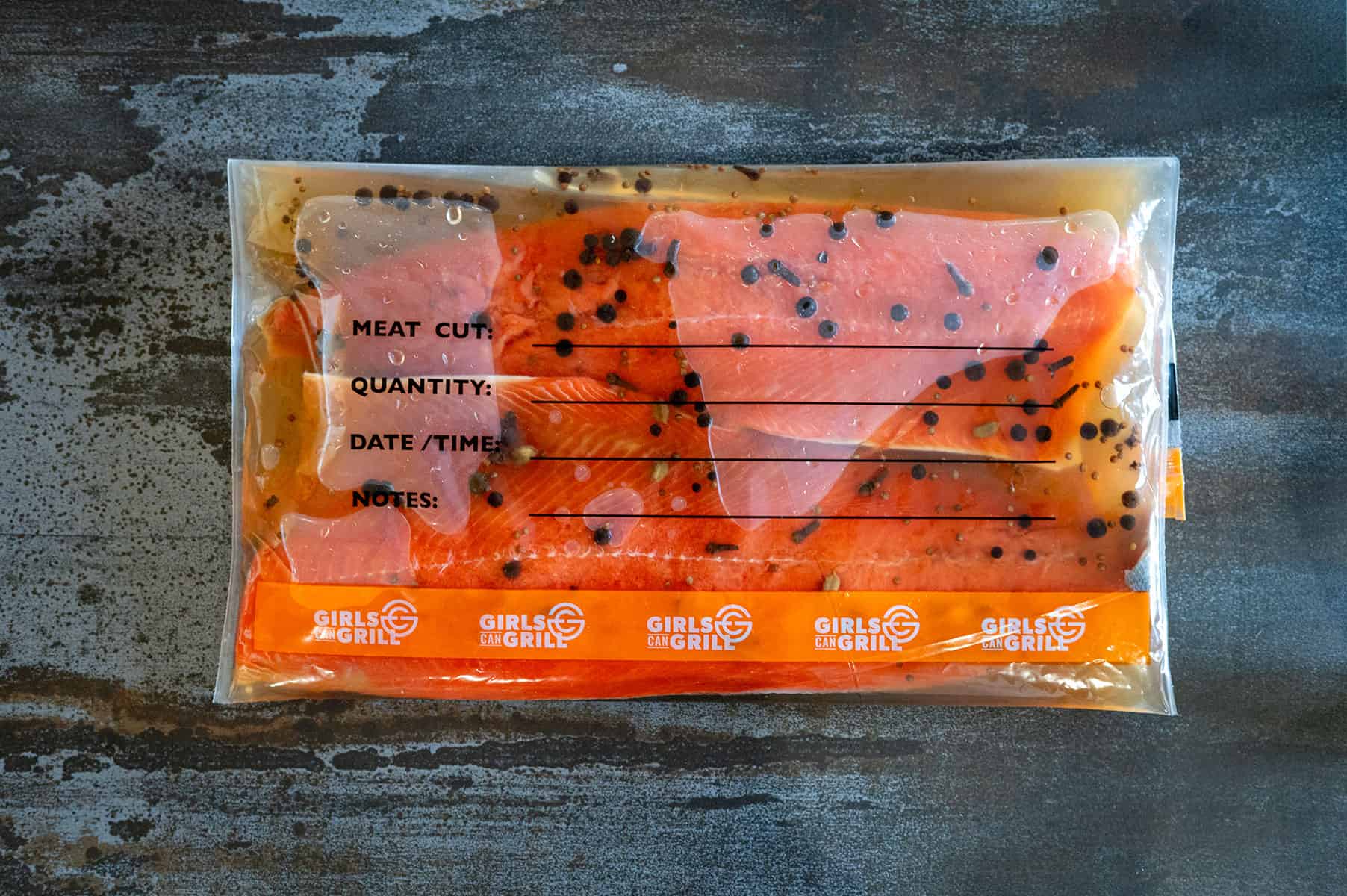
The initial and arguably most crucial step in crafting salmon pastrami is the brining process. This involves submerging the sockeye salmon filets in a specially prepared brine solution. The brine, a mixture of water, salt, and a unique blend of spices, serves multiple purposes. Firstly, it seasons the salmon from within, penetrating the flesh to impart a savory depth. Secondly, the salt in the brine acts as a preservative, inhibiting bacterial growth and contributing to the firming of the fish’s texture. Thirdly, the brine solution, often incorporating aromatics and sugars, lays the foundation for the complex flavor profile of the finished pastrami.
The original recipe suggests a brine formulated with ingredients such as black pepper, coriander, mustard seeds, sugar, paprika, and garlic, suggesting a robust and aromatic base. The sockeye salmon, chosen for its rich flavor and firm texture, is placed in a meat preparation bag and fully submerged in the cooled brine. This immersion typically lasts for a significant period, often two full days, allowing ample time for the flavors to meld and the curing process to commence effectively. This extended brining is key to achieving the characteristic pastrami flavor and texture.
Step 2: The Dry Brine and Pellicle Formation
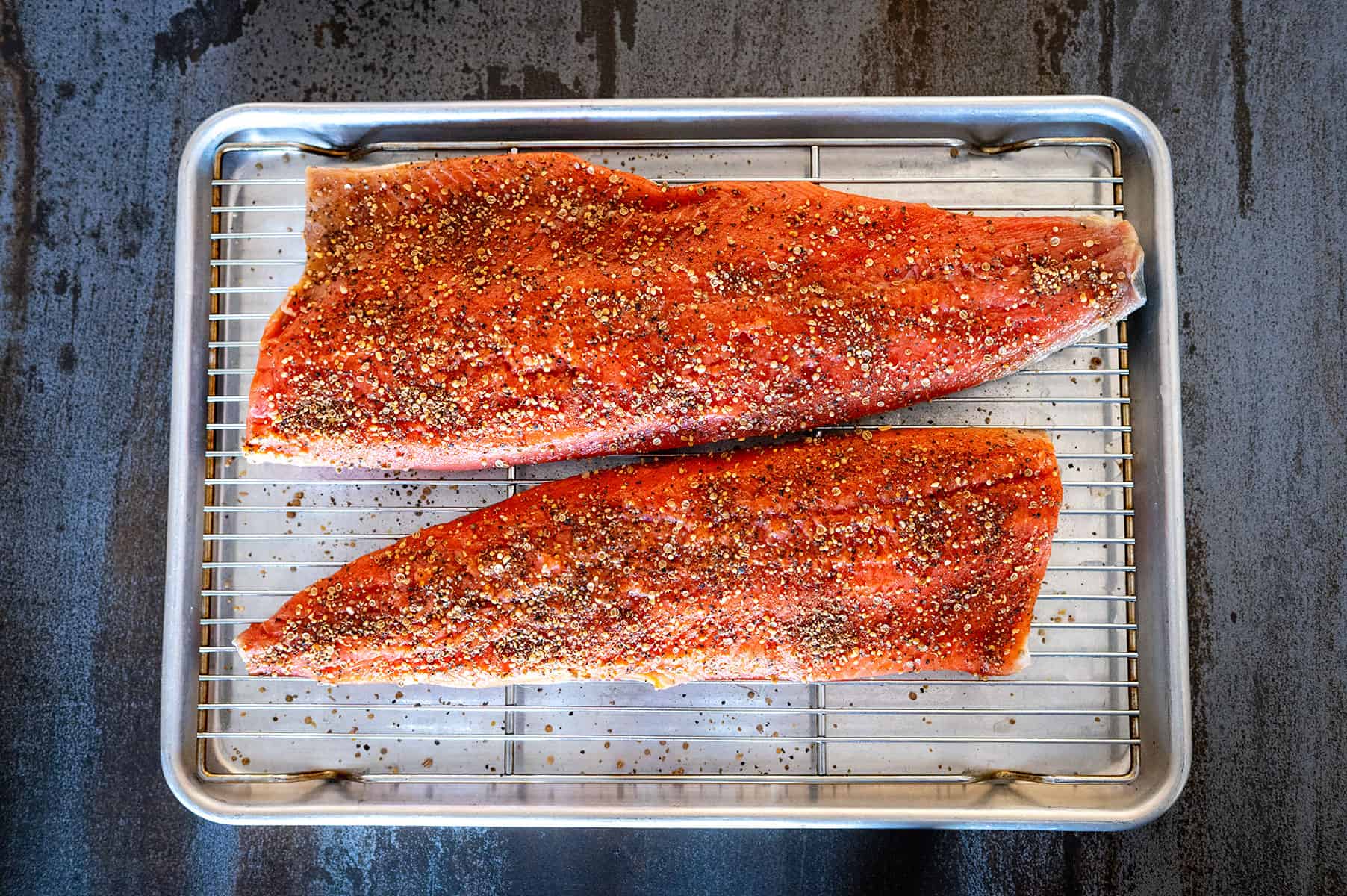
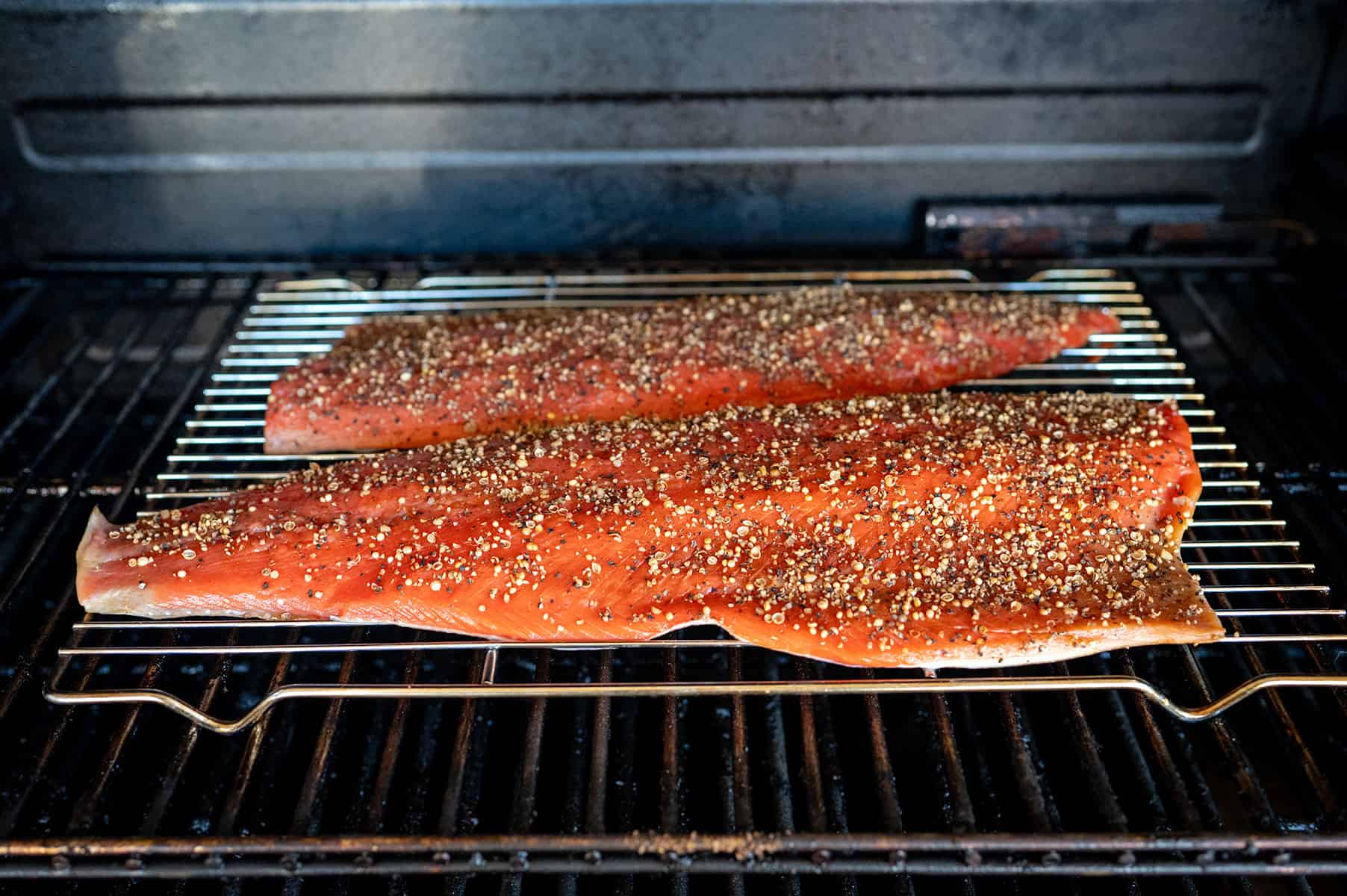
Following the wet brine, the salmon undergoes a critical dry brining phase. After being gently rinsed to remove excess brine, the filets are prepared for smoking. A light coating of oil is applied to a baking rack, which is then placed over a baking sheet. This setup allows for air circulation around the salmon during the drying process. The salmon is placed on the rack, skin-side down, and the top surface is generously seasoned with a specific "Pastrami Rub." This rub is often salt-free, emphasizing the spices that define pastrami, such as black pepper, coriander, and paprika, ensuring a flavorful crust without adding further saltiness.

This uncovered refrigeration period, lasting several hours or even overnight, serves a vital purpose: the formation of a pellicle. The pellicle is a sticky, semi-dry surface layer that develops on the exterior of the salmon. This layer is essential for effective smoke adhesion. When the salmon is introduced to the smoker, the pellicle allows the smoke particles to adhere to the surface, creating the characteristic smoky flavor and the beautiful, seasoned crust associated with pastrami. This step is paramount for achieving the desired textural and flavor complexity.
Step 3: The Smoking Process
With the pellicle formed and the salmon adequately seasoned, the stage is set for the smoking process. The smoker is preheated to a precise temperature, typically around 225°F (121°C), a temperature range conducive to slow cooking and smoke infusion without overcooking the delicate fish. The rack of salmon is then carefully placed on the smoker, positioned over indirect heat to ensure even cooking and prevent direct exposure to intense heat that could dry out the fish.
The smoking duration is contingent on the thickness of the salmon filets and the smoker’s temperature, but it generally ranges from 50 to 60 minutes. The key indicator of doneness is the internal temperature of the salmon, which should reach 140°F (60°C). This temperature ensures that the salmon is cooked through, flaky, and imbued with a rich smoky flavor, while still retaining its moisture and delicate texture. Once the target temperature is reached, the salmon is removed from the smoker and allowed to rest for a brief period of 5 to 10 minutes. This resting phase allows the juices to redistribute throughout the fish, resulting in a more succulent and flavorful final product.
Serving and Presentation: Versatility at its Finest
The culmination of this meticulous process is a salmon pastrami that offers remarkable versatility in its serving. It can be presented in several ways, catering to different culinary preferences and occasions.
As an Entrée: Bold and Satisfying
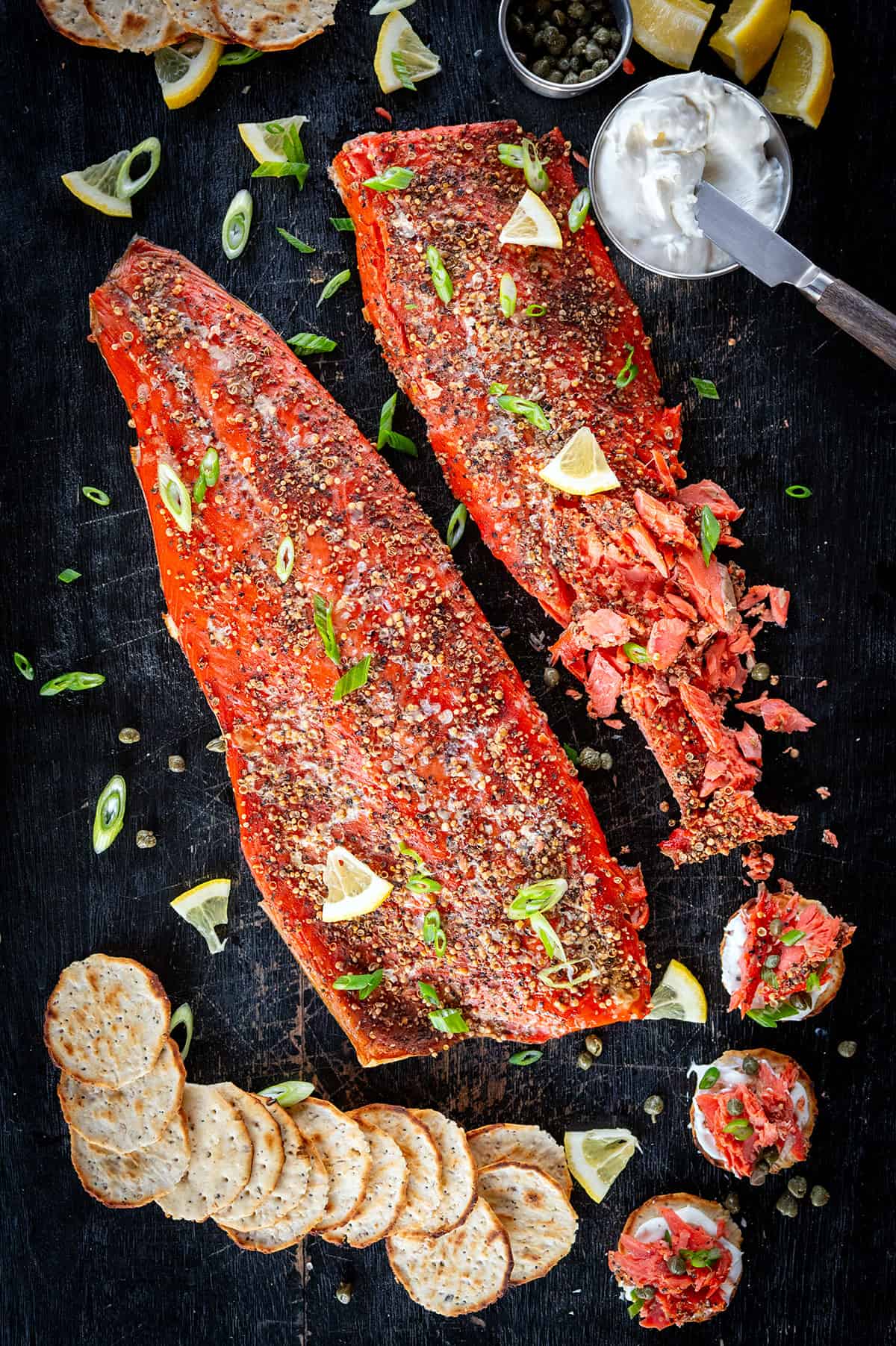
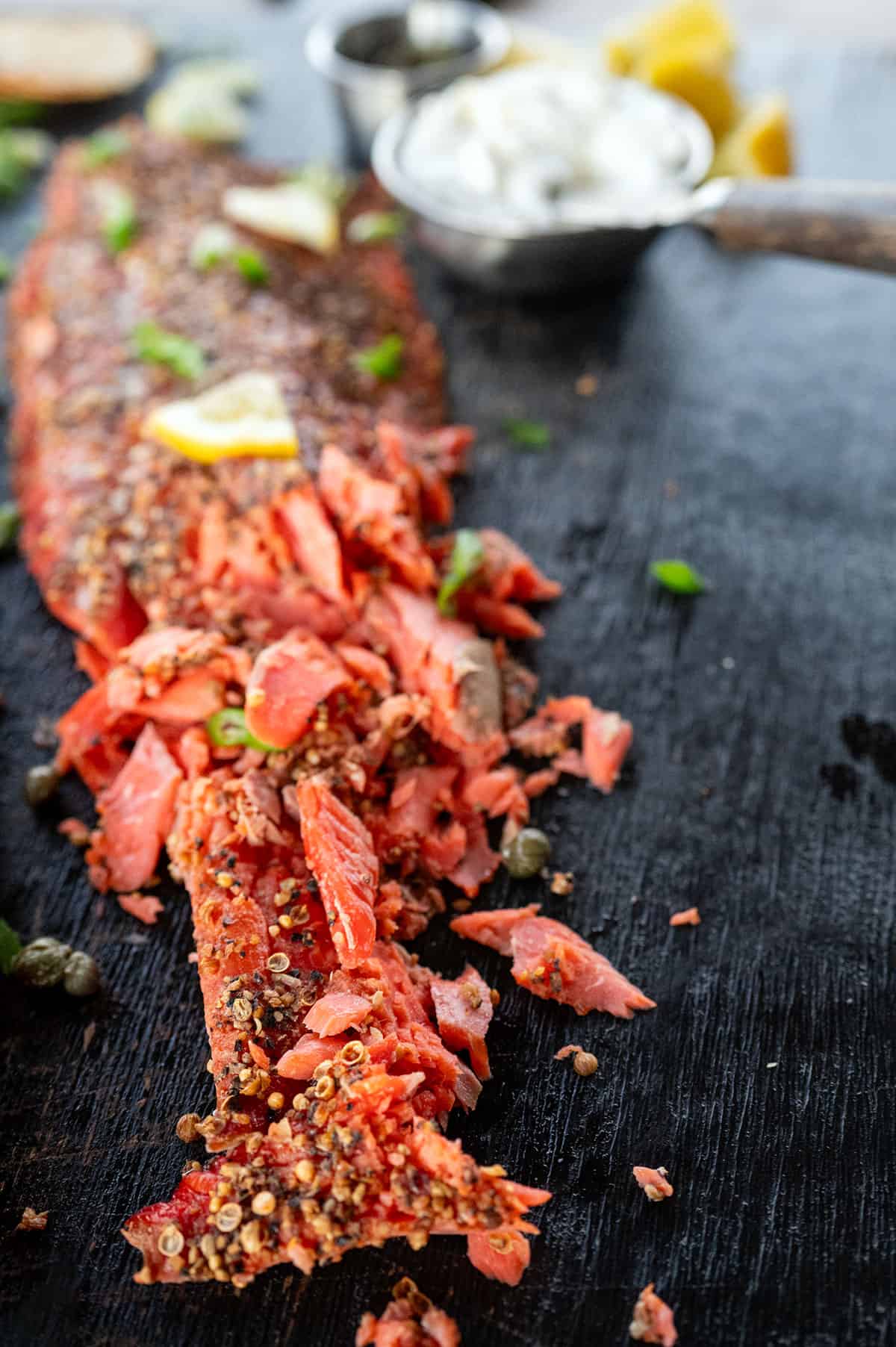
When served as an entrée, the smoked salmon pastrami can be cut into thick, generous portions. The rich, smoky flavor and the peppery crust make it a substantial and satisfying main course. Its robust character stands up well to simple accompaniments that complement, rather than overpower, its inherent flavors.
As an Appetizer: Elegant and Flavorful Bites
Alternatively, the salmon pastrami can be shredded into smaller pieces, transforming it into an ideal appetizer. This shredded form is exceptionally well-suited for being served on crackers, often accompanied by creamy elements like cream cheese, which provides a cool, smooth contrast to the savory fish. Garnishes such as finely chopped green onions or fresh herbs add brightness and visual appeal, while capers contribute a briny, piquant note that further enhances the overall flavor profile. This presentation is particularly popular for gatherings and can be enjoyed on toasted bagels or slices of rye bread for a more substantial bite.
The Science Behind the Flavor: Brining and Smoking Explained
The creation of salmon pastrami is deeply rooted in established food preservation and enhancement techniques. Brining, a method used for centuries, involves immersing food in a saltwater solution. The salt in the brine not only adds flavor but also draws out moisture from the food through osmosis, while simultaneously allowing the brine to penetrate the food, seasoning it from within. Furthermore, the salt inhibits the growth of spoilage microorganisms, extending the shelf life of the product.
Smoking, another ancient technique, involves exposing food to smoke generated from burning wood. The smoke imparts a distinct flavor and aroma, while also containing compounds that have antimicrobial and antioxidant properties, contributing to preservation. The controlled temperature of the smoker, as seen in the recommended 225°F (121°C), ensures that the salmon is cooked gently, allowing the smoke to penetrate the flesh and develop the characteristic flavor without drying out the fish. The formation of the pellicle is a critical factor in successful smoking, as it creates a surface that readily absorbs the smoke compounds.
Nutritional Insights
The provided nutritional information offers a glimpse into the composition of this salmon pastrami. For an estimated serving size, it is reported to contain approximately 161 calories, 22 grams of protein, and 7 grams of fat. It is also a good source of beneficial nutrients like polyunsaturated and monounsaturated fats, and minerals such as potassium. While the sodium content should be noted, the rinsing step after brining helps to mitigate excessive saltiness. The detailed breakdown of macronutrients and micronutrients highlights salmon pastrami as a protein-rich food with a favorable fat profile, consistent with the health benefits associated with salmon consumption.
Storage and Preservation
Proper storage is essential to maintain the quality and safety of homemade salmon pastrami. Leftovers should be stored in an airtight container in the refrigerator and are typically best consumed within 4 to 5 days. For longer storage, freezing is an option, though it may result in a slight alteration of the texture upon thawing. Freezing salmon pastrami can preserve its flavor for an extended period, making it a convenient option for future enjoyment.
Expert Insights and Frequently Asked Questions
Christie Vanover, the pitmaster behind Girls Can Grill, emphasizes the importance of her signature Pastrami Rub, a salt-free blend designed to highlight the classic pastrami spices. This rub, containing black pepper, coriander, mustard seeds, sugar, paprika, and garlic, is instrumental in achieving the authentic pastrami flavor without adding additional salt.
Addressing common inquiries, Vanover clarifies that salmon pastrami, by its nature, possesses an elevated level of saltiness due to the brining process. She advises rinsing the salmon thoroughly after brining and suggests that while a two-day brine is ideal for flavor development, individuals sensitive to salt can reduce the brining time to one day. This flexibility allows for customization to individual taste preferences. The distinction between salmon pastrami and regular lox is also frequently addressed, with the former characterized by its bold spice crust and smoky intensity, a clear departure from the milder cure of lox.
The Broader Culinary Context and Future Implications
The rise of gourmet cured and smoked fish, such as salmon pastrami, reflects a broader trend in home cooking and a growing appreciation for artisanal food preparation. As consumers become more adventurous in their culinary pursuits, recipes that offer a unique twist on familiar ingredients, like this salmon pastrami, gain significant traction. The ability to replicate restaurant-quality dishes at home, using accessible techniques and quality ingredients, empowers home cooks and fosters a deeper engagement with food.
The popularity of such recipes also contributes to the evolving landscape of protein consumption. Salmon, a highly nutritious and sustainable seafood option, is increasingly being explored beyond its traditional preparations. By reimagining salmon through the lens of classic charcuterie techniques, creators like Girls Can Grill are not only offering delicious new recipes but also expanding the culinary repertoire for this versatile fish. This innovation can lead to increased demand for high-quality salmon and encourage further exploration of diverse curing and smoking methods for seafood.
Furthermore, the detailed instructions and readily available ingredients for salmon pastrami make it an approachable yet impressive culinary project. The success of such recipes often inspires a ripple effect, encouraging more home cooks to experiment with similar techniques, potentially leading to the development of new regional specialties or variations on existing dishes. The emphasis on specific types of salmon, like sockeye, also highlights the importance of ingredient quality in achieving optimal results, further educating consumers about the nuances of different food products.
The interactive elements often found in online recipe platforms, such as rating systems and comment sections, also play a crucial role. These features allow for community engagement, enabling cooks to share their experiences, troubleshoot challenges, and offer their own tips and variations. This collective knowledge-sharing further enriches the culinary experience and can lead to the refinement and adaptation of recipes over time.
In conclusion, the creation of salmon pastrami is more than just a recipe; it is an exploration of culinary tradition, a demonstration of precise technique, and a celebration of bold flavors. By transforming simple sockeye salmon into a sophisticated deli-style delicacy, this process offers a rewarding experience for any home cook looking to impress with a dish that is both unique and deeply satisfying.


