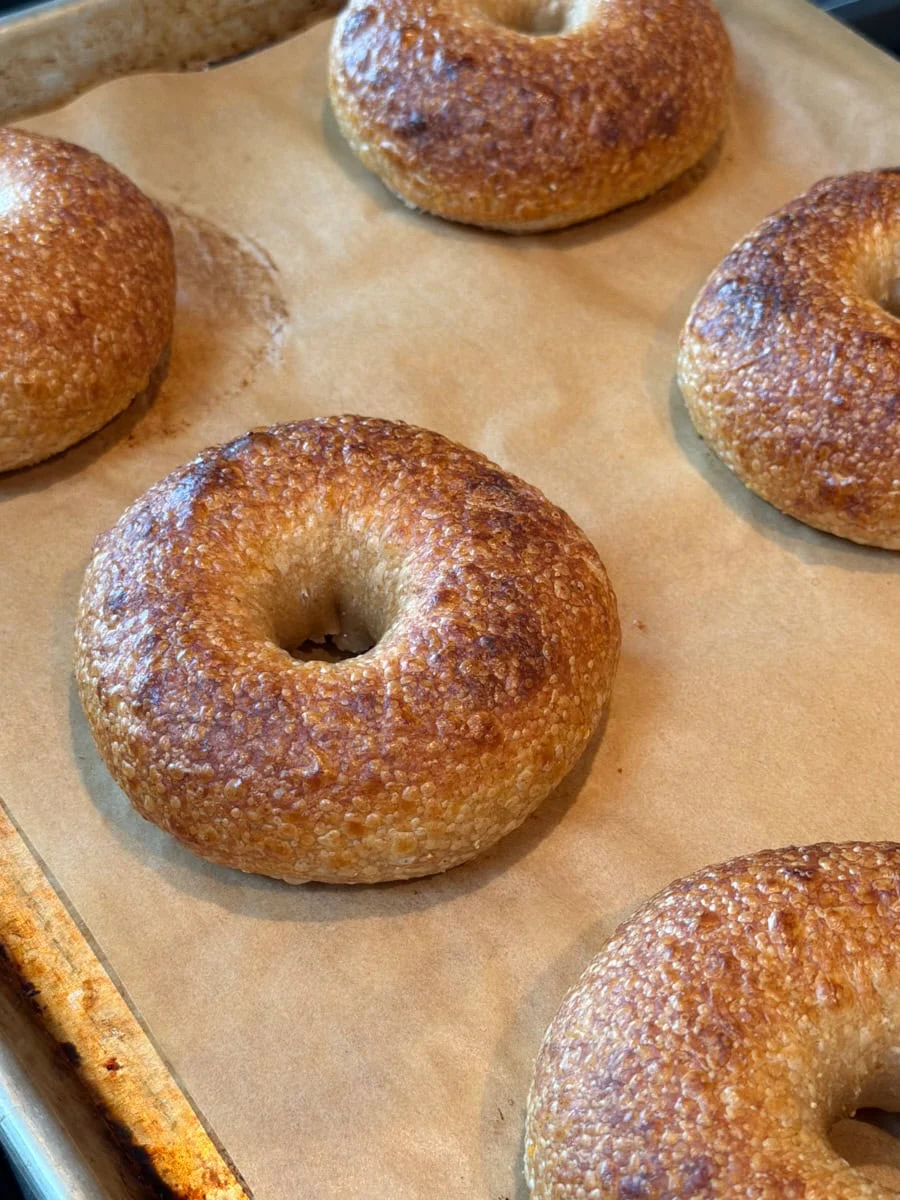
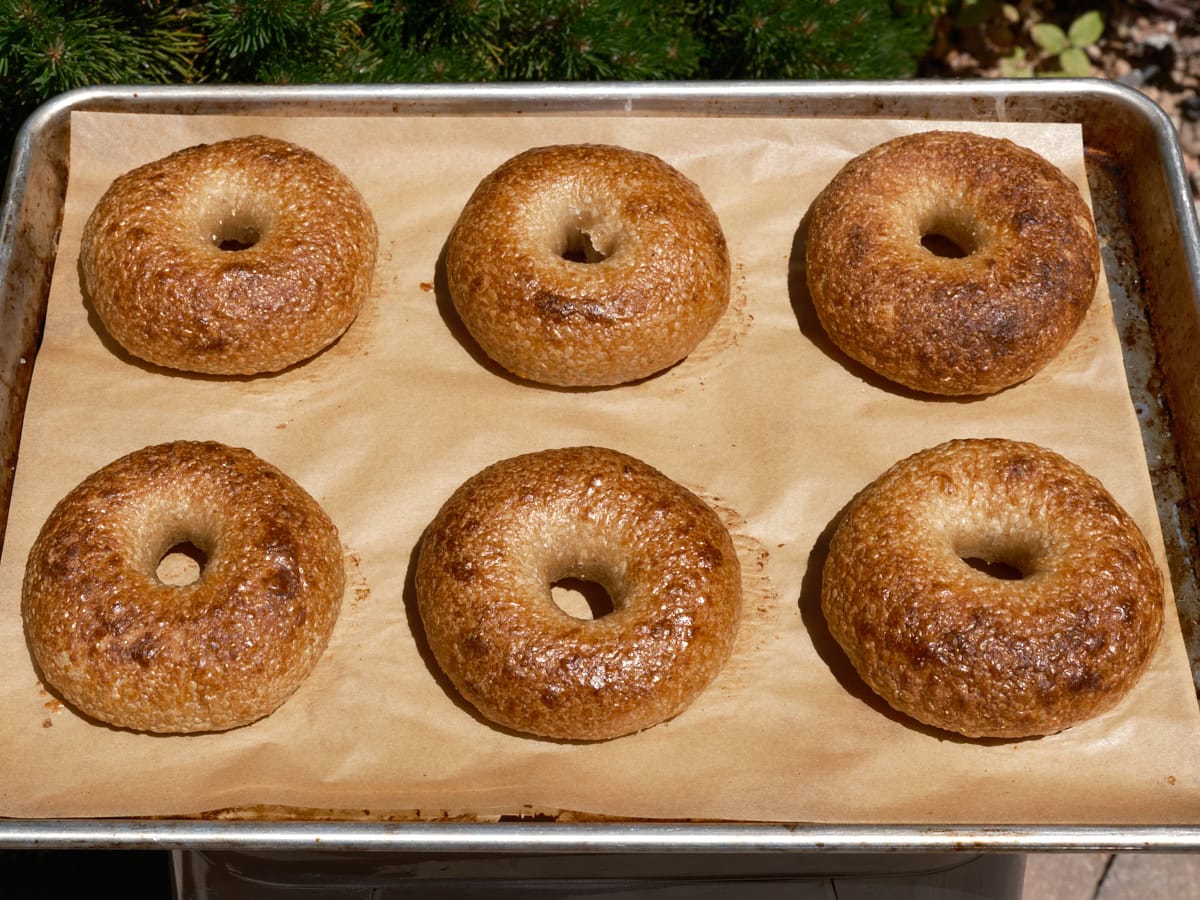
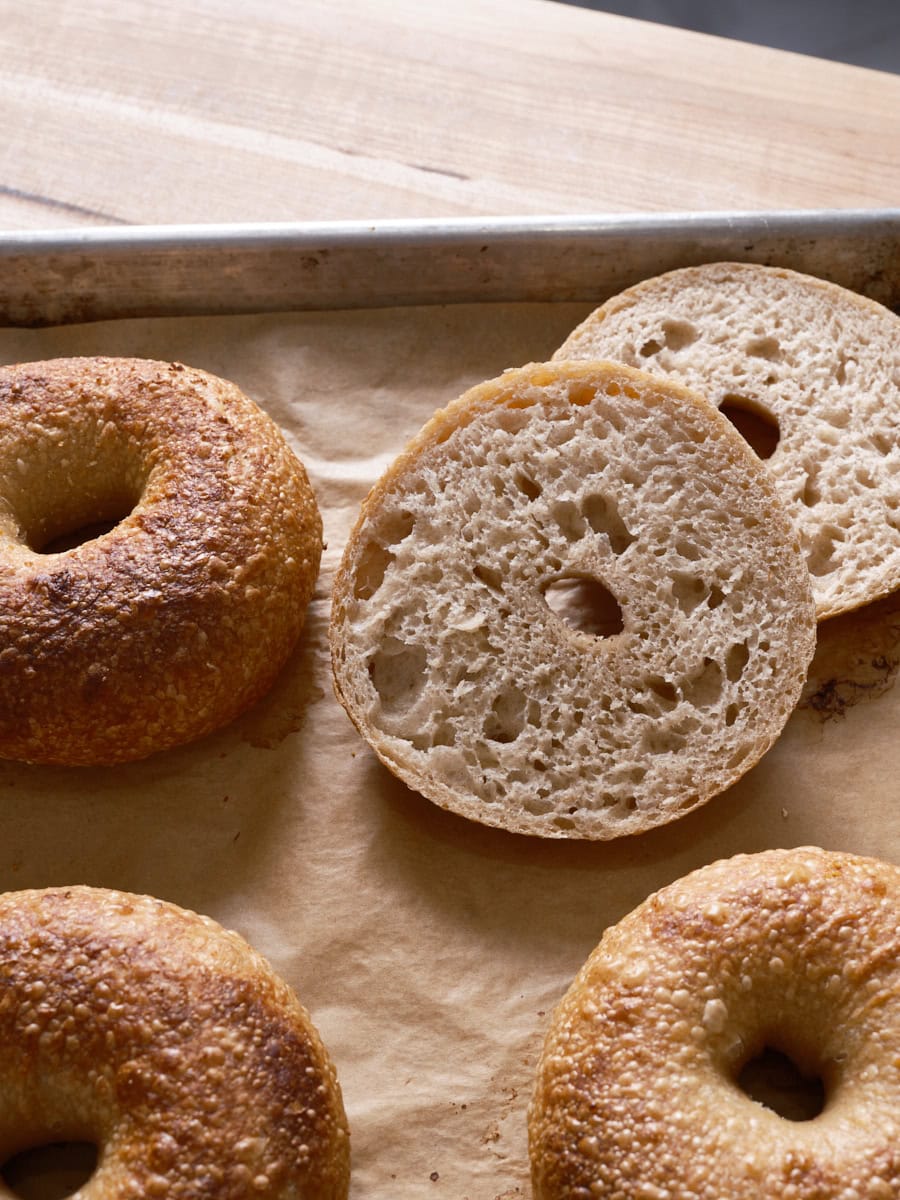
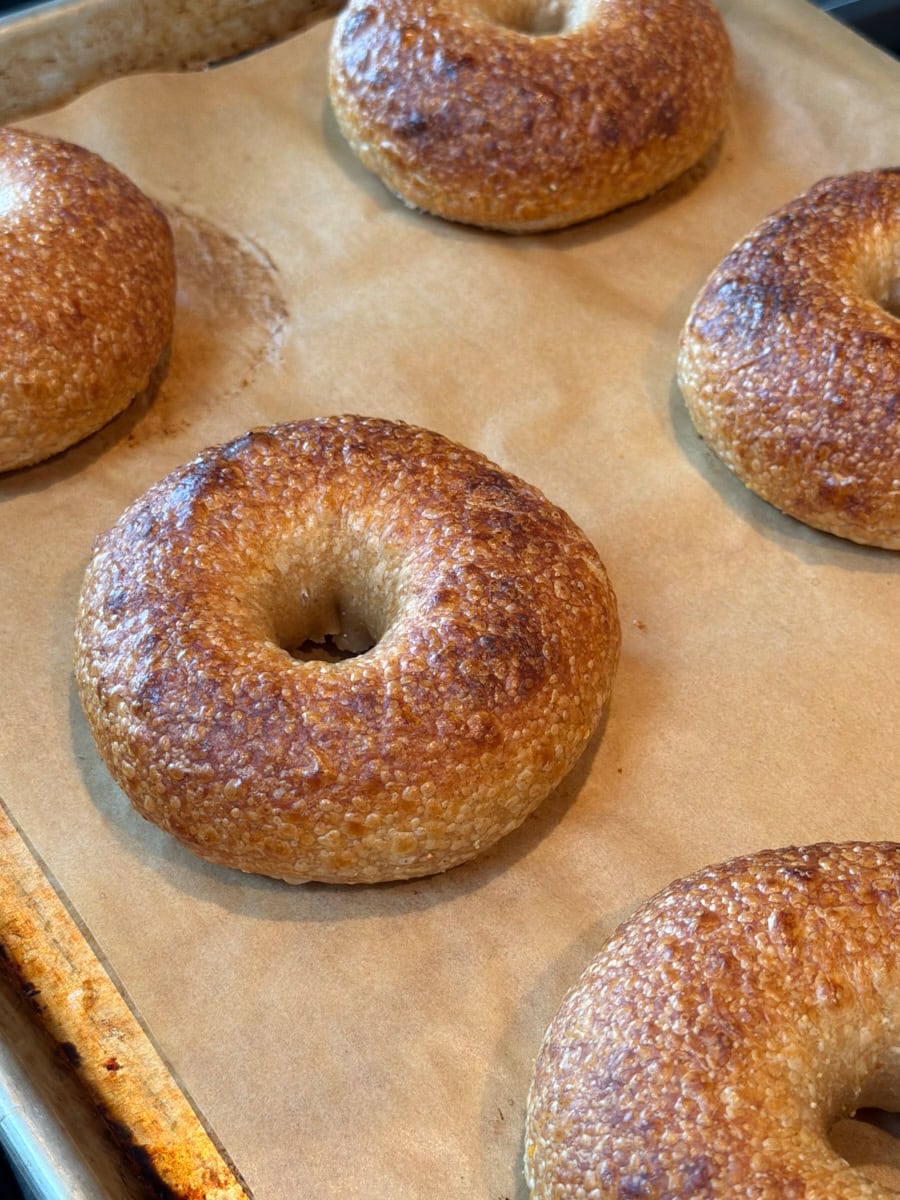
The Perfect Loaf, a prominent voice in artisanal baking, has announced the culmination of an extensive research and development effort, introducing a significantly refined sourdough bagel recipe dubbed the "New Wave Sourdough Bagel." This latest iteration represents a deliberate departure from traditional, denser bagel profiles, aiming instead for a lighter, more open crumb, a blistered, glossy crust, and a complex flavor profile, setting a new benchmark for home bakers and reflecting evolving culinary preferences.
The Genesis of a Culinary Refinement
The journey to this "new wave" creation was characterized by an iterative, question-driven approach. The developers embarked on a meticulous process of re-evaluating fundamental aspects of bagel production, questioning established norms. Central to this inquiry were several key hypotheses: Could levain be engineered to carry sweetness, mitigating the need for excessive sugar in the final dough? What if a diverse flour blend, incorporating whole grains and varying protein levels, could yield a more tender and characterful crumb than a single-flour composition? Furthermore, could alternative shaping methods and an extended cold fermentation, coupled with an innovative boiling technique, unlock previously unattainable textural and flavor dimensions? The comprehensive answers to these questions are meticulously integrated into the new formula, demonstrating how a series of seemingly minor adjustments, when synthesized, contribute to a transformative outcome. This methodical evolution mirrors the same dedication to detail observed in other celebrated recipes from The Perfect Loaf, such as "My Best Sourdough Bread."
Strategic Innovations: A Deep Dive into the New Wave Approach
The development process involved systematically altering one variable at a time, a testament to precision baking. The resulting formula showcases several critical innovations:
-
Optimized Flour Blend for Enhanced Character: The most significant initial modification involved a sophisticated flour blend. Departing from conventional single-flour recipes, this new bagel incorporates a mix of high-protein white flour (12-14%), medium-protein white flour (such as Central Milling’s Artisan Bakers Craft), whole wheat flour, and a touch of whole rye flour. The high-protein flour provides the necessary gluten structure for the signature chew and rise, while the medium-protein flour contributes to tenderness and a more open interior. The whole wheat and rye flours are not merely for nutritional value but are strategically included to impart warm, nutty, and subtly earthy flavor notes, adding layers of complexity without making the bagel excessively dense. This blend aims to achieve a balance that elevates the bagel beyond a simple white flour base.
-
Sweet Levain for a Balanced Flavor Profile: A crucial innovation lies in the creation of a "sweet levain." Unlike traditional sourdough starters that can impart significant sourness, this preferment is cultivated with a small amount of sugar. This addition specifically encourages yeast activity, leading to a more vigorous rise and a cleaner fermentation. The result is a finished bagel with pronounced malty and complex flavors, yet notably less sourness, appealing to a broader palate. The careful management of the levain ensures that the inherent qualities of sourdough—its unique texture and subtle tang—are present without dominating the overall taste experience.
-
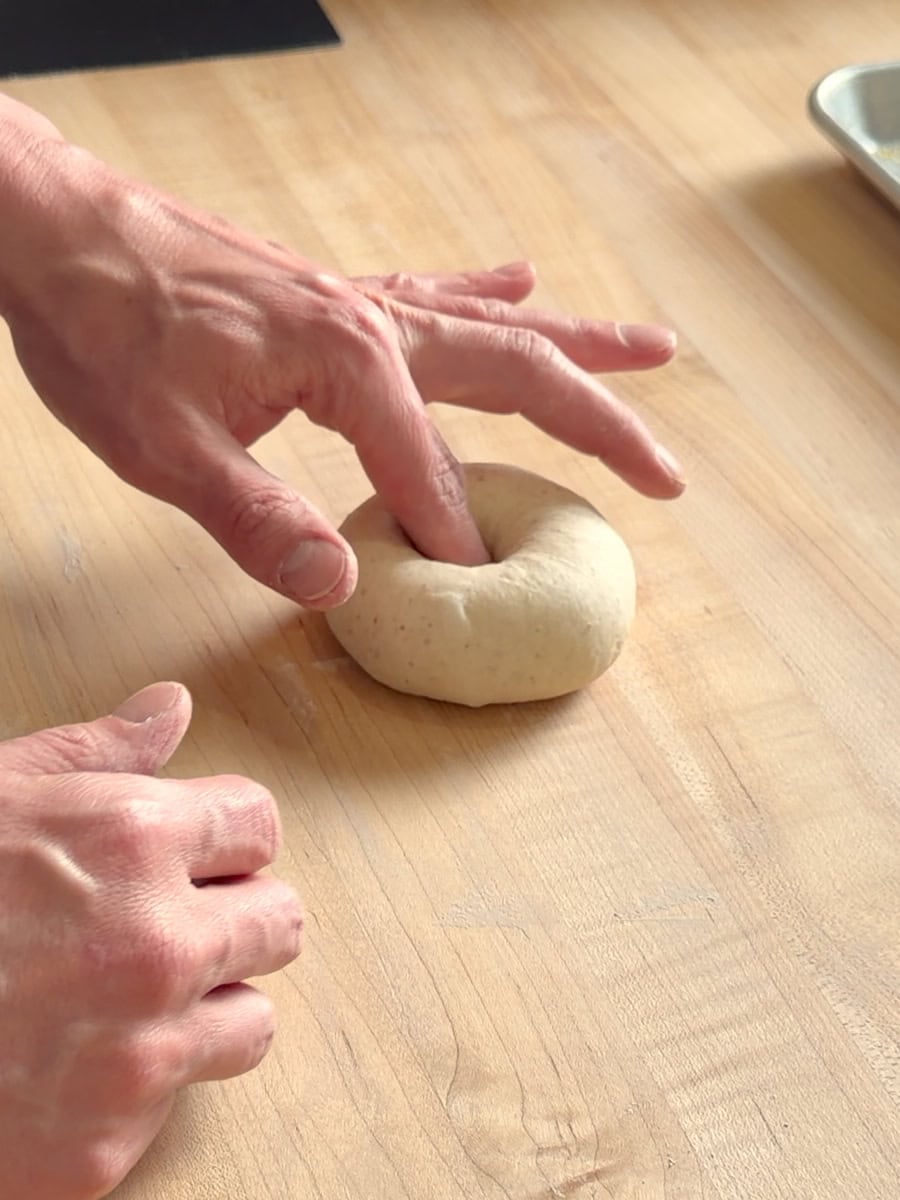
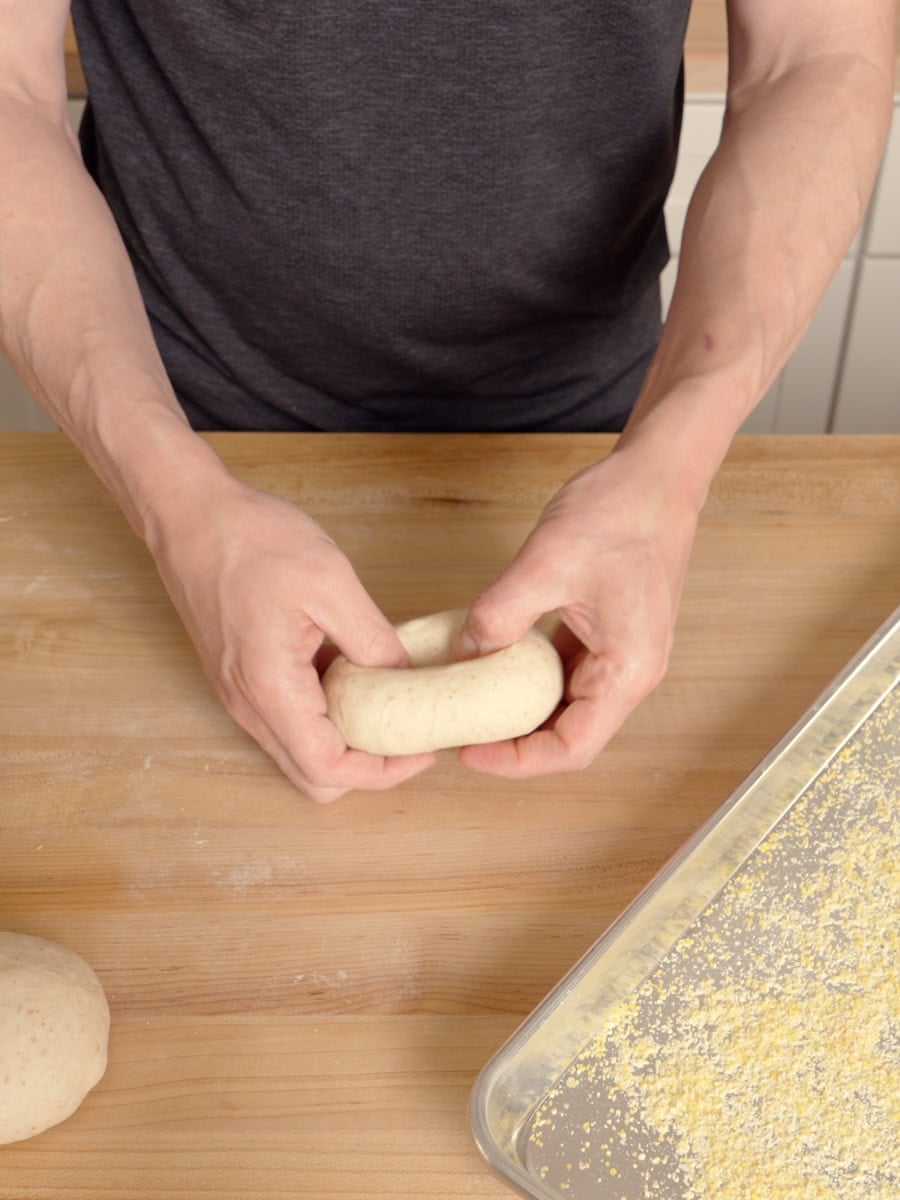
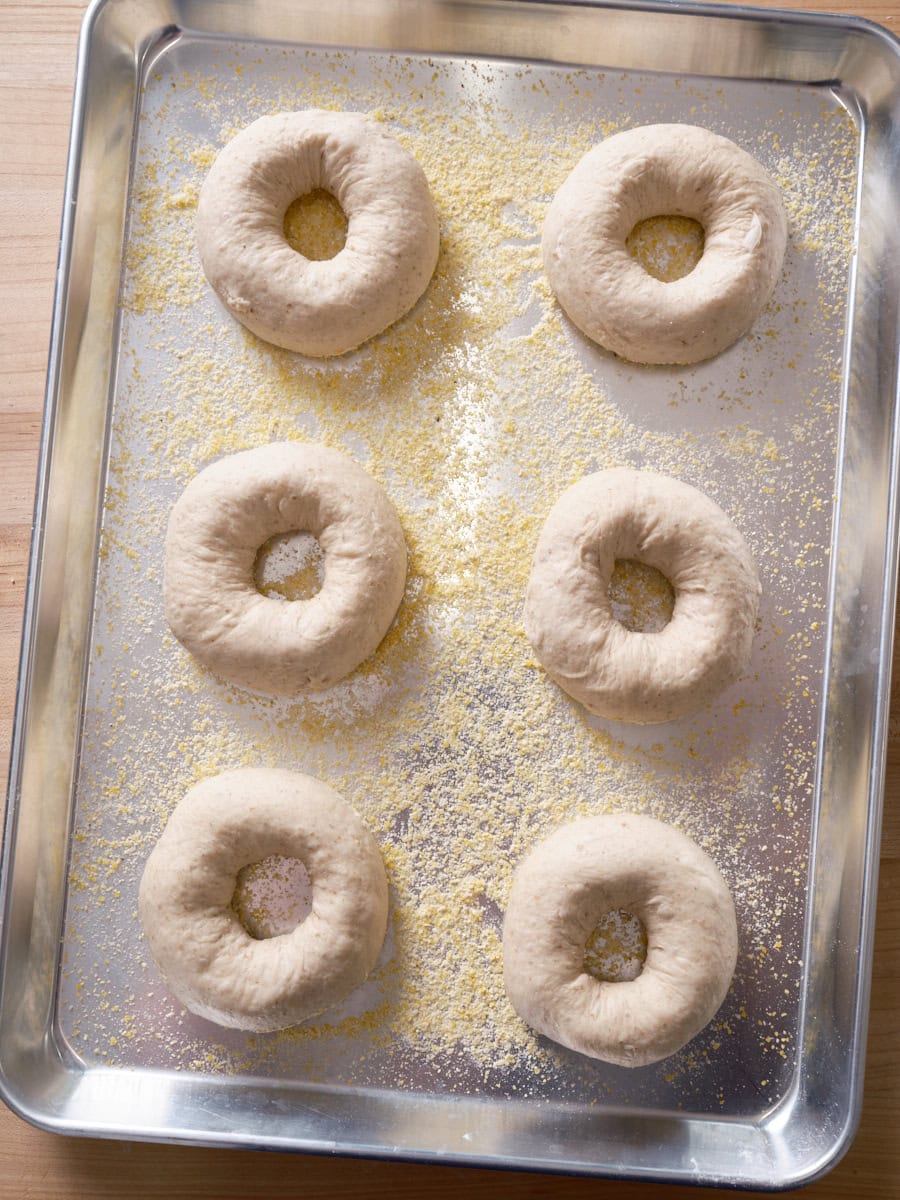
Simplified "Poke Method" for Shaping: Addressing the challenges of handling higher-hydration doughs, the recipe advocates for the "poke method" of shaping. Traditional bagel shaping often involves rolling dough into a rope and joining the ends, a technique that can be difficult with softer doughs and prone to seam separation during boiling. The poke method, which involves creating a hole in a balled piece of dough and gently stretching it, is not only simpler and more forgiving but also contributes to a more uniform ring, enhancing the aesthetic appeal and structural integrity of the final product.
-
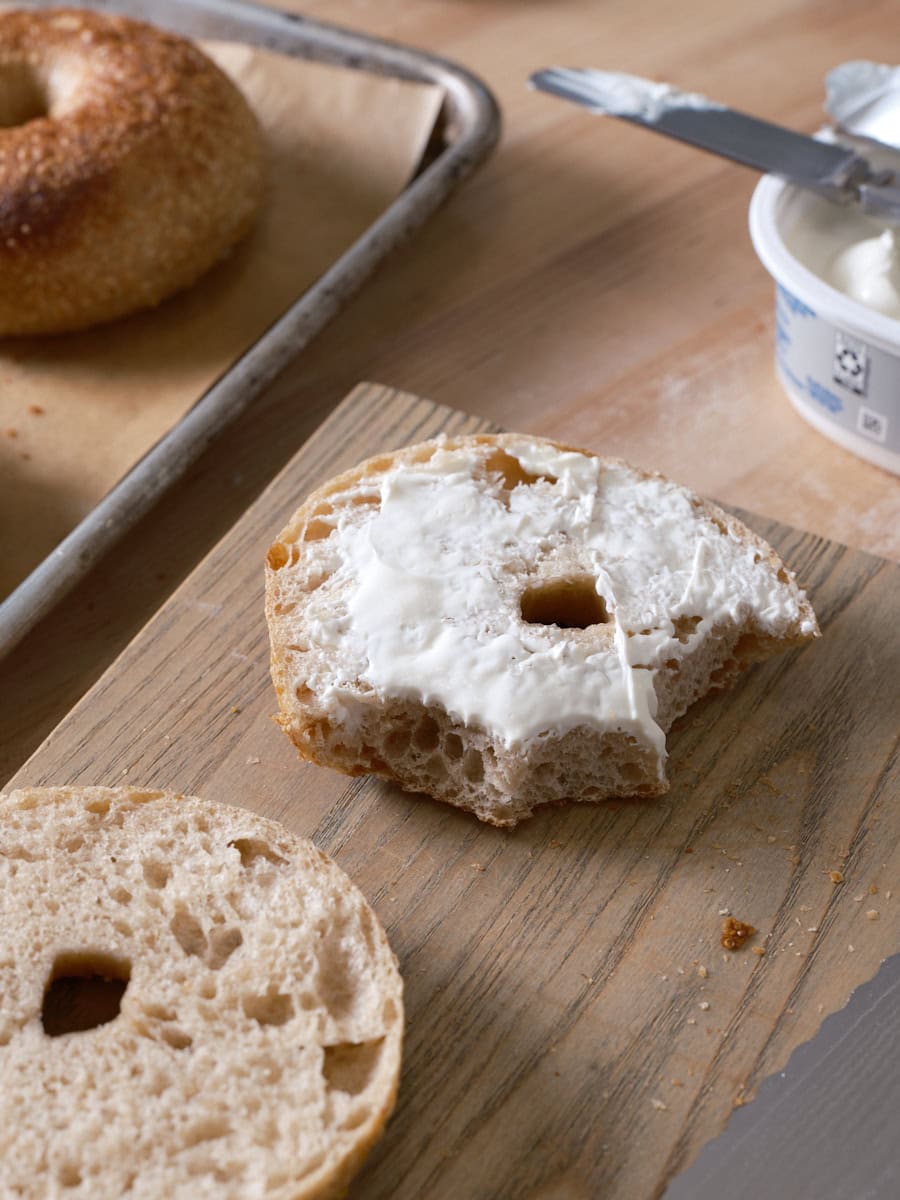
Overnight Cold Retard for Depth and Texture: The inclusion of an overnight cold retard (refrigeration) is a cornerstone of this new approach. While same-day baking is possible, the cold proof significantly enhances flavor development, allowing enzymes more time to break down starches into sugars, which contributes to better browning and a more nuanced taste. Furthermore, the extended cold fermentation profoundly impacts the crust, fostering the development of microblisters and a delightful crispness, while simultaneously promoting a more open and tender crumb structure. This strategic rest period transforms the bagel’s sensory attributes in a way not achievable through rapid fermentation.
-
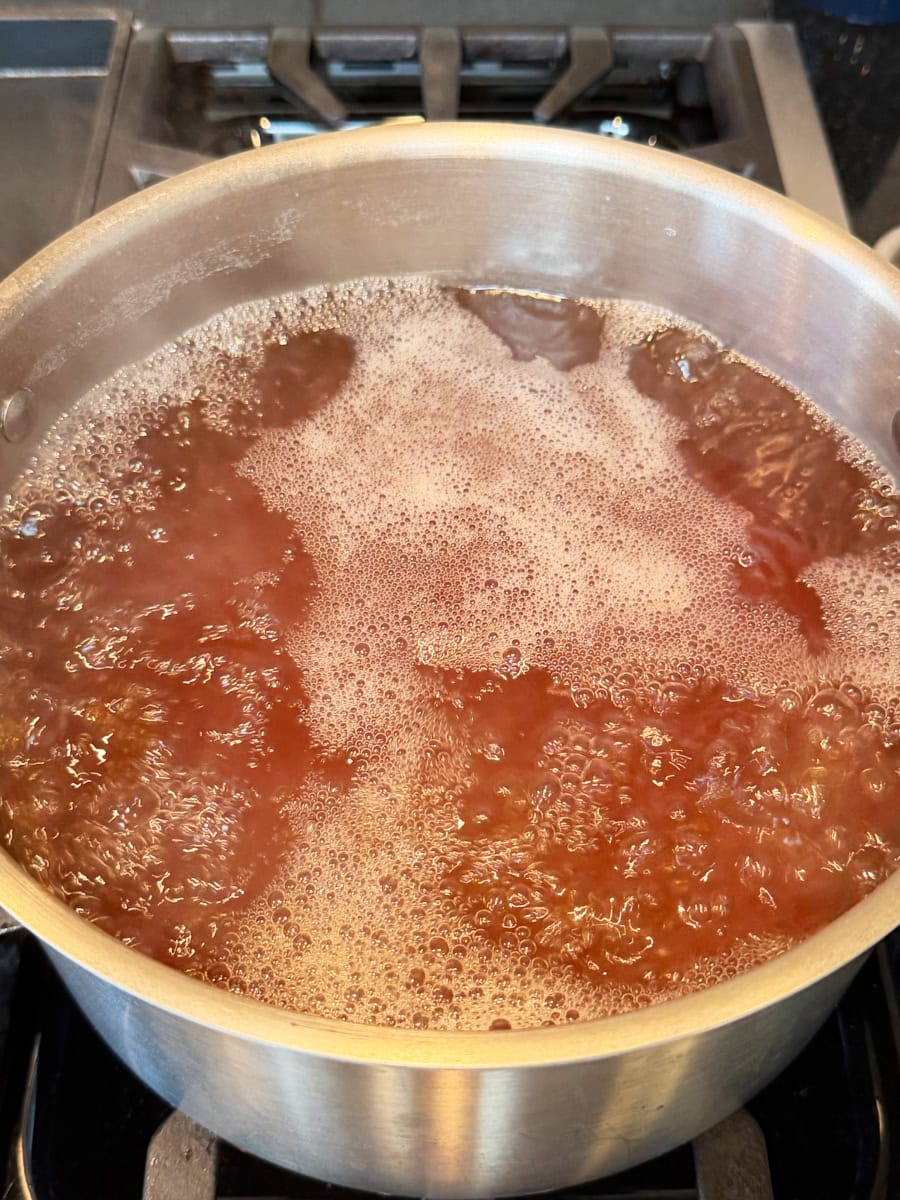
Refined Boiling Bath and Technique: The boiling stage, critical to bagel texture, has been precisely calibrated. The use of a generous amount of barley malt syrup in the boiling water is a classic technique, but here it’s emphasized for its profound contribution to crust color and its signature malty flavor. A small addition of baking soda increases the water’s alkalinity, further aiding in the Maillard reaction and promoting deeper crust coloration. Crucially, the boil time is kept short—20 to 30 seconds per side—to ensure a thinner, crispier crust, contrasting with the thicker, chewier skin characteristic of longer boils. A vigorous, rolling boil is paramount to achieve immediate gelatinization of the dough surface, preventing flattening and maximizing crust development.
-
Optimized Baking Environment: The baking process is equally refined. Baking on a preheated stone or steel is essential for delivering intense, direct heat from below, which is vital for achieving an explosive oven spring and a well-formed bottom crust. Furthermore, the introduction of steam into the oven immediately after loading the bagels is recommended. This humid environment delays crust formation, allowing the dough to expand maximally and encouraging the formation of those desirable microblisters on the surface, contributing to the glossy, crispy texture.
A Shift in Bagel Philosophy: Traditional vs. New Wave
This "new wave" sourdough bagel stands in deliberate contrast to the traditional New York-style bagel, which is typically characterized by a denser, chewier interior and a thicker, often more uniform crust. The Perfect Loaf’s original sourdough bagel recipe, detailed in its first cookbook, embodies this classic profile.
The "new wave" iteration, however, aligns more closely with the offerings found in contemporary artisanal bagel shops, such as the highly acclaimed Courage Bagels in Los Angeles. These establishments prioritize a lighter, glossier bagel with a blistered, slightly crispy crust, often exhibiting a more irregular shape and a notably open crumb. This evolution reflects a broader culinary trend towards artisanal craftsmanship, where subtle variations in texture, complex flavor development through fermentation, and aesthetic appeal are highly valued. The focus shifts from sheer density to a more nuanced interplay of crispness, tenderness, and aromatic depth.
The Science of Optimal Texture and Flavor
Beyond the procedural changes, the recipe leverages specific ingredients for their scientific impact:
- Barley Malt Syrup: This non-diastatic sweetener, used both in the dough and the boiling water, is rich in sugars that caramelize beautifully during baking, contributing to the bagel’s deep golden color and its distinctive malty, slightly savory flavor. It is a cornerstone of the classic bagel taste.
- Diastatic Malt Powder: This is a powerful enzymatic agent. Unlike barley malt syrup, diastatic malt powder contains active enzymes (primarily amylase) that break down complex starches in the flour into simpler sugars during fermentation and baking. This increased availability of fermentable sugars fuels yeast activity, enhances the Maillard reaction for superior crust browning, promotes oven spring, and contributes significantly to a more open and tender crumb structure. Even a small quantity (1% of total flour weight in this recipe) yields a substantial effect, making it an invaluable tool for advanced bakers seeking optimal results.
- Superfine (Caster) Sugar in Levain: As previously noted, the strategic addition of sugar to the levain rather than the main dough is a precise method to encourage yeast proliferation while minimizing the production of acetic acid, which contributes sourness. This ensures a "cleaner" fermentation, allowing the subtle nuances of the flour blend and malt to shine through.
Mastering the Method: A Detailed Schedule
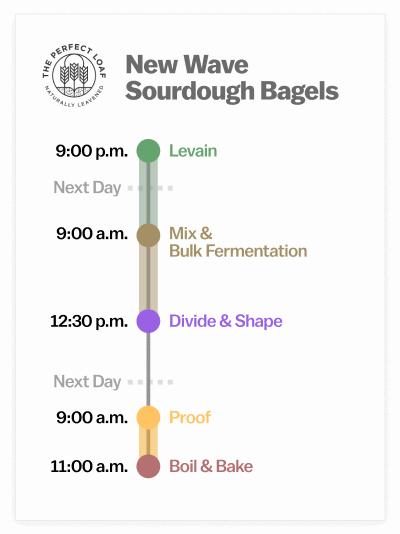
The baking schedule for these new wave sourdough bagels spans three days, though it offers flexibility to accommodate various timelines.
- Day One Evening (9:00 p.m.): Prepare the Levain. A "sweet levain" is mixed using medium-protein white flour, water, superfine sugar, and ripe sourdough starter. This mixture ferments overnight at a warm room temperature (74-76°F / 23-24°C) for 12-14 hours, developing a highly active, bubbly, and sweet-smelling culture.
- Day Two Morning (9:00 a.m.): Mix the Dough. All dry ingredients (high-protein, medium-protein, whole wheat, and rye flours, fine sea salt, diastatic malt powder) are combined with the ripe levain, barley malt syrup, and the initial portion of water. This stiff dough is mixed, either mechanically or by hand, to develop gluten, with the remaining water added gradually through bassinage to achieve a firm yet slightly tacky consistency. A final dough temperature of 76-78°F (24-26°C) is targeted for optimal fermentation.
- Day Two Morning (9:30 a.m. – 12:30 p.m.): Bulk Fermentation. The dough undergoes a 3-hour bulk fermentation at a warm room temperature (74-76°F / 23-24°C). Given the intensive mixing and stiff nature of the dough, no stretches and folds are required, allowing the dough to rest and develop its structure.
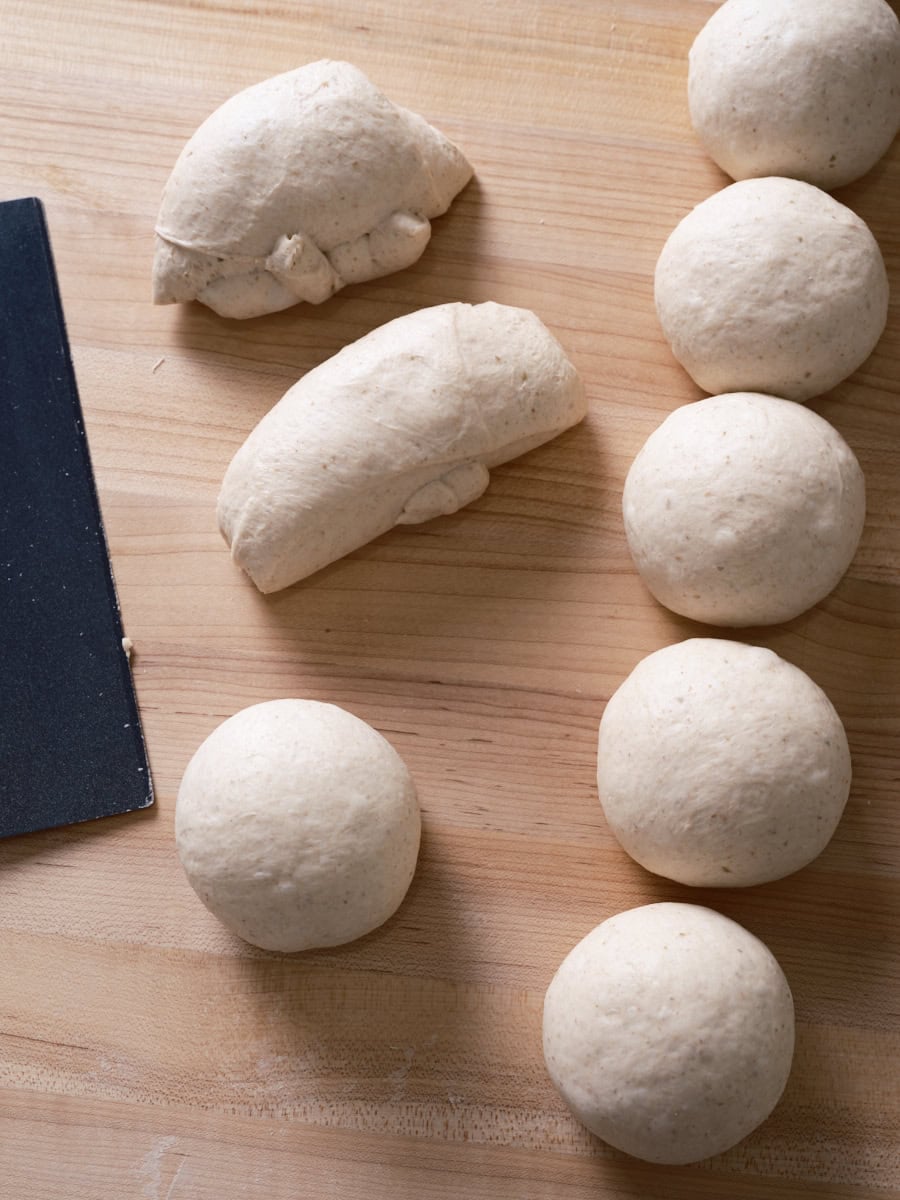
- Day Two Afternoon (12:30 p.m.): Divide and Shape. The dough is gently transferred and divided into twelve 130-gram pieces. Each piece is meticulously balled into a tight, smooth sphere, then shaped using the "poke method." An index finger creates a central hole, which is then gently stretched to a diameter of 2 to 2.5 inches, anticipating shrinkage during proofing and baking. The shaped bagels are placed on cornmeal-dusted sheet pans.
- Day Two Afternoon (1:00 p.m.) to Day Three Morning: Overnight Retard. The sheet pans, covered with lids, are placed in the refrigerator for an extended cold proof. This crucial step, lasting typically 18-20 hours, is flexible, allowing bakers to adjust their schedule. The cold environment slows fermentation, deepening flavor and enhancing crust development.
- Day Three Morning (9:00 a.m.): Proofing and Preheat. Bagels are removed from the refrigerator and allowed to proof at warm room temperature for two hours. During the latter half of this proofing period, the oven is preheated to 500°F (260°C) (or 525°F/270°C for conventional ovens) with a baking steel positioned on the middle rack, ensuring at least one hour of preheating for optimal thermal mass.
- Day Three Morning (11:00 a.m.): Boil. A large pot of water, enriched with 1 teaspoon of baking soda and 5 tablespoons of barley malt syrup, is brought to a vigorous rolling boil. Bagels are boiled in small batches (2-3 at a time) for a short duration of 20-25 seconds per side. After boiling, excess water is drained, and toppings are applied while the surface is still tacky.
- Day Three Morning (11:15 a.m.): Bake. The boiled and topped bagels are transferred to the preheated baking steel. They bake for 10 minutes at 500°F (260°C), with the oven temperature then reduced to 450°F (230°C) for an additional 5 minutes after rotating the pan. The bagels are deemed ready when a deep golden-brown crust is achieved, indicating proper caramelization and doneness. Crucially, they are cooled on a wire rack for 15-20 minutes before slicing to allow the interior to set, preventing a gummy texture.
Expert Endorsement and Broader Implications
The development of these "New Wave Sourdough Bagels" involved collaboration with fellow baking enthusiasts, notably Josh Fairbanks, a respected artisanal baker from Portland, Oregon. Such partnerships underscore the collaborative spirit within the modern baking community, where innovation is often a shared endeavor. Fairbanks’ involvement in honing the recipe further validates its professional-grade quality and meticulous execution.
The introduction of such a detailed and refined recipe carries significant implications for home bakers and the broader culinary landscape. It elevates the standard of what can be achieved in a domestic kitchen, blurring the lines between amateur and professional results. By meticulously outlining the scientific rationale and technical steps behind each innovation, The Perfect Loaf empowers enthusiasts to understand and master complex baking techniques. This recipe not only offers a superior bagel but also serves as an educational tool, deepening bakers’ understanding of fermentation, gluten development, and crust formation. It reflects a growing appetite among consumers for high-quality, artisanal baked goods, and provides a pathway for home bakers to meet that demand with truly exceptional products. The "new wave" is not just about a different style of bagel; it’s about a more informed, precise, and ultimately more rewarding approach to home baking.