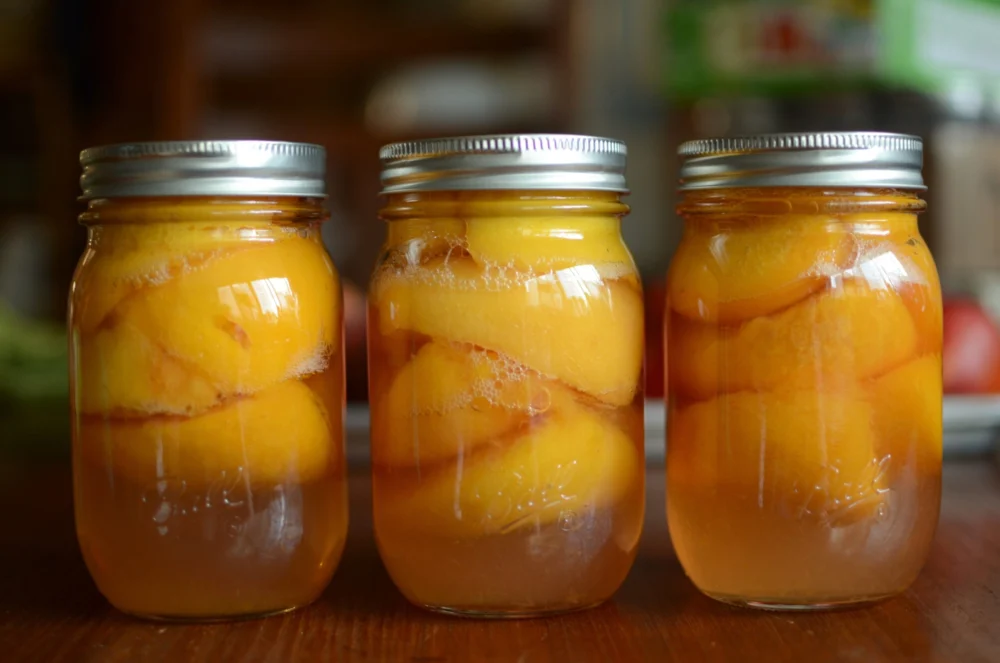
The annual resurgence of home canning, particularly during peak harvest seasons such as late summer for peaches and other stone fruits, frequently brings with it a common query from both novice and experienced preservers: why are my freshly sealed jars of fruit sticky on the exterior? This phenomenon, often a source of undue concern, is a largely normal and scientifically explicable aspect of the home food preservation process, known as siphoning. Far from indicating a safety compromise, external stickiness typically signifies the successful operation of pressure equalization mechanisms within the canning environment, provided the jar seals remain intact.
Understanding the Phenomenon of Siphoning
Siphoning, in the context of home canning, refers to the expulsion of a small amount of liquid from a jar during or immediately after the processing period. This occurrence is particularly prevalent when canning fruits in liquid mediums such as light syrup, fruit juice, or water. The primary driver behind this process is the presence of trapped air within the raw or lightly cooked fruit flesh. Fruits, being biological entities, naturally contain interstitial air pockets. During the thermal processing in a water bath or pressure canner, the contents of the jar – including the fruit and its surrounding liquid – heat up significantly. As the temperature rises, the air trapped within the fruit expands. This expansion creates internal pressure within the jar.
The design of standard canning lids, particularly the two-piece lid system comprising a flat metal disc and a screw band, facilitates the release of this expanding air. During processing, the screw band is tightened only to "fingertip tight," a crucial instruction that allows excess air to escape from under the lid. This vent is essential for preventing jar breakage due to excessive internal pressure and for creating a vacuum seal upon cooling. As this air exits the jar, it often pushes out a small quantity of the canning liquid, which then dries on the exterior of the jar, resulting in the characteristic stickiness. This process can sometimes continue even after the jars have been removed from the canner and are undergoing their initial cooling phase.

The Science Behind Sticky Jars
The physics underpinning siphoning involves principles of gas expansion, vapor pressure, and heat transfer. When jars are immersed in a boiling water bath or subjected to pressure canning, the air and liquid inside the jars heat up. Gases, including air, expand when heated. This expansion forces the air out from beneath the sealing compound of the lid. Simultaneously, water inside the jar turns into steam, further contributing to internal pressure. As the processing time concludes and the heat source is removed, the temperature inside the canner, and subsequently inside the jars, begins to drop. The sudden reduction in external pressure (e.g., removing the canner lid) or rapid cooling can cause the internal pressure within the jar to briefly exceed the external atmospheric pressure, leading to a momentary expulsion of liquid as the lid attempts to form a vacuum seal.
The composition of the canning liquid also plays a role. Syrups, with their sugar content, tend to leave a more noticeable sticky residue than plain water or unsweetened juice. The sugar molecules crystallize as the expelled liquid dries, creating a palpable tackiness. This residue, while cosmetically concerning to new canners, is a testament to the jar’s successful venting and subsequent sealing. Reports from home preservers often detail this common occurrence, especially during seasons abundant with high-sugar fruits like peaches and cherries, reinforcing its normalcy.
Ensuring Food Safety: When Stickiness is Normal
A crucial distinction must be made between harmless external stickiness and indicators of a compromised seal. If the jars are sticky on the outside but have formed a proper vacuum seal – evidenced by a concave lid that does not flex when pressed – the contents are generally considered safe for shelf storage. The integrity of the seal is the paramount factor in ensuring food safety, as it prevents the entry of spoilage microorganisms such as yeasts, molds, and harmful bacteria.

Upon complete cooling, which can take 12 to 24 hours, the screw bands should be removed. This practice is recommended by leading food preservation authorities, including the National Center for Home Food Preservation (NCHFP) and the U.S. Department of Agriculture (USDA), for several reasons. Firstly, it prevents rust from forming between the band and the lid, which could make the band difficult to remove later. Secondly, it allows for proper inspection of the seal. A truly sealed jar will maintain its vacuum even without the band. Lastly, removing bands prevents "false seals," where a band might hold a lid in place even if a true vacuum hasn’t formed, potentially masking spoilage that could lead to serious health risks.
Once the bands are removed and the seals confirmed, any sticky residue on the jar exterior should be gently washed off with warm, soapy water. This not only improves aesthetics but also prevents attracting pests or creating an unsanitary storage environment. After washing and air-drying, the sealed jars should be stored in a cool, dark, and dry place, away from direct sunlight or extreme temperature fluctuations, which can degrade food quality over time. Temperatures between 50-70°F (10-21°C) are generally considered ideal for optimal shelf stability.
Addressing Quality Concerns and Maximizing Shelf Life
While external stickiness with an intact seal does not compromise safety, significant liquid loss inside the jar can affect the long-term quality of the preserved fruit. Jars that have lost a substantial amount of liquid, leaving some fruit exposed above the remaining liquid, may experience a more rapid decline in quality. The liquid acts as a barrier, protecting the fruit from oxidation and maintaining its texture and color. Exposed fruit, particularly the top pieces, may undergo discoloration (browning) and textural changes (softening or drying) due to contact with residual air within the headspace.
Canning experts advise that jars with noticeable liquid loss, even if safely sealed, should be prioritized for consumption. They are still safe to eat, but their optimal quality retention period may be shorter compared to jars with a full complement of liquid. When opening such a jar, it is prudent to discard any fruit showing significant discoloration or an undesirable change in texture, as these are indicators of quality degradation. The remainder of the fruit, if still firm and vibrant, can be consumed safely. This practice minimizes waste while ensuring a pleasant culinary experience. This strategy is also economically sound, ensuring that the effort and resources invested in canning are maximized.

Best Practices for Mitigating Liquid Loss
Fortunately, several techniques can be employed to minimize the incidence of liquid loss and sticky jars, enhancing both the aesthetic appeal and the long-term quality of home-canned fruit.
1. The Hot Pack Advantage: A Detailed Look
One of the most effective strategies is to utilize the "hot pack" method rather than the "cold pack" method for fruits.
- Cold Packing: Involves placing raw, unprepared fruit directly into jars, then covering it with hot syrup, juice, or water. While simpler in initial preparation, this method often leaves more air trapped within the fruit’s cellular structure and between fruit pieces. This trapped air is then expelled more vigorously during processing, increasing the likelihood of siphoning and liquid loss.
- Hot Packing: Involves pre-heating the fruit in the canning liquid (syrup, juice, or water) for a specified period before packing it into jars. For example, peaches would be peeled, pitted, and then gently simmered in hot syrup for a few minutes. This brief pre-cooking serves several critical functions:
- Air Expulsion: The heat causes the air within the fruit tissues to expand and escape before the fruit is sealed in the jar. This pre-shrinking reduces the amount of air that needs to be expelled during the actual canning process.
- Improved Packing Density: Pre-softened fruit becomes more pliable, allowing for a denser pack in the jar. This minimizes empty spaces and can sometimes even allow more fruit to be packed into each jar, a satisfying outcome for preservers.
- Reduced Siphoning: With less air to expel during processing, the internal pressure fluctuations are less dramatic, significantly reducing the chances of liquid being pushed out.
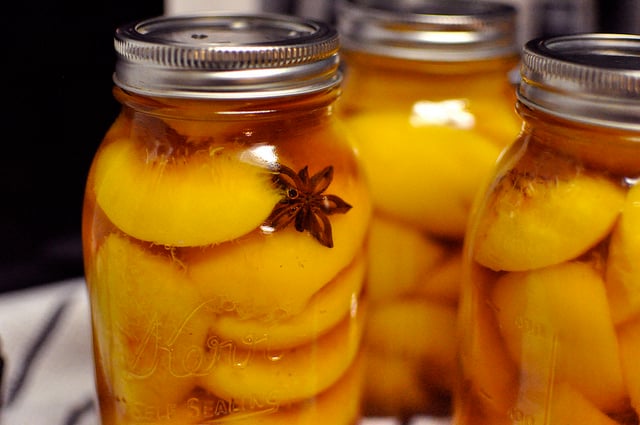
Recipes like "Gingery Pickled Peaches" often exemplify the hot pack method, where fruit is combined with a hot pickling liquid and simmered briefly before being packed. This technique is widely endorsed by food preservation experts for its ability to produce higher quality, more consistently filled jars with minimal liquid loss. The NCHFP guidelines frequently recommend hot packing for most fruits to ensure optimal quality and safety.
2. The Critical Cooling Phase: Preventing Rapid Temperature Changes
Another key factor influencing siphoning is the rate of temperature change experienced by the jars immediately after processing. Rapid temperature fluctuations can exacerbate the pressure differential between the inside and outside of the jar, prompting more liquid expulsion.
- Post-Processing Protocol: Once the recommended processing time is complete, do not immediately remove the jars from the canner. Instead, turn off the heat (or slide the canner off an electric burner to prevent residual heating) and carefully remove the canner lid. Allow the jars to rest undisturbed in the hot water for 5 to 10 minutes. This gradual cooling period allows the internal pressure within the jars to stabilize more slowly, reducing the intensity of air and liquid expulsion.
- Monitoring During Cooling: After the initial resting period, carefully remove one jar from the canner. If liquid is still visibly leaking from under the lid, return it to the canner and allow all jars to rest for an additional 5 minutes. Repeat this process until no further liquid expulsion is observed. This cautious approach helps to ensure that the vacuum seal forms under optimal conditions, minimizing liquid loss.
This controlled cooling strategy is particularly important for water bath canning, where the temperature differential can be quite stark upon removal. For pressure canning, the pressure must first return to zero, and the canner lid unlocked and removed, before the jars are gently lifted out, still adhering to a brief rest period before full removal to minimize thermal shock. This methodical approach is a hallmark of experienced preservers and a common recommendation from extension services.
The Broader Context of Home Food Preservation
Home canning is a time-honored tradition that plays a significant role in food security, self-sufficiency, and culinary enjoyment for millions globally. Understanding the nuances of the process, such as the common occurrence of sticky jars, is vital for fostering confidence and ensuring safe practices. Educational resources from government agencies and university extension programs, like the NCHFP, provide evidence-based guidelines that demystify complex processes and help home canners produce high-quality, safe preserves. The popularity of home canning has seen fluctuations over decades, often surging during economic downturns or periods of increased interest in local food movements and self-reliance. Its implications are broad, encompassing food safety, nutritional benefits, and community building through shared knowledge and harvests.
The implications of mastering these techniques extend beyond just preventing sticky jars. It contributes to reducing food waste by preserving seasonal gluts, supports local agriculture, and allows for greater control over ingredients and dietary needs. When a canner understands why their jars are sticky, they move from apprehension to empowerment, gaining a deeper appreciation for the science and art of food preservation. This understanding is key to sustaining the tradition and ensuring its continued safe practice.
Expert Guidance and Resources for Canners
Food safety authorities consistently emphasize adherence to tested recipes and methods. The NCHFP, a leading authority, provides comprehensive guides and recipes that incorporate best practices for both hot and cold packing, as well as detailed instructions for proper processing and cooling. These resources underscore the importance of correct headspace, appropriate processing times, and vigilant monitoring of jar seals.
For instance, guidelines often specify leaving a specific amount of headspace (e.g., ½ inch for fruits) to allow for expansion of food and liquid during processing and to facilitate a strong vacuum seal. Too little headspace can lead to excessive siphoning, while too much can result in a weak seal due to insufficient vacuum formation. The "fingertip tight" recommendation for screw bands is another critical detail, ensuring that air can escape but the lid remains properly seated, crucial for the formation of a durable seal. Experts consistently highlight that following these precise, scientifically validated instructions is the most reliable way to achieve safe and high-quality home-canned products.
In conclusion, encountering sticky jars after canning fruit is a widespread and generally harmless occurrence for home preservers. It is a natural outcome of air expulsion and pressure equalization within the canning environment. By understanding the underlying scientific principles and adopting recommended techniques such as hot packing and controlled cooling, canners can significantly reduce liquid loss, maintain optimal food quality, and continue to enjoy the rewarding tradition of preserving nature’s bounty safely and effectively. The ultimate reassurance lies in the integrity of the seal: if the lid is concave and secure, the contents are safe for consumption, ready to be savored long after the harvest season has passed.