
The pet care industry has undergone a significant transformation over the last decade, with a marked shift toward "humanization" in the treats and food provided to domestic animals. As pet owners increasingly scrutinize the ingredient labels of commercial products, many are turning to DIY solutions to ensure the health and safety of their companions. Among the most popular and nutritionally dense options emerging in the home-preservation community is the production of dehydrated chicken liver treats. This movement, championed by food preservation experts like Darcy Baldwin of The Purposeful Pantry, highlights a growing intersection between home economics, nutritional science, and animal welfare. By utilizing dehydration techniques, pet owners can transform a relatively inexpensive organ meat into a high-value training reward that rivals premium boutique brands in both quality and palatability.
The Economic and Nutritional Landscape of DIY Pet Treats
The financial motivation for producing homemade dog treats is substantial. According to data from the American Pet Products Association (APPA), pet owners in the United States spent over $147 billion on their pets in 2023, with a significant portion of that expenditure directed toward high-quality, single-ingredient treats. Commercial freeze-dried or dehydrated chicken liver often retails for $25 to $40 per pound, depending on the brand and sourcing. In contrast, raw chicken liver is widely available in grocery stores for a fraction of that cost, typically ranging from $1.50 to $4.00 per pound.
Nutritionally, chicken liver is often referred to as a "superfood" in the veterinary community. It is an exceptionally rich source of high-quality protein, essential fatty acids, and a suite of vitamins and minerals. Specifically, chicken liver provides:
- Vitamin A: Essential for vision, immune function, and skin health.
- Vitamin B12 and Riboflavin: Critical for energy metabolism and nervous system health.
- Iron and Copper: Necessary for the formation of red blood cells and oxygen transport.
- Folate: Vital for DNA synthesis and cell division.
However, experts caution that while liver is nutrient-dense, it should be fed in moderation. Organ meats should generally comprise no more than 10% of a dog’s total diet to prevent issues such as Vitamin A toxicity (hypervitaminosis A), which can lead to joint pain and bone spurs.
Technical Specifications of the Dehydration Process
The process of dehydrating chicken liver involves the controlled removal of moisture to inhibit the growth of bacteria, yeast, and mold. This preservation method effectively concentrates the flavor and nutrients while extending the shelf life of the meat without the need for artificial preservatives.
Raw Material Preparation
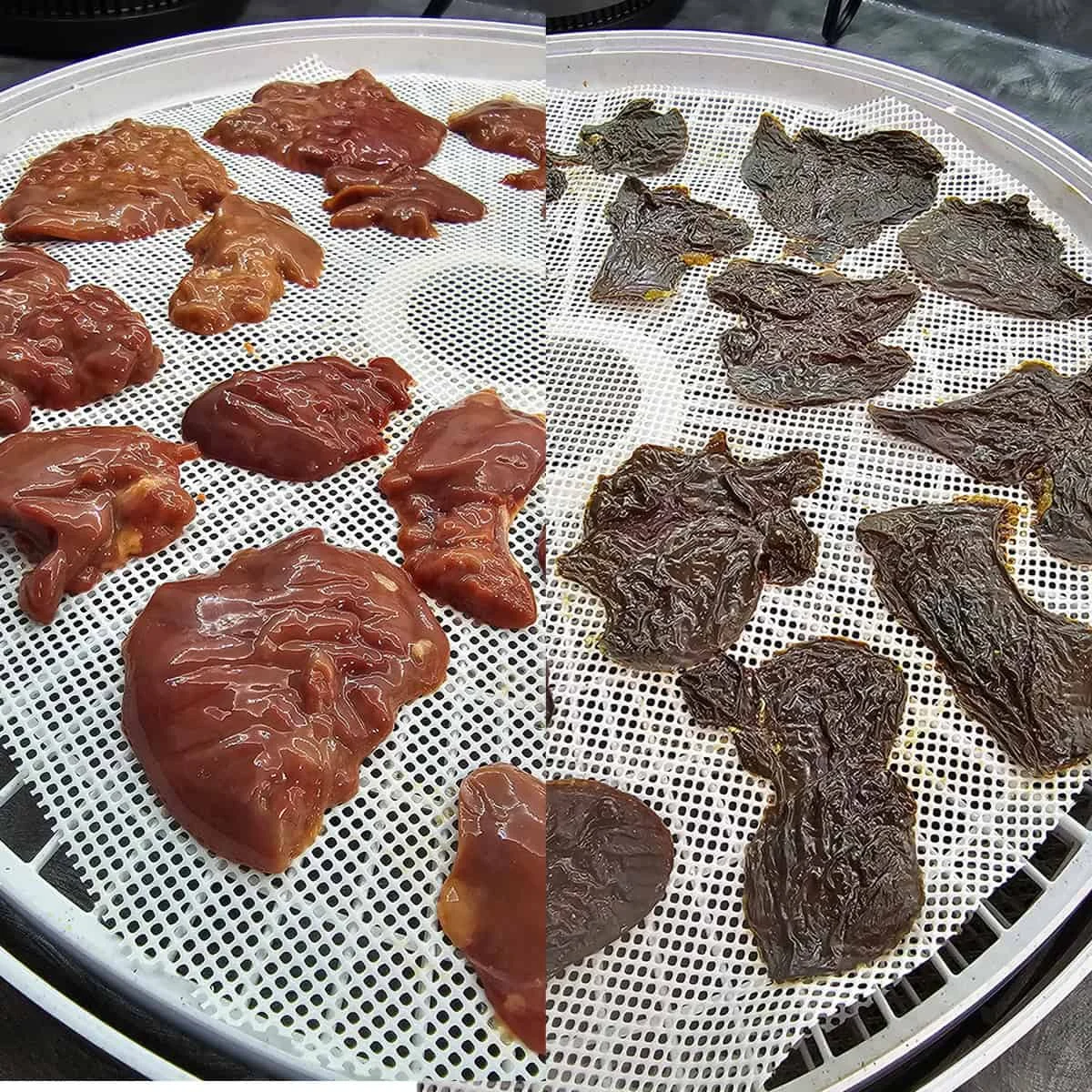
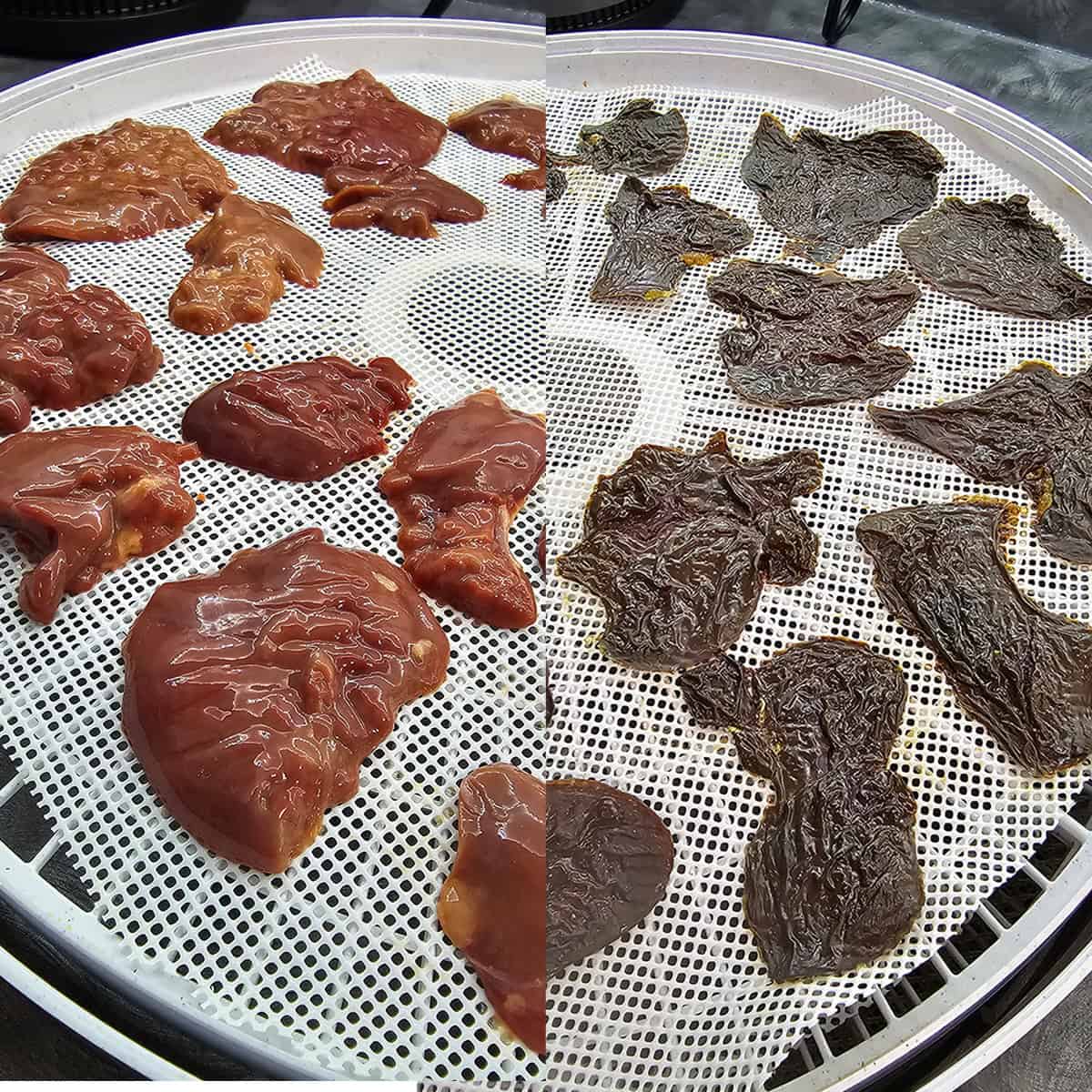
The quality of the final product is directly tied to the preparation phase. Professional guidelines suggest that chicken livers are easiest to handle when they are semi-frozen. Slicing the liver into consistent thicknesses—ideally between 1/4 and 1/2 inch—ensures even drying. Because liver is a dense organ meat with a high moisture content, inconsistent slicing can lead to "case hardening," where the exterior dries too quickly, trapping moisture inside and increasing the risk of spoilage.
To mitigate mess and odors, practitioners often use parchment paper or silicone mats (such as fruit leather sheets) on dehydrator trays. This prevents the liver from sticking to the mesh and simplifies the cleaning process, which is a common deterrent for those new to home dehydration.
Dehydrator Methodology
The primary method for creating these treats utilizes a dedicated food dehydrator. To ensure the safety of the meat, the USDA recommends that poultry jerky be processed at a temperature high enough to kill pathogens like Salmonella and Listeria.
- Temperature Setting: The dehydrator should be set to 160°F (71°C). This is the standard safety threshold for meat products.
- Duration: The drying time typically ranges from 6 to 10 hours. The exact duration depends on the ambient humidity of the room and the thickness of the slices.
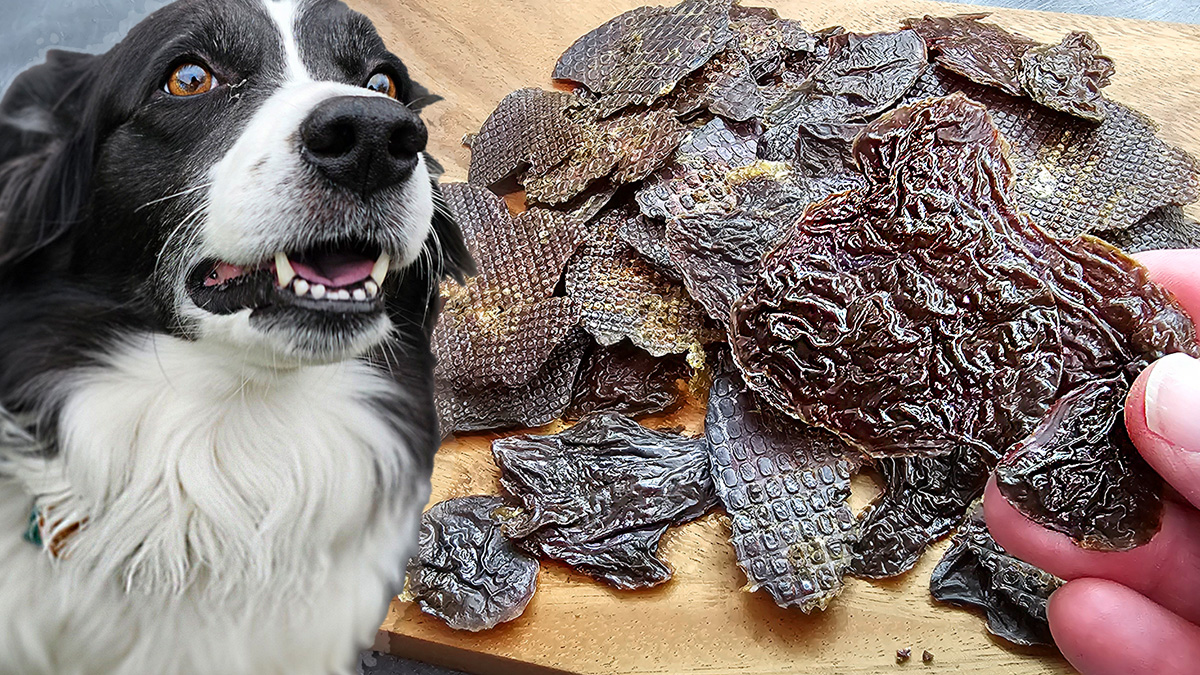
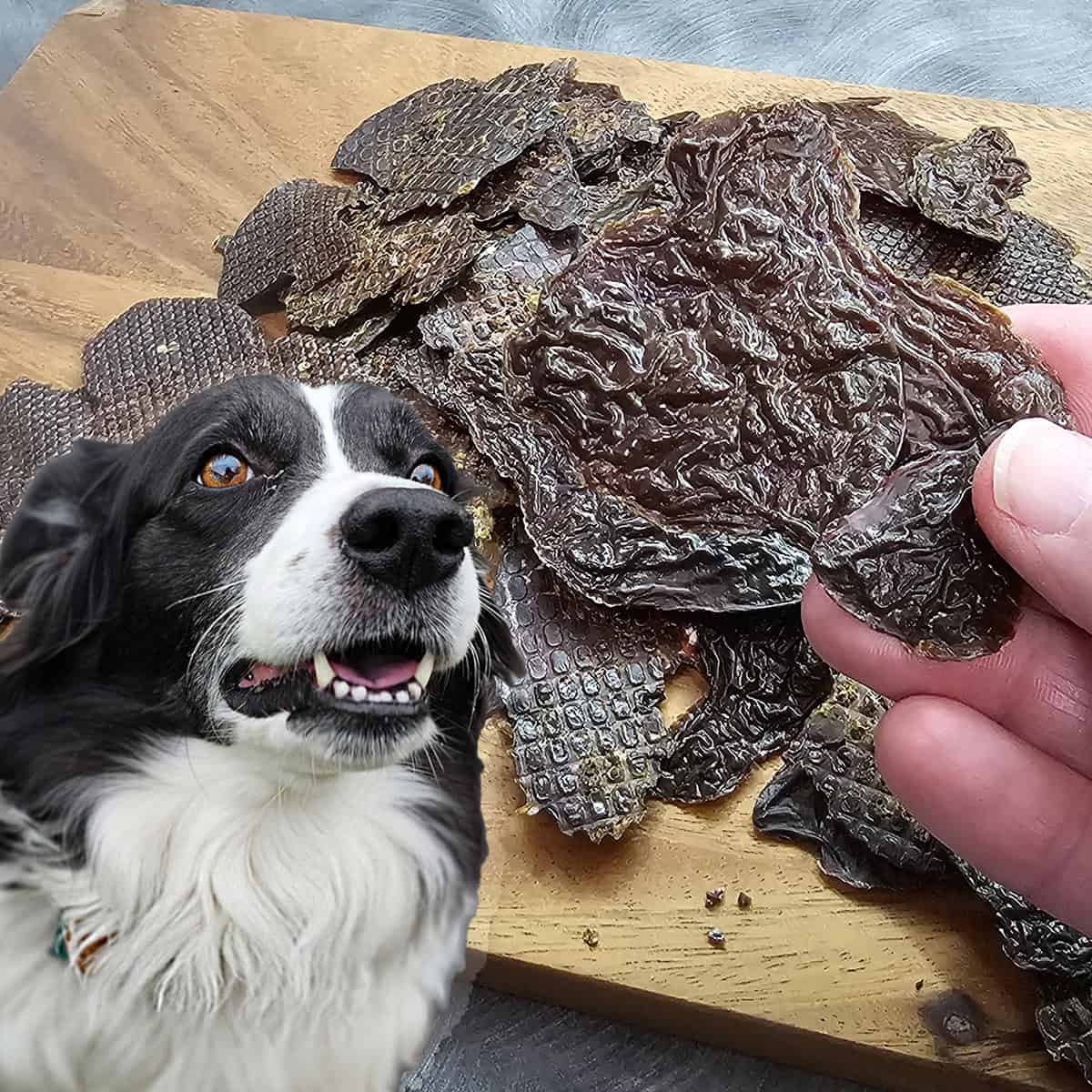
- Doneness Indicators: The treats are finished when they are firm, dark, and "snap" when bent. If the liver remains flexible or feels "spongy," it likely retains too much moisture for room-temperature storage.
Oven-Based Alternative
For pet owners who do not own a dehydrator, a conventional oven can serve as a functional substitute, though it requires closer monitoring.
- Temperature: The oven should be set to its lowest possible setting, usually around 170°F. If the oven does not go this low, the door may need to be propped open slightly with a heat-resistant utensil to allow moisture to escape and to keep the temperature from rising too high.
- Airflow: Placing the liver on a wire rack over a baking sheet is essential to allow air to circulate around all sides of the meat.
- Timeframe: In an oven environment, the process is often faster due to the higher heat, typically taking between 3 and 5 hours.
Safety Protocols and Storage Solutions
A critical aspect of DIY pet treats is the management of food safety post-production. Because these treats lack the chemical stabilizers found in commercial products (such as potassium sorbate or BHA/BHT), storage conditions are paramount.
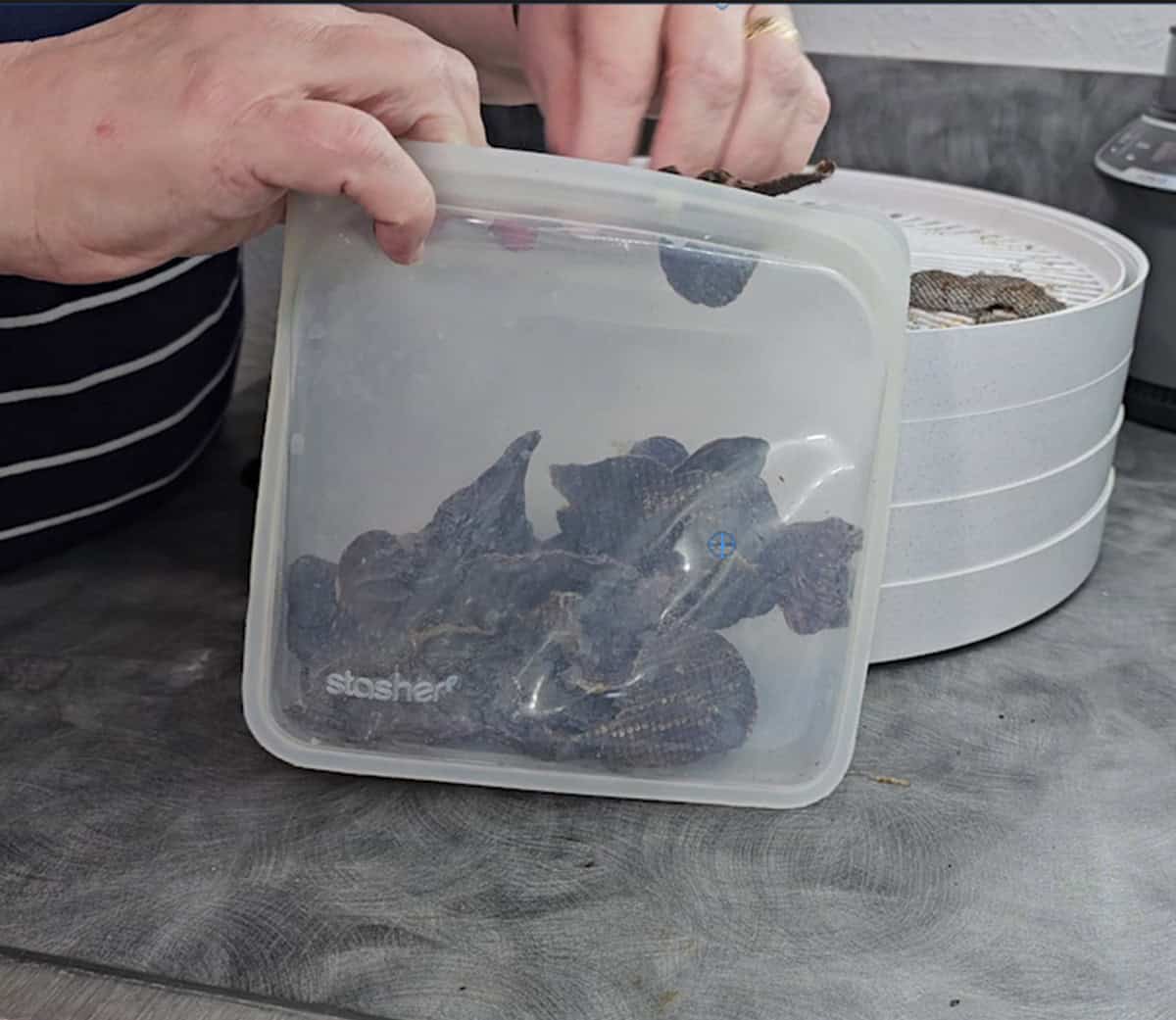
- Cooling Phase: Treats must be allowed to cool completely at room temperature before being placed in containers. Storing warm treats creates condensation, which rapidly leads to mold growth.
- Short-Term Storage: In an airtight container or reusable silicone bag, the treats remain shelf-stable for approximately 1 to 2 weeks, provided they were dehydrated to a sufficiently low moisture content.
- Long-Term Preservation: For extended use, the treats should be stored in the refrigerator (up to 4 weeks) or the freezer (up to 6 months). Vacuum sealing is the gold standard for long-term storage, as it removes oxygen, the primary catalyst for fat oxidation and rancidity.
Market Trends: The Rise of the "Clean Label" for Pets
The popularity of recipes like those shared by The Purposeful Pantry reflects a broader consumer trend: the demand for transparency. In recent years, several high-profile recalls of imported pet treats due to contaminants have left consumers wary of global supply chains. By sourcing chicken liver from local grocery stores or organic farms and processing it at home, pet owners regain total control over the supply chain.
Furthermore, the "clean label" movement—initially a human food trend—has migrated to the pet sector. Owners of dogs with allergies or sensitive stomachs find DIY treats particularly beneficial, as they eliminate common fillers like corn, soy, wheat, and artificial colorings that are often implicated in canine skin and digestive issues.
Broader Implications and Expert Perspectives
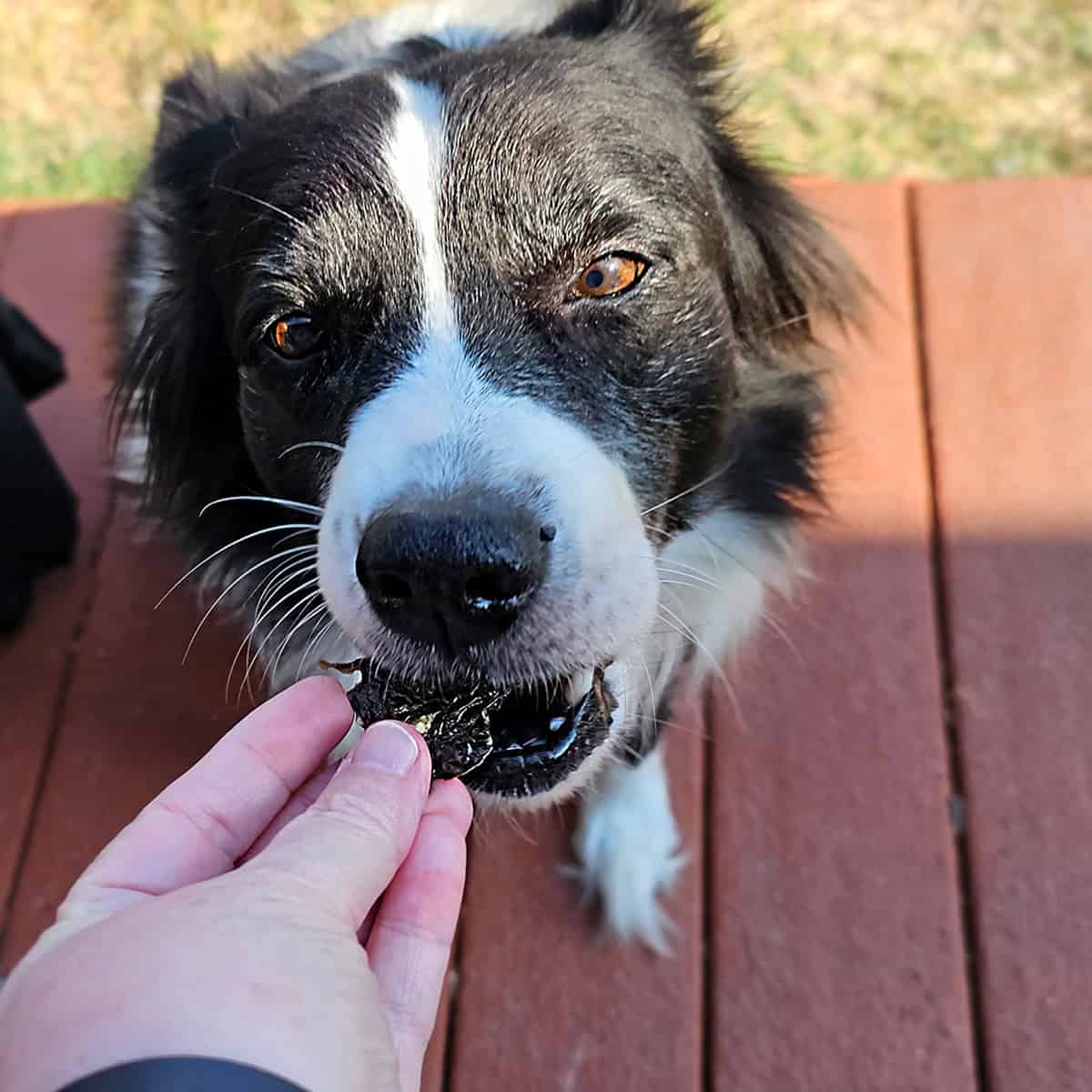
Veterinary nutritionists generally support the use of homemade dehydrated treats, provided they are viewed as supplements rather than meal replacements. The high palatability of chicken liver makes it an ideal "high-value" reward for positive reinforcement training, particularly for difficult tasks or in high-distraction environments.
From a sustainability perspective, the home production of dog treats also reduces the environmental footprint associated with pet ownership. By purchasing raw liver—a byproduct of the human poultry industry that is sometimes underutilized—and using reusable storage containers, owners can significantly reduce the plastic waste generated by multi-layered commercial treat packaging.
The DIY approach also fosters a deeper bond between the owner and the pet. As Darcy Baldwin notes, the satisfaction of providing a healthy, handmade reward to a pet like her dog, Shelby, is a primary driver for many in the dehydrating community. This emotional component, combined with the undeniable cost savings and health benefits, suggests that the trend of home-processed pet treats is not merely a passing fad but a permanent shift in how humans care for their animals.
Conclusion: A Shift Toward Self-Sufficiency
The transition from purchasing mass-produced pet snacks to manufacturing them at home represents a significant step toward household self-sufficiency. As inflation continues to impact grocery budgets, the ability to produce premium-grade jerky treats for a fraction of the retail price offers a practical solution for budget-conscious families. When combined with the nutritional advantages and the elimination of industrial additives, DIY dehydrated chicken liver treats emerge as a superior choice for the modern pet owner. Through simple technology and adherence to safety standards, the "purposeful pantry" extends its benefits beyond human consumption, ensuring that the health and longevity of the family dog are prioritized through high-quality, transparent nutrition.


