
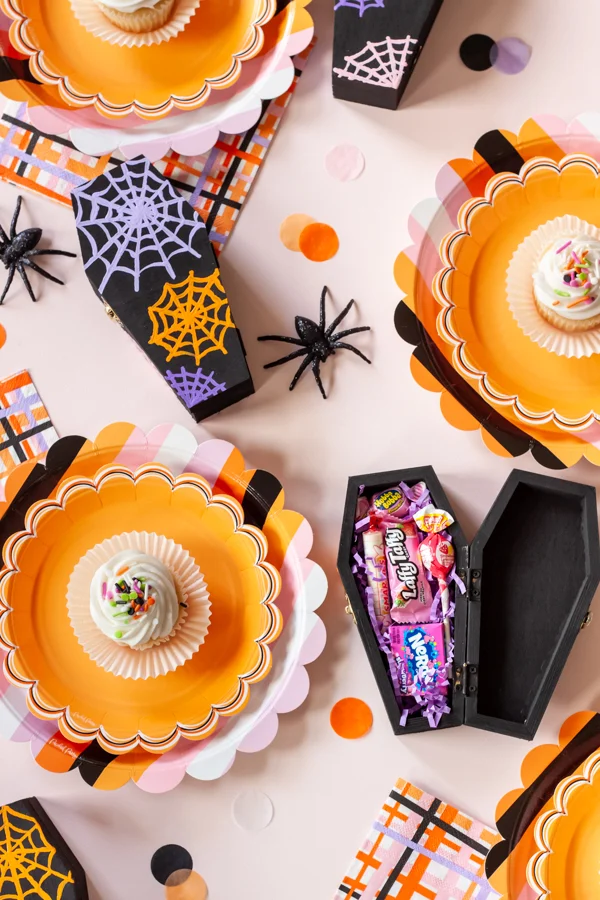
The intersection of seasonal tradition and retail innovation has reached a new pinnacle as the autumn season drives a surge in consumer interest for personalized, DIY home decorations. As households across the country transition into the fall period—characterized by the cultural ubiquity of pumpkin-themed products, communal outdoor activities, and "spooky" aesthetic motifs—the retail sector is responding with integrated content strategies. A prominent example of this trend is the emergence of customizable "Candy Coffins," a project that highlights the growing consumer preference for multi-functional decor that serves as both a festive ornament and a functional party favor. This specific initiative, supported by major retail entities such as Walmart, underscores a broader shift in the $12.2 billion Halloween market toward experiential and interactive retail models.
The Evolution of the Halloween DIY Market
The contemporary landscape of seasonal celebration has moved beyond the simple acquisition of pre-fabricated costumes and decorations. According to data from the National Retail Federation (NRF), spending on Halloween has seen a consistent upward trajectory, with decorations alone accounting for nearly $4 billion in annual consumer expenditure. Within this financial ecosystem, the "Do-It-Yourself" (DIY) segment has carved out a significant niche. Consumers are increasingly seeking ways to personalize their celebrations, driven by the desire for unique social media content and the psychological benefits associated with family-oriented crafting activities.
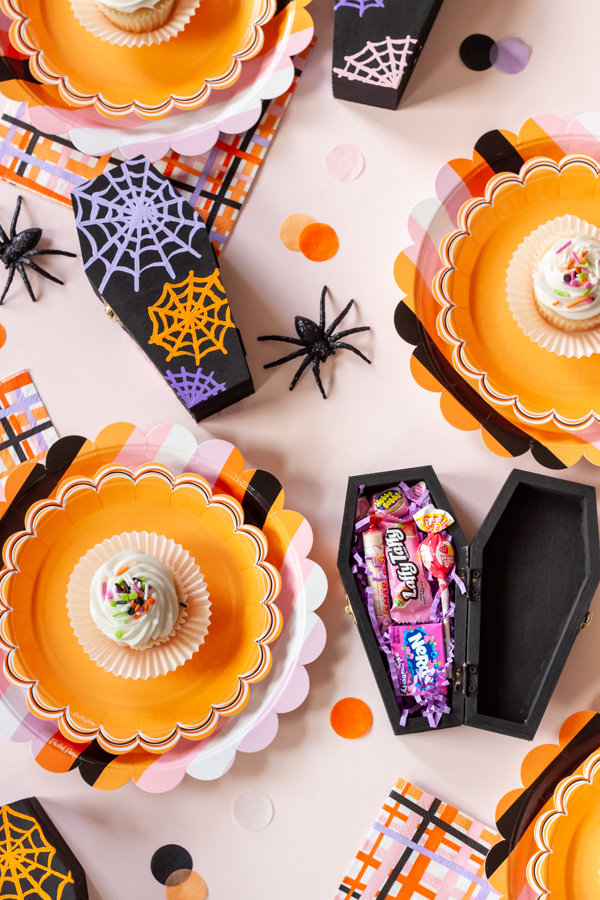
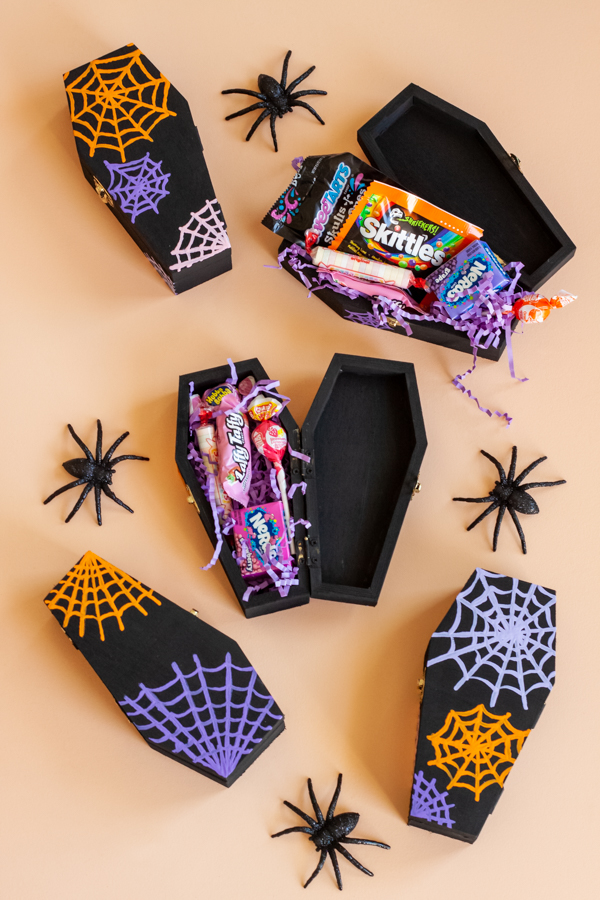
The "Candy Coffin" project represents a strategic response to this demand. By utilizing 6-inch unfinished wood coffin boxes, consumers are invited to engage in a creative process that transforms a raw material into a bespoke item. This process is not merely about aesthetics; it serves a dual purpose in event planning. These items are designed to function as place cards for formal gatherings and as take-home favors filled with confectionery, thereby increasing the utility and perceived value of the initial purchase.
Technical Methodology of Seasonal Crafting
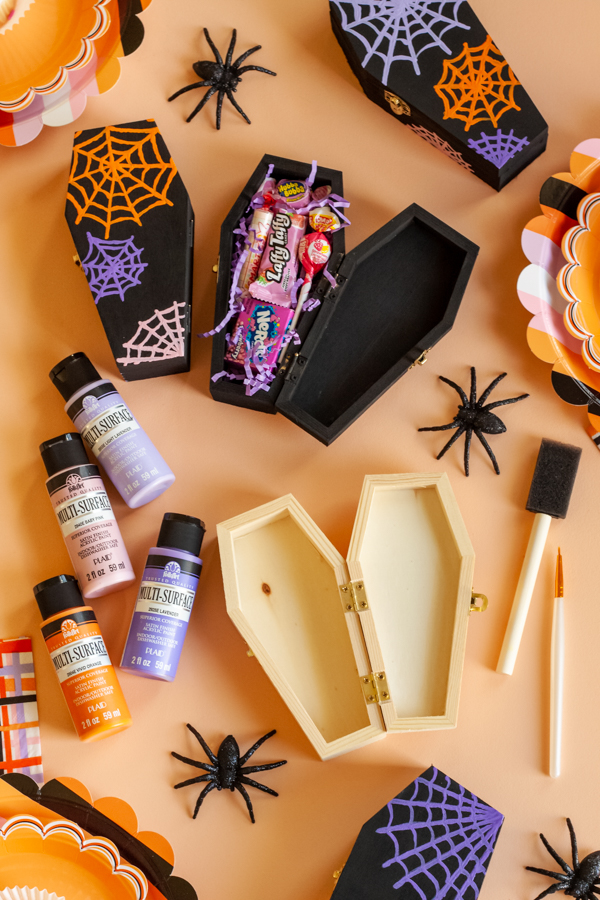
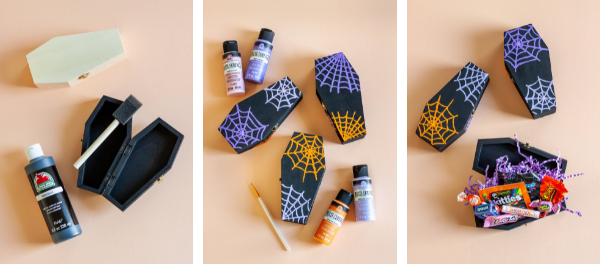
The production of high-quality seasonal favors requires a systematic approach to material selection and application. The project outlined by retail partners emphasizes the use of specific acrylic-based mediums to ensure durability and visual impact. The methodology follows a structured three-step progression designed to be accessible to various skill levels while maintaining a professional finish.
Step 1: Substrate Preparation and Priming
The initial phase involves the application of a base coat to the unfinished wood. Using foam sponge brushes, a layer of black acrylic craft paint is applied to the 6-inch coffin boxes. This step is critical as it provides a high-contrast background for subsequent detailing. Professional crafters note that the choice of black paint serves to ground the object in the traditional gothic aesthetic of the holiday while hiding imperfections in the natural wood grain.
Step 2: Precision Detailing and Geometric Application
Once the base layer has achieved full desiccation, the focus shifts to the application of the "creepy cobweb" design. This requires the use of a fine-tipped, skinny paintbrush and a contrasting paint color, typically from a bright acrylic set. The geometry of the web is established by painting "spokes" that radiate from a centralized point on the lid toward the edges. This is followed by the application of "scalloped" lines that connect the spokes in concentric circles. The technical challenge in this phase lies in the consistency of the scallops, which must be layered to create the illusion of a complex, organic spider web.
Step 3: Integration of Functional Elements
The final stage involves the transition from a craft project to a functional party asset. Personalization is achieved through the use of alphabet stickers or hand-lettering on the interior of the lid, effectively turning the object into a place card. The interior volume of the coffin is then utilized to house various seasonal items, including Kinder eggs, candy corn, Dum Dums lollipops, and decorative spiders. This integration of the "shop-the-post" model allows retailers to cross-promote multiple product categories—craft supplies, candy, and party accessories—within a single consumer project.
Retail Strategy and the "Shoppable Content" Model
The promotion of the Candy Coffin project is a quintessential example of modern "shoppable content." By partnering with content creators and providing direct links to specific SKUs (Stock Keeping Units) on the Walmart e-commerce platform, the retailer reduces the friction between inspiration and purchase. This strategy is particularly effective during the Halloween season, where impulse buys and "basket building" are common consumer behaviors.
Market analysts observe that by providing a "recipe" for a holiday project, retailers like Walmart are moving from a passive supply-chain role to an active participant in the consumer’s lifestyle. The inclusion of specific brands, such as acrylic paint sets and branded confectionery, ensures that the retailer captures the entirety of the project’s budget. Furthermore, by framing these activities as "family-friendly," retailers tap into the lucrative demographic of parents seeking educational and bonding activities for their children during the school-year transitions.
Economic and Social Implications
The broader implications of these DIY trends are multifaceted. From an economic perspective, the shift toward "craft-based" decorating helps insulate retailers against the volatility of the fashion-driven costume market. While a specific costume may fall out of favor within a year, the demand for basic craft supplies—paint, brushes, wood shapes, and glue—remains constant.
Socially, the rise of personalized decor reflects a move away from the "disposable culture" often associated with holidays. While the materials are affordable, the time and labor invested in creating a hand-painted coffin favor suggest a higher level of social currency and thoughtfulness in hosting. This "bespoke" approach to Halloween allows hosts to differentiate their events in an increasingly crowded social landscape.
Inferred Industry Reactions and Consumer Feedback
While official statements from Walmart corporate regarding this specific project were not released, industry experts point to the success of such initiatives as evidence of the "Pinterest-to-Purchase" pipeline. Digital marketing analysts suggest that when retailers provide high-quality visual guides, the "return on engagement" (ROE) is significantly higher than traditional circular advertisements.
Inferred consumer reactions suggest a high level of satisfaction with projects that offer "double duty" functionality. The ability to use one item as both a table setting and a gift satisfies the modern consumer’s desire for efficiency and minimalism, even within the maximalist context of Halloween decorating. Furthermore, the inclusion of children in the crafting process aligns with current pedagogical trends that emphasize fine motor skill development and creative expression outside of digital environments.
Future Outlook for Seasonal DIY Retail
As the retail sector prepares for the upcoming holiday cycles, the "Candy Coffin" model is likely to be replicated across other seasonal themes. We can expect to see similar initiatives for Thanksgiving, involving customizable cornucopias or harvest-themed place settings, and for the winter holidays, focusing on personalized ornaments or advent calendars.
The success of the partnership between content creators and large-scale retailers like Walmart indicates that the future of seasonal retail lies in the "instructional economy." Consumers are no longer just looking for what to buy; they are looking for what to do. Retailers that can successfully provide both the inspiration and the inventory will continue to dominate the seasonal market.
In conclusion, the DIY Candy Coffin project is more than a simple Halloween craft. It is a sophisticated intersection of consumer psychology, retail marketing strategy, and seasonal tradition. By transforming basic materials into personalized artifacts, consumers are reclaiming the holiday experience, while retailers are securing their place at the center of the domestic celebratory landscape. As the "spooky season" continues to evolve, the emphasis on personalization, multi-functionality, and integrated shopping experiences will remain the cornerstone of the festive economy.


