
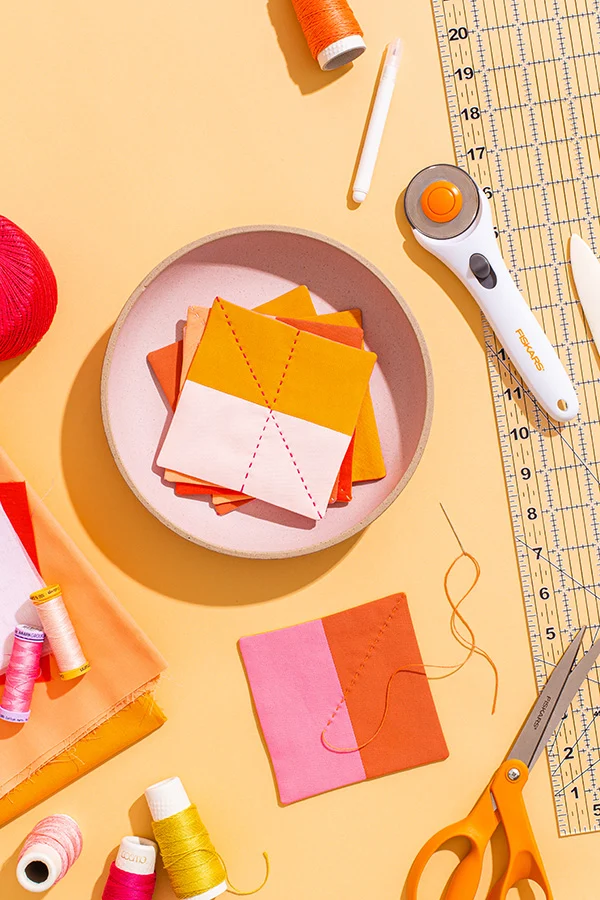
As the autumn equinox approaches, bringing with it shorter daylight hours and a distinct shift toward cooler evening temperatures, homeowners and interior design enthusiasts are increasingly looking toward "cozy" aesthetics to transform their living spaces. In a strategic collaboration aimed at bridging the gap between professional-grade tools and accessible home crafting, Fiskars has unveiled a new project guide for modern patchwork coasters. This initiative highlights the growing trend of "slow living" and the resurgence of traditional textile arts, such as quilting and Sashiko stitching, within the contemporary DIY landscape. The project serves as both a functional home accessory and a meditative creative outlet, designed specifically to be completed during the transitional fall season.
The Evolution of the DIY Crafting Market
The collaboration between Fiskars, a global leader in home and garden tools founded in 1649, and the modern crafting community reflects a broader economic and cultural shift. According to market research, the global handicrafts market reached a valuation of approximately $752.2 billion in 2022 and is projected to continue its upward trajectory. This growth is driven by a consumer desire for personalized, sustainable home goods that contrast with mass-produced items.
The modern patchwork coaster project sits at the intersection of several design movements, including "Cottagecore" and "Grandmillennial" aesthetics, which prioritize handmade textures and nostalgic patterns. By utilizing high-precision tools like rotary cutters and self-healing mats, the project elevates the standard of home-sewing results, allowing beginners to achieve the clean lines typically associated with professional upholstery and textile design.

Technical Specifications and Material Requirements
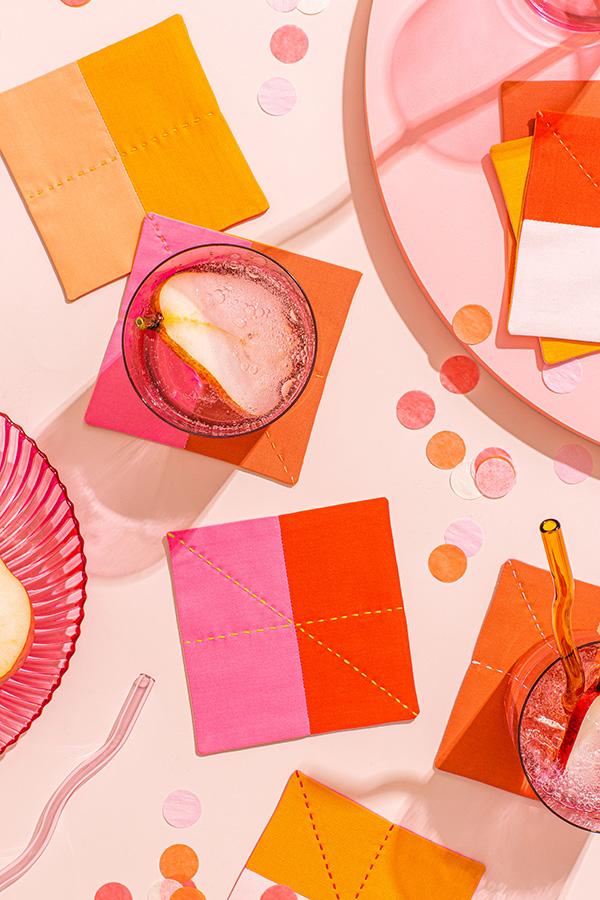
To achieve the desired "modern patchwork" look, the project requires a specific set of materials that balance durability with aesthetic appeal. The choice of quilting cotton is central to the project’s success. The curated palette for this season includes warm, earthy tones: orange, terracotta, light pink, apricot, and deep pink. This selection reflects current interior design trends that favor "warm neutrals" and sunset hues to create an inviting atmosphere.
The technical toolkit provided by Fiskars includes:
- Fiskars 45mm Stick Rotary Cutter: Essential for achieving perfectly straight edges without the fraying often caused by traditional shears.
- Fiskars 18" x 24" Cutting Mat: A self-healing surface that protects work areas while providing a grid for precise measurements.
- Fiskars 6" x 24" Acrylic Ruler: A transparent guide that allows for exact 5-inch square increments.
- Fiskars Orange Handle Scissors: The industry standard for trimming threads and navigating tight corners.
- Structural Components: Lightweight interfacing (such as cotton organdy) is utilized to provide the coasters with necessary heat resistance and structural integrity, ensuring they protect furniture surfaces from condensation and high temperatures.
Chronology of Production: A Step-by-Step Methodology
The construction of these coasters follows a logical progression from raw material preparation to final hand-finished details. This methodology ensures that even those new to machine sewing can produce high-quality results.
Phase I: Precision Cutting and Preparation
The process begins with the preparation of the fabric. Using the acrylic ruler and 45mm rotary cutter, the maker must cut 5-inch squares from the various shades of quilting cotton and the interfacing. For a single coaster, the ratio is strictly defined: three squares of quilting cotton in contrasting or complementary colors and one square of interfacing. This stage is critical; any deviation in measurement at this point will result in an asymmetrical final product.
Phase II: Structural Assembly
The second phase involves the primary machine sewing. Two of the cotton squares are stacked right-sides together and joined with a straight line down the center. Professional quilters recommend using a fabric pen and a clear ruler to mark this line to ensure absolute verticality. Once the seam is sewn, it is imperative to "press the seam open" using an iron. This technique reduces bulk and allows the coaster to sit flat on a table surface.
Phase III: Layering and Perimeter Stitching
The third phase adds the final fabric layer and the interfacing. The previously joined piece is topped with the third square of cotton and the square of interfacing. The layers are secured with pins to prevent shifting during the sewing process. A 1/8-inch seam allowance is maintained while stitching around the perimeter. A 1.5-inch gap is intentionally left unsewn on one side to facilitate the "turning" of the fabric.
Phase IV: Finishing and Hand-Quilting
The final phase transitions from machine precision to hand-crafted detail. After trimming the corners to reduce internal bulk, the coaster is flipped right-side out. Tools such as a point turner or a bamboo skewer are employed to sharpen the corners. The final aesthetic touch involves the use of Sashiko thread—a heavy-duty Japanese cotton thread traditionally used for reinforcement and embroidery. A running stitch is applied down the center, providing a tactile, quilted texture that defines the modern patchwork style. The final gap is closed using invisible hand stitches or specialized fabric glue for a seamless finish.
Material Science: Why Sashiko and Organdy?
The inclusion of Sashiko thread and cotton organdy in this project is not merely aesthetic; it is a nod to material science in textile design. Sashiko thread is unique because it is non-mercerized, giving it a matte finish and a slightly fuzzy texture that "grips" the fabric better than standard polyester sewing thread. This ensures that the decorative quilting remains intact even after repeated use and washing.
Similarly, the choice of cotton organdy as interfacing is a professional-grade decision. Unlike synthetic "fusible" interfacings that can sometimes bubble or peel when exposed to the heat of a coffee mug, organdy is a crisp, plain-weave cotton that provides permanent stiffness without adding excessive weight. It is naturally heat-resistant, making it the ideal internal layer for a beverage coaster.
Industry Implications and Brand Strategy
For Fiskars, this project represents a successful implementation of content marketing that empowers the consumer. By providing a clear, achievable project, the brand reinforces the utility of its specialized tools. The partnership highlights a shift in how legacy brands communicate with younger demographics—moving away from traditional advertising and toward "instructional inspiration."
Industry analysts suggest that such collaborations are vital for the longevity of the hardware and craft sectors. As more consumers prioritize home-based hobbies for mental health and digital detoxing, the demand for "expert-led" DIY content has skyrocketed. This project effectively positions Fiskars tools as the bridge between an idea and a professional-grade reality.
Broader Impact on Home Wellness and Sustainability
Beyond the technical and economic aspects, the modern patchwork coaster project taps into the concept of "home wellness." Interior designers often argue that the small details—such as the texture of a coaster or the color of a throw pillow—significantly impact the psychological comfort of a living space. The use of warm tones (terracotta and apricot) is scientifically linked to feelings of security and warmth, which are particularly sought after during the autumn and winter months.

Furthermore, the patchwork nature of the project encourages sustainability. In an era of "zero-waste" consciousness, patchwork allows crafters to utilize fabric remnants from larger projects, reducing textile waste. This aligns with the growing consumer preference for "slow fashion" and "slow decor," where the value of an object is measured by the time and care invested in its creation.
Conclusion: The Intersection of Tradition and Modernity
The DIY modern patchwork coaster project is more than a simple craft; it is a reflection of current cultural values. It combines the precision of modern industrial tools with the soul of traditional hand-stitching. As participants across the country pick up their rotary cutters and Sashiko needles this fall, they are participating in a global movement that prizes craftsmanship, intentionality, and the simple joy of a handmade home.
By following the structured methodology outlined by Fiskars, even a novice can produce an item that rivals high-end boutique decor. As the season turns and the nights grow colder, these coasters stand as a testament to the enduring appeal of the handmade, proving that in a high-tech world, there is still a profound place for the needle, the thread, and the human touch.


