
Cheese consumption exhibits significant global variation, with data indicating diverse preferences and dietary habits across continents. Australians, for instance, consume approximately 13.6 kg of cheese per person annually, while Americans devour an average of 16.73 kg. Leading the pack, the Danish stand out with an impressive 28.1 kg of cheese per capita each year, underscoring a deep-seated cultural affinity for this dairy product. This global snapshot not only highlights varying consumption rates but also sets the stage for a broader exploration into cheese’s unparalleled versatility in the culinary landscape, moving beyond mere indulgence to a cornerstone of meal enhancement.
Global Trends in Cheese Consumption and Production
The global cheese market is a robust and continuously expanding sector, driven by increasing disposable incomes, evolving dietary preferences, and the widespread appeal of cheese in various cuisines. Beyond the figures for Australia, the United States, and Denmark, other nations demonstrate significant engagement with cheese. France, often synonymous with cheese, consistently ranks among the top consumers, with annual per capita consumption frequently exceeding 26 kg, reflecting its rich cheese-making heritage and integration into daily meals. Germany and the Netherlands also show high consumption rates, often above 20 kg per person, attributed to their strong dairy industries and traditional cheese-centric diets. Conversely, consumption in many Asian and African countries, while growing, remains comparatively lower due to different dietary traditions and lactose intolerance prevalence.
The production of cheese has a history spanning thousands of years, evolving from a simple method of preserving milk into a sophisticated art form with thousands of distinct varieties. Originating in the Middle East and later flourishing in Europe, cheese-making techniques spread globally, adapting to local climates, milk sources, and cultural tastes. Today, the global cheese market size was valued at approximately USD 160 billion in 2022 and is projected to reach over USD 220 billion by 2030, driven by innovation in product development, the rise of specialty cheeses, and the convenience food sector. This growth underscores cheese’s status not just as a food item but as a significant economic commodity and a cultural staple.
The Nutritional Profile: Balancing Indulgence with Health Considerations
While often associated with indulgence, cheese offers a compelling nutritional profile that warrants consideration. It is an excellent source of protein, crucial for muscle repair and growth, and a significant contributor of calcium, vital for bone health. Many varieties also provide essential vitamins, including B12, and minerals like zinc and phosphorus. For example, a 100-gram serving of cheddar cheese can provide roughly 25 grams of protein and over 700 mg of calcium, meeting a substantial portion of daily recommended intakes.

However, a journalistic perspective necessitates a balanced view. Cheese, particularly many popular hard and semi-hard varieties, can be high in saturated fat and sodium. Excessive consumption of saturated fat is linked to increased LDL ("bad") cholesterol levels, which can contribute to cardiovascular disease. Similarly, high sodium intake is a known risk factor for hypertension. Nutritionists and public health organizations generally advise moderation within a balanced diet. Dr. Eleanor Vance, a leading dietitian, notes, "Cheese can certainly be part of a healthy diet, offering vital nutrients. The key lies in portion control and choosing varieties wisely. Opting for lower-sodium options or incorporating fresh cheeses like ricotta or cottage cheese can be beneficial." This perspective suggests that while cheese is a fantastic culinary ingredient, mindful consumption is advisable for overall health.
A Culinary Canvas: Exploring Diverse Cheese Varieties
The diverse world of cheese provides an expansive palette for culinary creativity. The original article highlights several key varieties, each bringing unique textures and flavors to a dish:
- Cheddar: Originating in England, cheddar is a hard, often sharp cheese, ranging in color from white to orange. Its robust flavor and excellent melting properties make it a staple in countless recipes.
- Red Leicester: Another English cheese, distinct for its reddish-orange hue, red Leicester has a milder, nuttier flavor than cheddar and a crumbly texture.
- Parmesan (Parmigiano-Reggiano): A hard, granular Italian cheese, Parmigiano-Reggiano is aged for extended periods, developing a complex, salty, umami-rich flavor profile. It is a fundamental ingredient in Italian cuisine.
- Gorgonzola: One of Italy’s oldest and most famous blue cheeses, gorgonzola offers a piquant, creamy, and sometimes crumbly texture with distinctive blue-green marbling.
- Ricotta: A fresh, soft Italian cheese made from the whey left over from other cheese production, ricotta has a delicate, slightly sweet flavor and a creamy texture, making it versatile for both sweet and savory applications.
- Mozzarella: A soft, elastic, and typically white Italian cheese, mozzarella is renowned for its excellent melting characteristics and mild, milky flavor, making it indispensable for pizza and pasta dishes.
- Paneer: A fresh, non-melting cheese common in Indian cuisine, paneer is made by curdling milk with a fruit- or vegetable-derived acid. It has a mild flavor and a firm, crumbly texture, absorbing flavors well.
These cheeses represent a fraction of the global selection but offer a strong foundation for culinary experimentation, demonstrating how different types can transform a dish.
Reimagining Classic Dishes with a Cheesy Twist
The integration of cheese into traditional meals offers a simple yet profound way to elevate flavor and texture. This approach transcends mere ingredient addition, often redefining the character of a dish.
The Enduring Charm of the Sunday Roast: A British Tradition Enhanced

The Sunday roast, a culinary institution deeply rooted in British culture, has been a weekly staple for centuries. Its origins can be traced back to medieval times when serfs served their lord six days a week and were given a reward of meat on Sunday. The tradition evolved through the Industrial Revolution, becoming a family ritual. Today, it typically features roasted meat (beef, chicken, lamb, or pork), roasted potatoes, vegetables, Yorkshire puddings, and gravy. Its popularity has spread globally, with countries like Argentina, Norway, and Australia adopting their own interpretations.
Incorporating cheese into this beloved meal is a natural progression. The most iconic cheesy accompaniment is Cauliflower Cheese, a dish that gained widespread popularity in the mid-20th century. Traditionally, it involves florets of boiled cauliflower baked in a rich béchamel sauce infused with mature cheddar cheese. To enhance this classic, a blend of cheeses can be employed. Substituting a portion of mature cheddar with red Leicester adds a vibrant color and a slightly nuttier flavor, while a topping of parmesan-infused breadcrumbs introduces a delightful crunch and an extra layer of umami. Culinary historian Dr. Anna Davies comments, "Cauliflower cheese is more than a side dish; it’s a comfort food in its own right, and its evolution with different cheeses showcases how traditional recipes can adapt and flourish."
Beyond cauliflower, other vegetables traditionally served with a Sunday roast can benefit from a cheesy transformation. Leeks and bacon, often served simply, become a more luxurious side when bathed in a creamy cheddar sauce. Even sprouts, a notoriously divisive vegetable, can find new admirers when cooked in a rich gorgonzola cheese sauce, prepared with shallots, flour, and milk. The pungent notes of gorgonzola provide a sophisticated counterpoint to the sprouts’ bitterness, making them a more sought-after addition to the plate.
Lasagna: An Italian Icon Enriched
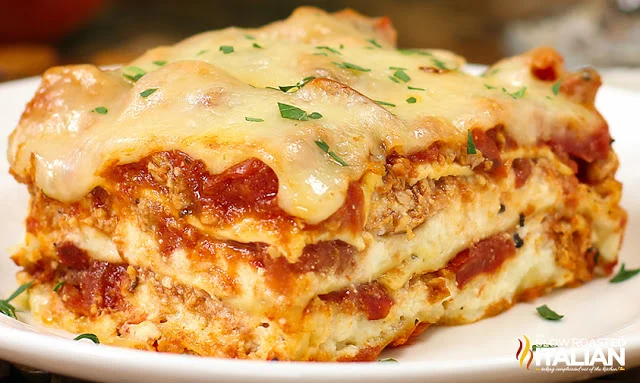
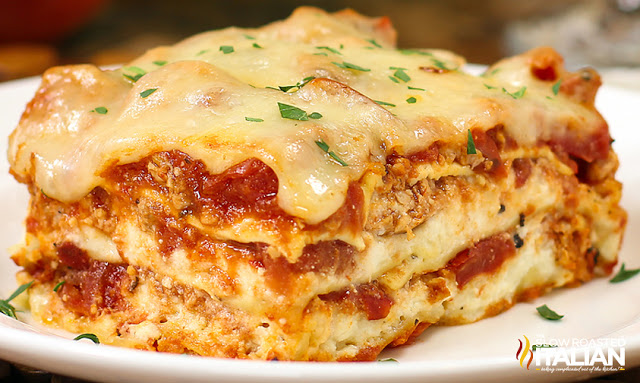
Lasagna, a layered pasta dish with roots tracing back to ancient Greece and Rome, became a quintessential Italian classic, particularly in the Emilia-Romagna region. Its enduring appeal is celebrated annually on July 29th, National Lasagna Day. While traditional recipes often feature a meat ragù and béchamel sauce layered with pasta and ample amounts of Parmigiano-Reggiano and mozzarella, the dish offers extensive opportunities for further cheese integration.
For cheese enthusiasts, an all-cheese lasagna presents a rich, vegetarian-friendly alternative. This rendition typically replaces the meat filling with a generous blend of creamy ricotta and sharp parmesan, often alongside the classic mozzarella. The ricotta provides a moist, tender texture, while parmesan contributes a depth of salty, savory notes. A chef at a prominent Italian restaurant in New York noted, "Our ‘Quattro Formaggi’ lasagna, featuring ricotta, parmesan, mozzarella, and a touch of provolone, is incredibly popular. It demonstrates that the soul of lasagna can be just as satisfying, if not more so, with an emphasis purely on cheese."
Furthermore, the cheesy experience can extend to the accompanying elements. Cheesy garlic bread, prepared with a blend of mozzarella and parmesan, is a natural partner, offering a crunchy, savory counterpoint to the rich pasta. A Greek salad, while not Italian, can be enhanced with generous crumbled feta cheese, providing a salty, tangy freshness that complements the lasagna’s richness.

Jalfrezi Curry: A Fusion of Flavors with Paneer and Beyond
Jalfrezi curry, an Indian dish known for its spicy, vibrant sauce and mix of meat or fish with vegetables, presents a fascinating case for cheese integration. Its origins are often attributed to the British Raj era in India, where leftover cooked meats were stir-fried with onions, tomatoes, and green chilies.
The natural bridge for cheese in Indian cuisine is paneer, a fresh, non-melting cheese. Paneer Jalfrezi is a well-established vegetarian variant, where cubes of paneer absorb the aromatic spices and heat of the curry sauce, offering a satisfying texture and mild flavor that balances the chili. Beyond this traditional use, modern culinary experimentation introduces Western cheeses into the Jalfrezi. A generous handful of grated cheddar cheese stirred into the curry sauce just before serving can transform its texture, adding a creamy richness and a distinct tang that creates a unique fusion profile. This adaptation reflects a broader trend of culinary globalization, where traditional dishes are reimagined with international ingredients.
Another innovative approach involves incorporating grated cheese directly into the rice served alongside the Jalfrezi. This adds an unexpected layer of flavor and a slightly sticky, comforting texture to what is typically a neutral accompaniment, further enhancing the overall cheesy experience.
Pizza: The Universal Language of Cheese
Pizza, a global culinary phenomenon with an estimated 5 billion units consumed worldwide annually, is intrinsically linked with cheese. From its humble Neapolitan origins to its myriad global variations, cheese has always been a central component, whether as a simple layer of mozzarella or a sophisticated blend of multiple varieties. While pizzas topped with ample cheese or boasting cheese-stuffed crusts are commonplace, innovation continues to push the boundaries of cheese integration.
The rise of dietary trends, such as the ketogenic (keto) diet, has spurred the creation of cheese-based pizza crusts. These innovative crusts, often made with a combination of eggs and cheeses like mozzarella, cheddar, and parmesan, offer a carb-free alternative that is both satisfyingly cheesy and compliant with specific dietary regimens. These crusts not only eliminate traditional flour but also infuse the entire base with robust cheese flavor. Curd-Nerd, a prominent cheese resource, provides an ultimate guide on the best cheeses for pizza, highlighting the importance of melt, stretch, and flavor profiles.
For those preferring a traditional flour-based crust, grating preferred cheeses directly into the dough before cooking offers another avenue for enhancing the cheesy profile. This method subtly infuses the entire pizza base with flavor, ensuring that every bite delivers a hint of dairy richness, satisfying even the most ardent cheese cravings.
Hearty Stews and Cheesy Comfort: The Story of Dumplings
Stews, an ancient form of comfort food dating back thousands of years, are cherished across cultures for their ability to deliver warmth and nourishment, particularly on cold days. Traditionally, stews involve simmering meat and vegetables in liquid for extended periods, allowing flavors to meld and deepen. The idea of introducing cheese into such a rustic dish might seem unconventional, raising concerns about texture and flavor integrity.
However, the solution often lies not within the stew itself, but in its accompaniment: cheese dumplings. Dumplings, typically dough-like balls cooked within the stew, have their own long history, appearing in various forms across cuisines worldwide, from German Knödel to Chinese jiaozi. The British tradition of suet dumplings in stews offers a perfect template for cheese integration.
To create cheese dumplings, a standard dumpling mix (flour, suet, water/milk) is simply enriched with a generous quantity of mature cheese, typically between 75g and 100g per batch. This cheese is incorporated into the dough before shaping and then cooked directly in the simmering stew for approximately 20 minutes. The cheese melts partially, infusing the dumplings with a savory, tangy flavor and contributing a tender, slightly gooey texture that complements the hearty stew without disrupting its wholesome character. This simple addition transforms a classic comfort food into an even more indulgent and satisfying meal. Mr. Food’s recipe for Italian Cheese Dumplings further illustrates the global adaptability of this concept, showcasing how different cheese types can be used.
The Convenience Factor: Sourcing Quality Ingredients in a Modern Age
The ability to implement these cheesy culinary upgrades hinges on access to quality ingredients. In an era marked by busy lifestyles and a demand for convenience, the proliferation of food delivery services has revolutionized how consumers stock their kitchens. These services, ranging from general grocery delivery to specialized meal kit providers, ensure a steady supply of fresh produce, quality meats, and, crucially for cheese enthusiasts, a diverse array of cheeses.

For those embarking on cheese-infused culinary adventures, especially while experimenting with homemade cheese, subscribing to a reliable delivery service can keep the refrigerator consistently stocked with varieties like cheddar, red Leicester, parmesan, gorgonzola, ricotta, mozzarella, and paneer. Beyond cheese, a well-stocked pantry and refrigerator with good-quality meats, a mixture of fresh vegetables, and an assortment of herbs and spices are essential. The growth of companies specializing in delivering these basic yet crucial ingredients reflects a broader consumer trend towards convenience without compromising quality, enabling home cooks to effortlessly prepare sophisticated dishes. Thrifty Crates and other subscription boxes cater to this demand, ensuring access to a wide range of food items.
Broader Implications and Cultural Impact
The global passion for cheese and its pervasive influence on culinary practices underscore its cultural significance. Cheese is not merely a foodstuff; it is a symbol of heritage, a catalyst for social gatherings, and an ever-evolving ingredient that inspires culinary innovation. From the ancient practice of cheese-making to modern artisanal movements, cheese continues to shape diets, economies, and cultural identities. The willingness of consumers to experiment with cheese in diverse dishes, from a traditional British roast to an Indian curry, reflects a globalized palate and an openness to culinary fusion. This trend also implies a growing market for specialized cheese products and an increased demand for educational resources on cheese varieties and their applications, fostering a more adventurous and informed generation of home cooks and professional chefs alike.
Conclusion
Cheese, in its myriad forms, remains a beloved ingredient across the globe, adored for its unique flavors, textures, and versatility. Far from being confined to traditional pairings or standalone consumption, cheese offers immense potential to elevate and transform a wide array of everyday meals. From enriching a classic Sunday roast with creamy cauliflower cheese to infusing a humble pizza crust with robust cheddar, the possibilities are virtually limitless. The continuous evolution of culinary trends, coupled with the convenience of modern ingredient sourcing, empowers enthusiasts to explore new dimensions of cheesy goodness. These ideas serve as a testament to cheese’s enduring appeal, encouraging home cooks worldwide to embrace its transformative power and infuse their dining experiences with unforgettable flavor.


