The transition from the summer season to the autumnal equinox has historically triggered a significant shift in consumer behavior within the home decor and textile industries. As daylight hours shorten and temperatures decrease, there is a documented increase in demand for interior "layering"—the practice of adding tactile warmth and visual depth to living spaces through fabrics and handcrafted accessories. In response to these seasonal trends, Fiskars, a global leader in premium cutting tools, has collaborated with design experts to introduce a modern patchwork crafting initiative. This program focuses on accessible textile construction, specifically highlighting the creation of modern patchwork coasters as a gateway project for entry-level crafters and seasoned hobbyists alike.
The initiative leverages the current "slow living" cultural movement, which emphasizes the value of handmade goods over mass-produced items. By providing structured methodologies for creating functional home accessories, the partnership aims to lower the barrier to entry for machine sewing and hand-quilting, two segments of the DIY market that have seen substantial growth since 2020.
Technical Specifications and Tool Innovation in Textile Arts
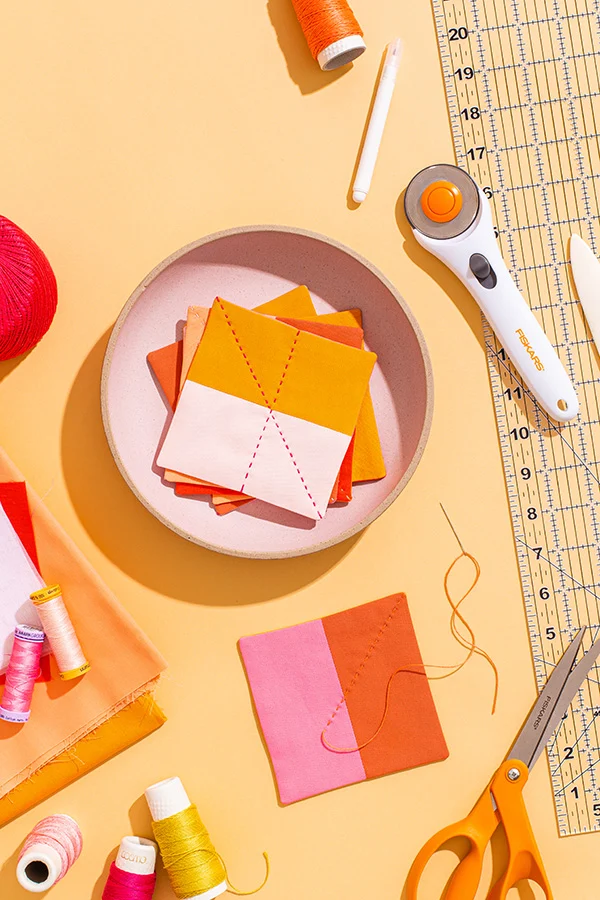
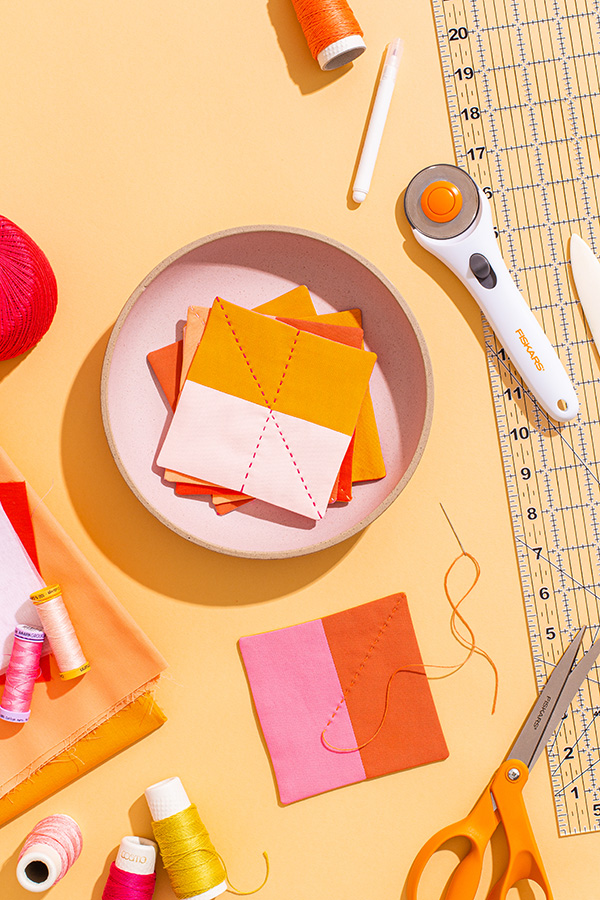
At the core of this crafting initiative is the utilization of specialized equipment designed to ensure precision and safety in fabric manipulation. The project specifies the use of the Fiskars 45mm Stick Rotary Cutter, a tool that has become a staple in the quilting industry. Unlike traditional shears, the rotary cutter allows for continuous, uniform pressure across multiple layers of fabric, reducing the likelihood of fraying and ensuring geometric accuracy—a critical factor in patchwork design where seams must align perfectly.

Accompanying the rotary cutter is the 18-inch by 24-inch Fiskars Cutting Mat. These mats are engineered with self-healing properties, utilizing a specialized surface polymer that closes after incisions are made, thereby preserving the integrity of the mat for long-term use. The inclusion of the 6-inch by 24-inch Acrylic Ruler provides a transparent guide for the user, allowing for the "fussy cutting" of specific patterns and the measurement of precise 5-inch squares required for the coaster’s structural foundation.
The project also highlights the iconic Fiskars Orange Handle Scissors. First introduced in 1967, these scissors represent a landmark in ergonomic design, being the first to feature plastic handles that contoured to the human hand. In a journalistic context, the presence of these tools in the modern patchwork initiative underscores Fiskars’ long-standing dominance in the $36 billion global hobby and craft market.
Methodology: The Engineering of Modern Patchwork Coasters
The construction of the modern patchwork coaster follows a rigorous six-step process that combines mechanical assembly with traditional hand-finishing techniques. This hybrid approach is designed to provide the durability of machine-stitched seams with the aesthetic appeal of artisanal craftsmanship.
Phase I: Material Preparation and Precision Cutting
The process begins with the selection of high-quality quilting cotton in a palette of seasonal hues, including orange, terracotta, light pink, apricot, and standard pink. These materials are chosen for their high thread count and "hand"—a textile term referring to the feel and drape of the fabric—which allows for crisp folds and stable seams. Crafters are instructed to cut 5-inch squares from both the cotton and a lightweight interfacing, such as cotton organdy. The interfacing serves as a stabilizing agent, providing the coaster with the necessary heat resistance and structural rigidity to support beverage containers.
Phase II: Structural Assembly
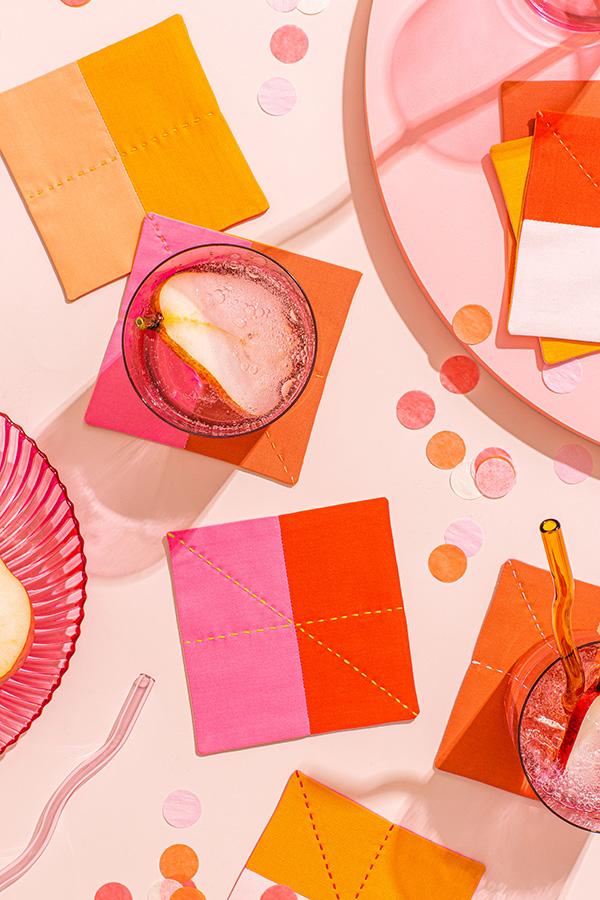
The primary aesthetic of the coaster is achieved by stacking two squares of contrasting quilting cotton and executing a vertical seam down the median. This creates the "patchwork" effect without the complexity of traditional multi-block quilting. Following the machine stitch, the seam is pressed open using a high-heat iron to ensure a flat profile. The assembly is then layered with an additional cotton square and the interfacing, creating a "sandwich" that will eventually form the internal and external faces of the coaster.
Phase III: Seam Allowance and Inversion
Using a 1/4-inch seam allowance—the industry standard for quilting—the perimeter of the square is stitched. A 1.5-inch aperture is left on one side to facilitate the inversion of the fabric. The trimming of corners is a critical technical step; by removing excess bulk at the vertices, the crafter ensures that the coaster maintains a sharp, professional square shape once flipped right-side out. A point turner or bamboo skewer is utilized to achieve maximum geometric precision at the corners.
Phase IV: Hand-Quilted Finishing and Sashiko Influence
The final phase involves the application of Sashiko thread or embroidery floss using a running stitch. Sashiko, a traditional Japanese form of functional embroidery, was historically used to reinforce or repair worn fabric. In this modern application, it serves as a decorative element that also binds the internal layers together, preventing the fabric from shifting during use. The process concludes with an invisible hand-stitch to close the turning aperture, resulting in a seamless finish.
Market Analysis: The DIY Sector and Consumer Trends
The collaboration between Fiskars and independent creators comes at a time when the "Handmade Economy" is experiencing a renaissance. According to market data from the Association for Creative Industries (AFCI), the sewing and fabric crafting segment accounts for a significant portion of annual craft spending in North America. Analysts suggest that the "cottagecore" aesthetic—a social media-driven trend celebrating rural life, traditional crafts, and domestic harmony—has fueled a 20% increase in interest among Gen Z and Millennial demographics toward textile arts.
Furthermore, the rise of "mindful crafting" has positioned projects like the patchwork coaster as more than just home decor. Psychological studies have indicated that repetitive, tactile activities such as hand-stitching can lower cortisol levels and improve cognitive focus. By promoting a project that can be completed while "curled up on the sofa," Fiskars is effectively marketing its products not just as tools, but as components of a wellness-oriented lifestyle.
Corporate Strategy and Brand Legacy
Fiskars, founded in 1649 in the Finnish village of Fiskars, is one of the oldest companies in the Western world. Its ability to remain relevant in the 21st century is largely attributed to its strategic partnerships and its focus on the "everyday creator." By sponsoring content that provides step-by-step educational value, the company secures its position in the "Top-of-Mind" awareness for consumers entering the hobbyist market.
The choice of a patchwork project is also a strategic nod to sustainability. Patchwork, by its very nature, is a method of upcycling. While the official instructions suggest purchasing new quilting cotton, the methodology encourages the use of fabric scraps, aligning the brand with the growing consumer preference for eco-conscious and zero-waste crafting.
Broader Implications for the Home Decor Industry
As the "work-from-home" model remains a permanent fixture for many global employees, the importance of the home environment has intensified. Small-scale decor projects like coasters allow individuals to personalize their workspaces with minimal financial investment. The modern patchwork coaster, with its warm color palette and soft texture, serves as a functional counterpoint to the sterile, tech-heavy atmosphere of the modern home office.

Industry experts predict that the trend toward "maximalist" and "textured" home accessories will continue through the mid-2020s. Projects that incorporate hand-stitched details and multi-tonal fabrics are expected to outperform minimalist, monochromatic designs in the retail space. By empowering consumers to create these items themselves, Fiskars is tapping into a shift where the value of an object is increasingly tied to the narrative of its creation rather than its brand name alone.
Conclusion
The modern patchwork crafting initiative represents a convergence of traditional textile techniques and contemporary design sensibilities. Through the strategic use of high-precision tools and a simplified construction methodology, Fiskars has provided a blueprint for seasonal home enhancement that appeals to a broad demographic. As the DIY market continues to evolve, the emphasis on quality materials, ergonomic tools, and the integration of "slow" crafting practices suggests a long-term shift in how consumers interact with their living spaces and the objects within them. The patchwork coaster, while a small accessory, stands as a testament to the enduring appeal of the handmade in an increasingly digital world.