
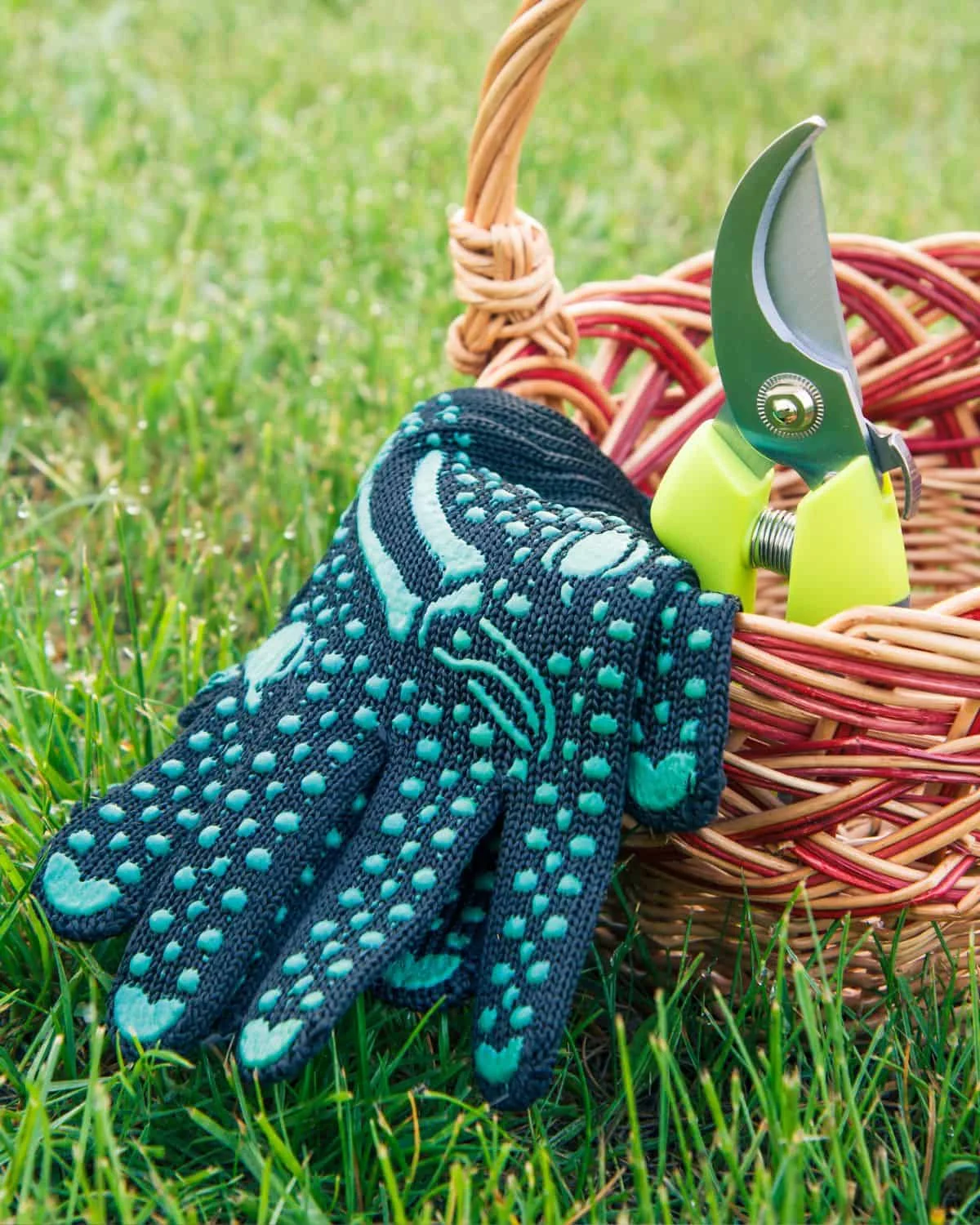
The transition into the holiday season marks a critical period for the multi-billion-dollar gardening industry, as consumers increasingly seek gifts that combine utility with environmental stewardship. As the interest in self-sufficiency and sustainable land management grows, the demand for high-quality gardening implements and educational resources has seen a significant uptick. This comprehensive guide examines the essential categories of tools, infrastructure, and literature that define the modern gardener’s landscape, particularly those focusing on permaculture and small-scale food production. By analyzing market trends and the functional requirements of backyard ecosystems, this report identifies the most effective investments for the upcoming growing season.
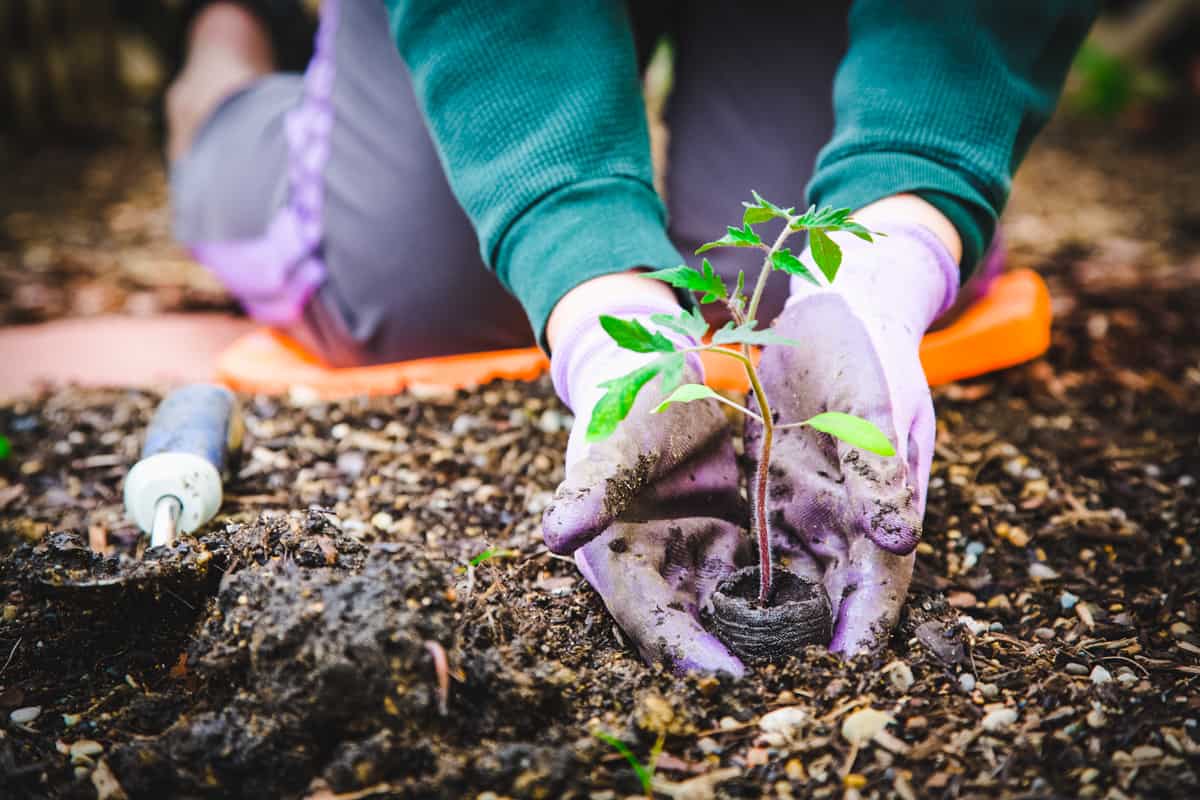
The Economic and Cultural Shift Toward Backyard Permaculture
The gardening sector has undergone a profound transformation over the last five years. According to data from the National Gardening Association, participation in food gardening has reached record highs, with an estimated 35% of U.S. households growing food at home or in community gardens. This shift is not merely a hobbyist trend but a response to fluctuating food prices, supply chain vulnerabilities, and a heightened awareness of climate change. Within this context, permaculture—a design system centered on modeling human settlements after natural ecosystems—has moved from a niche subculture into the mainstream.
Market analysts observe that consumers are moving away from disposable, low-cost plastic tools toward "legacy tools"—implements designed for durability, repairability, and ergonomic efficiency. This shift is reflected in the holiday purchasing patterns of 2023 and 2024, where high-performance pruners, specialized digging knives, and sustainable seed-starting kits have become top-tier gift choices. The integration of permaculture principles, such as "no-dig" gardening and the creation of "food forests," has also created a specialized market for tools that minimize soil disturbance and maximize perennial plant health.
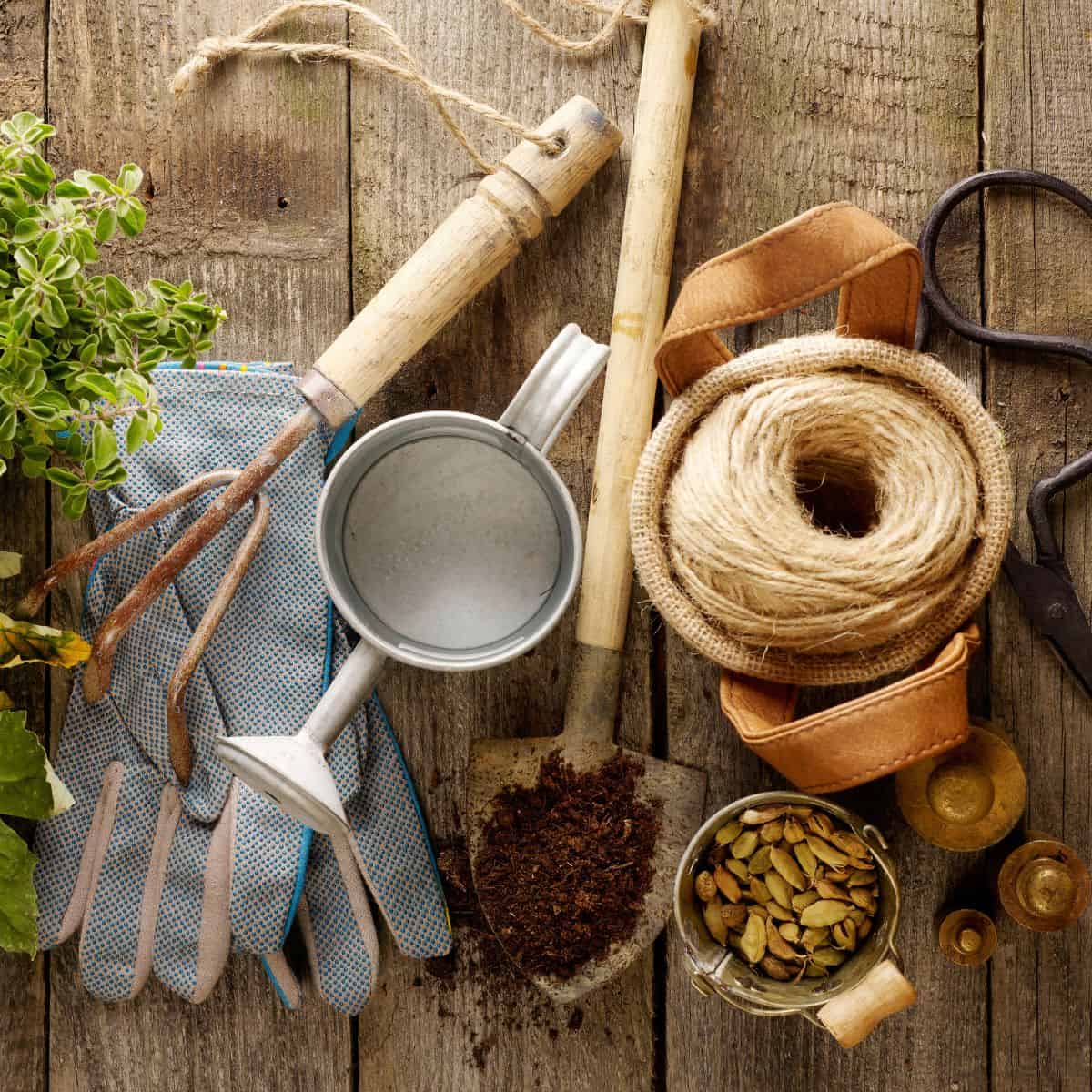
High-Performance Precision Implements and Cutting Tools
At the core of any efficient backyard operation is a suite of specialized hand tools. Professional-grade equipment reduces physical strain and ensures the longevity of the garden’s infrastructure.
The Versatility of the Hori Hori and Specialized Cultivators
The Hori Hori garden knife has emerged as a staple for permaculture practitioners. Originally a Japanese tool for excavating bonsai, its multipurpose design—featuring a serrated edge, a sharp straight edge, and depth measurements—makes it indispensable for weeding, transplanting, and light sawing. Its popularity is driven by the "minimalist toolset" philosophy, where one high-quality implement replaces several specialized ones.

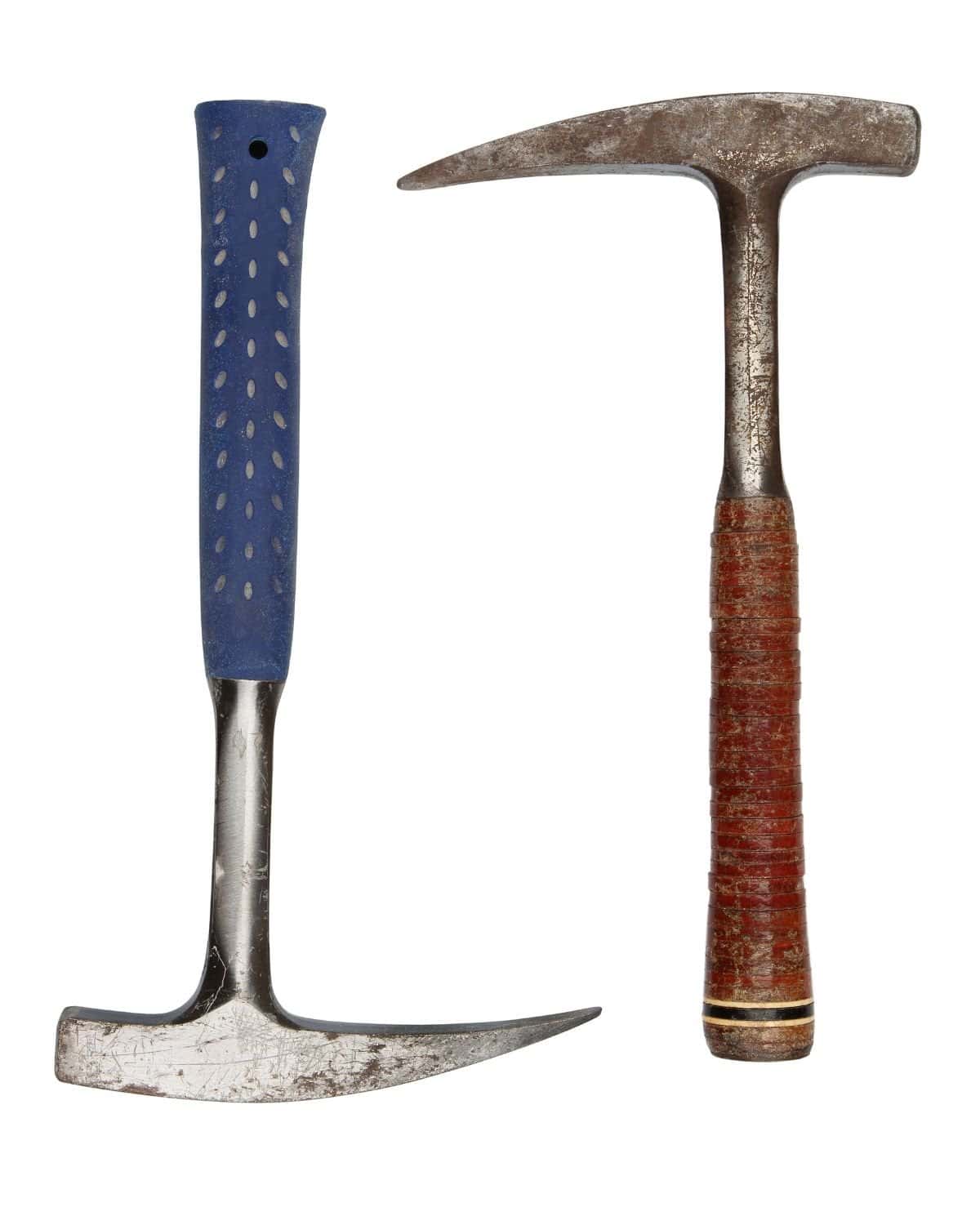
Similarly, the CobraHead weeder and cultivator represents a breakthrough in ergonomic design. Utilizing a "steel fingernail" approach, it allows for precise weeding in tight spaces without the need for heavy tilling, which preserves the delicate fungal networks (mycelium) essential for soil health. For more rugged tasks, many gardeners have adopted the Estwing Rock Pick. While technically a geological tool, its high-carbon steel construction and shock-reduction grip make it an excellent choice for breaking up compacted soil or removing large stones in new garden beds.
Industry Standards in Pruning and Harvesting
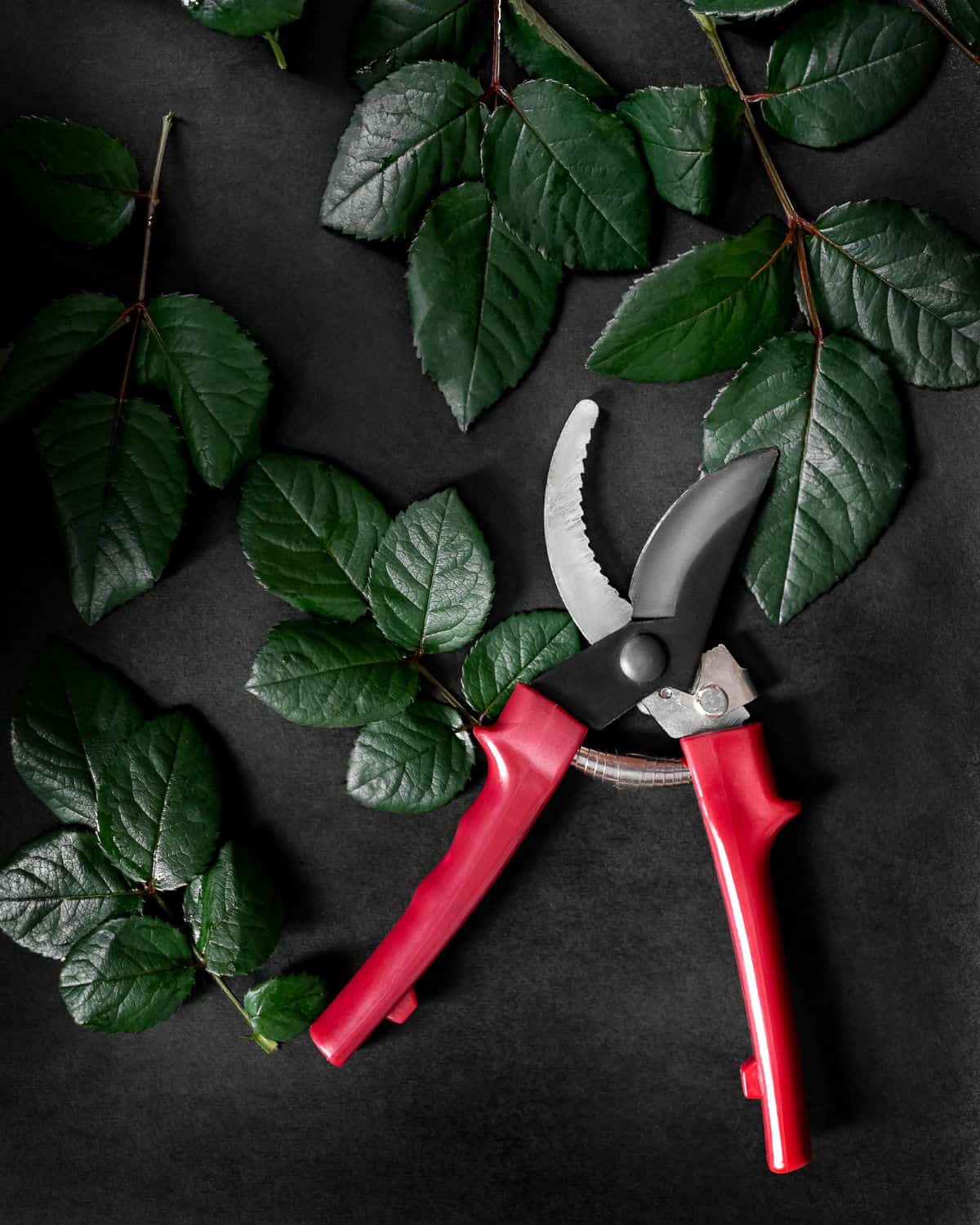
Pruning is a critical task for maintaining the health of fruit trees and perennial shrubs. In this category, Felco pruners remain the gold standard. Swiss-engineered and designed with replaceable parts, these pruners are often cited by horticulturalists as a lifetime investment. For those operating on a more modest budget, Corona pruners offer a high-performance alternative that maintains a balance between cost and durability.
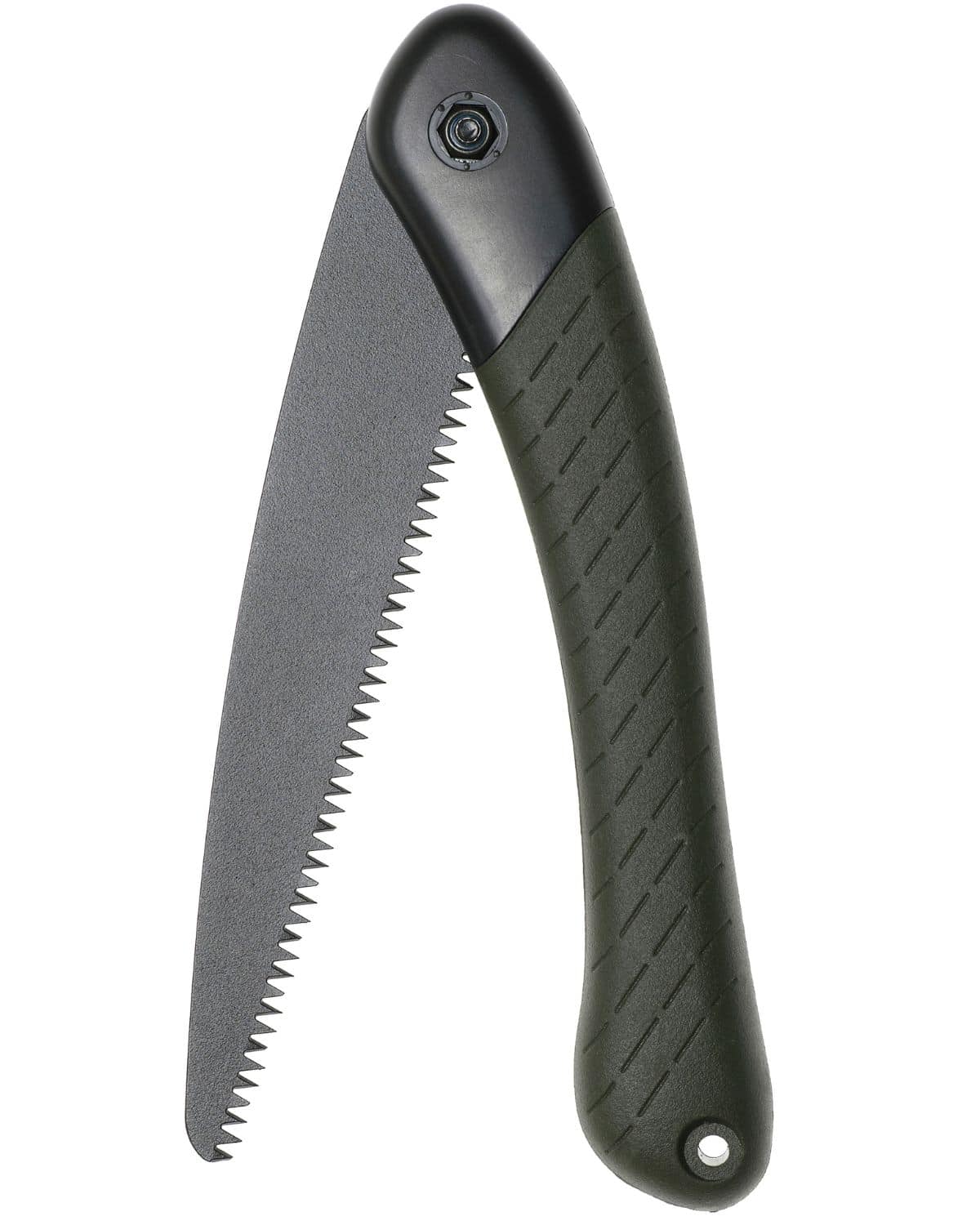
For larger tasks, such as managing a backyard woodlot or clearing brush, the Laplander folding saw is a top recommendation. Known for its "XT" toothing, it cuts on both the push and pull strokes, making it a favorite for both gardeners and backcountry enthusiasts. The ability to fold and lock the blade provides a safety feature that is highly valued in busy backyard environments.
Irrigation Systems and Sustainable Water Management
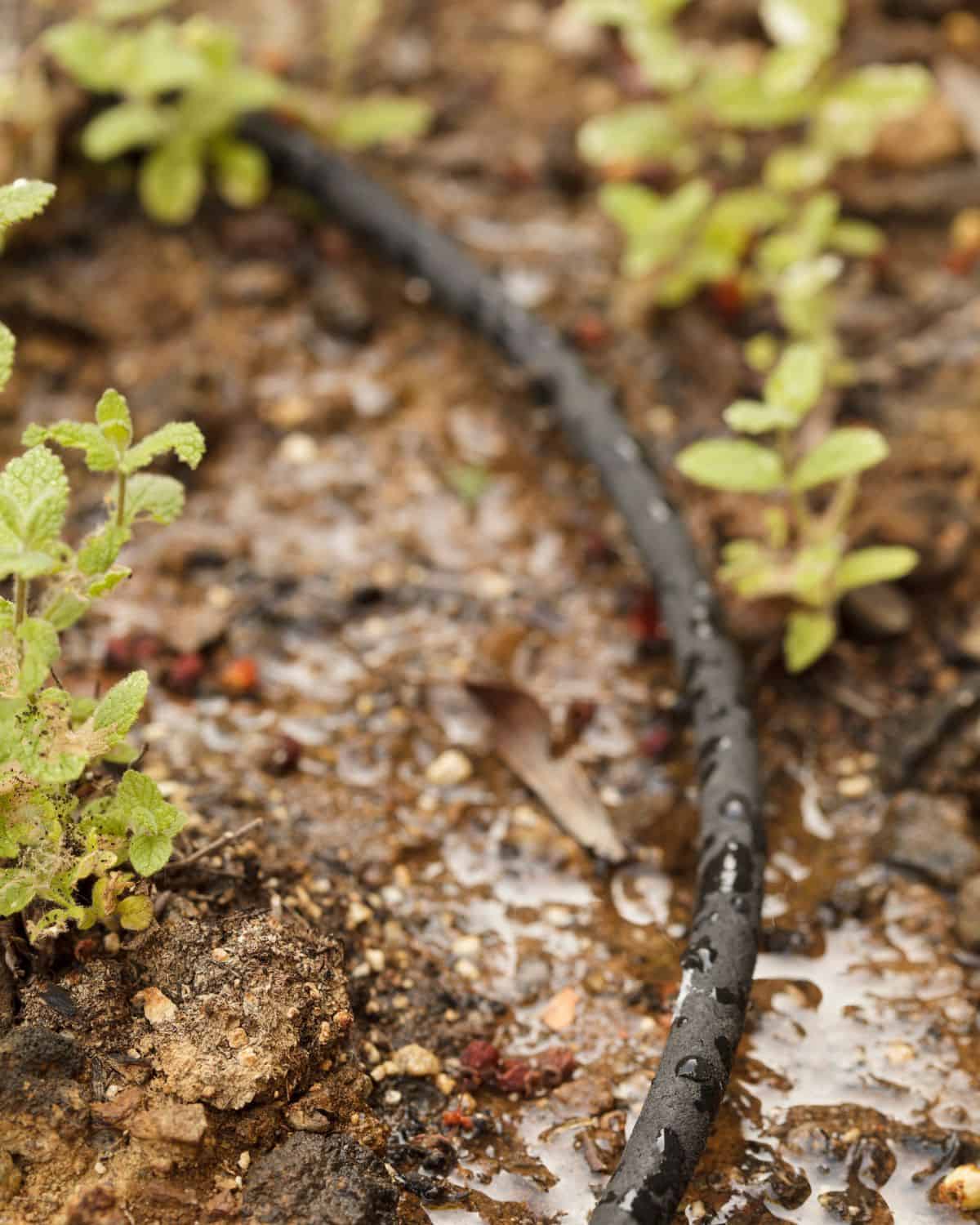
Water conservation is a pillar of permaculture design. The choice of irrigation tools reflects a gardener’s commitment to both plant health and environmental ethics.
Traditional and Modern Watering Solutions
While automatic drip systems are efficient for large-scale operations, the precision of a hand-held watering can is often preferred for delicate seedlings and container gardens. Galvanized metal watering cans have seen a resurgence in popularity due to their durability and resistance to UV degradation compared to plastic counterparts.
Furthermore, there is a growing concern regarding the chemical composition of standard garden hoses. Traditional PVC hoses often contain lead, phthalates, and BPA, which can leach into the water supply. Consequently, "drinking-water-safe" hoses, such as those produced by Water Right, have become a priority for health-conscious food growers. These polyurethane hoses are lightweight, kink-resistant, and free from toxic additives, aligning with the "clean food" ethos of the backyard gardener.

Engaging the Next Generation
Data suggests that involving children in gardening increases their likelihood of consuming fresh vegetables and develops early environmental literacy. Gift sets specifically designed for children, such as those made from recycled plastics (e.g., Green Toys), provide a safe and durable way for younger family members to participate in irrigation and soil management tasks. These items serve a dual purpose: they are functional tools and educational instruments.
Seed Starting and Season Extension Infrastructure
The ability to start plants from seed is a fundamental skill for any self-sufficient gardener. It allows for a greater variety of heirloom species and significantly reduces the cost of establishing a garden.
Innovation in Propagation
Traditional plastic seed trays are increasingly being replaced or supplemented by soil block makers. Soil blocking is a technique that creates free-standing cubes of growing medium, eliminating the need for plastic pots and preventing plants from becoming "root-bound." This method promotes vigorous root growth and reduces transplant shock, making soil block makers a highly desirable gift for the serious propagator.
Comprehensive Seed Kits and Microgreens
For those beginning their gardening journey, curated seed kits offer a structured entry point. Organic herb kits and "seed vaults" focused on high-calorie vegetable varieties provide a foundation for food security. Additionally, microgreen kits have become a popular holiday gift for urban dwellers. These kits allow for year-round production of nutrient-dense greens in small indoor spaces, bridging the gap between the summer harvest and the spring planting season.

Educational Resources and the Literature of Permaculture
As gardening techniques evolve, the value of authoritative literature cannot be overstated. Books serve as the "blueprints" for successful backyard design.
Essential Reading for Design and Management
The literature of permaculture is vast, but several titles stand out for their practical application in suburban environments. The Suburban Micro-Farm by Amy Stross provides a modern framework for maximizing productivity on small lots. For those interested in labor-reduction techniques, the classic Gardening Without Work by Ruth Stout remains a foundational text on the benefits of heavy mulching.
Advanced practitioners often look to Gaia’s Garden by Toby Hemenway, which is widely considered the best-selling book on home-scale permaculture. For a more technical, systems-based approach, The Resilient Farm and Homestead by Ben Falk offers a comprehensive look at land regeneration and energy self-sufficiency.
The Rise of the Food Forest Model
One of the most significant trends in modern gardening is the "food forest" or "forest garden." This involves planting multi-layered systems of edible trees, shrubs, and groundcovers. Specialized guides, such as The Backyard Forest Garden eBook, have become essential for gardeners looking to move away from annual row crops toward more permanent, low-maintenance perennial systems.
Broader Impact and Implications for Food Security
The selection of gardening gifts during the holiday season has implications that extend far beyond the immediate joy of the recipient. Each high-quality tool purchased represents a commitment to long-term land stewardship. Each seed kit represents a potential harvest that bolsters local food security.
From a journalistic perspective, the trend toward high-quality, sustainable gardening gifts indicates a maturing market. Consumers are no longer satisfied with superficial hobbyist items; they are investing in the infrastructure of resilience. As urban and suburban landscapes continue to be repurposed for food production, the tools and knowledge highlighted in this guide will play a central role in the transition toward a more sustainable and self-reliant society. The shift toward permaculture practices suggests a growing public understanding that the backyard is not just a place for aesthetic enjoyment, but a vital component of a functional, living ecosystem.


