
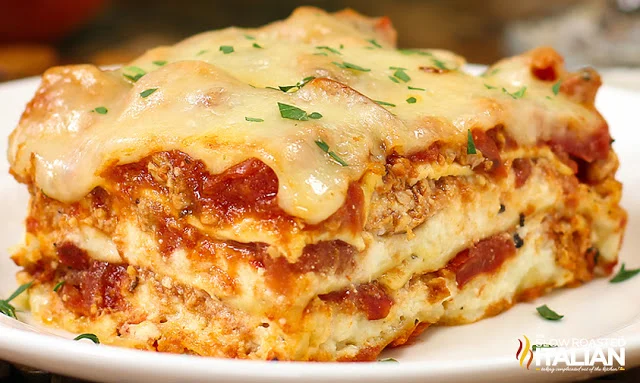
Cheese consumption patterns vary significantly across the globe, reflecting diverse culinary traditions, economic factors, and dietary preferences. Data indicates that Australians consume approximately 13.6 kilograms of cheese per person annually, while Americans devour an average of 16.73 kilograms each year. Leading these figures, the Danish stand out with an impressive consumption of 28.1 kilograms per person annually, showcasing a deeply ingrained cultural affinity for dairy products. These figures underscore not just a global appetite for cheese, but also the vast potential for its integration into a multitude of dishes, moving beyond conventional uses to transform everyday meals into richer, more complex culinary experiences.
Understanding Global Cheese Consumption and Its Drivers
The disparity in cheese consumption figures across nations is a fascinating indicator of cultural nuances and economic development. While countries like Denmark, France, and Germany consistently rank high in per capita consumption, often exceeding 25 kilograms annually, nations in other regions show more moderate figures. For instance, countries in Asia typically exhibit lower per capita consumption, though this is gradually changing with increasing Western culinary influences and rising disposable incomes. Factors contributing to these trends include the historical prevalence of dairy farming, traditional diets, and the marketing efforts of the dairy industry. In Europe, cheese has been a staple for centuries, deeply embedded in local cuisines and daily life, from breakfast to dinner. The United States, while not topping the charts, has seen a steady increase in cheese consumption, driven by the popularity of Italian and Mexican cuisines and the proliferation of convenience foods featuring cheese. Australia’s consumption, while respectable, positions it in a mid-range, suggesting a balanced approach to cheese integration within its diverse food landscape.
The perception of cheese has also evolved. Historically, it was sometimes viewed with caution due to its fat content. However, contemporary nutritional science increasingly highlights cheese as a valuable source of protein, calcium, and essential vitamins, and certain varieties even offer probiotic benefits. This shift in understanding has emboldened consumers and culinary professionals alike to explore new ways of incorporating cheese into a balanced diet, challenging the notion that it should be consumed sparingly.
The Evolving Role of Cheese in Modern Cuisine

For the modern cheese enthusiast, the culinary landscape offers an unparalleled opportunity to experiment. No longer confined to charcuterie boards or simple gratings, cheese is now being embraced as a foundational ingredient capable of elevating almost any dish. This trend is fueled by a global appreciation for diverse flavors and textures, with chefs and home cooks alike seeking ways to imbue meals with depth, creaminess, and umami. The versatility of cheese lies in its myriad forms, from soft and spreadable to hard and crumbly, each offering distinct characteristics that can complement or contrast with other ingredients.
To embark on this journey of cheesy culinary exploration, having a well-stocked larder of diverse cheese varieties is paramount. The growth of specialized food delivery services and artisan cheese subscriptions has made this easier than ever, allowing consumers to keep their refrigerators abundant with options suitable for various applications. Key varieties frequently utilized in innovative dishes include:
- Cheddar: A hard, often sharp cheese, excellent for melting and adding robust flavor.
- Red Leicester: A firm, crumbly cheese with a slightly sweet, nutty flavor and a distinctive orange hue.
- Parmesan (Parmigiano-Reggiano): A hard, granular cheese known for its intense, savory, umami flavor, ideal for grating.
- Gorgonzola: A veined Italian blue cheese, offering a pungent, creamy, and sometimes spicy profile.
- Ricotta: A soft, fresh Italian whey cheese, prized for its light texture and mild, slightly sweet flavor.
- Mozzarella: A fresh, soft cheese with excellent melting properties, renowned for its stretchiness.
- Paneer: A fresh, non-melting Indian cheese, valued for its firm texture and ability to absorb flavors.
Beyond cheese, a steady supply of other high-quality basic food ingredients—such as fresh meats, a diverse array of vegetables, and a selection of fresh herbs and spices—is crucial for effortless meal preparation. Many companies now offer subscription boxes or regular deliveries of these items, ensuring a consistent influx of fresh, quality produce directly to the consumer’s door, facilitating culinary creativity.
Culinary Innovations: Elevating Classic Dishes with Cheese
The true artistry of cheese lies in its ability to transform familiar dishes into exciting new experiences. Below are several classic meals reimagined with innovative cheese integrations, showcasing how this dairy delight can add unexpected layers of flavor and texture.
1. The Sunday Roast with a Delectable Twist

Originating in the United Kingdom centuries ago, the Sunday roast has evolved from a practical, post-church family meal into a cherished culinary tradition. This hearty spread, typically featuring roasted meat, potatoes, vegetables, and gravy, has been adopted and adapted by countries worldwide, from Argentina to Australia. While a staple, it often presents an opportunity for culinary enhancement, particularly with the strategic introduction of cheese.
-
Cauliflower Cheese: A Timeless Side Elevated
The most common cheesy accompaniment to a Sunday roast is cauliflower cheese, a creamy, baked dish that has graced British tables for generations. Traditionally made with mature cheddar, its robust flavor complements the other elements of the roast. However, for those seeking to amplify the cheesiness and introduce new flavor dimensions, alternatives abound. Swapping a portion of mature cheddar for Red Leicester cheese can introduce a slightly sweeter, nuttier profile and a vibrant orange color, making the dish visually appealing and texturally interesting. Alternatively, topping the cauliflower cheese with a mixture of breadcrumbs and finely grated Parmesan before baking adds a delightful crunch and a powerful umami punch, contrasting beautifully with the creamy interior. Culinary expert Dr. Eleanor Vance notes, "The beauty of cauliflower cheese is its adaptability. It’s a canvas for exploring different cheese profiles without losing its comforting essence." -
Savory Cheesy Sauces for Vegetables
Beyond cauliflower, other roast vegetables can be transformed. Leeks and bacon, when simmered in a rich cheddar sauce, become a luxurious side dish. The sharp notes of cheddar cut through the sweetness of the leeks and the saltiness of the bacon, creating a harmonious blend. Even the often-maligned Brussels sprouts can be rendered irresistible when served in a Gorgonzola cheese sauce. This bold move sees shallots, flour, and milk forming the base for a sauce infused with the pungent, creamy notes of Gorgonzola. The strong, earthy flavor of the blue cheese provides a sophisticated counterpoint to the slight bitterness of the sprouts, potentially converting even the most ardent sprout skeptics.
2. Classic Lasagna: A Multi-Layered Cheese Extravaganza
Lasagna, the iconic layered pasta dish from Italy, is so beloved it even has its own annual national day on July 29th. While most variations already feature a generous layer of melted cheese on top, the potential for cheese integration within this treasured dish extends far beyond a simple gratinéed crust.
-
The All-Cheese Vegetarian Marvel
For cheese lovers, a truly decadent and vegetarian-friendly version of lasagna focuses entirely on dairy. This rendition sees a rich filling made primarily from ricotta, parmesan, and mozzarella taking center stage, replacing traditional meat fillings. Ricotta provides a creamy, light texture, while Parmesan infuses the layers with its signature umami depth. Mozzarella, renowned for its superior melting and stretching qualities, binds the layers together, creating an incredibly satisfying mouthfeel. This approach transforms the dish into a celebration of cheese, where each layer offers a different textural and flavor experience.
-
Cheesy Enhancements for Side Dishes
The cheesiness doesn’t have to stop within the lasagna layers. Classic accompaniments can also be imbued with more cheese. Cheesy garlic bread, a perennial favorite, offers a salty, garlicky, and gooey counterpoint to the rich lasagna. Furthermore, a fresh Greek salad, often served alongside Italian meals, can be packed with extra feta cheese. The tangy, salty crumble of feta provides a refreshing contrast to the richness of the main course, demonstrating how cheese can play both a starring and a supporting role in a meal.
3. Jalfrezi Curry: A Fusion of Spice and Dairy
Jalfrezi curry, an Indian dish characterized by its vibrant mix of meat or fish, vegetables, and a spicy sauce often featuring green chilies, offers an unexpected yet delightful canvas for cheese integration. Its inherent robust flavors can beautifully accommodate the introduction of dairy.
-
Paneer: The Indigenous Cheese Star
The most traditional way to transform a Jalfrezi into a cheese-based curry is through the introduction of paneer, a fresh, non-melting Indian cheese. Paneer cubes absorb the rich, spicy flavors of the curry sauce while maintaining their firm, chewy texture, providing a substantial and satisfying vegetarian alternative to meat or fish. This makes for a deeply flavorful and texturally engaging dish. -
Innovative Cheddar Integration
Beyond paneer, culinary experimentation allows for bolder cheese additions. A generous handful of grated cheddar cheese can be stirred directly into the curry sauce during the final stages of cooking. This unexpected fusion introduces a creamy richness and a tangy depth that can completely transform the taste profile of the Jalfrezi, creating a unique East-meets-West flavor experience. For an additional layer of cheesiness and texture, grated cheese can also be mixed into the rice served alongside the Jalfrezi, offering a subtle yet impactful dairy note with every bite. The Global Culinary Institute’s Chef Anjali Sharma comments, "Integrating cheddar into a Jalfrezi might seem unconventional, but it speaks to the global palate’s openness to flavor fusions. The creamy notes beautifully temper the spice."
4. Extra Cheese Pizza: Reinventing the Foundation
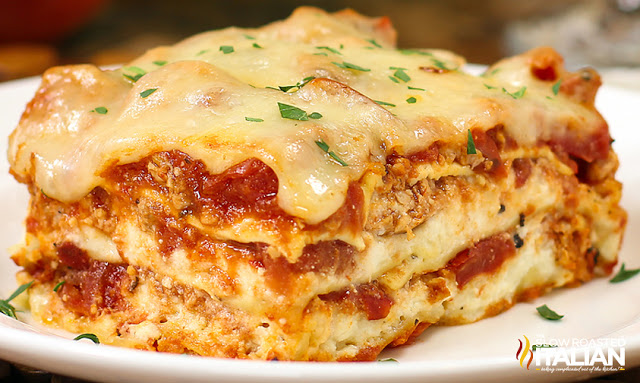
With an astonishing 5 billion pizzas consumed worldwide every year, pizza is undeniably a global culinary icon. While ample cheese toppings and cheese-stuffed crusts are common, the quest for "extra cheese" can lead to innovative approaches that integrate dairy into the very foundation of this dinner-time staple.
-
Keto-Friendly Cheese Bases
A popular innovation, particularly among those following a ketogenic diet, involves crafting pizza bases entirely from eggs and cheeses such as mozzarella, cheddar, and parmesan. These virtually carb-free bases are not only packed with intense cheesiness but also offer a unique texture. The cheese, when baked, forms a stable, flavorful crust, proving that cheese can serve as a structural element, not just a topping. This method highlights the functional properties of cheese in creating cohesive, flavorful alternatives to traditional flour-based doughs. -
Cheese-Infused Traditional Dough
For those who prefer a traditional flour-based pizza, an equally satisfying method for incorporating more cheese involves grating your preferred cheese directly into the dough before kneading and cooking. Varieties like finely grated cheddar, parmesan, or even provolone can be incorporated, infusing the entire base with a savory, cheesy flavor that permeates every bite. This technique ensures that the cheese experience is not limited to the surface but is woven throughout the entire pizza, satisfying even the most intense cheese cravings.
5. Meat & Vegetable Stew with Hearty Cheese Dumplings
Dating back thousands of years, meat and vegetable stews are the ultimate comfort food, particularly cherished on a cold day. Traditionally slow-simmered for hours to develop rich, wholesome flavors, the idea of adding cheese might initially seem unconventional, risking a messy texture or overpowering the stew’s delicate balance.
- The Ingenious Cheese Dumpling Solution
The ideal way to integrate a satisfying cheese element into a meat and vegetable stew without compromising its integrity is through the addition of cheese dumplings. These delightful, dough-like balls are remarkably easy to prepare. When making a standard dumpling mix (typically flour, suet, and water or milk), simply fold in between 75g and 100g of grated mature cheese, such as cheddar or gruyère. These cheesy dumplings are then shaped and dropped into the simmering stew during the final 20 minutes of cooking. As they steam and expand, they absorb the rich flavors of the stew while releasing their own cheesy essence, resulting in fluffy, savory pockets that add a wonderful textural contrast and a burst of cheesy goodness to every spoonful. Food historian Dr. Laura Bennett observes, "The cheese dumpling is a brilliant example of how traditional comfort food can be subtly yet significantly upgraded, offering a familiar form with an unexpected flavor twist."
The Broader Implications and Future of Cheese Consumption

The increasing global embrace of cheese in diverse culinary contexts has significant implications for both consumers and the dairy industry. For consumers, it offers an expanded palate, encouraging experimentation and a deeper appreciation for the nuanced flavors and textures that different cheeses provide. From a health perspective, while moderation remains key, the integration of cheese can contribute valuable nutrients like protein and calcium to meals.
For the dairy industry, this trend signifies a move towards value-added products and specialty cheeses, driving innovation in cheese production and marketing. The demand for a wider variety of cheeses, suitable for different culinary applications, encourages cheesemakers to explore new techniques and revive traditional methods. Industry reports from organizations like the International Dairy Federation frequently highlight the growth in artisanal cheese markets and the importance of educating consumers on cheese versatility.
Furthermore, the rise of food delivery services and subscription models for gourmet ingredients, including cheese, reflects a broader shift in consumer behavior towards convenience and curated culinary experiences. This logistical evolution supports the ongoing experimentation in home kitchens, making it easier for enthusiasts to access the specific cheeses needed for these innovative dishes.
In conclusion, cheese is far more than a simple dairy product; it is a dynamic culinary ingredient with unparalleled versatility. While millions around the world already adore cheese, many still adhere to classic meal preparations, often overlooking the vast potential for creative integration. The ideas presented here demonstrate the simplicity and effectiveness of incorporating a wealth of cheesy goodness into a wide array of evening meals, regardless of their traditional origins. As global palates continue to evolve, the exploration of cheese’s transformative power promises an exciting future for home cooks and professional chefs alike, ensuring that this beloved dairy product remains a central and ever-innovative component of the world’s culinary landscape.


