
The culinary world is abuzz with the emergence of Gochugaru Hot Honey, a vibrant condiment that is redefining the popular "hot honey" trend. This Korean-inspired creation distinguishes itself by eschewing traditional red pepper flakes in favor of gochugaru, the distinctive Korean chili powder. The result is a more nuanced and fruity heat, offering a complex flavor profile that has quickly become a favorite for a wide array of dishes, from grilled meats and pizzas to delicate biscuits and sophisticated cheese boards.
The Genesis of Gochugaru Hot Honey
Hot honey, a condiment that masterfully balances sweetness with a piquant kick, has experienced a meteoric rise in popularity over the past few years. Its appeal lies in its ability to enhance a multitude of flavors, hitting multiple taste receptors simultaneously. Traditionally, hot honey is crafted by infusing honey with dried red pepper flakes and a touch of apple cider vinegar. However, the Gochugaru Hot Honey variant introduces a significant evolution to this beloved condiment.
This innovative recipe utilizes gochugaru, a key ingredient in Korean cuisine, derived from sun-dried red peppers. The substitution of gochugaru for standard red pepper flakes imparts a noticeable difference. Gochugaru is celebrated for its fruitier notes, subtle smokiness, and a more layered heat compared to the sharper bite of common red pepper flakes. This complexity makes Gochugaru Hot Honey exceptionally versatile, encouraging its application across an expansive culinary spectrum. For enthusiasts of Korean-inspired barbecue or those embracing the "swicy" (sweet and spicy) flavor phenomenon gaining traction at backyard cookouts, this condiment represents a crucial addition to their culinary arsenal.
The creation process for Gochugaru Hot Honey is remarkably efficient, requiring less than 10 minutes on the stovetop. This ease of preparation, coupled with its elevated flavor profile, contributes to its rapid adoption by home cooks and culinary professionals alike.
Understanding Gochugaru: The Heart of the Flavor
Gochugaru, the cornerstone of this new hot honey, is more than just a source of heat. Its production involves a meticulous process of selecting ripe red peppers, drying them under the sun to preserve their natural sweetness and color, and then grinding them into flakes. The sun-drying method is crucial, as it imbues the gochugaru with a distinct fruity character and a mild smokiness that is often absent in peppers dried by other methods.
The heat level of gochugaru can vary depending on the type of pepper used and the specific preparation, but it is generally considered to be in the mild to medium range. This makes it an ideal ingredient for infusions where a balanced heat is desired, rather than an overpowering burn. Its fine texture also allows it to dissolve more readily into liquids like honey, ensuring a consistent distribution of flavor.
The introduction of gochugaru into the hot honey formula represents a sophisticated culinary fusion. It bridges the gap between Western condiment traditions and the rich, complex flavors of Korean cuisine. This cross-cultural culinary exchange is a growing trend, reflecting a global palate increasingly open to diverse ingredients and flavor profiles.

The Science of Infusion: Maximizing Flavor and Texture
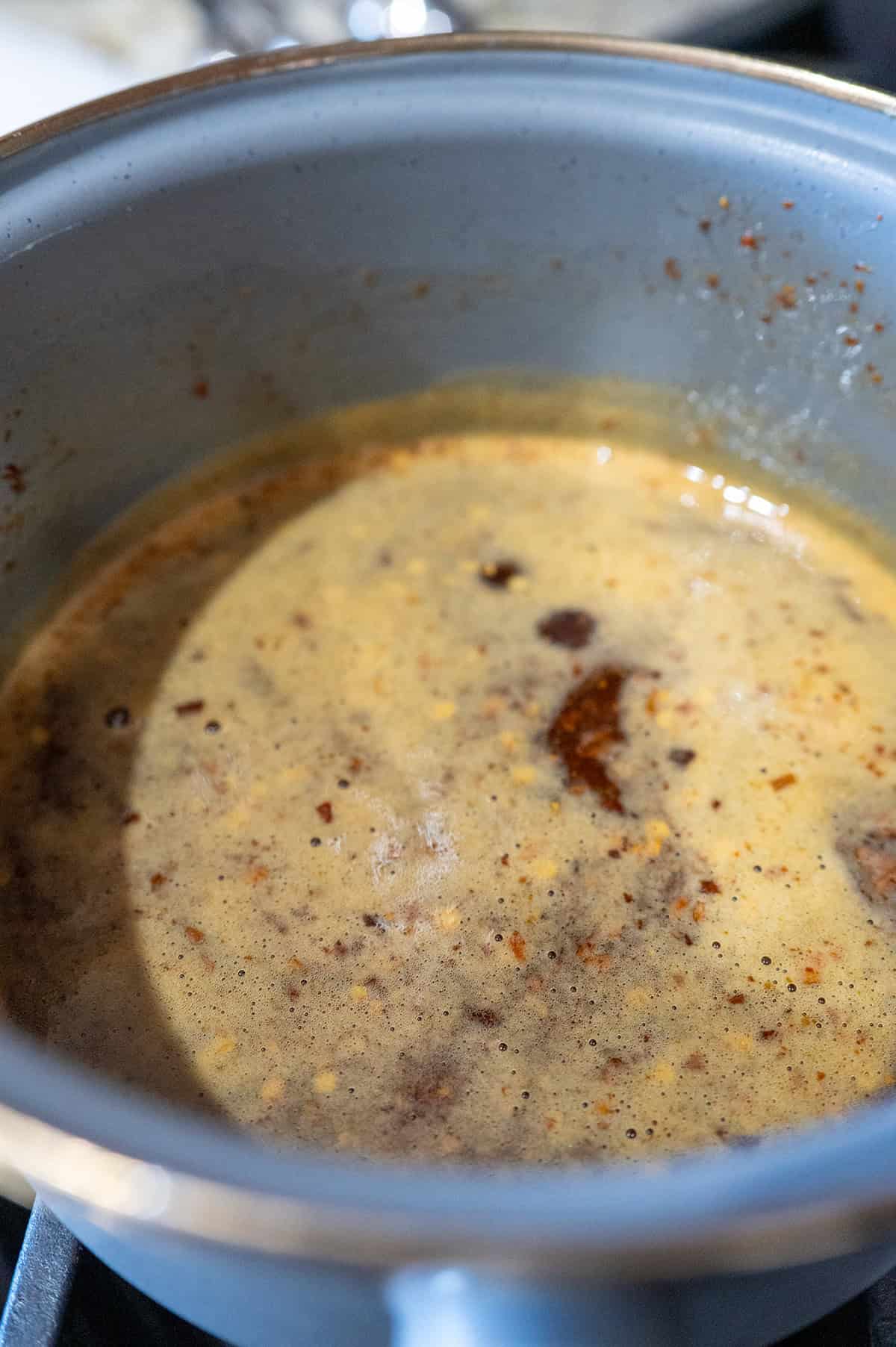
The preparation of Gochugaru Hot Honey involves a simple yet effective infusion process. By gently warming honey with gochugaru over low heat, the sweet, viscous liquid acts as a carrier, extracting the volatile aromatic compounds and capsaicinoids from the chili flakes. This low-and-slow method is critical. Heating the honey too rapidly or to too high a temperature can degrade its delicate flavors and alter its texture, potentially leading to a burnt taste.
The addition of a splash of rice wine vinegar at the end of the heating process serves a dual purpose. Firstly, it introduces a subtle tanginess that complements the sweetness of the honey and the fruity heat of the gochugaru. Secondly, the acidity of the vinegar helps to balance the overall flavor profile, preventing the condiment from becoming cloyingly sweet. Rice wine vinegar, with its mild and slightly sweet profile, is a more delicate choice than stronger vinegars like apple cider, further enhancing the nuanced flavor of the gochugaru.
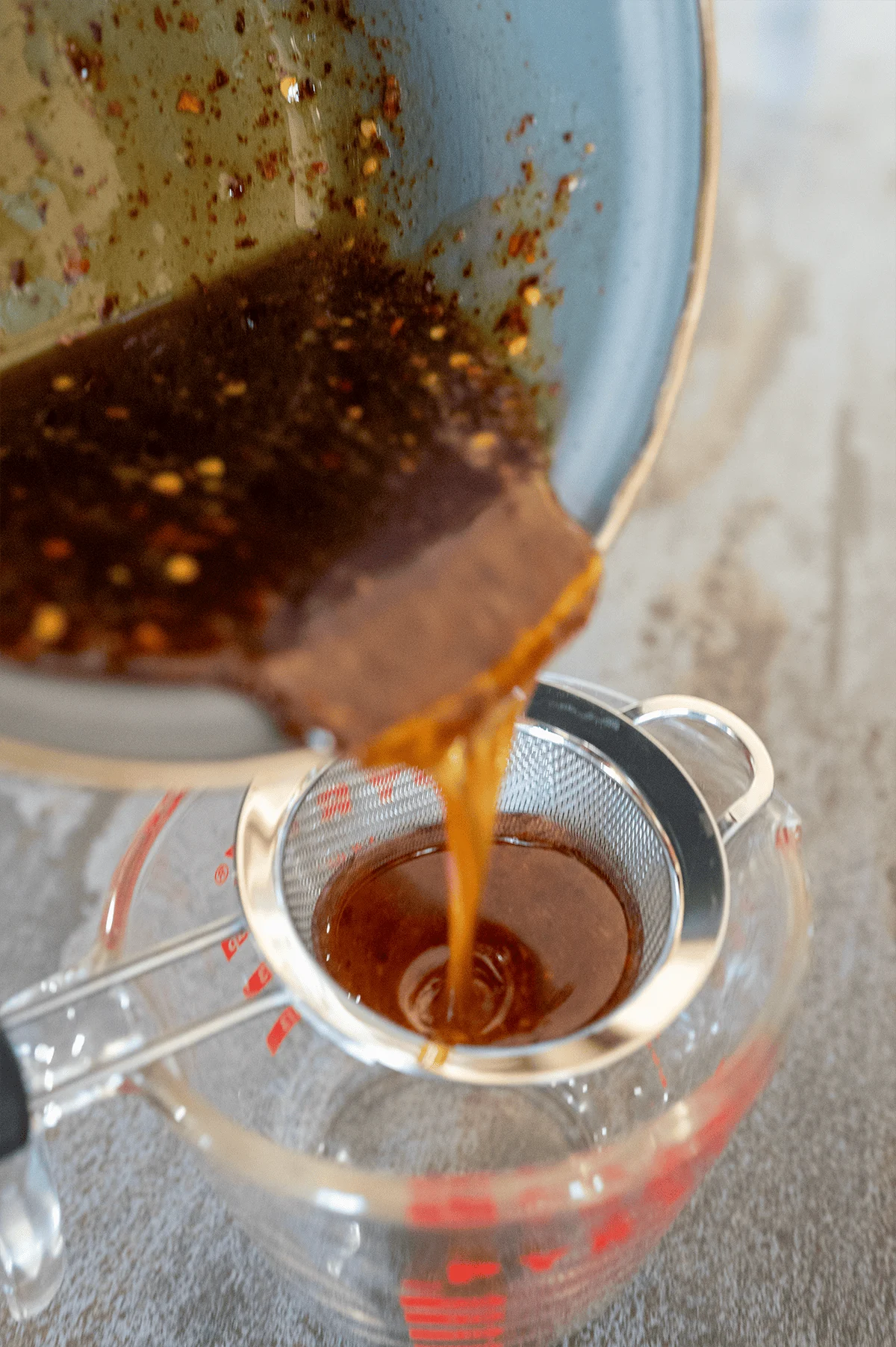
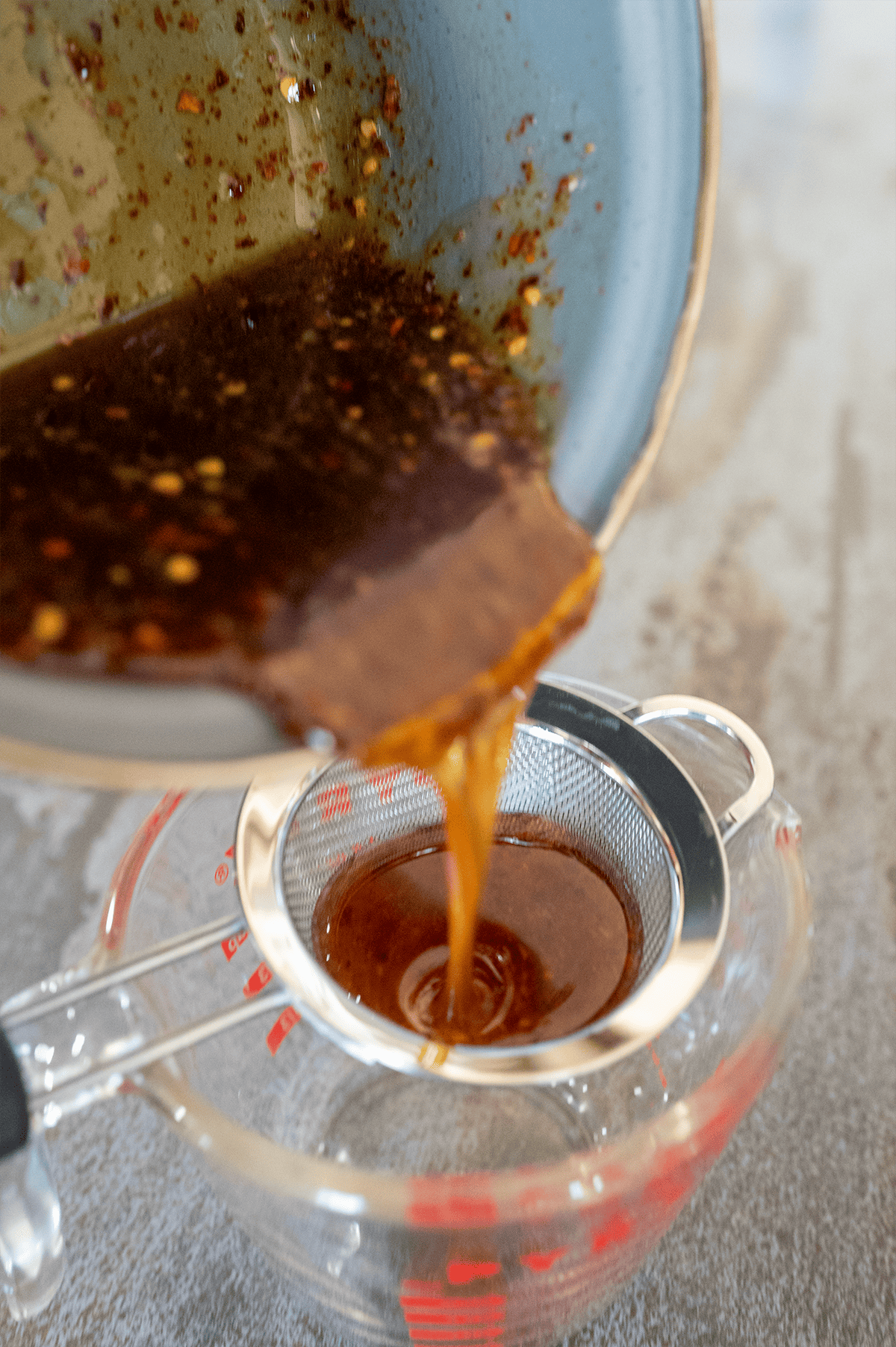
After infusion, the mixture is typically strained to remove the chili flakes, resulting in a smooth, clear, and potent condiment. Straining ensures that each drizzle delivers a consistent flavor without any gritty texture.
Culinary Applications: A Versatile Condiment

The versatility of Gochugaru Hot Honey is one of its most compelling attributes. Its unique flavor profile allows it to elevate a wide range of dishes:
- Grilled Meats: Drizzled over grilled chicken, pork ribs, or even steak, it imparts a sweet, spicy glaze that caramelizes beautifully under the heat. The fruity notes of the gochugaru complement the savory richness of the meats.
- Pizza: A surprising yet delightful addition to pizzas, especially those with spicy or savory toppings like pepperoni or Italian sausage. It adds an unexpected layer of complexity and a pleasant warmth.
- Biscuits and Breads: A classic pairing for warm, buttery biscuits, scones, or even cornbread. The sweet and spicy contrast is particularly satisfying with these baked goods.
- Cheese Boards: A sophisticated addition to any cheese platter. It pairs exceptionally well with sharp cheddars, creamy bries, and pungent blue cheeses, offering a dynamic flavor counterpoint.
- Vegetables: Roasted or grilled vegetables, such as Brussels sprouts or sweet potatoes, can be transformed with a drizzle of this hot honey.
- Salads and Dressings: A small amount can add a surprising kick to vinaigrettes or a finishing touch to grain bowls.
- Cocktails: For the adventurous mixologist, it can be incorporated into cocktails to add a unique sweet and spicy dimension.
The inherent "swicy" profile aligns perfectly with current culinary trends, making it a sought-after ingredient for those looking to experiment with bold and exciting flavors.
Nutritional Considerations
While Gochugaru Hot Honey is primarily a flavor enhancer, understanding its nutritional composition is beneficial. A typical serving (approximately 1 tablespoon) contains around 66 calories, with the majority coming from carbohydrates (around 18g), primarily sugars from the honey. It contains negligible amounts of protein and fat. The trace amounts of vitamins and minerals are largely attributable to the honey and gochugaru. It’s important to note that the nutritional information provided is an approximation and can vary based on the specific ingredients and proportions used. The natural antimicrobial properties of honey contribute to its long shelf life when stored properly.
Storage and Shelf Life
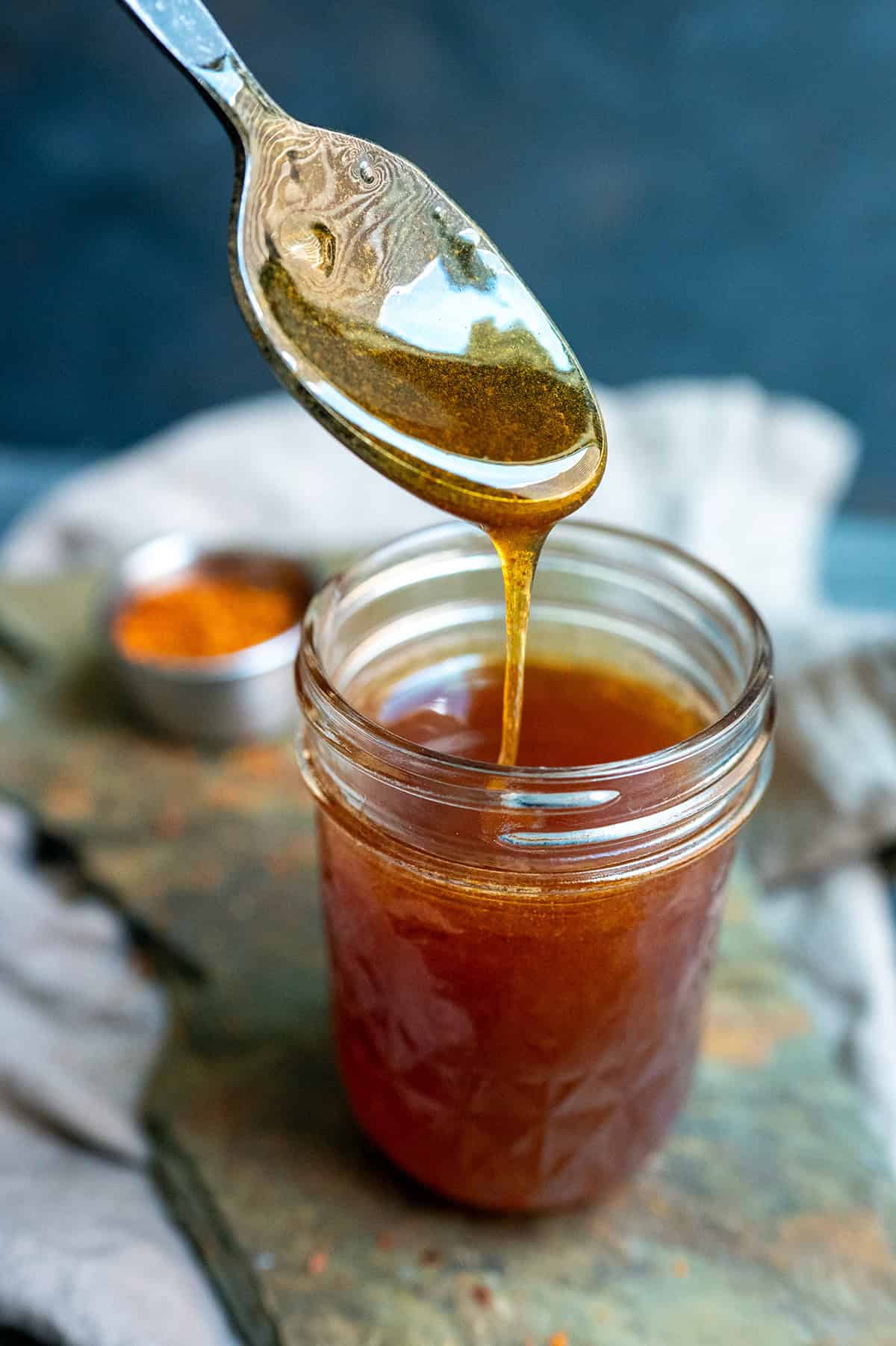
Proper storage is key to maintaining the quality and flavor of Gochugaru Hot Honey. Once cooled, it should be stored in an airtight container, such as a glass jar or a squeeze bottle, at room temperature. Honey itself is naturally antimicrobial and has an exceptionally long shelf life when stored correctly. For infused honey, like Gochugaru Hot Honey, the optimal flavor is generally considered to be within the first two months. While it remains safe to consume for longer periods due to the preservative qualities of honey, the intensity of the gochugaru infusion may gradually diminish. It is advisable to keep the stored honey away from direct sunlight and heat sources to prevent any degradation of its flavor and quality. Refrigeration is not necessary and can cause the honey to crystallize, although this does not affect its safety or edibility.
The Broader Impact on Culinary Trends
The rise of Gochugaru Hot Honey is indicative of several broader trends in the food industry. Firstly, it highlights the increasing global interest in Korean cuisine and its distinctive ingredients. Gochugaru, once primarily found in specialty stores, is now becoming more mainstream, a testament to the growing appreciation for Korean flavors.
Secondly, it underscores the enduring popularity of the "swicy" flavor profile. Consumers are actively seeking out foods that offer a complex interplay of sweet and spicy notes, moving beyond simple heat to embrace nuanced and layered tastes. This trend is evident in everything from candy and snacks to savory dishes and beverages.
Thirdly, the DIY aspect of making Gochugaru Hot Honey appeals to the growing number of home cooks who enjoy creating their own gourmet condiments. The ease of preparation and the significant flavor upgrade it offers make it an accessible yet impressive culinary project.
Potential for Commercialization and Culinary Innovation
The success of homemade Gochugaru Hot Honey opens doors for commercial applications. Food manufacturers may see an opportunity to introduce pre-packaged versions, capitalizing on consumer demand for convenient yet high-quality condiments. This could lead to further innovation, with variations incorporating other Korean ingredients or different types of chili peppers to cater to diverse taste preferences.
Moreover, restaurants and food service providers can leverage this ingredient to add a unique signature touch to their menus. Its adaptability makes it suitable for a wide range of dishes, from appetizers and main courses to desserts and craft cocktails. The distinctive flavor profile can help establishments stand out and offer customers novel culinary experiences.
Addressing Potential Questions and Variations
For those new to gochugaru, it’s natural to have questions. Gochugaru’s taste is characterized by its fruity notes, mild smokiness, and a gradual build of heat, distinguishing it from the sharper, more immediate spice of red pepper flakes. While it provides a noticeable warmth, it is generally not overwhelming, making it suitable for most palates. For individuals particularly sensitive to spice, starting with a smaller amount of gochugaru and tasting as you go is a prudent approach.

It is crucial to differentiate gochugaru from gochujang. Gochujang is a fermented chili paste with a distinct texture and a more complex, savory flavor profile due to its fermentation process. It is not suitable for infusing into honey in the same way as gochugaru flakes.
The accessibility of gochugaru has significantly improved. It is now commonly found in the international aisle of most major supermarkets, as well as in Asian specialty markets and online retailers. When purchasing, look for packaging labeled as "Korean chili flakes" or "gochugaru."
For those who cannot find gochugaru, a substitution of red pepper flakes is possible, though it will alter the flavor profile. The heat will be sharper and less fruity, but it will still result in a delicious hot honey.
The ability to make this condiment ahead of time is a significant advantage. In fact, allowing the flavors to meld for a day or two can enhance its complexity. Prepared Gochugaru Hot Honey can be stored at room temperature for up to two months, making it a convenient staple to have on hand.
Conclusion

Gochugaru Hot Honey represents a significant and exciting evolution in the world of infused condiments. By expertly blending the sweetness of honey with the nuanced heat and fruity undertones of Korean gochugaru, it offers a flavor experience that is both familiar and refreshingly new. Its ease of preparation, remarkable versatility, and alignment with current culinary trends position it as a must-have ingredient for any kitchen looking to add a touch of sophisticated spice and vibrant flavor to their culinary creations. As culinary boundaries continue to blur and global flavors gain wider acceptance, Gochugaru Hot Honey stands as a delicious testament to the power of innovative fusion.


