
The Scientific Basis of Cheese Dehydration
To understand why Parmesan is a primary candidate for home dehydration, one must examine the fundamental principles of food science, specifically water activity ($a_w$) and lipid oxidation. Cheese is a complex matrix of protein, fat, and water. In fresh soft cheeses, the high water content provides a fertile environment for microbial growth, including bacteria, yeast, and mold. Parmesan, an aged hard cheese, already possesses a lower moisture content than its softer counterparts due to its traditional manufacturing and aging process.
When subjected to a controlled thermal environment—typically within a food dehydrator—the remaining "free water" in the cheese is evaporated. By reducing the water activity to levels below 0.60, the growth of most food-borne pathogens is inhibited. However, the preservation of cheese presents a unique challenge: the presence of fats. Unlike fruits or vegetables, which consist primarily of carbohydrates and water, cheese contains significant lipids. Dehydration removes water but leaves the fat behind. Because fats are susceptible to oxidation—a chemical reaction with oxygen that leads to rancidity—home-dehydrated Parmesan remains a short-term storage solution rather than a multi-year survival food.
Chronology of the Dehydration Process
The transition of fresh Parmesan into a shelf-stable, dehydrated form follows a specific procedural timeline designed to maximize moisture removal while managing the inevitable "sweating" of milk fats.
Phase I: Preparation and Mechanical Reduction
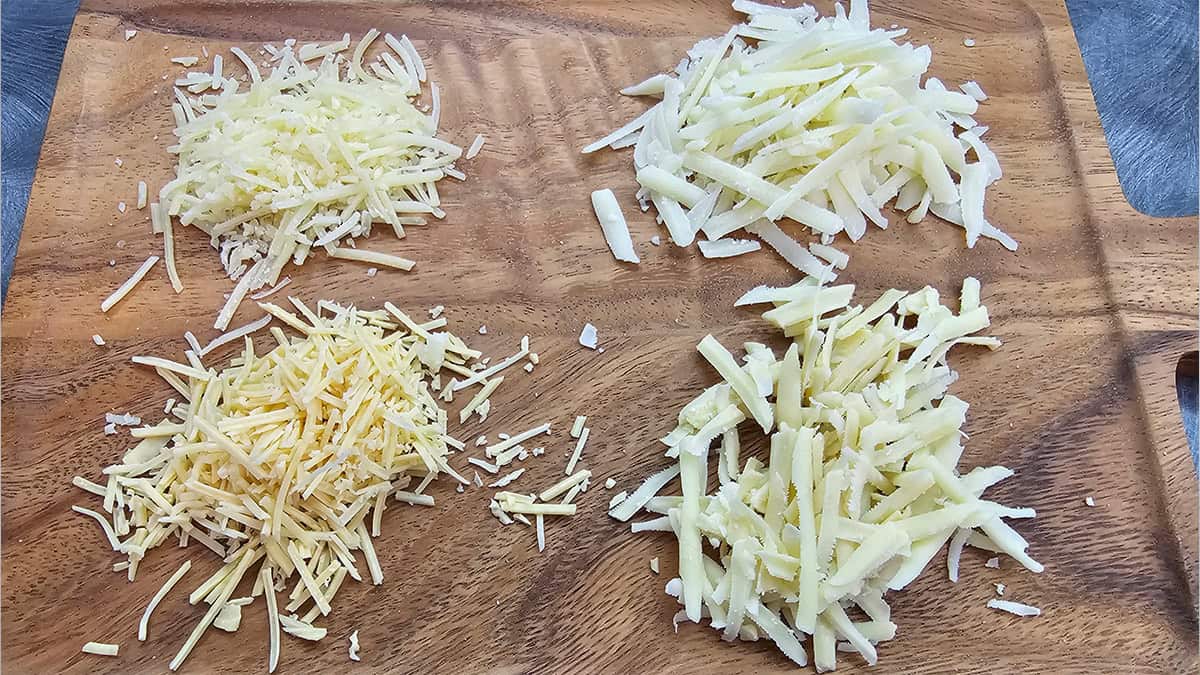
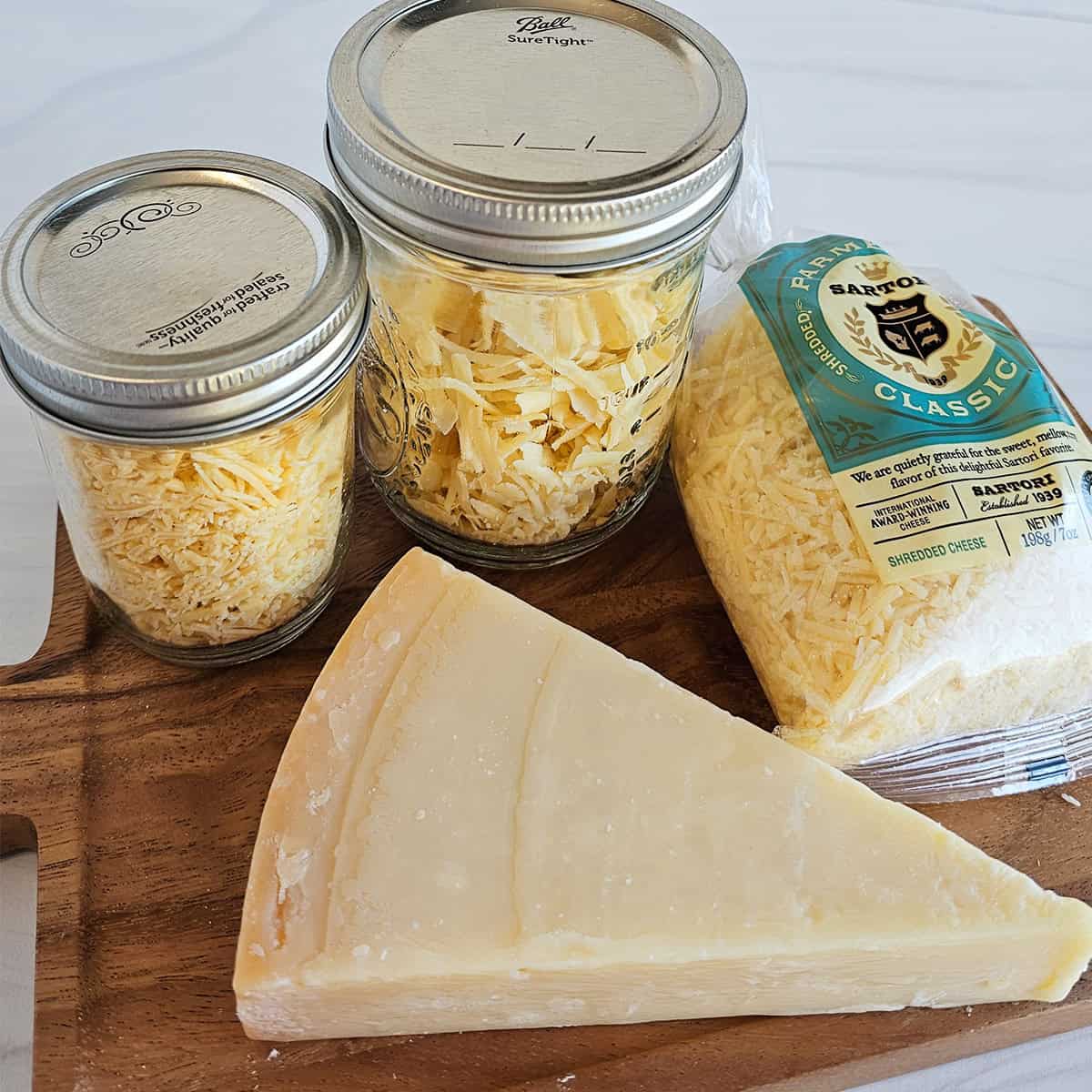
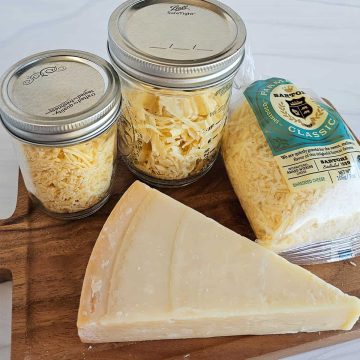
The process begins with the selection of the substrate. While wedges of fresh Parmigiano-Reggiano or domestic Parmesan offer the highest quality, pre-shredded commercial varieties are frequently utilized for convenience. The cheese must be mechanically reduced into small, uniform shreds. This increases the surface area-to-volume ratio, allowing for more efficient moisture evaporation. If using pre-shredded cheese, practitioners often note that the anti-caking agents (such as cellulose) included in commercial packaging do not significantly hinder the dehydration process, though they may affect the final texture.
Phase II: The Thermal Cycle
The prepared cheese is distributed in a single, thin layer across dehydrator trays. Most food safety guidelines and preservation experts recommend a temperature setting of approximately 135°F (57°C). This temperature is high enough to facilitate evaporation without reaching the melting point of the cheese proteins, which would result in a fused mass rather than individual dried shreds. The duration of this phase typically spans between 6 to 12 hours, depending on ambient humidity and the specific moisture content of the starting material.
Phase III: Lipid Management and Blotting
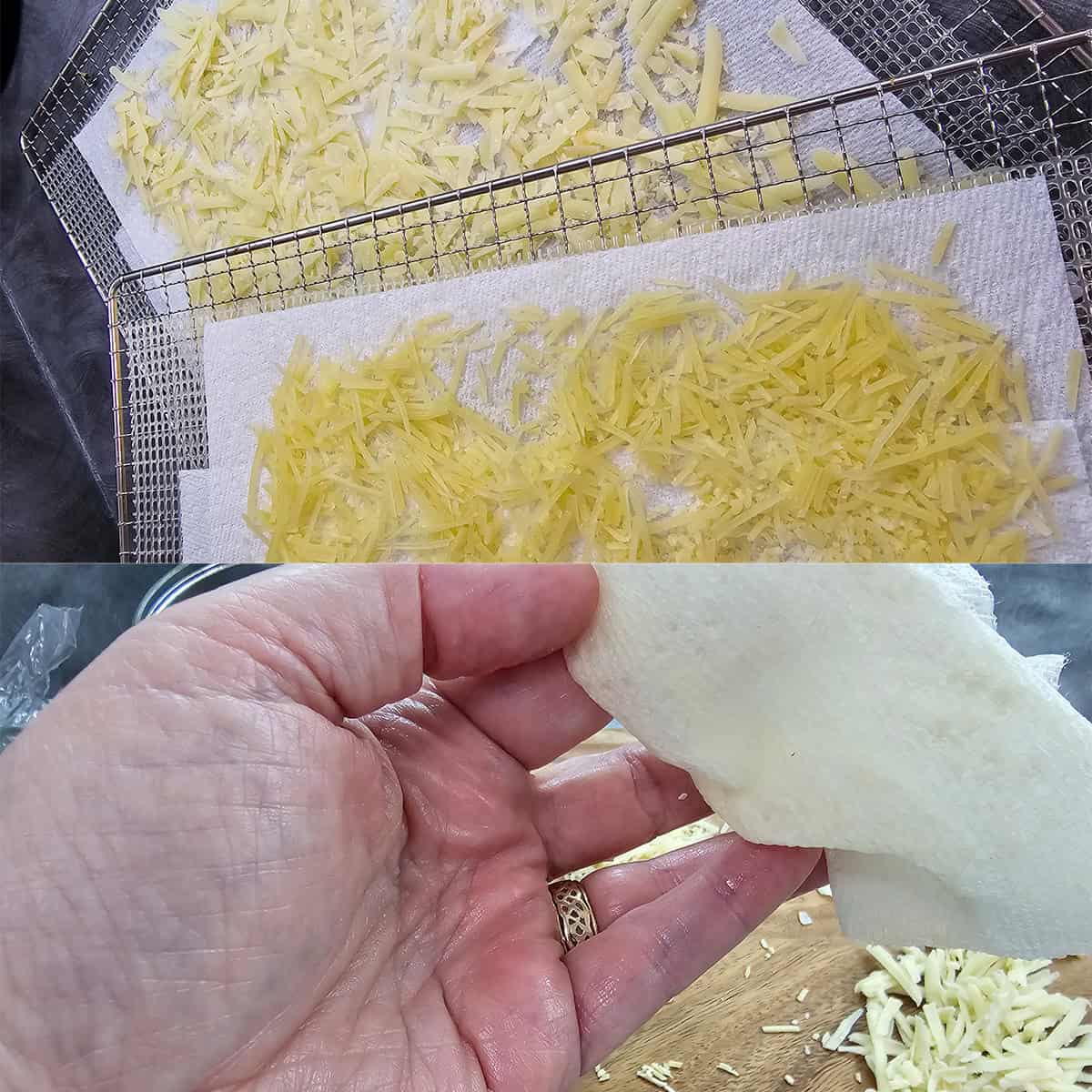
A critical step in the chronology occurs during the drying cycle. As the cheese warms, the fats within the matrix begin to liquefy and migrate to the surface—a phenomenon known as "oiling out." To mitigate the risk of future rancidity, the cheese must be periodically blotted with high-absorbency paper towels. This manual intervention removes a portion of the surface lipids, thereby reducing the total fat content of the final product and slightly extending its shelf stability.
Phase IV: Cooling and Conditioning
Once the cheese has achieved a brittle, "crunchy" texture, the heat is discontinued. The product must be allowed to reach room temperature in a low-humidity environment. This conditioning phase ensures that no residual heat remains to create condensation once the cheese is placed in an airtight container.
Supporting Data and Nutritional Analysis
The transformation of Parmesan through dehydration results in a highly concentrated nutritional profile. Because the process removes only water, the caloric and protein density per gram increases significantly.
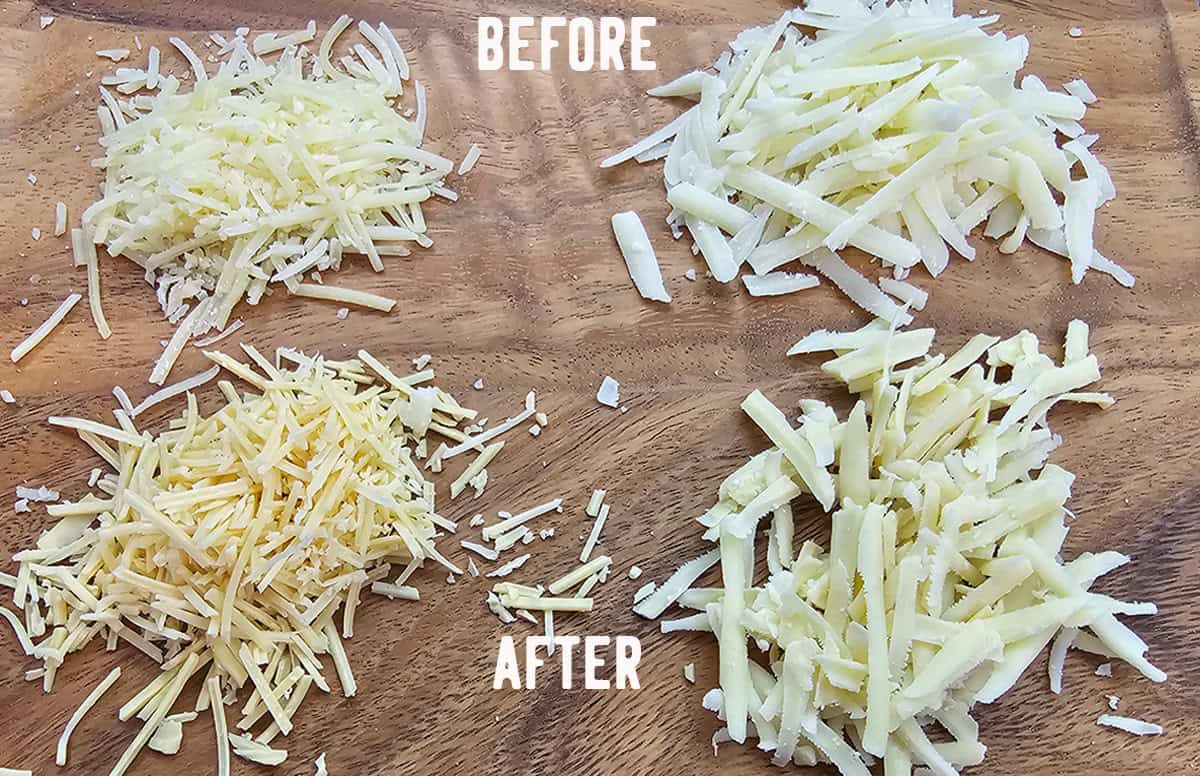
According to standard nutritional estimations, a one-ounce (approximately 28 grams) serving of fresh Parmesan contains roughly 105 calories, 7 grams of protein, and 7 grams of fat. Upon dehydration, the weight of the cheese is reduced by approximately 50% to 75% depending on the initial moisture. Consequently, to obtain the same nutritional value from dehydrated Parmesan, a consumer would only need to ingest roughly 1/4 of the original volume.
Data indicates that the sodium content remains stable at approximately 438 mg per ounce, making dehydrated Parmesan an efficient source of electrolytes for high-exertion activities such as backpacking or long-distance hiking. Furthermore, the protein-to-weight ratio makes it an ideal "lightweight" protein source for mobile food kits.
Comparative Analysis: Hard vs. Soft Cheeses
Not all dairy products are suitable for this method of preservation. A comparative analysis of cheese types reveals why Parmesan, Romano, and Pecorino are the preferred substrates:
- Moisture Content: Hard cheeses generally have a moisture content of 30% or less, whereas soft cheeses like Mozzarella or Brie can exceed 50-60%. The energy required to dry soft cheese often results in the fat melting before the water evaporates.
- Lactose Levels: Aged cheeses have lower lactose levels, as the sugars are converted to lactic acid during the aging process. This contributes to a more stable dehydrated product.
- Fat Structure: The fats in aged hard cheeses are more tightly bound within the protein matrix. In contrast, softer cheeses like Cheddar have a lower melting point, often resulting in a "melted puddle" on the dehydrator tray rather than a preserved shred.
Food Safety Standards and Official Perspectives
While home dehydration is a popular practice, official responses from organizations such as the United States Department of Agriculture (USDA) and the National Center for Home Food Preservation (NCHFP) maintain a cautious stance. These agencies generally do not provide "validated" home recipes for dehydrated dairy due to the variability in home equipment and the inherent risks of fat rancidity.
Food safety experts emphasize that while dehydration inhibits bacterial growth, it does not "kill" bacteria in the same way that pressure canning or high-heat pasteurization does. Therefore, the quality of the starting material is paramount. Pathogens like Staphylococcus aureus are salt-tolerant and can survive in low-moisture environments if the cheese is contaminated during the handling process. Consequently, practitioners are advised to maintain strict hygiene standards and to treat dehydrated cheese as a "short-term" asset.
Broader Impact and Implications for Food Security
The move toward home-based cheese dehydration reflects a broader societal trend toward food self-sufficiency and waste reduction. In the United States, dairy products constitute a significant portion of household food waste. By dehydrating Parmesan that might otherwise expire in the refrigerator, consumers are able to extend the utility of their grocery purchases by six to twelve months.
Furthermore, the application of this method in the "Prep" and "Survivalist" communities has led to the development of sophisticated "meals-in-a-jar." These are shelf-stable, pre-assembled ingredients that require only the addition of water and heat to create a complete meal. Dehydrated Parmesan serves as a critical umami-rich component in these kits, providing flavor depth that is often missing from commercially processed emergency rations.
The environmental impact is also noteworthy. Lightweight, dehydrated foods require less energy for transportation and take up significantly less volume in storage facilities. For the outdoor recreation industry, the ability to carry high-protein dairy without the need for refrigeration represents a significant advancement in backcountry nutrition.
Rehydration and Culinary Integration
The final utility of dehydrated Parmesan lies in its versatility. While it can be consumed in its brittle state as a high-protein snack, its primary use is as a reconstituted ingredient.
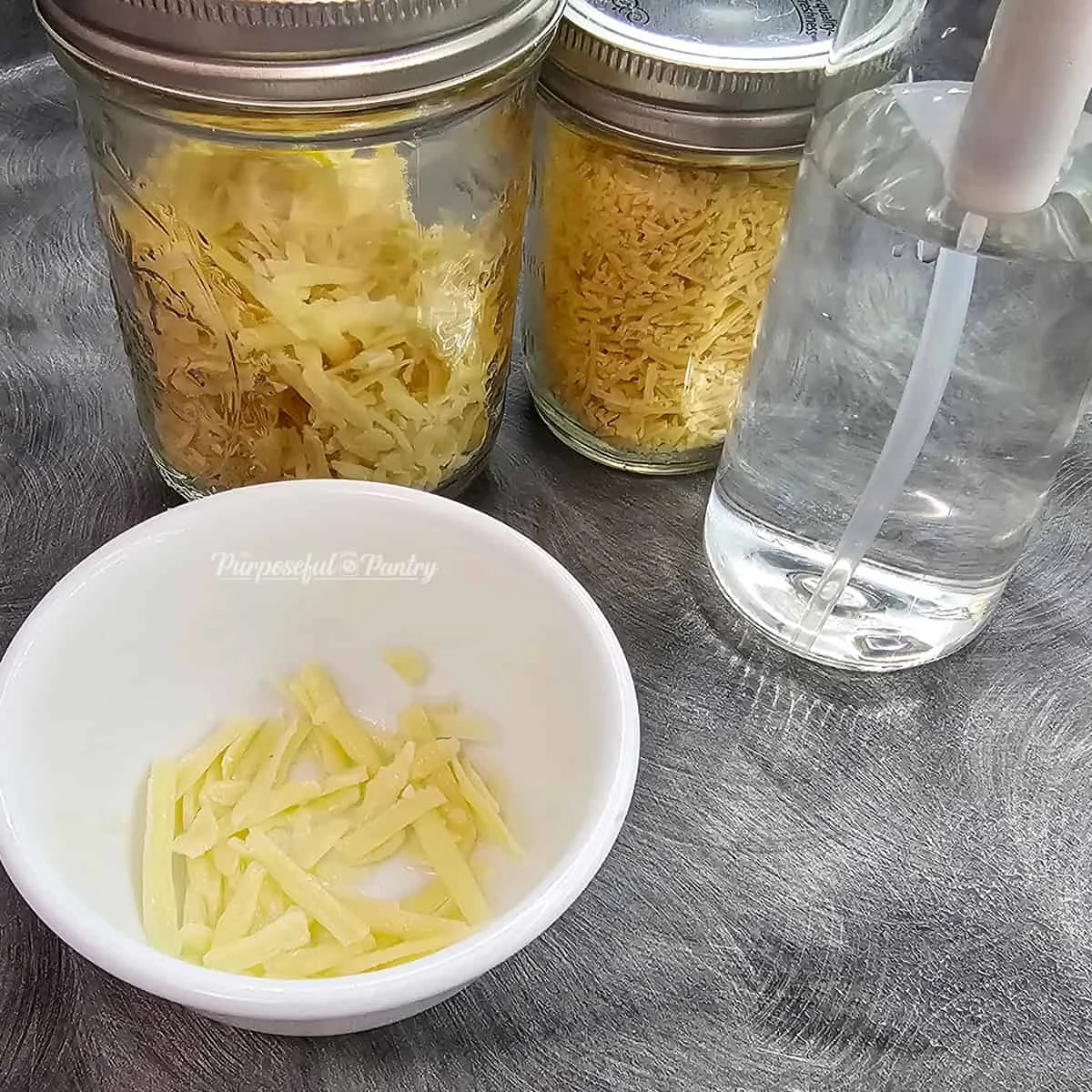
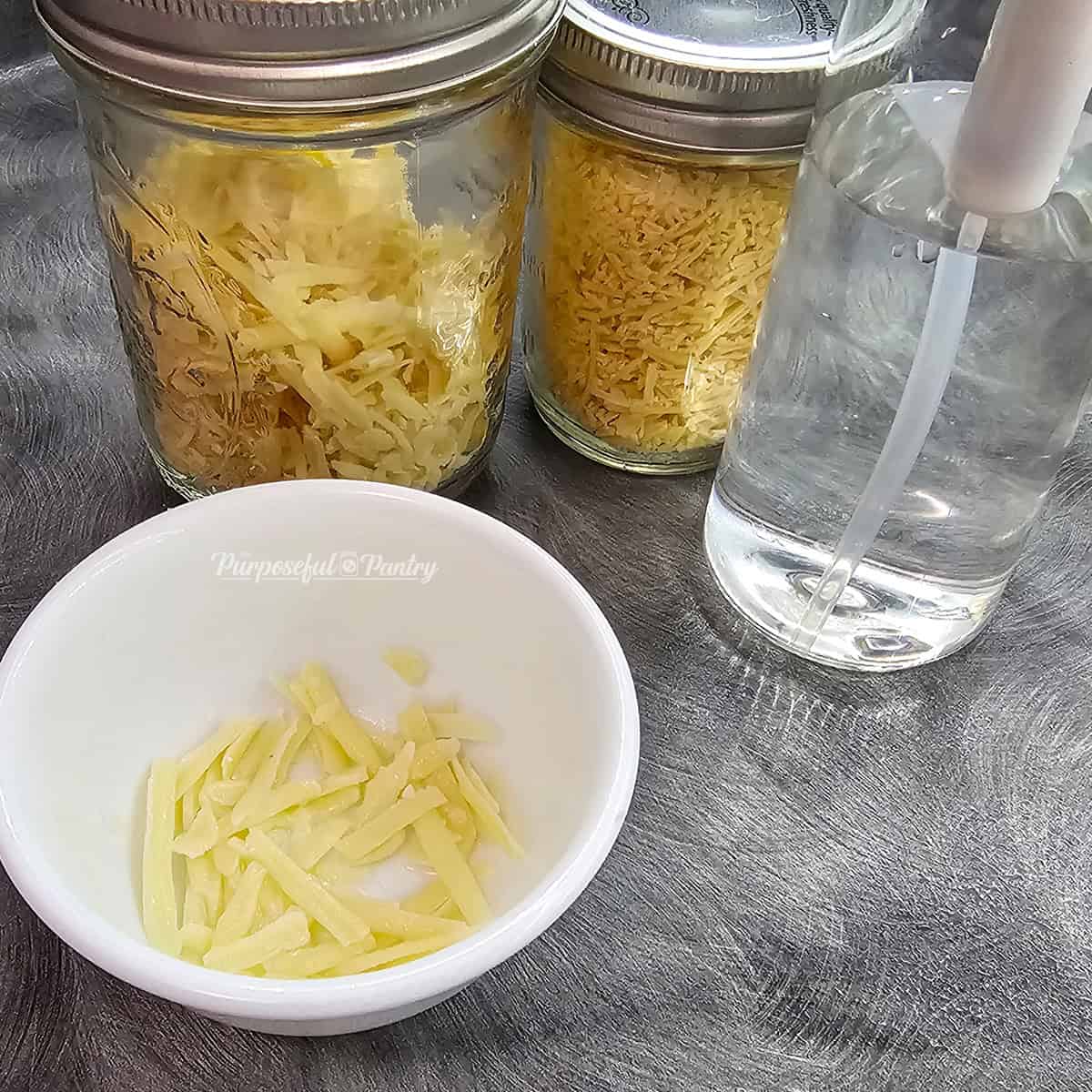
Rehydration is achieved by introducing the dried shreds to a liquid medium—typically hot water, broth, or a sauce base. The cheese absorbs the moisture, regaining a texture similar to fresh shredded Parmesan, though slightly more firm. In culinary applications, it is frequently used in:
- Backpacking Meals: Added to dehydrated pasta or risotto for fat and flavor.
- Seasoning Blends: Ground into a fine powder and mixed with dried mushrooms or herbs for a shelf-stable umami seasoning.
- Emergency Pantries: Used as a topper for canned soups or stews to improve palatability during power outages or supply chain disruptions.
In conclusion, the dehydration of Parmesan cheese is a nuanced intersection of traditional food craft and modern preservation science. While it does not replace the need for long-term cold storage of fresh dairy, it provides a viable, efficient, and flavorful solution for short-to-medium-term pantry management. As food prices fluctuate and interest in sustainable living grows, such methods of maximizing the shelf life of high-value proteins will likely continue to gain traction in both domestic and professional spheres.


