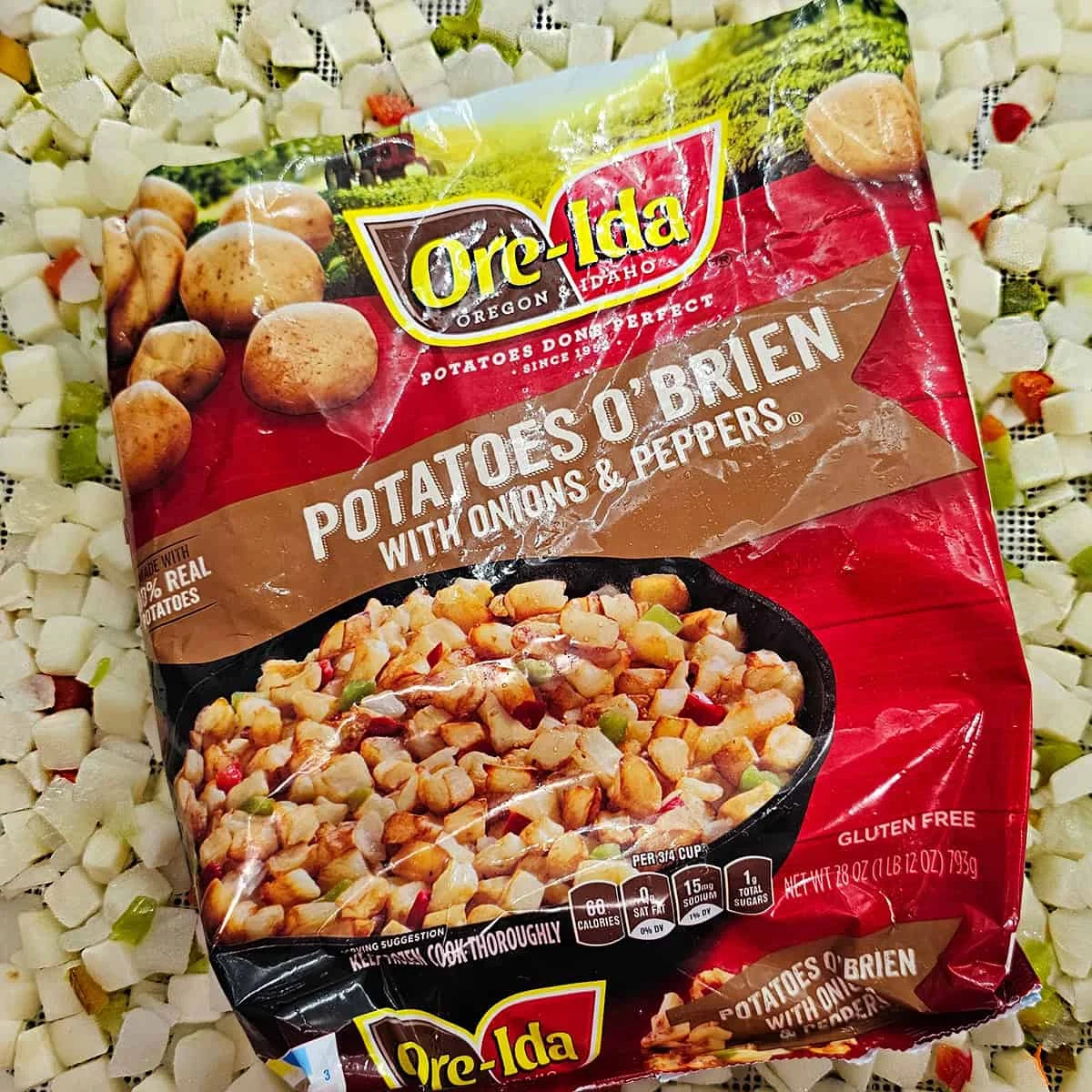
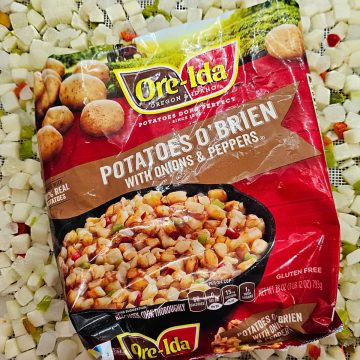
The practice of converting commercially frozen vegetables into shelf-stable pantry staples is gaining significant traction among home preservationists seeking to optimize storage efficiency and mitigate the risks associated with long-term freezer reliance. By utilizing a food dehydrator to process frozen potato products—specifically varieties such as Potatoes O’Brien, which include diced potatoes, onions, and peppers—consumers can effectively transfer their food inventory from energy-dependent cold storage to ambient-temperature shelving. This transition not only safeguards food supplies against power outages but also reorganizes kitchen resources to prioritize items that require sub-zero temperatures for safety and quality.
The Strategic Shift in Home Food Management
The modern kitchen is increasingly defined by a dual focus on food security and organizational efficiency. Historically, freezing has been the primary method for preserving perishable goods; however, the limitations of freezer volume and the ongoing cost of electricity have prompted a resurgence in dehydration techniques. According to data from the U.S. Department of Agriculture (USDA), potatoes are among the most consumed vegetables in the United States, yet their high water content makes them bulky and susceptible to spoilage if not stored correctly.
Dehydrating frozen potatoes offers a unique advantage over processing raw tubers. Commercial frozen potatoes undergo industrial blanching and par-cooking before they are packaged. This pre-processing is essential for long-term storage, as it deactivates the enzymes responsible for browning and texture degradation. By starting with a frozen product, the home preservationist bypasses the labor-intensive steps of peeling, dicing, and blanching, leveraging industrial efficiency for domestic pantry management.
Technical Advantages of Pre-Processed Frozen Produce
The primary hurdle in home potato dehydration is the prevention of enzymatic browning. When raw potatoes are exposed to air, they oxidize rapidly, turning gray or black. To prevent this, they must be blanched in boiling water or steam to reach a specific internal temperature that halts enzymatic activity.
Commercial frozen products, such as Ore-Ida or store-brand Potatoes O’Brien, have already undergone a standardized blanching process. Furthermore, these products are flash-frozen using Individual Quick Freezing (IQF) technology. This ensures that each piece of potato remains separate rather than forming a solid block of ice. From a dehydration perspective, this means the product can be moved directly from the freezer bag to the dehydrator trays without a thawing phase, maintaining the structural integrity of the potato cell walls and ensuring a more consistent final texture.
Methodological Framework for Dehydration
The process of dehydrating frozen potatoes is characterized by its simplicity, yet it requires adherence to specific temperature and duration protocols to ensure food safety and product quality.
Preparation and Loading
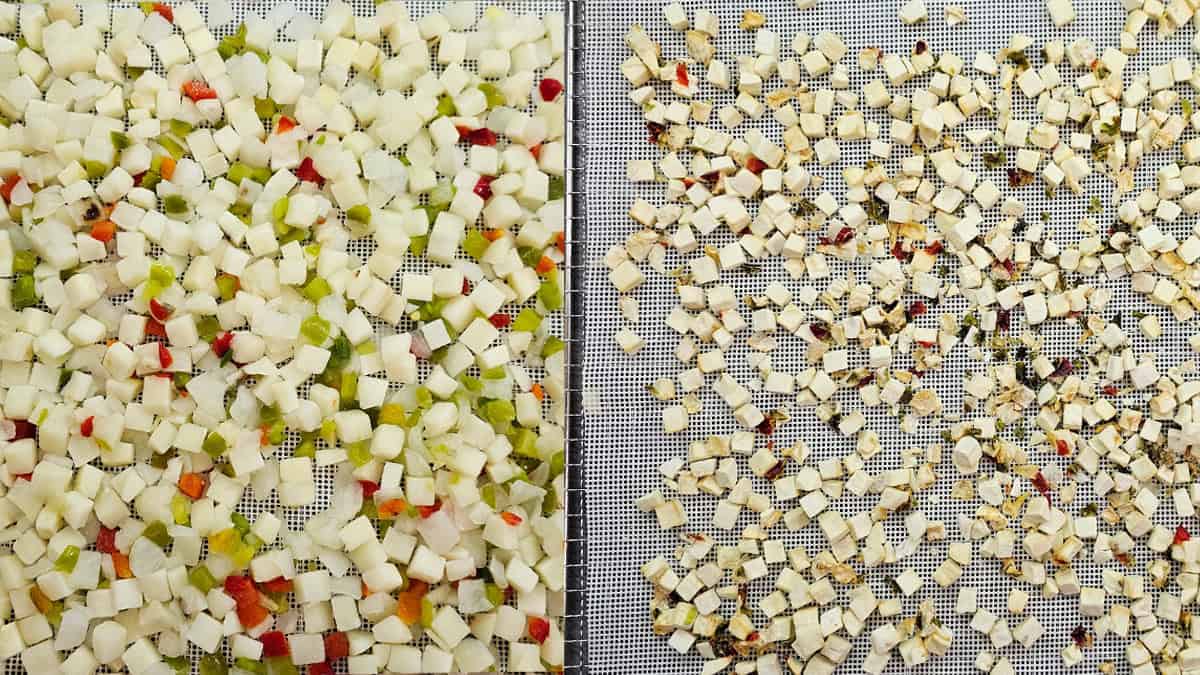
The procedure begins with the selection of the frozen product. Potatoes O’Brien are particularly favored due to the inclusion of aromatic vegetables, which dehydrate at a similar rate to the diced potatoes. The frozen contents are spread in a single layer across dehydrator trays. It is recommended to use mesh screen liners to prevent the smaller pieces of onion and pepper from falling through the trays as they shrink during the drying process.
Temperature Calibration
The optimal temperature for dehydrating potatoes is generally cited as 125°F (52°C) to 135°F (57°C). Setting the dehydrator to this range ensures that moisture is removed from the center of the dice without causing "case hardening." Case hardening occurs when the exterior of the food dries too quickly, creating a hard shell that traps moisture inside, which eventually leads to mold growth during storage.
Duration and Monitoring
The dehydration timeline typically spans between 8 and 12 hours, depending on the ambient humidity of the room and the specific model of the dehydrator. During the final stages, the potatoes should be monitored for a "brittle" or "clink" stage. A fully dehydrated potato dice will feel hard to the touch and will make a metallic clicking sound when dropped onto a hard surface. If the piece exhibits any flexibility or "give," it requires additional time in the unit.
Product Selection Criteria: Identifying Suitable Varieties
Not all frozen potato products are suitable for dehydration. The distinction lies primarily in the fat and sodium content of the initial product.
- Optimal Candidates: Diced potatoes, hash browns (shredded), and Potatoes O’Brien are ideal. These products typically contain minimal additives and very low oil content.
- Unsuitable Candidates: French fries, tater tots, and seasoned wedges are generally avoided in dehydration. These items are often pre-fried or coated in oils and batters. Fats and oils do not dehydrate; instead, they remain on the surface of the food and can turn rancid over time, even in a vacuum-sealed environment. This rancidity poses a significant risk to the shelf life of the pantry stock and can compromise the flavor of the entire batch.
Economic and Space-Saving Analysis
The decision to move potatoes from the freezer to the pantry is often driven by economic considerations. A standard upright freezer consumes approximately 300 to 600 kilowatt-hours (kWh) of electricity per year. By reducing the volume of goods stored in the freezer, consumers can potentially downsize their cooling appliances or improve the efficiency of their existing units.
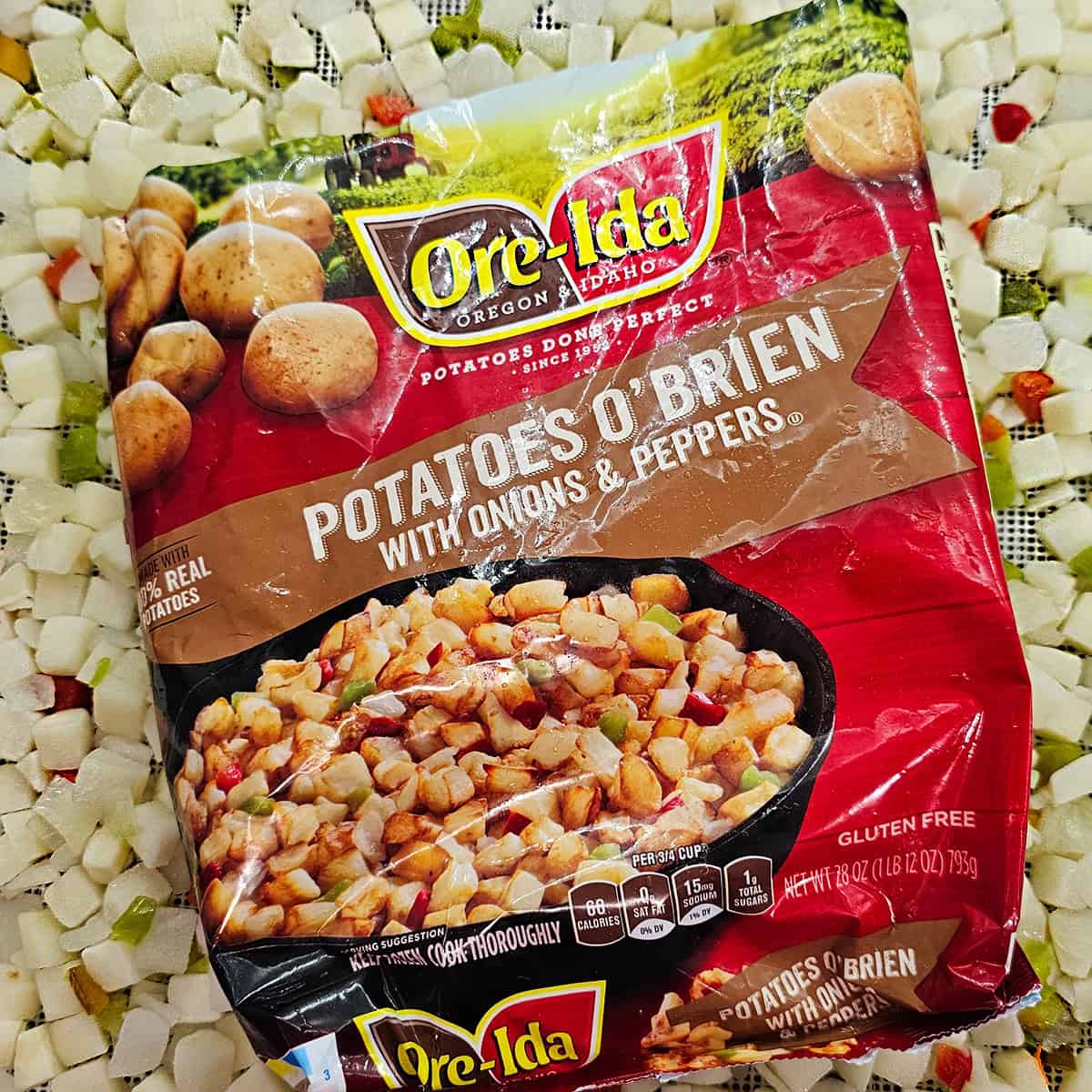
Furthermore, the reduction in volume during dehydration is substantial. Potatoes are approximately 80% water. When that water is removed, the volume of the product shrinks by more than half, and the weight is reduced by nearly 75%. A large bag of frozen potatoes that occupies significant cubic footage in a freezer can be reduced to a single quart-sized glass jar, which can be stored in a cool, dark cupboard for a year or longer.
Rehydration and Culinary Applications
The utility of dehydrated potatoes extends beyond mere storage; they are highly versatile in the kitchen. Rehydration is achieved by soaking the dried pieces in hot water for 15 to 20 minutes, or by adding them directly to liquid-based recipes.
Soups and Stews
Dehydrated potatoes are an excellent addition to slow-cooker meals, soups, and stews. Because they have already been par-cooked and dried, they maintain their shape better than fresh potatoes over long cooking durations. They act as a natural thickener as they release a small amount of starch into the broth.
Breakfast Hash and Casseroles
For applications where a crispy texture is desired, such as breakfast hash browns, the potatoes must be fully rehydrated and then patted dry with a lint-free towel. Removing excess surface moisture is critical for achieving the Maillard reaction—the chemical reaction between amino acids and reducing sugars that gives browned food its distinctive flavor—when sautéing in a skillet.
Emergency Preparedness
From a disaster-readiness perspective, dehydrated potatoes are a superior asset. In the event of a prolonged power outage, frozen food is among the first resources lost. Dehydrated potatoes, however, remain viable without refrigeration. When paired with other pantry staples like canned proteins or dehydrated vegetables, they provide a reliable source of carbohydrates and calories.
Safety, Quality Control, and Conditioning
To ensure the longevity of the dehydrated product, a process known as "conditioning" is required. After the potatoes have cooled to room temperature, they are placed in a clear glass jar, which is shaken daily for about a week. If any condensation appears on the interior of the glass, the potatoes are not sufficiently dry and must be returned to the dehydrator.
Once conditioned, the potatoes should be stored in an airtight container, such as a Mason jar with a vacuum-sealed lid. Oxygen absorbers can be added to further extend the shelf life by preventing oxidation. When stored in a cool (50°F to 70°F), dark, and dry location, dehydrated potatoes can maintain their nutritional value and flavor for 12 to 18 months.
Broader Impact on Consumer Behavior and Food Systems
The trend toward home dehydration reflects a broader shift in consumer behavior toward self-sufficiency and waste reduction. As global supply chains face ongoing volatility and food prices continue to fluctuate, the ability to "lock in" food prices by purchasing in bulk and preserving the surplus is a powerful tool for household financial management.
Industry analysts suggest that the market for home preservation equipment, including high-end dehydrators and vacuum sealers, has seen steady growth since 2020. This indicates that what was once a niche hobby for "preppers" or "homesteaders" has moved into the mainstream. Retailers have responded by offering larger "club-sized" bags of frozen produce, which are perfectly suited for dehydration projects.
By bridge-loading the efficiency of commercial food processing with the longevity of traditional dehydration, modern consumers are redefining the "purposeful pantry." The humble bag of frozen Potatoes O’Brien, once a mere convenience item for a Tuesday night dinner, has become a cornerstone of a sophisticated, shelf-stable food storage strategy. This evolution in food management underscores a collective move toward more resilient, organized, and economically sound domestic practices.